分类: world

  • “Belize” Appears Multiple Times in Epstein Files

    “Belize” Appears Multiple Times in Epstein Files

    Recent scrutiny of the fully released Epstein Library from the U.S. Department of Justice has uncovered multiple references to Belize within the extensive document trove. While an initial keyword search yields 156 results, a deeper examination reveals that the vast majority represent duplicate documents, tangential market research, or incidental mentions rather than substantive connections to Jeffrey Epstein himself.

    Upon filtering out these peripheral references, the number of meaningful Belize-related entries diminishes considerably. However, several notable exchanges remain that connect the Central American nation to Epstein’s network of financial and political associates.

    One particularly significant communication dates to 2017, when an individual identified as ‘Alford’ emailed Epstein regarding Belize’s emerging real estate market, explicitly describing the country as a ‘great tax shelter.’ Epstein responded with apparent interest, noting: ‘Thx, I will; I’ll be back around the 20th.’

    Additional Belize mentions within the archive involve Epstein’s business partners and his final girlfriend, who exchanged messages about vacation plans to the country. These communications consistently maintained a positive tone regarding Belize.

    The document release, which occurred on January 30th under the Epstein Files Transparency Act, comprises millions of pages, images, and videos that name numerous prominent figures including Richard Branson, Bill Gates, and Elon Musk. Authorities have emphasized that appearance in the files does not indicate wrongdoing, and many named individuals have denied any involvement. Some lawmakers continue to argue that the administration has not fully complied with document disclosure requirements.

  • Mine Collapses And  Kills Over 200 in DR Congo

    Mine Collapses And  Kills Over 200 in DR Congo

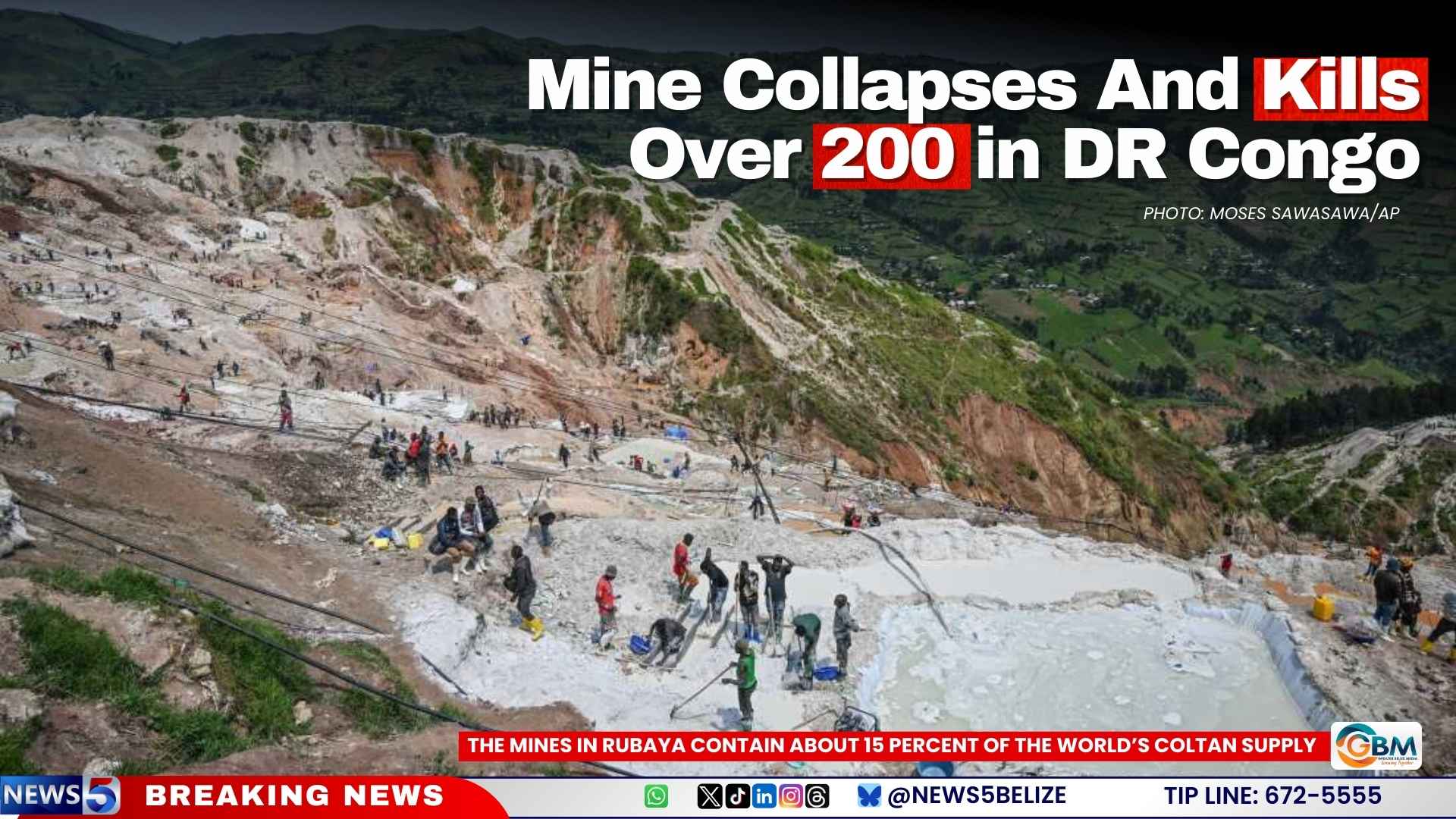
    A devastating mining disaster has struck the Democratic Republic of Congo, resulting in one of the deadliest industrial accidents in recent African history. Official sources from North Kivu province confirm that over 200 individuals perished when an artisanal mine catastrophically collapsed near the town of Rubaya on Wednesday.

    The tragedy unfolded following exceptionally heavy rainfall that destabilized the geological structure of the mining site, causing massive ground subsidence. Lumumba Kambere Muyisa, spokesperson for the regional administration, indicated that rescue operations remain ongoing with the final death toll still being determined. Among the victims were significant numbers of women and children who had been working within the mine’s precarious tunnels.

    According to testimony from a former site supervisor interviewed by the BBC, the mine had suffered from critical maintenance deficiencies that both increased collapse risks and hampered emergency response efforts. The geological fragility of the soil composition further exacerbated the hazardous conditions.

    Congolese government authorities have placed responsibility for the disaster squarely on rebel factions controlling the territory, accusing armed groups of permitting extensive illegal mining operations without implementing basic safety protocols. Although the government had officially banned mining activities in Rubaya last year, the area remained under militant control where regulations were systematically ignored.

    Approximately twenty survivors have been transported to medical facilities for emergency treatment. The Rubaya region, currently occupied by the M23 rebel organization, holds strategic importance due to its mineral wealth. UN reports indicate the area contains approximately 15% of global coltan reserves—a vital mineral used in electronics manufacturing—making it a persistent flashpoint in the region’s ongoing conflict. Rwanda has repeatedly denied allegations of supporting the M23 group despite international accusations.

  • China blijft kolencentrales bouwen ondanks  bloeiende zonne- en windenergiesector

    China blijft kolencentrales bouwen ondanks bloeiende zonne- en windenergiesector

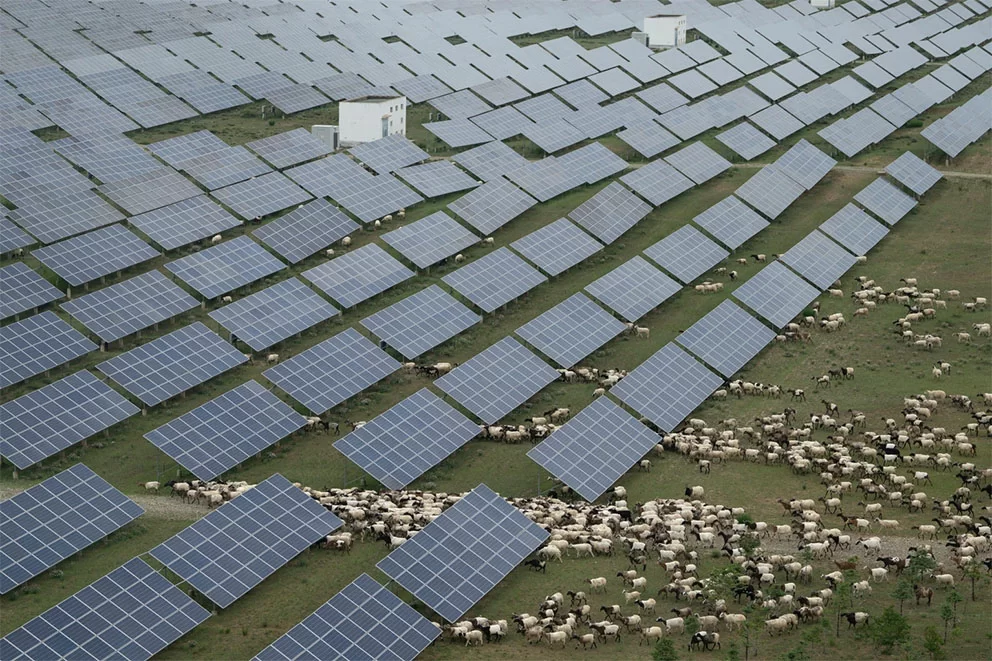
    China demonstrated a remarkable energy dichotomy in 2025, achieving unprecedented growth in renewable energy capacity while simultaneously commissioning more coal-fired power plants than at any point in the previous decade. According to a joint research report published Tuesday by the Centre for Research on Energy and Clean Air and Global Energy Monitor, the world’s largest emitter activated over 50 major coal power units—each with generation capacity exceeding 1 gigawatt—alongside 78 gigawatts of total new coal capacity.

    The scale of this expansion is staggering, with China commissioning more coal plants in a single year than India had throughout the entire preceding decade. This development raises crucial questions about whether the Asian giant can sufficiently reduce carbon emissions to mitigate climate change impacts.

    Despite this coal surge, even larger additions of wind and solar capacity—315 gigawatts and 119 gigawatts respectively, according to government statistics—caused coal’s share in total electricity generation to decline marginally. Clean energy growth fully compensated for the entire increase in electricity demand, resulting in approximately 1% decrease in coal-powered electricity production.

    The driving forces behind this paradoxical development are multifaceted. China’s ongoing economic development requires substantial energy expansion as more of its 1.4 billion citizens enter the middle class and acquire energy-intensive appliances. Additionally, power shortages in 2021-2022 heightened existing energy security concerns, prompting governmental directives for increased coal capacity that led to a construction approval surge.

    Government authorities position coal as essential backup for weather-dependent renewables, particularly following droughts that affected hydropower in Western China. The National Development and Reform Commission has explicitly endorsed coal’s supporting and balancing role in the energy transition. However, analysts warn that excessive coal capacity could potentially delay the shift to cleaner energy sources due to political and financial pressures to maintain operational plants.

    The report urges China to accelerate retirement of outdated coal facilities and commit to ensuring energy sector emissions don’t increase between 2025-2030 in its upcoming five-year plan. The ultimate climate impact will depend on whether coal plants remain limited to backup support rather than baseline electricity production.

  • Italy foils Russian cyberattacks targeting Olympics

    Italy foils Russian cyberattacks targeting Olympics

    ROME, Italy — Italian authorities have successfully intercepted a sequence of sophisticated cyber assaults allegedly originating from Russian operatives, specifically targeting critical infrastructure associated with the Milan-Cortina Winter Olympics. Foreign Minister Antonio Tajani confirmed the security breach on Wednesday, revealing that the attacks impacted both diplomatic facilities—including the foreign ministry office in Washington—and Olympic venues such as hotels in Cortina.

    The hacker collective Noname057, believed to have ties to Russia, publicly claimed responsibility for the coordinated distributed denial-of-service (DDoS) attacks. In a statement circulated on Telegram, the group justified its actions as retaliation for Italy’s continued support of Ukraine, declaring: “The pro-Ukrainian course of the Italian government leads to the fact that support for Ukrainian terrorists is punishable by our DDoS missiles on websites.”

    Cybersecurity experts have corroborated the group’s involvement, noting that the attacks temporarily disrupted access to several hotel websites in Cortina d’Ampezzo, a key host location for the Games scheduled from February 6 to 22.

    In response to escalating threats, Italy has mobilized an extensive security apparatus involving approximately 6,000 police officers and nearly 2,000 military personnel. Specialized units—including bomb disposal experts, anti-terrorism squads, sniper teams, and ski-trained police—have been deployed across competition zones stretching from Milan to the Dolomites. The defense ministry has further reinforced operations with 170 vehicles, radar systems, drones, and surveillance aircraft.

    Amid these security preparations, controversy emerged regarding the presence of US Homeland Security Investigations (HSI) agents—a branch of ICE—during the Games. Italian Interior Minister Matteo Piantedosi clarified that these agents would operate solely in an advisory capacity within US diplomatic missions, with no patrolling or enforcement authority. Milan Mayor Giuseppe Sala had previously criticized their involvement, labeling ICE a “militia that kills,” but Piantedosi dismissed the concerns as “completely unfounded,” emphasizing that international security cooperation during mega-events is standard practice.

    US Ambassador Tilman J Fertitta affirmed that HSI’s role would be limited to intelligence sharing and analysis of transnational cyber and criminal threats, with no operational duties on Italian soil.

  • Aviation chiefs ‘on watch’ as US warning over Venezuelan airspace remains in force

    Aviation chiefs ‘on watch’ as US warning over Venezuelan airspace remains in force

    Aviation authorities in Barbados are advocating for continued vigilance in regional air safety, even as normal flight operations have resumed following last year’s widespread disruptions. These cancellations were directly linked to US military maneuvers conducted near Venezuela, which triggered significant international aviation alerts.

    The situation originated when the US Federal Aviation Administration (FAA) issued a formal warning in late November against passenger flights operating over Venezuelan airspace. This advisory specifically cited deteriorating security conditions and potentially hazardous military activities concentrated near Maiquetia, a northern Venezuelan city. The FAA’s Notice to Airmen (NOTAM) remains officially in effect until February 19, creating an ongoing backdrop of concern for regional aviation stakeholders.

    Hadley Bourne, Chief Executive Officer of Grantley Adams International Airport Inc., confirmed that while the NOTAM remains active, it currently does not directly impact air traffic operations. “We are still NOTAMS-enabled, but it is not impacting air traffic per se… people are just being cautious,” Bourne stated in comments to Barbados TODAY.

    Concurrently, the UK government has withdrawn its travel advisory for Barbados regarding potential flight disruptions, which was originally implemented following the US military actions toward Venezuela.

    Barbadian aviation officials have been conducting intensive monitoring of the FAA’s warnings, which highlighted not only security deterioration but also increased military readiness activities. Tracey Forde-Bailey, Director of the Civil Aviation Authority, emphasized that Barbados had taken formal note of the situation while indicating it hadn’t directly affected the country’s operations.

    Forde-Bailey explained the technical nature of the NOTAM, noting that it primarily provides guidance to US carriers, specifically advising operators to exercise heightened caution within Venezuelan airspace, particularly the Maiquetia region under Venezuelan authority management.

    The civil aviation director further suggested that neighboring nations sharing borders with Venezuela, notably Guyana, would need to maintain particularly close observation, especially for airlines operating flights to those regions. “Any unusual activity within the region would be of interest to every state having boundaries adjacent to Venezuelan airspace,” Forde-Bailey stated.

    The FAA has implemented additional requirements for US operators, mandating at least 72 hours’ advance notice of planned flights with specific details. The agency also directs flight crews to report any observed security issues to its Washington DC-based operations center.

    According to the official NOTAM documentation, operators are advised to maintain caution at all altitudes within the Maiquetia Flight Information Region due to both the worsening security situation and intensified military activities in and around Venezuela. The FAA explicitly stated that these threats could potentially risk aircraft at all flight phases, including during overflight, arrival, departure, and even while aircraft are on the ground at airports.

    Background information released concurrently with the NOTAM detailed specific operational hazards, noting that since September there has been a measurable increase in global navigation satellite system (GNSS) interference within the Maiquetia Flight Information Region, coupled with activities associated with escalating Venezuelan military readiness.

  • Duurzaam ontwikkelingsprogramma West-Suriname gestart

    Duurzaam ontwikkelingsprogramma West-Suriname gestart

    A comprehensive five-year development program has been officially launched in Western Suriname, marking a significant step toward creating improved opportunities for local communities while simultaneously protecting natural resources and promoting sustainable economic activities. The initiative was formally inaugurated during a high-level gathering that brought together government officials, indigenous community representatives, and international partners.

    During the launch ceremony, project partners, stakeholders, and local community delegates unanimously affirmed their shared objectives and collaborative approach to implementation. Patrick Brunings, Suriname’s Minister of Oil, Gas, and Environment, emphasized that this program aligns perfectly with the nation’s long-term development framework known as Suriname 3.0, which prioritizes biodiversity conservation and sustainable economic expansion as core principles.

    The ambitious program will be coordinated under the administrative oversight of the Ministry of Oil, Gas, and Environment, with the United Nations Development Programme (UNDP) serving as the primary implementing partner. Financial backing for the initiative is being provided by the Global Environmental Facility (GEF), ensuring adequate resources for the multi-year project.

    Strategic implementation will focus on four fundamental pillars: sustainable biodiversity management practices, strengthening nature-friendly economic systems, enhancing governance structures and landscape planning methodologies, and promoting knowledge exchange alongside regional cooperation mechanisms. This integrated approach aims to balance ecological preservation with economic advancement while ensuring local communities benefit directly from development initiatives.

  • Abinader positions Dominican Republic as strategic logistics hub at World Government Summit

    Abinader positions Dominican Republic as strategic logistics hub at World Government Summit

    DUBAI – President Luis Abinader of the Dominican Republic delivered a compelling vision of his nation as an emerging global logistics powerhouse during his address at the 2026 World Government Summit. Addressing an assembly of world leaders, international investors, and corporate executives, Abinader outlined a multi-faceted strategy centered on democratic resilience, economic diversification, and robust public-private collaborations to secure the country’s status as a pivotal trade and investment nexus.

    The president detailed strategic investments in core infrastructure sectors, notably tourism, expansive free trade zones, and modernized port and airport facilities, all designed to amplify the nation’s competitive edge. A landmark development highlighted was the advancement of the Manzanillo Airport initiative, a project bolstered by financing from the Inter-American Development Bank (IDB). This infrastructure endeavor is projected to significantly boost export capabilities and broaden the national logistics framework.

    In a subsequent high-level discussion with Sultan Ahmed bin Sulayem, Chairman and CEO of global logistics giant DP World, President Abinader elaborated on the nation’s inherent geographical advantage. He portrayed the Dominican Republic as a vital conduit linking the Caribbean, Latin America, and the Eastern United States, a position that unlocks substantial potential for international commerce, corporate growth, and employment generation.

    Further cementing its commitment to sustainable development, the administration announced a major energy initiative to integrate 1,200 megawatts of new generating capacity. This project is strategically aimed at achieving energy stability and fueling industrial expansion, particularly in the northern territories. The president pointed to the synergistic model combining cargo logistics with tourism operations as a proven and replicable blueprint for sustainable economic progress.

    Beyond infrastructure, Abinader showcased the country’s successful export diversification into high-value sectors, including medical devices, electrical equipment, and premium tobacco products, while also acknowledging the significant economic impact of its famed baseball industry. Concluding his address, the president firmly reiterated the nation’s unwavering dedication to democratic principles, institutional integrity, and the rule of law, identifying these foundations as indispensable for fostering enduring investor trust and catalyzing long-term economic prosperity.

  • Condolence Message: Dr William Warren Smith, CD, Former President of the Caribbean Development Bank (CDB)

    Condolence Message: Dr William Warren Smith, CD, Former President of the Caribbean Development Bank (CDB)

    The Caribbean Community (CARICOM) has expressed profound sorrow following the passing of Dr. William Warren Smith, CD, the former President of the Caribbean Development Bank (CDB), who died on Tuesday, February 3, 2026. Dr. Smith was celebrated as a distinguished development economist whose career left an indelible mark on the region.

    Throughout his esteemed career, Dr. Smith demonstrated exceptional dedication and visionary leadership across multiple pivotal institutions. He provided strategic direction at the helm of the Caribbean Development Bank and LIAT (Leeward Islands Air Transport), in addition to holding several high-level governmental positions in his native Jamaica. His professional approach was characterized by intellectual rigor, unwavering integrity, and a profound commitment to enhancing the quality of life for Caribbean citizens.

    Widely respected throughout the regional community, Dr. Smith was renowned for his thoughtful counsel and principled governance style that earned him the admiration of colleagues and stakeholders alike. CARICOM has extended its heartfelt condolences to Dr. Smith’s family, friends, and former colleagues during this period of mourning.

    The Caribbean Community, established on July 4, 1973, through the Treaty of Chaguaramas (revised in 2001), represents fifteen Member States and six Associate Members with a combined population of approximately sixteen million. The organization, headquartered in Georgetown, Guyana, operates as one of the developing world’s most successful integration models, focusing on economic integration, foreign policy coordination, human development, and security cooperation.

  • Record-Breaking Cold Swept Across Belize

    Record-Breaking Cold Swept Across Belize

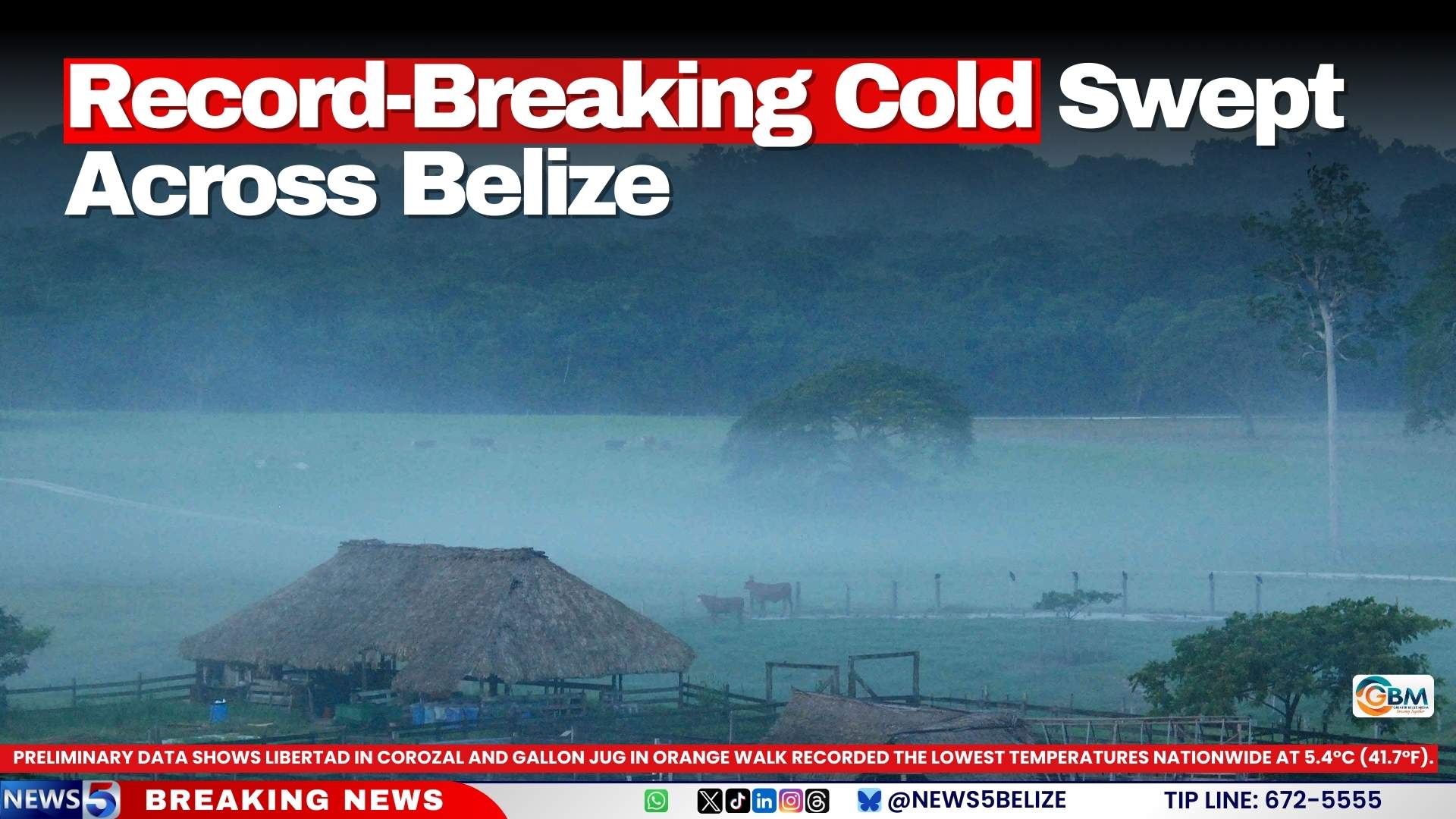
    A severe and unprecedented cold front descended upon Belize on February 2, 2026, shattering long-standing meteorological records for the month of February. The nation experienced a dramatic plunge in temperatures, creating unusually frigid conditions for the region.

    The most extreme cold was concentrated in northern and western territories, with coastal regions including the Belize District experiencing comparatively milder, yet still unseasonably cold, weather. Preliminary meteorological data confirmed that the small communities of Libertad in the Corozal District and Gallon Jug in the Orange Walk District registered the nation’s lowest temperatures, an astonishing 5.4°C (41.7°F). This reading is preliminarily confirmed as a new all-time national low for the month.

    This historic event was not isolated. Multiple weather stations across Belize documented record-breaking lows. The town of Tower Hill recorded 7.8°C (46.1°F), while the official reading at the Philip S.W. Goldson International Airport near Belize City was 10.5°C (50.9°F). In the elevated terrain, Baldy Beacon dropped to 6.6°C (43.8°F), and the station at Melinda also matched the airport’s reading of 10.5°C (50.9°F), all setting new February benchmarks for their respective locations.

    The National Meteorological Service of Belize has provided a forecast indicating that this arctic blast is temporary. Officials anticipate a gradual return to seasonal norms, with temperatures expected to steadily climb over the ensuing days, offering relief from the exceptional chill.

  • CARICOM Highlights Barbuda’s Codrington Lagoon on World Wetlands Day

    CARICOM Highlights Barbuda’s Codrington Lagoon on World Wetlands Day

    ST. JOHN’S, Antigua – The Caribbean Community (CARICOM) marked World Wetlands Day 2026 by emphasizing the ecological significance of Antigua and Barbuda’s Codrington Lagoon, recognized as a wetland of international importance under the Ramsar Convention. This designation places the lagoon among 16 protected Ramsar Sites throughout the Caribbean region.

    The annual observance, celebrated globally on February 2nd, carried the thematic focus ‘Wetlands and Traditional Knowledge: Celebrating Cultural Heritage.’ CARICOM’s official statement underscored the vital functions wetlands serve in maintaining biodiversity, enhancing climate resilience, ensuring food security, and providing coastal protection. These ecosystems create essential habitats for marine and avian species while simultaneously supporting sustainable development and local livelihoods.

    Beyond Codrington Lagoon—Antigua and Barbuda’s sole Ramsar-listed site—CARICOM highlighted multiple protected wetlands across member states. These include Inagua National Park in The Bahamas, Graeme Hall Swamp in Barbados, Crooked Tree Wildlife Sanctuary and Sarstoon Temash National Park in Belize, Levera Wetland in Grenada, and various wetland systems in Jamaica. Saint Lucia’s Mankòtè Mangrove and Savannes Bay, Suriname’s Coppenamemonding Nature Reserve, and several wetland complexes in Trinidad and Tobago complete the regional network of conserved areas.

    CARICOM reiterated its urgent call for enhanced protection, restoration, and sustainable management practices to preserve these critical ecosystems for current and future generations. The organization’s advocacy aligns with global efforts to raise awareness about wetland conservation challenges and opportunities.