分类: world

  • U.S. donates emergency equipment to strengthen rural fire departments in DR

    U.S. donates emergency equipment to strengthen rural fire departments in DR

    SANTO DOMINGO – A significant enhancement to emergency response capabilities in the Dominican Republic’s southwestern regions is underway following a strategic donation from the United States Department of Defense. Facilitated by the U.S. Embassy, the aid was delivered under the framework of the C5 Denton Program, a cornerstone of bilateral cooperation.

    The latest consignment comprises a state-of-the-art fire engine, advanced structural firefighting suits, and a comprehensive array of critical response supplies. This equipment is specifically designated to fortify rural fire departments, which often operate with limited resources, thereby directly boosting community resilience and disaster preparedness.

    Embassy officials highlighted that this initiative is not an isolated act but part of a sustained, long-term partnership. The C5 Denton Program has a established track record of delivering tangible support, with previous shipments including multiple emergency vehicles and vital gear. Cumulative data indicates that these collaborative efforts have already positively impacted the safety and security of over 300,000 residents in underserved rural communities across the nation.

    This ongoing collaboration underscores a mutual commitment to strengthening national security infrastructure, improving regional emergency readiness, and providing essential support to vulnerable populations. The donation exemplifies a shared dedication to fostering a safer environment through international aid and strategic alliance.

  • Belize Secures New Climate Funding Opportunities at COP30

    Belize Secures New Climate Funding Opportunities at COP30

    Belize has successfully leveraged its participation in the COP30 climate conference in Belém, Brazil, to secure access to substantial new funding streams and enhance its international diplomatic standing. According to official reports from the Ministry of Sustainable Development, the country now qualifies for over $250 million in climate financing through various grant mechanisms.

    The funding opportunities encompass critical areas including climate-resilient housing infrastructure, protected area management, advanced early warning systems, technological modernization, and comprehensive resilience-building programs. Ministry officials emphasized that these financial arrangements reflect growing international confidence in Belize’s climate governance and implementation capabilities.

    While acknowledging that the funding requires subsequent project development rather than immediate disbursement, Minister of Sustainable Development and Climate Change Orlando Habet characterized the summit as a significant diplomatic achievement. “Our participation yielded substantial practical benefits through strategic bilateral negotiations with potential partner nations and organizations,” Habet stated.

    Beyond financial arrangements, Belize strengthened its position within key international negotiating blocs. The country secured leadership positions and board memberships within the Alliance of Small Island States (AOSIS) and the G77 plus China coalition. Notably, Belize obtained representation on the influential Loss and Damage Fund board, positioning the nation to directly influence global climate compensation policy.

    The delegation also focused on capacity building by incorporating young professionals into negotiation teams, providing valuable experience in international climate diplomacy. Minister Habet concluded that these strategic gains represent substantial progress in Belize’s climate leadership trajectory, combining immediate funding opportunities with long-term diplomatic influence.

  • Door VS onderschept ‘Guyanees’ vlaggend schip niet in Guyana geregistreerd

    Door VS onderschept ‘Guyanees’ vlaggend schip niet in Guyana geregistreerd

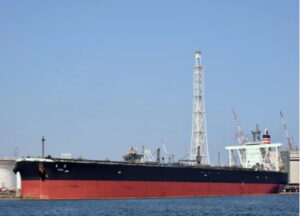
    The United States has escalated regional tensions through the dramatic seizure of oil tanker Skipper in international waters near Venezuela. American forces, utilizing helicopters, coast guard vessels, and marines, boarded the vessel on Wednesday in what marks the latest confrontation in ongoing geopolitical struggles over sanctioned oil shipments.

    According to U.S. authorities, the Skipper—previously known as Adisa—has been under American sanctions since 2022 for its involvement in oil trading operations benefiting Iran and Lebanese movement Hezbollah. Intelligence indicates the vessel had recently loaded approximately 1.1 million barrels of heavy Merey crude from Venezuela’s José port prior to its interception, based on data from TankerTrackers and sources within PDVSA.

    The operation has drawn fierce condemnation from Venezuela’s Maduro government, which characterized the seizure as ‘international piracy.’ Caracas accuses Washington of targeting Venezuela’s oil reserves, which remain barred from global markets due to U.S. sanctions. Venezuelan officials assert this action forms part of a broader American strategy to further isolate the country economically and increase political pressure.

    U.S. Attorney General Pam Bondi confirmed the seizure via social media, stating the operation was conducted ‘safely and responsibly’ against a vessel involved in transporting sanctioned oil from Iran and Venezuela. President Donald Trump notably described the captured tanker as ‘the largest ever seized by the United States.’

    The incident occurs amid significant U.S. military buildup in the Caribbean region, where tens of thousands of American troops are currently deployed alongside an aircraft carrier with combat jets. Shortly before the seizure, two U.S. fighter jets conducted flights lasting over thirty minutes in the Gulf of Venezuela—notably close to the Venezuelan mainland, though American officials described this as a ‘routine training flight.’

    Since September, the U.S. has conducted dozens of armed operations against suspected drug transports in the Caribbean and eastern Pacific, resulting in at least 90 casualties according to American figures.

    Complicating the situation, Guyana’s Maritime Administration (MARAD) has confirmed that although the Skipper sailed under the Guyanese flag, the vessel was not properly registered in the country. This represents another case of illegal flag usage, a practice that Guyana says it’s increasingly detecting. MARAD officials emphasized their collaboration with international partners to detect and prevent ship fraud, highlighting the vulnerability of smaller maritime states to identity abuse at sea.

  • Bahamian fugitive arrested in Florida

    Bahamian fugitive arrested in Florida

    A notorious Bahamian escapee, Tomal Bowe, has been apprehended by Florida law enforcement following an intensive multi-agency operation that culminated in a dramatic high-speed pursuit. The 33-year-old suspect, wanted for serious criminal charges in The Bahamas, was taken into custody by St Johns County Sheriff’s deputies after evading capture for several hours.

    The incident began when deputies attempted to initiate a routine traffic stop, prompting Bowe to allegedly accelerate away and trigger an extensive chase. Law enforcement officials employed specialized tactical maneuvers, including a Precision Immobilization Technique (PIT), to disable the suspect’s initial vehicle. Demonstrating continued resistance, Bowe then allegedly abandoned the disabled car, commandeered a van from a nearby commercial complex, and recklessly drove into opposing traffic on the I-95 highway.

    After abandoning the second vehicle, the fugitive attempted to disappear into a densely wooded marshland area. The search operation escalated with the deployment of aerial surveillance units and specialized K-9 teams, leading to Bowe’s capture several hours later.

    US authorities have confirmed that Bowe entered the country legally with a valid visa. Immigration and Customs Enforcement (ICE) has launched an investigation to determine whether his Bahamian criminal history was properly disclosed during the visa application process. Current charges against Bowe include felony fleeing and eluding, grand theft auto, resisting arrest without violence, possession of marijuana under 20 grams, and multiple out-of-county warrants.

    Bahamian police officials indicate that Bowe has an outstanding armed robbery case pending in The Bahamas and will face local justice upon completion of US judicial proceedings. The fugitive had previously gained notoriety in 2020 when he executed a rare escape from the Carmichael Road Police Station during questioning for armed robbery allegations—marking the first recorded escape from that facility.

    International coordination between US and Bahamian authorities is ongoing to determine the timeline for Bowe’s eventual transfer to Bahamian custody.

  • 300 families to benefit from $500k US hurricane grant

    300 families to benefit from $500k US hurricane grant

    In a significant demonstration of international solidarity, the United States has extended a $500,000 grant to the Bahamas Red Cross to support recovery efforts for communities devastated by Hurricane Melissa in late October. The humanitarian aid will directly benefit approximately 300 families across the Southern Bahamas islands whose homes sustained damage during the catastrophic storm.

    The symbolic cheque presentation ceremony marked the first major public engagement for newly inaugurated US Ambassador Herschel Walker, who framed the assistance as a reaffirmation of the ‘strong and enduring’ partnership between the neighboring nations. The funding will facilitate critical home repairs and replenish exhausted inventories of emergency shelter supplies, including cots, hygiene kits, and blankets, while simultaneously strengthening the archipelago’s disaster response infrastructure ahead of future meteorological threats.

    Ambassador Walker revealed that US Embassy personnel had already provided substantial operational support during the hurricane’s passage, coordinating private aircraft evacuations, delivering crucial overflight intelligence, and distributing relief materials to vulnerable populations. He contextualized the assistance within the framework of historical friendship, noting both nations ‘have been friends since long before each country existed’ through both prosperous and challenging periods.

    The ambassador further personalized the tragedy by sharing his familial connections to Long Island, where his mother-in-law has resided for over five decades. Describing the island as ‘a remarkable, beautiful place,’ Walker expressed particular satisfaction that US assistance would enable residents to ‘rebuild and return home to normal life.’

    Rhea Pierre, Programme and Operations Manager for the International Federation of Red Cross and Red Crescent Societies, confirmed that needs assessments remain ongoing, with recovery operations concentrating on shelter rehabilitation, water sanitation solutions, and hygiene promotion. Priority assistance will target severely damaged households, single-parent families, elderly residents, children, pregnant women, and individuals with disabilities to ensure comprehensive community inclusion.

    Bahamas Red Cross President Edison Sumner characterized Ambassador Walker’s appointment as a positive development for bilateral relations, emphasizing the US Embassy’s consistent role as a cornerstone of disaster response capabilities. The organization is currently expanding its operational capacity and preparing to implement additional support initiatives, including programs that enable families to procure locally sourced construction materials.

    Deputy Prime Minister Chester Cooper, representing Prime Minister Philip Davis, welcomed the ambassador’s arrival after a prolonged diplomatic absence, describing it as ‘a breath of fresh air’ for bilateral engagement. He acknowledged the nation’s heightened vulnerability to hurricanes while framing the support as more than financial assistance—as a profound testament to shared humanitarian values and enduring friendship that collectively makes a tangible difference in recovery efforts.

  • Caribbean nationals detained in major coke seizure

    Caribbean nationals detained in major coke seizure

    A significant multinational law enforcement operation in the British Virgin Islands (BVI) has culminated in the arrest of six Caribbean nationals and the confiscation of a substantial cocaine shipment. The suspects, now facing serious drug trafficking charges, were apprehended following intelligence reports of suspicious maritime activities within territorial waters.

    The detained individuals have been identified as Candido Rios Quezada (St Kitts and Nevis national); Francisco Mejia Ortiz, 21; Joel Santana Santos, 39; Jermife Toribio Vasquez, 40; Cesar Diaz Abrahim, 30; and Ronald James, 49, representing both the Dominican Republic and Trinidad and Tobago. Legal proceedings have commenced against them for importation of a controlled substance and four counts of possession with intent to supply.

    Authorities revealed that the coordinated response involved multiple agencies including BVI customs, the Royal Virgin Islands Police Force (RVIPF), United States Customs and Border Protection, and the Caricom Joint Regional Command Centre. The operation successfully intercepted a vessel engaged in illicit trafficking, recovering 772.4 kilograms of cocaine without incident during the apprehension.

    This seizure continues a pattern of successful anti-narcotics operations in the region. In March 2024, authorities made a historic seizure of approximately 1,800 kilograms of cocaine near Hodges Creek, Tortola, followed by another significant interception of 1,440 kilograms off Virgin Gorda in June 2025.

    Acting Police Commissioner Richard Ullger praised the collaborative effort, emphasizing its impact on regional criminal networks. “This seizure demonstrates what can be achieved when law enforcement agencies work together with precision, intelligence and determination,” Ullger stated. “The removal of more than 770 kilograms of cocaine from circulation represents a major blow to organized crime.” Ullger further commended all participating officers and partner agencies for their professionalism and dedication to safeguarding the Virgin Islands. The estimated street value of the confiscated narcotics was not disclosed by authorities.

  • Afreximbank donates to Hurricane Melissa recovery in Jamaica, Haiti

    Afreximbank donates to Hurricane Melissa recovery in Jamaica, Haiti

    CAIRO, Egypt – In a significant move to support post-hurricane recovery, the African Export-Import Bank (Afreximbank) has announced a financial donation totaling US$1.1 million for the governments of Jamaica and Haiti. This commitment follows the catastrophic passage of Hurricane Melissa through the northern Caribbean in October, which caused extensive damage to these member states of the bank.

    Afreximbank President Dr. George Elombi formalized the allocation through official letters of solidarity, designating US$600,000 for Jamaica and US$500,000 for Haiti. This decision was precipitated by recent high-level discussions between Dr. Elombi and Haitian Transitional Presidential Council Chairman Laurent Saint-Cyr, as well as Jamaican Prime Minister Andrew Holness. During these meetings, Dr. Elombi conveyed the institution’s profound condolences and reinforced its dedication to aiding the nations’ reconstruction endeavors.

    Beyond immediate financial aid, Dr. Elombi indicated that the bank plans to collaborate with national agencies to develop comprehensive country programs aimed at bolstering long-term recovery projects. The bank’s Caribbean Office, headquartered in Barbados, has been tasked with initiating dialogues with both governments to identify and implement further support mechanisms for the extensive reconstruction process.

    The destructive force of Hurricane Melissa resulted in a tragic loss of at least 45 lives in Jamaica and inflicted an estimated US$9 billion in damages across the region. Dr. Elombi emphasized the bank’s recognition of the severe impact on critical infrastructure and community livelihoods, stating, “We remain steadfast in our support for recovery and restoration efforts and in building our collective resilience against future climate shocks.

    This event occurs within the annual Caribbean hurricane season, which spans from June to November and is increasingly producing more intense storms due to climate change. Researchers have linked the exceptional severity of Hurricane Melissa, noted as one of the most powerful Atlantic storms on record, to unusually high ocean temperatures in the region this year.

    This initiative continues Afreximbank’s pattern of regional support, building on its 2024 contribution of over US$500,000 for relief efforts in Caribbean nations affected by Hurricane Beryl. The bank reaffirmed its ongoing strategy to work with regional governments to devise long-term financing solutions that enhance climate resilience, restore economic stability, and fortify essential infrastructure against future natural disasters.

  • Samuda poised to head UN Environment Assembly

    Samuda poised to head UN Environment Assembly

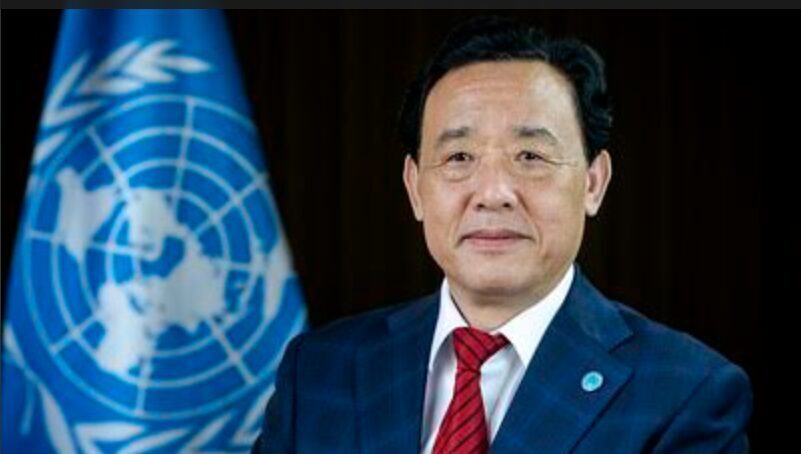
    Jamaican Minister of Water, Environment, and Climate Change Matthew Samuda is positioned to assume the presidency of the United Nations Environment Assembly (UNEA), the premier global environmental decision-making body representing 170 nations. Currently leading Jamaica’s delegation at the UNEA-7 session in Nairobi, Kenya, Samuda would succeed Abdullah Bin Ali Al-Amri of Oman, whose term has concluded.

    The Latin American and Caribbean Group (GRULAC) has formally endorsed Samuda as their candidate for the leadership position. Vincent Sweeney, head of the Caribbean Sub-Regional Office for the United Nations Environment Programme, confirmed that based on regional rotation protocols, Samuda represents the expected successor to the presidency.

    The potential appointment comes during what environmental experts identify as a critical juncture for planetary health, with the triple environmental crises of climate change, biodiversity loss, and pollution pushing natural systems toward collapse. During his address to the assembly, Minister Samuda emphasized the urgent need for sustainable solutions, drawing from Jamaica’s recent experiences with catastrophic climate events.

    Samuda detailed how Jamaica has endured multiple extreme weather events within four years, including two tropical storms and two major hurricanes—Category 4 Hurricane Beryl and Category 5 Hurricane Melissa. The latter caused approximately US$8.8 billion in damages, equivalent to 41% of Jamaica’s GDP, and severely damaged 51% of the nation’s primary forests. These events were compounded by record-breaking temperatures, unprecedented rainfall, and severe droughts, resulting in deteriorated soil quality, reduced pollination rates, and saltwater intrusion into freshwater sources.

    The Minister advocated for the multi-dimensional vulnerability index, a UN-backed assessment tool that evaluates structural vulnerabilities beyond economic metrics, particularly crucial for small island developing states (SIDS) like Jamaica. Samuda reaffirmed Jamaica’s commitment to global environmental protection and climate resilience, supporting resolutions to strengthen UNEP’s role, address sargassum seaweed influxes, and accelerate coral reef conservation efforts.

  • Samuda elected president of United Nations Environment Assembly

    Samuda elected president of United Nations Environment Assembly

    KINGSTON, Jamaica — In a significant development for global environmental governance, Jamaica’s Minister of Water, Environment and Climate Change Matthew Samuda has been elected to lead the United Nations Environment Assembly (UNEA), the world’s premier environmental decision-making body comprising all 193 UN member states.

    The election occurred during the seventh session of UNEA (UNEA-7) in Nairobi, Kenya, where Minister Samuda is currently heading Jamaica’s delegation. The announcement was formally made Friday morning by outgoing assembly president Abdullah Bin Ali Al-Amri.

    This appointment positions Minister Samuda at the helm of the organization responsible for establishing the global environmental agenda, providing critical policy guidance, and developing strategic responses to emerging ecological challenges. The UNEA additionally oversees policy implementation, promotes international partnerships, and directs the operational priorities of the UN Environment Programme (UNEP).

    In his inaugural address following the election, Minister Samuda underscored the imperative of cooperative action and inclusive participation in tackling environmental issues. “Environmental stewardship is no longer an isolated agenda item—it is the defining challenge of our century,” he declared. “The decisions we make within this assembly will continue to shape economies, societies and the lives of generations yet unborn.”

    Minister Samuda further emphasized that his presidency represents not just a personal achievement but symbolizes the shared dedication of the entire Latin American and Caribbean region. “Our voices carry the weight of communities on the frontlines of climate impacts—communities that cannot afford delay and do not have the luxury of indifference,” he stated.

    Looking ahead, Minister Samuda committed to several key priorities during his tenure: enhancing the connection between scientific research and policy formation, increasing financial mechanisms for climate adaptation and resilience, and expediting the global shift toward sustainable production and consumption models. He vowed to ensure that all nations, regardless of size or economic status, have equitable access to environmental solutions.

  • Russian air defense repels massive drone attack on Moscow

    Russian air defense repels massive drone attack on Moscow

    Russian air defense systems successfully intercepted and destroyed a significant aerial assault from Ukrainian forces, with official reports confirming the elimination of 287 unmanned aerial vehicles (UAVs) within a 24-hour period. The coordinated defensive operation spanned multiple southwestern regions of Russia, marking one of the most extensive drone engagements since the conflict’s inception.

    Moscow Mayor Sergey Sobyanin initially reported through his official Max channel that approximately 30 Ukrainian UAVs were neutralized while approaching the capital. According to his statement, debris from one destroyed drone landed within a public park area, prompting immediate deployment of emergency response teams to the site.

    The Russian Defense Ministry provided comprehensive data on the aerial engagements, detailing regional breakdowns of drone interceptions: 118 UAVs destroyed over Bryansk Oblast, 40 each over Kaluga and Moscow regions, 27 over Tula, 19 above Novgorod, 11 above Yaroslavl, 10 over Lipetsk, six above Smolensk, five each over Kursk and Oryol, four above Voronezh, and two over Ryazan.

    In response to the sustained aerial threat, Rosaviatsia (the Federal Air Transport Agency) implemented temporary flight restrictions at multiple aviation hubs. These safety measures affected Moscow’s four major international airports—Vnukovo, Sheremetyevo, Zhukovsky, and Ramenskoye—along with air terminals in Vladikavkaz, Grozny, Magas, and Makhachkala.

    The military engagement occurs within the context of what Russian leadership describes as a “special military operation” initiated in February 2022. President Vladimir Putin has consistently framed the ongoing conflict as necessary protection against what he characterizes as genocidal policies by the Kyiv government and essential for addressing national security concerns.