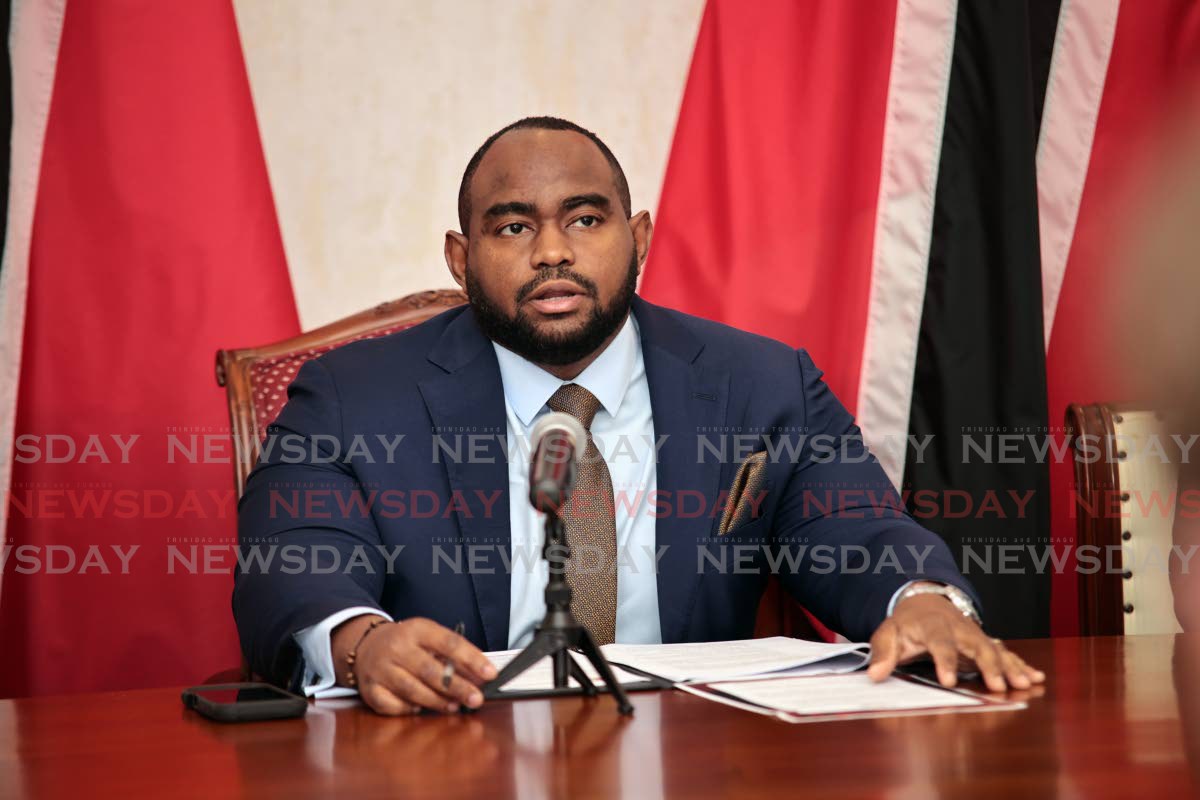
In the aftermath of Hurricane Melissa, which struck Jamaica on October 28, the United States Southern Command (Southcom) has emerged as a key player in facilitating relief efforts from Trinidad and Tobago. The devastating storm prompted a swift response, with relief supplies and personnel being mobilized from various sources. During a post-cabinet meeting at the Diplomatic Centre in St Ann’s on October 30, Trinidad and Tobago’s Minister of Foreign Affairs, Sean Sobers, highlighted Southcom’s involvement in the relief operations. Sobers stated, ‘We have liaised with Southcom to assist in transporting personnel and heavy equipment, such as generators and water tanks, to Jamaica.’ This announcement followed the Prime Minister’s oversight of the initial shipment of relief items to the hurricane-ravaged island. Southcom, a branch of the US military tasked with executing President Donald Trump’s anti-narco trafficking initiatives in the region, has been active in the Caribbean. In August, the US deployed three Aegis guided-missile destroyers off Venezuela as part of its efforts to combat drug cartels. The USS Gravely, one of these vessels, recently concluded a five-day visit to Trinidad and Tobago, though its role in the relief efforts remains unclear. The ship reportedly conducted training exercises with the local Defence Force during its stay. Southcom’s presence in the region has led to 14 strikes on alleged drug-smuggling boats, resulting in 61 fatalities.
分类: world
-
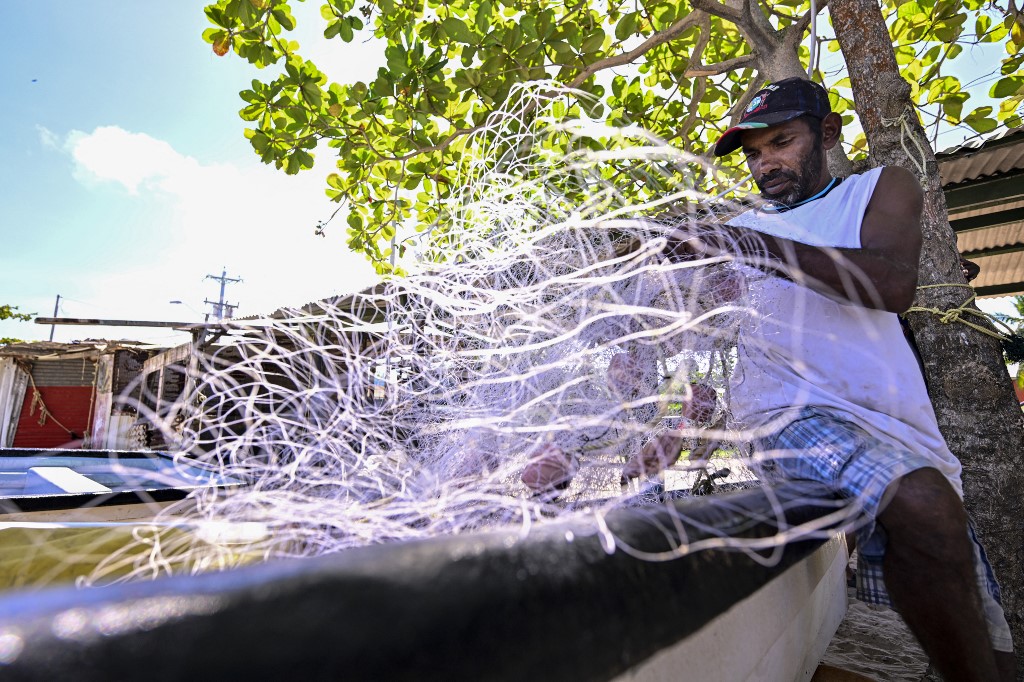
Caught between Venezuela and US, Trinidad fishermen fear the sea
In the tranquil village of Cedros, located in the extreme southwest of Trinidad, fishermen are grappling with an unprecedented crisis. Just a stone’s throw from Venezuela, these fishermen find themselves ensnared in the escalating tensions between Venezuela and the United States, exacerbated by recent US naval deployments and military exercises in the region. The once-peaceful waters have become a battleground of geopolitical strife, leaving the local fishing community in a precarious position.
Fishermen in Cedros, who traditionally ply their trade in the serene waters of the Caribbean, now face heightened risks. Venezuelan coast guard patrols have intensified, reportedly repelling Trinidadian fishing vessels with violence and increasing incidents of extortion. This has severely curtailed their access to Venezuelan territorial waters, where they once operated undisturbed. As a result, their yields and incomes have dwindled, pushing many to the brink of economic hardship.
The situation has been further complicated by US-led anti-drug operations in the Caribbean and Pacific, which have targeted boats allegedly involved in drug trafficking. These operations have claimed the lives of at least 62 individuals, including some Trinidadian fishermen, according to mourning families. While the Trinidadian government has not confirmed these identities, the fear of being mistakenly targeted has forced many fishermen to reduce their activities. ‘You have to take a chance,’ said Rakesh Ramdass, a 42-year-old fisherman. ‘But at sea, anything can happen.’
The diplomatic standoff between the US and Venezuela has also strained relations between Trinidad and Tobago and its South American neighbor. Venezuelan President Nicolas Maduro has accused Trinidadian Prime Minister Kamla Persad-Bissessar of aligning too closely with the US, labeling the nation ‘an aircraft carrier of the American empire.’ This rhetoric has only heightened tensions, with Caracas viewing the US naval deployment as a potential precursor to regime change under the guise of anti-drug operations.
For the fishermen of Cedros and nearby villages like Icacos, the situation is dire. Many have scaled back their activities, fearing both Venezuelan patrols and US-led operations. ‘Better safe than sorry,’ remarked Alexsi Soomai, a 63-year-old fisherman from Icacos. The village, a common arrival point for undocumented Venezuelan migrants, has also felt the ripple effects of the crisis. Families like that of Yacelis Garcia, who fled Venezuela six years ago, now rely solely on fishing for their livelihood. However, the current political climate has made even this precarious source of income increasingly uncertain.
As the US-Venezuela tensions continue to simmer, the fishermen of Trinidad and Tobago remain caught in the crossfire, their lives and livelihoods hanging in the balance. The once-thriving fishing communities now face an uncertain future, with no end to the crisis in sight.
-
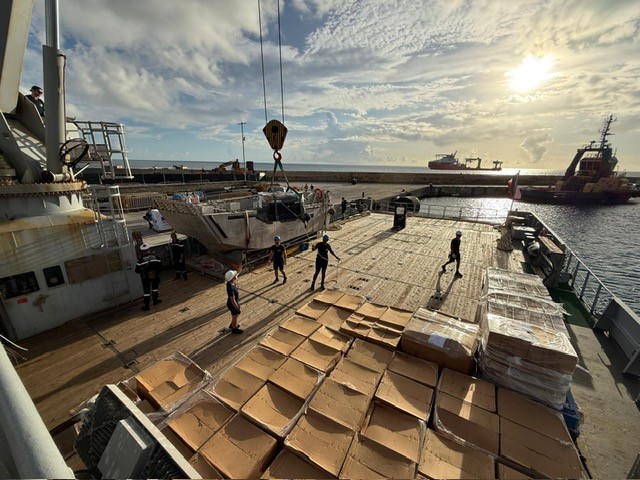
#MelissaAftermath: France dispatching humanitarian aid to hurricane-wrecked Jamaica
In response to the devastation wrought by Hurricane Melissa in Jamaica, France has announced plans to deploy critical humanitarian assistance to the island nation. The aid package, comprising vital relief supplies and advanced water purification systems, will be transported by the French Armed Forces stationed in the West Indies. This initiative is being coordinated under the framework of the European Union Civil Protection Mechanism, highlighting France’s commitment to international solidarity in times of crisis. The French Embassy in Jamaica, supported by the Ministry for Europe and Foreign Affairs and its Crisis and Support Centre, is actively engaged in the effort. Authorities are maintaining close communication with the French community and nationals in the affected region to ensure their safety and provide necessary support. This swift response underscores France’s dedication to aiding nations impacted by natural disasters and fostering global cooperation.
-
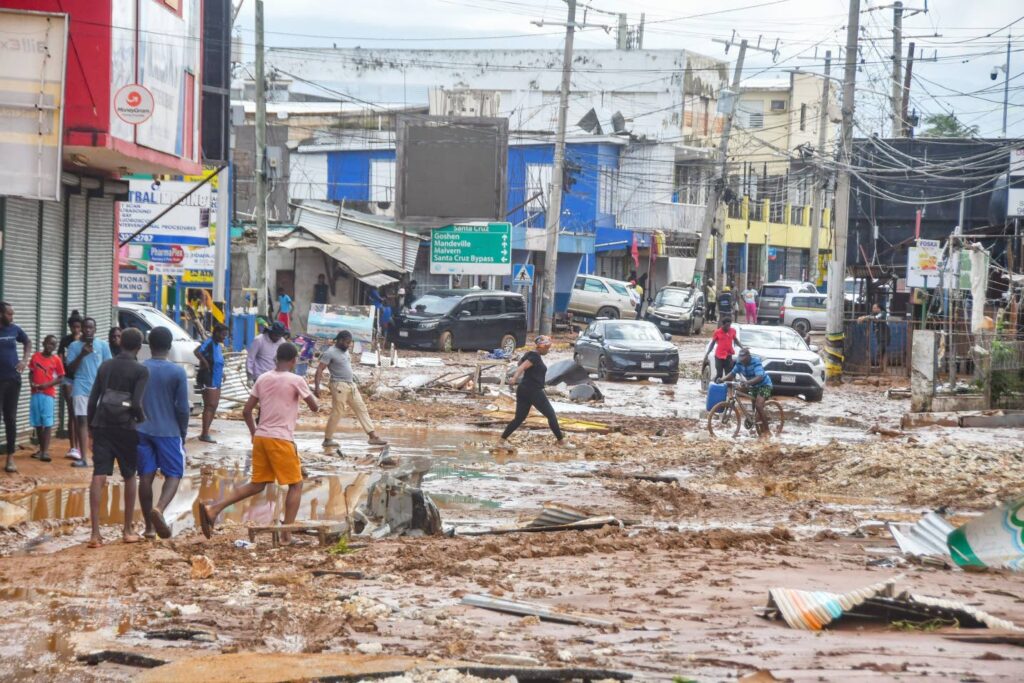
Devastation
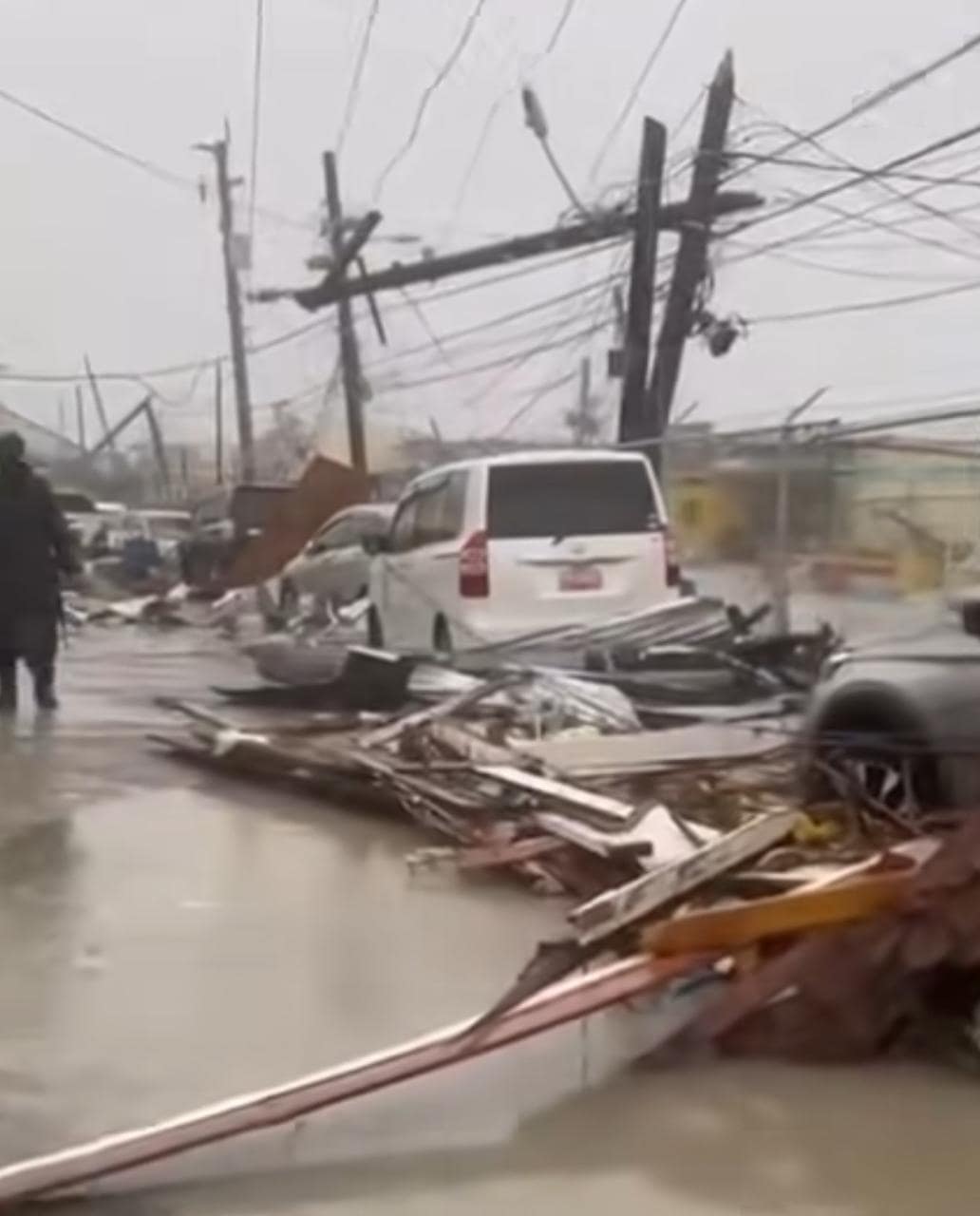
The full extent of the devastation wrought by Hurricane Melissa became painfully clear on Wednesday as rescue teams and government officials arrived in Black River, the capital of St Elizabeth, Jamaica. Prime Minister Dr. Andrew Holness somberly referred to the town as ‘ground zero,’ a stark reminder of the hurricane’s catastrophic impact. The once serene coastal town, located on Jamaica’s south-eastern shore, now lies in ruins, having borne the full force of the Category 5 storm. Holness, after conducting an aerial survey of the area, reported that Black River’s electricity grid and essential infrastructure had been completely obliterated. ‘Everything necessary for modern living has been destroyed here,’ he stated. Despite the overwhelming destruction, the Prime Minister noted the resilience and optimism of the local population, vowing that the government would undertake the monumental task of rebuilding the town. Meanwhile, the death toll from the hurricane was confirmed at four. In a related development, Norman Manley International Airport reopened on Wednesday afternoon to facilitate relief flights, with commercial operations set to resume on Thursday morning. The aftermath of Hurricane Melissa has left the Caribbean grappling with unprecedented destruction, prompting urgent international aid efforts.
-
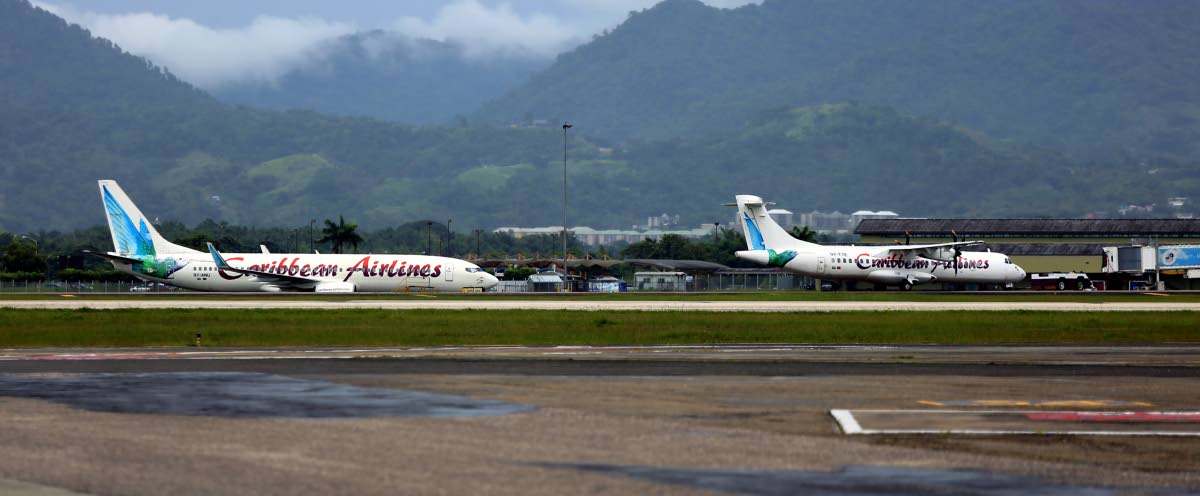
Caribbean Airlines resumes Jamaica flights after hurricane disruption
Caribbean Airlines (CAL) has officially resumed its operations between Trinidad and Tobago (TT) and Jamaica, starting October 30, following the reopening of Norman Manley International Airport in Kingston. The airport had been temporarily closed due to the impact of Hurricane Melissa, which swept through the northern Caribbean earlier this week. The airline announced the resumption in a statement on October 29, detailing that the initial non-stop return service would operate between Port of Spain and Kingston. Flight BW414 departed Trinidad at 12 pm on October 30, arriving in Jamaica at 2 pm, while the return flight, BW415, left Kingston at 3:15 pm and landed in Trinidad at 7:15 pm. Regular services are set to fully resume from October 31. Tickets for these flights are now available for purchase through the airline’s website, mobile app, and authorized travel agents. Additionally, CAL’s reservations teams are assisting passengers whose travel plans were disrupted between October 24 and 30 due to the suspension of operations caused by the hurricane. The airline emphasized that the decision to resume flights was made after receiving confirmation from PAC Kingston Airport that the facility was safe for commercial operations. Hurricane Melissa had forced the closure of several regional airports and led to widespread flight cancellations across the Caribbean.
-
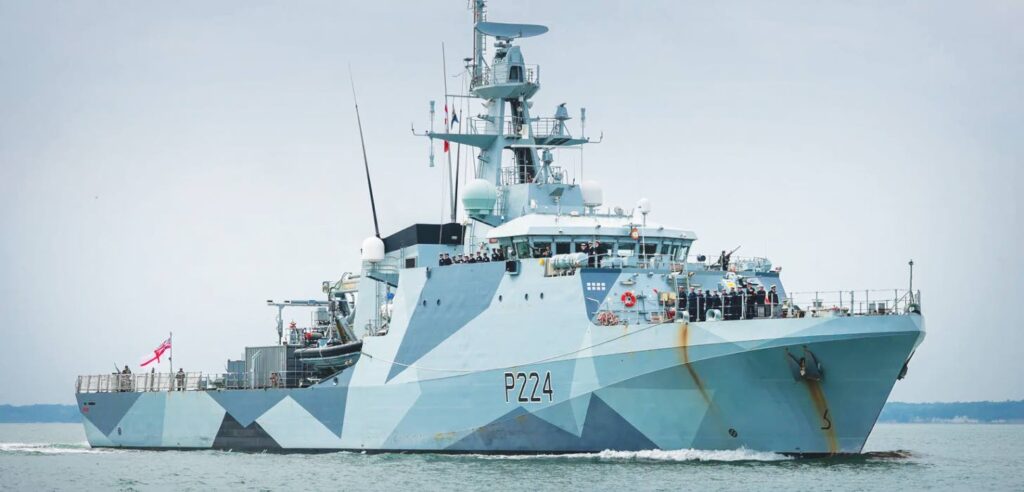
UK providing urgent hurricane relief to Caribbean
The United Kingdom has announced a £2.5 million emergency funding package to aid recovery efforts in the Caribbean following the catastrophic impact of Hurricane Melissa. The British High Commission in Jamaica confirmed the allocation on Wednesday, emphasizing its role in facilitating a swift humanitarian response. The funds will be utilized to distribute essential supplies, including shelter kits, water filters, and blankets, aimed at mitigating injuries and preventing disease outbreaks. These resources have been strategically pre-positioned in Antigua for rapid deployment to the most affected areas. Additionally, the UK is deploying humanitarian and technical experts to assist with coordination and aid delivery. British Foreign Secretary Yvette Cooper highlighted the UK’s commitment to supporting Jamaican authorities in disaster relief efforts, with specialist teams already stationed in the region to provide consular assistance to affected British nationals. British High Commissioner to Jamaica Alicia Herbert expressed solidarity with the Jamaican people, praising their resilience and pledging continued support during the recovery process. The Royal Navy ship HMS Trent is also on standby in the region to offer maritime disaster response, while a pre-deployed Ministry of Defence team in the Turks and Caicos Islands is aiding in disaster management. A Rapid Deployment Team from the Foreign, Commonwealth and Development Office (FCDO) has been dispatched to Miami to provide consular support to British nationals. The UK is collaborating with tour operators, Jamaican authorities, and international partners, including the Caribbean Disaster Emergency Management Agency and the Red Cross, to ensure effective humanitarian assistance reaches the most vulnerable populations.
-

#MelissaAftermath: Cayman Islands pledges over US$1m in aid to Jamaica
KINGSTON, Jamaica — In a significant show of regional solidarity, the Cayman Islands Government has committed US$1.2 million in essential supplies to aid Jamaica’s recovery from the catastrophic impact of Hurricane Melissa, which struck the island on Tuesday. Premier André Ebanks announced the aid package during a press conference on Thursday, emphasizing the historical support Jamaica provided to the Cayman Islands during their own crisis following Hurricane Ivan in 2004. The donation includes critical relief items, which will be shipped directly to Jamaica. Additionally, Premier Ebanks, accompanied by a delegation of ministers, brought US$200,000 worth of supplies for immediate distribution. ‘On behalf of myself, the Government, and the ministers here, including Minister Nick DaCosta and the leader of the Opposition, Cayman stands with Jamaica,’ Ebanks declared. The aid will bolster Jamaica’s ongoing recovery efforts, as the nation faces widespread power outages, infrastructure damage, and displacement across multiple parishes. Dr. Dana Morris Dixon, Jamaica’s Information Minister, expressed profound gratitude, noting that the donation was unexpected but deeply appreciated.
-
Global action urged to lower insurance costs for hurricane-prone island states – CARICOM Secretary-General
Dr. Carla Barnett, Secretary-General of the Caribbean Community (CARICOM), has emphasized the urgent need for international cooperation to address the escalating insurance costs in the tourism sector of Small Island Developing States (SIDS). Speaking at the 6th Global Services Forum, held during the 16th United Nations Conference on Trade and Development (UNCTAD16), Dr. Barnett underscored the vulnerability of CARICOM’s service-driven economies to increasingly severe and frequent climate events. She highlighted that older tourism properties face significantly higher insurance premiums, while securing coverage for new investments has become nearly impossible. Dr. Barnett called for collective global action to mitigate these challenges. The Forum, themed ‘Services: A New Frontier of Economic Transformation for Equitable, Inclusive and Sustainable Development,’ explored the pivotal role of the services sector in fostering economic growth, job creation, and exports. Services now account for two-thirds of global GDP, with CARICOM states like The Bahamas, Saint Lucia, and Barbados seeing this figure rise to 75 percent. Even in more diversified economies such as Trinidad and Tobago and Jamaica, services contribute approximately 60 percent of GDP. Dr. Barnett stressed the importance of international partnerships in bridging structural gaps and enhancing resilience. She cited collaborations with UNCTAD, the World Trade Organization (WTO), and international development banks as critical to strengthening institutional capacities and service provider capabilities. The Trade in Services project, a joint initiative between UNCTAD and CARICOM, exemplifies such efforts by building the data infrastructure necessary for evidence-based policymaking and transformative growth. CARICOM’s services sector encompasses tourism, financial services, ICT, professional services, entertainment, and cultural and sporting services. Dr. Barnett reiterated that targeted global support is essential to unlock the full potential of these industries and protect them from climate-related disruptions.
-
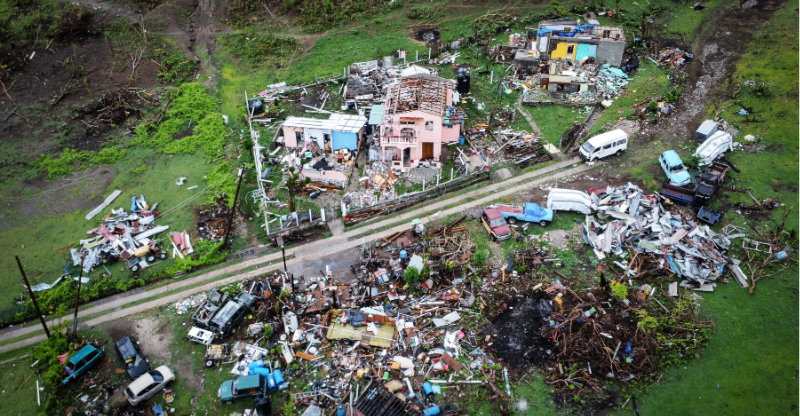
Support for Jamaica in the aftermath of Melissa
During the Caribbean Week of Agriculture in October 2024, Saboto S Caesar, Minister of Agriculture in St Vincent and the Grenadines, emphasized the urgent need for enhanced post-disaster support for Caribbean nations. This call to action comes in the wake of Hurricane Beryl, which devastated several countries, including St Vincent and the Grenadines, in July 2024. The Caribbean Regional Fisheries Mechanism (CRFM) has responded by launching a climate resilience portal, designed to provide critical information on hurricane preparedness and recovery efforts. This initiative aligns with the CRFM’s mandate to support member states in their post-disaster recovery processes. Additionally, the CRFM has urged its community to contribute to Jamaica’s recovery following Hurricane Melissa, which struck the island on October 28, 2024. With maximum sustained winds of 145 miles per hour, Melissa tied as the strongest hurricane ever recorded in the Atlantic Basin, causing catastrophic damage to both national infrastructure and personal property. The CRFM has pledged to collaborate with the Caribbean community and Jamaican residents to expedite recovery efforts and rebuild affected areas.
-
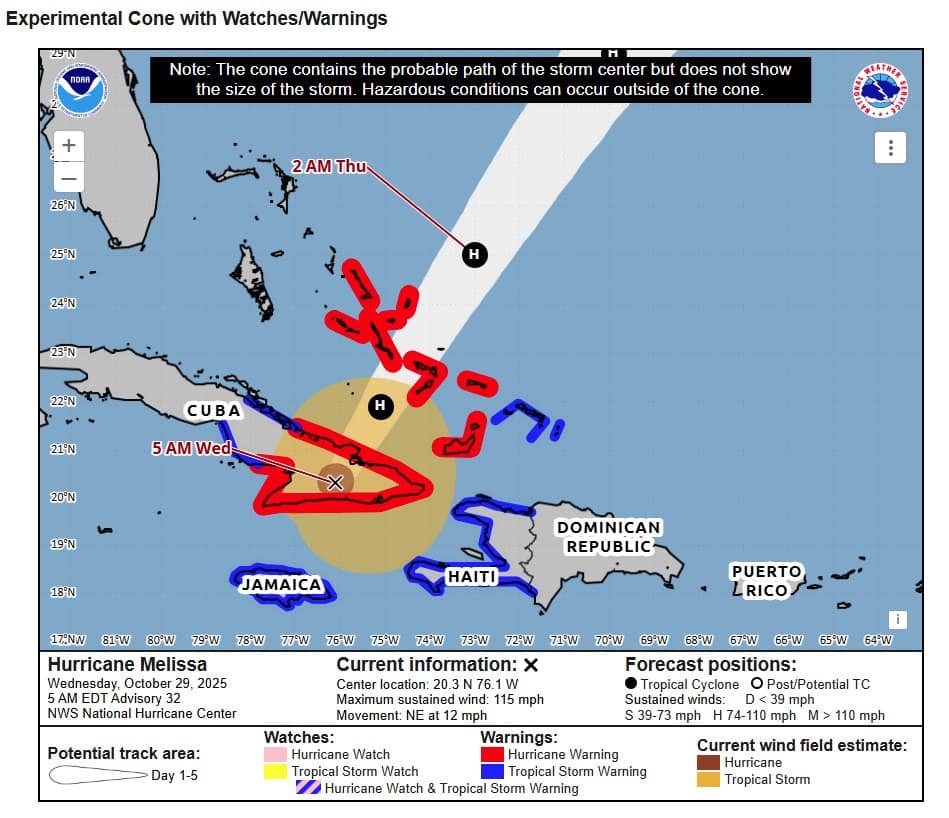
Hurricane Melissa Brings Life-Threatening Floods and Winds Across Caribbean
Hurricane Melissa, a formidable Category 5 storm, continues to wreak havoc across eastern Cuba and is poised to advance into the southwestern Atlantic. The National Hurricane Center has issued urgent warnings of catastrophic winds, torrential rainfall, and perilous storm surges affecting multiple Caribbean nations. The US National Oceanic and Atmospheric Administration (NOAA) released its latest advisory at 5:00 am local time on Wednesday, underscoring the severe dangers posed by the hurricane. In Jamaica, authorities have implored residents to stay indoors, citing risks of downed power lines, flooding, and other hazards. Safety measures include proper generator ventilation to prevent carbon monoxide poisoning and cautious clean-up operations. Haiti and the Dominican Republic are bracing for devastating flash floods and landslides, with Haiti’s communities likely to be cut off due to extensive damage. Eastern Cuba is enduring life-threatening storm surges and flash floods, with hurricane-force winds battering the region. The Bahamas and Turks and Caicos are also on high alert, with hurricane conditions, heavy rainfall, and storm surges expected. Bermuda, though farther from the storm’s core, may face hurricane conditions and heavy rainfall by Thursday. NOAA forecasters have emphasized that Hurricane Melissa remains a grave threat, urging residents in affected areas to take all necessary precautions.