
In a significant escalation of efforts to combat drug trafficking, US military forces conducted strikes on four suspected drug vessels in the eastern Pacific on October 29, 2025, resulting in the deaths of 14 individuals. The operation, authorized by President Donald Trump, was confirmed by US Defence Secretary Pete Hegseth, who stated that the targeted vessels were identified by intelligence agencies as part of known narco-trafficking routes. One survivor was reportedly rescued approximately 400 miles off the coast of Acapulco, with Mexican authorities now leading the coordination efforts. Mexican President Claudia Sheinbaum strongly condemned the strikes, emphasizing the need for adherence to international treaties and calling for urgent discussions with US officials. This incident marks the latest in a series of US military actions targeting suspected drug boats in the Pacific and Caribbean, which have claimed at least 57 lives to date. The strikes have heightened tensions between the US and regional governments, particularly Colombia and Venezuela. The US recently imposed sanctions on Colombian President Gustavo Petro and deployed military assets, including the USS Gerald R. Ford, to the Caribbean. President Trump has accused Venezuelan President Nicolás Maduro of leading a drug-trafficking organization, a claim Maduro vehemently denies. The situation underscores the growing complexities of international drug enforcement efforts and their geopolitical ramifications.
分类: world
-

Hurricane Melissa kills over 30 in the Caribbean as it heads toward the Bahamas
Hurricane Melissa, a formidable Category 3 storm, wreaked havoc across the Caribbean, leaving a trail of destruction in its wake. The hurricane made landfall in Cuba on Wednesday morning, causing ‘significant damage’ and isolating approximately 140,000 people due to rapidly rising river levels. As the storm advanced toward the Bahamas, its impact continued to be felt across the region. In Jamaica, Melissa struck as one of the most powerful Atlantic hurricanes on record, severely damaging public infrastructure and plunging most of the island into darkness. The full extent of the devastation remains unclear, with many areas still inaccessible. The storm also proved deadly, claiming at least 25 lives in Petit-Goâve, Haiti, after a river swollen by the hurricane burst its banks. Three fatalities were reported in Jamaica during storm preparations, and one person died in the Dominican Republic. As communities grapple with the aftermath, efforts to provide aid and support are underway. Here’s how you can assist those affected and share your experiences if you’ve been impacted by the disaster.
-
Message from monster Melissa
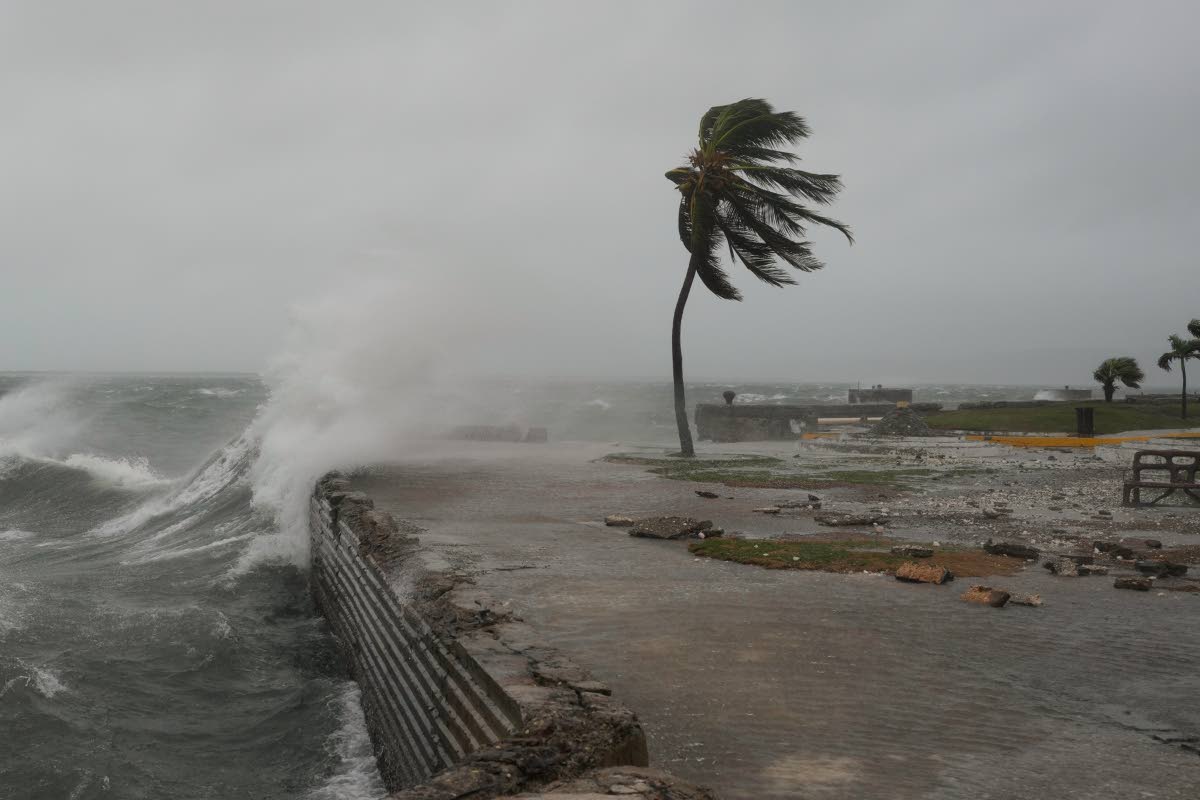
As Hurricane Melissa, one of the most powerful Atlantic cyclones in history, battered Jamaica, Haiti, the Dominican Republic, Cuba, and the Bahamas, it left behind a trail of devastation that underscores two critical issues: the escalating climate crisis and the indispensable role of Caribbean unity. The storm, with sustained winds exceeding 157 mph, caused significant damage, displacing thousands and claiming lives even before making landfall. Jamaican Prime Minister Andrew Holness reported severe impacts on infrastructure, including roads, hospitals, and properties, as the storm reached Category 5 intensity. In Haiti, floodwaters claimed 25 lives, including children, while Cuba evacuated 735,000 residents. The storm’s ferocity was fueled by unusually warm seawater, a direct consequence of climate change. UN Secretary-General António Guterres warned that humanity has already surpassed the 1.5°C global heating target, with devastating consequences for ecosystems worldwide. Despite these warnings, global discourse remains mired in political divisions, with oil and gas interests influencing populist agendas. Even figures like Bill Gates have downplayed the urgency, suggesting humanity can adapt to climate change. Meanwhile, regional leaders like Prime Minister Persad-Bissessar of Trinidad and Tobago have undermined Caribbean unity, prioritizing national interests over collective action. Hurricane Melissa serves as a stark reminder that no nation is an island; the Caribbean must stand together to face the existential threat of climate change.
-
WATCH: US disaster relief team arrives in Jamaica after Hurricane Melissa
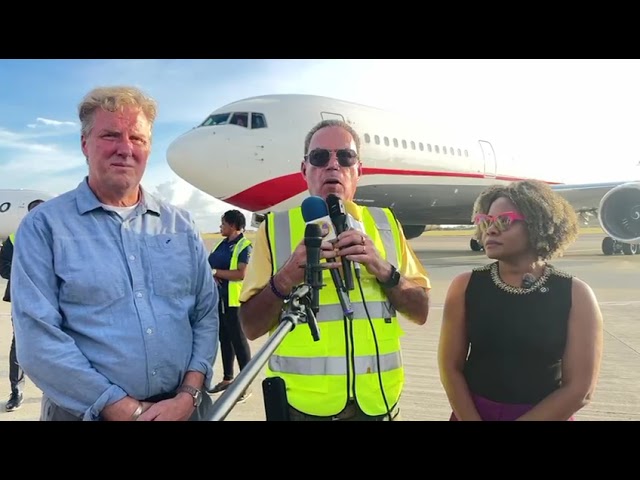
KINGSTON, Jamaica—In a significant move to bolster recovery efforts following the devastation wrought by Hurricane Melissa, the United States Disaster Assistance Response Team (DART) touched down at Norman Manley International Airport (NMIA) in Kingston on Thursday. The arrival of the team, accompanied by critical relief supplies, marks a pivotal moment in the international aid response to the Caribbean nation’s plight.
-
Guyana pledges support to Jamaica and Haiti following Hurricane Melissa
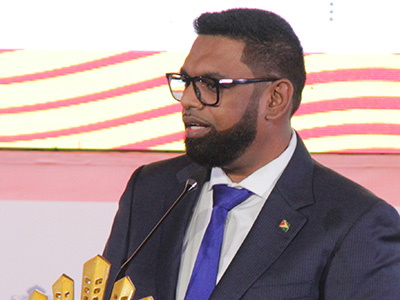
In a significant humanitarian gesture, Guyana’s President Irfaan Ali announced on Thursday that the nation will provide extensive assistance to Jamaica and Haiti, both severely impacted by Hurricane Melissa. The storm, described as the most powerful in Jamaica’s recorded history, has caused widespread devastation, including damage to hospitals, power stations, homes, and government buildings. President Ali emphasized that Guyana’s support would be comprehensive, addressing the urgent needs of both countries. He revealed that targeted aid for Guyanese nationals in Jamaica, where the storm inflicted catastrophic damage, has already commenced. ‘I have instructed the Ministry of Foreign Affairs to deliver urgent care packages to all Guyanese students and families, and this has already started,’ Ali stated. The president also highlighted that Prime Minister Mark Phillips is spearheading a national response team, which includes the Civil Defence Commission (CDC), the Guyana Defence Force (GDF), the Ministry of Health, the private sector, and Guyana Power and Light. This team is collaborating with Jamaican authorities to finalize a comprehensive support package, which will include technical assistance on the ground. An initial shipment of essential relief supplies, such as generators, tarpaulins, and chainsaws, is expected to arrive in Jamaica before the weekend. Meanwhile, in Jamaica, Local Government Minister Desmond McKenzie reported a decline in the number of people seeking shelter, as many have returned home. Additionally, 117 soldiers, along with police officers and firefighters, have been deployed to assist with search and rescue operations.
-
Cooper: We will help Jamaica
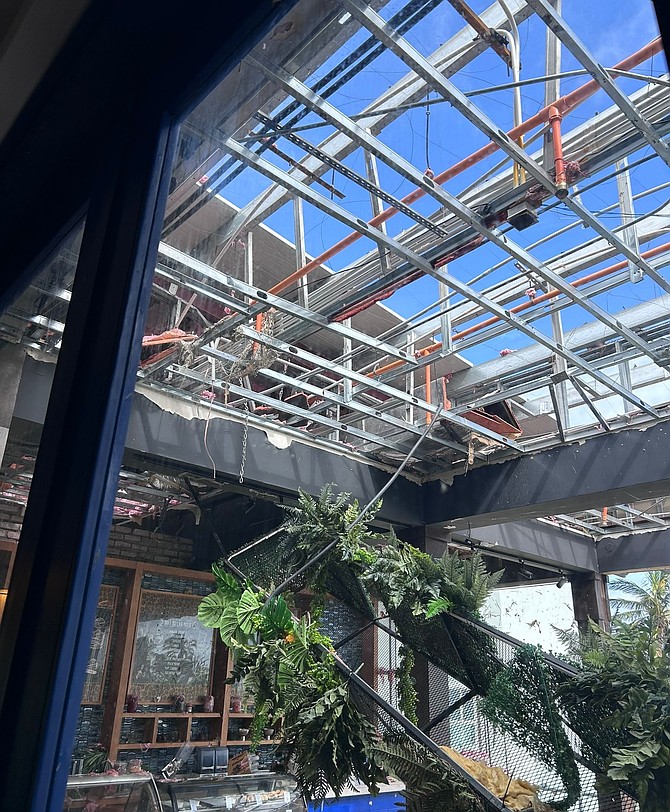
The Bahamas is gearing up to assist Jamaica in the aftermath of Hurricane Melissa, as announced by Deputy Prime Minister and Minister of Tourism, Investments, and Aviation Chester Cooper. Speaking at the New Providence Community Centre, which has been sheltering evacuees from the southern islands, Cooper emphasized that Bahamasair will play a pivotal role in the recovery efforts once conditions permit. ‘We will be offering some assistance to Jamaica, to be determined,’ Cooper stated. ‘No doubt Bahamasair will be involved in that effort as well.’ He highlighted that the national airline would resume flights to Jamaica to repatriate Bahamian students and support post-storm recovery, contingent on the reopening of airports and the state of Jamaica’s infrastructure. ‘Bahamasair will consider it on commercial terms, depending on the condition of the airport, the state of travel, and utilities,’ Cooper added, reaffirming the airline’s commitment to regional expansion. Cooper also lauded Bahamasair staff for their tireless efforts in evacuating residents from the southern Bahamas ahead of the hurricane. ‘If there was ever any doubt as to the value that Bahamasair brings to The Bahamas, we saw it over the last few days,’ he remarked. ‘They worked through the night, and they truly came through for the Bahamian people.’ Additionally, Cooper praised the Disaster Risk Management Authority (DRMA) and its partners for their coordination in relocating over 1,400 residents from Mayaguana, Inagua, Acklins, and Crooked Island to safety in New Providence. ‘This has been one of the largest evacuation exercises in the history of The Bahamas,’ he noted. DRMA managing director Aarone Sargent confirmed that evacuees would remain in New Providence until at least Sunday, with initial damage assessments in affected islands set to begin today. ‘We are now focused on finalizing our plans for response and recovery,’ Sargent said. Communication with those who remained on the islands has been limited due to pre-storm shutdowns of power and water, though Royal Bahamas Defence Force officers have been deployed to secure properties and assist residents.
-
Southcom to lend assistance in providing hurricane relief to Jamaica
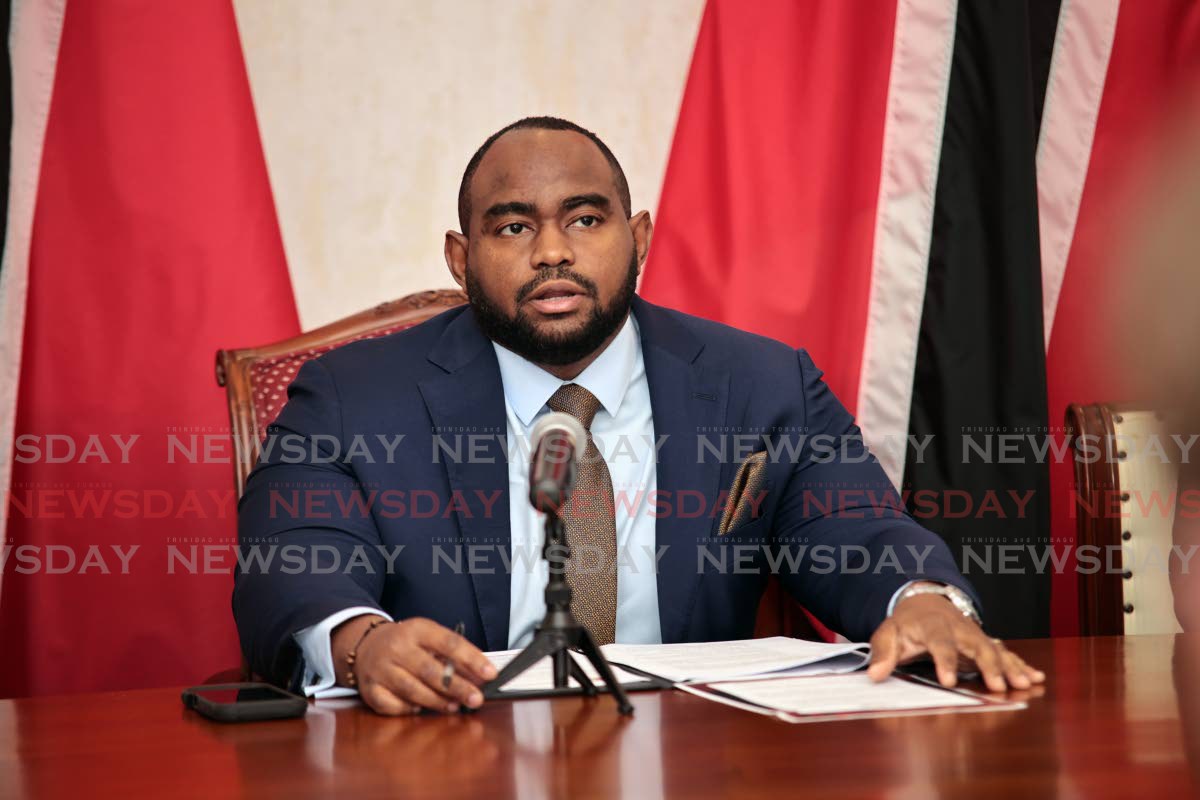
In the aftermath of Hurricane Melissa, which struck Jamaica on October 28, the United States Southern Command (Southcom) has emerged as a key player in facilitating relief efforts from Trinidad and Tobago. The devastating storm prompted a swift response, with relief supplies and personnel being mobilized from various sources. During a post-cabinet meeting at the Diplomatic Centre in St Ann’s on October 30, Trinidad and Tobago’s Minister of Foreign Affairs, Sean Sobers, highlighted Southcom’s involvement in the relief operations. Sobers stated, ‘We have liaised with Southcom to assist in transporting personnel and heavy equipment, such as generators and water tanks, to Jamaica.’ This announcement followed the Prime Minister’s oversight of the initial shipment of relief items to the hurricane-ravaged island. Southcom, a branch of the US military tasked with executing President Donald Trump’s anti-narco trafficking initiatives in the region, has been active in the Caribbean. In August, the US deployed three Aegis guided-missile destroyers off Venezuela as part of its efforts to combat drug cartels. The USS Gravely, one of these vessels, recently concluded a five-day visit to Trinidad and Tobago, though its role in the relief efforts remains unclear. The ship reportedly conducted training exercises with the local Defence Force during its stay. Southcom’s presence in the region has led to 14 strikes on alleged drug-smuggling boats, resulting in 61 fatalities.
-
Caught between Venezuela and US, Trinidad fishermen fear the sea
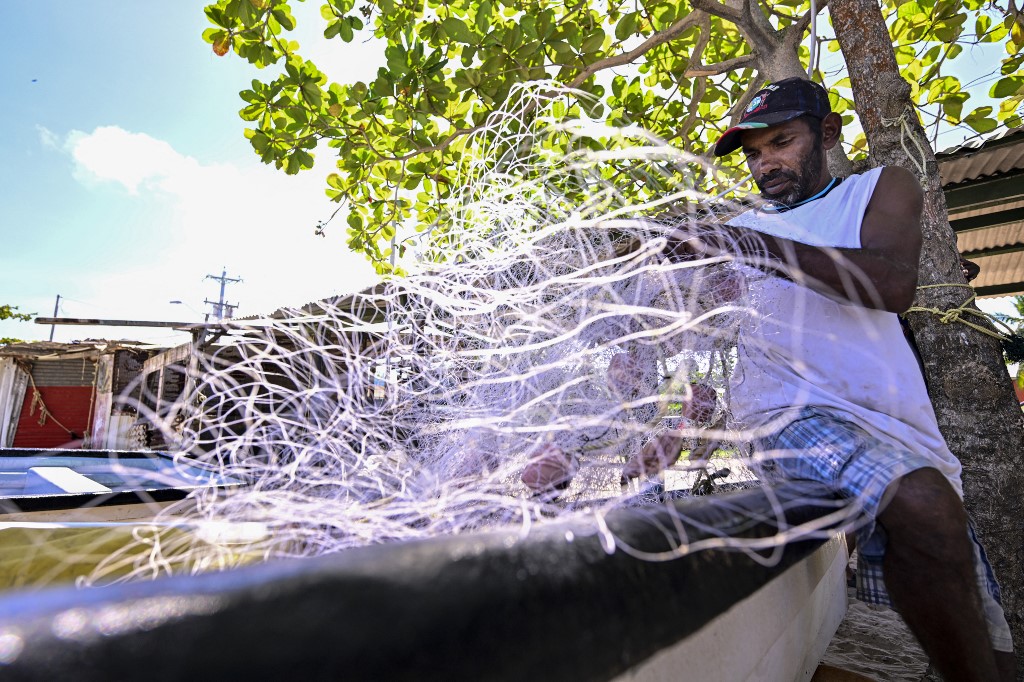
In the tranquil village of Cedros, located in the extreme southwest of Trinidad, fishermen are grappling with an unprecedented crisis. Just a stone’s throw from Venezuela, these fishermen find themselves ensnared in the escalating tensions between Venezuela and the United States, exacerbated by recent US naval deployments and military exercises in the region. The once-peaceful waters have become a battleground of geopolitical strife, leaving the local fishing community in a precarious position.
Fishermen in Cedros, who traditionally ply their trade in the serene waters of the Caribbean, now face heightened risks. Venezuelan coast guard patrols have intensified, reportedly repelling Trinidadian fishing vessels with violence and increasing incidents of extortion. This has severely curtailed their access to Venezuelan territorial waters, where they once operated undisturbed. As a result, their yields and incomes have dwindled, pushing many to the brink of economic hardship.
The situation has been further complicated by US-led anti-drug operations in the Caribbean and Pacific, which have targeted boats allegedly involved in drug trafficking. These operations have claimed the lives of at least 62 individuals, including some Trinidadian fishermen, according to mourning families. While the Trinidadian government has not confirmed these identities, the fear of being mistakenly targeted has forced many fishermen to reduce their activities. ‘You have to take a chance,’ said Rakesh Ramdass, a 42-year-old fisherman. ‘But at sea, anything can happen.’
The diplomatic standoff between the US and Venezuela has also strained relations between Trinidad and Tobago and its South American neighbor. Venezuelan President Nicolas Maduro has accused Trinidadian Prime Minister Kamla Persad-Bissessar of aligning too closely with the US, labeling the nation ‘an aircraft carrier of the American empire.’ This rhetoric has only heightened tensions, with Caracas viewing the US naval deployment as a potential precursor to regime change under the guise of anti-drug operations.
For the fishermen of Cedros and nearby villages like Icacos, the situation is dire. Many have scaled back their activities, fearing both Venezuelan patrols and US-led operations. ‘Better safe than sorry,’ remarked Alexsi Soomai, a 63-year-old fisherman from Icacos. The village, a common arrival point for undocumented Venezuelan migrants, has also felt the ripple effects of the crisis. Families like that of Yacelis Garcia, who fled Venezuela six years ago, now rely solely on fishing for their livelihood. However, the current political climate has made even this precarious source of income increasingly uncertain.
As the US-Venezuela tensions continue to simmer, the fishermen of Trinidad and Tobago remain caught in the crossfire, their lives and livelihoods hanging in the balance. The once-thriving fishing communities now face an uncertain future, with no end to the crisis in sight.
-
#MelissaAftermath: France dispatching humanitarian aid to hurricane-wrecked Jamaica
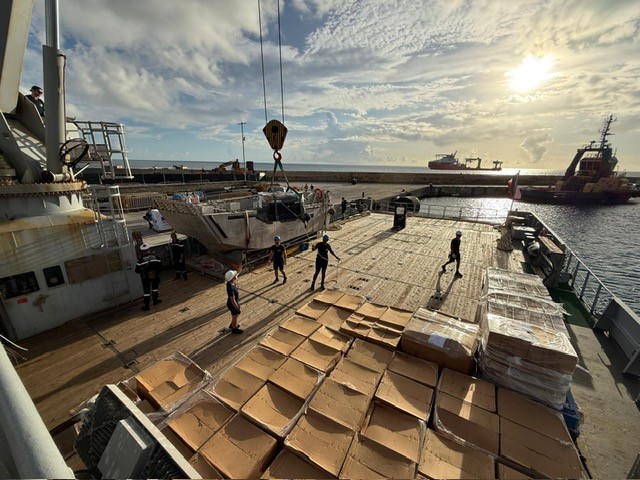
In response to the devastation wrought by Hurricane Melissa in Jamaica, France has announced plans to deploy critical humanitarian assistance to the island nation. The aid package, comprising vital relief supplies and advanced water purification systems, will be transported by the French Armed Forces stationed in the West Indies. This initiative is being coordinated under the framework of the European Union Civil Protection Mechanism, highlighting France’s commitment to international solidarity in times of crisis. The French Embassy in Jamaica, supported by the Ministry for Europe and Foreign Affairs and its Crisis and Support Centre, is actively engaged in the effort. Authorities are maintaining close communication with the French community and nationals in the affected region to ensure their safety and provide necessary support. This swift response underscores France’s dedication to aiding nations impacted by natural disasters and fostering global cooperation.
-
Devastation
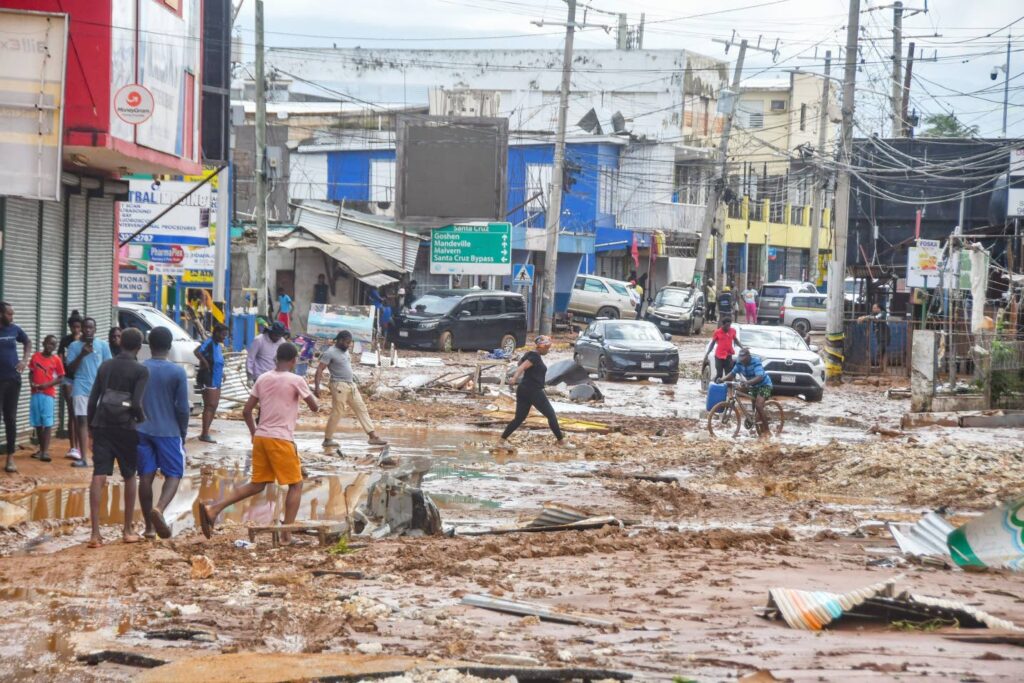
The full extent of the devastation wrought by Hurricane Melissa became painfully clear on Wednesday as rescue teams and government officials arrived in Black River, the capital of St Elizabeth, Jamaica. Prime Minister Dr. Andrew Holness somberly referred to the town as ‘ground zero,’ a stark reminder of the hurricane’s catastrophic impact. The once serene coastal town, located on Jamaica’s south-eastern shore, now lies in ruins, having borne the full force of the Category 5 storm. Holness, after conducting an aerial survey of the area, reported that Black River’s electricity grid and essential infrastructure had been completely obliterated. ‘Everything necessary for modern living has been destroyed here,’ he stated. Despite the overwhelming destruction, the Prime Minister noted the resilience and optimism of the local population, vowing that the government would undertake the monumental task of rebuilding the town. Meanwhile, the death toll from the hurricane was confirmed at four. In a related development, Norman Manley International Airport reopened on Wednesday afternoon to facilitate relief flights, with commercial operations set to resume on Thursday morning. The aftermath of Hurricane Melissa has left the Caribbean grappling with unprecedented destruction, prompting urgent international aid efforts.