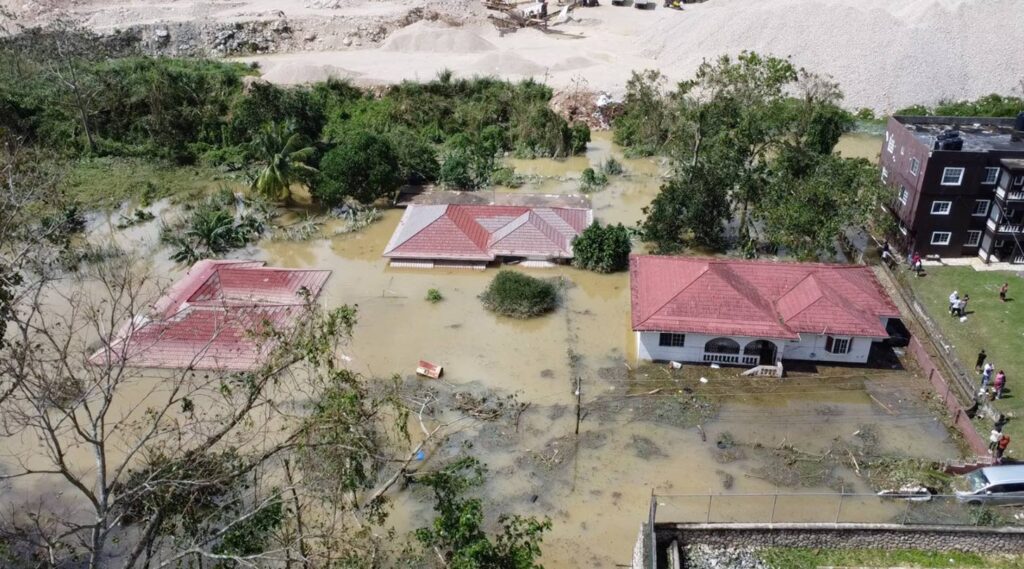
The UK Government has significantly increased its humanitarian aid to Jamaica and the Caribbean, allocating an additional £5 million in emergency funding, bringing the total to £7.5 million. This funding is aimed at supporting recovery efforts following the widespread devastation caused by Hurricane Melissa. The aid package includes over 3,000 shelter kits and 1,500 solar-powered lanterns to assist those whose homes have been damaged and those without electricity. The UK is collaborating with the World Food Programme and the Red Cross to ensure that emergency relief reaches the most affected communities. UK humanitarian and technical experts have been deployed to the region to coordinate and deliver aid effectively. Emergency supplies were prepositioned in Antigua & Barbuda to facilitate rapid deployment. Part of the funding will match public donations up to £1 million to the International Federation of Red Cross and Red Crescent Societies (IFRC) appeal for Jamaica. Foreign Secretary Yvette Cooper emphasized the UK’s commitment to providing essential supplies and supporting recovery efforts. Loyce Pace, IFRC Regional Director for the Americas, expressed gratitude for the UK’s support, highlighting its role in restoring homes, livelihoods, and preparing for future disasters. British High Commissioner to Jamaica, Alicia Herbert, noted the UK’s efforts to expand relief operations and support vulnerable communities. The UK is also coordinating with travel companies to restore flights for holidaymakers and British nationals, with a specialist Rapid Deployment Team providing consular assistance. The UK is working with international partners, including CDEMA and UN agencies, to ensure effective humanitarian assistance. Additionally, pre-agreed financial instruments have been established with Caribbean governments and multilateral banks to expedite recovery in Jamaica and Haiti.
分类: world
-
Nearly 50 dead after Hurricane Melissa thrashes Caribbean
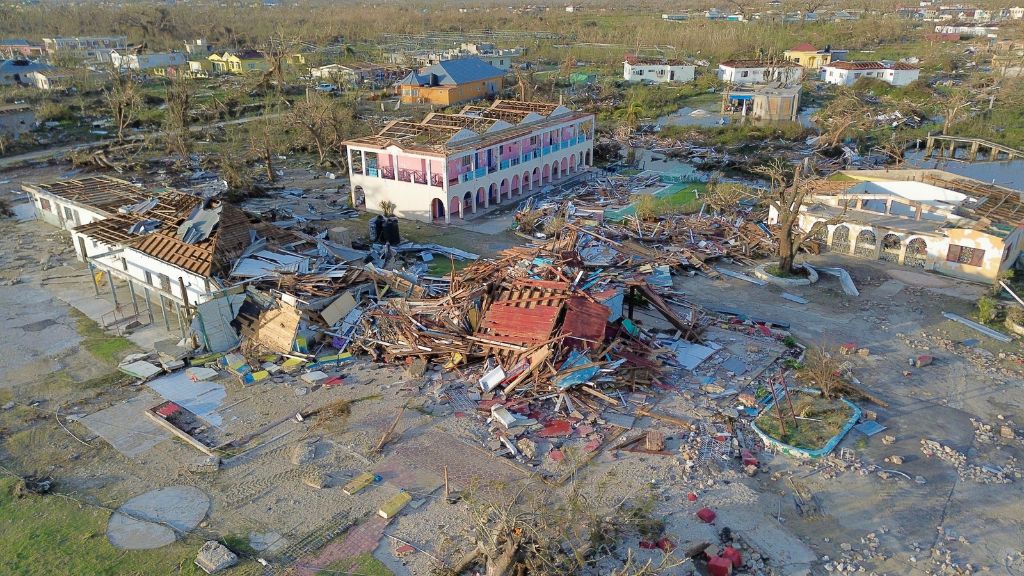
Hurricane Melissa, one of the most powerful storms ever recorded, has wreaked havoc across the Caribbean, claiming nearly 50 lives and leaving a path of devastation in its wake. The storm, which has now moved away from Bermuda, is expected to transition into an extratropical cyclone as it heads toward the northeastern United States and eastern Canada, according to the National Hurricane Center (NHC). The NHC warned of heavy rain and gusty winds in Newfoundland, while flooding is expected to persist in Cuba, Jamaica, Haiti, and the Dominican Republic. A study by Imperial College London revealed that human-caused climate change made Hurricane Melissa four times more likely. In Jamaica, the death toll has risen to 19, with significant damage to infrastructure and communication networks. Haiti reported 30 fatalities, with over 1,000 homes flooded and 16,000 people in shelters. Cuba, already grappling with its worst economic crisis in decades, faced widespread destruction, including collapsed homes, downed power lines, and severed communications. Over 735,000 people were evacuated in Cuba’s eastern provinces. The United States has deployed disaster response teams to the region, while the UK announced £2.5 million in emergency funding and evacuation flights for British nationals. UN officials described the devastation as unprecedented, emphasizing the urgent need for global climate action.
-
TT response to hurricane-ravaged Jamaica: State, NGOs mobilise relief drive
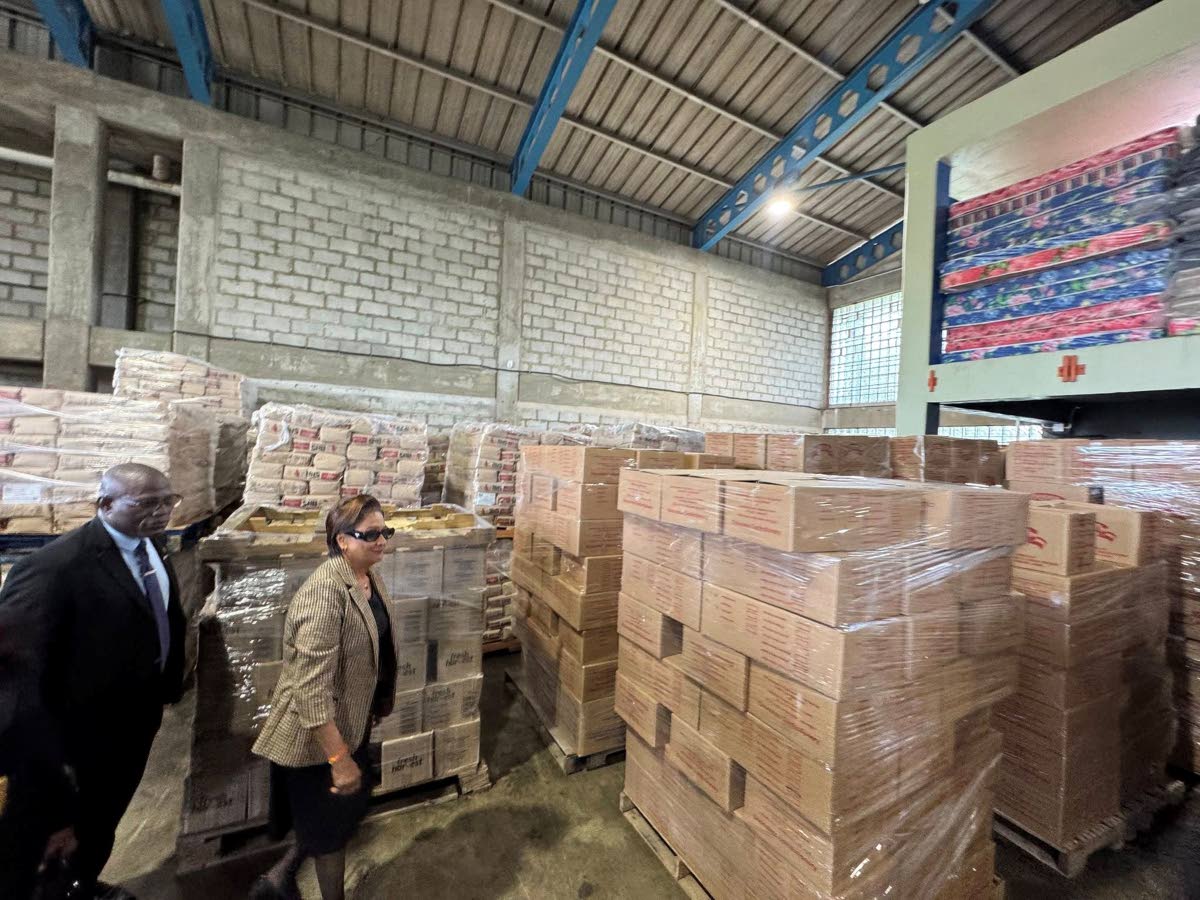
In the wake of Hurricane Melissa’s devastation in Jamaica on October 28, Trinidad and Tobago has launched a robust humanitarian response. Prime Minister Kamla Persad-Bissessar spearheaded the initiative, overseeing the first shipment of relief supplies from the Plipdeco Warehouse Complex at Point Lisas Industrial Estate. The Ministry of Rural Development and Local Government announced a national collection drive, running from October 30 to November 4, with all 14 municipal corporations serving as official drop-off points. An inter-ministerial committee, led by Local Government Minister Khadijah Ameen, has been established to coordinate efforts, ensuring swift and effective mobilization of resources. The public is encouraged to contribute to the TT National Disaster Relief Fund via First Citizens Bank or by donating essential supplies. The private sector has also rallied, with major business chambers, including the Energy Chamber and TT Manufacturers’ Association, opening a joint relief fund. Plipdeco Port has been designated as the logistics hub for containerized donations. Additionally, Sewa TT, in collaboration with Sewa USA, is deploying mobile water systems and emergency food stations to bypass logistical challenges and deliver aid directly to affected areas. Massy Stores has partnered with Sewa TT, allowing customers to donate towards essential relief buckets. The Caribbean Public Health Agency (Carpha) has activated its disaster-response system, providing medical supplies and public health support to Jamaica. This collective effort underscores the Caribbean’s unity and commitment to rebuilding stronger, healthier communities.
-
Antigua and Barbuda Engages in Landmark Biodiversity Talks in Panama
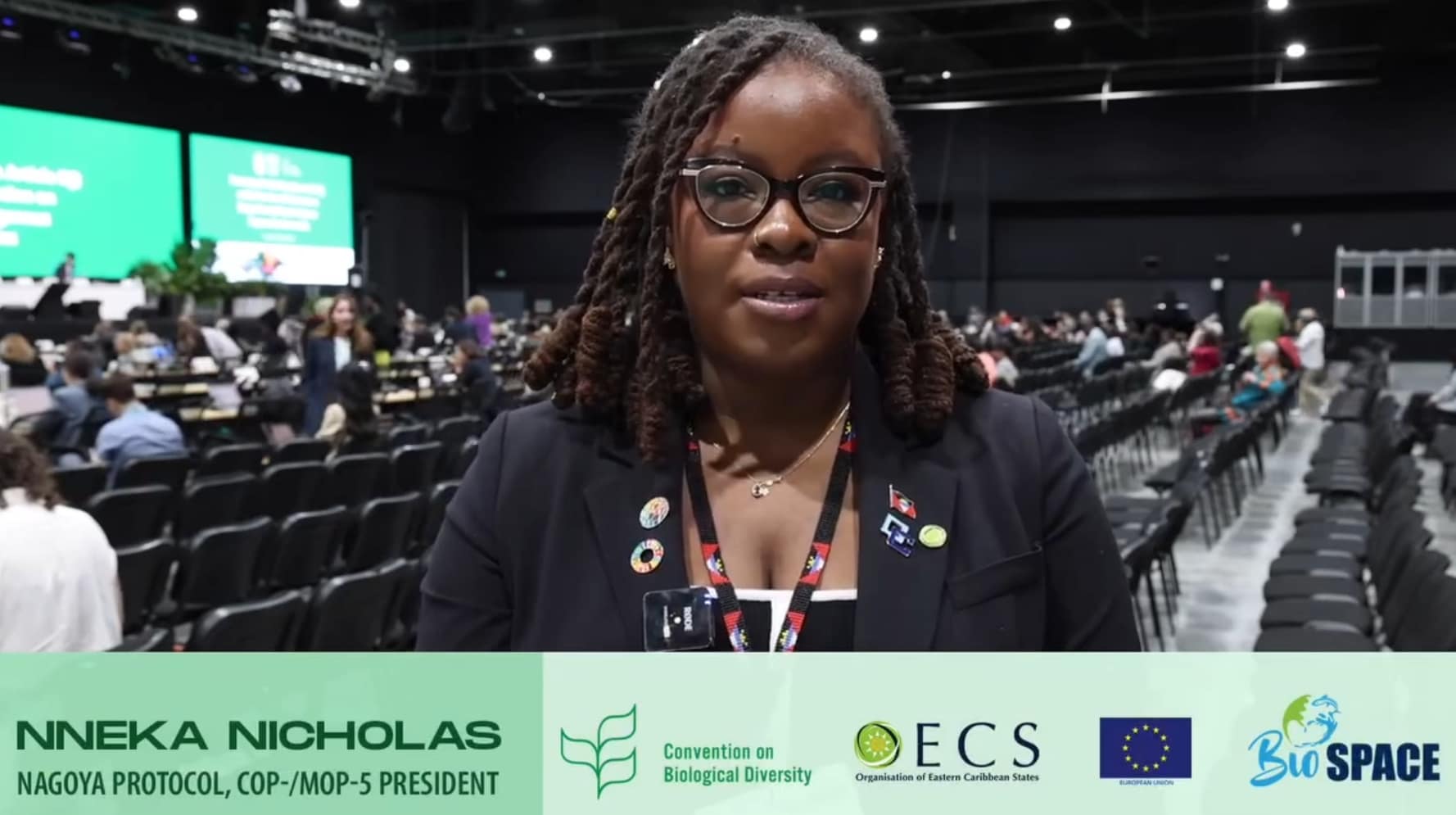
Antigua and Barbuda is stepping into a pivotal role in global biodiversity governance as the inaugural meeting of the Subsidiary Body on Article 8(j) of the Convention on Biological Diversity commences in Panama City. Nneka Nicholas, Head of Delegation and President of the Nagoya Protocol COP/MOP-5, underscored the significance of this gathering for Indigenous Peoples and Local Communities (IPLCs) throughout the region. She articulated that the newly established body, a product of COP16, is designed to bolster the knowledge, innovations, and practices of IPLCs that are crucial for biodiversity conservation. This Subsidiary Body, which replaces the former Ad Hoc Working Group, is fully aligned with the Kunming-Montreal Global Biodiversity Framework. This alignment signifies a revitalized dedication to incorporating Indigenous knowledge into international biodiversity strategies, marking a significant step forward in global environmental governance.
-
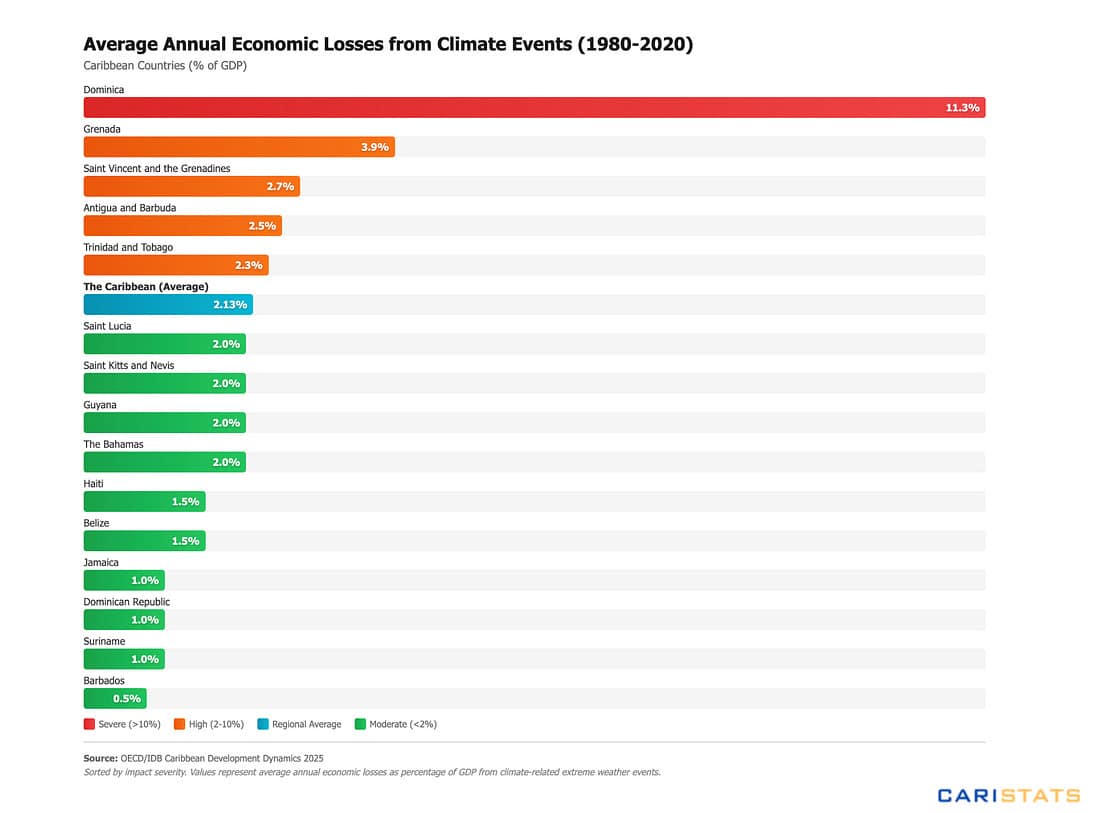
Climate Events Drain Caribbean Economies by 2.13% of GDP Each Year
Caribbean nations are disproportionately impacted by climate-related disasters, with annual economic losses averaging 2.13% of GDP between 1980 and 2020, as revealed by a recent OECD/IDB analysis. This vulnerability was starkly highlighted by Hurricane Melissa, a historic Category 5 storm with winds reaching 185 mph, which devastated Jamaica this week. Government officials reported extensive destruction, widespread flooding, and power outages affecting over 530,000 residents. Dominica faces the highest economic burden, with annual losses equivalent to 11.3% of GDP, followed by Grenada (3.9%) and Saint Vincent and the Grenadines (2.7%). Even Barbados, with relatively lower exposure at 0.5% of GDP, experiences losses that would be deemed catastrophic in developed nations. Notably, the Caribbean contributes a mere 0.23% of global greenhouse gas emissions. The frequency of extreme weather events has surged by 85% from 2001 to 2020 compared to the previous two decades, with 322 climate disasters affecting 24 million people over the 40-year period. Haiti, the Dominican Republic, and Jamaica accounted for 60% of regional climate hazard events. Despite these challenges, Caribbean nations are leading the way in innovative climate finance solutions, such as hurricane clauses, blue bonds, and debt-for-nature swaps, which could serve as models for other climate-vulnerable regions while fostering resilience for future generations.
-
Antiguan Students in Cuba Safe After Hurricane Melissa, Ambassador Confirms
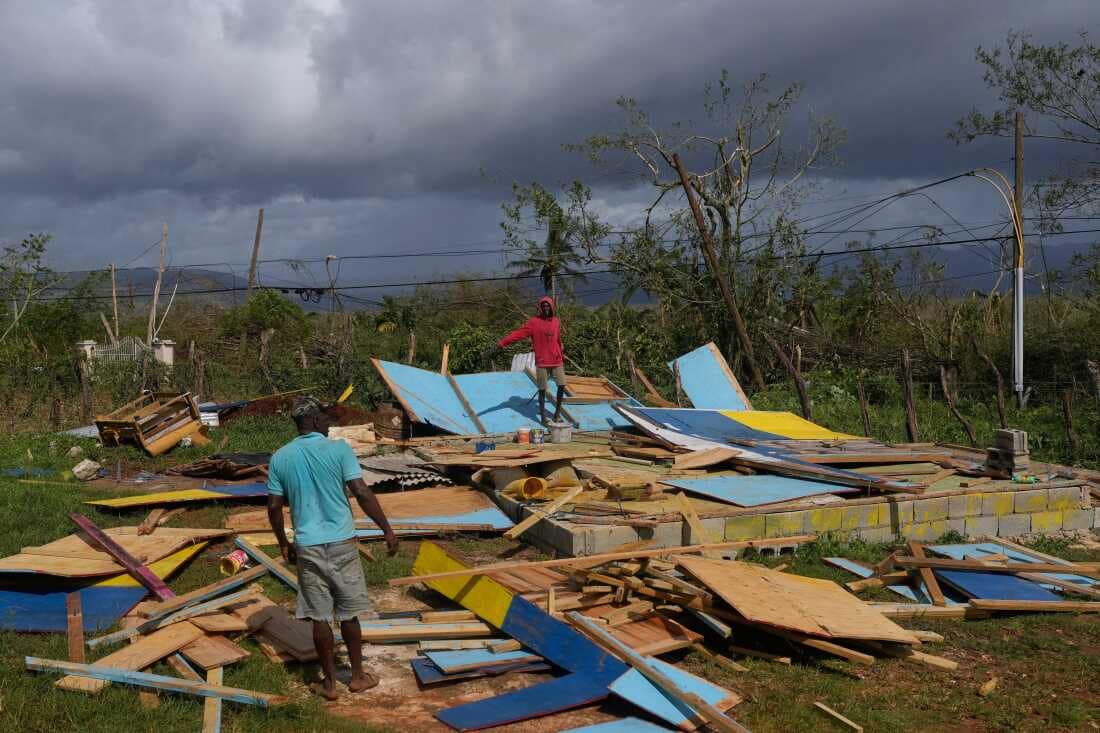
Following the devastating impact of Hurricane Melissa, which struck Cuba as a Category 3 storm, Antiguan students in the country have been confirmed safe by Cuban Ambassador Sergio Jorge Pastrana. The majority of these students are located in western Cuba, which remained largely unaffected by the hurricane. Six students based in Santiago de Cuba are reported to be in good health and are actively assisting medical teams in relief operations. Melissa initially made landfall in Jamaica as a Category 5 hurricane with winds reaching 185 mph, causing significant destruction and claiming at least 28 lives across Haiti and Jamaica, with many still unaccounted for. In preparation for the storm, Cuba evacuated over 735,000 residents and has since initiated recovery efforts, including power restoration and the distribution of essential supplies like food and medicine. Communication lines remained operational throughout the hurricane, facilitating coordination and enabling families to stay in touch. Ambassador Pastrana described Melissa as the most severe storm of the 2025 hurricane season and encouraged Antiguans interested in supporting relief efforts to reach out to the Cuban Embassy for further instructions.
-

News : Zapping…
In the wake of Hurricane Melissa’s devastating impact across the Caribbean, the United States has swiftly mobilized its disaster response capabilities. The U.S. Department of State has deployed a Regional Disaster Assistance Response Team (DART) and activated Urban Search and Rescue (USAR) units to support relief operations. These teams are collaborating with affected nations, local communities, and international partners to assess needs and coordinate emergency responses. U.S. Ambassador Wooster and the U.S. Embassy in Port-au-Prince have expressed profound condolences to those who lost loved ones, emphasizing solidarity with bereaved families, the injured, and the displaced. The U.S. is working closely with Haitian authorities and humanitarian organizations to address the aftermath, including flooding and landslides caused by the storm. Meanwhile, Haiti is also making strides in other areas. Team Haiti, a group of talented young individuals aged 17 to 18, is set to represent the nation at the FIRST Global Challenge 2025, an international robotics competition in Panama. Their innovative robot, designed to promote ecological balance and biodiversity, reflects Haiti’s commitment to sustainability. On the humanitarian front, the Economic and Social Assistance Fund (FAES) continues its daily distribution of 24,000 hot meals to internally displaced persons in Delmas and Port-au-Prince. Additionally, 12 young professionals have been employed by the Institute of Social Welfare and Research (IBESR) as part of a youth employment initiative. In leadership news, Dice Conte Saint Louis and Gamy Clervil have been appointed as the new Director General and Deputy Director General, respectively, of the Miragoâne National Port Authority.
-

FLASH : The Haitian National Police announces a series of victories against terrorist gangs
In a significant development, the Haitian National Police (PNH), alongside the Gang Repression Force (FRG), has reported a series of decisive victories against terrorist gangs across multiple regions. These coordinated operations mark a turning point in Haiti’s ongoing battle against organized crime and terrorism. In Artibonite, particularly in Désarines and Liancourt, PNH forces successfully neutralized terrorists, confiscated heavy weaponry, and liberated communities previously under gang control. In the Centre region, specifically Lascahobas, increased patrols and strategic maneuvers led to the recapture of key areas, further weakening gang influence. Port-au-Prince witnessed a major security overhaul, with precision operations targeting gang sentries and members, resulting in the restoration of economic activities and the resumption of cabinet meetings at the National Palace. The security perimeter in the city center has now been extended to Boulevard Jean-Jacques Dessalines, signaling a strengthened law enforcement presence. Acting Commander-in-Chief Vladimir Paraison praised the bravery of PNH officers and urged the public to continue their cooperation by providing actionable intelligence. These victories underscore the PNH’s commitment to restoring stability and security in Haiti, offering a glimmer of hope for a nation long plagued by violence and instability.
-

Melissa’s circulation to cause rainfall in border and Northwest regions
The Dominican Institute of Meteorology (Indomet) has issued a weather update indicating that the remnants of Hurricane Melissa will continue to influence weather patterns across the Dominican Republic. A trough associated with the hurricane’s circulation is expected to bring significant rainfall to provinces along the Dominican Republic–Haiti border and the Northwest Line. The most intense downpours, accompanied by thunderstorms and gusty winds, are forecasted for this afternoon in regions including Elías Piña, Dajabón, Santiago Rodríguez, Valverde, Monte Cristi, and Santiago. Additionally, scattered showers—some of which may be heavy—are anticipated along the Caribbean coast and southeastern areas, such as Santo Domingo, driven by warm, humid winds from the south and southeast. Indomet reported that while rainfall levels have started to decrease after nearly ten days of persistent precipitation, the effects of Hurricane Melissa’s passage continue to be felt, particularly in the southern coastal regions.
-

Hurricane Melissa Ravages Caribbean, Death Toll Climbs
Hurricane Melissa, a catastrophic Category Five storm, has wreaked havoc across the Caribbean, leaving a grim trail of destruction and a rising death toll. As of October 29, 2025, the hurricane has claimed over thirty lives, with entire communities grappling with the aftermath. The storm made landfall in Jamaica on Tuesday afternoon, unleashing winds of up to 185 miles per hour, which tore apart homes and flooded neighborhoods. Currently, three-quarters of Jamaica remains without power or phone service. Haiti also suffered severely, with at least twenty-five fatalities reported due to overflowing rivers caused by relentless rainfall. This morning, Hurricane Melissa, now downgraded to a Category Three, struck Cuba, isolating over 140 people before heading toward the Bahamas. The Caribbean Disaster Emergency Management Agency (CDEMA) provided an update on the crisis, highlighting the extensive damage and ongoing recovery efforts. In Jamaica, approximately 25,000 people are sheltering in 832 emergency centers, with major flooding in Montego Bay and significant infrastructural damage across several parishes. The Jamaican government has issued an ‘all clear’ signal, transitioning to early recovery operations and urging support through the official relief portal.