分类: world

  • Caricom rallies around Jamaica

    Caricom rallies around Jamaica

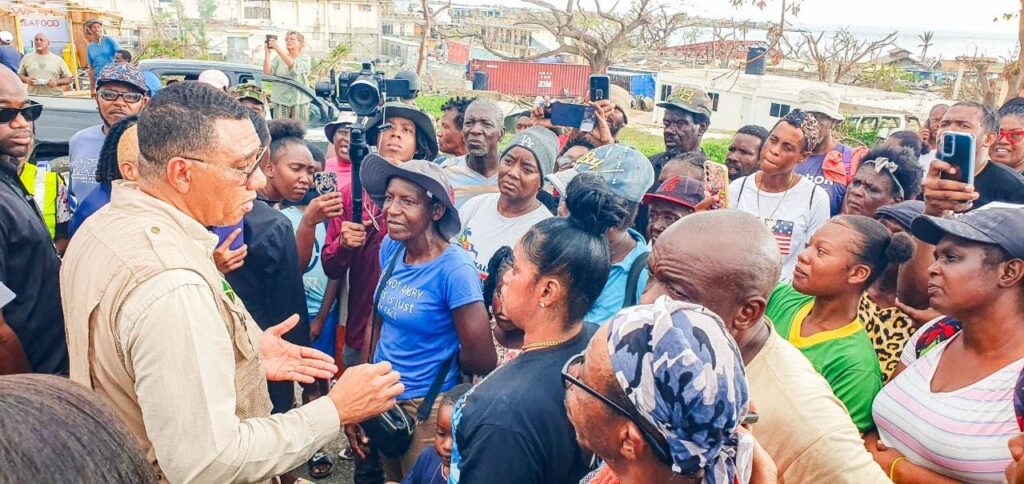
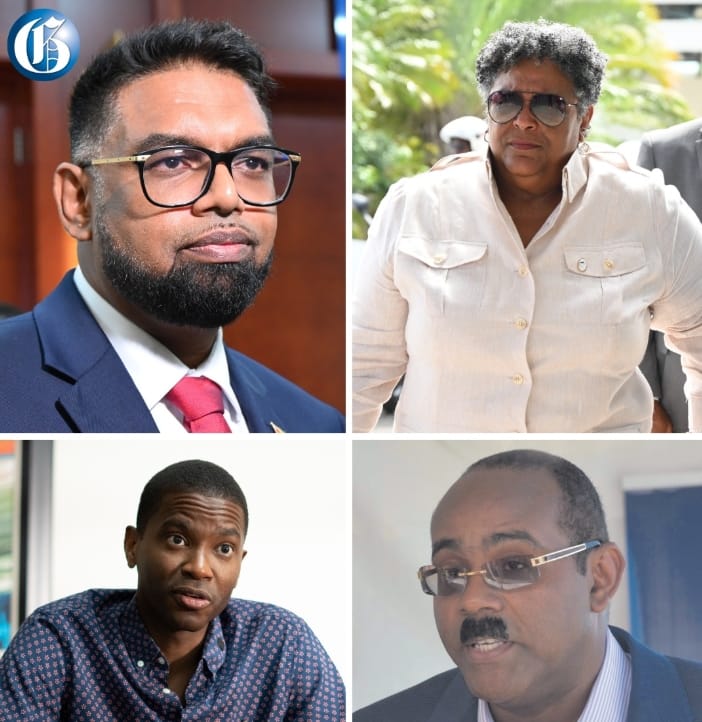
    In the wake of the devastating Hurricane Melissa, Caribbean nations and international organizations have rallied to support Jamaica’s recovery efforts. Guyanese President Mohamed Irfaan Ali, alongside a delegation of Caribbean Community (Caricom) leaders and international agencies, visited the severely affected Whitehouse area in Westmoreland Eastern to assess the damage firsthand. The delegation, accompanied by government ministers, witnessed the extensive destruction caused by the Category 5 storm and discussed immediate relief measures. President Ali announced a major initiative to repair 200 roofs in the Whitehouse community, mobilizing resources and manpower from Guyana. He emphasized the importance of regional solidarity, stating, ‘The Caribbean is one region and people.’

    Barbados Prime Minister Mia Mottley highlighted the deployment of a medical contingent from the Barbados Defence Force to establish a field hospital at Savanna-la-Mar Public General Hospital. Antigua and Barbuda’s Prime Minister Gaston Browne noted the assistance of linemen from his country to aid Jamaica’s electricity restoration efforts. Grenada’s Prime Minister Dickon Mitchell and other Caribbean leaders also pledged their unwavering support.

    Jamaican Prime Minister Andrew Holness provided a grim assessment of the storm’s impact, estimating that 150,000 homes were destroyed, 900,000 Jamaicans were affected, and physical damages amounted to at least US$8 million. He stressed the financial challenges Jamaica faces, particularly as the country struggles with rising debt levels. However, Holness expressed optimism about rebuilding stronger and more resilient infrastructure, emphasizing the government’s commitment to efficient and accountable spending.

    Additional support includes the imminent arrival of building materials and small modular homes, with priority given to Westmoreland Eastern and adjoining constituencies. The cleanup of debris, particularly in the Bluefields to Whitehouse corridor, is also a top priority. CAF Development Bank of Latin America’s Caribbean representative, Dr. Stacy Richards-Kennedy, confirmed the availability of significant humanitarian grants and technical support, with nearly US$1 million already earmarked for Jamaica’s recovery.
  • Caricom leaders stand with government and people of Jamaica

    Caricom leaders stand with government and people of Jamaica

    In a show of regional solidarity, Grenada’s Prime Minister Honourable Dickon Mitchell has pledged unwavering support to Jamaica in the wake of Hurricane Melissa. On Monday, 17 November, PM Mitchell will join fellow leaders from the Caribbean Community (Caricom) and the Organisation of Eastern Caribbean States (OECS) on a visit to Jamaica. The purpose of the visit is to assess the hurricane’s impact and explore collaborative recovery efforts under the coordination of the Caricom Secretariat. This initiative highlights the region’s commitment to collective resilience and mutual aid during natural disasters. Grenada has reaffirmed its readiness to assist Jamaica in rebuilding and restoring normalcy for those affected. During PM Mitchell’s absence, Honourable Phillip Telesford, Minister for Health, will assume the role of Acting Prime Minister. The Office of the Prime Minister emphasized Grenada’s solidarity with Prime Minister Honourable Andrew Holness and the people of Jamaica as they navigate the challenges of recovery.

  • PM Browne Among CARICOM Heads Visiting Storm-Devastated Communities in Jamaica Today

    PM Browne Among CARICOM Heads Visiting Storm-Devastated Communities in Jamaica Today

    A high-level delegation of Caribbean leaders, accompanied by officials from the Inter-American Development Bank (IDB), is set to arrive in Jamaica today to evaluate the extensive damage caused by Hurricane Melissa. The group, led by CARICOM Chairman and Jamaican Prime Minister Dr. Andrew Holness, includes Barbados Prime Minister Mia Mottley, Guyana President Dr. Irfaan Ali, Antigua and Barbuda Prime Minister Gaston Browne, Grenada Prime Minister Dickon Mitchell, CARICOM Secretary-General Carla Barnett, and IDB President Ilan Goldfajn. Their itinerary includes visits to severely affected areas in St. James, Westmoreland, and St. Elizabeth, with stops planned in Westgreen and Catherine Hall, two Montego Bay communities still grappling with the aftermath of the Category 5 storm. Hurricane Melissa, which struck Jamaica on October 28, unleashed catastrophic flooding and landslides, particularly in the western parishes. The Barnett, Pye, and Montego rivers overflowed, submerging entire neighborhoods, destroying homes, businesses, and critical infrastructure, and displacing thousands of residents. Many areas remain without reliable electricity or clean water. The tour aims to provide regional leaders with a firsthand understanding of the humanitarian crisis and the urgent need for coordinated recovery efforts. This visit follows pledges of solidarity and support from CARICOM member states, with Barbados establishing a field hospital at Cornwall Regional Hospital and other nations offering financial and technical assistance. The IDB, a key financial partner in the region, is expected to use this opportunity to discuss reconstruction funding and long-term climate adaptation strategies, especially as small island nations face increasing threats from extreme weather events. Prime Minister Holness has underscored the importance of regional unity and international collaboration in addressing the challenges posed by the disaster. Monday’s high-level engagement is anticipated to shape a comprehensive recovery framework, focusing on housing, infrastructure rehabilitation, and community support for the hardest-hit areas. Additional details of the delegation’s itinerary will be provided by the Office of the Prime Minister.

  • Diplomatic tensions with China hit Japanese economy

    Diplomatic tensions with China hit Japanese economy

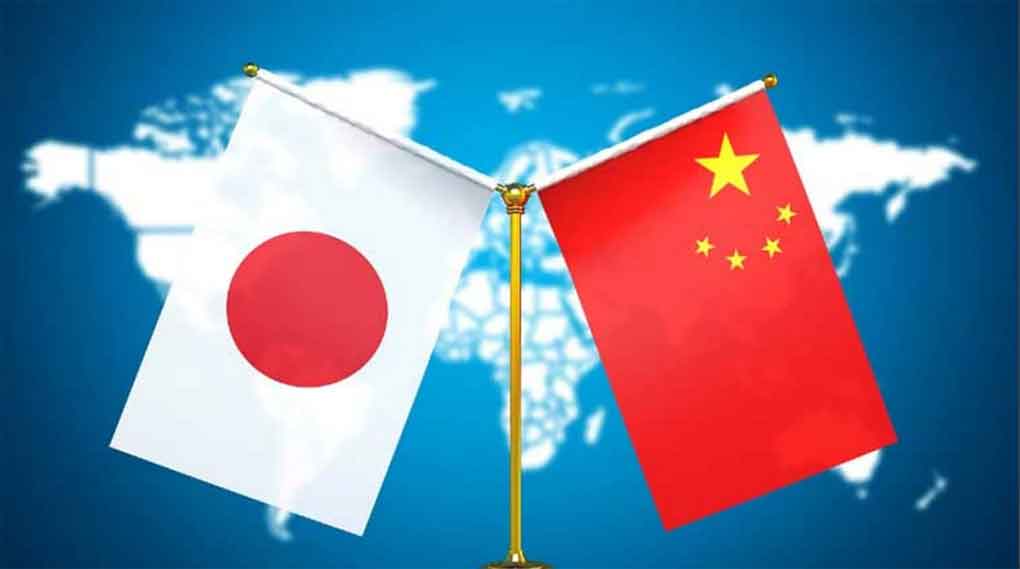
    Tensions between China and Japan have escalated following controversial remarks by Japanese Prime Minister Sanae Takaichi, prompting the Chinese government to issue a travel advisory urging its citizens to avoid visiting Japan. Takaichi’s comments criticized Japan’s perceived ‘erroneous path of military rearmament’ and suggested that Tokyo might respond militarily if China were to attack Taiwan. Despite Beijing’s demands for a retraction, Takaichi stood firm on her statements. The diplomatic friction has had immediate economic repercussions, with Japanese stocks experiencing significant declines. Shiseido, a major cosmetics company, saw its shares plummet by nearly nine percent, while Takashimaya, a prominent retailer, dropped over five percent, and Fast Retailing, the parent company of Uniqlo, lost around four percent. These market reactions underscore Japan’s heavy reliance on Chinese tourism, which is a critical driver for industries such as fashion, hospitality, and luxury goods. The situation highlights the delicate balance between political rhetoric and economic interdependence in the region.

  • Ministers take control of a COP30 marked by little progress

    Ministers take control of a COP30 marked by little progress

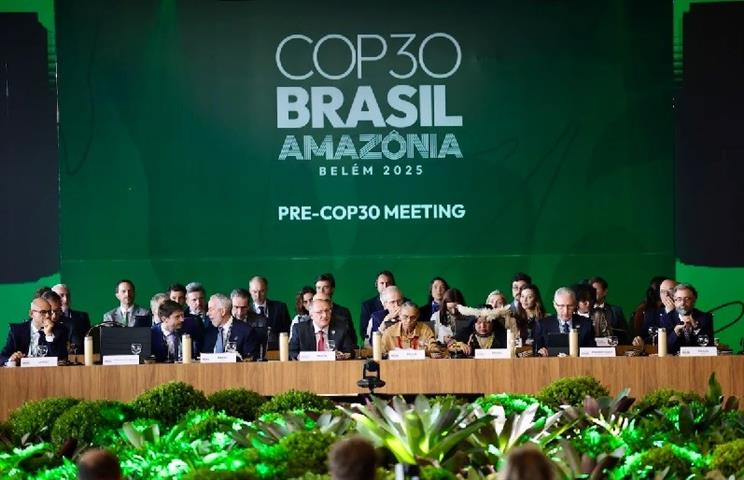
    As the 30th United Nations Climate Change Conference (COP30) commenced this Monday, ministers are grappling with a deadlock on some of the most contentious issues. Despite Brazil’s role as host and its emphasis on member-driven decision-making, critical topics such as climate finance for the Global South and updated emissions reduction targets remain excluded from the formal agenda. Andre Correa do Lago, COP30 President, reiterated that decisions are made ‘from the bottom up,’ underscoring the collaborative nature of the process. To prevent the conference from stalling, Brazil has appointed foreign ministers as facilitators for complex discussions on finance, mitigation, just transition, and the ‘global stocktake’—a mechanism evaluating compliance with the Paris Agreement. The first week saw significant pledges from the private sector, with investments reportedly reaching ‘trillions of dollars,’ according to the UN. However, developing nations argue that relying primarily on private capital is insufficient. They demand that the $300 billion annual target set at COP29 be funded predominantly by public sources, with aspirations to escalate this figure to $1.3 trillion. In response, the presidencies of COP29 and COP30 have proposed exploring global taxes on key sectors. Yet, Brazil has acknowledged the lack of consensus, suggesting that any meaningful progress may not materialize until after 2026.

  • More than 800 Cambodian families displaced by border incident

    More than 800 Cambodian families displaced by border incident

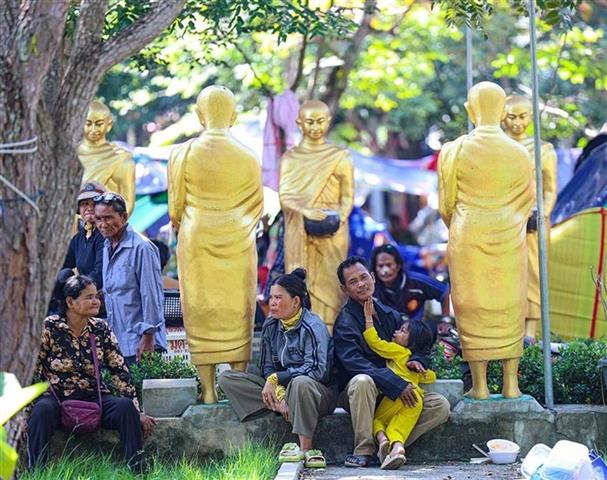
    In the wake of a violent incident near the Cambodia-Thailand border, local authorities and humanitarian donors have stepped in to assist hundreds of residents who sought refuge at the Wat Chan Sy Samaky Ratanaram sanctuary. The shooting, which occurred in the village of Prey Chan, resulted in one fatality and left three individuals seriously injured. Despite no further armed clashes reported on November 13 and 14, authorities have maintained a heightened state of alert in the affected areas of Prey Chan and Chouk Chey, as confirmed by the Cambodian news agency AKP. Oum Reatrey, the provincial governor of Banteay Meanchey, emphasized the government’s commitment to protecting its citizens, stating, ‘The Royal Government will not allow any citizen to be in a vulnerable situation during this difficult time.’ Meanwhile, Sophea Eat, the Permanent Secretary of State at the Ministry of Foreign Affairs and International Cooperation, briefed the diplomatic corps and international organizations on the recent border tensions. She disclosed that Cambodia had formally protested the shooting by Thai forces on November 12, highlighting that the unauthorized use of force has disrupted the ongoing border demarcation efforts agreed upon by both nations in October.

  • Prime Minister Gaston Browne joins CARICOM Solidarity Mission to Jamaica after Hurricane Melissa

    Prime Minister Gaston Browne joins CARICOM Solidarity Mission to Jamaica after Hurricane Melissa

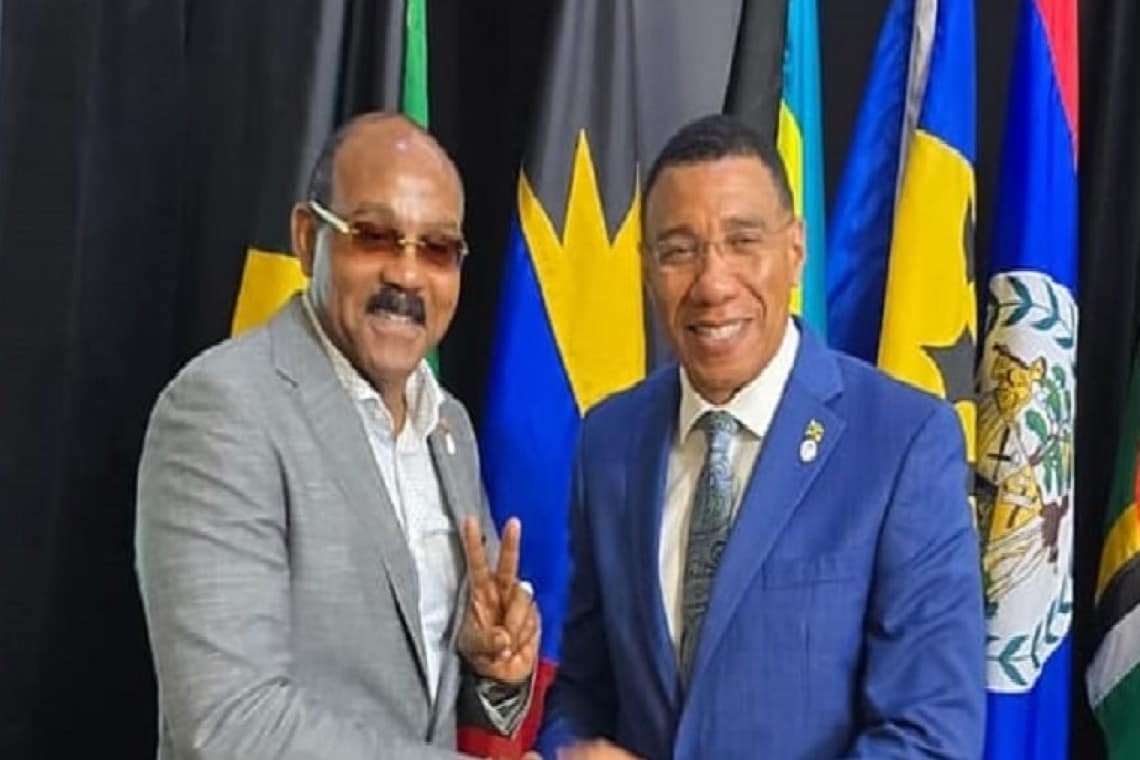
    On November 16, 2025, Prime Minister Gaston Browne of Antigua and Barbuda, accompanied by his wife and Minister Maria Browne, will lead a CARICOM delegation to Jamaica to express solidarity with the nation following the catastrophic impact of Hurricane Melissa. The delegation, set to depart on Monday morning, will focus on Montego Bay and surrounding communities in St. James, areas severely affected by the Category 5 storm. The visit aims to assess recovery efforts, support regional coordination, and meet with Jamaican Prime Minister Andrew Holness and local leaders. Prime Minister Browne emphasized the importance of collective action, stating, ‘As CARICOM brothers and sisters, we cannot stand by when one of our own is suffering. Jamaica has endured an unimaginable blow, and we must rally around its people — not just in messages of comfort, but with action, coordinated support, and a shared commitment to rebuild.’ Minister Maria Browne also expressed her sorrow and hope for renewal and unity in the Caribbean. Hurricane Melissa, which made landfall on October 28, 2025, caused widespread devastation, including 28 fatalities, severe infrastructure damage, and economic losses estimated at US$6-7 billion, or 28-32% of Jamaica’s GDP. Recovery efforts are ongoing, but challenges such as blocked roads, fallen power lines, and massive debris remain. Regional organizations like the Caribbean Disaster Emergency Management Agency (CDEMA) and the Caribbean Public Health Agency (CARPHA) have mobilized swiftly to provide aid and coordinate recovery. The CARICOM delegation’s visit underscores the region’s unity and commitment to long-term reconstruction and climate resilience. Prime Minister Browne called for regional and international support to rebuild stronger and smarter, emphasizing that ‘climate change is not coming, it is already here.’ The mission highlights CARICOM’s leadership and solidarity in the face of disaster, reaffirming that when one Caribbean nation falters, the rest stand ready to help lift it up.

  • ECCAA Says Process Toward Category One Restoration Now Advancing

    ECCAA Says Process Toward Category One Restoration Now Advancing

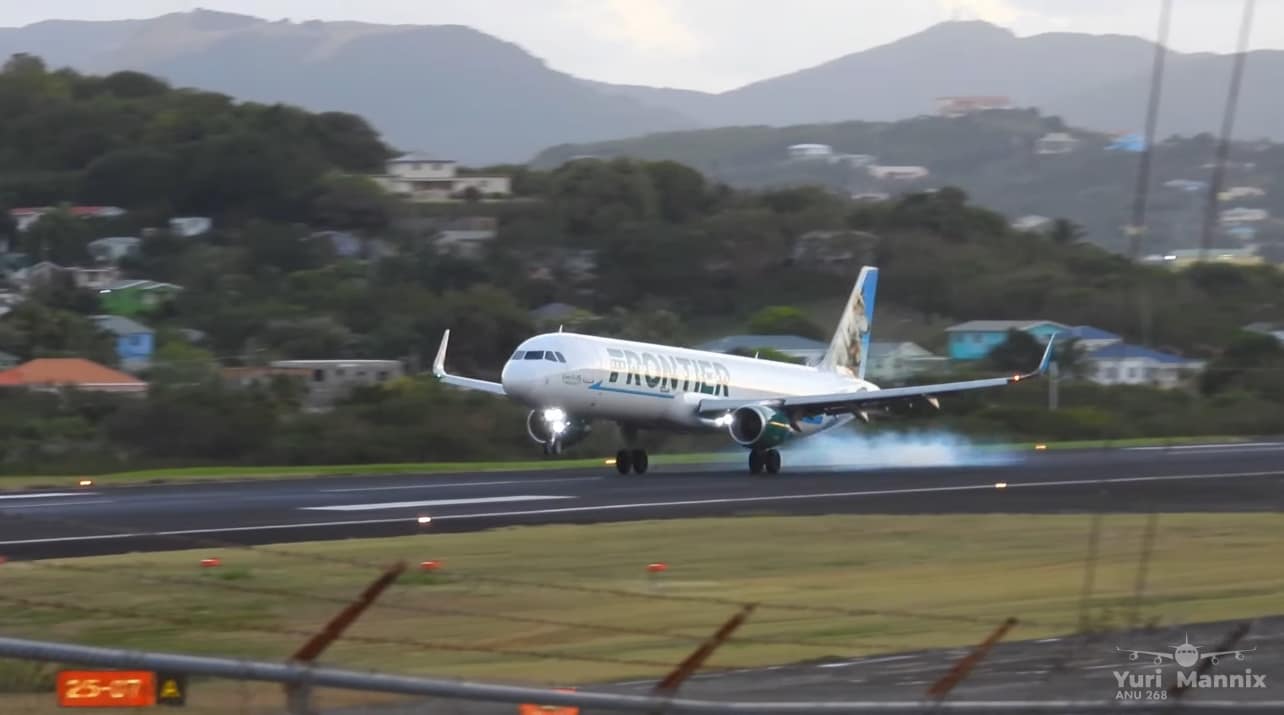
    The Eastern Caribbean Civil Aviation Authority (ECCAA) is making steady progress in its efforts to reclaim the region’s coveted Category One aviation rating. ECCAA Director-General Anthony Whittier has confirmed that ongoing coordination with U.S. authorities is a critical component of this process. While the recent U.S. government shutdown temporarily disrupted scheduled meetings, Whittier assured stakeholders that full engagement will resume once federal operations are restored. Speaking at ECCAA’s legal seminar on Thursday, Whittier outlined the next steps, which include a preliminary on-site visit by the Federal Aviation Administration (FAA) technical team, followed by a formal assessment to determine the region’s eligibility for the top-tier rating. Whittier emphasized that ECCAA has successfully completed all major regulatory reforms required by the FAA, including updates to aviation safety management and operational practices. These reforms are pivotal to the FAA’s evaluation process. With the regulatory phase now concluded, ECCAA awaits the FAA’s confirmation of the preliminary visit, marking a significant milestone in the journey toward regaining Category One status.

  • Barbecue warns Haitians to remain indoors as gangs prepare for confrontation

    Barbecue warns Haitians to remain indoors as gangs prepare for confrontation

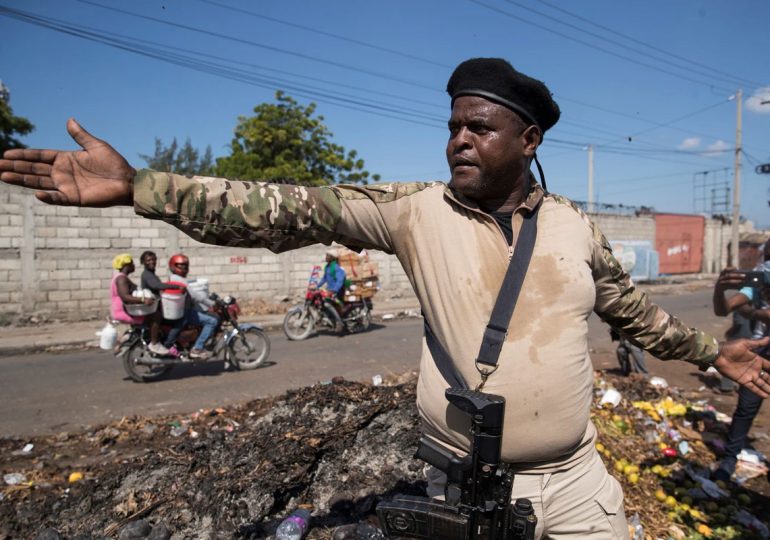
    Port-au-Prince, Haiti – Jimmy Cherizier, a prominent Haitian gang leader commonly referred to as “Barbecue” and spokesperson for the Viv Ansanm armed coalition, has called on citizens to remain indoors starting Monday. This plea comes as gangs prepare to confront law enforcement in what is expected to be a violent escalation. In a social media message, Cherizier urged transport unions, drivers, and families to stay home, emphasizing that the warning aims to prevent civilian casualties during the impending clashes. He also cautioned parents to keep children indoors, stating that gangs would not be accountable for those who disregard the alert.

    This development follows a significant joint operation by the Haitian National Police, the Armed Forces, and the Gang Repression Force targeting the 400 Mawozo gang, which has long dominated areas north of Port-au-Prince. Authorities reported several gang members killed or injured, alongside the seizure of weapons, including a Barrett rifle and heavy machinery used to destroy public infrastructure. The operation marks a renewed effort by Haitian authorities to curb gang violence, which has plagued the nation for years.

    The situation highlights the ongoing struggle between law enforcement and powerful criminal networks in Haiti, with civilians often caught in the crossfire. Cherizier’s warning underscores the precarious security environment and the challenges faced by the Haitian government in restoring order.

  • Amerikaans vliegdekschip arriveert in Caribisch gebied

    Amerikaans vliegdekschip arriveert in Caribisch gebied

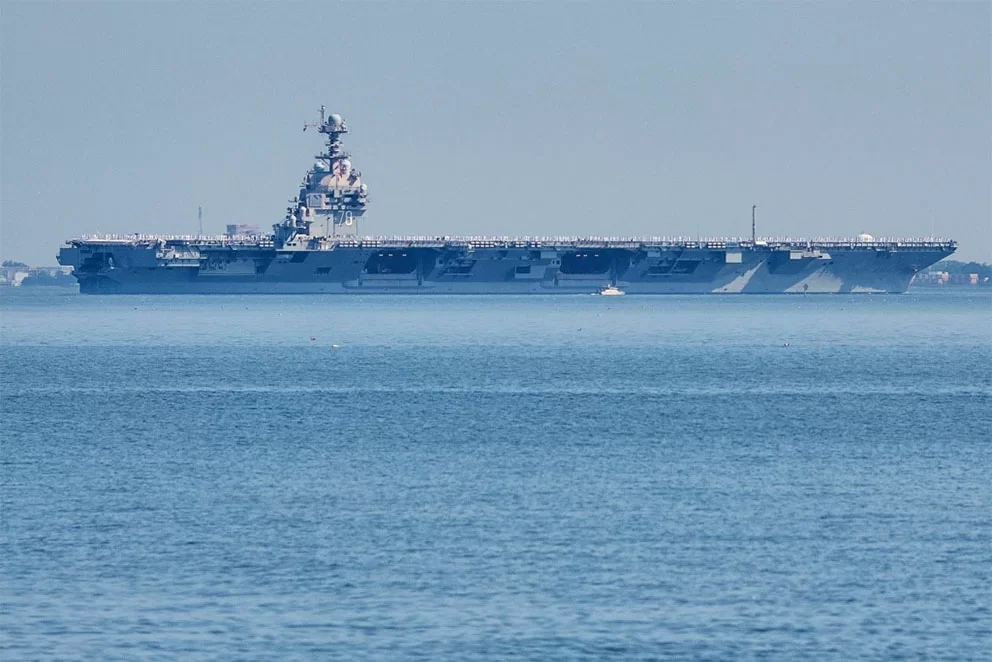
    The USS Gerald R. Ford, the United States’ most advanced aircraft carrier, arrived in the Caribbean Sea on Sunday, marking a significant demonstration of American military power. This deployment has sparked concerns about the Trump administration’s intentions in South America, particularly as the U.S. intensifies its military operations against vessels suspected of drug trafficking. The arrival of the Ford and other warships, announced by the Navy, underscores a pivotal moment in what the government terms an anti-drug operation but is widely perceived as escalating pressure on Venezuelan President Nicolás Maduro.

    The Ford’s deployment completes the largest buildup of U.S. firepower in the region in decades. The mission, dubbed ‘Operation Southern Spear,’ now includes nearly twelve naval vessels and approximately 12,000 sailors and Marines. This move follows the military’s latest lethal strike on a small boat allegedly involved in transporting illegal drugs. A video released by the U.S. Southern Command on Sunday showed the boat being destroyed in international waters of the eastern Pacific, resulting in three fatalities. Since early September, such U.S. operations in the Caribbean and eastern Pacific have claimed at least 83 lives in 21 attacks.

    Rear Admiral Paul Lanzilotta, commander of the strike group, emphasized that the deployment aims to ‘protect the safety and prosperity of our nation from narcoterrorism in the Western Hemisphere.’ Admiral Alvin Holsey, overseeing U.S. operations in the Caribbean and Latin America, stated that American forces are ‘ready to combat transnational threats destabilizing our region.’ Holsey, set to retire next month, described the strike group’s deployment as a ‘crucial step in reinforcing our resolve to protect the security of the Western Hemisphere and the American homeland.’

    In Trinidad and Tobago, located just 11 kilometers from Venezuela at its closest point, government officials reported that troops have begun joint training exercises with the U.S. military, expected to last much of the week. Foreign Minister Sean Sobers described these exercises as the second in less than a month, aimed at addressing violent crime on the island, which has become a transit point for drug shipments to Europe and North America. The Prime Minister has been a vocal supporter of U.S. military actions.

    The Venezuelan government, however, has condemned these exercises as acts of aggression. President Maduro, accused by the U.S. of drug terrorism, asserted that the American government is ‘fabricating a war’ against him. On his Facebook page, Maduro declared that the Venezuelan people are ‘ready to defend their homeland against any form of criminal aggression.’ Meanwhile, Defense Minister Dan Driscoll highlighted the U.S. military’s increasing focus on Latin America, announcing the reactivation of a jungle training school in Panama.

    While the Trump administration maintains that its military buildup is aimed at curbing drug flow into the U.S., it has provided no evidence to support claims that the victims of these operations were ‘narcoterrorists.’ Critics, including regional leaders, the UN Human Rights Commissioner, and U.S. lawmakers, have questioned the legal justification for these attacks. Nonetheless, Senate Republicans recently blocked legislation that would have restricted Trump’s ability to launch an attack on Venezuela without Congressional approval.

    Experts remain divided on whether U.S. combat aircraft should be used to strike land targets in Venezuela. Regardless, the deployment of the 100,000-ton warship sends a clear message. Elizabeth Dickinson, a senior analyst for the Andes region at the International Crisis Group, noted, ‘This is the core of what it means to reassert American military power in Latin America. It has raised significant concerns not only in Venezuela but across the region. Everyone is watching with bated breath to see how far the U.S. is willing to go in using military force.’