
In a stark reminder of Haiti’s escalating security crisis, suspected gang members opened fire on American forces guarding the US Embassy in Port-au-Prince earlier this week, according to a spokesperson. The incident underscores the precarious situation in the Caribbean nation, where gangs now control 90% of the capital, extorting businesses and battling for territory with heavy weaponry. Haitian police have yet to comment on the exchange of fire. The US continues to maintain its embassy in Haiti, but the State Department has repeatedly warned American citizens against traveling to the country due to rampant kidnappings, crime, terrorist activity, and civil unrest. The United Nations reports that gang violence has displaced over 1.3 million Haitians in recent years. The security situation has worsened significantly since the 2021 assassination of President Jovenel Moise, which created a power vacuum that remains unresolved, with no elections held to replace him. In late September, the UN Security Council approved the deployment of a 5,500-strong international force to combat Haiti’s heavily armed criminal groups. However, a smaller Kenyan police contingent has struggled to contain the violence, which claimed 5,600 lives last year, according to the UN Human Rights Office.
分类: world
-
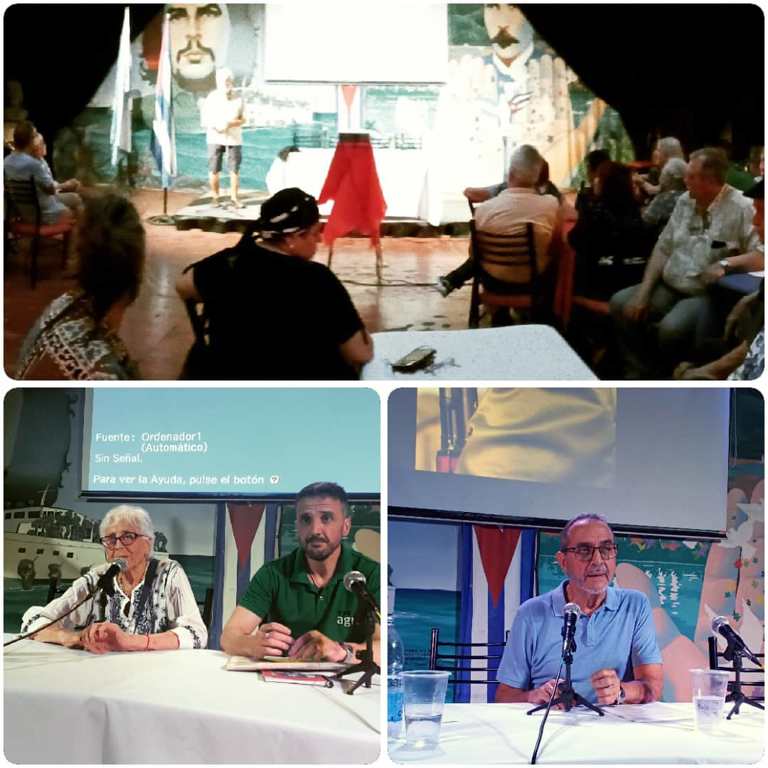
Argentinians friends of Cuba paid tribute to Fidel Castro
The House of Friendship, a hub for the Argentine Movement of Solidarity with Cuba (MASCuba) in Buenos Aires, hosted a significant commemoration event that attracted a large and attentive audience. The gathering was a powerful reminder of unwavering support for Cuba’s revolutionary legacy and its people, who are currently grappling with multiple crises, including the aftermath of a devastating hurricane, the ongoing impacts of the COVID-19 pandemic, and the persistent U.S. embargo. The event featured a series of influential speakers who highlighted the enduring spirit of solidarity between Argentina and Cuba. Ruben Zaccaro, a prominent leader of MASCuba, inaugurated the proceedings, followed by Hugo Fontana, an Argentine architect who contributed to Cuba’s early development post-revolution. Stella Calloni, a respected Argentine political scientist, and Esteban Luchetta also shared their insights. Jorge Marti, head of the Cuban Mission, and Erenia Garcia, president of the Union of Cuban Residents in Argentina (URCA), concluded the event. Zaccaro reflected on Fidel Castro’s revival of Jose Marti’s emancipatory ideals, which inspired the historic attack on the Moncada Barracks—a pivotal moment that ignited the Cuban Revolution.
-
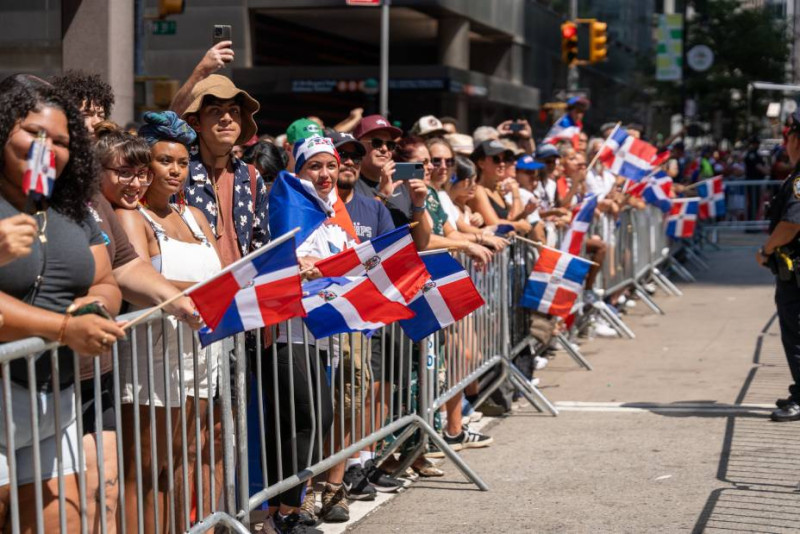
Nearly three million Dominicans live outside the Dominican Republic. Where are they?
The Dominican diaspora has grown significantly, with nearly three million Dominicans now residing outside their homeland. According to the 2024 Sociodemographic Registry Report of Dominicans Abroad, published by the Institute of Dominicans Abroad (Index), the total number of Dominicans living abroad has reached 2,874,124. This marks an increase of 27,408 individuals compared to the previous year, reflecting a growth rate of nearly 1%. The registry, updated until December 2024, spans 119 regions, including 95 sovereign states and 24 dependent territories, with new additions such as Egypt, the United Arab Emirates, and Qatar. Women constitute the majority of the diaspora, accounting for 53.5% (1,480,252), while men represent 46.5% (1,284,882). The youth demographic, aged 25 or younger, makes up 37.2% of the total, whereas those aged 55 and older account for 19.1%. Geographically, the Americas host the largest share of the diaspora, with 89.9% (2,580,924) of Dominicans residing there, followed by Europe with 10% (288,515). The United States remains the top destination, home to 2,398,009 Dominicans, followed by Spain (201,162), Italy (29,791), Chile (22,836), Canada (22,125), the Netherlands (17,979), and Venezuela (11,399). Other countries with notable Dominican populations include Mexico (10,539), Panama (8,785), France (8,699), the United Kingdom (8,149), Argentina (7,817), and Germany (6,580). Within the United States, New York has the highest concentration of Dominicans (848,560), followed by New Jersey (380,143) and Florida (312,604). In Spain, Madrid (68,448) and Barcelona (40,353) are the primary hubs for the Dominican community.
-
Insecurity : U.S. Marines exchanged fire with gang members
U.S. Marines stationed in Haiti to safeguard the American Embassy were involved in a firefight with suspected gang members earlier this week, according to military officials. The incident, which took place on Thursday evening in Port-au-Prince, saw Marines returning fire after being attacked. Captain Steven Keenan, a Marine Corps spokesperson, confirmed that no Marines were injured during the exchange. Keenan emphasized the Marines’ dedication to protecting U.S. embassies globally, stating they respond to threats with precision and professionalism. The U.S. State Department, Embassy in Haiti, and U.S. Southern Command have yet to comment on the incident. This clash follows heightened security measures implemented at the Embassy last year in response to escalating gang violence. In August, the Embassy announced the arrival of additional Marines to bolster security and support ongoing diplomatic efforts, including collaboration with Haitian police and a multinational security mission. Despite the volatile environment, the Embassy remains operational for emergency services, though it has reported nearby gunfire incidents earlier this year. The State Department had previously evacuated non-essential personnel in March 2024 and issued a travel advisory in July, declaring Haiti in a state of emergency.
-
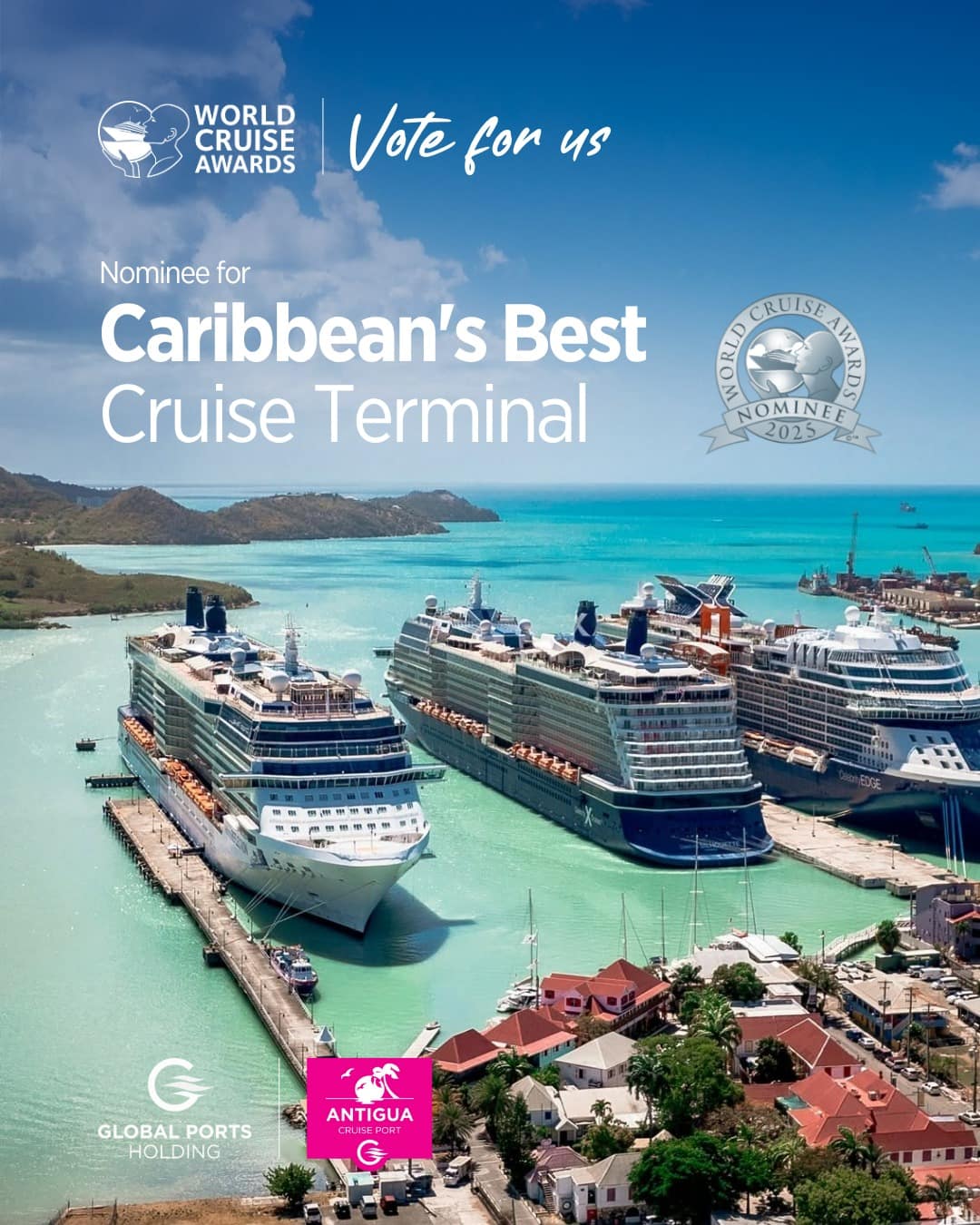
Antigua Cruise Port Nominated for Caribbean’s Best Cruise Terminal
Antigua Cruise Port has achieved a significant milestone by being nominated for the prestigious title of Caribbean’s Best Cruise Terminal at the 5th Annual World Cruise Awards 2025. This recognition underscores the port’s exceptional operational standards and commitment to delivering top-tier service. Port authorities have attributed this achievement to the unwavering dedication of their staff, the collaboration of industry partners, and the support of the local community. The nomination highlights the port’s growing influence in regional cruise tourism, as it continues to expand its infrastructure and services. The award, determined by public voting, is open for submissions until November 16, 2025. This nomination aligns with Antigua and Barbuda’s strategic goals to enhance homeporting activities and solidify St. John’s as a premier hub for Caribbean cruise itineraries. The public is encouraged to participate in the voting process to support this remarkable achievement.
-
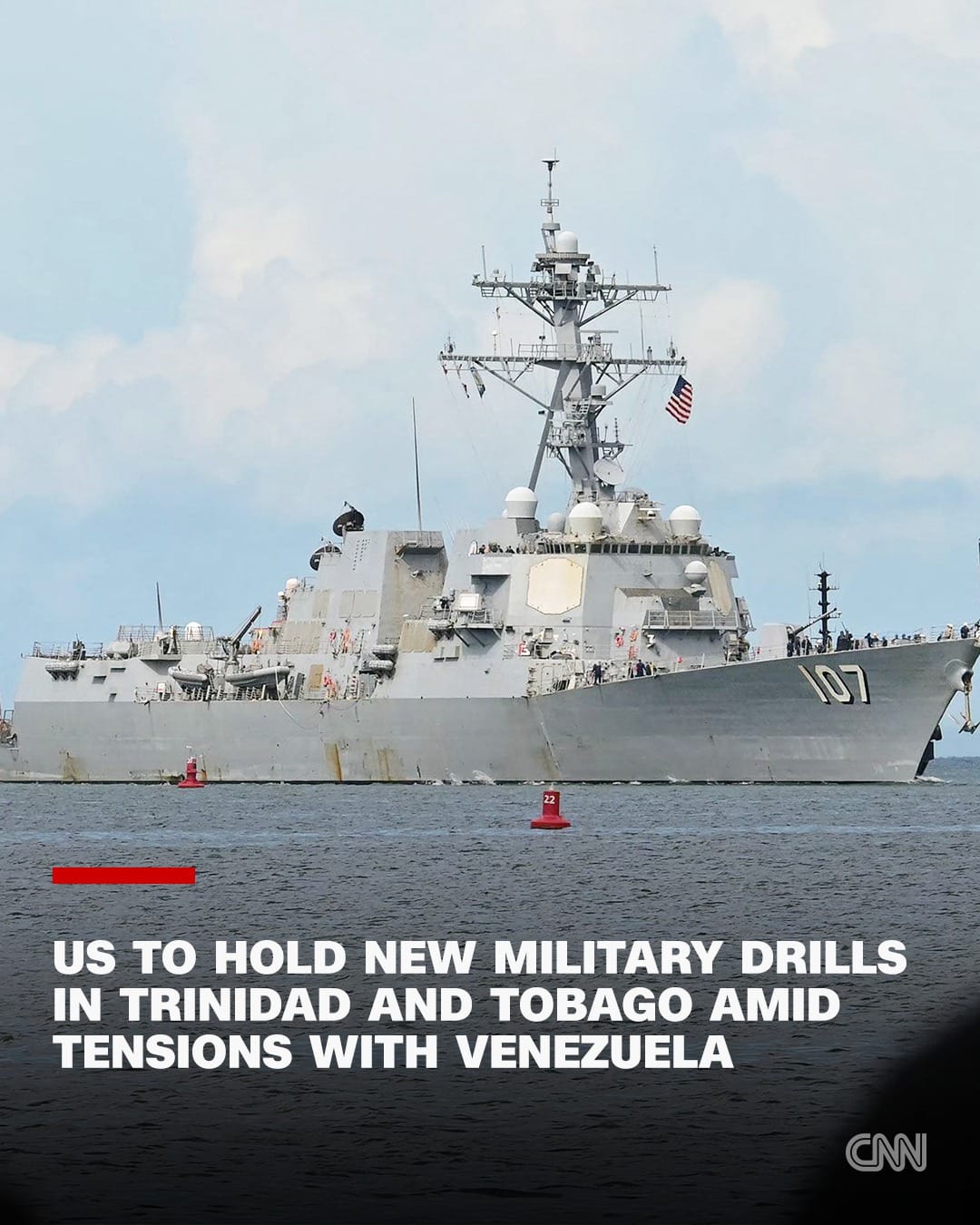
US to hold new military drills in Trinidad and Tobago amid tensions with Venezuela
The United States is set to conduct a five-day military exercise in Trinidad and Tobago, beginning this Sunday, as confirmed by the Caribbean nation. This announcement follows last month’s deployment of a guided-missile destroyer to the region for training purposes, a move that Venezuela labeled as a ‘military provocation.’ According to the Financial Times, Trinidad and Tobago’s Attorney General indicated that the US plans to ‘intensify’ its military activities in the twin-island nation, located just miles off Venezuela’s coast. Foreign Minister Sean Sobers has denied that these exercises are a prelude to potential US military action in Venezuela, despite growing global concerns over US activities in the region. Prime Minister Kamla Persad-Bissessar has supported the US presence, contrasting sharply with Venezuela’s socialist leader Nicolas Maduro, with whom she has had public disputes. The drills will involve the US Marine Corps’ 22nd Marine Expeditionary Unit, which is already in the region to aid in disrupting illicit drug trafficking. Trinidad and Tobago’s government stated that the exercises aim to enhance tactical familiarity between US and local troops and to train local forces in handling domestic issues like drug-related crime and gang violence. The US has recently bolstered its naval presence in the Caribbean, including the deployment of the USS Gerald R. Ford aircraft carrier, prompting Venezuela to announce a ‘massive mobilization’ of its military in response. This escalation has led to fears of a potential larger conflict between the two nations. While the US claims its military buildup is aimed at combating drug trafficking, experts question the necessity of such significant firepower, noting that the USS Gerald R. Ford represents the largest US military presence in the region since the 1989 invasion of Panama. President Donald Trump has expressed that he believes Maduro’s days are numbered and has not ruled out the possibility of US land strikes on Venezuela. Earlier this week, Trump was reportedly presented with options for military operations within Venezuela, though he has yet to make a decision and has previously expressed reservations about military action aimed at ousting Maduro. Maduro has urged the US against conflict, emphasizing a message of peace to Trump.
-

US Embassy: US Military ties run deep in Trinidad and Tobago
As US military personnel arrived in Trinidad and Tobago (TT) for a week-long training mission with the TT Defence Force (TTDF), concerns over escalating tensions with neighboring Venezuela have surfaced. The US Embassy, however, has sought to allay fears, emphasizing the longstanding security cooperation between the US and TT, which it claims benefits both nations and the broader region. This marks the second visit by the 22nd Marine Expeditionary Unit (MEU), deployed in the Caribbean since late August to combat suspected narco-trafficking. Their previous visit in October saw the USS Gravely, a guided missile destroyer, dock in Port of Spain, sparking accusations from Venezuela of provocation and collusion with US intelligence agencies. Foreign Minister Sean Sobers announced the return of the 22nd MEU for exercises in urban and rural settings, including nighttime helicopter operations. The rapid succession of US military activities in the region, coupled with recent airstrikes targeting drug smugglers, has raised eyebrows. While Washington frames its presence as a counter-narcotics effort, Venezuela’s President Nicolas Maduro views it as a threat. US President Donald Trump has hinted at further actions against Venezuela, though specifics remain undisclosed. TT’s government, led by Prime Minister Kamla Persad-Bissessar, has expressed strong support for US military actions, citing the country’s vulnerability to illegal drug and weapons trade from Venezuela. The US Embassy highlighted recent collaborations, including infrastructure upgrades and donations to a local school, as well as joint training exercises aimed at enhancing regional security. These efforts, the embassy asserts, underscore the enduring partnership between the US and TT, rooted in shared values and mutual defense goals.
-
Post-treaty tensions in Tobago
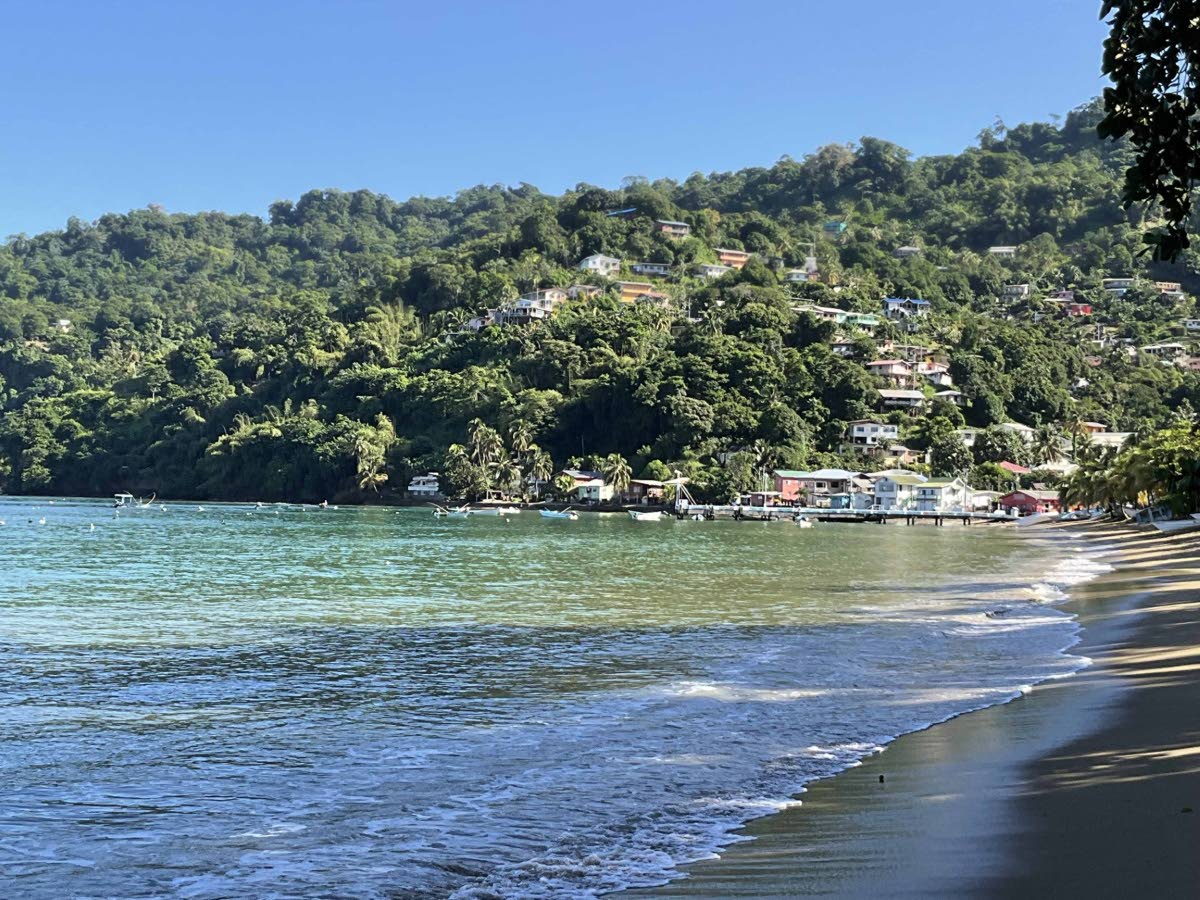
The Treaty of Paris in 1763 marked a significant moment for British control over Tobago, yet the aftermath was far from peaceful. The British administration faced immediate challenges, as France, though subdued at the negotiation table, harbored intentions to reclaim the island. Recognizing the precariousness of their position, the British prioritized security, understanding that their survival hinged on robust defenses. Their initial strategy involved increasing the British landowning population to bolster loyalty and defense against potential French incursions. However, this plan faltered, as the number of resident British landowners remained insufficient. The administration also established a militia to counter external threats, including French privateers and pirates, as well as internal resistance from the growing enslaved population. Despite these efforts, the island’s vulnerability persisted, particularly due to its numerous bays, which served as entry points for slavers and hideouts for pirates. The British sought to enhance security by appointing military ranks to defend the bays, but this proved inadequate given the limited human resources. Simultaneously, the administration focused on land division, creating plantations but neglecting essential infrastructure like roads. This oversight was later addressed through the imposition of a land tax and the enlistment of enslaved laborers for road construction. The ambitious plan aimed to connect the island’s parishes and improve communication, but progress was slow and hampered by resistance from enslaved Africans and the limited availability of qualified white men. Ultimately, the British administration’s inability to fortify Tobago’s defenses and establish effective communication networks left the island vulnerable. In 1781, France capitalized on these weaknesses, recapturing Tobago and dealing a significant blow to the British planting community.
-

World’s largest military aircraft carrier now in Caribbean Sea
The USS Gerald R Ford, the world’s largest military aircraft carrier, has arrived in the southern Caribbean Sea as part of a significant U.S. military build-up in the region. The deployment, led by the Gerald R Ford Carrier Strike Group (CSG), marks the largest military presence in the Caribbean in decades. While the U.S. government has framed the operation as a mission to combat narco-trafficking and dismantle transnational criminal organizations, it has also intensified pressure on Venezuelan President Nicolas Maduro, whom Washington views as an illegitimate leader facilitating illicit trade. The arrival of the CSG was confirmed in a November 16 statement, emphasizing its role in supporting the U.S. Southern Command’s (SOUTHCOM) efforts to counter narco-terrorism and protect the Homeland. Admiral Alvin Holsey, SOUTHCOM commander, highlighted the group’s readiness to address transnational threats destabilizing the region. The CSG will join forces already stationed in the Caribbean, including the Iwo Jima Amphibious Ready Group and the 22nd Marine Expeditionary Unit, as part of Joint Task Force Southern Spear. Rear Admiral Paul Lanzilotta, commander of Carrier Strike Group 12, described the USS Gerald R Ford as the most capable and lethal platform globally, deployed to safeguard national security and prosperity. The fleet’s presence coincides with the 22nd Marine Expeditionary Unit’s second visit to Trinidad and Tobago (TT) for joint training with the TT Defence Force (TTDF) from November 16 to 21. While TT’s Foreign Minister Sean Sobers defended the collaboration as essential for combating illegal drugs and weapons, Venezuelan President Maduro condemned the military exercises, warning they threaten regional peace. Maduro has accused the U.S. of seeking to overthrow him and called for public protests against the drills. This deployment follows the 22nd MEU’s first visit in October, which sparked similar condemnation from Caracas, leading to halted petrochemical deals with TT and the labeling of TT’s Prime Minister Kamla Persad-Bissessar as persona non grata.
-

APUA crew at work in Jamaica supporting power restoration
In a demonstration of regional solidarity, technicians from the Antigua Public Utilities Authority (APUA) have been dispatched to Jamaica to assist in ongoing electricity restoration efforts. This initiative is part of a coordinated response facilitated by the Caribbean Electric Utility Services Corporation (CARILEC), which mobilizes resources and expertise across member nations during crises. The APUA team is working alongside the Jamaica Public Service Company (JPS) to address recent disruptions to the island’s power grid, focusing on repairing and stabilizing electrical lines in affected communities. This collaborative effort highlights the longstanding tradition of regional cooperation among utility providers, who routinely share manpower and technical knowledge in the aftermath of significant outages. APUA has confirmed that its technicians will remain in Jamaica until all assigned restoration tasks are completed, ensuring a swift and effective recovery.