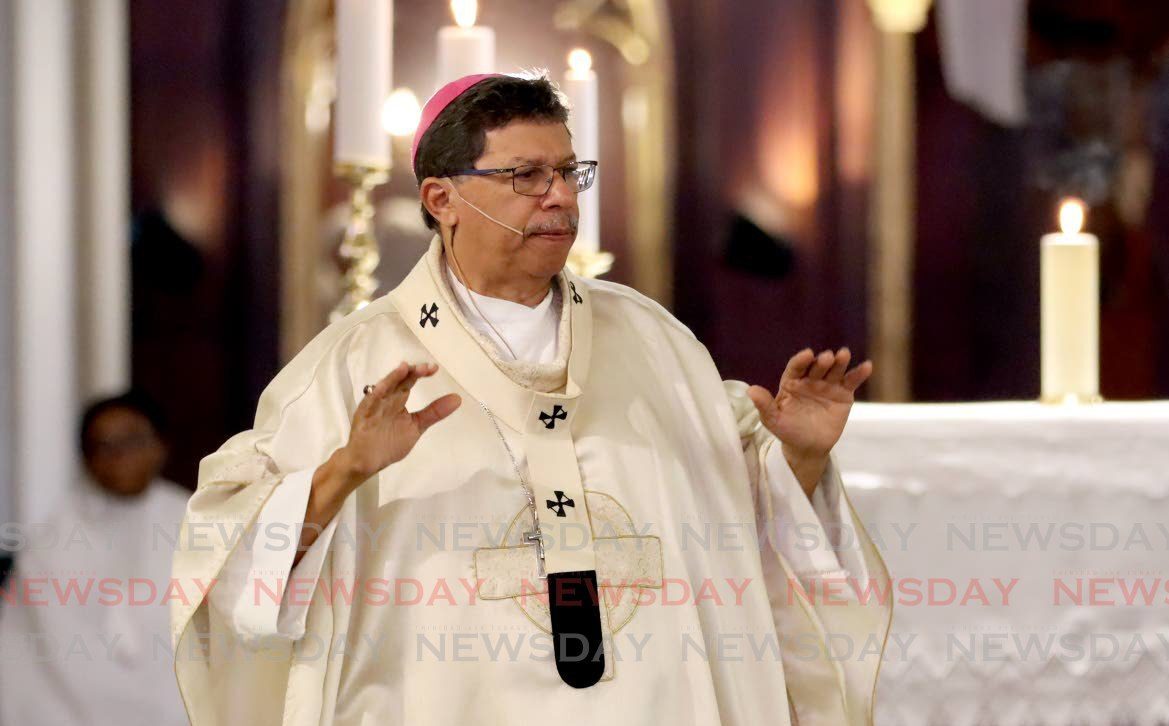
The Catholic Church has voiced strong opposition to Trinidad and Tobago’s (TT) government’s recent decision to conduct mass deportations of detained Venezuelan migrants. In a statement issued on November 17 by the Catholic Commission for Social Justice (CCSJ) of the Archdiocese of Port of Spain, the Church expressed solidarity with the Antilles Episcopal Conference (AEC), Archbishop Charles Jason Gordon, and the Conference on Theology in the Caribbean Today (CTCT). The CCSJ raised concerns over escalating geopolitical tensions in the Southern Caribbean, including lethal military strikes on vessels suspected of drug trafficking and the growing humanitarian crisis affecting migrants across the region. The Church warned that the Caribbean’s longstanding reputation as a ‘zone of peace’ is under threat, particularly with the significant presence of US military forces, including the USS Gerald R Ford, in the Caribbean Sea. The CCSJ urged regional leaders to prioritize dialogue over confrontation and to consider the potential repercussions of US President Donald Trump’s actions on TT and the wider region. The commission criticized the US naval operations near Venezuela, which have led to the deaths of 83 people since September, raising fears of extrajudicial killings. The CCSJ emphasized that such actions violate international human rights laws and Catholic teachings on the sanctity of life. While acknowledging TT’s right to secure its borders, the Church insisted on adherence to international law, particularly the principle of non-refoulement, which prohibits returning refugees to countries where they face persecution. The CCSJ also highlighted the closure of the UNHCR national office in TT, which has exacerbated the crisis by leaving thousands of migrants without access to registration or protection. The Church called for political restraint, regional unity, and diplomatic efforts to maintain peace. It urged Caribbean governments to prioritize humanitarian protection and to strengthen regional diplomacy. The CCSJ announced plans to expand partnerships with civil society to support migrants and refugees, emphasizing that they are ‘children of God’ and not political pawns. The commission recommended a pause on mass deportations, renewed engagement with UNHCR and the International Organization for Migration, and the incorporation of the 1951 Refugee Convention into TT law. Additionally, it called for public education to counter misinformation and promote solidarity, as well as collective action to safeguard human dignity.
分类: world
-
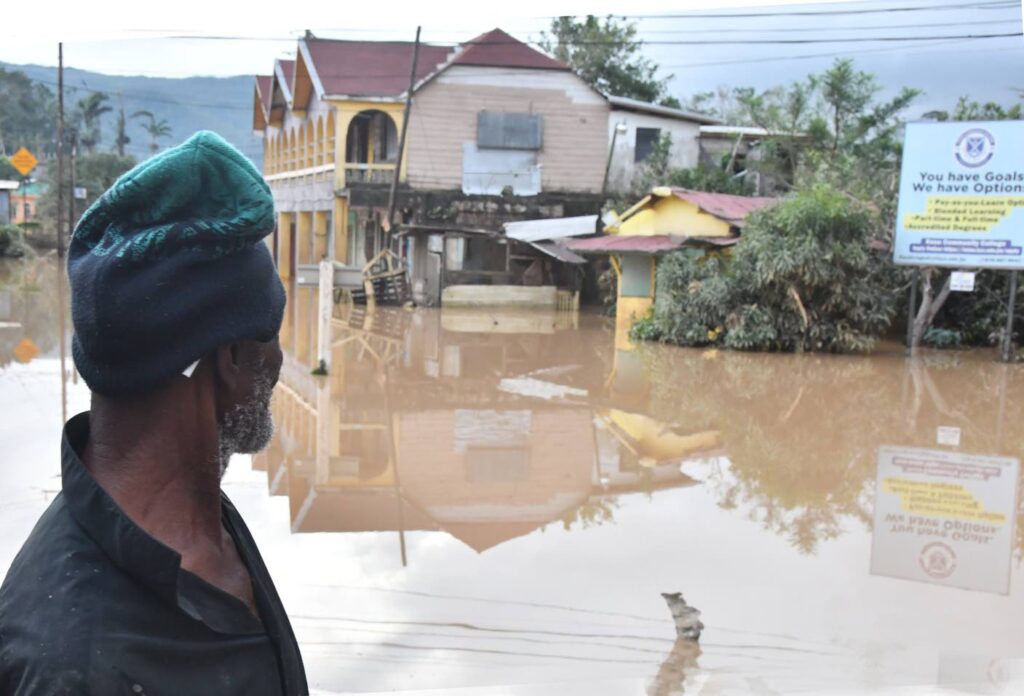
Damage from Hurricane Melissa now put at US$8.8 billion
The catastrophic impact of Hurricane Melissa, which struck Jamaica’s southwestern coast on October 28, has been quantified at a staggering $8.8 billion. This updated estimate, presented by Lilia Burunciuc, the World Bank Country Director for the Caribbean, was disclosed during a press briefing at Jamaica House on Thursday. The figure accounts for 41% of Jamaica’s projected gross domestic product (GDP) for 2024, highlighting the immense scale of the disaster. Burunciuc emphasized that this assessment reflects only the physical damage, with economic repercussions expected to be even more severe. A comprehensive evaluation of the economic toll will follow once the monetary assessment is finalized. The parishes of St. James, Westmoreland, and St. Elizabeth bore the brunt of the hurricane’s fury, sustaining $5.5 billion in damages—63% of the total estimate. Residential buildings suffered the most significant losses, amounting to $3.7 billion, or 41% of the overall damage. This category includes homes, their contents, and mixed-use buildings classified as residential. Non-residential buildings, encompassing commercial, industrial, tourism, and public structures, incurred $1.8 billion in damages. Infrastructure damage was estimated at $2.9 billion, while agricultural losses totaled $389 million. The devastation underscores the urgent need for recovery efforts and international support to rebuild Jamaica’s affected regions.
-
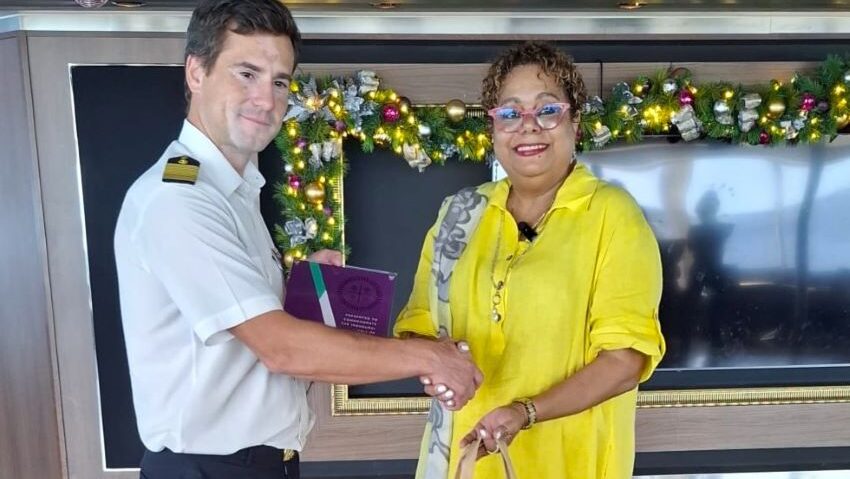
Renaissance makes maiden voyage into Bridgetown
Barbados marked a significant milestone in its tourism industry as the Ambassador Cruise Line’s Renaissance cruise ship made its inaugural visit to Bridgetown Port on Monday morning. The vessel, carrying 938 passengers, was warmly welcomed by local officials and tourism representatives. Cheryl Carter, Chief Operations Officer of Barbados Tourism Marketing Inc. (BTMI), emphasized the strategic importance of Barbados as a home porting destination during a plaque exchange ceremony aboard the ship. Carter highlighted Barbados’ geographic advantage as the eastern gateway to the southern Caribbean, offering cruise lines operational efficiency and a compelling value proposition for North American and European markets. Captain Yan Jouffroy expressed gratitude for the warm reception and expressed confidence that both crew and guests would enjoy their time on the island. The Renaissance, with a capacity of approximately 1,100 passengers, is set to embark 441 travelers before heading to its next destination, Curaçao.
-
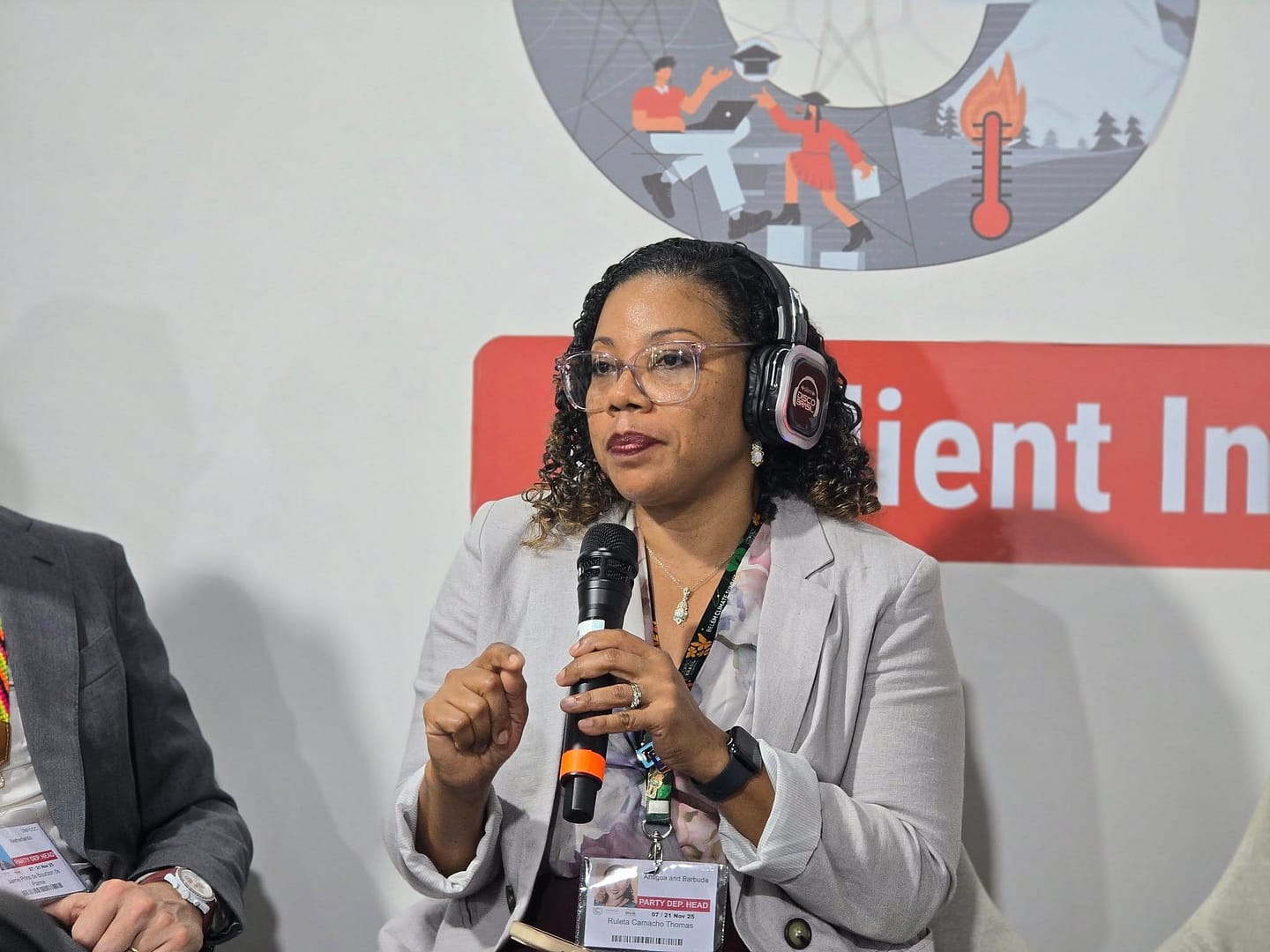
Antigua and Barbuda Urges Direct Budget Support for Disaster-Hit States
At the COP30 summit, Antigua and Barbuda welcomed the unveiling of the Global Infrastructure Resilience (GIR 2025) Report, emphasizing that its true effectiveness hinges on the accessibility of financing and support for implementing resilience measures. Ambassador Ruleta Camacho Thomas highlighted the critical issue of affordability, stating that without accessible and affordable finance, even the most advanced technical guidance remains unattainable for those who need it most. She warned that the cost of resilience should not push families into poverty and urged global partners to ensure that vulnerable communities are not excluded from safety due to financial constraints. The Caribbean region, already grappling with severe climate impacts, sees households frequently transitioning from stability to hardship. When infrastructure fails—be it roofs, coastlines, or homes—the financial burden often falls entirely on families. With reinsurers retreating from parts of the region and insurance premiums skyrocketing, many households are left unprotected against climate disasters. Ambassador Camacho Thomas stressed that without affordable financing, individuals cannot afford the upfront costs of reinforcing their homes or rebuilding to resilient standards, leaving them increasingly vulnerable each season. This cycle, she noted, transforms vulnerability into poverty and exacerbates inequality. The issue extends to the national level, where each disaster amplifies debt burdens, hindering long-term resilience investments. For instance, Hurricane Melissa in Jamaica caused losses of nearly USD 8–9 billion, yet only USD 1 billion is available for recovery. This vast gap forces governments into new borrowing, stalling resilience efforts. Ambassador Camacho Thomas called for direct budget support for highly indebted nations and a rapid, equitable scale-up of international financing. While the GIR 2025 report provides essential evidence and tools, she emphasized that real access to finance is crucial for actionable progress.
-
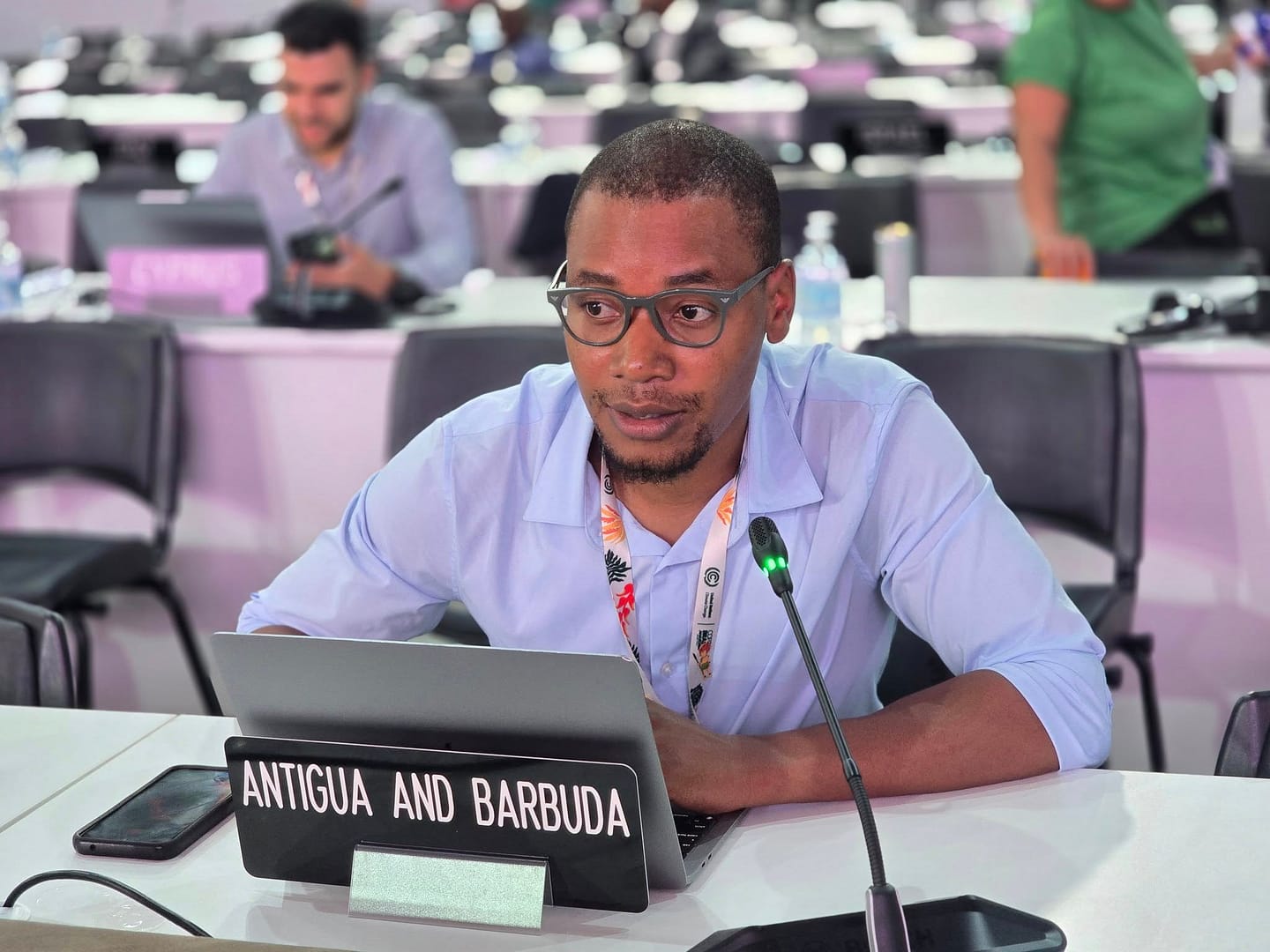
Arry Simon Delivers Closing Statement at Research and Systematic Observation Negotiations
In a week where climate discussions seemed to falter, Arry Simon, the Climate Assessment Officer at the Department of Environment and lead coordinator for the Alliance of Small Island States (AOSIS) on Research and Systematic Observations (RSO), delivered a resolute message: scientific integrity must remain paramount, and small island nations will not remain silent as deadlines are postponed. Speaking at the conclusion of recent negotiations, Simon expressed profound disappointment over the decision to delay the Periodic Review (PR)—a crucial process that evaluates global progress against the Intergovernmental Panel on Climate Change (IPCC)’s scientific benchmarks and the 1.5°C global warming target—until the 31st Conference of the Parties (COP31). He stressed that this deferral jeopardizes a vital accountability mechanism essential for vulnerable nations. ‘This review is not just a technical exercise; it’s a lifeline,’ Simon asserted, expressing confidence that the PR would proceed at COP31. Despite this setback, Simon celebrated the successful conclusion of the RSO agenda item, which highlighted advancements in climate science, including the deteriorating state of the global climate system, progress in attribution science, and the critical role of systematic observation in mitigation, adaptation, and early warning systems. AOSIS also lauded the focus on the Systematic Observations Financing Facility (SOFF), which supports Small Island Developing States (SIDS) and Least Developed Countries (LDCs) in leveraging data for policy and life-saving decisions. However, Simon raised concerns about the failure to adequately recognize the IPCC’s role as the cornerstone of the UNFCCC and the omission of ‘extremely alarming’ climate indicators, such as record-breaking global temperatures and accelerating sea-level rise. ‘The way scientific and lived truths were challenged is deeply concerning,’ Simon remarked, calling for greater accountability. As the world looks ahead to COP31, Simon emphasized AOSIS’s unwavering commitment to ensuring scientific integrity remains a priority, warning that for frontline nations, every delay is a step closer to an irreversible future.
-
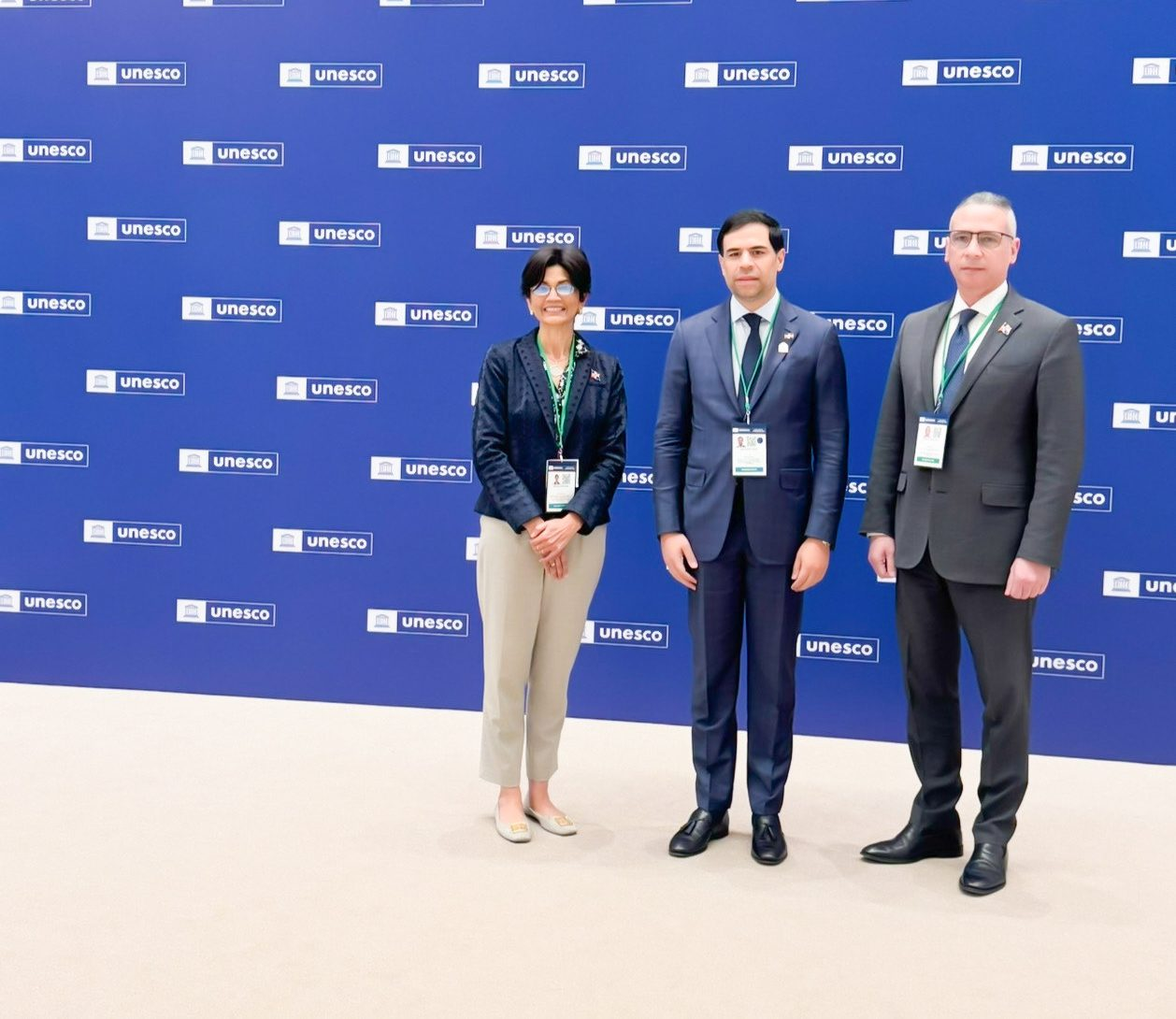
Dominican Republic takes part in UNESCO’s 43rd General Conference in Uzbekistan
The Dominican Republic made a significant impact at the 43rd General Conference of UNESCO, a historic event held in Samarkand, Uzbekistan—marking the first time in 40 years that the conference took place outside Paris. The Dominican delegation, led by Minister of Culture Roberto Ángel Salcedo, actively participated in high-level discussions, emphasizing the nation’s dedication to cultural diversity, heritage preservation, and the expansion of creative industries. Minister Salcedo highlighted the crucial role of youth in driving cultural innovation and called for more equitable international cooperation, particularly advocating for increased Caribbean involvement in UNESCO’s strategic initiatives. Ambassador Larissa Veloz Santana, the Dominican Republic’s Permanent Delegate to UNESCO, played a pivotal role in aligning national priorities with global agendas. She engaged with key stakeholders, participated in working committees, and reinforced partnerships within the multilateral framework. The delegation also included representatives from the Ministry of Culture, the Dominican National Commission for UNESCO, and diplomatic missions in Uzbekistan and Russia, all contributing to the technical and diplomatic efforts. Throughout the conference, the Dominican Republic championed cultural policies aligned with the 2030 Agenda, emphasizing the importance of creativity, heritage protection, and cultural diversity on the global stage.
-
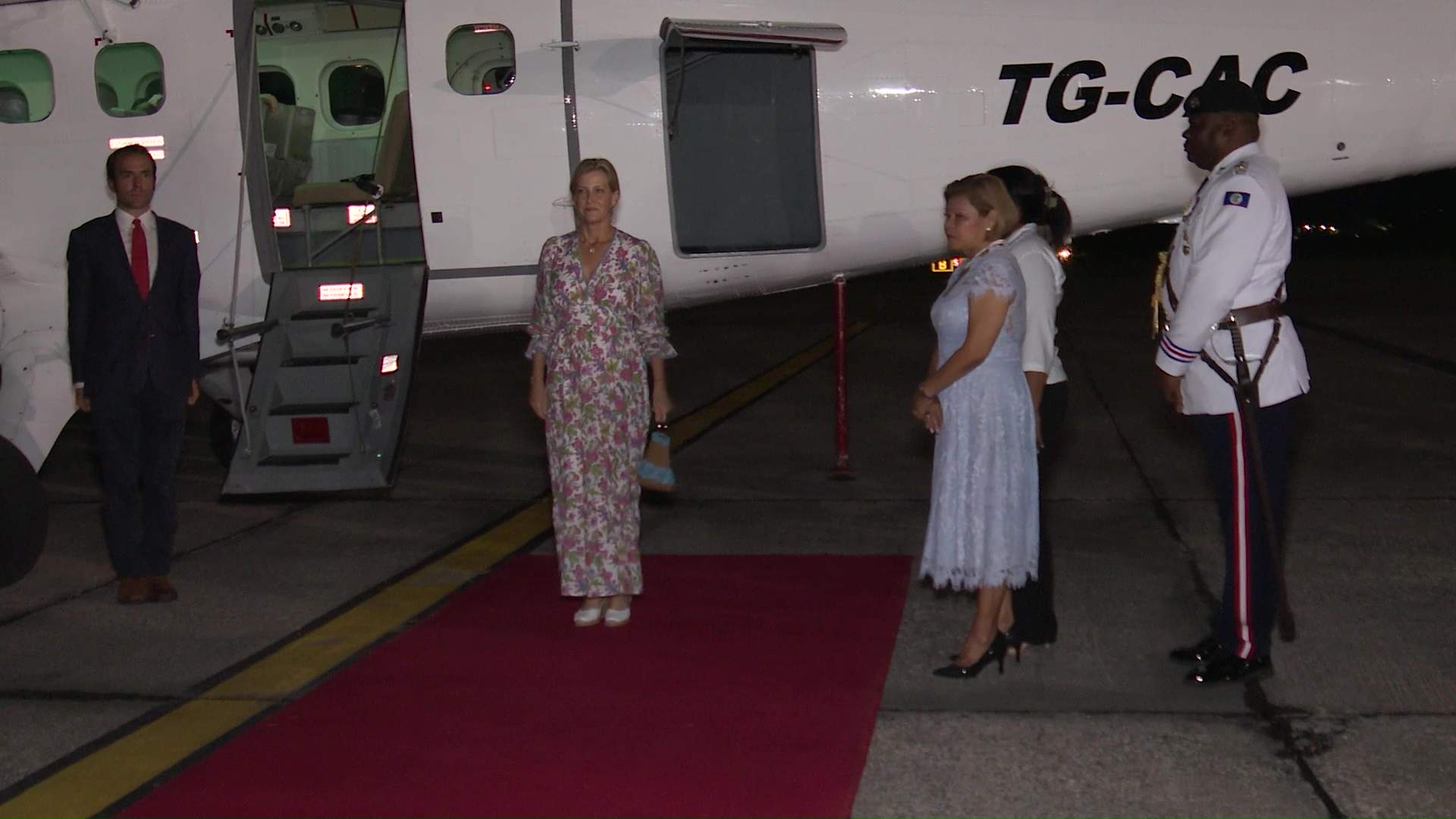
Duchess of Edinburgh Kicks off Three-Day Visit in Belize
On November 17, 2025, the Duchess of Edinburgh, Sophie Rhys-Jones, commenced a three-day visit to Belize, marking a significant moment in the ongoing diplomatic and cultural exchanges between Belize and the United Kingdom. The Duchess arrived at the Philip Goldson International Airport on Sunday evening, where she was warmly greeted by Belizean Prime Minister John Briceño and Rossana Briceño, the Special Envoy for the Development of Families and Children. This visit, orchestrated by Belize’s Ministry of Foreign Affairs, Foreign Trade, Culture, and Immigration, is part of a broader tour across South and Central America. During her stay, the Duchess engaged with key initiatives, including a visit to the Belize Council for the Visually Impaired and the House of Culture. Her agenda focused on critical issues such as eye health, the empowerment of indigenous women, and the preservation of Belize’s UNESCO-listed barrier reef. Discussions also centered on enhancing bilateral relations between Belize and the UK, underscoring the shared commitment to mutual development and cultural preservation.
-
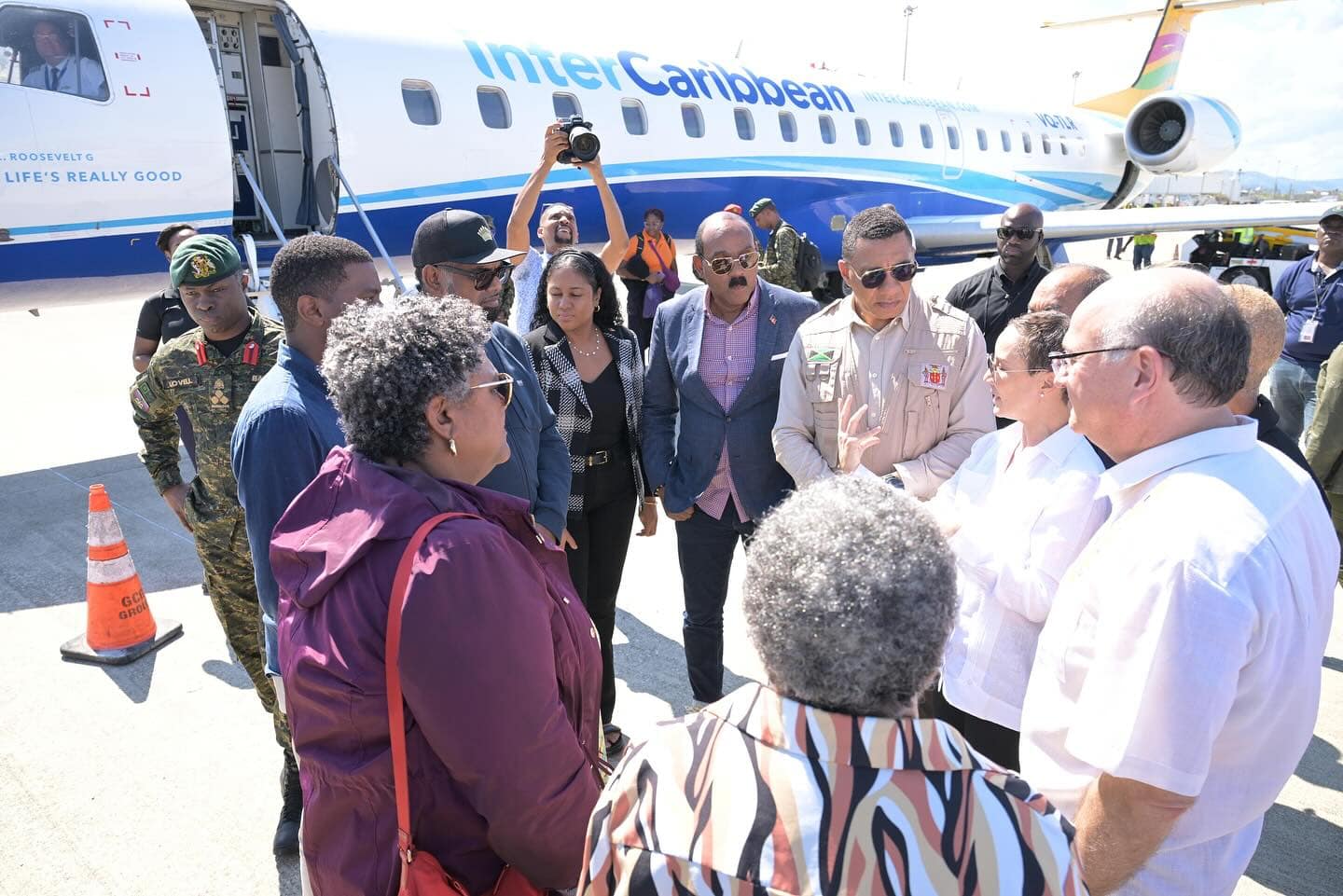
CARICOM Leaders Pledge Support After Touring Hurricane-Hit Jamaica
In a powerful demonstration of regional solidarity, leaders from the Caribbean Community (CARICOM) embarked on a one-day tour of hurricane-ravaged communities in western Jamaica on November 17. The delegation, which included heads of government from Antigua and Barbuda, Barbados, Grenada, and Guyana, was accompanied by CARICOM Secretary-General Dr. Carla Barnett and representatives from the World Bank, the Inter-American Development Bank (IDB), and CAF – Development Bank of Latin America and the Caribbean. Their journey took them from Montego Bay to White House, Westmoreland, the epicenter of Hurricane Melissa’s devastation, where they assessed the damage and engaged with affected residents. Leaders emphasized the symbolic and personal significance of their visit, highlighting the shared vulnerability of Caribbean nations to natural disasters. They expressed unwavering confidence in Jamaica’s resilience and ability to recover stronger. Barbados pledged a field hospital and additional garbage-removal trucks, while Guyana committed engineering support from its Defence Force, debris removal assistance, and 200 roofs for housing repairs. Other CARICOM member states and associate members also offered aid. The mission, supported by the Caribbean Disaster Emergency Management Agency (CDEMA) and the Regional Security System (RSS), underscored the importance of unity and collaboration in rebuilding communities and enhancing disaster preparedness for future challenges.
-
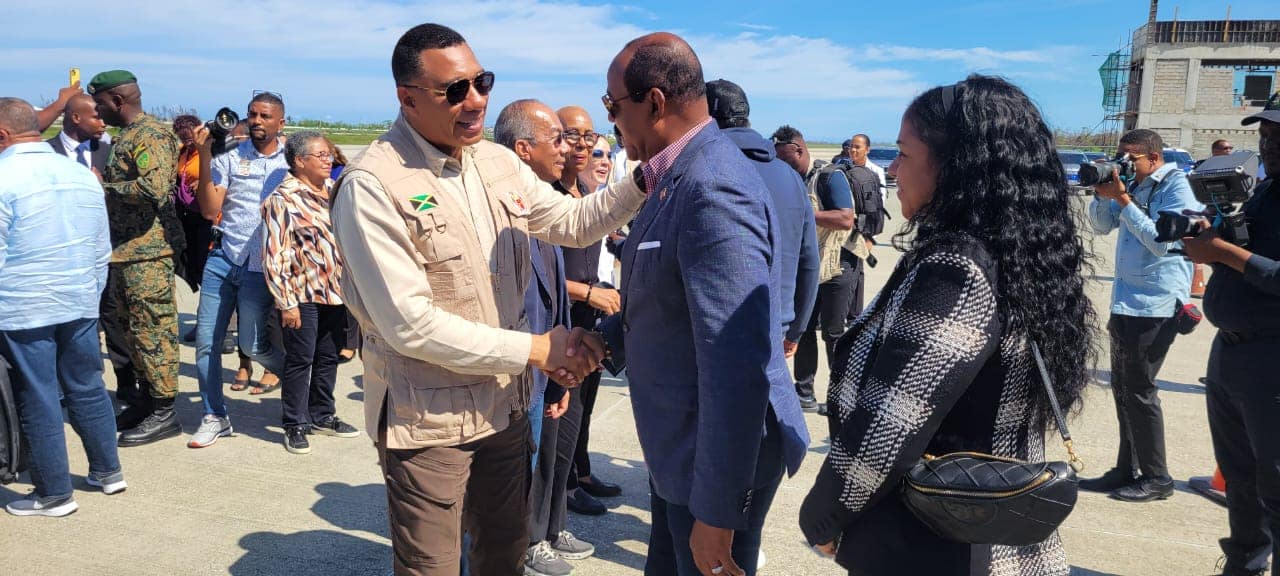
IN PICTURES: PM Browne Arrives in Jamaica with CARICOM Leaders to Assess Hurricane Devastation
A high-level delegation, including Prime Minister Gaston Browne of Antigua and Barbuda, other Caribbean heads of government, and representatives from the Inter-American Development Bank (IDB), arrived in Jamaica to conduct a comprehensive assessment of communities devastated by Hurricane Melissa. The Category 5 storm wreaked havoc across St James, Westmoreland, and St Elizabeth, leaving widespread destruction in its wake. The delegation, led by CARICOM Chairman and Jamaican Prime Minister Andrew Holness, aims to evaluate the extent of the damage and identify urgent recovery needs. This collaborative effort underscores the region’s commitment to disaster response and resilience-building. The visit also highlights the critical role of international partnerships in addressing the aftermath of natural disasters, particularly in vulnerable Caribbean nations.
-

Nicki Minaj to address UN on November 18
In a surprising collaboration, Trinidadian rapper Nicki Minaj has partnered with former US President Donald Trump to draw global attention to the persecution of Christians in Nigeria. The initiative was announced by US Ambassador to the UN Michael Waltz on November 16 via social media platform X. Waltz lauded Minaj as the ‘greatest female recording artist’ and commended her for using her influential platform to address the ongoing violence against Nigerian Christians. Minaj is slated to speak at the United Nations on November 18 to amplify the issue. The rapper, whose real name is Onika Maraj, expressed her gratitude for the opportunity, stating, ‘I am so grateful to be entrusted with an opportunity of this magnitude. I do not take it for granted. It means more than you know.’ She further emphasized her commitment to justice, asserting that neither she nor her fan base, known as the ‘Barbz,’ would remain silent in the face of wrongdoing. Minaj’s involvement follows Trump’s November 1 social media post, where he threatened to deploy US military forces to Nigeria if the government failed to curb the killings of Christians. Trump also directed the Department of War to prepare for potential military action and warned of suspending aid to the country. Nigeria, home to approximately 93 million Christians, has denied allegations of widespread religious persecution. President Bola Tinubu reaffirmed the nation’s commitment to religious freedom, stating, ‘The characterisation of Nigeria as religiously intolerant does not reflect our national reality.’ Tinubu expressed openness to collaborating with the US and other international partners to ensure the protection of all faiths.