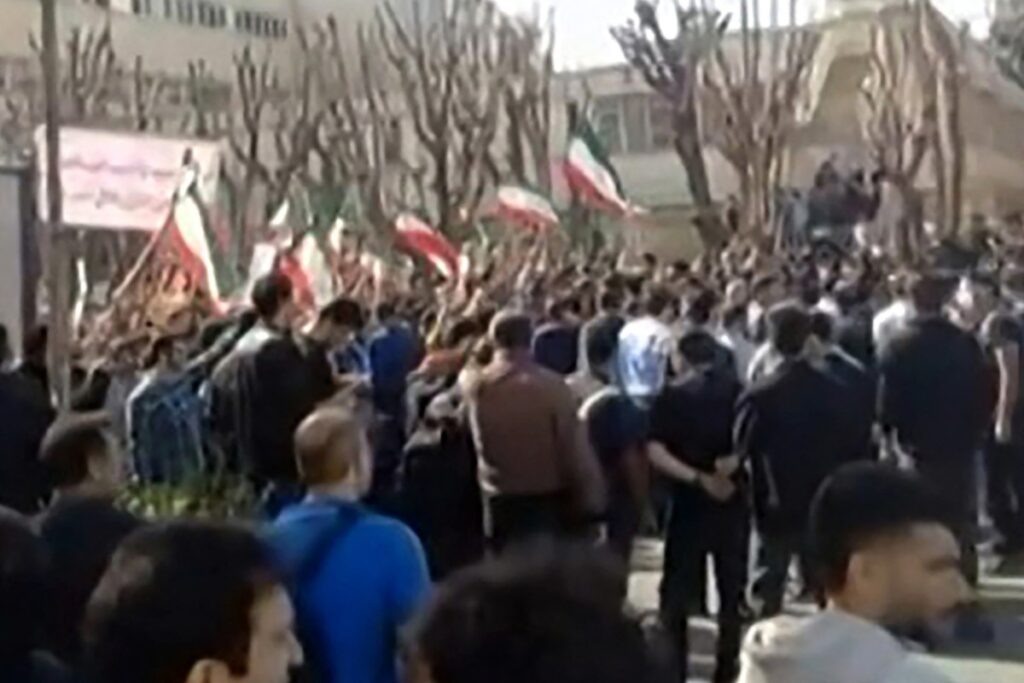
TEHRAN, Iran—The specter of renewed military confrontation looms over Tehran, where residents report sleepless nights and growing anxiety following last year’s intense 12-day conflict with Israel. The psychological scars from that period remain fresh, with many citizens now preparing for what they fear is an inevitable escalation.
Hamid, a Tehran resident, exemplifies the pervasive dread. ‘I don’t sleep well at night even with medication,’ he confessed, expressing particular concern for his family’s welfare. His worries extend beyond immediate safety to the quality of life for younger generations: ‘I’ve lived my life, but they haven’t experienced any joy, comfort, or peace.’
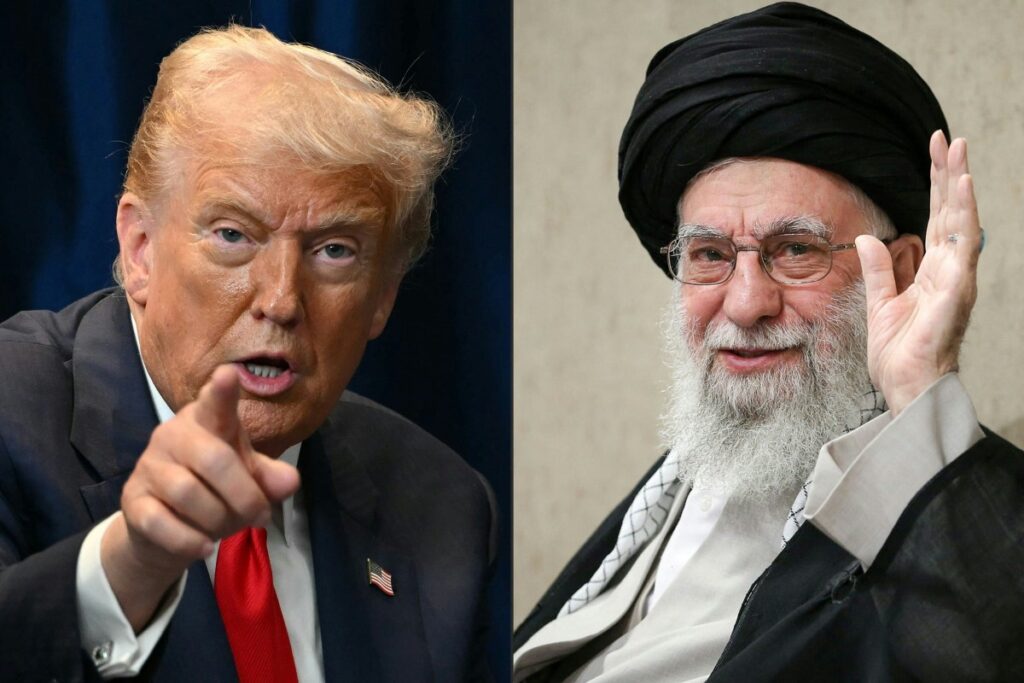
The current tensions unfold against a complex diplomatic backdrop. Iran has resumed nuclear negotiations with the United States, though Tehran insists discussions must focus exclusively on nuclear matters. Washington has historically pushed for broader talks encompassing Iran’s ballistic missile program and regional proxy networks. The diplomatic process faces additional uncertainty following recent statements from the U.S. administration setting deadlines for agreement.
Civilian preparedness has become noticeably visible throughout the capital. Windows reinforced with duct tape—a lesson from last year’s bombardments—dot the cityscape. Hanieh, a 31-year-old ceramist, has stockpiled essential supplies in anticipation of potential attacks. ‘I am becoming increasingly frightened,’ she noted, referencing the hardships her family endured during the previous conflict when they were forced to evacuate.
This personal anxiety intersects with severe economic pressures. Iran’s currency continues its precipitous decline, with the U.S. dollar exceeding 1.6 million rials and the euro surpassing 1.9 million. This economic deterioration compounds the public’s sense of vulnerability.
Military analysts note that any new conflict would likely have regional consequences. Supreme Leader Ayatollah Ali Khamenei has warned that aggression against Iran would trigger a broader regional war, while Iranian officials have repeatedly stated they would target both Israeli positions and U.S. bases in the region, as demonstrated during previous engagements.
Despite the palpable tension, daily life persists in Tehran. Shops and offices remain operational, though many cafes and restaurants have reduced hours during the ongoing Ramadan observance. For residents like IT technician Mina Ahmadvand, however, normalcy remains elusive. She has assembled emergency supplies including canned food, water, and batteries, stating pragmatically: ‘I don’t want war to happen, but one should not ignore reality.’