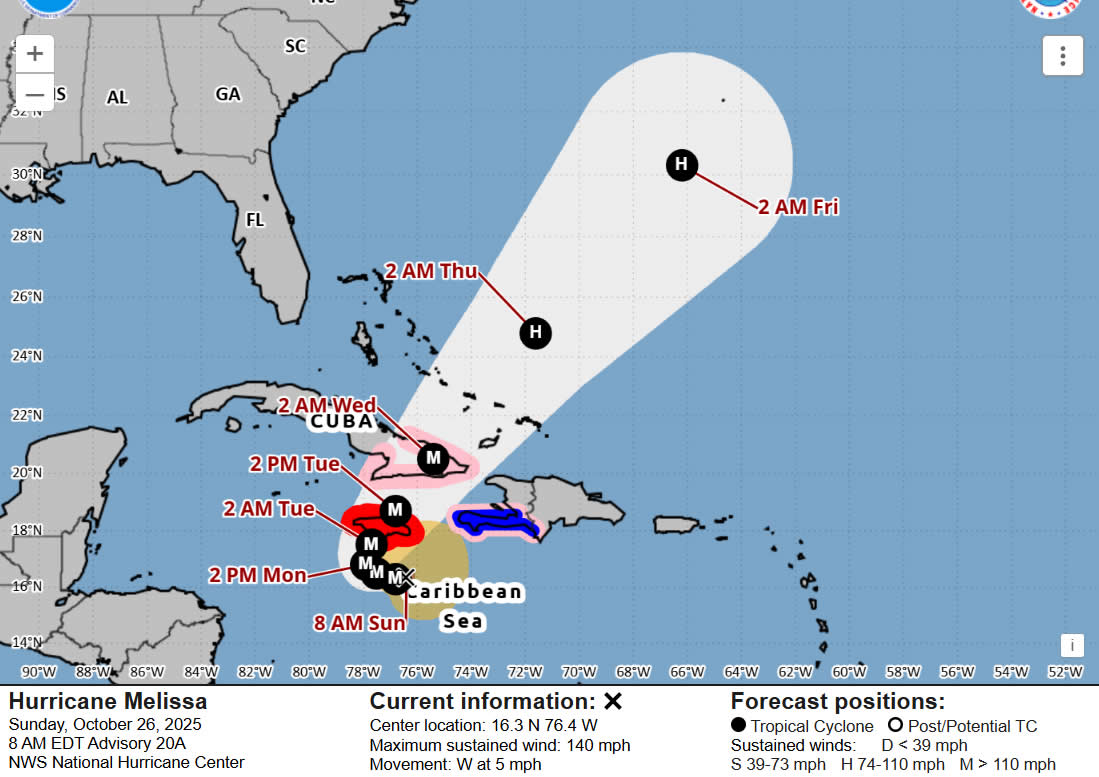
Hurricane Melissa has rapidly intensified into a formidable Category 4 storm, boasting maximum sustained winds of 220 km/h (140 mph). This marks the fourth major hurricane of the current season, with the Dominican Meteorological Institute (Indomet) confirming its peak strength at approximately 5:00 a.m. on Sunday. The hurricane is currently advancing westward at a speed of 7 km/h (4 mph), positioned about 195 km south-southeast of Kingston, Jamaica, and 450 km south-southwest of Guantánamo, Cuba. Satellite and radar imagery from Punta Cana and Puerto Plata reveal extensive cloud cover across the Dominican Republic, with forecasts predicting intense showers, thunderstorms, and powerful waves along the northern and southern coasts. Indomet has issued warnings of ‘extremely dangerous’ conditions, highlighting the potential for catastrophic flooding and landslides in Jamaica and southern Hispaniola, including Haiti and the Dominican Republic, through mid-week. Authorities are urging residents in affected areas to take immediate precautions as the storm’s trajectory and intensity pose significant risks to life and property.
分类: world
-
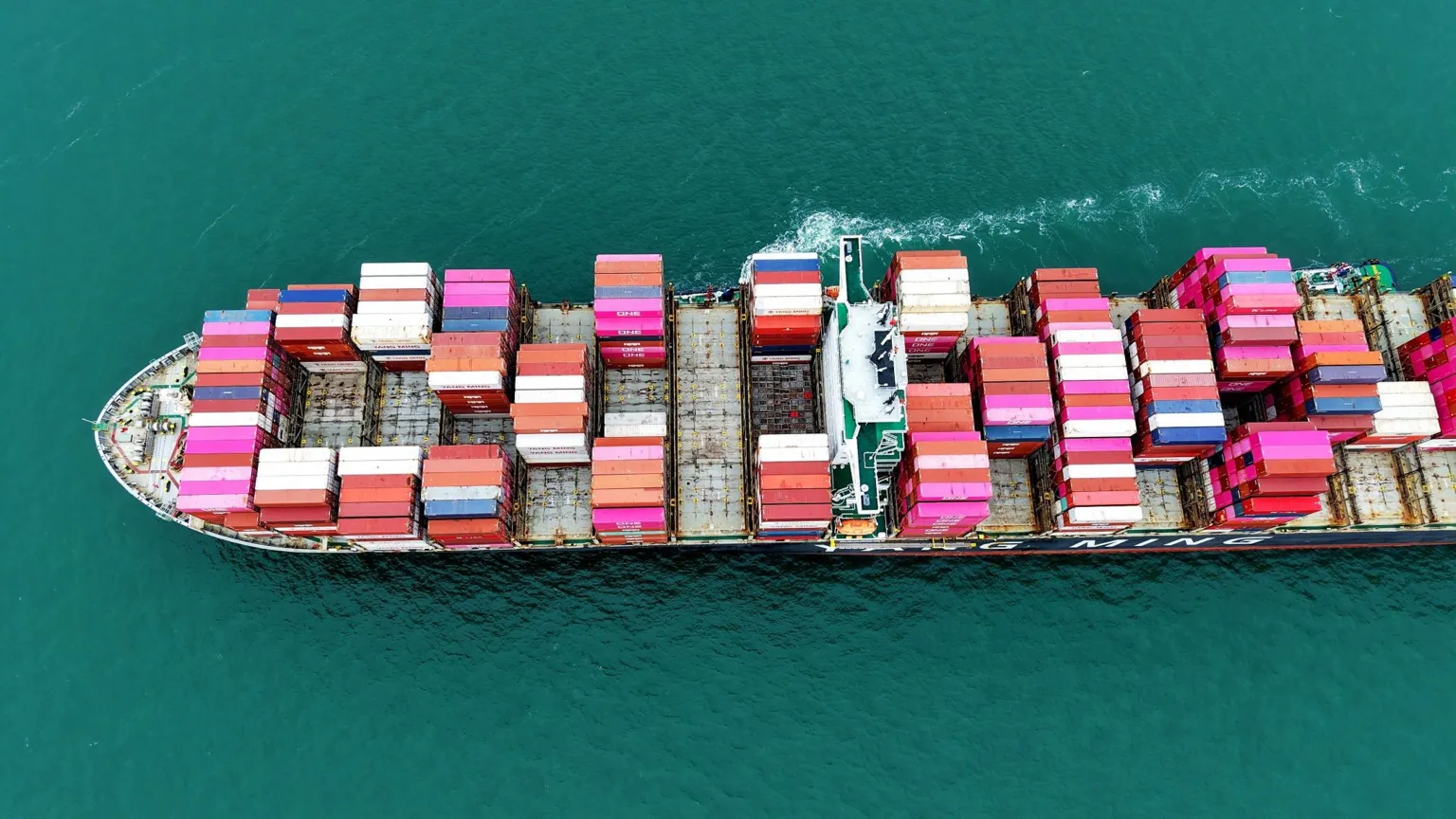
Saint Lucia, SIDS left waiting as global shipping emissions deal sinks
A landmark global initiative aimed at reducing greenhouse gas emissions from the shipping industry has been postponed following opposition led by the United States and Saudi Arabia. The International Maritime Organisation’s (IMO) Net-Zero Framework (NZF), designed to make maritime trade cleaner and more sustainable, was expected to be adopted during the Marine Environment Protection Committee’s (MEPC) meeting in October 2025. However, the framework faced significant resistance, resulting in a year-long delay. The NZF proposed drastic emission cuts by transitioning vessels from fossil fuels to renewable energy-based alternatives and introduced a carbon levy to fund climate adaptation in developing nations, particularly Small Island Developing States (SIDS). The US criticized the emissions pricing as an ‘unsanctioned global tax regime,’ while Saudi Arabia proposed an adjournment, which passed with 57 countries in favor. The decision has left small island nations, already vulnerable to climate change, in a precarious position. Countries like Saint Lucia, which rely heavily on maritime trade, face economic challenges in balancing climate commitments with financial realities. Despite the setback, technical work on the framework will continue, with hopes for renewed dialogue between developed and developing nations.
-

FLASH : Melissa has become a Cat 4 hurricane
On October 26, 2025, the National Oceanic and Atmospheric Administration (NOAA) reported that Hurricane Melissa had escalated to a Category 4 storm, with maximum sustained winds reaching 220 km/h and a central pressure of 944 millibars. Located 487 km southwest of Port-au-Prince, the hurricane is projected to follow a slow westward trajectory before turning north and northeast by Monday and Tuesday. Its path is expected to impact Jamaica, southeastern Cuba, and the southeastern Bahamas by midweek. A hurricane warning has been issued for Haiti’s southwest peninsula, with the Sud and Grande Anse departments placed on red alert. Other regions, including South-East, Nippes, West, and the central plateau, remain on orange alert. Melissa is anticipated to bring torrential rainfall, with up to 35 inches (89 cm) in some areas, leading to catastrophic flash flooding, landslides, and severe infrastructure damage. Satellite imagery indicates rapid intensification, with hurricane-force winds extending 35 km from the center and tropical storm-force winds reaching 280 km. Swells generated by the storm are expected to create life-threatening surf and rip currents along the coasts of Hispaniola, Jamaica, eastern Cuba, and the Cayman Islands. Haitian authorities have suspended coastal shipping activities and urged residents to remain vigilant, avoid watercourses, and follow safety guidelines. The Departmental Directorate of Civil Protection emphasized the importance of safeguarding documents and assisting vulnerable individuals during this critical period.
-
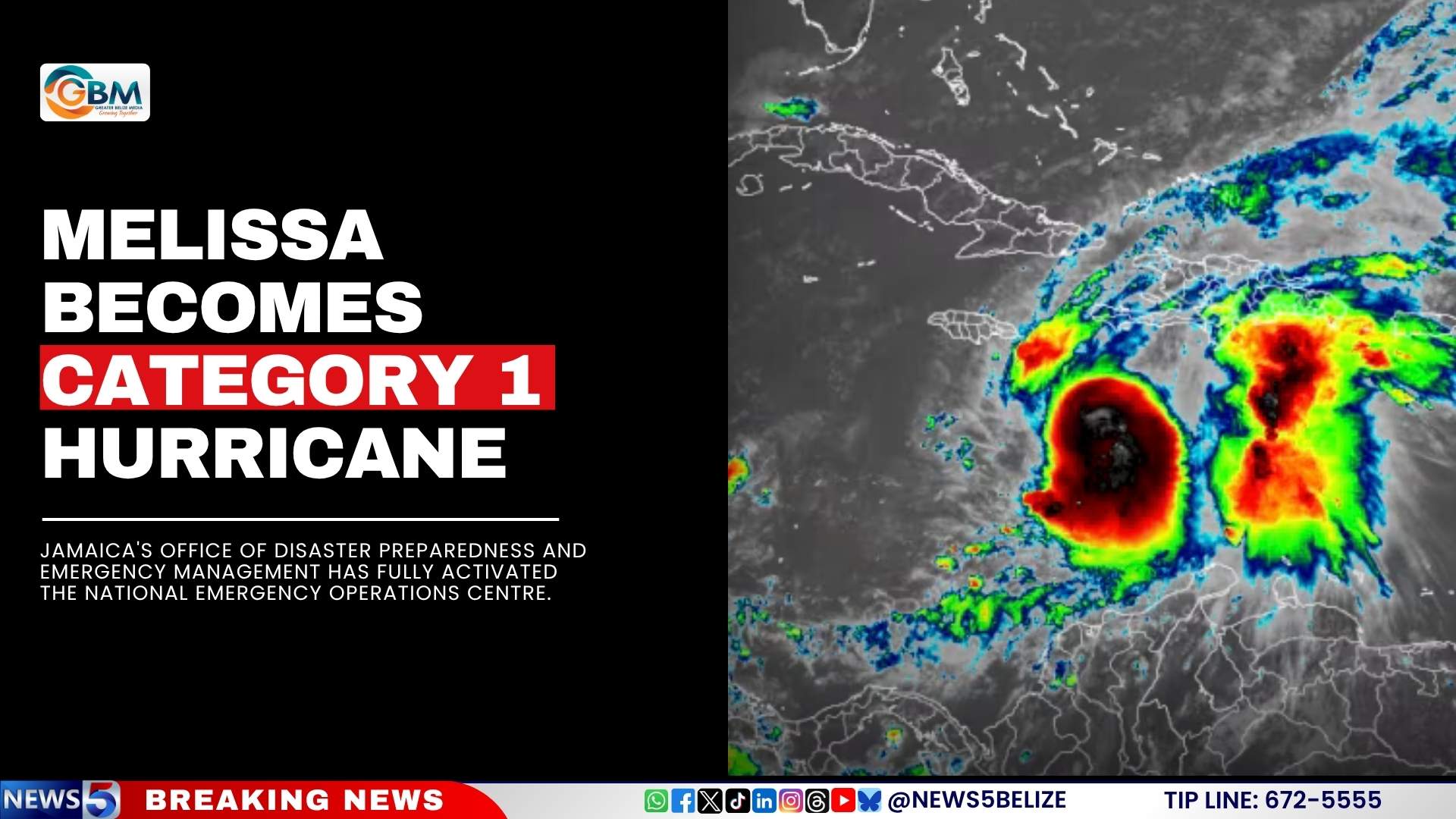
Melissa Becomes Category 1 Hurricane
Hurricane Melissa has escalated into a Category 1 storm, boasting sustained winds of 75 mph as of Saturday afternoon. Positioned 145 miles southeast of Kingston, Jamaica, the storm’s sluggish movement at just 1 mph has heightened concerns across the Caribbean, particularly in Jamaica, Haiti, and Belize. Meteorologists predict rapid intensification over the weekend, with Melissa potentially reaching Category 4 strength before making landfall late Monday or early Tuesday. Torrential rains have already begun to batter Haiti, with Prime Minister Andrew Holness warning of potential rainfall between 15 to 25 inches. The slow-moving nature of the storm poses a unique challenge, as it is expected to linger, causing prolonged and catastrophic flooding. Evan Thompson, Director of the Meteorological Service, emphasized the severity of the situation, stating, ‘There is nowhere that will escape the wrath. It’s going to cause significant, widespread, catastrophic, life-threatening floods.’ In response, Jamaica’s Office of Disaster Preparedness and Emergency Management has fully activated the National Emergency Operations Centre, placing the country at Level 3—the full response phase. Air travel disruptions are already underway, with Norman Manley International Airport in Kingston set to close Saturday night, and Sangster International Airport in Montego Bay reviewing operations amid numerous flight cancellations. Meanwhile, Caribbean residents, including students from the University of the West Indies, are scrambling to evacuate. Darwin McFadzean, a second-year law student and police officer, shared his struggles on social media, highlighting the financial strain faced by many students left to ‘fend for themselves’ in the face of the impending disaster.
-
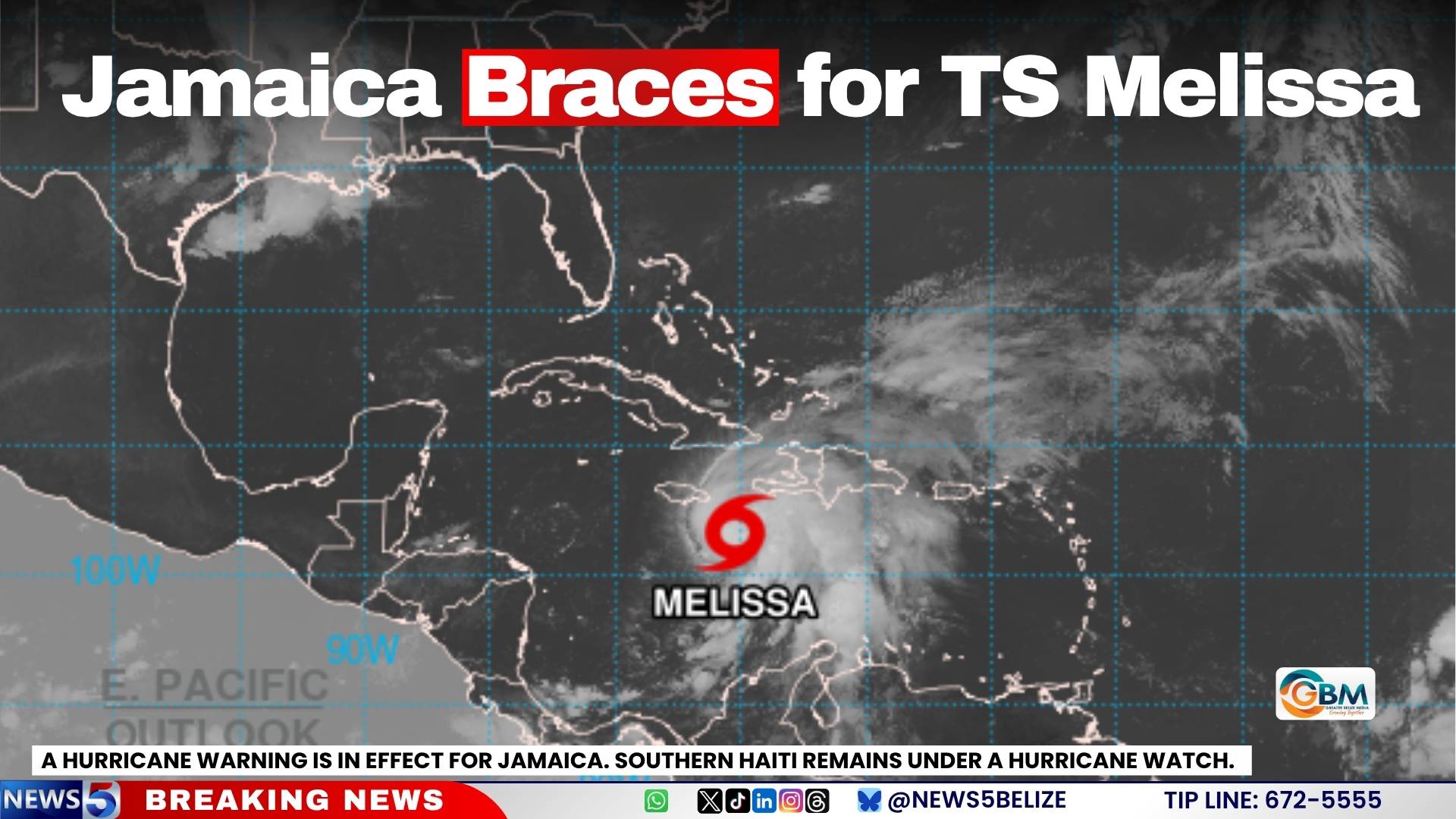
Jamaica Braces for TS Melissa
Jamaica is bracing for the imminent threat of Tropical Storm Melissa, which is projected to escalate into a hurricane and unleash devastating winds, severe flooding, and dangerous storm surges early next week. Currently located approximately 155 miles southeast of Kingston, Melissa is generating winds of up to 70 mph and is expected to intensify rapidly as it moves slowly toward the island. Landfall is anticipated late Monday or early Tuesday, raising concerns of widespread destruction. The storm’s slow progression has already wreaked havoc in Haiti and the Dominican Republic, triggering deadly floods and landslides that have claimed at least four lives and displaced over a thousand people. In a recent update, Jamaican Prime Minister Andrew Holness issued a hurricane warning, emphasizing the storm’s potential for rapid intensification. He urged citizens to take immediate precautions, warning that Melissa ‘could be disastrous.’ The storm is forecast to dump 15 to 25 inches of rainfall across parts of Jamaica in the coming days, exacerbating the risk of flooding and landslides. Southern Haiti remains under a hurricane watch as the region continues to grapple with the storm’s impact.
-
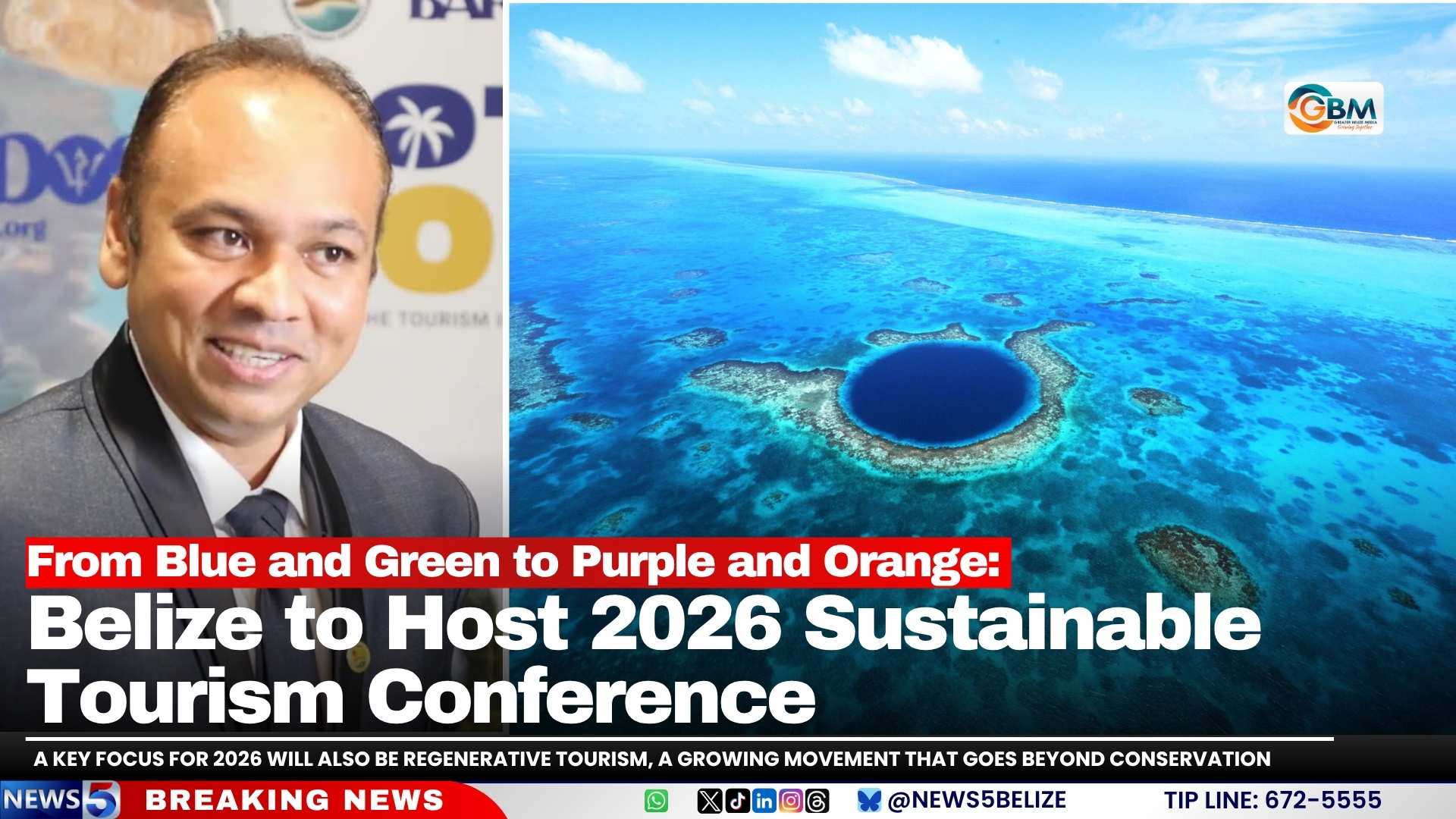
From Blue and Green to Purple and Orange: Belize to Host 2026 Sustainable Tourism Conference
Belize, often referred to as ‘The Jewel,’ is poised to become the epicenter of sustainable tourism in the Caribbean. In April 2026, the country will host the annual Sustainable Tourism Conference, a premier event that unites regional leaders to redefine responsible travel. This year’s conference will transcend the conventional focus on ‘green and blue economies,’ delving into the integration of culture, diversity, and regeneration as foundational elements of sustainability. Narendra Ramgulam, Deputy Director of Sustainable Tourism at the Caribbean Tourism Organization, emphasized that the 2026 conference will introduce ‘deeper discussions, new toolkits, and best practices’ to elevate the region’s approach to sustainability. The event’s theme will spotlight the ‘colours of development,’ encompassing the blue economy (marine spaces), green economy (land-based eco-activities), orange economy (culture and heritage), and purple economy (human inclusion and diversity). Ramgulam highlighted the importance of regenerative tourism, a progressive concept that goes beyond conservation to actively restore and enhance destinations. ‘Regenerative tourism ensures that travelers leave the environment better than they found it,’ he explained, underscoring its potential for carbon-positive, niche product development. Belize’s selection as the host nation underscores its growing influence in the global tourism industry and its commitment to pioneering innovative, sustainable practices.
-
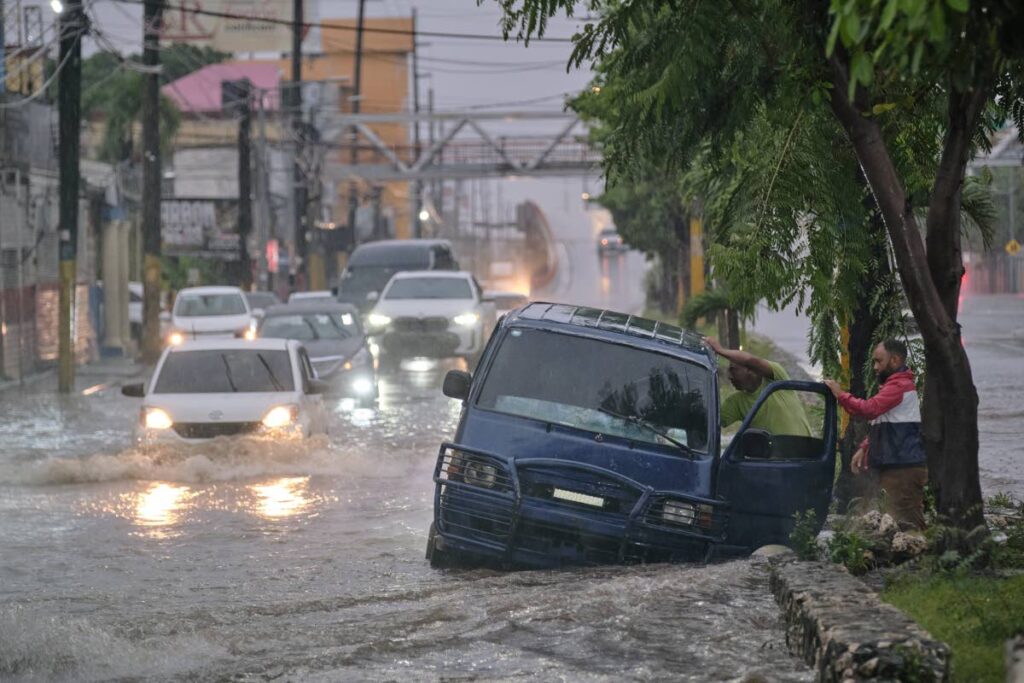
Government brings home over 100 students from Jamaica, 300 stranded in hurricane
As Hurricane Melissa approaches Jamaica, the Trinidad and Tobago government has successfully repatriated over 100 students studying in the region. Prime Minister Kamla Persad-Bissessar announced the evacuation efforts following a meeting of the Standing Finance Committee on October 25. She emphasized that the government has been proactive in ensuring the safety of its citizens abroad. Caribbean Airlines Ltd. (CAL) has been issuing notices on social media, and the TT High Commission in Jamaica has been coordinating with students who wished to return home. However, some students chose to remain, possibly due to delayed communication or personal decisions. The Prime Minister assured that once the hurricane passes, efforts will be made to bring those students home if they still desire to return. The TT High Commission is also ensuring that students have emergency supplies to weather the storm. Despite these measures, a representative from the TT Student Association revealed that nearly 300 students remain stranded at the UWI Mona campus in Jamaica. Many students received evacuation emails too late, and financial constraints prevented others from securing flights. The student representative criticized the government’s response, comparing it unfavorably to the swift actions of other countries like the Bahamas and Antigua and Barbuda, which evacuated their students earlier and provided accommodations. Hurricane Melissa, upgraded to a category one storm on October 25, is expected to intensify significantly before making landfall in Jamaica on October 27.
-

Tobago in the 1820s
The island of Tobago, once a possession of the English monarch, faced a series of tumultuous events that shaped its history and socio-economic landscape. One of the most pressing concerns for landowners was the persistent threat of a French takeover, which haunted the island from 1763 and materialized in 1781 and 1802. This fear was finally laid to rest in 1815 with the signing of the Treaty of Paris, which solidified Tobago’s status as a British colony. However, this resolution did not alleviate all challenges, as the island grappled with the growing anti-slavery movement and the declining performance of its sugar industry, a cornerstone of its economy.
In an effort to stabilize the island’s affairs, the administration appointed Charles Alfred Francklyn as the agent for Tobago in 1820. Tasked with overseeing sugar sales, procurement of essential goods, and legal matters, Francklyn’s role was pivotal. Yet, the changing ownership of estates amid the intensifying anti-slavery movement, exemplified by the 1823 rebellion in British Guiana, added to the instability. The plantocracy, burdened by economic realities and unable to sustain their lavish lifestyles, faced further decline.
Another significant development was the construction of a courthouse in 1821, a project overseen by a committee of council and assembly members. This initiative highlighted the island’s efforts to establish a formal legal system. Meanwhile, the allocation of land to poor settlers, including figures like John Burnett and William Sloane Wilson, revealed the complexities of land ownership and social stratification.
The labor of enslaved Africans played a crucial role in Tobago’s economy, not only in estate work but also in defense and other services. However, the compensation for their labor was paid to their owners, not the workers themselves, a practice that underscored the inhumane nature of slavery. After Emancipation, planters claimed a shortage of labor, yet the value of the work done by enslaved Africans far exceeded what they were willing to pay freed individuals.
Despite efforts to address financial deficits through taxation on enslaved individuals, merchants, and alcohol, Tobago’s economy remained unstable. The decline in sugar production and the increasingly volatile atmosphere on plantations mirrored broader regional unrest, leaving the island’s future uncertain.
-
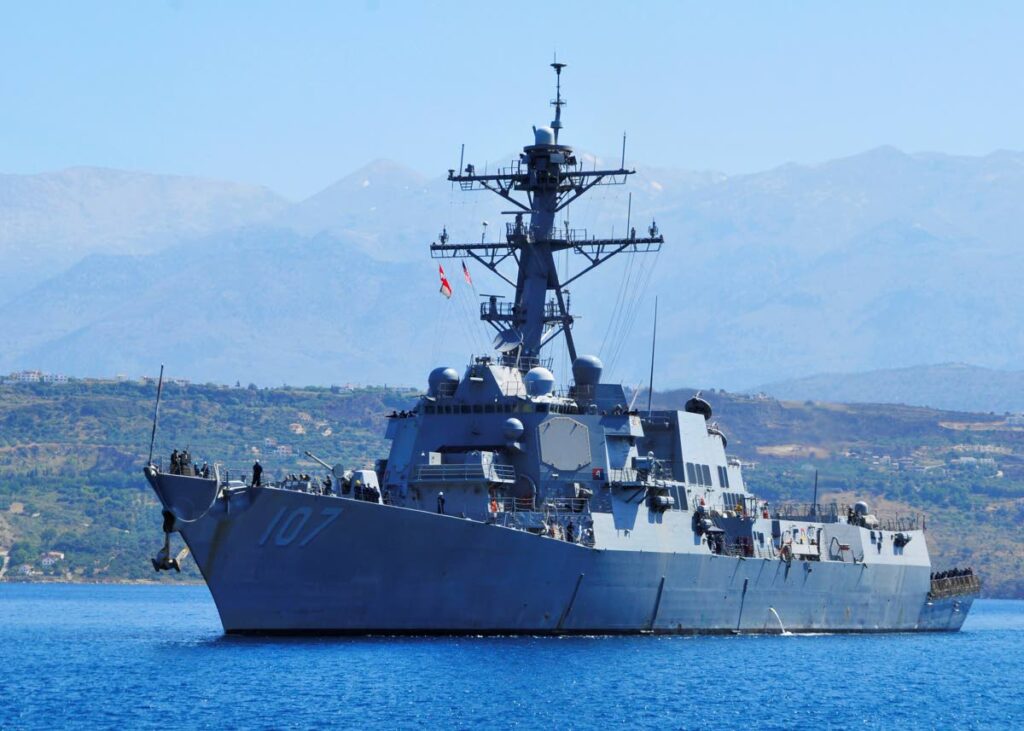
The US in the Caribbean
The guided-missile destroyer USS Gravely is set to dock at the Port of Spain on October 26, marking a significant moment in the escalating tensions between the United States and Venezuela. The vessel, accompanied by the 22nd US Marine Expeditionary Unit, will engage in a four-day joint training exercise with the Trinidad and Tobago Defence Force. This collaboration aims to enhance military preparedness in a region fraught with geopolitical instability.
-
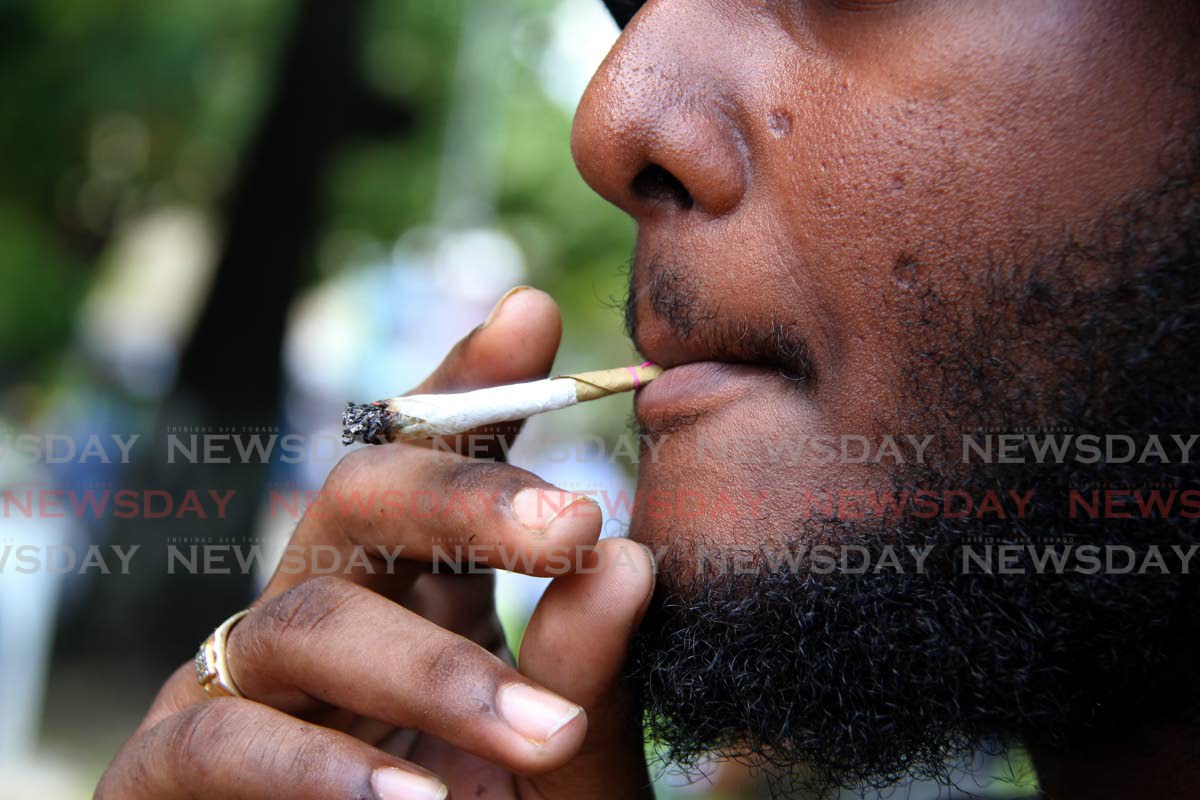
Ganja prices climb higher as US blows up ‘drug boats’
The geopolitical landscape in the southern Caribbean has intensified following the deployment of US Navy forces, led by the USS Gravely, to the region. Ordered by President Donald Trump, this military presence aims to disrupt the illegal drug trade flowing from Venezuela to the Caribbean and North America. The USS Gravely, equipped with advanced missile systems, is part of a broader blockade around Venezuela, prompting President Nicolas Maduro to call for peace. Despite Venezuela not being a major drug producer, the US maintains that its operations are crucial in combating narcotics trafficking. Trinidad and Tobago (TT), located just seven miles from Venezuela, has openly supported the US’s aggressive stance, with Foreign Affairs Minister Sean Sobers reiterating Prime Minister Kamla Persad-Bissessar’s declaration to “fight fire with fire” against drug traffickers. The US has already conducted eight lethal missile strikes in the Caribbean and Pacific, resulting in the deaths of 43 alleged drug traffickers, including at least two Trinidadians. These operations have disrupted drug supply chains, causing a sharp increase in the price of marijuana and other narcotics. Local police report that the price of Colombian kush marijuana has doubled, while high-grade marijuana has seen a significant price hike. The scarcity of imported drugs has led to a surge in demand for locally grown marijuana, providing an opportunity for local farmers. However, the crackdown has also raised concerns about increased crime, as some individuals may turn to illegal activities to compensate for lost income. Additionally, the limited supply has led to fears of laced marijuana, with dealers potentially adding harmful substances to stretch their supply. The situation remains complex, with the US-Venezuela tension continuing to impact the region’s socio-economic fabric.