
As Hurricane Melissa approached Jamaica, Trinidad and Tobago’s Foreign and Caricom Affairs Minister Sean Sobers addressed concerns about the safety of TT nationals studying on the island. Speaking at a press conference on October 26, Sobers detailed the government’s efforts to assist students, though many students claimed the reality on the ground differed significantly from the minister’s assurances. The US National Hurricane Center began monitoring the storm on October 21, warning of potential impacts on Jamaica by October 23. Sobers stated that the ministry acted swiftly after receiving emails from concerned students and parents on October 22. A ‘blast email’ was sent to all 268 students in Jamaica on October 23, offering them the option to return home. However, only 72 students accepted the offer, 13 declined, and 183 did not respond. Caribbean Airlines Ltd (CAL) was informed, and additional flights were arranged on October 24 to accommodate students. Despite these efforts, students reported issues with flight availability and increased ticket prices, with some paying over $700 for one-way tickets. Sobers acknowledged that some students might not afford the flights but defended the government’s decision not to fund the trips, citing the low response rate. He also announced plans for a free flight after the storm. Meanwhile, students criticized the lack of timely communication, with many claiming they were notified too late to book flights. The government provided supplies to students who remained in Jamaica, though social media posts suggested the provisions were insufficient. Sobers condemned the opposition for spreading misinformation and reaffirmed TT’s commitment to assisting Jamaica during the crisis.
分类: world
-
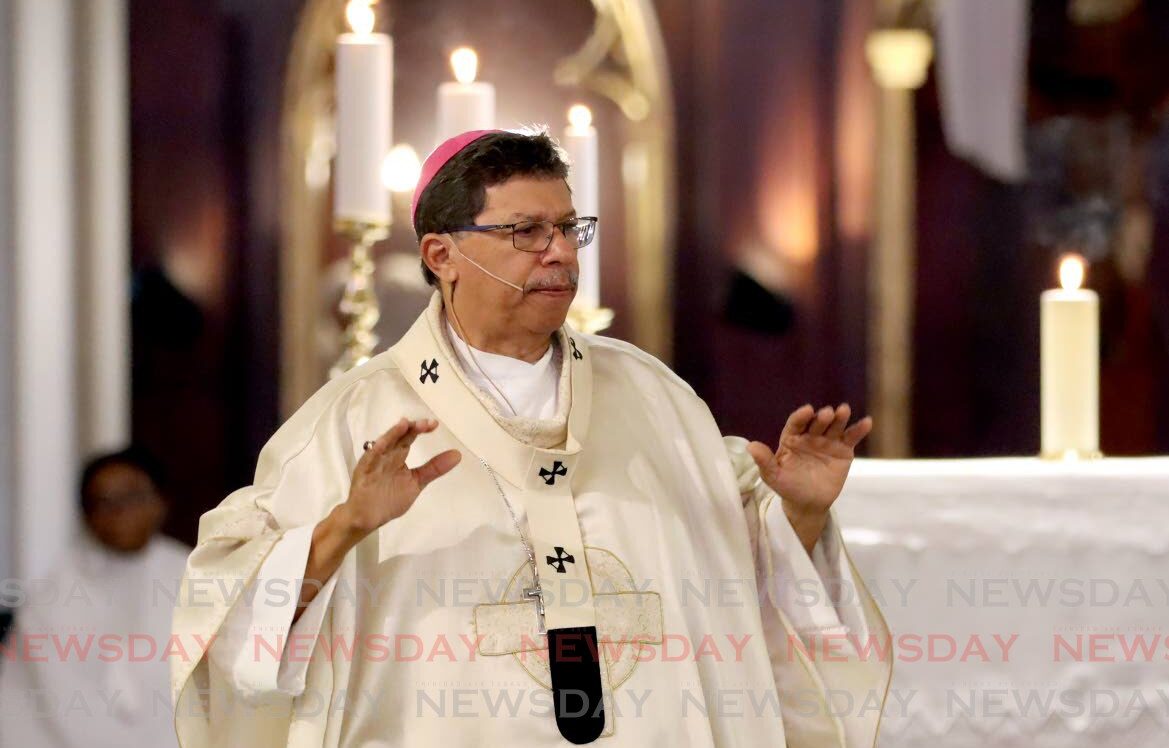
Catholic Bishops call for peace amid rising military tensions in Caribbean
The Catholic Bishops of the Antilles Episcopal Conference (AEC) have issued a fervent plea for peace and dialogue in response to escalating military activities in the Southern Caribbean. In a statement released on October 25 following their annual conference, the bishops expressed deep concern over the increasing presence of naval and military assets in the region, warning that such developments could destabilize the socio-economic and political fabric of Caribbean nations. The bishops emphasized that the well-being of the region’s people is at stake, urging leaders to prioritize dialogue over conflict. Their appeal coincides with the arrival of the USS Gravely, a US warship, in Port of Spain on October 26. Prime Minister Kamla Persad-Bissessar defended the vessel’s presence, citing potential benefits such as technical assistance and humanitarian efforts. However, the bishops cautioned that the militarization of the Caribbean could have broader geopolitical implications, particularly in the context of ongoing tensions between the US and Venezuela. Archbishop Jason Gordon, president of the AEC, stressed the need for cooperation and reconciliation to foster lasting peace. The bishops also condemned the arbitrary use of force, particularly in anti-drug operations, and reaffirmed the Church’s commitment to protecting human dignity and sovereignty. They called on regional leaders to de-escalate tensions and recommit to unity, emphasizing that war or the threat of war is never a viable solution. The statement concluded with an appeal to the faithful to seek hope through prayer and acts of reconciliation, underscoring the Church’s unwavering mission to safeguard the vulnerable and promote the common good.
-
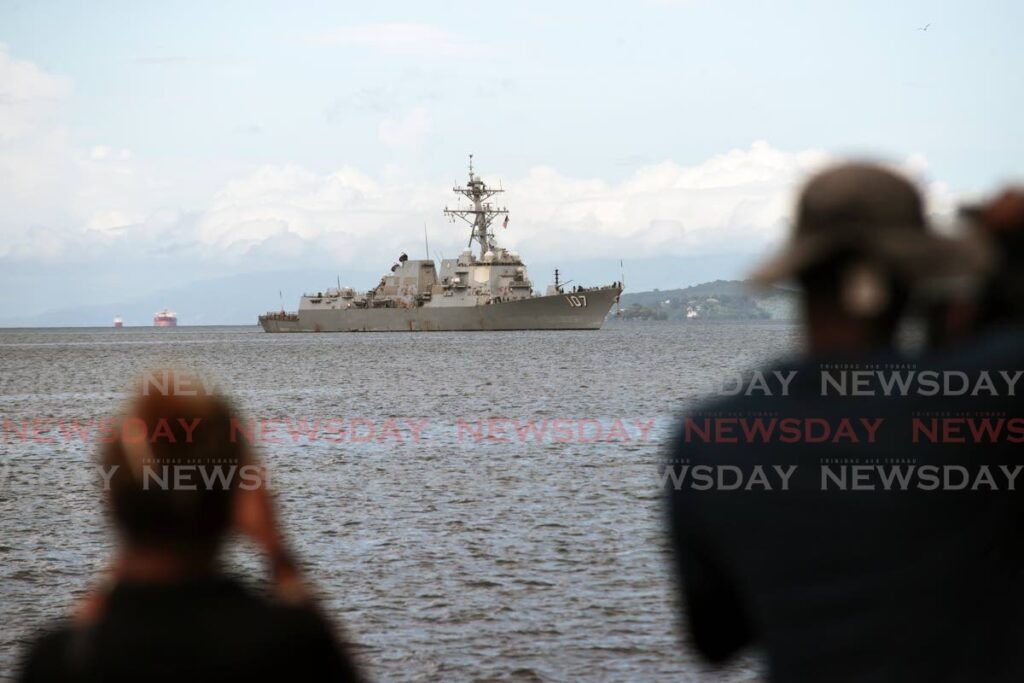
‘Warship not just here for training’ – public worried about possible Gravely fallout
The US naval vessel USS Gravely arrived at the Port of Spain on October 26, drawing curious onlookers to the waterfront. The warship, escorted by tugboats and Coast Guard vessels, docked at approximately 9:30 am as part of a joint training exercise with the Trinidad and Tobago Defence Force. The exercise, scheduled to conclude on October 30, involves approximately 60 members of the TT Defence Force, including infantry officers, medics, engineers, and Special Forces troops, alongside members of the 22nd US Marine Expeditionary Unit.
Security was heightened at the port, with marked and unmarked police vehicles and officers in both uniform and plain clothes patrolling the area. While onlookers at ground level struggled to view the vessel due to obstructing fences and a moored tug, guests at the Hyatt hotel enjoyed an unobstructed vantage point.
The arrival of the USS Gravely comes amid escalating tensions between the US and Venezuela. The US has recently claimed to have destroyed 11 vessels in regional waters, killing 49 alleged drug traffickers. President Donald Trump has labeled regional drug traffickers as ‘narco terrorists’ and approved covert military operations in Venezuela, with considerations for targeting land-based drug trafficking hubs.
TT Prime Minister Kamla Persad-Bissessar has welcomed the US Navy’s presence, praising their efforts against drug traffickers and asserting that the region is ‘not a zone of peace.’ However, some citizens expressed concerns over the potential fallout if the US and Venezuela engage in conflict. One onlooker warned that TT’s alignment with the US could make the country a target for Venezuela, emphasizing the need for transparency from the government.
Despite differing opinions on the warship’s presence, all onlookers shared a common sentiment: they have no plans to leave Trinidad and Tobago, regardless of the potential consequences. ‘This is my country,’ one man stated, ‘Why should I leave?’
-
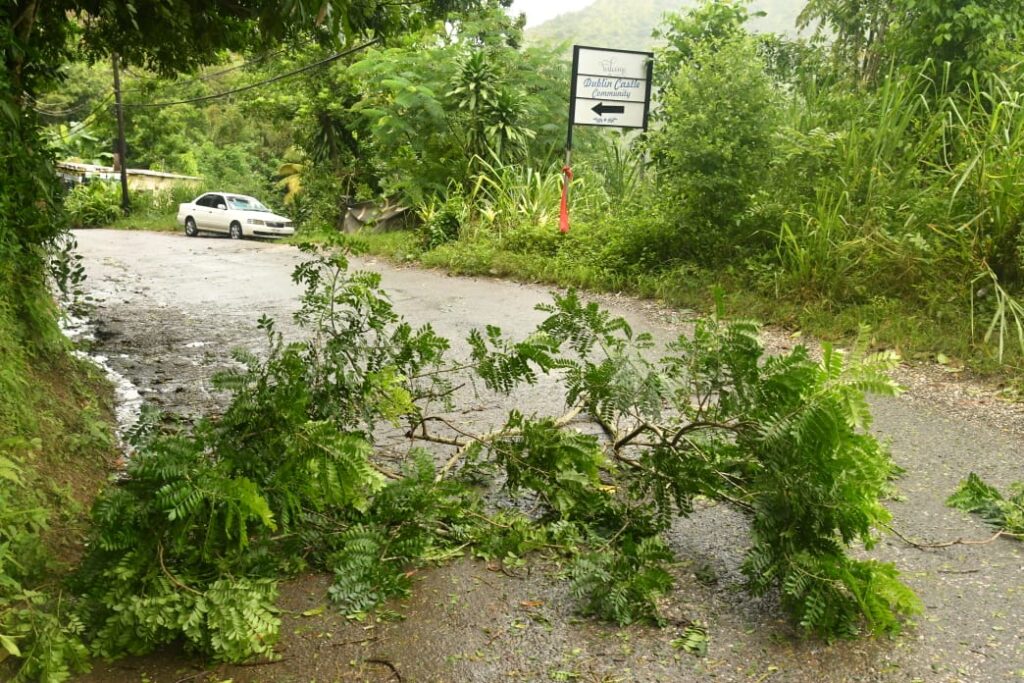
#EyesOnMelissa: Signs of Hurricane Melissa already showing in Gordon Town
KINGSTON, Jamaica — The early effects of Hurricane Melissa are already being felt in Gordon Town, St Andrew, as moderate winds and scattered debris disrupt local roadways. Observer Online reported that tree branches have begun to block sections of the main road in the Dublin Castle community, with only a handful of residents seen outdoors, many rushing to complete last-minute preparations before the storm intensifies.
In Redlight, Irish Town, conditions have worsened significantly, with stronger gusts sweeping through the area. One resident shared with Observer Online that heavy winds have persisted since morning, urging fellow Jamaicans to take the hurricane seriously and prepare adequately.
Superintendent of Police Randy Sweeney, overseeing the St Andrew North Division, confirmed that his team is on high alert and ready to respond to emergencies. ‘We are addressing the roadway issues collaboratively, working with various stakeholders to ensure safety,’ Sweeney stated. He added that workers and tractors have been strategically positioned across the division, with authorities maintaining constant communication to clear roadways as soon as conditions permit.
As Hurricane Melissa continues to approach, communities across Jamaica are bracing for its full impact, with authorities and residents alike taking proactive measures to mitigate potential damage.
-

Jamaicans brace for Hurricane Melissa
As Hurricane Melissa approaches Jamaica, residents and government agencies are intensifying preparations for the anticipated landfall of the Category 3 storm, expected on October 28. The eastern parishes of St. Thomas and Portland have already experienced early effects, including flooding, strong winds, and storm surges. With winds reaching 145 miles per hour, Melissa poses a significant threat to the island, as well as neighboring Cuba and Haiti.
-

#EyeOnMelissa: Hurricane Melissa forecast to make landfall within 24 hours
Jamaica is on high alert as Hurricane Melissa, a formidable Category Five storm, is projected to strike the eastern regions of Westmoreland or western St Elizabeth early Tuesday. The hurricane is expected to traverse the island, exiting along the St Ann coastline by evening. Evan Thompson, Principal Director of the Meteorological Service of Jamaica (Met Service), delivered this critical update from the National Emergency Operations Centre (NEOC) in Kingston on Monday. Thompson emphasized the unpredictability of the storm’s path, noting a slight possibility it could shift westward, sparing the island from its full wrath. However, he urged residents to prepare for the worst-case scenario, as the hurricane could still make landfall as a Category Four or Five storm. The hurricane is anticipated to bring devastating winds, particularly in Westmoreland and St Elizabeth, with tropical storm-force winds likely affecting the entire island. Rainfall totals could soar up to 30 inches, with storm surges reaching up to 14 feet in Black River, St Elizabeth. Thompson also warned of potential storm surges in other coastal areas, including Clarendon, Old Harbour Bay, and parts of Kingston and St Andrew. Authorities are urging residents to take immediate precautions and stay informed as the storm approaches.
-

Erratic Melissa leaves Jamaica in limbo
Jamaica is on high alert as Hurricane Melissa, a Category 4 storm, threatens to unleash catastrophic storm surges and torrential rainfall across the island. Evan Thompson, principal director of the Meteorological Service of Jamaica, issued a stark warning on Sunday, emphasizing that southern coastal communities could face waves as high as 13 feet. ‘Storm surge is expected mainly over the southern side of the island, particularly in Clarendon, St Catherine, Kingston, and western St Thomas,’ Thompson stated during a press conference at the Office of Disaster Preparedness and Emergency Management (ODPEM) in St Andrew. He highlighted Portland Cottage in Clarendon as the area most vulnerable to the highest storm surges. Thompson also projected intense rainfall, with 20 to 30 inches expected in eastern and south-central regions, likely triggering widespread flooding. Despite a slight westward shift in the hurricane’s path, Thompson stressed that Jamaica should prepare for a direct hit, with landfall anticipated between Monday night and Tuesday morning. Minister of Water, Environment, and Climate Change Matthew Samuda assured the public that emergency protocols are in place to restore potable water swiftly. The National Water Commission (NWC) has collaborated with the Jamaica Public Service Company (JPS) to prioritize electricity restoration for critical water pump stations, particularly those serving hospitals and emergency distribution points. Samuda, alongside other government officials, urged residents in low-lying areas and near river courses to relocate to safer zones immediately. As Jamaica braces for Melissa’s impact, the government has mobilized resources to mitigate the hurricane’s devastating effects.
-
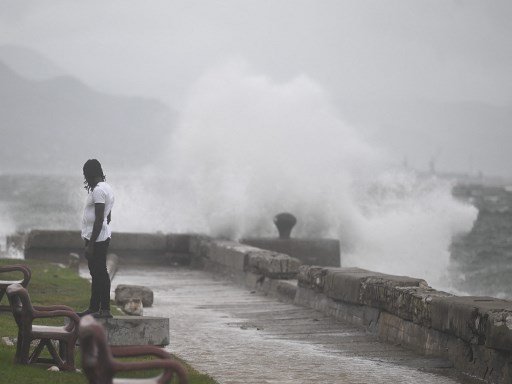
Slow but savage: Why hurricanes like Melissa are becoming more common
Hurricane Melissa, a Category 5 cyclone, has become a symbol of the escalating threats posed by climate change. Fueled by abnormally warm Caribbean waters, the storm intensified rapidly, transforming from a tropical storm with 70 mph winds to a Category 4 hurricane within 24 hours, and eventually reaching Category 5 status. This marks the fourth Atlantic hurricane this season to undergo such dramatic intensification, a trend scientists attribute to global warming.
-
Jamaicans brace for Hurricane Melissa
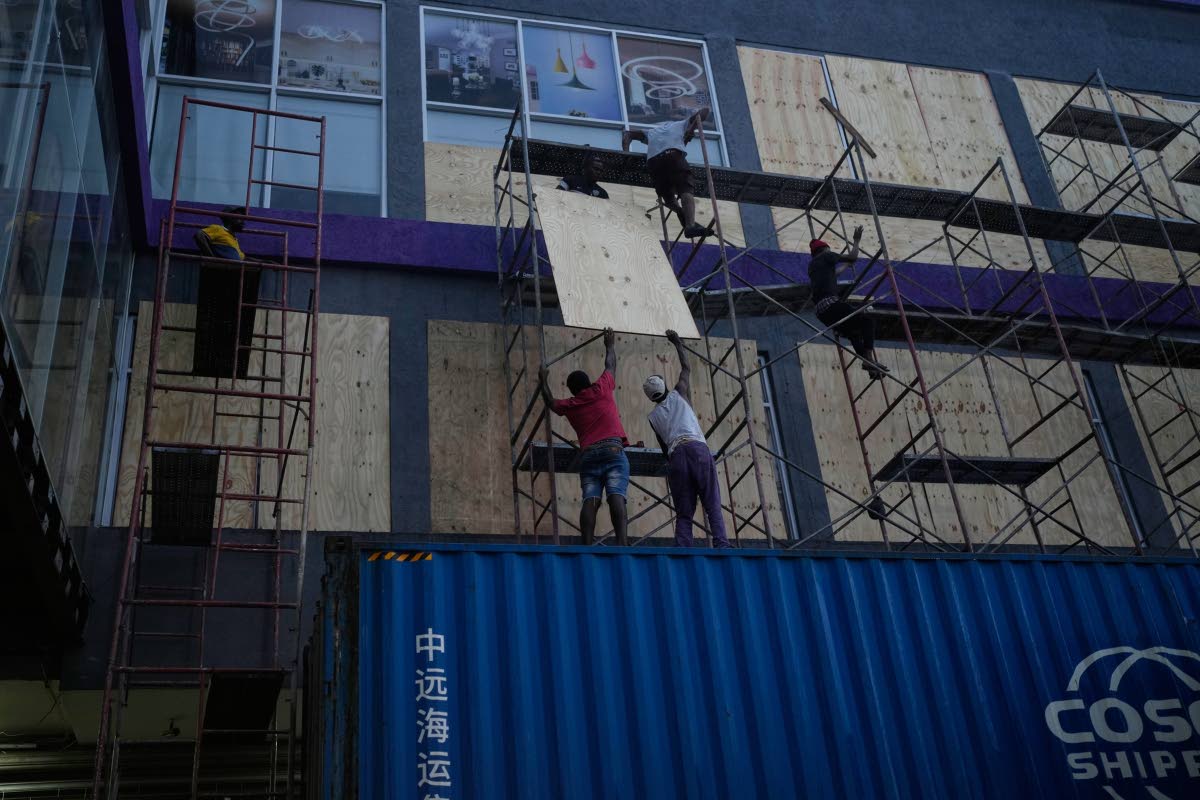
As Hurricane Melissa approaches Jamaica, residents across the island are grappling with mounting anxiety and taking urgent measures to prepare for the storm’s impact. Forecasted to make landfall on October 28 as a Category 3 hurricane, Melissa has already begun to unleash its fury on the eastern parishes of St. Thomas and Portland, bringing flooding, powerful winds, and storm surges. The hurricane, which has lingered off Jamaica’s coast for several days, remains a formidable Category 4 storm with winds reaching 145 miles per hour as of October 26, located 115 miles south-southwest of Kingston. Its trajectory is also expected to affect Cuba and Haiti.
Dr. Kai Barratt, a lecturer at the University of Technology, shared insights with Newsday via WhatsApp, highlighting the community’s preparation patterns honed since Hurricane Gilbert in 1988. She noted the widespread rush to stockpile essentials like bread, water, and medicine, as well as the surge in demand for solar-powered devices and batteries. However, Barratt emphasized the disparity in preparedness, with wealthier individuals able to secure their homes while vulnerable populations remain at risk.
In Kingston, concerns about flooding due to unchecked urban development are prevalent. Despite the Office of Disaster Preparedness and Emergency Management (ODPEM) issuing a list of shelters, uncertainty lingers about whether all residents are informed. Amelia Dunn, a land manager from St. Andrew, described the frantic efforts to fortify homes and businesses, with many boarding up windows and securing supplies. She also expressed concerns about debris and prolonged power outages.
In Westmoreland, residents have been clearing debris and reinforcing their homes, though uncertainty about the hurricane’s exact timing has complicated preparations. A local resident criticized the government for delayed efforts in cleaning watercourses but acknowledged ongoing updates via social media. Meanwhile, major hotels have implemented emergency plans, relocating guests and securing property.
The Jamaican government has activated 881 shelters, with 218 people already seeking refuge. Ministers have assured the public of coordinated efforts by utility providers to restore services post-hurricane. Trinidad and Tobago’s Foreign Minister Sean Sobers also pledged support for Jamaica, dismissing claims of strained Caricom relations and emphasizing solidarity in times of crisis.
-
#EyeOnMelissa: Hurricane-force winds to begin tonight as Melissa moves over Jamaica
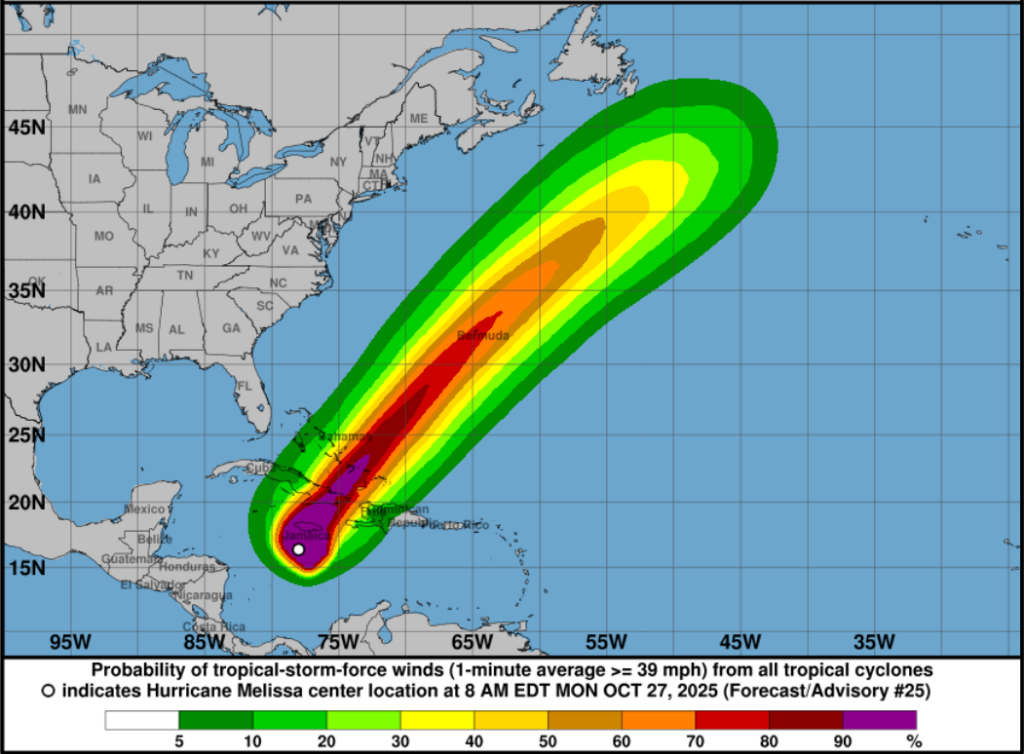
KINGSTON, Jamaica — The US National Hurricane Center (NHC) has issued a dire warning as Hurricane Melissa, a Category 5 storm, approaches Jamaica. The NHC predicts that ‘catastrophic’ and ‘life-threatening’ hurricane-force winds will begin battering the island nation Monday night, persisting into early Tuesday. Tropical storm conditions are already underway, with the eyewall expected to cause total structural failure, particularly in elevated regions where wind speeds could surge by up to 30%. As of the latest update, Hurricane Melissa was positioned near latitude 16.4 north and longitude 78.2 west, moving westward at three miles per hour. The storm is anticipated to shift northwest and north later Monday, accelerating northeastward on Tuesday. Its trajectory suggests Melissa will sweep over Jamaica Monday night and early Tuesday, southeastern Cuba Tuesday night, and the southeastern Bahamas on Wednesday. With maximum sustained winds nearing 165 mph (270 km/h) and higher gusts, Melissa remains a formidable threat. The NHC cautions that intensity fluctuations are likely before the hurricane makes landfall in Jamaica on Tuesday.