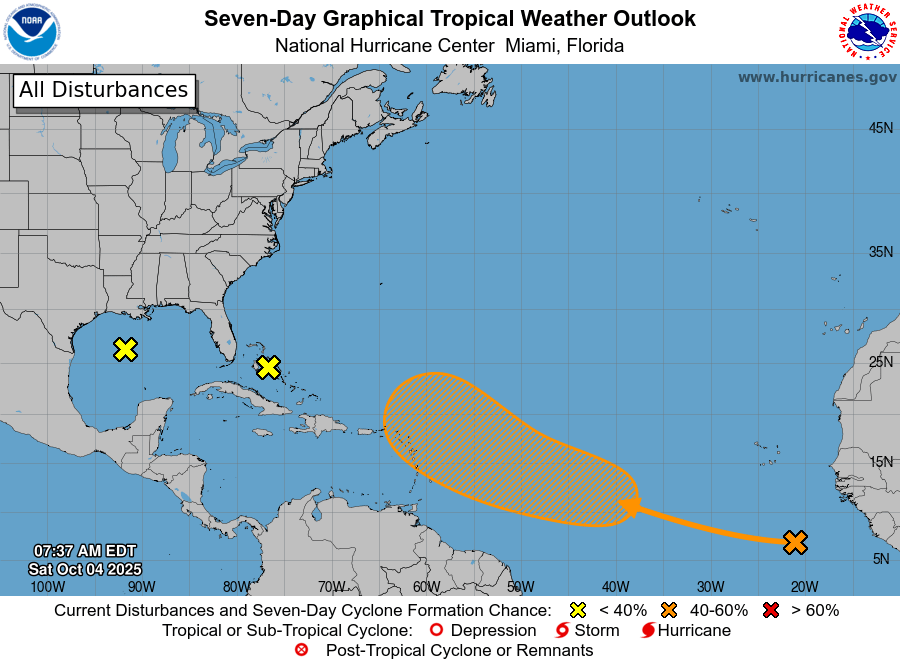
A tropical wave currently situated between the west coast of Africa and the Cabo Verde Islands is generating a wide area of disorganized showers and thunderstorms. Meteorologists predict gradual development of this system over the coming days, with a possibility of it strengthening into a tropical depression by the middle to latter part of next week. As it progresses across the central tropical Atlantic, it is expected to approach the Leeward Islands. The likelihood of cyclone formation within the next 48 hours remains low, near 0 percent, but increases to a medium 50 percent chance over the next seven days. Residents in the affected regions are advised to monitor updates closely as the situation evolves.
分类: world
-
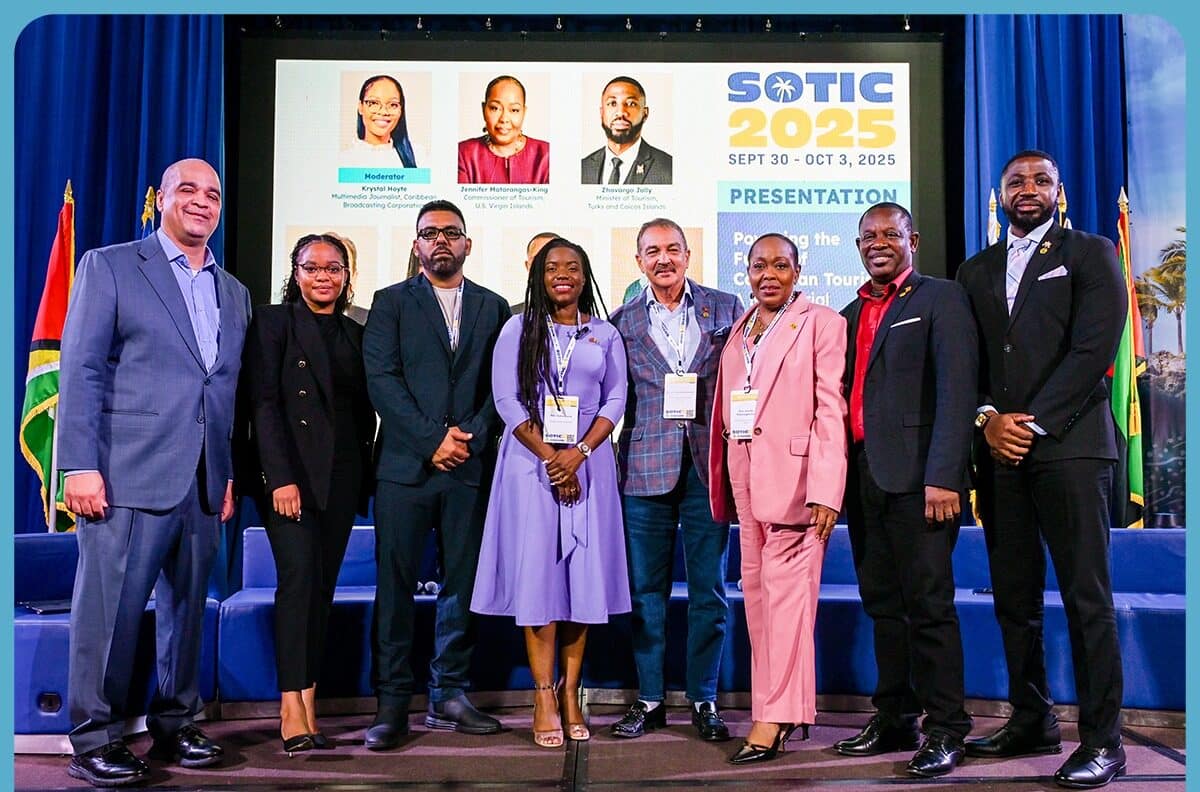
Antigua & Barbuda Joins Call for Stronger Backing of Regional Airlines
In a landmark session at the Caribbean Tourism Organization’s (CTO) State of the Tourism Industry Conference, held at the Hilton Barbados Resort, tourism leaders from across the Caribbean convened to address pressing challenges in regional connectivity. The ministerial panel, featuring representatives from Belize, Tobago, Antigua & Barbuda, Turks & Caicos Islands, Grenada, and the U.S. Virgin Islands, focused on strategies to reduce the high cost of regional travel, enhance airlift and ferry services, and promote sustainable tourism practices. The discussions underscored the urgent need for harmonized tax policies, stronger collaboration among regional carriers, and innovative solutions such as code-sharing and mileage systems to make travel more affordable. Antigua & Barbuda’s Minister of Tourism, Charles Fernandez, emphasized the importance of unified action, stating, ‘Whatever we do in the Caribbean should be more harmonized.’ Tobago’s Secretary of Tourism, Councillor Tashia Burris, echoed this sentiment, calling for greater support for regional carriers like interCaribbean, LIAT, and Caribbean Airlines. Turks & Caicos Minister of Tourism, Zhavargo Jolly, highlighted the collective power of Caribbean nations, asserting, ‘When you talk to one of us, you speak to all of us.’ The session concluded with a proposal to present Caribbean heads of government with a comprehensive document outlining actionable solutions to reduce travel costs, harmonize tax policies, and strengthen regional carrier collaboration. The CTO was also urged to take a leading role in coordinating these efforts, marking a significant step toward a more connected and sustainable Caribbean tourism industry.
-
UN warns Haiti faces deepening food crisis amid gang violence
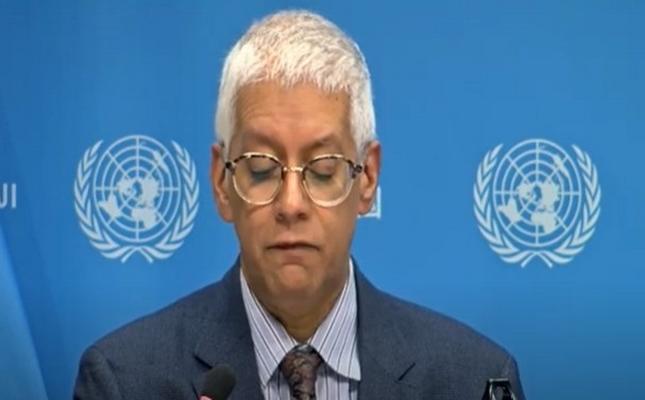
The United Nations World Food Programme (WFP) has issued a stark warning about the deepening humanitarian crisis in Haiti, where rampant gang violence is severely hindering aid delivery and leaving millions at risk of starvation. Reports from the Caribbean nation reveal that intense fighting, particularly in the capital, Port-au-Prince, has blocked humanitarian access and disrupted the supply of essential goods. The WFP has been forced to cut food rations and suspend critical programs due to funding shortages, exacerbating the hunger crisis. UN Deputy Spokesperson Farhan Haq highlighted that the agency has had to halt hot meals for displaced families and reduce food rations by half. Additionally, the lack of resources has prevented the WFP from stockpiling food ahead of the Atlantic hurricane season, leaving the country vulnerable to natural disasters. The crisis is further compounded by the fact that many farmers are unable to access markets due to insecurity, driving food prices even higher. Much of Haiti remains under the control of heavily armed gangs, whose influence has expanded beyond Port-au-Prince. Regional leaders, including CARICOM, have attempted to stabilize the situation, but efforts have been met with resistance from gang leaders like Jimmy “Barbecue” Chérizier. In response, the UN Security Council has approved the creation of a new Gang Suppression Force (GSF) to replace the Kenyan-led mission. The GSF, comprising 5,550 personnel, will work with Haitian authorities to neutralize gangs, protect critical infrastructure, and facilitate humanitarian access. Despite the challenges, the WFP has assisted over two million people since January and continues to support long-term food security initiatives, including school meal programs and community infrastructure projects. However, Haiti remains one of only five countries globally facing catastrophic hunger levels, with 5.7 million Haitians experiencing acute food insecurity. The WFP has appealed for $139 million in funding over the next year to address the crisis.
-

Dominican Navy doubles protection of Baní Dunes amid environmental threats
Peravia, D.R. – The Dominican Navy has significantly bolstered its safeguarding of the Baní (Calderas) Dunes, deploying a substantial contingent of sailors to conduct military exercises while simultaneously monitoring this vital natural monument. Vice Admiral Juan Bienvenido Crisóstomo Martínez revealed that 288 sailors recently participated in rigorous hardening marches and training exercises at the site. These activities not only enhance military preparedness but also serve to deter environmental crimes, including deforestation, illegal farming, and unauthorized sand extraction. Crisóstomo Martínez underscored the Navy’s commitment to prioritizing the Dunes, merging defense readiness with ecological conservation. This initiative complements President Luis Abinader’s broader strategy to formalize the legal ownership of national parks and protected areas by transferring their titles to the Ministry of Environment and Natural Resources. The first phase of this plan encompasses Loma Novillero National Park and Los Haitises National Park, with the Calderas Dunes potentially being integrated into the expanded framework. The move aims to improve management and curb illegal appropriation of these critical natural reserves.
-
Leaked Emails Reveal 70 Drug Planes Landed in Belize
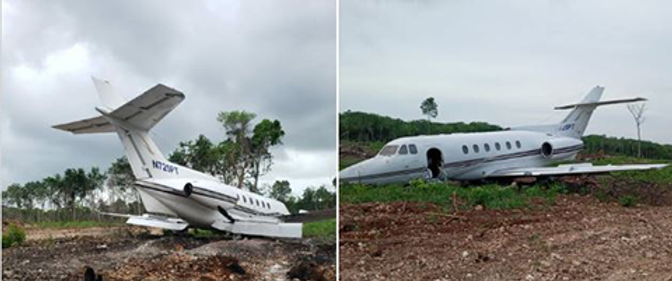
Leaked emails from Mexico’s defense ministry have unveiled a startling revelation: at least 70 drug-laden aircraft landed in Belize between 2020 and 2021. These flights, originating from airstrips near Maracaibo, Venezuela, were part of a sophisticated cocaine pipeline channeling narcotics through Belize and into the United States. American officials reportedly issued dozens of alerts to Mexican authorities, highlighting Belize’s previously underestimated role as a significant player in regional drug trafficking. On average, nearly one aircraft touched down every five days during this period, utilizing remote Belizean airstrips as drop-off points before the drugs were transported northward. Despite law enforcement efforts to dismantle one network in 2020, the so-called “air bridge” between Venezuela and Central America remains operational, albeit at a reduced frequency. Jesús Romero, a former U.S. naval officer who investigated these routes, noted that traffickers increasingly turned to Belize as a “pressure valve” to evade heightened surveillance in Guatemala and Honduras. The scale of these operations prompted the U.S. government to officially designate Belize as a major drug transit country on September 15, 2020. This designation underscores the leaked documents’ findings: Belize is not merely a stopover but a critical corridor in the flow of cocaine into the United States.
-
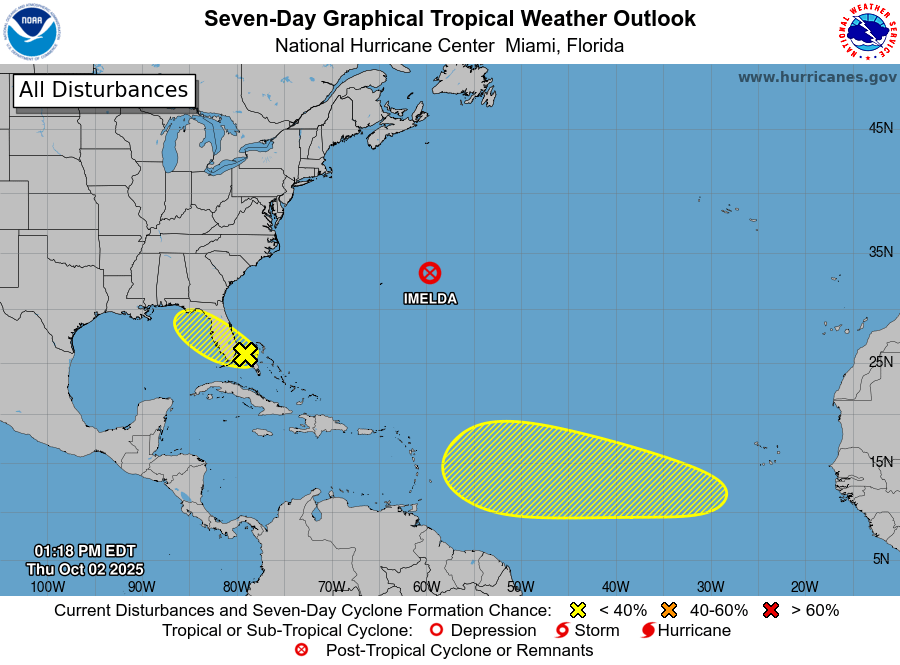
Atlantic Tropical Wave Could Develop as It Moves Toward Caribbean
A tropical wave has been detected off the African coast, potentially becoming a weather system to watch in the Caribbean, according to meteorologists. The disturbance is forecasted to move westward to west-northwestward at speeds of 15 to 20 mph, interacting with another system in the eastern tropical Atlantic. While slow development is possible, the National Hurricane Center has indicated that the likelihood of cyclone formation remains minimal. The probability of development within the next 48 hours is near 0%, with a slight increase to 20% over the next seven days. Despite the low risk, experts are urging Caribbean residents to remain vigilant, as October is historically an active month during the hurricane season. The situation underscores the importance of preparedness during this period, even as current forecasts suggest limited immediate threat.
-
Earthquake rattles three Caribbean islands
A moderate earthquake measuring 4.8 on the Richter scale struck the Caribbean region on Friday, causing tremors across several cities. The seismic event, which occurred at 10:59 am local time, was recorded at a depth of 142 kilometers, according to the Seismic Research Centre (SRC) at the University of the West Indies (UWI) in St. Augustine, Trinidad. The quake was felt in multiple locations, including 33 kilometers northeast of Kingstown, the capital of St. Vincent and the Grenadines, 67 kilometers south-southwest of Castries in St. Lucia, and 128 kilometers south of Fort-de-France, the capital of Martinique. Despite the widespread tremors, there were no immediate reports of damage or injuries. The SRC continues to monitor the situation, urging residents to remain vigilant and follow safety protocols in the event of aftershocks.
-
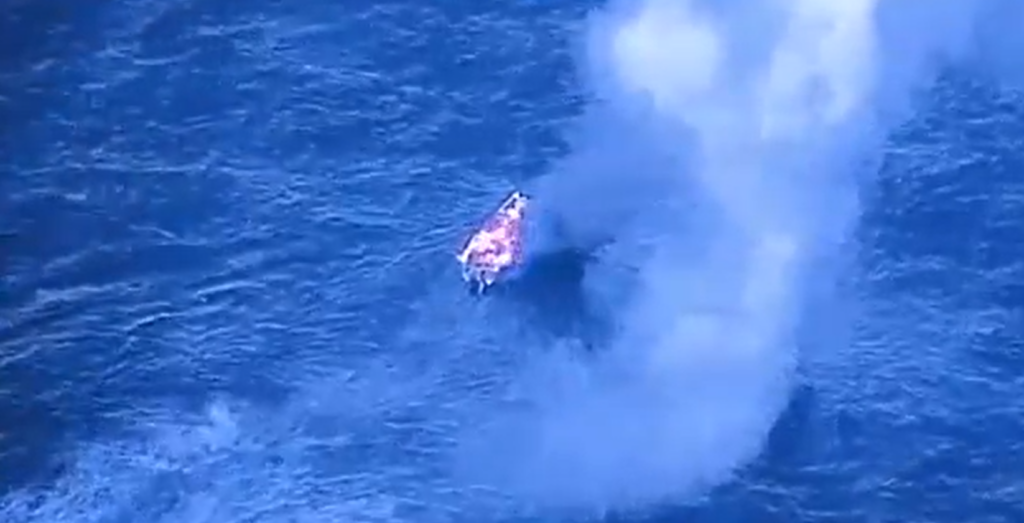
US says kills four in new attack on alleged drug-smuggling boat in Caribbean
In a significant military operation, US forces targeted an alleged drug-smuggling vessel off the coast of Venezuela on Friday, resulting in the deaths of four individuals. Defense Secretary Pete Hegseth confirmed the strike in a post on X, accompanied by a video showing the boat engulfed in flames. Hegseth described the operation as targeting ‘narco-terrorists’ transporting ‘substantial amounts of narcotics’ intended for the US, vowing that such strikes would persist until threats to American citizens are eradicated. This marks at least the fourth such attack, with a total of 21 fatalities reported. The US government has classified drug cartels as ‘non-state armed groups’ and ‘terrorist organizations,’ justifying the strikes as part of an ‘armed conflict.’ However, critics argue that the lack of evidence and the summary nature of the killings raise legal and ethical concerns. The operation has escalated tensions between the US and Venezuela, with Caracas condemning recent US military activities in the region as provocations. The deployment of US warships and fighter jets has further strained relations, with Venezuela accusing the US of threatening its national security.
-
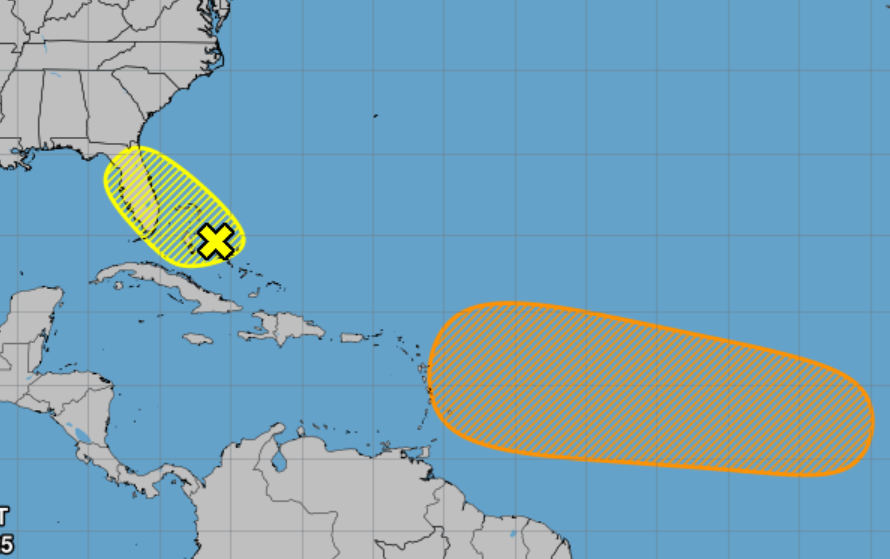
Tropical wave could develop into tropical depression late next week — NHC
A tropical wave is anticipated to emerge off the coast of Africa this Friday, as reported by the US National Hurricane Center (NHC). The meteorological system is projected to interact with another atmospheric disturbance over the eastern tropical Atlantic, subsequently progressing westward. Environmental conditions are expected to favor the gradual development of this system over the coming days. By the end of next week, there is a possibility that the wave could evolve into a tropical depression, potentially forming near or east of the Lesser Antilles. The NHC continues to monitor the situation closely, urging residents in the region to stay informed about potential weather developments.
-
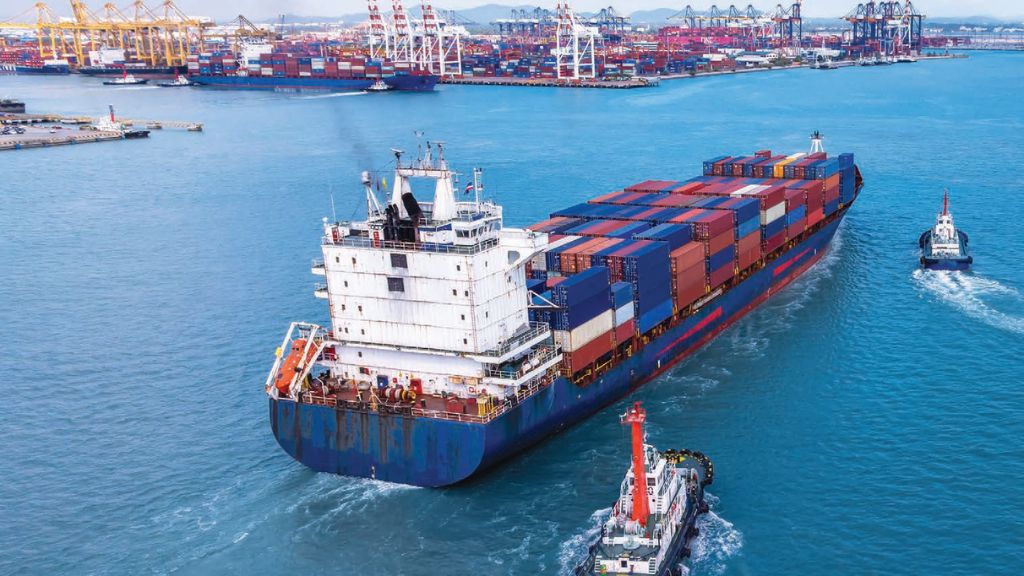
CHARGE THE SHIPS!
Caribbean leaders are being called upon to implement a ‘blue tax’ on ships utilizing the region’s ports, with the revenue directed into a Caricom fund aimed at safeguarding fragile marine ecosystems. This proposal emerged during a panel discussion on sustainable shipping at the Caribbean Maritime University Industry Conference, where concerns were raised about cruise lines and foreign shippers profiting while Caribbean waters bear the environmental brunt. Devant Maharaj, Director of Professional Services at ECO Canada and former Trinidad and Tobago transport minister, emphasized the urgency of the issue. ‘Rather than encouraging more cruise ships to dump waste into our seas, we should impose a blue tax,’ he stated. ‘This fund should be managed collectively by Caricom to ensure it is used for marine protection rather than diverted to local projects like road repairs or school construction.’ Maharaj highlighted alarming statistics: 795,000 tonnes of raw sewage and eight tonnes of garbage are dumped into Caribbean waters weekly, with 85% of untreated sewage from cruise liners being released into the ocean. Despite these environmental hazards, individual islands continue to court cruise ships for economic gain. The discussion also addressed the Caribbean’s significant role in global shipping, with logistics strategist Dr. Eric Deans noting that the region accounts for nearly 20% of the world’s shipping tonnage through flags of convenience. However, he warned that the region often forfeits its leverage by ceding port control to foreign operators. Radcliffe Spence, a lecturer in shipping and logistics, criticized Jamaica’s Kingston Freeport Terminal concession for lacking sustainability provisions, contrasting it with efforts in Barbados and Antigua, which are investing in renewable energy for port operations. Meanwhile, private companies like Campari Group Jamaica are stepping up, embedding sustainability into their procurement strategies and influencing carrier practices. Maharaj stressed the need for political unity and a broader definition of sustainability encompassing environmental, social, and economic dimensions. ‘True sustainability requires breaking the shackles of colonialism and achieving economic self-sufficiency,’ he concluded.