分类: world

  • U.S. offers US$1 million reward for Haitian gang leader ‘Izo’

    U.S. offers US$1 million reward for Haitian gang leader ‘Izo’

    The United States Department of State has escalated its pursuit of notorious Haitian gang leader Johnson ‘Izo’ André, announcing a substantial financial incentive of up to $1 million for intelligence leading to his capture. This development marks a significant intensification in international efforts to combat organized crime in Haiti.

    The Rewards for Justice program, administered by the U.S. State Department, is coordinating the initiative and has established secure channels for informants to submit tips. The program explicitly offers relocation assistance for individuals whose cooperation might endanger their safety, acknowledging the considerable risks involved in providing information about criminal organizations.

    The bounty specifically targets information related to André’s involvement in the March 2023 kidnapping of an American citizen in Port-au-Prince. According to investigative findings, the victim gained freedom on March 27, 2023, following ransom payment and the return of vehicles and firearms belonging to the victim’s family. U.S. authorities have conclusively linked the 5 Segond gang, under André’s leadership, to this criminal operation.

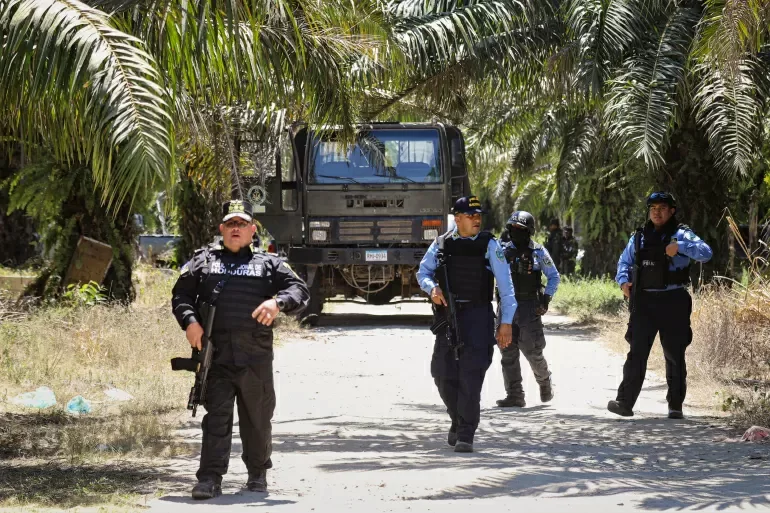
    Haitian law enforcement agencies have outstanding warrants for André on multiple serious charges including homicide, armed kidnapping, weapons violations, cargo truck hijackings, and criminal conspiracy. Intelligence suggests he currently operates from the Village de Dieu neighborhood in downtown Port-au-Prince.

    Documented evidence reveals André’s organization perpetrated extensive human rights violations, with 1,035 documented cases of sexual violence attributed to the gang in 2022 alone. These atrocities prompted the U.S. Department of the Treasury to impose sanctions against André in December 2023 under Executive Order 13818, which targets perpetrators of serious human rights abuses.

    The criminal prosecution advanced significantly in December 2024 when U.S. authorities formally filed kidnapping and conspiracy charges against André. He now joins other high-profile Haitian gang leaders including Jimmy ‘Barbecue’ Chérizier, Vithelhomme Innocent, and Lanmò Sanjou, all of whom are subjects of substantial international reward offers.

  • Fear Grips Fishermen After Deadly U.S Strikes

    Fear Grips Fishermen After Deadly U.S Strikes

    A deadly maritime incident involving US military forces has sent shockwaves through Eastern Caribbean fishing communities, raising urgent questions about regional security operations and civilian safety. On February 13, a US Southern Command counter-narcotics operation resulted in the destruction of a small vessel and three fatalities, creating widespread anxiety among fishermen who fear being misidentified as drug traffickers.

    While US authorities maintain the operation targeted suspected narcotics traffickers, fishing communities across Saint Lucia and neighboring islands report growing apprehension about working traditional fishing grounds. The incident has exposed critical gaps in communication and coordination between US military operations and local fishing activities.

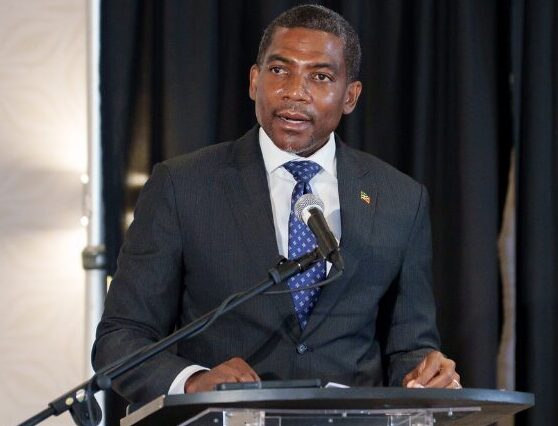
    Saint Lucian Prime Minister Philip J. Pierre confirmed the loss of life while indicating investigations continue to determine the victims’ nationalities. Regional fishing associations have subsequently intensified calls for established safeguards, improved alert systems, and enhanced cooperation mechanisms to prevent similar tragedies.

    This event occurs within the context of heightened US maritime surveillance and interdiction efforts throughout Caribbean waters, bringing to the forefront complex issues surrounding maritime sovereignty, operational transparency, and the protection of legitimate livelihoods in a region where fishing represents both an economic necessity and cultural tradition. The escalating situation underscores the delicate balance between international security cooperation and the rights of local communities whose survival depends on safe access to marine resources.

  • Police urge calm even as US strikes threaten SVG’s fishing industry

    Police urge calm even as US strikes threaten SVG’s fishing industry

    Tensions are mounting in the Eastern Caribbean as St. Vincent and the Grenadines fishermen express grave concerns over their safety and economic stability following recent U.S. military operations in regional waters. The U.S. Southern Command (SOUTHCOM) confirmed conducting multiple “lethal kinetic strikes” between February 13-16 against vessels allegedly operated by “Designated Terrorist Organizations” engaged in narcotics trafficking, resulting in 11 fatalities.

    While U.S. authorities characterized the operations as targeted actions against narco-terrorists, local fishing communities report the strikes occurred dangerously close to fishing grounds. Winsbert Harry, President of SVG’s National Fisherfolk Organisation, revealed that one February 13 strike occurred approximately 9 miles from Fish Aggregating Device No. 5—a critical fishing area located about 60 miles southeast of St. Vincent in the Grenadines.

    The Royal St. Vincent and the Grenadines Police Force issued a statement acknowledging public concern while attempting to reassure mariners. “The information received so far suggests that this was a targeted, intelligence-led operation and not directed at fishing vessels or ordinary maritime activity,” the statement read, emphasizing that coast guard services remain “present and alert within our maritime space.”

    However, fishing representatives highlight the devastating potential impact on SVG’s blue economy—a key development pillar for the new administration. With nearly 1,000 registered fishing boats landing approximately 10 million pounds of fish valued at EC$16 million in exports last year, the industry faces significant disruption. Fishermen now fear traveling during pre-dawn hours when tuna are most active, potentially reducing catches and threatening livelihoods.

    The National Fisherfolk Organisation is coordinating with regional partners including the Caribbean Network of Fisher Folk Organisations and Caribbean Fisheries Mechanism to develop a unified response. Harry emphasized the need for “one voice to CARICOM” to address security operations that endanger civilian fishing activities in shared Caribbean waters.

  • Ramadan begint in Gaza temidden van puinhopen van verwoeste moskeeën

    Ramadan begint in Gaza temidden van puinhopen van verwoeste moskeeën

    As the holy month of Ramadan commenced in Gaza on Wednesday, Palestinian worshippers turned to the shattered remnants of destroyed mosques and improvised prayer spaces constructed from tarpaulins and wood, demonstrating remarkable spiritual resilience amid widespread devastation.

    The landscape of Gaza City reveals the profound scale of destruction, with the dome of the obliterated Al Hassaina mosque now resting atop mounds of rubble. What was once a courtyard filled with worshippers has transformed into a living space where displaced families now sleep, cook, and hang laundry between broken columns and debris.

    Sami Al Hissi, a 61-year-old mosque volunteer, expressed profound grief while standing amidst the ruins: “I cannot bear to look at this destruction. We once prayed here comfortably, surrounded by friends and loved ones. Now there are no loved ones, no friends, and no mosque remaining.”

    The current reality represents both spiritual and societal devastation for Gaza’s residents. According to figures from the Hamas-run government’s media office, 835 mosques have been completely destroyed and 180 partially damaged during the conflict that began after Hamas’s cross-border attack on October 7, 2023, which Israeli authorities say killed 1,200 people. Additionally, 40 of Gaza’s 60 cemeteries have reportedly been destroyed.

    Israel maintains that its military operations target Hamas infrastructure and accuses Palestinian armed groups of using civilian areas, including mosques, for military purposes—an allegation Hamas denies. Palestinian health authorities report approximately 72,000 Palestinian casualties since the conflict began.

    Despite catastrophic damage and severe shortages of construction materials, community efforts have created 430 makeshift prayer spaces using repurposed plastic greenhouse covers, wood, and tent materials, according to Amir Abu Al-Amrain, director of Gaza City’s religious affairs ministry.

    Khitam Jabr, a displaced resident now sheltering in a mosque, articulated the collective disappointment: “We had hoped to celebrate Ramadan in a different atmosphere. With most mosques destroyed, we now pray in tents that have become shelters for the displaced.”

    The commencement of Ramadan in Gaza underscores both the depth of religious faith persisting through conflict and destruction, and the community’s extraordinary resilience despite overwhelming hardship. The situation highlights the urgent need for humanitarian assistance and sustainable solutions to alleviate Palestinian suffering in the region.

  • US $40M Climate Financing Expected for Indigenous Communities

    US $40M Climate Financing Expected for Indigenous Communities

    In a landmark initiative for climate justice, indigenous communities in southern Belize are set to receive approximately $40 million in financing through the Green Climate Fund. The funding aims to bolster climate resilience efforts among Maya populations facing escalating environmental challenges.

    The Julian Cho Society, spearheading the project titled “Maya LED Pathways for Climate Resilience and Sustainable Economies,” has initiated consultations with villages throughout the Toledo District. This comprehensive program is designed to assist local farmers in adapting to unpredictable weather patterns while simultaneously strengthening agricultural practices and supporting community-based enterprises.

    Pablo Mes, Executive Director of the initiative, emphasized the critical role of indigenous stewardship in global climate mitigation. “Indigenous peoples manage twenty-five percent of the world’s landmass, with substantial portions remaining forested—making their territories vital for carbon sequestration and biodiversity conservation,” Mes stated.

    The funding recognition comes at a crucial juncture, as Mes highlighted systemic barriers that often prevent climate financing from reaching frontline communities. After extensive consultations with over sixty educators and community leaders, organizers identified mismatches between funding requirements and local needs. This program specifically addresses those disparities by crafting context-appropriate solutions aligned with Maya traditions and knowledge systems.

    While the Belizean government has formally endorsed the initiative, final approval from the Green Climate Fund remains pending. Once secured, the project will enter full proposal development with anticipated implementation beginning in 2027. This represents one of the most significant direct investments in indigenous-led climate adaptation strategies in Central America to date.

  • Over 600 arrests across Africa break up cybercrime network — Interpol

    Over 600 arrests across Africa break up cybercrime network — Interpol

    LYON, France — A sweeping international law enforcement operation has successfully dismantled a sophisticated cybercrime syndicate responsible for extorting millions of dollars from victims across Africa. Coordinated by Interpol, the eight-week crackdown culminated in the arrest of 651 individuals across 16 African nations, dealing a significant blow to organized digital fraud on the continent.

    The operation, conducted throughout December and January, targeted a network that employed a diverse array of online scams. Criminal tactics included sophisticated high-yield investment frauds, mobile money transfer deception, and predatory loan applications designed to steal personal and financial information. Preliminary investigations indicate the syndicate illicitly obtained more than $45 million, affecting hundreds—and potentially thousands—of victims, with the majority located within Africa.

    In addition to the arrests, authorities executed coordinated raids resulting in the seizure of 2,341 electronic devices, including computers and mobile phones. Interpol also confirmed the disruption of critical digital infrastructure, with 1,442 malicious IP addresses, domains, and servers used to perpetrate the scams being permanently shut down.

    Neal Jetton, Head of Interpol’s Cybercrime Directorate, emphasized the profound impact of such crimes, stating, “These organized cybercriminal syndicates inflict devastating financial and psychological harm on individuals, businesses, and entire communities with their false promises.” He further urged victims to seek assistance, adding, “I encourage all victims of cybercrime to reach out to law enforcement for help.”

    The multinational effort demonstrates a strengthened collaborative approach to combating cybercrime in Africa. Participating countries in the operation included Angola, Benin, Cameroon, Chad, Gabon, Gambia, Ghana, Ivory Coast, Kenya, Namibia, Nigeria, Rwanda, Senegal, Uganda, Zambia, and Zimbabwe.

  • Nieuw Koffiekamp dringt bij krutu aan op eigen werkgebied binnen ZiJin-concessie

    Nieuw Koffiekamp dringt bij krutu aan op eigen werkgebied binnen ZiJin-concessie

    The Surinamese Ministry of Regional Development has engaged in crucial talks with the New Koffiekamp community regarding ongoing tensions with Chinese mining corporation ZiJin. During a traditional krutu meeting held Tuesday at the Obed Van der Kamp Krutu Hoso, Minister Miquilla Huur listened to residents’ concerns about the persistent conflict over gold mining activities in the region.

    Community representatives articulated their proposal for a clearly demarcated work area where local miners could operate legally and under regulated conditions. This formalized zone would require participant registration and identification badges, creating a system that would prevent unauthorized individuals from entering ZiJin’s concession area through the village—a solution residents believe would benefit both the government and the mining company.

    The discussions revealed severe unemployment within the village, compelling unemployed residents, including so-called ‘oekemmangs’ (informal miners), to enter the mining area to collect and process gold-bearing stones for survival.

    Beyond economic concerns, residents expressed serious environmental apprehensions. With the gold mine located less than three hundred meters from the village, dynamite explosions from mining operations have reportedly caused structural damage to homes, creating visible cracks in residential buildings.

    Fabian Afoemang, Chairman of the Gold Sector Organization Committee of New Koffiekamp, highlighted the severely limited communication between the community and ZiJin, exacerbating tensions as villagers feel constant pressure due to their location within the company’s concession boundaries.

    The Ministry of Regional Development has committed to discussing the raised concerns with relevant authorities and stakeholders, aiming to develop a sustainable and balanced solution. The meeting was attended by Minister Huur, RO Director Mavrick Boejoekoe, Brokopondo District Commissioner Gregory van der Kamp, and traditional authorities of New Koffiekamp.

  • PM Pierre: ‘Do not overstay in people’s countries’

    PM Pierre: ‘Do not overstay in people’s countries’

    Saint Lucian Prime Minister Philip J. Pierre has delivered a forceful admonition to citizens traveling internationally, emphasizing that compliance with visa conditions constitutes both a personal responsibility and a matter of national interest. Speaking at a pre-cabinet press briefing on February 16, the Prime Minister framed international travel as a privilege rather than a right, urging strict adherence to authorized stay durations.

    Pierre articulated grave concerns regarding the broader implications of visa violations, stating that exceeding granted timeframes—even by a single day—could yield unforeseen negative consequences. “When we overstay our visas and do things—go to other people’s countries and don’t follow the laws—it affects everybody,” Pierre emphasized during his address. He repeatedly cautioned travelers to depart host nations when their permitted time expires, regardless of personal circumstances or attractions.

    The Prime Minister’s warnings highlight how individual actions can collectively impact Saint Lucia’s international standing and the future mobility of its citizens. He specifically noted that visa infractions could damage the country’s reputation and potentially complicate travel arrangements for other Saint Lucians seeking to journey abroad.

    Coinciding with Pierre’s national address, U.S. Secretary of State Marco Rubio echoed similar sentiments during a joint press availability in Budapest with Hungarian Prime Minister Viktor Orbán. Rubio unequivocally stated that visa grants are discretionary privileges rather than entitlements, revealing that the United States has revoked numerous visas over the past year. He specifically warned that tourists, students, and journalists engaging in activities contrary to U.S. national security interests would face visa revocation, reinforcing the stringent enforcement of immigration regulations.

  • US kills 11 in 3 strikes on alleged drug-running boats

    US kills 11 in 3 strikes on alleged drug-running boats

    In a targeted counter-narcotics operation, U.S. Southern Command (SOUTHCOM) executed precision airstrikes against three vessels allegedly operated by designated terrorist organizations engaged in narcotics trafficking. The military action, authorized by SOUTHCOM commander General Francis L. Donovan, resulted in eleven fatalities among suspected narco-terrorists operating the vessels.

    According to official statements released Tuesday, the coordinated strikes occurred during the night of February 16th through Joint Task Force Southern Spear operations. Intelligence surveillance confirmed the vessels were actively transiting established drug trafficking corridors before being engaged with lethal kinetic force.

    The tactical breakdown reveals four casualties occurred aboard the first vessel in the Eastern Pacific, followed by four additional fatalities on a second vessel in the same region. A third strike in the Caribbean waters eliminated three more individuals. No U.S. military personnel sustained injuries during the operations.

    This recent engagement marks the seventh such intervention against suspected drug-smuggling vessels in 2024, continuing a pattern of intensified counter-narcotics efforts. Historical data indicates these latest strikes bring the total to at least 41 operations against narcotics trafficking networks, resulting in 144 casualties across Caribbean and Eastern Pacific regions since the program’s inception.

    SOUTHCOM, which oversees U.S. military operations throughout Central America, South America, and the Caribbean basin, maintains that these missions are critical to disrupting transnational criminal organizations whose activities directly threaten national security interests. The command’s strategy focuses on intercepting maritime drug transportation routes that fuel terrorist activities and contribute to the U.S. opioid crisis.

  • They reaffirm that Cuba is not a producer, warehouse, or transit territory for drugs

    They reaffirm that Cuba is not a producer, warehouse, or transit territory for drugs

    In a definitive demonstration of its uncompromising stance against narcotics, Cuban authorities unveiled substantial achievements from their 2025 counter-narcotics operations, intercepting 1,941 kilograms of illicit substances primarily through maritime interdictions. The comprehensive review was presented during a high-level press briefing on Tuesday, featuring key officials from the nation’s security apparatus.

    Justice Minister Rosabel Gamón Verde articulated Cuba’s strategic positioning, emphasizing that while the island nation faces geographical vulnerabilities within Caribbean trafficking corridors, it maintains neither production facilities nor transit infrastructure for international drug operations. The minister underscored the government’s unwavering political commitment to treating drug trafficking as a paramount national security concern, employing a multifaceted strategy that integrates prevention initiatives, regulatory controls, and direct law enforcement engagement.

    Following constitutional reforms in 2019, Cuba has systematically strengthened its legal framework, enhancing criminal penalties and administrative sanctions to reflect its zero-tolerance doctrine. The National Drug Commission, now expanded to include thirteen governmental agencies with recent additions from Agriculture, Culture, Tourism, and Labor ministries, has intensified preventive operations across educational institutions, workplaces, and community networks.

    Colonel Juan Carlos Poey Guerra, commanding officer of the Ministry of Interior’s Specialized Anti-Drug Agency, revealed that 53 separate maritime dumping incidents accounted for the majority of seizures, with traffickers jettisoning narcotics to evade international pursuit. These operations yielded substantial quantities of marijuana, cocaine, and hashish that subsequently washed ashore. Domestically, authorities confiscated approximately 76 kilograms of drugs destined for local consumption, noting concerning proliferation of synthetic compounds including 46 identified cannabinoid variants.

    The aerial trafficking dimension witnessed significant enforcement successes, with 31 attempted operations neutralized during 2025 resulting in 27 kilograms of intercepted narcotics—primarily cocaine and methamphetamine originating from eleven nations, with the United States identified as the predominant source. Cumulative efforts across 2024-2025 thwarted 75 aerial smuggling attempts, preventing over 100 kilograms from reaching destinations.

    First Colonel Ivey Daniel Carvallo Pérez, representing the Border Guard Troops Directorate, highlighted the formidable surveillance challenges posed by Cuba’s extensive 5,700-kilometer coastline and complex maritime geography. The nation maintains persistent monitoring through integrated naval, ground, and aerial assets, coordinating efforts across military, customs, and interior ministries with substantial civilian participation.

    International cooperation remains a cornerstone of Cuba’s anti-trafficking architecture, with ongoing intelligence exchanges through 37 international contact points and bilateral partnerships with regional neighbors including Jamaica, Mexico, and the United States. Officials noted these efforts persist despite severe economic constraints and resource limitations imposed by external sanctions.

    Colonel Poey Guerra reaffirmed Cuba’s conditional openness to enhanced collaboration with United States authorities, predicated on mutual respect and non-interference in sovereign affairs. While current exchanges remain limited to operational communications between coast guard entities, Cuban officials emphasized their role as a strategic “maritime barrier” protecting neighboring nations from drug flows, asserting that national security priorities remain guided by domestic institutions and popular will rather than external agendas.