分类: world

  • CARICOM SG emphasizes the importance of connectivity in advancing regional development at the Connected Caribbean Summit 2025

    CARICOM SG emphasizes the importance of connectivity in advancing regional development at the Connected Caribbean Summit 2025

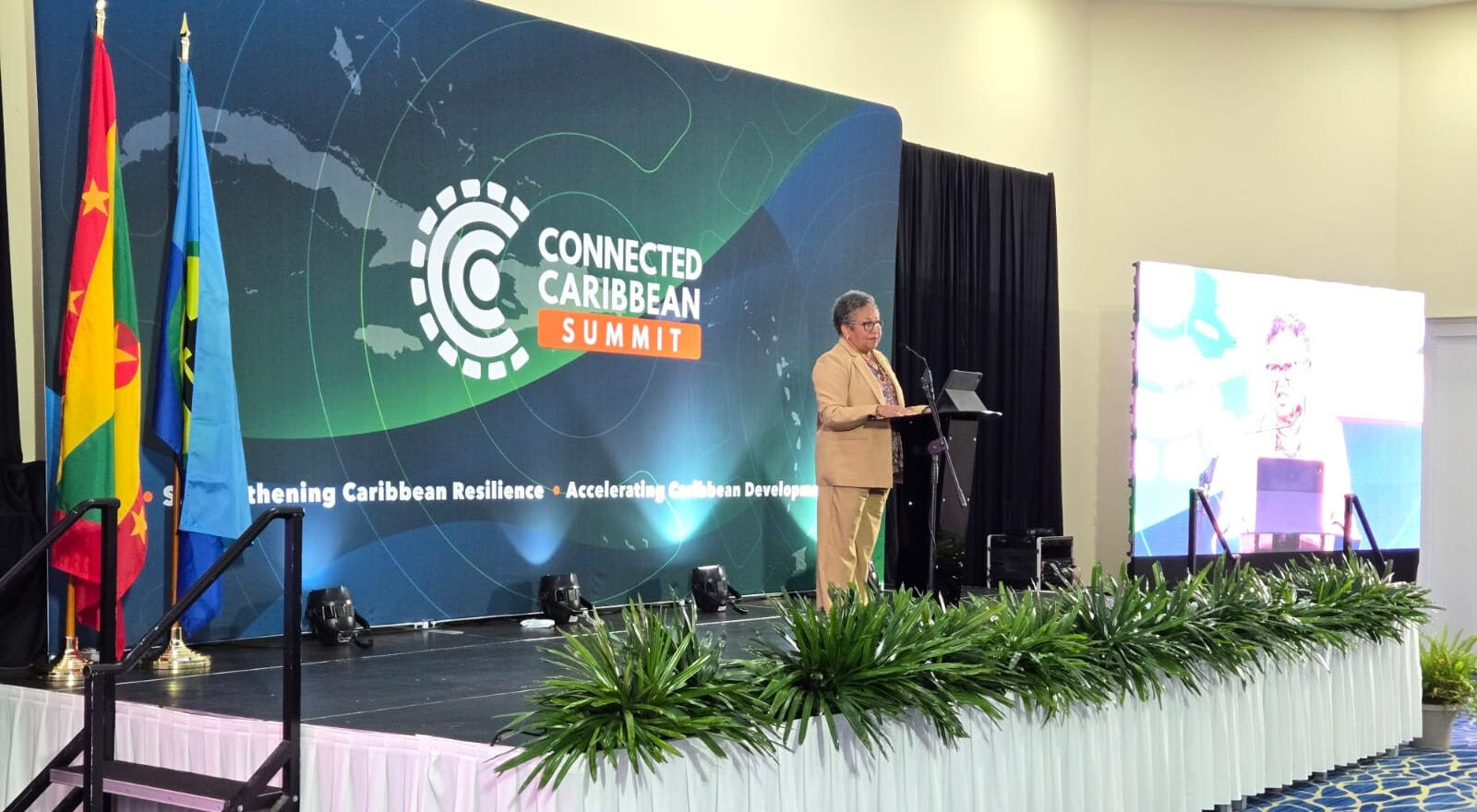
    CARICOM Secretary-General Dr. Carla Barnett has positioned regional connectivity as the fundamental catalyst for economic and social advancement across the Caribbean community. Addressing delegates at the Connected Caribbean Summit 2025 in St. George’s, Grenada, on December 2, Dr. Barnett articulated a comprehensive vision where digital networks, aviation links, and maritime transport serve as the backbone of regional integration.

    In her keynote presentation, the Secretary-General emphasized that robust connectivity infrastructure is indispensable for the full realization of the CARICOM Single Market and Economy (CSME). This ambitious framework, originally conceived in the 1989 Grand Anse Declaration and institutionalized through the Revised Treaty of Chaguaramas, requires seamless transportation and communication systems to facilitate cross-border trade, tourism expansion, and meaningful people-to-people exchanges.

    While acknowledging measurable progress in regional airline operations, port modernization, and digital transformation initiatives, Dr. Barnett confronted persistent challenges head-on. She identified restricted flight availability, prohibitive operational costs, regulatory fragmentation, and uneven port development as critical barriers impeding regional mobility and commercial exchange.

    The digital frontier received particular emphasis, with Dr. Barnett highlighting the region’s achievements in mobile penetration rates and digital literacy programs. She endorsed the strategic implementation of next-generation technologies—including LTE, 5G networks and artificial intelligence—while stressing the imperative of inclusive access for rural and marginalized communities through mechanisms like the Regional Digital Development Strategy.

    “Our regional potential will only be unlocked through sustained innovation, unity, and sustainability,” Dr. Barnett asserted. “Strategic partnerships between public institutions and private enterprises, coupled with targeted investments, will catalyze unprecedented opportunities in tourism, trade, and socioeconomic development.”

    Concluding her address, the Secretary-General challenged summit participants to generate actionable solutions through collaborative dialogue, emphasizing that harnessing connectivity’s transformative power would ultimately forge a more resilient, prosperous, and interconnected Caribbean Community.
  • Gov’t receives Ethiopian delegation on hurricane recovery assistance mission

    Gov’t receives Ethiopian delegation on hurricane recovery assistance mission

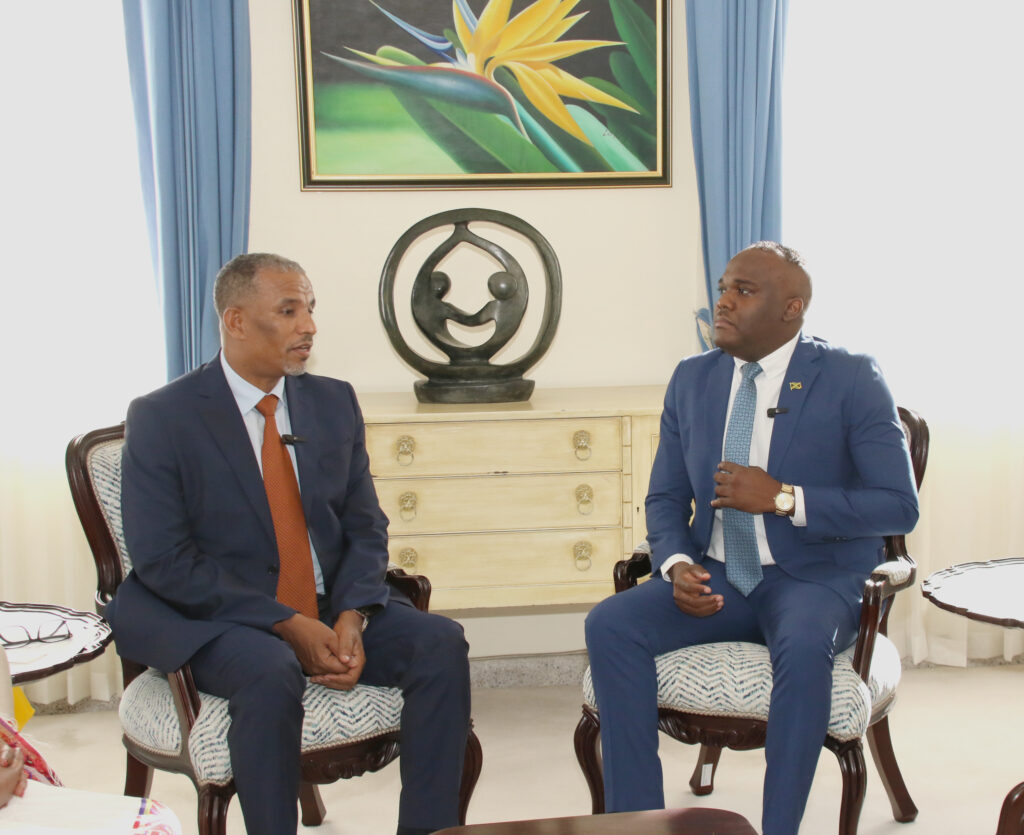
    KINGSTON, Jamaica — In a significant demonstration of South-South cooperation, the Jamaican government welcomed a high-level Ethiopian delegation on Thursday to formalize international support for hurricane recovery initiatives. The delegation, spearheaded by State Minister His Excellency Ambassador Berhanu Tsegaye from the Federal Democratic Republic of Ethiopia, arrived to assess damage and identify specific areas where Ethiopian expertise and resources could assist Jamaica’s rehabilitation efforts following the devastation of Hurricane Melissa.

    The delegation was formally received at Jamaica House by Senator Abka Fitz-Henley, State Minister in the Office of the Prime Minister. The meeting included key figures such as Permanent Secretary Ambassador Rocky Meade and Commander Alvin Gayle, Director General of the Office of Disaster Preparedness and Emergency Management (ODPEM), highlighting the strategic importance of the bilateral engagement.

    Senator Fitz-Henley publicly acknowledged the diplomatic gesture through social media, commending Ethiopian Prime Minister Abiy Ahmed for his proactive approach in offering support. He emphasized the deep historical connections between the two nations, noting shared ancestry and cultural heritage as foundations for a strengthened partnership. Fitz-Henley expressed confidence that this collaboration would intensify significantly in the coming weeks, months, and years.

    As part of their fact-finding mission, Ambassador Tsegaye was scheduled to conduct firsthand assessments in the severely affected parishes of St. Elizabeth and Westmoreland. This ground-level evaluation aims to align Ethiopia’s assistance with Jamaica’s most pressing post-disaster needs, ensuring targeted and effective international disaster relief cooperation.

  • Strike on alleged drug boat in Pacific kills four: US military

    Strike on alleged drug boat in Pacific kills four: US military

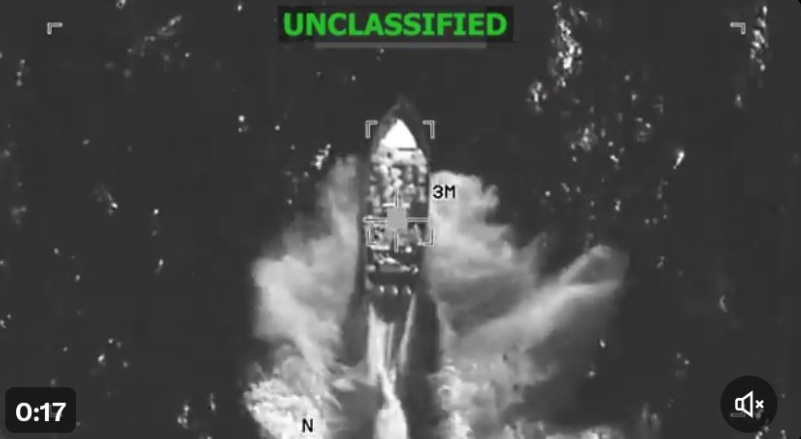
    A United States military operation in the eastern Pacific Ocean resulted in the deaths of four individuals aboard a speedboat suspected of trafficking illicit narcotics. The incident occurred on Thursday and has intensified existing scrutiny over a counter-narcotics campaign that has reportedly claimed over 85 lives.

    The US Southern Command (SOUTHCOM) publicly detailed the strike in a post on the social media platform X. The command stated the targeted vessel was operating in international waters and was ‘operated by a Designated Terrorist Organization.’ According to their intelligence assessment, the boat was confirmed to be carrying illegal drugs and was transiting a known route used for narcotics smuggling.

    The official statement confirmed that ‘four male narco-terrorists aboard the vessel were killed.’ Accompanying the announcement, SOUTHCOM released a video depicting the events. The footage shows a multi-engine boat, often referred to as a ‘go-fast’ vessel, moving at high speed across the water. Subsequently, an explosion strikes the craft, immediately engulfing it in a massive fireball and leaving it completely destroyed.

    This lethal engagement is the latest in a long-running, proactive US military effort to interdict drug shipments, primarily cocaine, traversing maritime routes from South America towards North American markets. The strategy often involves tracking suspect vessels and, after receiving legal authorization, employing lethal force to disable them. However, this aggressive tactic continues to draw significant criticism from human rights organizations and some regional governments. Critics question the legal and ethical justifications for the use of deadly force in circumstances where the alleged criminals pose no direct, imminent threat to US personnel, arguing it circumvents due process and has resulted in a high number of fatalities.

  • Former US President Bill Clinton in Jamaica

    Former US President Bill Clinton in Jamaica

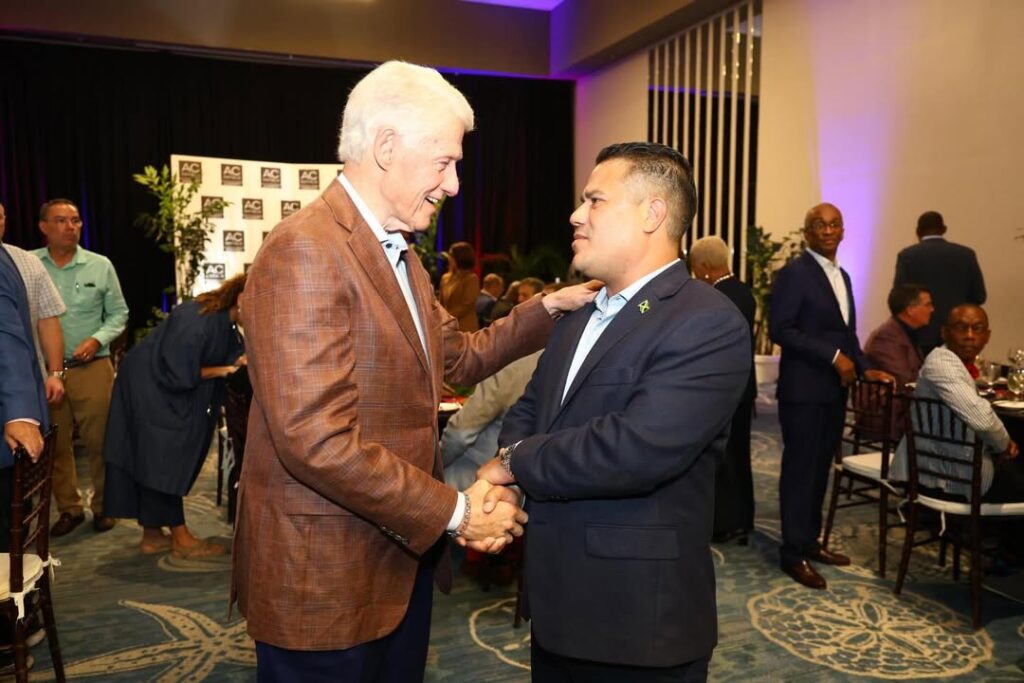
    KINGSTON, Jamaica — Former U.S. President Bill Clinton arrived in Jamaica on Thursday to evaluate the devastating aftermath of Hurricane Melissa, which recently battered the island nation as a Category Five storm. The hurricane made landfall on October 28, particularly ravaging western parishes with destructive force.

    Matthew Samuda, Jamaica’s Minister of Water, Environment and Climate Change, confirmed the high-profile visit through an Instagram post on Thursday evening. The minister shared a photograph capturing a cordial handshake with the former American leader, accompanied by a caption stating: ‘Very good to see former president Bill Clinton, as we discussed the route to recovery from Hurricane Melissa.’

    While the precise agenda of Clinton’s mission remains undisclosed, his presence signals significant international attention to Jamaica’s post-disaster rehabilitation efforts. The timing of his assessment tour, just days after the catastrophic weather event, underscores the urgency of the recovery operations. The former president’s engagement with Jamaican officials suggests potential collaborative initiatives between disaster response organizations and the Jamaican government, though specific details regarding humanitarian aid or reconstruction support have not been formally announced.

    The visit represents a notable demonstration of international solidarity as Jamaica confronts the enormous challenge of rebuilding infrastructure and restoring normalcy to affected communities. Clinton’s historical involvement in Caribbean affairs through his foundation’s work adds context to his current humanitarian reconnaissance mission.

  • Overseas haven for dogs

    Overseas haven for dogs

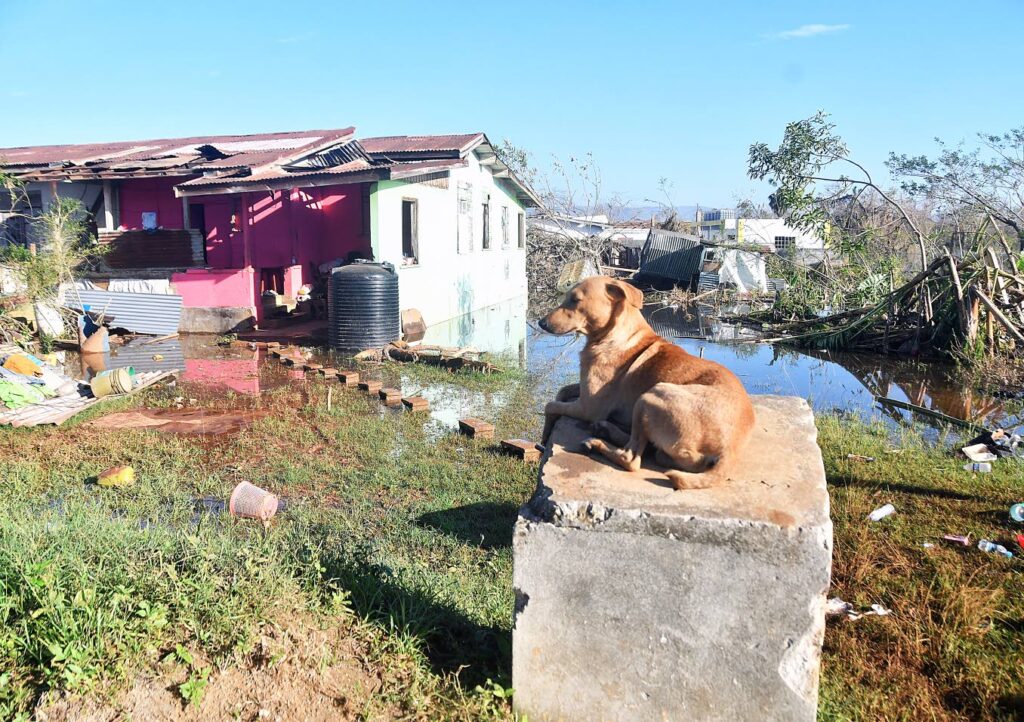
    In a remarkable humanitarian effort following the devastation of Hurricane Melissa, Jamaican authorities successfully rescued more than 50 distressed dogs from severely affected communities in the island’s southwestern parishes. Many of these animals have now been adopted into loving homes overseas.

    Agriculture Minister Floyd Green, speaking at a special post-hurricane media briefing at Jamaica House on Wednesday, emphasized that while the primary focus remained on saving human lives and delivering essential aid to devastated communities, the government maintained significant concern for animal welfare during the catastrophic event.

    Minister Green detailed how personnel from the Veterinary Services Unit collaborated with the Jamaica Defence Force (JDF) in specialized rescue operations targeting stranded pets, particularly dogs isolated by flooding. The teams conducted aerial reconnaissance missions to identify locations where animals were trapped and required emergency assistance.

    “The ministry facilitated the export of 58 dogs rescued through these coordinated missions,” Green announced. “Some have found new homes in the United States, while others have been relocated to Canada.”

    The Veterinary Services Division has demonstrated exceptional commitment in the aftermath of the Category 5 storm that struck Jamaica on October 28. The ministry has established free veterinary clinics across multiple parishes, including St. Elizabeth, St. James, and Westmoreland, with additional services planned for Clark’s Town in Trelawny. These clinics provide critical support including medical treatment, medication, wound care, vaccinations, and nutritional assistance for both farm animals and pets.

    While no official estimate exists for pet fatalities during Hurricane Melissa, the human toll continues to mount. The Office of Disaster Preparedness and Emergency Management (ODPEM) has confirmed 45 storm-related fatalities with 18 individuals still missing.

    The agricultural sector suffered catastrophic losses, with Minister Green reporting to Parliament on November 11 that farmers lost 5,600 pigs, 3,560 small ruminants (goats and sheep), and 2,850 cattle. The poultry industry was particularly devastated, losing 458,000 laying hens (representing over 40% of the national layer population) and 780,000 broiler chickens.

    The preliminary damage assessment for the agricultural sector initially estimated losses at $30 billion, but according to World Bank rapid assessment data, this figure has now doubled to approximately $60 billion, highlighting the unprecedented scale of destruction wrought by Hurricane Melissa.

  • Leader of notorious Haitian gang sentenced to life in prison

    Leader of notorious Haitian gang sentenced to life in prison

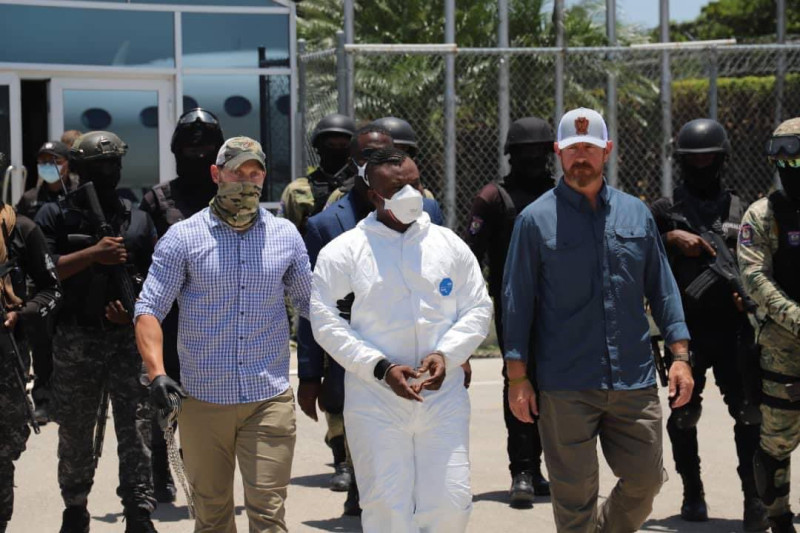
    A Washington court has delivered a life imprisonment sentence to Joly Germine, the notorious leader of Haiti’s violent 400 Mawozo gang, for masterminding the 2021 abduction of 16 American citizens, including five children. The sentencing on Wednesday marks a significant development in a case that exposed the transnational reach of Haitian criminal organizations.

    Operating under the alias “Yonyon,” Germine was found guilty in May of orchestrating the kidnapping operation while remotely directing gang activities from within a Haitian prison facility using smuggled mobile phones. The convicted gang leader commanded a criminal network responsible for the brazen capture of American missionaries visiting an orphanage near Port-au-Prince.

    The victims endured weeks of captivity as their captors initially demanded ransoms of US$1 million per individual, later modifying their demands to seek Germine’s release in exchange for the hostages’ freedom. Criminal proceedings revealed Germine personally authorized ransom demands totaling US$17 million and coordinated decisions regarding hostage releases.

    Following a partial payment of US$350,000 that secured the release of several captives, negotiations reached an impasse as gang members intensified their demands for their leader’s liberation. The remaining hostages ultimately engineered their own escape on December 16, 2021, trekking through hazardous terrain for hours before reaching safety.

    This sentencing adds to Germine’s existing criminal penalties, including a 35-year prison term imposed earlier this year for arms trafficking violations connected to ransom proceeds. The comprehensive prosecution also resulted in a 12.5-year sentence for Eliande Tunis, Germine’s former girlfriend and Florida resident, who pleaded guilty to related charges.

    Germine’s extradition to the United States in 2022 facilitated the judicial proceedings that have culminated in this life sentence, accompanied by a US$1,700 fine. The case demonstrates increasing international judicial cooperation in combating transnational criminal networks operating in the Caribbean region.

  • Gov’t receives Ethiopian delegation on hurricane recovery assistance mission

    Gov’t receives Ethiopian delegation on hurricane recovery assistance mission

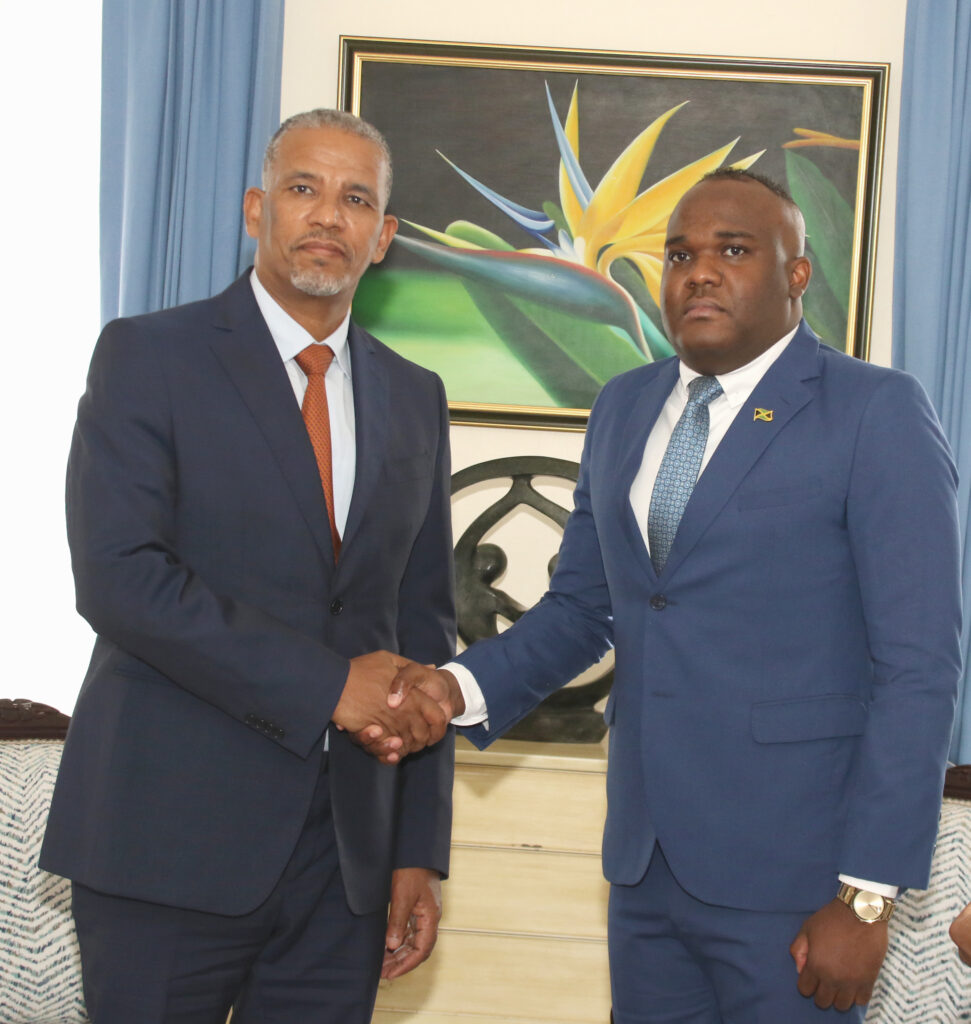
    KINGSTON, Jamaica — In a significant demonstration of international solidarity, a high-level Ethiopian delegation arrived in Jamaica on Thursday to assess damage and explore avenues for supporting the island nation’s recovery from Hurricane Melissa. The delegation, spearheaded by His Excellency Ambassador Berhanu Tsegaye, Ethiopia’s State Minister, was formally received at Jamaica House by Senator Abka Fitz-Henley, State Minister in the Office of the Prime Minister.

    The meeting underscored a mutual commitment to strengthening bilateral relations amidst a crisis. Senator Fitz-Henley publicly acknowledged and commended Ethiopian Prime Minister Abiy Ahmed for initiating this supportive gesture. He emphasized the profound historical and cultural connections between the two nations, rooted in shared ancestry and heritage, which form the foundation for a robust and evolving partnership.

    Key officials, including Permanent Secretary Ambassador Rocky Meade and Director General of the Office of Disaster Preparedness and Emergency Management (ODPEM), Commander Alvin Gayle, contributed to the strategic discussions. The agenda focused on coordinating effective relief efforts and formulating a framework for long-term recovery assistance. Following the high-level talks, Ambassador Tsegaye was scheduled for an observational tour of the severely impacted parishes of St. Elizabeth and Westmoreland to evaluate the devastation firsthand and better direct Ethiopian support.

  • Israel carried out more than 2,140 attacks in the West Bank in November

    Israel carried out more than 2,140 attacks in the West Bank in November

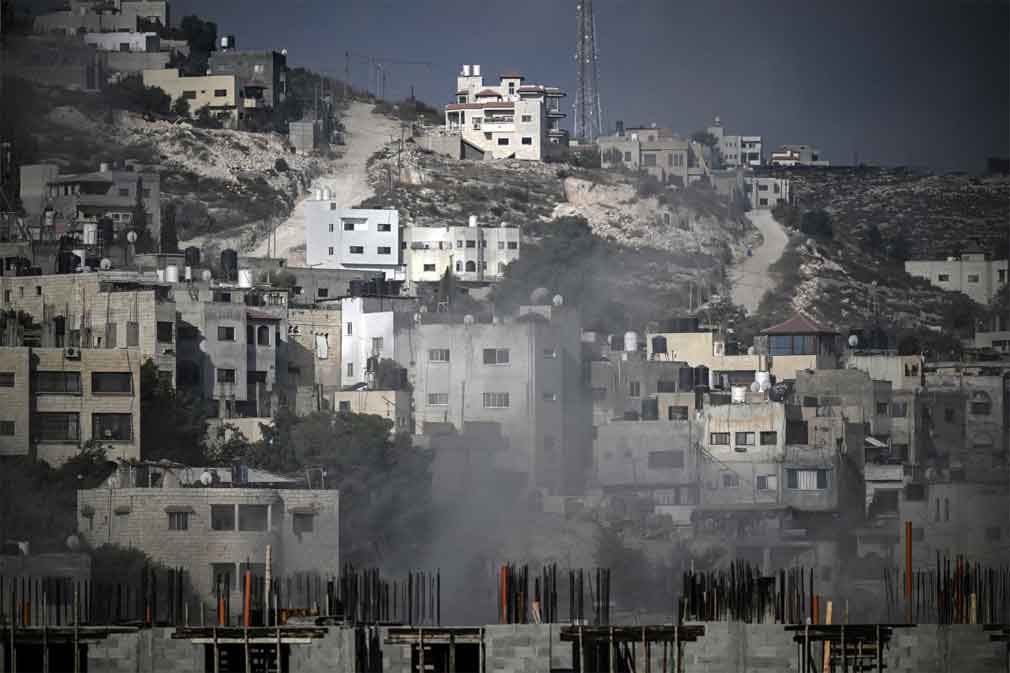
    A comprehensive monthly report from the Palestinian Commission Against the Wall and Settlements has documented an alarming escalation of Israeli military and settler activities across occupied territories. According to Commission Head Muayyad Shaaban, security forces perpetrated 1,523 distinct operations while settlers conducted additional attacks throughout the reporting period.

    The investigation reveals a systematic pattern of violations including structural demolitions, property confiscation, deliberate vandalism, movement restrictions, lethal violence, physical assaults, and widespread theft. Shaaban emphasized these actions represent not random incidents but a coordinated strategy to displace indigenous populations and establish an institutionalized system of racialized control.

    Particularly concerning is the attempted establishment of 19 unauthorized settler outposts—initial infrastructures designed to evolve into permanent Jewish settlements. The report asserts these developments occur with explicit political authorization from the highest levels of Israeli governance, intentionally fragmenting Palestinian territorial continuity and imposing demographic realities through fait accompli tactics.

    Quantitative analysis confirms the seizure of approximately 280 hectares (692 acres) of West Bank land through multiple legal mechanisms including confiscation orders, expropriation procedures, and reclassification of state land boundaries. Additionally, authorities executed 46 demolition operations affecting 76 structures while issuing 51 preliminary notices targeting additional properties for future destruction.

  • China financiert drinkwaterprojecten voor 26 dorpen in binnenland

    China financiert drinkwaterprojecten voor 26 dorpen in binnenland

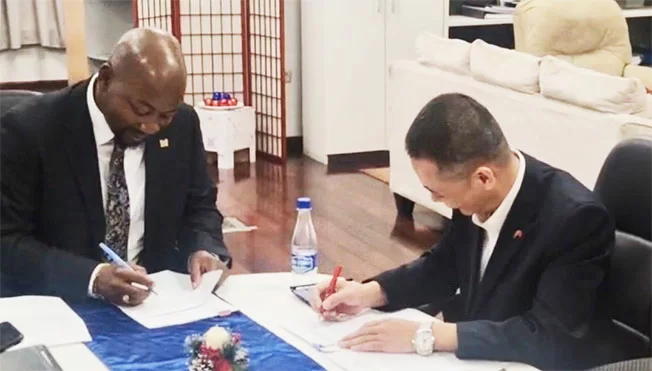
    Suriname and China have formalized a significant bilateral agreement to construct drinking water infrastructure across 26 villages in the remote interior regions of Boven-Suriname, Marowijne, and Brokopondo. The partnership was cemented through the signing of official minutes by David Abiamofo, Suriname’s Minister of Natural Resources, and Jia Jinyi, Counselor of the Chinese Embassy in Suriname.

    This development cooperation initiative focuses on installing advanced groundwater purification systems designed to provide sustainable access to safe drinking water for thousands of residents in historically underserved communities. The project represents a complete donation from the People’s Republic of China, covering all implementation costs.

    The agreement follows extensive preparatory work conducted in June by Chinese technical experts who performed comprehensive feasibility studies and meticulously assessed local conditions in each beneficiary village. Suriname’s Water Supply Service will facilitate project execution through logistical support, community communication, and capacity building programs.

    This infrastructure development marks a substantial step toward addressing structural water supply deficiencies in Suriname’s interior regions, potentially transforming public health outcomes and living standards in these communities.

  • Book on Italian expeditionary of the yacht Granma presented in Rome (+Photos)

    Book on Italian expeditionary of the yacht Granma presented in Rome (+Photos)

    A significant commemorative event in Rome celebrated the profound historical connections between Cuba and Italy through the extraordinary life of Gino Doné, an Italian partisan who became a Cuban revolutionary. The gathering, orchestrated by the Cuban Embassy in Italy, served as a poignant reminder of shared struggles for justice and freedom.

    Ambassador Mirta Granda presided over the ceremony, which coincided with the 79th anniversary of the Granma yacht’s landing—a pivotal moment in Cuban history when 82 revolutionaries sailed from Mexico’s port of Tuxpan to initiate the final phase of Cuba’s liberation struggle. The ambassador characterized Doné’s life as “one of the most sublime symbols of the brotherhood of our peoples,” emphasizing how common ideals forge unbreakable bonds between nations.

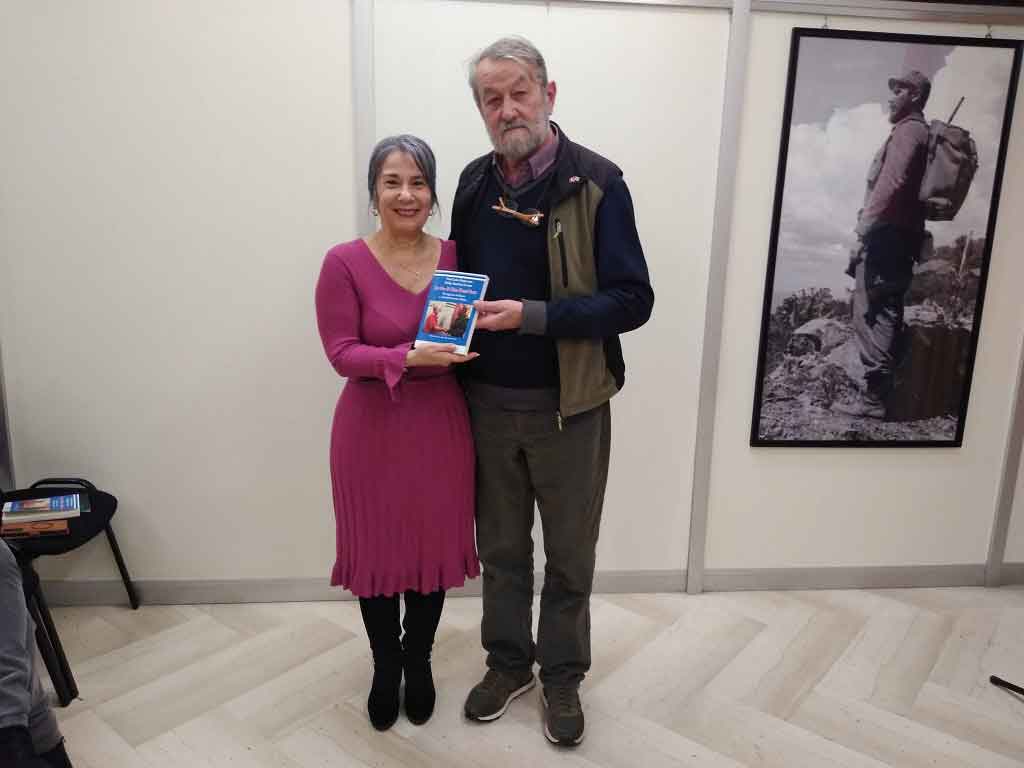
    The centerpiece of the December 2nd event was the presentation of the biographical work “The Life of Gino Done, Italian Partisan and Cuban Revolutionary.” Ambassador Granda extended gratitude to diverse attendees representing various sectors of Italian society with connections to Cuba, plus members of the Cuban expatriate community in Italy.

    The diplomatic official particularly acknowledged the National Association of Italy-Cuba Friendship (Anaic) for spearheading this initiative and praised the dedication of co-authors Pier Carlo Porporato (Anaic member) and Daily Sanchez Lemus (Cuban journalist and historian) in bringing this important historical account to fruition.

    The ceremony featured video contributions from prominent Cuban figures: Fernando González Llort, president of the Cuban Institute of Friendship with the Peoples (ICAP); René González Barrios, director of the Fidel Castro Ruz Center; and co-author Sánchez Lemus. Each highlighted Doné’s remarkable journey from fighting fascism in Europe to joining Cuba’s revolutionary movement.

    A particularly emotional anecdote recalled Doné’s final meeting with Fidel Castro in 2005 during commemorations for the 52nd anniversary of the assaults on Moncada and Carlos Manuel de Céspedes barracks. Their heartfelt embrace culminated in Doné’s pledge: “I will be with you until the last drop of my blood.” His subsequent request—that his remains eventually rest in Cuba alongside his Granma comrades—underscored his eternal devotion to the Cuban cause.