
The Barbadian government is spearheading a comprehensive public education initiative to address lingering skepticism surrounding its digital ID cards and foster broader confidence in technology-driven national projects. Sen. Jonathan Reid, Minister of Innovation, Industry, Science and Technology, highlighted the necessity of this campaign during his keynote address at the Global Business Conference, hosted by BIBA – The Association for Global Business – as part of Global Business Week. Held at the Wyndham Grand Sam Lord’s Castle, the event served as a platform to reassure citizens about the security, efficiency, and advanced capabilities of the digital ID system. Sen. Reid emphasized that the new digital IDs are designed to replace outdated laminated cards, which are susceptible to forgery and were originally created decades ago for voter registration. The minister acknowledged public apprehension, stating that such skepticism is common with new technological advancements. To combat this, the government will launch a nationwide communications campaign in the coming months to clearly explain the benefits of digital IDs, including enhanced convenience and seamless access to digital services. Sen. Reid also stressed that participation in the digital ID system remains voluntary, underscoring the importance of individual choice. He described the initiative as a secure method of verifying identity, storing personal information, and unlocking opportunities in the digital economy. Additionally, the minister highlighted the critical role of cybersecurity investments in supporting the government’s expanding digital infrastructure, ensuring the safety and reliability of these platforms. The campaign aims to build a foundation of trust, which Sen. Reid described as essential for the success of digital identification and the broader digital economy.
分类: technology
-

Musk launches Grokipedia to rival ‘left-biased’ Wikipedia
Elon Musk’s artificial intelligence venture, xAI, unveiled Grokipedia on Monday, positioning it as a rival to the widely-used online encyclopedia, Wikipedia. Musk has frequently criticized Wikipedia for its perceived ideological bias, and Grokipedia aims to offer an alternative focused on impartiality and truth. The initial version, labeled 0.1, launched with over 885,000 articles, a fraction of Wikipedia’s more than seven million English entries. Musk promised a future version, 1.0, which he claims will be “10X better” than the current iteration, already touted as superior to Wikipedia. “Our mission is to pursue the truth, the whole truth, and nothing but the truth,” Musk declared on X, formerly known as Twitter. The launch, initially scheduled for late September, was delayed to allow for the removal of what Musk termed “propaganda.” Grokipedia’s content is generated by AI, including the generative assistant Grok, which xAI developed. The platform has already drawn praise from some right-wing figures, including Russian ideologue Alexander Dugin, who lauded its neutrality compared to Wikipedia’s alleged bias. Wikipedia, established in 2001, operates as a volunteer-driven, donation-funded platform with a reputation for transparency and continuous improvement. A Wikimedia Foundation spokesperson emphasized the human-centric nature of Wikipedia, noting that AI projects like Grokipedia rely on human-created knowledge. While the long-term impact of Grokipedia remains uncertain, its launch marks a significant challenge to Wikipedia’s dominance in the digital encyclopedia space.
-

#EyeOnMelissa: Digicel says 26% of mobile network offline — Vaz
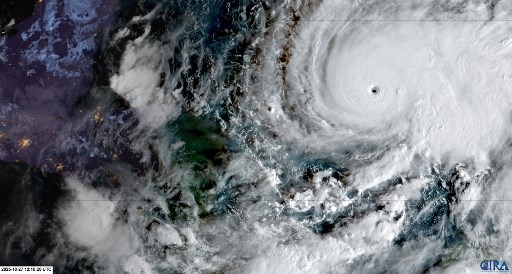
KINGSTON, Jamaica — In the wake of Hurricane Melissa, Jamaica’s telecommunications infrastructure has faced significant disruptions, with Digicel reporting that 26% of its mobile network was offline as of Tuesday morning. The primary cause of this outage is the widespread power loss across the island. According to Daryl Vaz, Minister of Energy, Transport and Telecommunications, 209 mobile sites are currently operating on generators, while nine are relying on batteries. Additionally, 20% of fibre-to-home customers are offline due to power outages in their residences. Minister Vaz made these remarks during a special media briefing at the Office of Disaster Preparedness and Emergency Management’s operations center. He emphasized that Digicel’s teams are prioritizing the most severely affected areas and will continue to fuel generators until power is restored by the Jamaica Public Service. Digicel is also collaborating with the Spectrum Management Authority (SMA) to enhance its spectrum bandwidth channels, leveraging lessons learned from Hurricane Beryl, which demonstrated that mobile infrastructure recovers faster than fixed infrastructure. In a parallel development, Minister Vaz announced that he had signed licenses at 3:00 am Tuesday to allocate additional spectrum to Liberty Caribbean, the parent company of Flow Jamaica. He expressed optimism about Flow’s commitment to Jamaica’s recovery, particularly through its innovative partnership with Starlink. This collaboration will introduce mobile connectivity via satellite, enabling 4G LTE customers to send SMS and text messages even when local networks are down. Minister Vaz lauded this initiative as a significant step forward in ensuring communication resilience during disasters.
-
#EyeOnMelissa: AI-generated fakes proliferate as hurricane nears Jamaica
As Hurricane Melissa, a formidable Category 5 storm, approached Jamaica, social media platforms were inundated with AI-generated videos, diverting attention from essential safety information. AFP identified numerous fabricated clips, many bearing the watermark of OpenAI’s text-to-video model, Sora. These videos depicted exaggerated scenarios, from severe flooding and sharks in the water to human suffering and locals downplaying the storm’s threat, often reinforced by stereotypical Jamaican accents. Jamaican Information Minister Senator Dana Morris Dixon emphasized the importance of relying on official channels for accurate information, as fake content could lead to underestimating the storm’s severity. Experts, including University of Oklahoma meteorology professor Amy McGovern, warned that such misinformation could result in catastrophic consequences, including loss of life and property. The clips primarily spread on TikTok, with some lacking the required AI disclosure labels. TikTok removed over two dozen videos and related accounts after AFP flagged them, though similar content circulated on Facebook and Instagram. Cybersecurity expert Hany Farid highlighted how advanced text-to-video models have accelerated the spread of convincing fakes, contributing to public misinformation. Despite watermarks, many viewers appeared unaware the content was AI-generated, with some even engaging with the fabricated scenarios. Farid noted the paradox of the information age, where increased information leads to a less informed public.
-

Digital menus set to transform hospitality, advertising landscape
A groundbreaking digital platform named ‘My Restaurant Menu’ is set to revolutionize the operational dynamics of restaurants and local businesses in Saint Lucia. Spearheaded by Abraham Sutherland, Founder of Quasland Media Group Ltd., this innovative solution addresses persistent challenges in menu management, customer engagement, and advertising. Sutherland shared with St. Lucia Times that the concept emerged from observing the difficulties businesses face in updating menus, controlling costs, and maintaining online visibility. Unlike traditional printed menus, which are expensive to reprint and lack flexibility, this digital system enables businesses to effortlessly update prices, incorporate photos, and directly engage with customers. Sutherland emphasized that the platform is more than a menu; it’s a comprehensive digital interface designed to save costs, enhance convenience, and amplify visibility. The platform’s unique dual functionality serves as both a restaurant management tool and a marketing hub. Customers can browse menus via a mobile-friendly interface, while businesses can integrate advertisements seamlessly within the menu layout. Sutherland highlighted that this feature transforms menu space into valuable digital real estate for advertisers, including beverage companies, event organizers, and local attractions. These ads are strategically placed to enrich the browsing experience rather than disrupt it. Sutherland noted that while digital menus exist elsewhere, this platform stands out due to its combination of functionality and opportunity, creating a unified ecosystem for restaurants, advertisers, and customers. He anticipates rapid adoption in Saint Lucia, citing the island’s increasing digital literacy and the platform’s proven success in other Caribbean regions. A significant advantage of the platform is its monetization potential, allowing restaurants to generate additional revenue through hosted ads. Sutherland explained that advertisers pay for featured placements, providing restaurants with a supplementary income stream. The platform is designed for practicality, requiring only an internet connection and a smartphone, tablet, or computer for menu management. Sutherland revealed ongoing efforts to collaborate with local tech and media firms to facilitate onboarding and create employment opportunities. Looking ahead, Sutherland envisions the platform as the cornerstone of a broader digital ecosystem, aiming to establish a comprehensive hospitality engagement network where restaurants, advertisers, and customers interact seamlessly. He believes this initiative will significantly enhance business sustainability, online visibility, and customer experience across Saint Lucia.
-

Where AI meets music: Saint Lucian creatives weigh promise, risks, law
Artificial intelligence (AI) is revolutionizing the music industry, from composition to marketing, but in Saint Lucia, the response is a mix of enthusiasm and caution. Local voices, including a tech consultant, a hitmaker, and a reggae artist, share their perspectives on this transformative technology. While AI offers efficiency and cost savings, it also raises complex questions about ownership, creativity, and cultural authenticity. Critics fear AI-generated music and cloned voices could dilute artistry and undermine copyright, while proponents view it as the next evolutionary step in music. Jim Joseph, a tech consultant, likens the current skepticism to past technological shifts, such as the transition from live bands to synthesizers. He predicts gradual acceptance but warns of unresolved legal issues, particularly around copyright and fair use. Award-winning musician Sherwinn Dupes Brice describes the duality of excitement and fear, emphasizing the need for artists to adapt and elevate their creativity. He stresses the importance of marketing and calls for updated copyright laws to address AI cloning. Reggae artist Werner Semi Francis sees AI as a supplementary tool, advocating for a hybrid approach that blends AI with human creativity. He believes success still hinges on song quality and business acumen. Joseph highlights the lag in copyright laws, noting that fully AI-generated content may not qualify for protection. He advises creators to scrutinize platform terms to avoid unintended reuse of their work. Brice and Francis both emphasize the need for legal clarity and cultural preservation, urging artists to maintain authenticity while leveraging AI. As regional experiments, like Trinidad and Tobago’s AI soca artist JOU VAY, emerge, questions about voice ownership and royalty distribution grow more pressing. The consensus among Saint Lucian artists is clear: embrace AI’s efficiency, navigate legal complexities, and preserve the human essence of music.
-

Grenada Tourism Authority launches WhatsApp broadcast channel
The Grenada Tourism Authority (GTA) has unveiled its latest digital initiative with the introduction of a WhatsApp Broadcast Channel on October 23. This innovative platform is designed to provide real-time updates, crucial announcements, and tourism-related information directly to subscribers’ mobile devices. The move underscores the GTA’s dedication to leveraging technology for enhanced accessibility, transparency, and engagement with its audience.
-

GOB Warns of Fake AI Video Promising Quick Returns
The Government of Belize (GOB) has issued a public warning about a fraudulent AI-generated video circulating on social media. The video, presented in Spanish, features manipulated images of prominent Belizean figures and falsely promises viewers quick financial returns in exchange for investments. Authorities emphasize that such scams, leveraging advanced artificial intelligence (AI) technology, are becoming alarmingly prevalent. These so-called ‘deepfake’ videos can convincingly alter images, audio, and video to fabricate statements or actions that never occurred. The GOB strongly advises citizens to avoid sharing personal information or sending money in response to such deceptive content. To help the public identify fake AI videos, experts recommend verifying the source, checking for inconsistencies in facial movements or audio, reverse-searching key frames, and cross-referencing claims with credible sources. Additionally, skepticism toward ‘get rich quick’ messages is crucial, as legitimate investment opportunities are rarely promoted through viral social media posts. As AI technology becomes more accessible, experts predict a rise in deepfake scams targeting personal finances, political influence, and misinformation campaigns. The public is urged to remain vigilant, report suspicious content, and verify all online claims before taking action.
-
Digicel Business and Symptai Offer Complimentary Dark Web Scans for Cybersecurity Month
In a significant move to bolster cybersecurity across the Caribbean, Digicel Business and Symptai have announced a complimentary dark web scan initiative in honor of Cybersecurity Awareness Month. This program, available until November 21, 2025, aims to help regional businesses identify potential data breaches and mitigate risks before they escalate. The Caribbean, often perceived as vulnerable to cyber threats due to limited local expertise and insufficient proactive measures, stands to benefit greatly from this initiative.
Cybercrime continues to surge globally, with data breaches costing an average of US$4.88 million annually. Common vulnerabilities include phishing attacks, misconfigured devices, and compromised credentials. By detecting exposed data early, businesses can safeguard customer trust, secure critical systems, and minimize the impact of cyber threats.
Marlon Cooper, CEO of Symptai, emphasized the inseparable link between cybersecurity and business strategy. ‘No organization can achieve sustained growth without protecting its data,’ he stated. ‘Prioritizing security is essential for maintaining trust, enhancing competitiveness, and securing the region’s economic future.’
Liam Donnelly, Chief Business Officer at Digicel, highlighted the company’s commitment to empowering organizations. ‘With our team of experts and global partnerships, we bring world-class cybersecurity and data protection services to the Caribbean,’ he said.
The collaboration between Digicel Business and Symptai provides businesses with access to a comprehensive suite of ICT, cybersecurity, and data protection services. These include 24/7/365 Security Operations Center (SOC) monitoring, endpoint protection, managed firewalls, consultancy, and penetration testing. This unified approach ensures that organizations of all sizes can effectively safeguard their data, systems, and operations.
Businesses are encouraged to take advantage of the free dark web scan to identify and address potential risks promptly. For more information or to request a scan, visit /global/en/cybersecurity-month-2025.
About Digicel:
Digicel is a leading digital connectivity provider, operating in 25 markets across the Caribbean, Central, and South America. With a focus on economic participation and digital inclusion, Digicel serves nine million customers through mobile, home, and business solutions.About Symptai:
Symptai, headquartered in Jamaica, is a premier IT consulting firm with over 27 years of experience. Specializing in cybersecurity, data privacy, and digital transformation, Symptai empowers organizations to build resilience, comply with regulations, and unlock long-term value through technology. -

NBB Warns of Fake Facebook Pages Targeting Customers
The National Bank of Belize (NBBL) has issued a stern warning to its customers following the discovery of counterfeit Facebook pages impersonating the bank. In an official statement released on Tuesday, NBBL clarified that these pages are entirely unauthorized and bear no affiliation with the institution. The bank has promptly reported the matter to the relevant authorities and is actively pursuing the removal of these fraudulent accounts. Customers are strongly advised against sharing any personal or financial information with these pages and to meticulously verify the authenticity of any suspicious messages. NBBL emphasized that all official communications are exclusively disseminated through its verified platforms. Individuals who believe they may have interacted with a fake account are urged to contact the bank immediately via email at services@nbbl.bz or by calling 822-0957 / 822-0950.