
The Caribbean region is emerging as a frontrunner in the global quest for sustainable energy solutions, with a groundbreaking focus on harnessing hydrogen from seawater. This innovative approach is being hailed as a potential game-changer for clean energy production and maritime industry innovation. By leveraging the abundant seawater resources surrounding the islands, Caribbean nations aim to produce hydrogen through advanced electrolysis processes, which split water molecules into hydrogen and oxygen using renewable energy sources like solar and wind. This method not only provides a clean energy alternative but also addresses the region’s vulnerability to climate change and fossil fuel dependency. The initiative is expected to revolutionize the maritime sector by powering ships with hydrogen fuel cells, significantly reducing greenhouse gas emissions. Additionally, the project could stimulate economic growth by creating new industries and job opportunities in the green energy sector. Experts believe this technology could position the Caribbean as a global leader in renewable energy innovation, setting a precedent for other coastal regions worldwide.
分类: technology
-
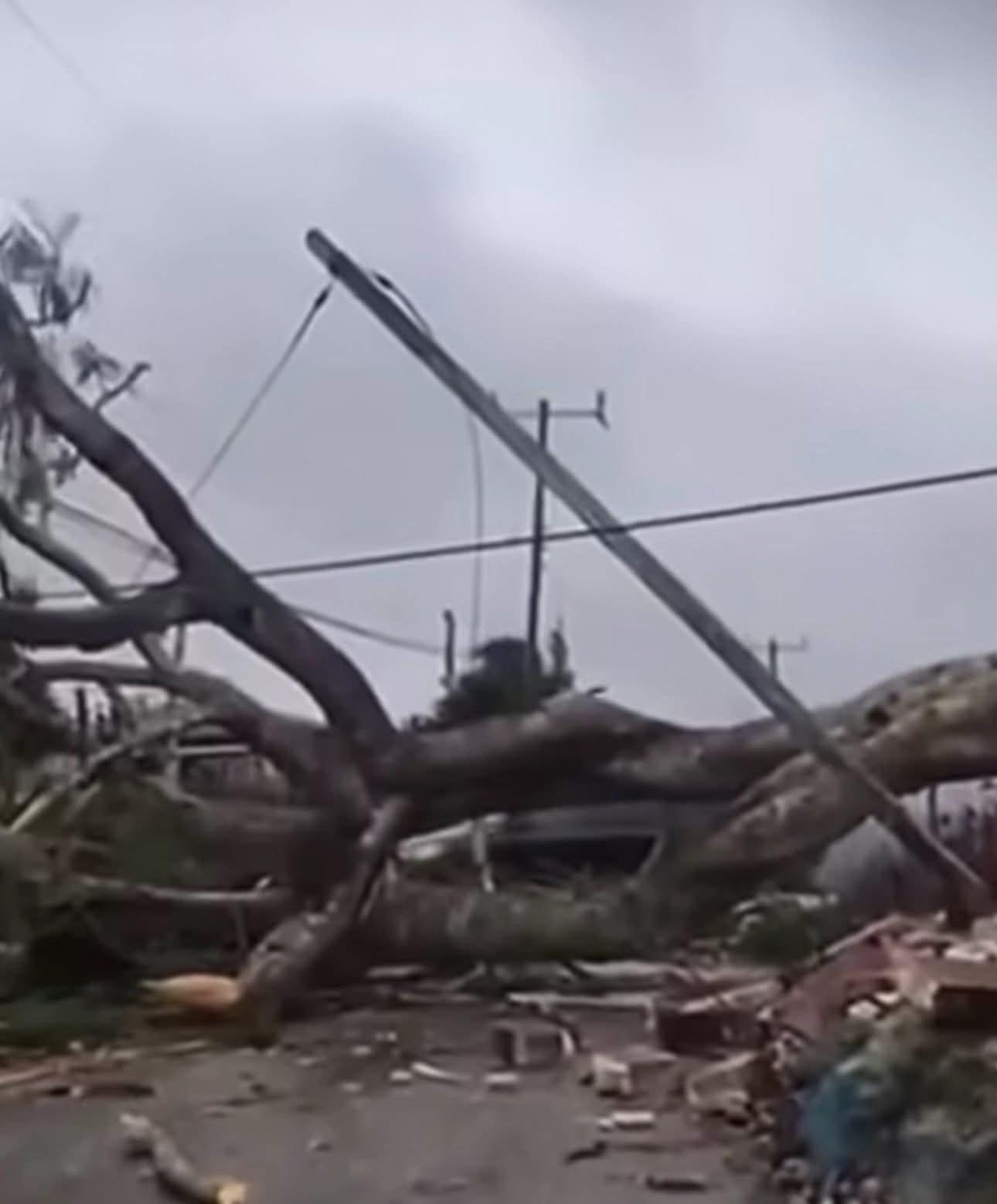
Liberty Caribbean and Starlink Direct to Cell adds data messaging connectivity to its emergency service in Jamaica in aftermath of Hurricane Melissa
In the wake of Hurricane Melissa’s devastation, Liberty Caribbean, operators of Flow Jamaica and Liberty Business, has successfully restored data messaging connectivity to over 70% of its mobile data customers. This achievement was made possible through a collaboration with Starlink’s Direct to Cell satellites, which provided emergency connectivity via SMS and text services as the hurricane made landfall in St. Elizabeth early Tuesday morning.
The Spectrum Management Authority and the Ministry of Energy, Transport, and Telecommunications approved the necessary spectrum for this initiative, enabling Liberty Caribbean to integrate Starlink’s advanced satellite technology. Inge Smidts, CEO of Liberty Caribbean, emphasized the importance of this service, stating, ‘The availability of our FLOW Essential service provided basic SMS and text messaging during the hurricane. We worked closely with Starlink to restore as many communication options as possible, and now we’re able to offer data messaging connectivity to over 70% of our mobile data customers.’
Smidts highlighted the critical role of communication in the nation’s recovery efforts, noting, ‘The ability to communicate will be crucial as we rebuild. We wanted to give our customers one less thing to worry about.’ This partnership ensures island-wide network redundancy, delivering seamless satellite connectivity directly to mobile customers while local infrastructure remains unavailable.
Liberty Caribbean, a subsidiary of Liberty Latin America, operates in over 20 Caribbean markets, providing broadband, mobile, video, and voice services through its consumer brands Flow and BTC. Its B2B division, Liberty Business, supports economic growth with enterprise-grade connectivity, cloud, security, and data center services.
Starlink Direct to Cell, the world’s largest satellite constellation with over 650 low-Earth orbit satellites, offers data, voice, video, and messaging services in mobile dead zones. Its advanced phased array antennas act like cell towers in space, enabling seamless global connectivity. Starlink partners with Mobile Network Operators worldwide to enhance 4G coverage and network integration.
-
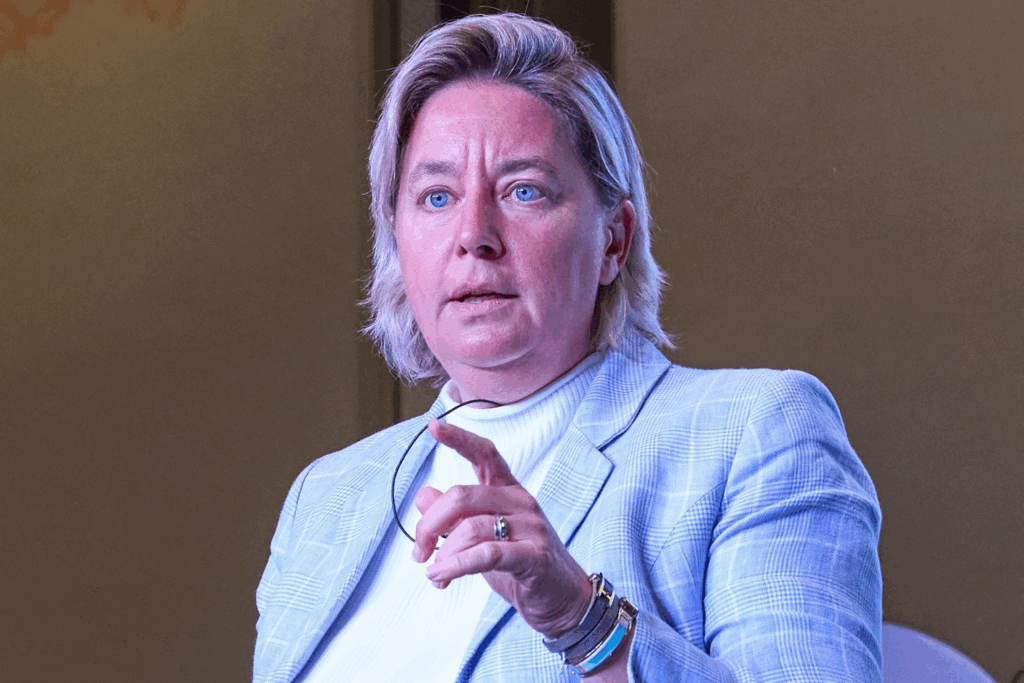
Liberty Caribbean working with Starlink Direct to Cell to provide service in Jamaica
In the wake of Hurricane Melissa’s devastating impact on Jamaica, Liberty Caribbean, the parent company of Flow Jamaica and Liberty Business, has taken proactive measures to ensure swift recovery and uninterrupted communication for its customers. Leveraging its partnership with Starlink Direct to Cell, Liberty Caribbean will utilize satellite technology to provide emergency connectivity in areas where terrestrial networks have been severely disrupted. This groundbreaking collaboration marks the first instance in Jamaica where a traditional telecom operator has teamed up with a satellite communications provider to deliver seamless mobile connectivity during crises. The initiative will enable essential SMS and text communications, ensuring that emergency services, businesses, and families can stay connected when local infrastructure fails. Inge Smidts, CEO of Liberty Caribbean, emphasized the critical importance of communication in disaster scenarios, stating, ‘Having the ability to communicate post-hurricane is a matter of life and death. Our FLOW Essential service will provide immediate basic connectivity.’ This innovative approach underscores Liberty Caribbean’s commitment to safeguarding Jamaicans, the economy, and the region’s shared future by integrating redundancy into its island-wide mobile network.
-
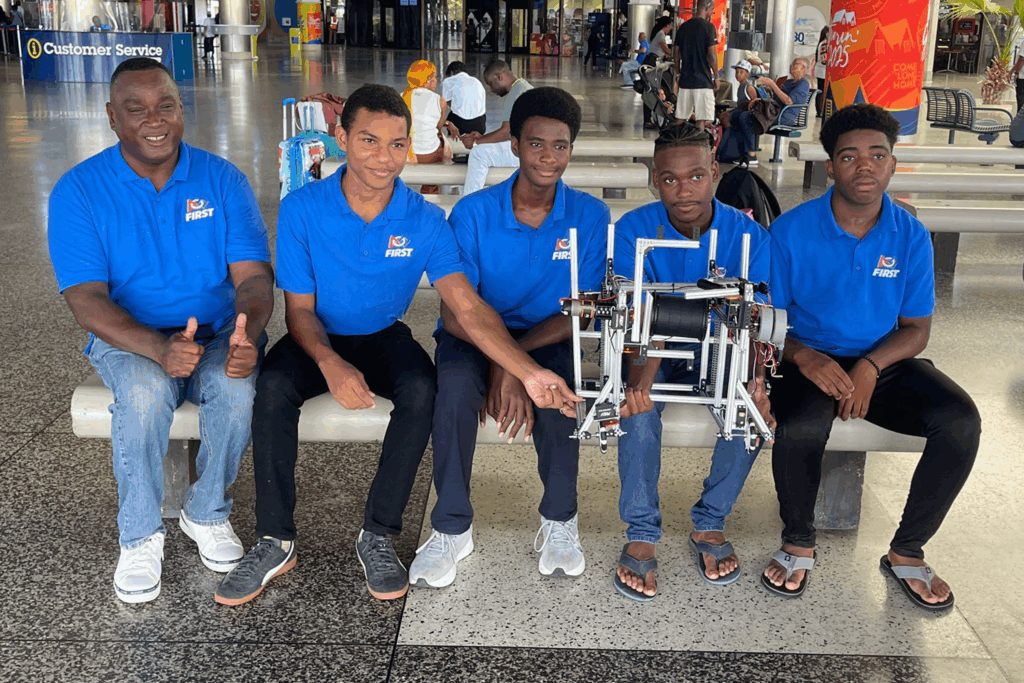
Team Barbados gears up for Global Robotics Challenge in Panama
Four talented young Barbadians are poised to showcase their ingenuity at the prestigious FIRST Global Robotics Challenge, an international STEM competition that mirrors the spirit of the Olympics. This year’s event, scheduled from October 29 to November 1 in Panama, will bring together high school students from across the globe to demonstrate their prowess in designing and programming robots capable of executing intricate tasks. Team Barbados, led by seasoned electronics and electrical technology teacher Matthew Douglas, has been diligently preparing for the challenge. Douglas, with over 25 years of experience and a passion for nurturing young innovators, praised the team’s exceptional time management and unwavering dedication. The competition will feature robots performing tasks such as collecting and shooting soccer balls into scoring zones, maneuvering larger balls into slots, and even climbing ropes—a true test of engineering precision and collaborative effort. Among the team members is Jean-Pierre Pilgrim, a 14-year-old prodigy from Queen’s College, who has already excelled academically in English, Mathematics, and Information Technology. Pilgrim, an avid computer and gaming enthusiast, expressed confidence in the team’s hard work and preparation. Makai Beckles-Lewis, a 15-year-old from Combermere School, is equally enthusiastic, looking forward to experiencing diverse cultures in Panama. Kurt Hazell, a 16-year-old athlete from the same school, shared his excitement and nervousness about his first international competition. Nathan Douglas, a 15-year-old from The Lodge School, is drawn to the mechanical aspects of robotics, while 13-year-old Christopher Smith from St. Winifred’s School is eager to learn from his older teammates. The team departed on Monday, ready to make their mark on the global stage.
-

Liberty Caribbean Working With Starlink Direct To Cell To Provide Emergency Service In Jamaica During Hurricane Disaster Aftermath
In a groundbreaking initiative, Liberty Caribbean, the operator of Flow Jamaica and Liberty Business, has announced a strategic partnership with Starlink Direct to Cell to ensure emergency connectivity for its customers in the aftermath of Hurricane Melissa. This collaboration, the first of its kind in Jamaica, leverages satellite technology to provide essential communication services when terrestrial networks are disrupted.
Hurricane Melissa has caused significant damage across Jamaica, and the ability to communicate in such critical times is paramount. Liberty Caribbean, in coordination with the Spectrum Management Authority and the Ministry of Energy, Transport, and Telecommunications, will utilize Starlink’s satellite constellation to deliver SMS and text communications directly to mobile devices in affected areas.
Inge Smidts, CEO of Liberty Caribbean, emphasized the importance of this innovation, stating, ‘We understand that communication during a disaster can be a matter of life and death. Our FLOW Essential service will provide immediate basic connectivity to those in need.’ This service ensures that emergency services, businesses, and families can stay connected even when local infrastructure is compromised.
Liberty Caribbean, a subsidiary of Liberty Latin America, has a long-standing presence in the Caribbean, offering broadband, mobile, video, and voice services through its consumer brands Flow and BTC. Its B2B division, Liberty Business, provides enterprise-grade connectivity, cloud, security, and data center solutions, supporting economic growth in the digital era.
Starlink Direct to Cell, with its constellation of over 650 low-Earth orbit satellites, is the world’s largest provider of 4G coverage in mobile dead zones. This technology enables seamless communication via existing LTE phones, acting as a cell tower in space. Starlink’s advanced phased array antennas and laser-based network integration ensure global connectivity, making it an ideal partner for emergency response efforts.
This partnership underscores Liberty Caribbean’s commitment to the Caribbean region and its dedication to safeguarding Jamaicans, the economy, and the shared future. By integrating satellite redundancy into its mobile network, Liberty Caribbean and Starlink are setting a new standard for disaster resilience and connectivity.
-
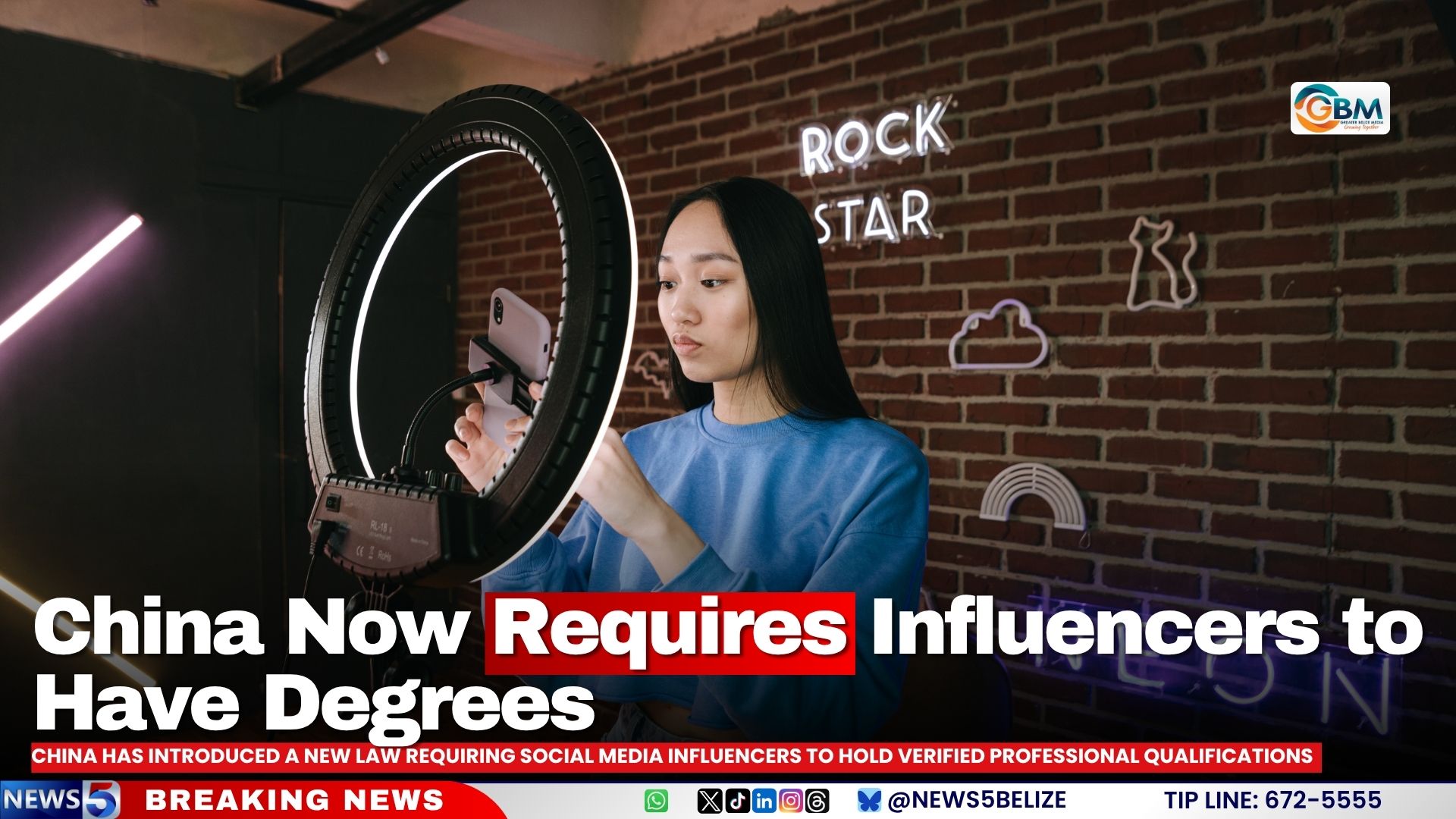
China Now Requires Influencers to Have Degrees
In a significant move to combat online misinformation, China has enacted a new regulation mandating that social media influencers possess verified professional qualifications to discuss specialized topics such as medicine, law, education, and finance. The law, enforced by the Cyberspace Administration of China (CAC), took effect on October 28, 2025, and has reportedly rendered up to 90% of influencers ineligible to continue their work. Influencers are now required to demonstrate expertise through recognized degrees, certifications, or licenses, while major platforms like Douyin, Bilibili, and Weibo are responsible for verifying these credentials. Additionally, content must include clear citations, disclaimers, and transparency about sources. While the CAC asserts that the regulation aims to enhance the accuracy and reliability of online information, critics argue that it may suppress free speech and restrict the diversity of voices sharing knowledge. Influencers, often valued for their relatability rather than formal qualifications, have become trusted sources on topics ranging from finance to mental health. The new law has sparked debate over the balance between curbing misinformation and preserving open discourse in the digital age.
-
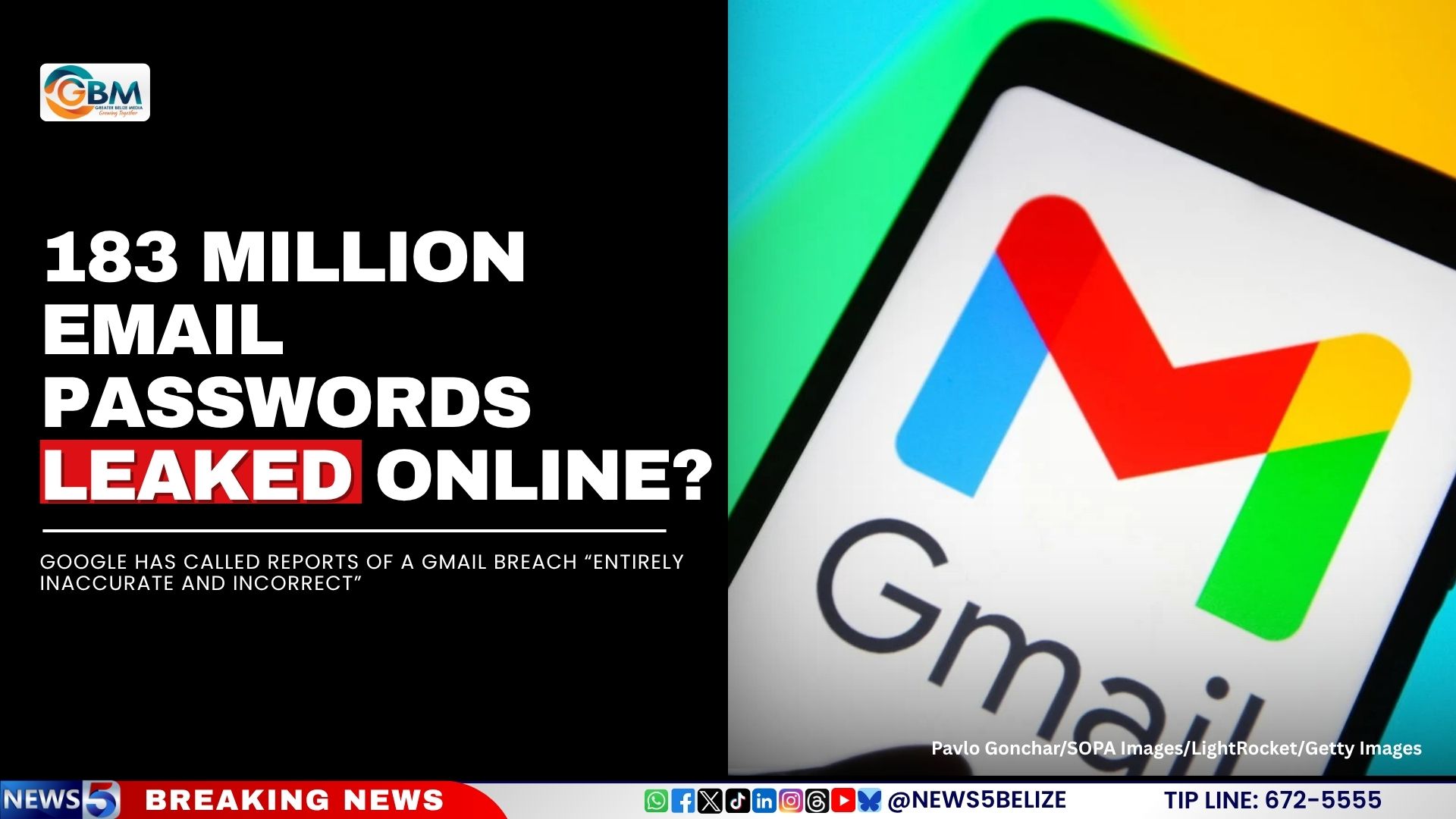
183 Million Email Passwords Leaked Online?
In a shocking cybersecurity incident, approximately 183 million email passwords have reportedly been leaked online, exposing users of major email services such as Gmail, Outlook, and Yahoo to significant risks. Security experts have labeled this as one of the largest password breaches in history, attributing much of the data theft to malware covertly installed on compromised devices. Despite widespread concerns, Google has vehemently denied claims of a Gmail breach, stating that the incident does not involve a hack of its systems but rather the theft of user credentials. The tech giant has advised users to enhance their security by enabling two-step verification and adopting passkeys. Cybersecurity researcher Troy Hunt revealed that the leak includes 16 million email addresses that had never appeared in previous breaches. The stolen data was primarily sourced from illicit online forums and Telegram channels, where hackers trade compromised login details. While Gmail itself remained secure, many users fell victim to malware on their personal devices, leading to password theft. Experts have issued stern warnings about the dangers of reused passwords, emphasizing that such practices can grant hackers access to sensitive accounts, including banking and social media profiles. To mitigate risks, users are urged to employ unique passwords for each account, utilize password managers, and ensure their antivirus software is up to date.
-
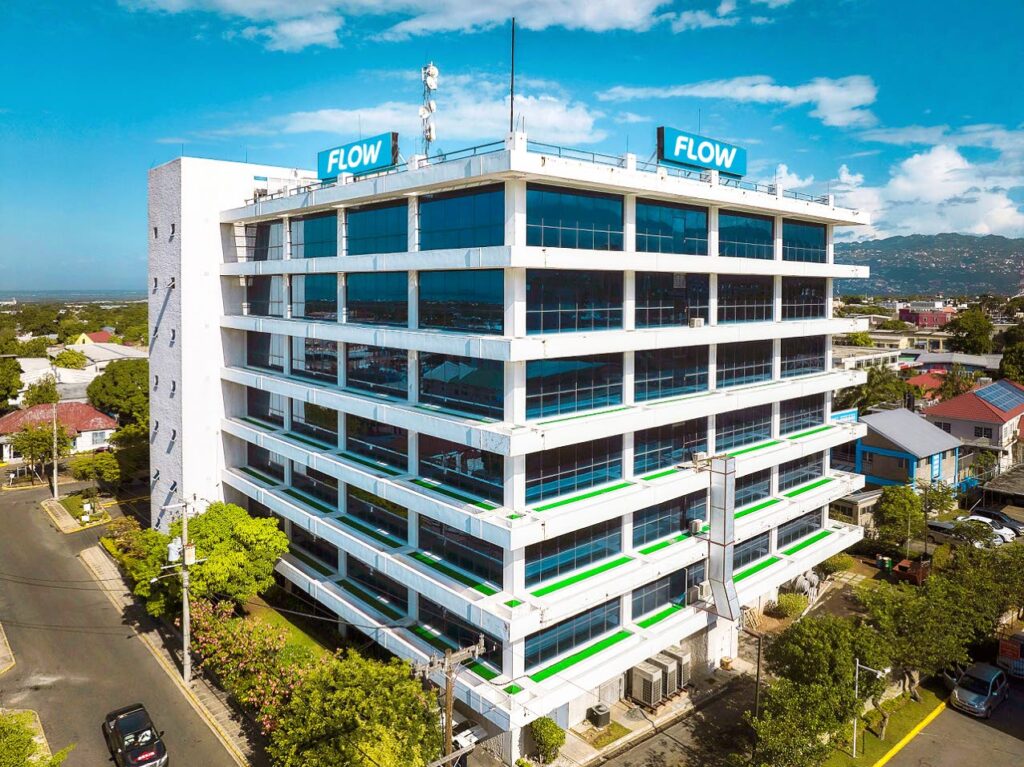
FLOW says mobile service remains stable for 70 per cent of its customers
KINGSTON, Jamaica—Flow Jamaica, a leading communications and entertainment provider, has announced that mobile services remain operational for approximately 70% of its customers despite ongoing disruptions in certain areas. These interruptions are attributed to power outages and other challenges affecting multiple parishes across the island. The company revealed that over 500 mobile sites were rendered offline following Hurricane Melissa, with seven critical sites completely destroyed. This has significantly impacted connectivity in key communities such as Manchioneal in Portland, Portmore in St Catherine, and Ironshore in St James. In response, Flow Jamaica is urging customers in the hardest-hit parishes—St Elizabeth, Westmoreland, Trelawny, and St James—to utilize its Flow Essential satellite emergency communications system. This service allows users to send text and SMS messages across any mobile network, even in areas where terrestrial mobile services are unavailable. Currently, over 67,000 customers are benefiting from the Starlink-enabled service, which is accessible to more than 70% of Flow’s mobile users. The company anticipates completing a full assessment of mobile site damage by the weekend, after which restoration efforts will commence. On the fixed network front, approximately 15-22% of home internet customers can access services, though this remains contingent on power availability for both individual homes and Flow’s internet nodes island-wide. Flow Jamaica is collaborating with Jamaica Public Service (JPS) to restore power to critical distribution sites. Additionally, Flow’s retail stores are set to reopen on Friday, with mobile retail outlets deployed to key areas. As part of its humanitarian response, the company will distribute free SIM cards, data, and phones to residents in severely affected communities. Customers experiencing service issues are encouraged to contact Flow’s customer service via WhatsApp at 876-620-2200. For emergencies, including downed service lines, the public can reach Flow’s emergency operations center (EOC) at 876-929-9834 / 9837.
-

Flow Jamaica expands emergency connectivity with Starlink
KINGSTON, Jamaica — Liberty Caribbean, the parent company of Flow Jamaica, has unveiled a groundbreaking emergency communication solution powered by Starlink’s satellite technology. This initiative aims to bolster network resilience across the island, ensuring uninterrupted connectivity for its users. The service, branded as “FLOW STARLINK,” is now accessible to 70% of Flow’s mobile data customers in Jamaica, marking a significant step forward in the region’s telecommunications infrastructure.
-
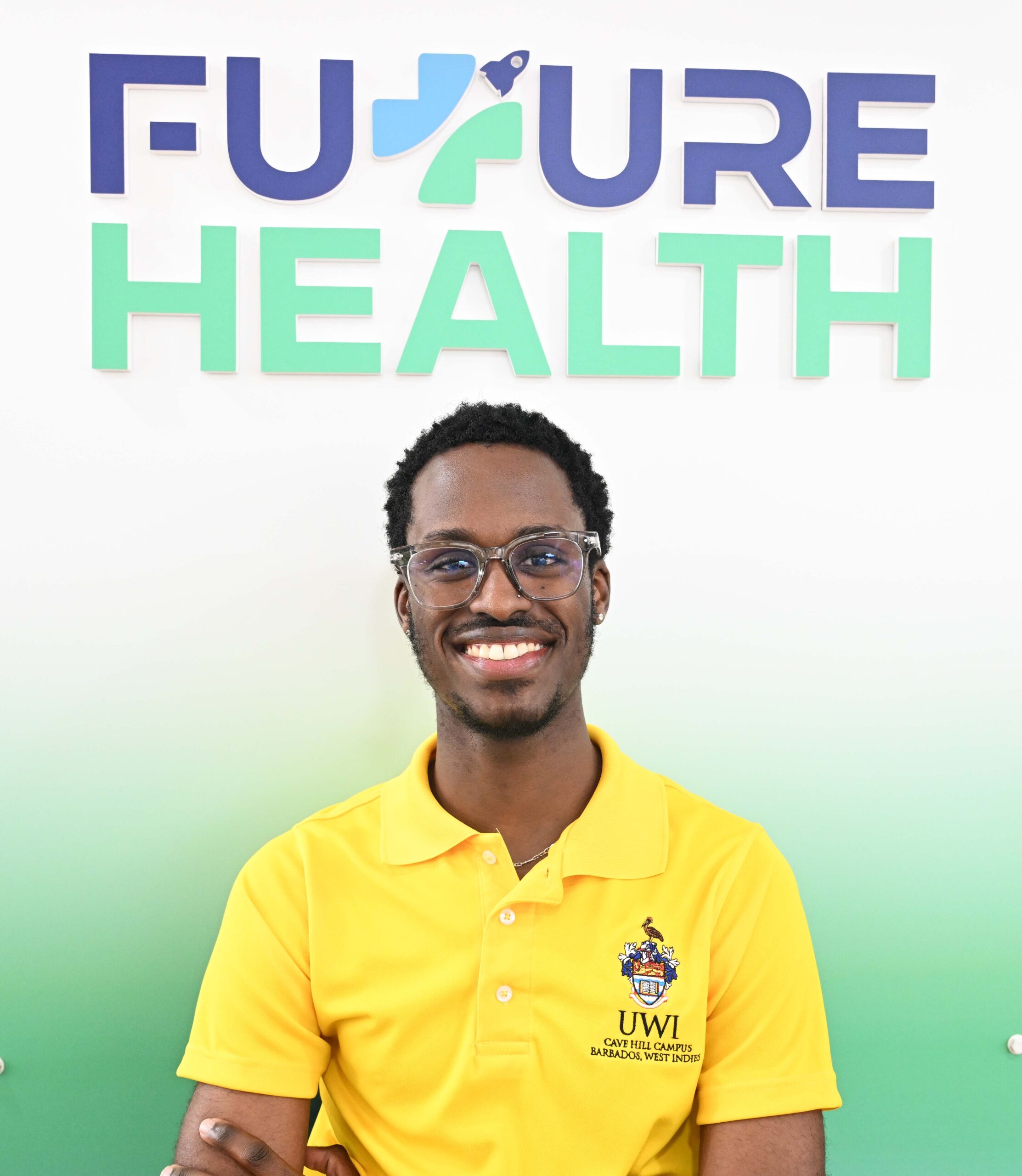
Rising stars shine in global health tech
Four ambitious students from the University of the West Indies (UWI) have embarked on a transformative journey into the future of healthcare, leveraging technology and innovation to position Barbados as a burgeoning hub for health tech advancements. The students—Daemon Dawson, Jahniqua Esdaille, Jaliea Lovell, and Tarika Birch—participated in the Health Tech Fellows Programme (HTFP), a groundbreaking initiative co-developed by FutureHEALTH and UWI. This program, supported by FutureBARBADOS and the IDB Lab, aimed to strengthen the health tech ecosystem in Barbados and the wider Caribbean. Over six weeks, the fellows gained hands-on experience at leading health technology companies in the UK and Europe, immersing themselves in digital health, artificial intelligence, medical devices, and health systems innovation. Dr. Kia Lewis, community activator for FutureHEALTH, emphasized the program’s mission to address the urgent need for health innovation in the region. ‘The initiative is designed to cultivate a pipeline of skilled professionals and establish a local health tech innovation culture with global partners,’ she explained. The students’ placements in Bristol, London, and Germany exposed them to international professionals and live projects, fostering both technical and professional growth. Dawson, who interned at Wanda Health in Bristol, described the experience as transformative, highlighting mentorship and exposure to cardiometabolic disease research. Birch, assigned to FluoretiQ, was inspired by the collaborative process of health tech development. Esdaille, working at NeuroVirt Limited in London, expanded her skills from back-end to full-stack development, while Lovell, placed in Germany, praised the inclusive and diverse culture of her host organization. Dr. Lewis noted that the fellows’ achievements underscore the potential of Caribbean talent in advancing health innovation. The program’s success reflects a growing collaboration between academia and industry, with plans to integrate health technology into UWI’s curriculum and create opportunities for knowledge transfer to local solutions.