
Chief Justice Ian Winder has issued a stark warning about the potential risks of artificial intelligence (AI) in judicial processes, emphasizing that technology must never compromise the integrity of justice. Speaking at the opening of the Industrial Tribunal’s legal year, Justice Winder acknowledged the benefits of digital tools in enhancing efficiency and transparency but stressed the need for robust safeguards to prevent misuse. He highlighted the importance of maintaining judicial fairness, particularly in cases involving self-represented litigants, where AI can serve as a valuable aid when used responsibly. Justice Winder urged the tribunal to adopt guidelines recently issued by the Supreme Court on the ethical use of AI, ensuring that technological advancements do not undermine thoroughness or public trust. Industrial Tribunal President Indira Demeritte-Francis announced the launch of an AI pilot project aimed at assisting with legal research, judgment formatting, and case management. This initiative is part of a broader modernization effort, with its effectiveness set to be evaluated in 2026. The move follows a recent directive from the Supreme Court, prompted by an incident where an attorney submitted AI-generated “fake cases” in support of a legal argument. The directive underscores the need for accountability in AI usage, requiring court users to disclose AI involvement in document preparation and ensure the accuracy of submissions. Justice Winder also cautioned against inputting sensitive or privileged information into unsecured AI platforms, as such data could be inadvertently shared with other users. He emphasized that while AI can aid judicial processes, its deployment must never erode confidence in the impartiality and fairness of the courts.
分类: technology
-

India advocates for human-centered technologies
During a session titled ‘A Fair and Equitable Future for All: Critical Minerals, Decent Work, and Artificial Intelligence,’ Indian Prime Minister Narendra Modi underscored the importance of making advanced technologies, particularly artificial intelligence (AI), globally accessible rather than confined to national boundaries. He advocated for open-source models over proprietary systems, emphasizing inclusivity and collaboration. Modi highlighted how India has embedded this vision into its technological ecosystem, yielding substantial advancements in space applications, AI, and digital payments, areas where India is a global leader. He stressed the need for equitable access, population training, and responsible deployment of these technologies. The Prime Minister also referenced the India-AI Mission, which aims to develop accessible high-performance computing capacity. Modi asserted that while AI should enhance human capabilities, ultimate decision-making must remain in human hands. He called for a shift in focus from ‘Jobs of Today’ to ‘Capabilities of Tomorrow’ and proposed the creation of a Global Framework for Talent Mobility in the coming years. Additionally, he extended an invitation to all G20 nations to attend the AI Impact Summit, themed ‘Sarvajanam Hitaya, Sarvajanam Sukhaya’ (Well-being for all, Happiness for all), scheduled for February 2026 in India. Concluding his address, Modi reaffirmed India’s commitment to global well-being, sustainable development, reliable trade, fair finance, and inclusive progress.
-

Politie administratie wordt volledig digitaal
The police force is preparing for a significant transformation as it transitions to a fully digital administrative system starting next year. During a presentation at the headquarters on Duisburglaan, leaders and staff were introduced to the plans for a paperless workflow. The session involved intensive brainstorming on practical implementation, including how secretariats will process, manage, and archive documents digitally, the technical requirements needed, and how employees will be supported during this transition. Automation aims not only to drastically reduce paper usage but also to enhance the accessibility, processing speed, and reliability of information. Participants were briefed on the benefits of digital processes, ranging from more efficient workflows to improved security and fewer administrative errors. The Public Relations department explained how the new methods will be gradually implemented and how the ICT department will provide support. A pilot project will commence in January 2026, involving all secretariats in the new paperless system. The results will be used to refine the system before its full rollout across the organization. This move towards a paperless administration marks a significant step in modernizing the police force’s internal processes and strengthening its professional operations.
-

Sagicor drive marks one year of safer roads and smarter driving across the Caribbean
Sagicor General Insurance Inc. (SGI) is commemorating the first anniversary of its groundbreaking telematics mobile application, Sagicor Drive. This innovative app, designed to foster safer driving practices and reward conscientious drivers, has been making waves across the Caribbean region. To celebrate this significant milestone, SGI organized a series of pop-up events in various markets, engaging with users and highlighting the app’s numerous benefits. These events have further amplified the app’s growing popularity and garnered overwhelmingly positive feedback. Currently operational in Barbados, Trinidad and Tobago, Antigua, and Saint Lucia, Sagicor Drive has already amassed over 500 users. The app employs advanced telematics technology to analyze driving behaviors, offering users valuable insights into their habits while incentivizing safer driving through rewards such as badges, vouchers, and policy renewal discounts. Over the past year, the SGI team has rolled out several updates to enhance the app’s functionality and user experience, making it more efficient and user-friendly. Andre Barrow, Assistant Vice President of Innovation and Business Systems at Sagicor General, shared optimistic insights based on the data collected. ‘The results are very encouraging. While we haven’t yet observed a reduction in accidents attributable to the app, we are hopeful that its continued use will promote better driving habits, ultimately leading to fewer claims for our clients,’ he stated. Sagicor Drive is a cornerstone of SGI’s digital innovation strategy, leveraging cutting-edge technology to elevate client experiences, improve road safety, and support communities through data-driven solutions.
-

LIVE: Choir Festival in honour of St. Cecilia 2025
In the ever-evolving landscape of digital communication, social media platforms have emerged as pivotal tools reshaping how individuals interact online. The integration of features like sharing, tweeting, pinning, and more has not only enhanced user engagement but also fostered a more interconnected digital ecosystem. These platforms, which include giants like Twitter, Facebook, and Pinterest, have become essential for both personal and professional communication. The ability to instantly share content across global networks has democratized information dissemination, allowing users to amplify their voices and reach broader audiences. Moreover, the continuous innovation in social media technology, such as the introduction of AI-driven algorithms and advanced analytics, has further personalized user experiences, making digital interactions more relevant and impactful. As these platforms continue to evolve, they are expected to play an even more significant role in shaping the future of digital communication, influencing everything from marketing strategies to social movements.
-
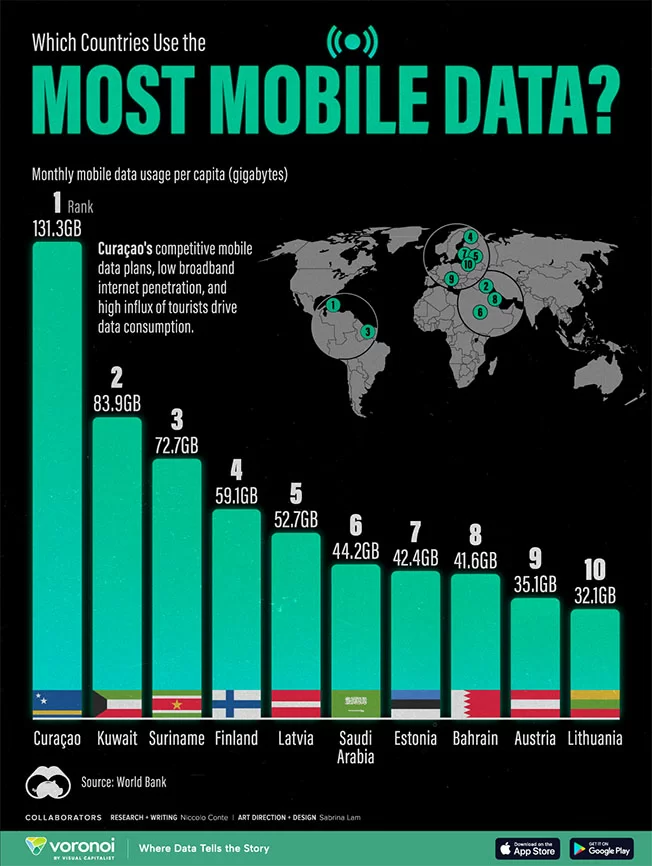
Telesur vergroot internetcapaciteit met Orange
Suriname’s telecommunications company Telesur has joined forces with French telecom giant Orange to significantly enhance internet capacity in the country. This move comes in response to Suriname’s exceptionally high mobile data consumption compared to the region, driven by the burgeoning oil and gas industry and the increasing reliance on online and mobile transactions. International platforms like Facebook and TikTok have already established local servers in Suriname, which are heavily utilized. On Wednesday, two memoranda of understanding were signed between Telesur and Orange at the Courtyard Marriott. The first agreement focuses on Telesur purchasing additional capacity from Orange to support the growing oil and gas sector. The second agreement extends the collaboration on the Marowijne River data cable for another decade and includes plans to install a second river cable in the same region. Telesur’s director, Doric Ramlakhan, highlighted the nationwide surge in internet traffic, with user numbers in rural areas quadrupling since the introduction of 4G/LTE. The fiber-optic project is 70% complete, with over 60,000 households still awaiting the transition from copper connections to fiber. Foreign platforms have set up local servers to ensure continued access to services like Facebook during network outages. Beyond entertainment, including online gaming and streaming, there is a growing demand for business-oriented online services. Telesur plans to focus more on mobile payment systems, which are expected to grow rapidly due to the oil and gas industry’s expansion and increased tourism. According to the World Bank, Suriname ranked third globally in 2024 for mobile data usage, with an average of 73 GB per person, trailing Curaçao (131 GB) and Kuwait (84 GB). China leads in the number of internet users (1.3 billion), followed by India (1 billion) and the United States (324 million).
-
Students Explore how unmanned drones are reshaping farm management
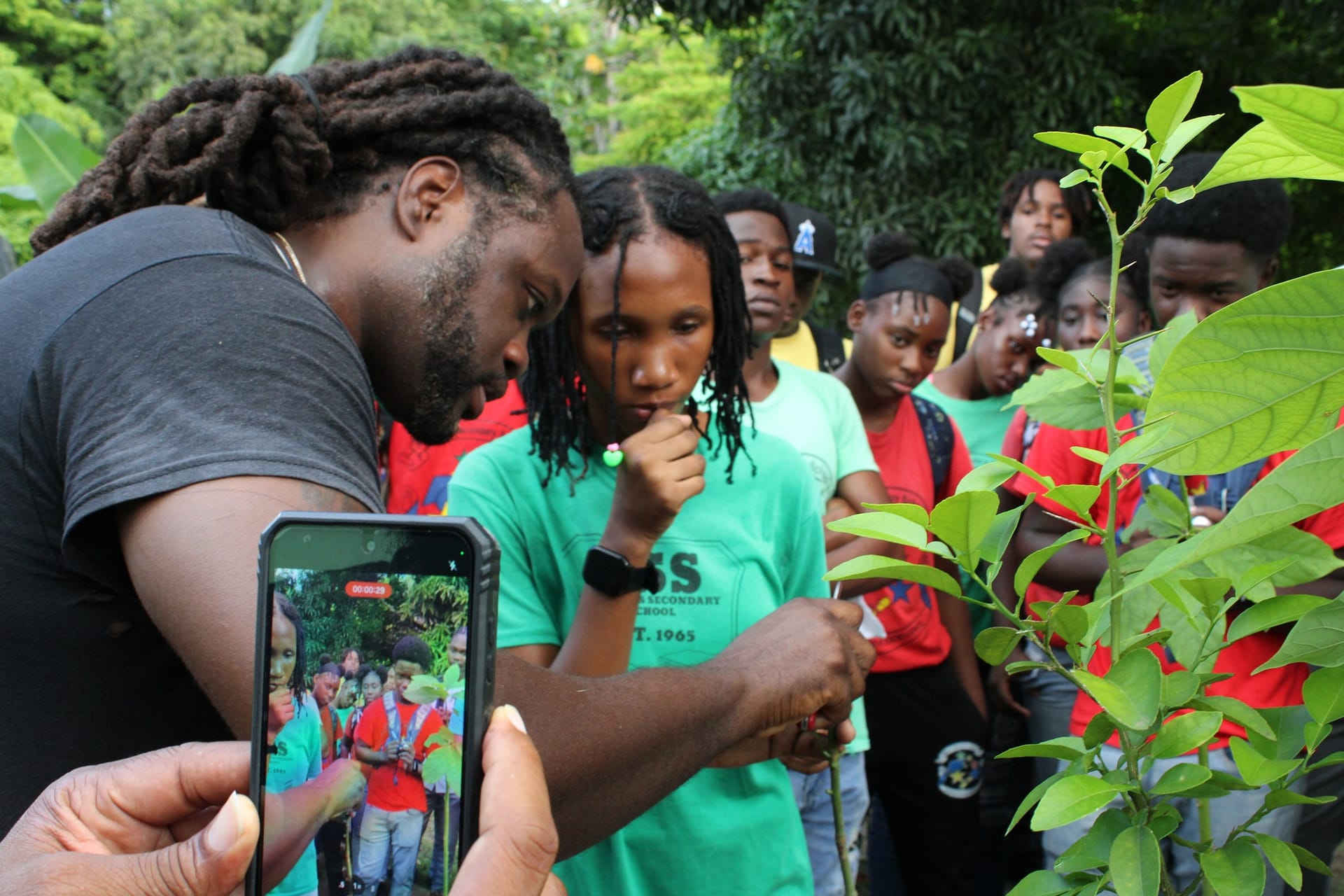
The third day of the CCRAF on the Road – MSB Project (Antigua & Barbuda Chapter) took place at the Greencastle Agricultural Station, where approximately 30 agricultural science students from Jennings Secondary, Antigua Grammar School (AGS), and St. Mary’s Secondary continued their exploration of cutting-edge agricultural practices. The day began with an engaging demonstration of drone technology led by Mr. Itejah Simmons. He showcased how unmanned aerial systems are revolutionizing farm management, covering topics such as aerial mapping, crop monitoring, identifying plant stress and disease hotspots, assessing water distribution, and using drones for rapid field diagnostics. The session emphasized how data collected from drones can enhance decision-making processes, offering students a glimpse into the future of precision farming, particularly in small-island contexts. The primary goal was to deepen students’ understanding of innovative agricultural applications that contribute to long-term food and nutrition security. In the afternoon, the focus shifted from high-tech to hands-on learning as students participated in a plant propagation workshop. Facilitated by Mr. Victor Harris, Station Manager, and Mr. Rennice Nicholas, Propagation Specialist, along with the Greencastle Agricultural Station staff, the workshop introduced students to essential plant propagation techniques. These included seed propagation, cuttings, air-layering, division, and the preparation of propagation media. Students practiced identifying suitable plant material, preparing cuttings correctly, and understanding the environmental conditions necessary for successful root development. The combination of digital agriculture (drones) and fundamental horticultural skills (propagation) provided students with a comprehensive understanding of how traditional knowledge and modern technology can work synergistically. By the end of the day, students had expanded their expertise in two critical areas of agriculture: precision technology and plant production fundamentals. The CCRAF initiative underscores the importance of integrating knowledge, practice, and innovation to cultivate the next generation of resilient agricultural leaders.
-
Belize Moves Boldly Toward Digital Transformation
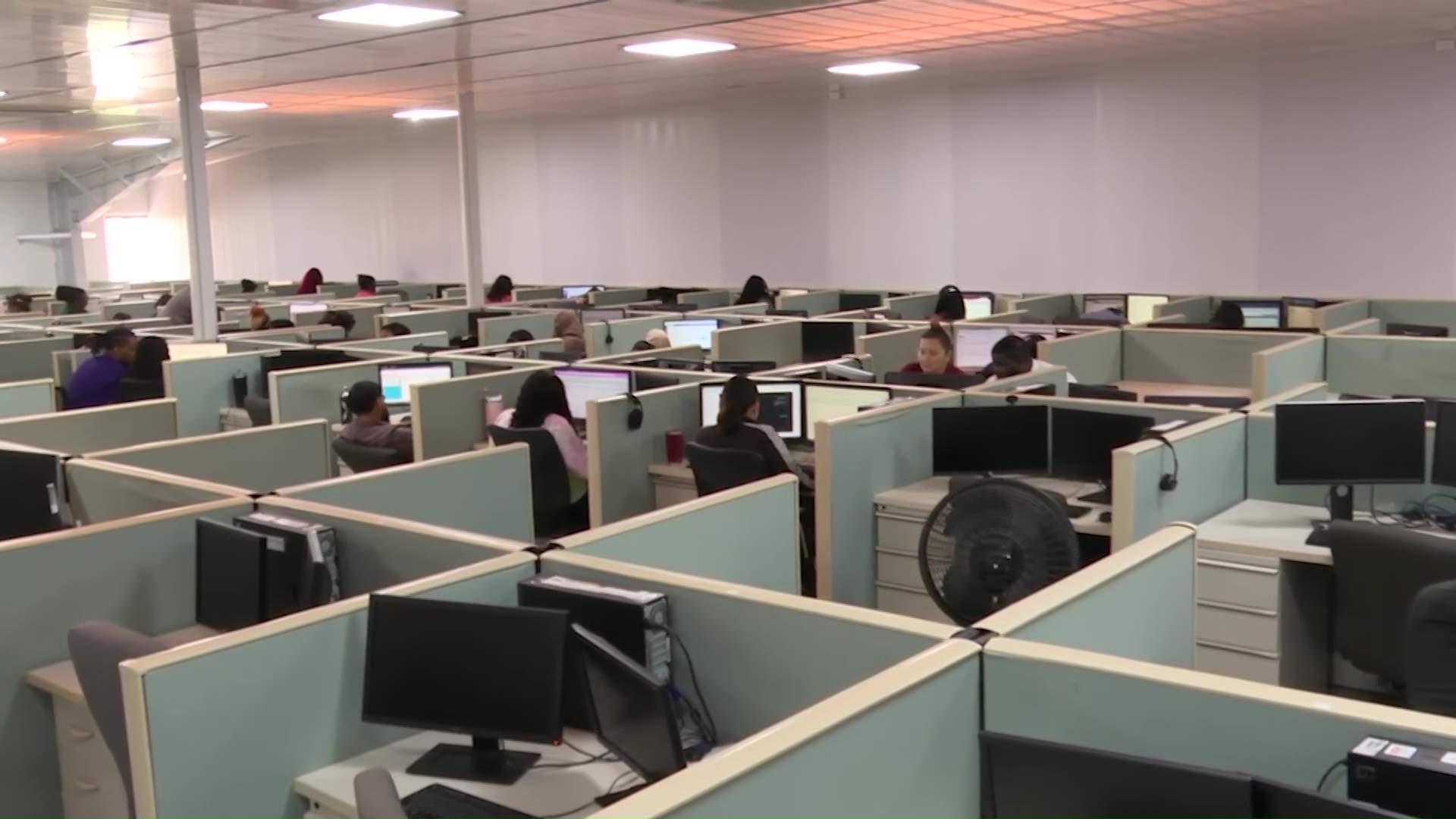
Belize is making significant strides in its digital transformation journey, aiming to transition from a traditional Business Process Outsourcing (BPO) hub to a competitive Global Digital Services center. With the BPO sector currently supporting nearly 20,000 jobs, the country is leveraging the Orange Economy to stay ahead in the rapidly evolving digital landscape. On November 20, 2025, government officials, industry leaders, and international partners convened for a high-level strategy workshop to outline Belize’s future in the global digital economy. Narda Garcia, CEO of the Office of the Prime Minister and Ministry of Investment, emphasized the urgency of this transformation, citing the dual threats of artificial intelligence (AI) and protectionist foreign policies. Garcia highlighted the need to view AI as a tool rather than a threat, advocating for skills diversification to ensure job security. Lincoln Blake, Director of the Investment Policy and Compliance Unit, echoed this sentiment, stressing the importance of training the workforce to master emerging technologies like AI and 3D printing. Consultant Luis Parrilla, leading the development of Belize’s Global Digital Strategy, outlined six key pillars: legal reform, incentive reform, education and capacity training, visibility and export, data governance, and interagency operability. The strategy aims to create a robust environment for sector growth, equipping the workforce with high-demand digital and soft skills. Victoria Tun, Vice-President of the BPO Association, acknowledged the challenges posed by AI but expressed optimism about the industry’s future, emphasizing the importance of upskilling employees. Belize’s five-year Global Digital Strategy reflects the government’s commitment to adapting to technological advancements and ensuring the workforce is prepared for the future.
-

Cybersecurity in times of digital transformation
Cuba has launched its 4th National Cybersecurity Conference today, a pivotal event running until November 30, 2025. This conference underscores the nation’s commitment to fostering a robust cybersecurity culture in an increasingly digitized world. The event will feature a series of activities, including educational talks in schools, universities, and workplaces, alongside a dedicated technology showcase aimed at raising awareness about cyber risks and promoting safe digital practices. The conference also pays homage to Fidel Castro’s vision, emphasizing the critical role of technology and education in safeguarding national sovereignty. Castro’s early initiatives, such as the introduction of computers in education and the establishment of the University of Information Sciences (UCI), laid the foundation for Cuba’s current cybersecurity efforts. The conference highlights the urgent need for cybersecurity measures, given the alarming global statistics: 500,000 cyberattacks occur every minute, 60% of fraud prevention companies detect breaches only after financial losses, and over 90% of attacks exploit human error. Additionally, 56% of experts predict that artificial intelligence will empower cyber attackers, exacerbating threats like phishing and fake news. Cuba’s National Cybersecurity Working Group, established in 2021, has been instrumental in strengthening the country’s defenses. The group has focused on monitoring cyber incidents, enhancing critical infrastructure, and developing national technologies such as toDus, Picta, and Transfermóvil. Looking ahead, Cuba plans to prioritize human resource development, expand cybersecurity education, and modernize its technological infrastructure. The conference also emphasizes the importance of national sovereignty in cyberspace, echoing President Miguel Díaz-Canel’s call for a unified, inclusive approach to internet integration. As Cuba continues its digital transformation, the conference serves as a critical platform for addressing emerging challenges and fostering a secure digital future.
-

Four arrested in US in scheme to smuggle AI chips to China
In a significant crackdown on illegal technology exports, the U.S. Department of Justice announced the arrest of two Chinese nationals and two Americans for allegedly orchestrating a scheme to illegally export cutting-edge Nvidia chips with AI applications to China. The individuals, identified as Cham Li, 38, and Jing Chen, 45, both Chinese citizens, alongside Americans Hon Ning Ho, 34, and Brian Raymond, 46, face charges of conspiring to violate the Export Control Reform Act (ECRA) and money laundering.