分类: sports

  • Tottenham Teen Blake Philogene-Bidace Called Up to Represent Antigua and Barbuda

    Tottenham Teen Blake Philogene-Bidace Called Up to Represent Antigua and Barbuda

    A promising young talent from Tottenham Hotspur’s youth development system has earned a prestigious international opportunity, as 16-year-old forward Blake Philogene-Bidace has received a national team call-up to represent Antigua and Barbuda at the upcoming CONCACAF Under-20 Championship hosted in Mexico.

    The teenage attacker will link up with his national side fresh off a standout individual performance for Tottenham’s Under-18 squad, where he netted two goals in a lopsided 5-0 preseason friendly win against Watford held at Tottenham’s state-of-the-art Hotspur Way training complex. The strong showing comes as no surprise to those who have followed Philogene-Bidace’s progression through the North London club’s ranks.

    Though born in England, Philogene-Bidace has been integrated into Tottenham’s academy setup since he joined the Under-15 age group, working his way up through the development pipeline to catch the eye of first-team coaching staff. Most notably, he earned inclusion in the first-team squad for the club’s high-profile preseason tour of Japan in 2024, a milestone that marked him as one of the academy’s most exciting emerging prospects. He also comes from a family with deep roots in top-flight football: his older brother, Jaden Philogene-Bidace, currently competes in the English Premier League, carrying on the family’s athletic legacy.

    For Philogene-Bidace, this call-up represents far more than a single tournament appearance. It gives the young striker a chance to showcase his skills on a respected regional international stage, against some of the top young talent from across North America, Central America, and the Caribbean. Beyond that, the CONCACAF Under-20 Championship itself serves as a critical qualifying pathway for the FIFA U-20 World Cup, meaning a strong run with Antigua and Barbuda could open even more doors for the young prospect’s burgeoning career.

  • COMMENTARY: Sir Garfield Sobers: The Life Innings That Made All Caribbean People Stand Tall.

    COMMENTARY: Sir Garfield Sobers: The Life Innings That Made All Caribbean People Stand Tall.

    On July 17, 2026, the Caribbean region and the global sporting community mourned the passing of The Right Excellent Sir Garfield St. Aubrun Sobers, OCC, Barbados’ National Hero and one of the most transformative figures in modern Caribbean history. While cricket fans across the world celebrate him as arguably the most complete all-round cricketer to ever step onto a pitch, his legacy stretches far beyond the boundary ropes, weaving deeply into the story of the Caribbean’s journey out of colonialism and into sovereign self-belief.

    Sir Garfield’s on-field statistical achievements remain staggering, even decades after he retired from international cricket. Across 93 Test matches played between 1954 and 1974, he accumulated 8,032 runs at an elite average of 57.78, notched 26 centuries, took 235 wickets, and held 109 catches. He set a new world record for the highest individual Test score at the time with an unbeaten 365 against Pakistan, and made history as the first first-class cricketer to hit six consecutive sixes in a single over. What made his career even more remarkable was his versatility: he excelled as a fast-medium bowler, a left-arm orthodox spinner, and a left-arm wrist spinner, all while maintaining his status as one of the game’s top batsmen. More than 50 years after hanging up his bat, he remains the global gold standard for all-round excellence in cricket.

    But to reduce Sir Garfield’s legacy to cricket statistics is to miss the profound historical role he played as the Caribbean emerged into independence. His international career grew alongside the birth of sovereign Caribbean nations: as visionary leaders from across the region drafted constitutions, raised new national flags, and built the institutions of independent governance, Sir Garfield was building something equally critical to the project of post-colonial nationhood: collective confidence.

    He was a core member of the Caribbean’s golden generation of cricketers, alongside icons including Sir Frank Worrell, Sir Everton Weekes, Sir Clyde Walcott, Conrad Hunte, Rohan Khai, Wes Hall, and Charlie Griffith. Together, they turned the West Indies cricket team into far more than a sporting side: it became a living symbol of a united Caribbean, a region of many nations bound by shared history, shared struggle, and shared ambition. When Sir Frank Worrell broke barriers as the first full-time Black captain of the West Indies, uniting players from across former colonial borders under a single common purpose, he laid a foundation that Sir Garfield would later elevate to unprecedented heights. Long before regional integration was formalized through the creation of CARICOM in 1973 and the Association of Caribbean States in 1994, West Indies cricket proved that the Caribbean could compete, think, and win as one collective people—a spirit that continues to animate regional institutions working toward economic integration, climate resilience, maritime cooperation, and a stronger global voice for the Caribbean today.

    Long before the Caribbean gained significant economic or geopolitical influence on the world stage, it claimed global respect through cultural influence, and Sir Garfield stood as one of the region’s earliest and most effective soft power ambassadors. He earned worldwide admiration not through military or economic force, but through unrivaled excellence, quiet humility, and exemplary sportsmanship. It was no accident that his rise to global fame aligned perfectly with the growth of Caribbean nationalism. When he scored runs and claimed victories against the former imperial power that had introduced cricket to the region, those achievements carried far more than sporting weight: for millions of West Indians, they became symbolic steps in a larger fight for justice, recognition, and repair for the harms of colonialism. Every century he scored restored a piece of collective dignity, every victory challenged long-held racist assumptions of colonial and racial superiority. These were not just marks on a scoreboard; they were symbols of a people reclaiming their confidence.

    Long before reparatory justice became a formal pillar of Caribbean diplomacy, West Indies cricket and Sir Garfield’s leadership helped recover something even more priceless: the self-belief, pride, and dignity of a people. Political independence transferred constitutional power from colonial rulers to local governments, but psychological decolonization required restoring faith in the potential of Caribbean people—and Sir Garfield helped lead that work. He gave generations of Caribbean children the courage to believe they could equal, and even surpass, the nations that once governed them. This is not to say Sir Garfield intentionally framed every innings as a political statement; rather, the context of history invested his performances with profound meaning. Cricket, imported by the British Empire as a tool of colonial socialization, was mastered by the descendants of enslaved and colonized people, and transformed into one of the Caribbean’s most powerful instruments of psychological liberation. As the iconic Trinidadian historian C.L.R. James once wrote, “What do they know of cricket who only cricket know?”—and Sir Garfield’s life stands as one of the clearest illustrations of that timeless truth.

    Sir Garfield’s character was forged by personal hardship long before he found international fame. His father died at sea during World War II when he was still a child, and he was raised in modest circumstances by his mother Thelma, who instilled in him resilience, humility, and perseverance from a young age. A second devastating personal loss shaped his life: in 1959, his close friend and West Indies teammate Collie Smith died in a car accident in England that Sir Garfield survived. Rather than letting grief break him, he turned that tragedy into a renewed sense of purpose, carrying himself with a quiet maturity and dignity that earned admiration across the global cricketing community.

    His life became a powerful affirmation of the Black Caribbean experience: one defined not by victimhood, but by resilience; not trapped by the traumas of history, but strengthened by them; not diminished by adversity, but elevated through relentless excellence. Just as Martin Luther King Jr. advanced the cause of human dignity through moral leadership and nonviolent resistance, Sir Garfield demonstrated on the cricket field that excellence itself could challenge long-held harmful assumptions about race, human worth, and potential. He proved that excellence could be a form of diplomacy: without ever speaking at the United Nations, negotiating treaties, or holding political office, he changed how the world saw the Caribbean, and more importantly, how Caribbean people saw themselves. His achievements became a global passport for regional respect, proving that a small archipelago of developing nations could produce a standard of excellence that the entire world would unreservedly acknowledge.

    Today, the Caribbean faces a new set of challenges: building climate resilience, advancing technological innovation, securing food and energy sovereignty, expanding maritime cooperation, empowering youth, growing the blue economy, and advancing reparatory justice top the regional agenda. These goals demand the same spirit of confidence, collective purpose, and imagination that Sir Garfield inspired throughout his lifetime. His legacy, therefore, stretches far beyond cricket: it is a blueprint for regional development, holding that individual excellence reaches its highest purpose when it lifts collective dignity, and personal achievement gains its deepest meaning when it advances the progress of an entire people.

    It was deeply fitting that Antigua and Barbuda ordered its national flags to be lowered to half-mast in his honor. Though Sir Garfield was born a citizen of Barbados, he belonged to the entire Caribbean by destiny. His achievements are part of the common inheritance of every Caribbean citizen. Future generations will rightly remember him as cricket’s greatest all-rounder. But history will remember him for something far greater: at the defining moment of the Caribbean’s journey from colonial dependency to sovereign confidence, he became one of the most powerful embodiments of the region’s emerging self-belief. His bat scored runs, but his life restored dignity. His wickets won matches, but his example inspired generations of confidence. Long after the final applause for his career fades, the Caribbean will continue to draw strength from the extraordinary innings he played on behalf of all of us.

  • Spain win the World Cup, beating Argentina 1-0 on Ferran Torres’ extra-time goal

    Spain win the World Cup, beating Argentina 1-0 on Ferran Torres’ extra-time goal

    EAST RUTHERFORD, N.J. – Soccer history was written on Sunday, as Spain claimed its second men’s FIFA World Cup title with a dramatic 1-0 extra-time victory over defending champion Argentina, ending Lionel Messi’s bid for a second straight crown in what he has signaled was his final World Cup appearance.

    The decisive moment came in the 106th minute, when second-half substitute Ferran Torres, netting his first goal of the entire tournament, latched onto a loose bouncing ball inside the Argentina penalty area. The forward fired a clinical left-footed strike that nestled just under the crossbar, securing what he calls the most important goal of his career.

    Reflecting on the winning strike after the final whistle, Torres framed the achievement as a collective win for his entire nation, saying: “It was a goal scored by 47 million people” — a nod to Spain’s total population. Beyond the individual moment, the result was a testament to Spain’s tournament-long defensive masterclass that held firm one last time after Torres’ go-ahead goal.

    Across eight matches on their road to the trophy, Spain’s backline conceded just a single goal, setting a new World Cup record for the fewest goals allowed by any men’s tournament champion. This title marks Spain’s second men’s World Cup crown, following its 2010 win in South Africa.

    At 65 years old, Spanish head coach Luis de la Fuente also made history, becoming the oldest manager ever to lift the World Cup trophy. Speaking after the win, he expressed overwhelming pride in his squad’s effort. “Accompanying them on this journey is an honour,” de la Fuente said.

    The men’s title completes a groundbreaking milestone for Spanish soccer: paired with Spain’s 2023 FIFA Women’s World Cup victory, the nation is now the first in history to hold both the men’s and women’s World Cup titles at the same time.

    For Argentina and Messi, the result brought heartbreak. The Argentine captain, who was visibly emotional after accepting his runner-up medal and was seen tearfully gazing at sections of the stadium packed with Argentina supporters, acknowledged his side gave everything despite the loss. “I feel sad,” Messi said. “But I am aware that we played our hearts out.”

    Alongside the trophy and championship rings, the 2024 World Cup champion will take home $51 million in prize money, per FIFA’s official prize structure. Runners-up Argentina will earn $34 million, while third-place England receives $30 million and fourth-place France takes home $28 million. Each quarter-finalist that finished between fifth and eighth place in the tournament will claim $20 million in prize money.

    Individual awards were spread across top performers after the final. France’s Kylian Mbappé claimed the Golden Boot as the tournament’s top scorer, finishing with 10 goals — one ahead of Messi, who was held scoreless in the final. Mbappé also broke the all-time World Cup career scoring record, now holding 22 total goals across his tournament appearances, one more than Messi’s 21.

    Spanish players dominated the remaining individual honours. Captain Rodri took home the Golden Ball, awarded to the tournament’s best overall player. Unai Simón claimed the Golden Glove for his standout performances in goal throughout the competition, while 19-year-old Pau Cubarsí won the Best Young Player Award, beating out his fellow 19-year-old Spanish teammate Lamine Yamal for the honor.

  • Spain edge Argentina in extra time to claim second FIFA World Cup title

    Spain edge Argentina in extra time to claim second FIFA World Cup title

    The 2026 FIFA World Cup, a historic edition marking the first tournament with an expanded 48-team field and co-hosted across the United States, Canada and Mexico, wrapped up in dramatic fashion on Sunday, as Spain secured its second ever World Cup title with a tense 1-0 extra-time victory over defending champions Argentina.

    After five weeks of high-stakes football, packed stadiums, sizzling summer heat and scattered on-field controversies, the tournament’s showpiece final delivered all the tension and drama fans expected. Played out in front of a sell-out crowd at New Jersey’s MetLife Stadium, the match stayed deadlocked through 90 minutes of regular play, with Spain controlling most of the possession and creating repeated scoring chances only to be turned away again and again by Argentina’s star goalkeeper Emiliano Martínez, who turned in a man-of-the-match performance despite his side’s eventual loss.

    The game’s turning point came late in regulation, when Argentina’s star midfielder Enzo Fernández received a second yellow card for a hard tackle, reducing the defending champions to 10 men heading into extra time. Still, Argentina held on until the 106th minute, when a well-crafted Spanish attack broke the deadlock: Nico Williams redirected Pedro Porro’s cross into the high-risk area just 12 yards from goal, setting up Ferran Torres for a clinical first-time finish that slammed into the top corner of the net, beyond the reach of Martínez.

    Despite being a man down, Lionel Scaloni’s Argentina side fought valiantly for the remainder of extra time, pushing for an equalizer that would force penalties, but could not find the breakthrough. When the final whistle blew, Spain’s players and fans erupted in celebration, capping off a nearly flawless tournament run that saw the side concede just one single goal across all their matches, an achievement unmatched by any competitor in the 2026 event.

    The New Jersey stadium played host to more than just fans on Sunday: the capacity crowd included A-list celebrities, legendary former football players, and sitting U.S. President Donald Trump, all in attendance to witness the historic final. Millions more fans watched from hundreds of public watch parties across the three host nations and in football-crazed countries across the globe, bringing the dramatic conclusion to a global audience.

    Spain’s first World Cup title came in South Africa in 2010, and Sunday’s win adds a second crown to the nation’s storied football history. The squad is expected to receive a jubilant hero’s welcome upon their return to Madrid this week, as the country celebrates one of the greatest campaigns in its modern football legacy. For Argentina, the defeat brings a disappointing end to what had been a strong title defense, but the side will quickly shift focus to upcoming international qualifiers and begin preparation for the next cycle of global tournaments, set to culminate in the 2030 FIFA World Cup.

  • Derde helft WK 2026: Spanje neemt de wereldkroon over, Messi verlaat WK-podium als verslagen grootheid

    Derde helft WK 2026: Spanje neemt de wereldkroon over, Messi verlaat WK-podium als verslagen grootheid

    The largest FIFA World Cup in history drew to a close on Sunday, capped by Spanish captain lifting the golden trophy high above his head, with gold medals awarded to both finalists by United States President Donald Trump. After a month of thrilling matches hosted across three North American nations — the United States, Canada, and Mexico — Spain claimed global football’s highest honor, defeating defending champions Argentina 1-0 in extra time to secure their second World Cup title. The historic win also gives Spain a unique double: it remains both the reigning European and World champion. The decisive goal came in the 106th minute, with substitute Ferran Torres slotting home the match-winner that broke Argentina’s stubborn resistance.

    This 2026 tournament made history as the first World Cup co-hosted by three countries, and its closing ceremony delivered a fitting conclusion to the month-long global spectacle. As fireworks illuminated the stadium sky and tens of thousands of fans cheered in celebration, President Donald Trump joined FIFA President Gianni Infantino to hand out medals to both squads. When the Spanish captain stepped forward to lift the World Cup trophy to the roar of the crowd, it marked a new iconic chapter in the long history of Spanish national football, known across the globe as La Roja.

    The final’s road to that trophy lift extended 120 total minutes of tight, tactical play. For Argentina, the second-place finish ends its reign as world champions, and the final will likely go down as Lionel Messi’s last World Cup match, leaving the legend one short of a dream back-to-back world title.

    FIFA built far more than just a football match for the 2026 final, launching an extensive multi-part entertainment extravaganza that began long before the opening kickoff. The pre-match ceremony brought together A-list musical artists, global football legends, and Hollywood stars for a star-studded performance. Jennifer Hudson, Robbie Williams, and Nicole Scherzinger all took the stage, as the tournament trophy was formally presented to fans. The combination of elaborate pre-match festivities and heightened security protocols pushed kickoff a few minutes behind the original schedule. History was also made during the halftime break, as the 2026 final became the first World Cup final to feature a full-scale halftime show. Madonna opened the performance, joined in attendance by Brazilian football icons Ronaldo and Ronaldinho, followed by sets from global superstars including BTS, Justin Bieber, Shakira, and Burna Boy. The lineup also included celebrated Venezuelan conductor Gustavo Dudamel and beloved characters from *The Muppets*, cementing the event’s status as a global cross-cultural celebration.

    This massive production showcased how far the World Cup has evolved from a simple 16-team football tournament to a massive global media and entertainment enterprise. Yet despite all the star power on display, the defining moment of the night came not from a celebrity or politician, but from a Spanish substitute who found himself in the right place at the right time to score the winning goal.

    The match itself was far more subdued and tactical than the glitzy ceremonies surrounding it. Spain took control of possession from the opening whistle, using sustained ball retention, fluid positional rotations, and high pressing to force Argentina deep into its own half. Argentina defended in a compact block, looked to win physical duels, and leaned on the experience of its veteran core and spectacular saves from goalkeeper Emiliano Martínez. Martínez emerged as one of the match’s standout players, recording 10 saves — a new record for a World Cup final, per Fox Sports analysis — that kept Argentina in the game long enough to force extra time. But Spain kept pressing, and finished the entire tournament without conceding a single goal across seven matches, a remarkable defensive achievement.

    Argentina’s task grew even more difficult just before the end of regulation, when Enzo Fernández picked up his second yellow card for a foul on Pau Cubarsí, leaving the defending champions to play the entire extra period with just 10 men. The decisive moment came six minutes into extra time: Nico Williams played a perfectly timed pass to Ferran Torres, who finished the chance with one smooth movement. After more than 100 minutes of constant Spanish pressure, Argentina’s resistance finally broke. The defending champions pushed hard for an equalizer in the final minutes of extra time, but Spain’s defense held firm to protect the narrow lead.

    When the final whistle blew, exhausted Argentinian players collapsed on the pitch, while Spanish players, substitutes, and coaching staff rushed onto the field to celebrate together. The title was decided by a single goal, but the victory was the product of a cohesive Spanish side that grew stronger, more confident, and more dominant with every match across the tournament.

    The 2026 World Cup title confirms Spain’s return to the absolute pinnacle of global football. Sixteen years after Spain won its first World Cup in 2010 — also a 1-0 extra-time win — La Roja has once again claimed global football’s top prize. This success caps off an unprecedented run of dominance for Spanish football: Spain won the UEFA Nations League in 2023, claimed the European Championship title in 2024, and took home Olympic gold in men’s football that same year. Under head coach Luis de la Fuente, this young Spanish side has completed that incredible run to become the simultaneous holder of the European and World crowns.

    The title also proves that Spain is no longer dependent on the iconic generation of Xavi, Andrés Iniesta, Sergio Busquets, and Iker Casillas that defined 2010’s win. A new young cohort has written its own place in Spanish football history: players like Lamine Yamal, Nico Williams, Pedri, Pau Cubarsí, and Ferran Torres represent a new era that combines Spain’s traditional technical quality with modern speed, aggressive pressing, and tactical discipline. Spain’s run through the knockout stage further underlined the legitimacy of their title: they defeated Austria, Portugal, Belgium, and France in sequence before overcoming Argentina, with controlled, dominant performances across every knockout round that made clear the title was no one-match fluke.

    For Argentina, the loss ends an extraordinary reign as defending world champions. Head coach Lionel Scaloni’s side traveled to North America with a chance to make history as the first nation to win back-to-back World Cup titles since Brazil in 1962. That historic achievement fell just one match short, but Argentina can hardly be labeled a failure. The side reached its second consecutive World Cup final, confirming its place among the global elite. Before the final, Argentina had scored 19 goals, the highest total for any team at a single World Cup since Brazil’s legendary 1970 side also hit 19 goals.

    Argentina’s road to the final was far from easy: the side defeated Cape Verde, Egypt, Switzerland, and England in the knockout stage. While the side did not always play at its best, it carried the same match-hardened mentality, veteran experience, and mental strength that carried it to the 2022 World Cup title in Qatar. But against Spain, Argentina could never find its usual attacking rhythm. Pushed deep into its own half, reduced to 10 men, Argentina ultimately could not overcome a Spanish side that controlled more possession and created more high-quality chances. Even in defeat, reaching two consecutive World Cup finals is a rare achievement that only a handful of national teams have managed in the entire history of the tournament.

    Unsurprisingly, all post-match attention turned to Argentine captain Lionel Messi. The 39-year-old legend stepped onto the World Cup final pitch for the third time in his career, and his second consecutive final. Leading into the match, the game was framed as a generational clash between Messi, the greatest player of his era, and 16-year-old Spanish phenom Lamine Yamal, one of the most promising young talents the sport has ever seen. Before the final, Messi had scored eight goals and notched four assists, playing a central role in Argentina’s run to the final.

    But in the match, Spain successfully limited Messi’s impact, using a collective zonal marking approach that closed down all space around him rather than assigning one permanent marker. Messi dropped deep into midfield to try to find openings, but Argentina rarely could get him into a position to create a decisive chance. In the final minutes of extra time, he tried to drag his side forward one last time, but the equalizer never came. After the final whistle, Messi stood on the World Cup final podium once again, but this time he did not step forward to lift the trophy. While he has not formally confirmed that this was his final World Cup match, the next tournament in 2030 will come when Messi is 43 years old, giving the night an unspoken air of farewell even without an official announcement.

    The defeat does little to shift Messi’s standing as one of the greatest players in football history. He already holds the 2022 World Cup title, multiple other international honors with Argentina, and a club career that cements his legacy. But the image of this final will differ from Qatar: instead of Messi lifting the trophy above his head in celebration, it will be Messi watching from close range as a new champion is crowned.

    The 2026 World Cup was the first expanded tournament to feature 48 teams, hosted across three North American nations. The expansion led to 104 total matches for the first time in tournament history, with a 32-team knockout stage. FIFA has called the new expanded format a major success, but the larger tournament has also sparked ongoing debate over fixture length, physical and mental load on players, and the growing commercialization of the global event.

    Across the month, the tournament delivered stunning upsets, early eliminations of traditional powerhouses, and breakthrough performances from smaller nations. Traditional giants proved far from unbeatable: Brazil was knocked out by Norway, Germany fell to Paraguay on penalties, and Morocco reached the quarterfinals for the second consecutive tournament. France finished third after a high-scoring match against England. But above all the storylines of the 2026 World Cup, the defining narrative will always be Spain’s historic triumph: La Roja entered the tournament as European champions, and left as the undisputed champions of the world.

  • Spain are FIFA World Cup 2026 cham[pions

    Spain are FIFA World Cup 2026 cham[pions

    The 2026 FIFA World Cup has crowned its new king, with Spain claiming the sport’s biggest international prize for the second time in its history after edging out defending champions Argentina 1-0 in a tense, extra-time final at New Jersey’s MetLife Stadium in East Rutherford.

    The game-winning moment arrived in the 105th minute of play, when a clever header from Nico Williams landed perfectly into the run of Ferran Torres. The Spanish forward kept his composure under massive pressure, slotting the ball past Argentina’s standout goalkeeper Emiliano Martínez to decide a contest that had kept fans on the edge of their seats for 90 minutes.

    Throughout regulation time, both sides traded dangerous scoring chances, but neither could find a way past two inspired goalkeeping performances. Spain’s Unai Simón and Argentina’s Martínez repeatedly pulled off spectacular stops to keep the game locked at 0-0, setting the stage for Torres’ late title-clinching finish.

    Sunday’s victory caps an extraordinary, undefeated run for manager Luis de la Fuente’s young Spanish side, and adds the 2026 World Cup trophy to their UEFA Euro 2024 crown. This makes Spain only the latest men’s national team to pull off the coveted back-to-back European Championship and World Cup double, and marks their first World Cup triumph since their legendary 2010 win in South Africa. The result firmly cements La Roja’s return to the very peak of global men’s football, confirming their status as the current dominant force in the international game.

    For Argentina, the devastating defeat brings an end to their historic bid to become the first men’s national team since Brazil in 1962 to successfully defend a World Cup title. It also spells a heartbreaking end to Lionel Messi’s long-awaited pursuit of a second World Cup winners’ medal, a goal that fell just one game short for the Argentine icon.

    Meanwhile, Spain’s emerging new generation of talent has written itself into football folklore with a disciplined, poised, and widely acknowledged title-winning performance that one fans can celebrate as deserved.

  • Derde helft WK 2026: Spanje WK kampioen na 1 – 0 winst in finale tegen Argentinië

    Derde helft WK 2026: Spanje WK kampioen na 1 – 0 winst in finale tegen Argentinië

    On the evening of July 19, 2026, Spain etched its name into international football history once again, capturing its second men’s World Cup crown after a tense 1-0 extra-time victory over defending champion Argentina at the 2026 FIFA World Cup final. The decisive moment came in the 106th minute, when substitute Ferran Torres calmly slotted home a cross from winger Nico Williams to break the deadlock and secure La Roja’s historic win.

    For most of 90 minutes of regular play, the final looked set to be decided by a penalty shootout, with both sides battling for every inch of pitch control. Spain dominated possession and territorial advantage from the opening whistle, pinning Argentina back in their own half for large stretches of the game and limiting the defending champions to barely any attacking opportunities. The Spanish side created a string of clear chances, including one goal that was ruled out by VAR, but they remained patient and stuck to their signature possession-based combination play even as frustration grew.

    Argentina was kept in the match by a string of outstanding saves from goalkeeper Emiliano Martínez, who repeatedly denied Spanish attackers to keep the scoreline level going into extra time. The game took a critical turning point shortly after the start of extra time, when Argentina midfielder Enzo Fernández was shown a red card, leaving Lionel Scaloni’s side down to 10 men. The numerical advantage gave Spain even greater control of the game, and it was only a matter of time before their persistent pressure paid off with Torres’ winning strike.

    The final was framed in the lead-up as a symbolic clash between two eras of world football. On one side was 39-year-old Argentine captain Lionel Messi, who led his nation to their long-awaited third World Cup title in 2022 and guided them back to another final four years later. On the other was Spain’s exciting young core, featuring breakout stars like Lamine Yamal, Pedri, Nico Williams and Ferran Torres – a group widely viewed as the future of men’s international football. In the end, Spain’s cohesive collective strength proved too much for Argentina, which had relied on individual magic to get through tough knockout matches against Switzerland and England to reach the final.

    The World Cup triumph caps off a remarkable era for Spanish men’s football, adding the global crown to the European Championship title they won in recent years, cementing their status as the dominant force in international football today. Throughout the 2026 tournament, La Roja blended sharp positional play, high-intensity pressing and a rock-solid defensive structure that few opponents could disrupt. They knocked out elite sides including Portugal, Belgium and France en route to the final, proving their quality against the world’s best.

    For Spanish football, this title is far more than just another trophy. It marks the successful completion of the national team’s rebuild following the retirement of the golden generation that included Andrés Iniesta, Xavi Hernández and Iker Casillas, who led Spain to their first ever World Cup title in South Africa 16 years ago. The image of Ferran Torres sprinting towards the Spanish fans in celebration after his winning goal will long be remembered as the moment Spain confirmed their place as both European and world champions, writing a new chapter in their storied football history.

  • Spain Beats Argentina 1-0 to Win 2026 World Cup

    Spain Beats Argentina 1-0 to Win 2026 World Cup

    The 2026 FIFA World Cup delivered a historic final Sunday at New Jersey’s MetLife Stadium, where Spain claimed their second men’s world title with a tense 1-0 extra-time victory over defending champion Argentina, blocking Lionel Messi’s bid for an unprecedented second consecutive World Cup trophy.

    The match-winning moment came in the 106th minute of extra time, when substitute forward Ferran Torres tapped home the only goal of the game. The play unfolded after a piercing through-ball split Argentina’s defensive line, winger Nico Williams pulled the ball back across the goalmouth, and Torres finished from close range to put Spain ahead — a lead they would never give up.

    This triumph marks Spain’s first World Cup title since their iconic 2010 victory in South Africa, capping a nearly flawless tournament run for the European side. Spain entered the final unbeaten through all previous rounds, having conceded only a single goal across six matches ahead of the title decider. Sticking to their signature possession-based playing style, La Roja controlled the tempo of the final from the opening whistle, pinning Argentina back for most of the 120 minutes.

    In contrast, Argentina’s road to the final followed a far more rugged path. Entering the match fueled by the leadership of 39-year-old Messi, widely expected to make his final World Cup appearance, the South American side had battled through a series of narrow, hard-fought knockout matches to reach the title game. Their challenge became exponentially more difficult in the second half of regulation, when star midfielder Enzo Fernández was shown a second yellow card and sent off, leaving Argentina to play more than 50 minutes of football with 10 men.

    Regulation time ended goalless after 90 minutes, with Argentina putting in a gritty defensive shift to keep Spain off the scoresheet. Despite being a man down and outpossessed by a wide margin, Argentina held on through the first half of extra time. Spain kept pushing for a winner, however, testing Argentina goalkeeper Emiliano Martínez repeatedly with consistent chances. Martínez turned in a man-of-the-match performance for the losing side, making a string of spectacular saves to keep the game scoreless for more than 100 minutes before Torres finally broke through.

    Notably, Argentina failed to register a single shot on target across the entire 120 minutes of the final, a testament to Spain’s sustained control and Argentina’s limited attacking opportunities after going down to 10 men. With the final whistle, Spain’s squad erupted in celebration, wrapping up a dominant tournament that cements their status as one of the top men’s national teams in international football, while Messi’s final World Cup campaign ends one win short of history.

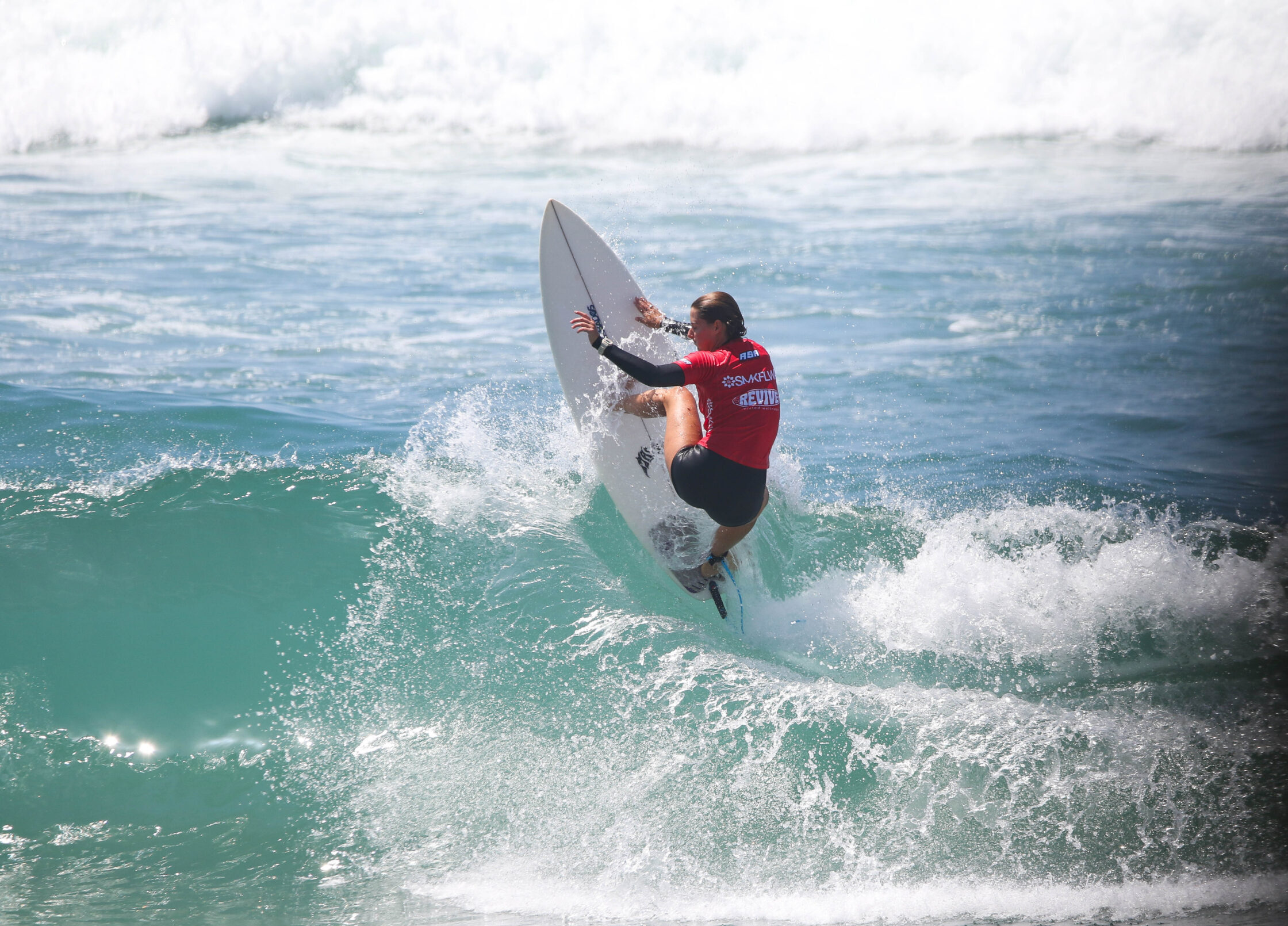
  • Bayahibe 10K to attract more than 600 runners in La Romana

    Bayahibe 10K to attract more than 600 runners in La Romana

    The coastal Dominican town of Bayahibe is preparing to welcome hundreds of competitive runners and recreational athletes from across the Dominican Republic and abroad for the 11th edition of the popular Bayahibe 10K road race, scheduled to kick off on September 6. Organized jointly by the La Romana-Bayahibe Hotel Association (AHRB) and the La Romana-Bayahibe Tourism Cluster (CTRB), the race has grown into one of the nation’s premier sports tourism events, designed to raise the global profile of the La Romana region while delivering tangible economic benefits to local businesses.

    Unlike previous editions, this year’s race will start 15 to 30 minutes earlier at 6:30 a.m., a timed adjustment crafted to help participants avoid the sweltering peak mid-morning temperatures that often challenge runners on the Caribbean coast. The 10-kilometer route will follow the same beloved starting point at La Punta de Bayahibe, winding along a picturesque seaside path that balances fast, flat stretches ideal for runners targeting personal bests with more challenging hilly sections that test endurance and highlight the region’s natural coastal beauty.

    To ensure athlete safety and event smoothness, organizers have arranged comprehensive on-course support, including multiple hydration stations, on-site medical teams, and a multi-agency security detail. More than 80 personnel from six Dominican public institutions—Civil Defense, the 911 national emergency system, the Dominican Navy, the National Police, the Dominican Tourism Police (Politur), and the General Directorate of Traffic Safety (Digesett)—will be deployed across the course to respond to any incidents and manage crowd control.

    Regional tourism officials emphasize that the annual race has evolved into far more than a one-day athletic event: it has become a core strategic platform for positioning the La Romana-Bayahibe area as a top global destination for sports and wellness tourism. By attracting athletes and their traveling companions who combine competitive racing with leisure travel, the race drives consistent growth in local hotel bookings, restaurant visits, and participation in other regional tourism activities, creating long-term economic opportunity for the coastal community.

  • Derde helft WK 2026: Spanje en Argentinië strijden in historische WK-finale

    Derde helft WK 2026: Spanje en Argentinië strijden in historische WK-finale

    The global football community is holding its breath on Sunday, as the 2026 FIFA World Cup final kicks off at the open-air MetLife Stadium in East Rutherford, New Jersey, pitting European powerhouse Spain against defending champion Argentina in a battle for the sport’s most coveted prize and a permanent place in World Cup history.

    This historic matchup marks only the second time the two nations have faced each other at a World Cup. Their first encounter came in the group stage of the 1966 tournament, where Argentina secured a 2-1 victory. In the decades since, however, Spain has turned the tide in head-to-head matchups, claiming three wins from four meetings since 2000, setting the stage for a tense rematch of unbalanced legacy.

    For Argentina, the final is framed around 36-year-old captain Lionel Messi, widely expected to make his final World Cup appearance in the match. On the eve of the showdown, the global icon shared an emotional reflection on social media to his teammates, coaching staff, and fans, emphasizing that the value of his team’s journey extends far beyond silverware. “The best part of all these years was never just the trophies, it was the entire journey,” Messi wrote. “Sharing daily life with this group, fighting together, lifting each other up through hard times, and cherishing every single moment.”

    Standing across the pitch from the game’s greatest modern player is 16-year-old Spanish wunderkind Lamine Yamal, the breakout star of the tournament and the face of football’s next generation. A viral photo of Yamal posing alongside Messi ahead of the final has become a symbol of the sport’s ongoing changing of the guard, as the sport’s future looks to claim the spotlight from its legendary past.

    Organizers have been relieved by a last-minute shift in local conditions: the New Jersey region has been affected by hazardous wildfire smoke drifting from Canadian blazes in recent weeks, which triggered public health warnings. But an incoming cold front is forecast to improve air quality in time for kickoff, clearing the way for a capacity crowd of more than 80,000 fans inside the stadium, with an additional 50,000 expected to gather for a public viewing event in Manhattan’s Central Park.

    Slovenian referee Slavko Vincic has been named to lead the final, making history as the first Slovenian official to officiate a World Cup title match. Vincic brings a seasoned resume to the role, having already overseen the 2024 UEFA Champions League final. His appointment draws attention because for the second consecutive World Cup final against a European opponent, defending champion Argentina will be led by a European referee.

    The selection comes after controversy surrounding officiating calls in Argentina’s earlier matches in the tournament, with critics highlighting disputed moments including an incident where Messi avoided a red card for a rough challenge. FIFA’s head of refereeing, Pierluigi Collina, has defended the officiating team and stressed the integrity of all tournament officials.

    Through three matches at the 2026 tournament, Vincic has issued seven yellow cards, one red card, and awarded no penalties. When informed of his appointment, he called the moment a life-changing honor: “First I was shocked, then incredibly happy. I was shaking with pride. To referee a World Cup final is an incredible honor, it’s everyone’s dream.” He will be assisted by fellow Slovenian officials Tomaz Klancnik and Andraz Kovacic, with Germany’s Bastian Dankert serving as head VAR and Colombia’s Nicolas Gallo leading the video operations room.

    The 2026 tournament’s expanded 48-team format delivered no shortage of underdog surprises, with underrated sides including Cape Verde, DR Congo and Curaçao pulling off unlikely runs that won them legions of new global fans. Cape Verde, in particular, emerged as one of the tournament’s biggest revelations, forcing Argentina to extra time in a tense round of 16 matchup that pushed the eventual finalists to their limit. Despite the upsets, the tournament’s pre-tournament favorites – Argentina, Spain, France and England – all advanced to the semi-final stage, setting up a dramatic final between the world’s top-ranked sides.

    The race for the Golden Boot remains one of the tournament’s most hotly contested subplots, with a star-studded leaderboard including Messi, Kylian Mbappé, Erling Haaland, Harry Kane and Jude Bellingham. Mbappé enters the final with a 10-goal lead in the tournament, having already broken the all-time World Cup scoring record with 22 total career goals, just one ahead of Messi who has eight goals in this tournament and 21 total across his World Cup career.

    Beyond on-pitch action, the 2026 tournament sparked widespread debate over several key issues. VAR (Video Assistant Referee) technology was a constant point of contention, with disallowed goals and controversial decisions drawing criticism from multiple coaches, including the managers of Egypt and Croatia, who argued overtechnology was undermining the flow and joy of the game. Ticket prices also drew controversy, with extremely high face-value costs spurring a lucrative unregulated resale market, though all stadiums still recorded sellout crowds throughout the tournament, driven by global fan enthusiasm and U.S. host hospitality.

    The tournament also intersected with global politics: Iran’s participation drew international attention amid ongoing conflict and tensions in the Middle East, with visa issues and travel restrictions creating off-pitch disruption for the team before kickoff. Former U.S. President Donald Trump’s role in the tournament, particularly surrounding disciplinary matters, also came under scrutiny. Meanwhile, Israeli Prime Minister Benjamin Netanyahu publicly expressed his support for Argentina, after the Argentine ambassador to Israel presented him with a custom national team jersey ahead of the final. Netanyahu also noted he enjoys an excellent working relationship with Argentine President Javier Milei.

    All the build-up has led to this final, which promises to be a historic clash that brings together the experience of an established defending champion and the hungry creativity of a young, dynamic challenger. Blending decades of historic rivalry, once-in-a-generation personal stories, and the climax of the most expanded World Cup in history, the 2026 World Cup final in New Jersey is all but guaranteed to deliver unforgettable moments for football fans across the globe. As the kickoff approaches, the entire world waits to see which side will etch its name forever into the history books of the beautiful game.