分类: sports

  • Grenada stuns St Lucia in Windward Islands U19 Tournament

    Grenada stuns St Lucia in Windward Islands U19 Tournament

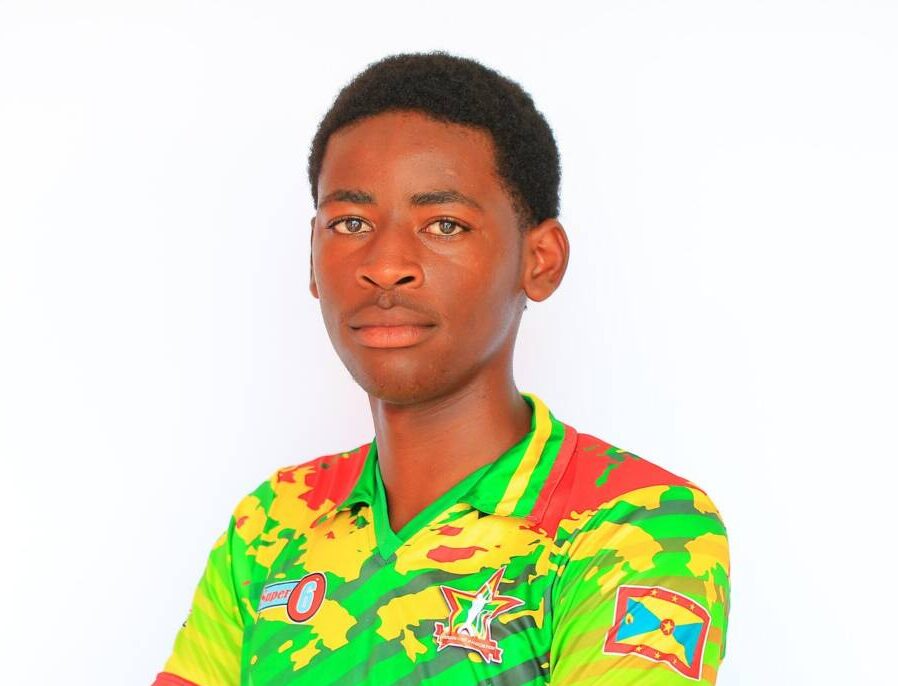
    The WINLOTT Super 6 Windward Islands U19 Tournament served up a thrilling comeback story on Sunday, 12 April 2026, at Dominica’s Benjamin’s Park, where Grenada’s under-19 men’s cricket side pulled off a dramatic win against St Lucia, powered by a career-best performance from young spinner Shamel Hillaire.

    Coming into the fixture, both sides carried contrasting momentum. Grenada was still bouncing back from a underwhelming defeat in their tournament opener, while St Lucia entered the match brimming with confidence after a lopsided win over St Vincent and the Grenadines. A brief rain shower pushed back the start of play, but once the action got underway, Grenada won the pre-match toss and opted to set a target batting first.

    Grenada’s batting innings got off to a disastrous start. The team lost their first wicket with just 8 runs on the board, when opening batsman Jordan John was clean-bowled for 5. Raekeim Lewis Charles followed just overs later, trapped leg before wicket for 11, leaving the Grenada camp reeling at 2 wickets down early. With St Lucia’s bowlers consistently hitting tight lines, runs proved difficult to come by, and Kemile Abraham’s attempt to steady the innings could not halt the wicket column. By the 14th over, Grenada had slumped to 42 runs for the loss of 4 wickets.

    A small but critical recovery followed, as Abraham and Hillaire put together a steady partnership to push the total up to 74 for 5 before another wicket fell. St Lucia’s bowling attack never let up on the pressure, however, and Grenada was eventually bowled out all out for 123 runs. Abraham finished as the team’s top scorer with 24 runs, while the best of the other contributions came from Jayonn Henry (16), Hillaire (12), Lewis Charles (11) and Jeremy Edwards, who finished not out on 11. For St Lucia, Bjorn Fanis led the bowling attack with impressive figures of 3 wickets for just 23 runs, receiving solid support from captain Theo Edward (2 for 20) and Cody Fontenelle (2 for 26), while Nathaniel Joseph and Tyler Venner each picked up one wicket apiece.

    Chasing a modest target of 124 runs to win, St Lucia only needed just over 3 runs per over to secure victory, and the early stages of their innings suggested they would cruise to a comfortable win. But Grenada’s bowlers had other plans, launching a clinical fightback that turned the match on its head.

    Pace bowler Aaron Edwards struck early blows, removing both of St Lucia’s opening batsmen – captain Theo Edward for 15 and Roystan Fannis for 9 – to leave St Lucia at 43 for 2 after 8 overs. Just three balls after Edwards’ second wicket, left-arm spinner Aravinda Bishop extended Grenada’s advantage by dismissing Jonathan Daniel lbw, dropping St Lucia to 43 for 3.

    A brief recovery pushed St Lucia to 73 for 3, but it was not enough to withstand the spin pressure that Grenada brought to bear. Bishop and Hillaire triggered a catastrophic collapse that saw St Lucia lose their final 7 wickets for just 30 runs, folding all out for 103 runs to hand Grenada a 20-run victory.

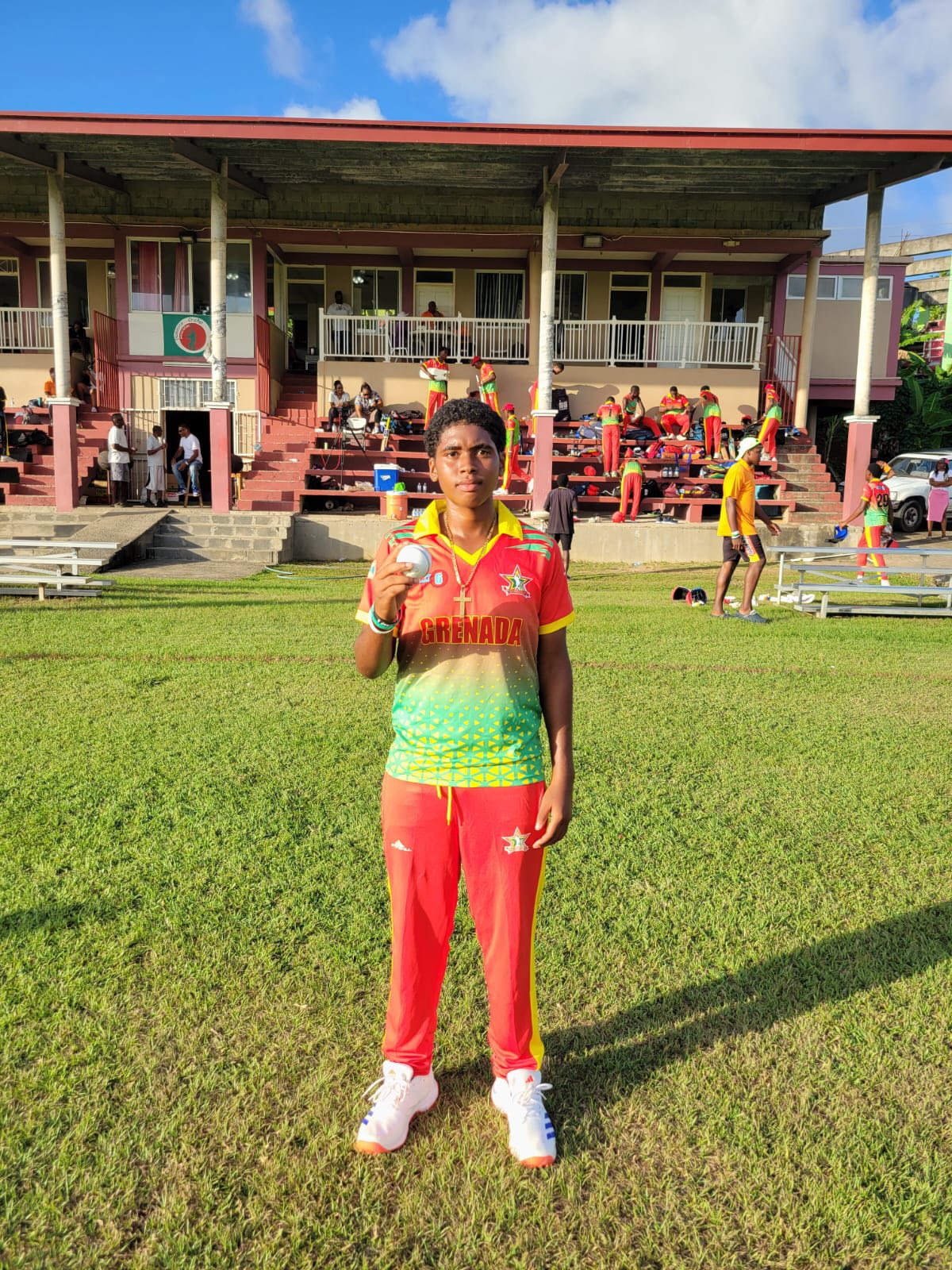
    Making his first tournament appearance after sitting out the opening match on the bench, Hillaire delivered a match-winning spell, finishing with sensational figures of 6 wickets for 26 runs from just 5.4 overs. The standout performance earned the young bowler well-deserved Man of the Match honours. Edwards backed up Hillaire with 2 wickets for 13 runs from 5 overs, while Bishop claimed 1 wicket for 20 runs to cap a dominant bowling display from Grenada.

    After the match, Grenada captain Khavaughn Bartholomew highlighted his side’s resilience following their opening loss, crediting the team’s adjusted game plan for the win. “I just want to thank the Lord for the opportunity. We didn’t get it right with the batting, but we came through with the bowling. We put the ball in the right areas, got early wickets and put them under pressure. The spinners played a massive role. The man of the match wasn’t with us yesterday, so we made a change, and you can see it worked.”

    Speaking after picking up his award, Hillaire said he had remained confident he would get his chance to contribute after starting the tournament on the bench. “I first want to thank God for the opportunity. We didn’t bat well today, but we came out on the field and fought until we won. I had faith that I would do well. I was on the bench yesterday, but I knew my time would come.”

    The result moves Grenada into third place in the tournament standings, trailing early leaders St Lucia and defending champions Dominica. Up next, Grenada will return to action on Tuesday, 14 April 2026, to take on St Vincent and the Grenadines as the round-robin phase of the tournament continues.
  • Coaches Banking on Clinical Execution from Players in Revised West Indies Championship

    Coaches Banking on Clinical Execution from Players in Revised West Indies Championship

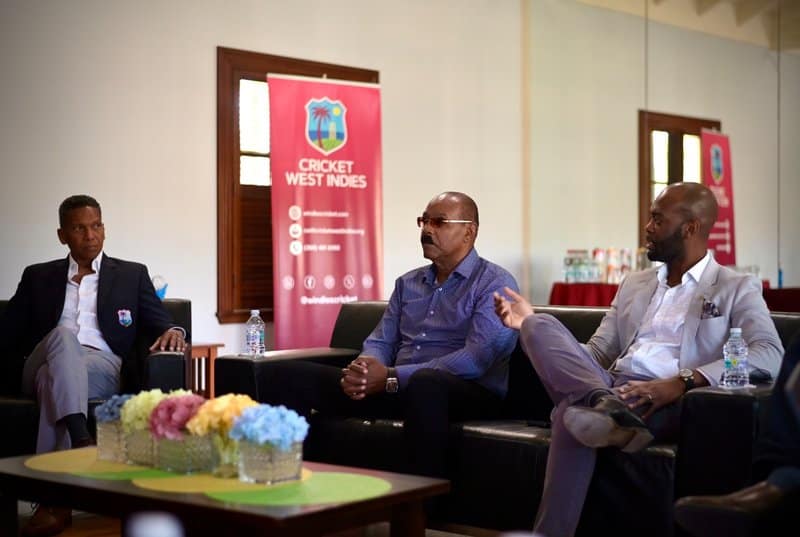
    The 2026 edition of the West Indies Championship kicked off its opening day of play on Sunday, launching a restructured tournament that has sparked measured anticipation across all competing franchises’ coaching and management teams, based in St John’s, Antigua. Unlike previous iterations of the regional elite cricket tournament, this year’s competition introduces a revamped structural framework: each side will compete in a three-match bilateral series against opponents, with the top-ranked team by cumulative points earning an automatic berth in the tournament final. The second and third-place finishers will face off in a knockout playoff to claim the remaining final spot.

    Three-time consecutive defending champions the Guyana Harpy Eagles return to the pitch as one of the tournament’s strongest title contenders. Ryan Hercules, the franchise’s head coach, emphasized that the newly implemented format injects fresh competitive tension into the tournament, pushing players to raise their overall performance standard. “For our franchise, every competitive opportunity is a chance to integrate and develop emerging young talent into our core setup as early as possible,” Hercules explained. “With a condensed match schedule this year, players will need to adapt rapidly to the new rhythm and make the most of this narrow window to deliver standout results.”

    Kenroy Peters, head coach of the Windward Islands Volcanoes, expressed guarded optimism about his squad, noting that the team was constructed around a long-term sustainability strategy. “Our selection process prioritizes roster continuity, and we recognize the need to give young players who cut their teeth with the Academy and Combined Campuses & Colleges teams the chance to compete at this level for the Windwards,” Peters said. “We have a five-year development roadmap in place, and this tournament is a key milestone in that plan. The young players we’ve trusted with positions have already gotten off to an impressive start.”

    Rayad Emrit, a former West Indies national team player now leading the Trinidad & Tobago Red Force as head coach, said his side is leaning on its core professional values to navigate the revised format. “Our group is fully professional, and everyone understands what is required of us. We come into this tournament with one clear goal: to advance to the later stages. But to get there, we have to focus on one match, one day at a time,” Emrit stated.

    For the Leeward Islands Hurricanes, pre-tournament preparation followed a deliberate, methodical plan, with pre-season training camps launching as early as January under the direction of head coach Steve Liburd. “We started back in January with foundational technical work, then gradually ramped up our intensity, adding net sessions and scenario-based match drills in the final month leading up to the tournament,” Liburd shared. “When you enter any elite level competition, your first goal is to win the title. Second, you want to develop players that can earn call-ups to the senior West Indies national side – that includes fringe candidates and players who lost their spots and are hungry to earn their way back.”

    Coaches across multiple franchises have highlighted unforeseen benefits of the new bilateral series structure. For Peters, the format creates a unique opportunity for players to build consistent performance over consecutive matches against the same opponent. “One big advantage of this format is that you face the same opposition three times in a row, which lets players settle into a rhythm instead of adjusting to new opponents every few days. Our goal is to win this championship for the first time in our history, and our squad has the drive and determination to get that done,” Peters said.

    Liburd echoed this assessment, noting that the new format closely mirrors the structure of international cricket. “Even with matches played across different venues, the bilateral setup gives you enough time to develop targeted strategies against a single opponent, just like you do in international cricket. As the series progresses, you get to test how well your game planning adapts to the opposition’s strengths and weaknesses,” he explained.

    Hercules, who led Guyana to three straight titles, echoed the point that facing the same opposition repeatedly gives batters a major strategic advantage. “When you see the same bowling line-up over three matches, working with our team analyst, batters can build a clear understanding of what they will face. Even if the opposition makes a substitution, we’ve already had the chance to assess the two or three reserve bowlers they can bring in, so we can counter their threats far more quickly than we could in an older round-robin format,” he said.

    Across all franchises, coaching staff agree that pre-tournament strategy and months of preparation can only set the stage for success. At the end of the day, results will depend on disciplined, clinical on-field execution from players in every match. Coaches have expressed confidence that their squads will step up and deliver on their assigned roles to compete for the regional title.

  • CONCACAF Women’s World Cup 2027 Qualifiers : Presentation of the Grenadières’ technical team

    CONCACAF Women’s World Cup 2027 Qualifiers : Presentation of the Grenadières’ technical team

    As the 2027 FIFA Women’s World Cup CONCACAF qualification campaign reaches a critical turning point, Haiti’s women’s national soccer team, the Grenadières, has formally introduced its complete technical and support staff that will steer the squad through the final stretch of group stage play. Headlined by experienced Swedish tactician Pia Marina Sundhage, the assembled team of specialists has already made an early impact, guiding the Grenadières to a dominant 5-0 victory over Anguilla in their previous qualifying fixture.

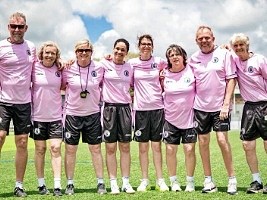
    The newly presented full roster of backroom staff brings together a diverse mix of international and local expertise tailored to support players both on the training pitch and in competitive match settings. Alongside head coach Sundhage, the staff includes Erik Fahlstrom, who serves as the squad’s dedicated goalkeeping coach, Gunnvor Halmiy as lead fitness coach, and Birgit Gutke filling the role of assistant coach. Rounding out the off-field team are Francesca Joseph as team manager, Alicia Garulli and Claire Guyon as dual physiotherapists tasked with player recovery and injury prevention, and Anders Johansson working as video analyst to prepare scouting reports and tactical breakdowns for upcoming opponents. This multi-faceted support structure is designed to address every aspect of the team’s performance, from physical conditioning and injury management to tactical preparation, helping players reach their full potential as they chase qualification for the 2027 Women’s World Cup.

    The Grenadières’ next and final group stage fixture is scheduled for April 17, 2026, with kickoff set for 2:00 p.m. local time at Guadeloupe’s Roger Zami Stadium, where the Haitian side will face off against regional rival Dominican Republic. The outcome of this match will play a key role in determining the Grenadières’ advancement in the CONCACAF qualification pathway, building on their strong opening result against Anguilla to keep their World Cup dreams alive.

  • Antigua Elite Gymnastics Team Secures 16 Medals in Regional Debut, Finishes Second Overall

    Antigua Elite Gymnastics Team Secures 16 Medals in Regional Debut, Finishes Second Overall

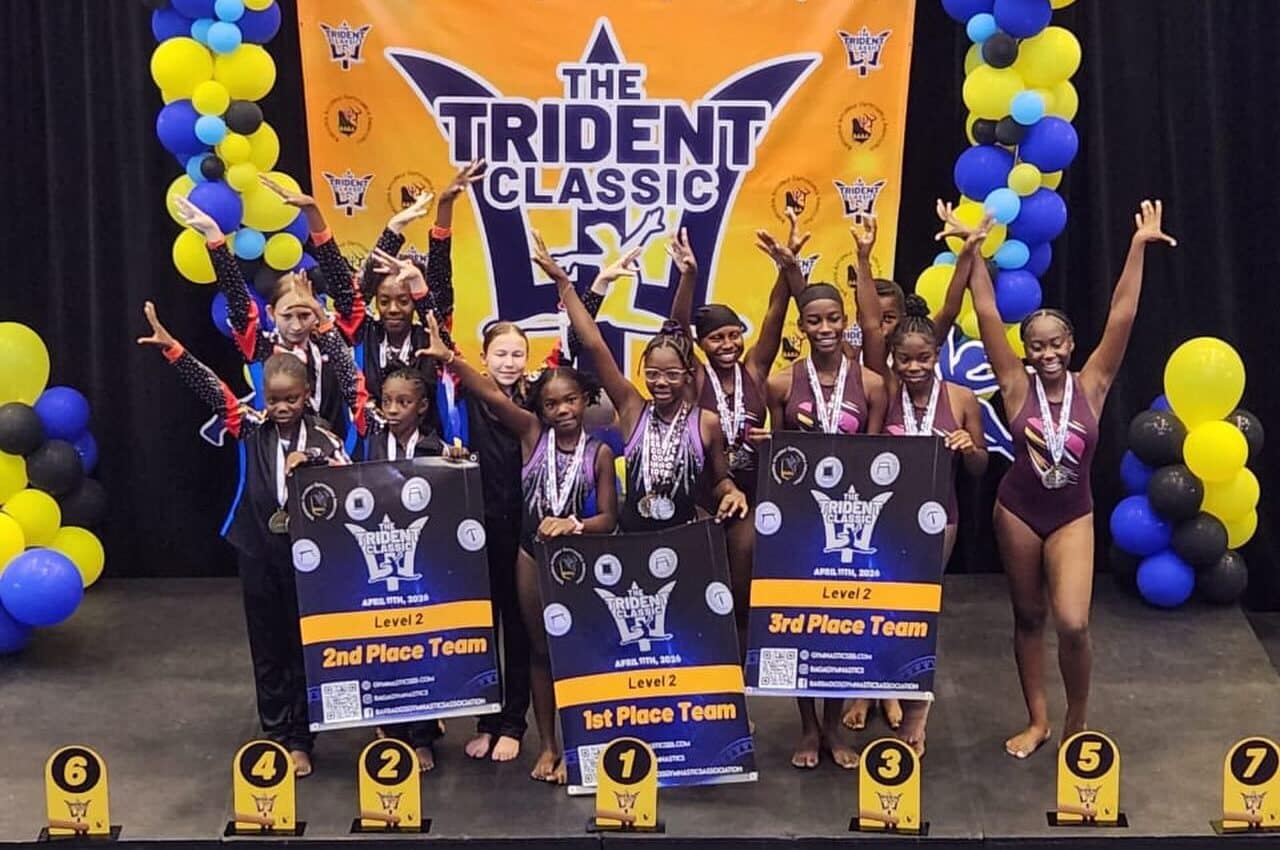
    In a remarkable debut showing on the regional competitive stage, Antigua Elite Gymnastics Academy has turned heads with an outstanding performance, clinching 16 medals and securing the second spot in the overall standings against a field of tough competitors from across the Caribbean.

    The young Antiguan gymnasts went head-to-head with roughly 300 fellow athletes hailing from three of the region’s stronger gymnastics programs: Barbados, Trinidad and Tobago, and Jamaica. Beyond their impressive medal haul, the team achieved a rare sweep of all-around podium positions, taking home first, second, and third place all-around trophies — a feat that underscores the depth of talent the academy has cultivated in its early stages.

    Following the conclusion of the competition, leadership at the Antigua Elite Gymnastics Academy released an official statement celebrating their athletes’ achievements. The academy highlighted the poise and self-assurance each competitor displayed from the first rotation through the final event, noting that even under the pressure of their first major regional outing, the young gymnasts maintained steady focus and performed to the best of their abilities. The organization called the result “a wonderful experience and a strong start” to what it hopes will be a long and successful journey of growth in competitive gymnastics for the program and its athletes.

    This successful debut does more than just add a collection of medals to the academy’s trophy case. It also signals a bright, promising future for the emerging gymnastics community across Antigua and Barbuda. As the country continues to invest in developing youth talent and growing its footprint in competitive gymnastics across the Caribbean region, this standout performance serves as early proof that the foundation being built is already producing world-class young athletes.

  • ‘WE ARE IN FRONT’

    ‘WE ARE IN FRONT’

    The opening day of the latest West Indies Championship four-day clash between Jamaica Scorpions and Barbados Pride at St Catherine’s Chedwin Park delivered a dramatic twist of fortunes, with Jamaica’s head coach Robert Haynes insisting his side still holds the advantage after a testing day in the field.

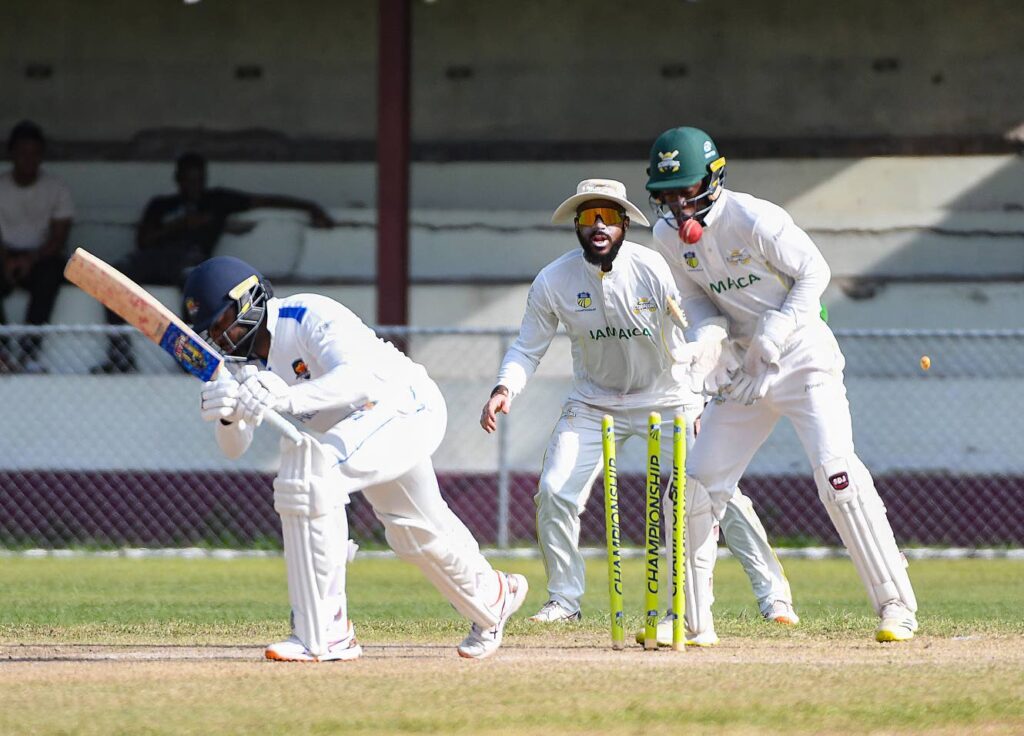
    Electing to bat first after winning the toss, the visiting Pride got off to a disastrous start, collapsing to 23 for three inside the opening seven overs. Fast bowler Marquino Mindley tore through the top of the order, dismissing Pride captain Kraigg Brathwaite and opening batsman Jonathan Drakes, while new ball partner Ojay Shields claimed the wicket of Shane Moseley to put the Scorpions firmly in control early on.

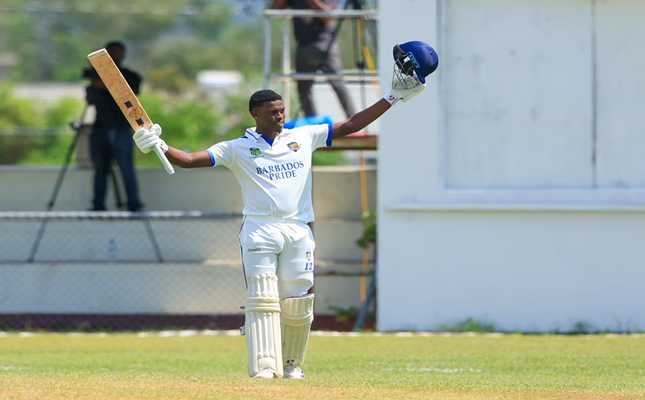
    That early advantage was all but erased by a resilient counterattack, however, as Kevin Wickham and Kyle Mayers stitched together a match-turning 117-run partnership to steady the Pride innings. Mayers fell for a well-compiled 64, but Wickham continued his aggressive strokeplay to notch a spectacular personal century, finishing the day unbeaten in spectacular fashion with an innings of 153 that included six fours and a staggering 12 sixes. Useful lower-order contributions from Shamar Springer (40) and Joshua Bishop (37) pushed the Pride total past the 300 mark before the Scorpions bowling attack fought back to limit the damage.

    Mindley and off-spinner Peat Salmon led the Jamaica bowling effort, each claiming four wickets, while Brad Barnes took the remaining one to restrict Barbados to 348 all out from 81.4 overs. The result means the Scorpions need another 332 runs to claim valuable first-innings points, and they closed the day’s play having already survived six overs, reaching 17 for no loss before stumps. Left-handed batsmen Kirk McKenzie (8 not out) and captain John Campbell (3 not out) will resume the innings for the hosts at 10:00 am on Monday, with no wickets lost.

    Haynes acknowledged that his side’s bowling was not at its most consistent on a flat Chedwin Park pitch, which produced occasional unpredictable low bounce, but underlined that the points table puts Jamaica ahead entering the second day. “It’s funny, because they would have gotten two batting points and we got 10 wickets — we would have gotten three points — so overall right now we are in front,” he explained.

    Haynes reserved special praise for match-winner Mindley, calling his performance exceptional. “He really bowled well, he bowled straight — wicket to wicket — and he got the reward. Peat bowled a good spell and he could have done better, but overall it wasn’t the best bowling performance. But at the end of the day, we still have to go here and bat. At 17 without losing a wicket after six overs, it’s a good start.”

    The Jamaica coaching staff faced minor controversy ahead of the match after selecting a side that omitted home-grown left-arm spinner Jeavor Royal, who would have been playing on his home ground. Haynes defended the selection choice, noting that the team’s long-standing success against Barbados with off-spinners, paired with Brad Barnes’ six-wicket haul against the Pride in Barbados last season, justified the call. “Peat has gotten wickets before against them and, at the end of the day, we just felt that on this surface, the off-spinners would have done a lot better. It’s just for us to come back, get these runs, and go back out there and try and bowl out Barbados.”

  • MBU book JPL play-off spot after 6-0 win over Spanish Town

    MBU book JPL play-off spot after 6-0 win over Spanish Town

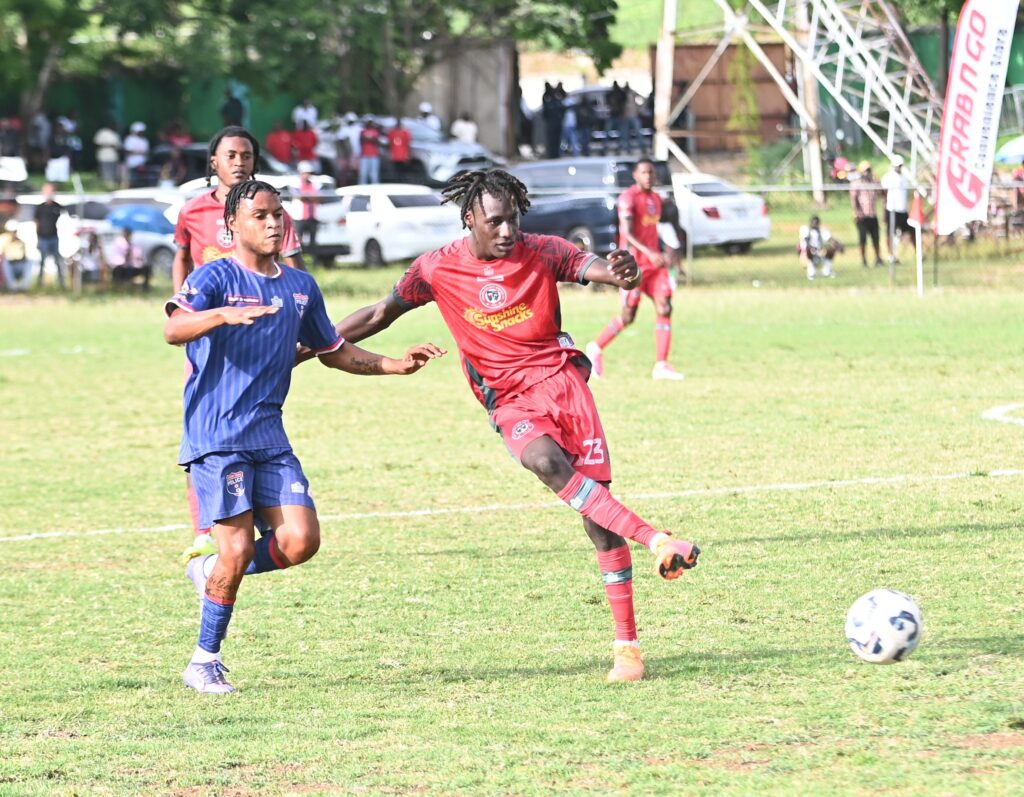
    In a landmark moment for Jamaican domestic football, Montego Bay United (MBU) made history on Sunday as the first club to lock in a place in the Jamaica Premier League playoffs, turning in a ruthless 6-0 demolition of Spanish Town Police at St James’ Jarrett Park.

    The lopsided result pushed MBU to its 19th win of the season, lifting the side to 65 total points. With this gap at the top of the table, the club is mathematically guaranteed to finish no lower than sixth position, securing an early ticket to the postseason. Deonjay Brown stole the show with a two-goal brace, leading the charge for the victorious side, while other contributors spread the goals across the roster to cement the blowout.

    The game’s scoring opened early, when Brazilian attacker Lucas Lima curled a precision strike past Spanish Town Police goalkeeper Glenroy Samuel into the left side of the net in the 15th minute. Brian Brown doubled the advantage 16 minutes later, converting a calm penalty after Deonjay Brown was fouled inside the 18-yard box. Deonjay Brown notched his first of the day just before the halftime whistle, pushing the scoreline to 3-0, and bagged his second just four minutes into the second half to extend MBU’s lead to 4-0. The final two goals came from substitute players making an impact off the bench: Kegan Caull netted his first ever goal for MBU in the 68th minute, before Jahmari Clarke closed out the scoring with an 85th-minute strike. The win also capped a perfect season series for MBU against Spanish Town Police, who failed to register a single result against the playoff-bound side this term.

    While MBU celebrated a historic milestone, their closest title and playoff contenders stumbled across the weekend’s matchday, opening up the race for the remaining postseason spots. Second-place Mt Pleasant Football Academy dropped five points behind MBU after suffering a shock 1-0 upset to Tivoli Gardens, with Tkiven Garnett netting the game-winning goal in second-half stoppage time.

    Third place is now shared by two sides after mixed results: Racing United fell 1-0 to Waterhouse FC, with Javane Bryan scoring a late 90th-minute winner for Waterhouse, while Portmore United edged Molynes United 1-0 courtesy of a late first-half own goal. Both Portmore and Racing United sit level on 55 points, separated only by goal difference. Waterhouse now sits in fourth place on 53 points, while defending league champions Cavalier SC climbed to sixth on 48 points after a comfortable 4-1 win over Chapelton Maroons.

    Cavalier’s win followed a pattern of alternating results across their last four outings, but the champions were in dominant form against the low-side Maroons. Chapelton gifted Cavalier an opening lead through an Osani Ricketts own goal in the 27th minute, and Jason Wright equalised for the Maroons just two minutes later. However, Akil Henry restored Cavalier’s lead 10 minutes before halftime, before substitute Adrian Reid extended the advantage to 3-1 in the 56th minute. Another second-half substitute, Kimarly Scott, put the game beyond doubt with a fourth goal in the 86th minute.

    Further down the table, Dunbeholden FC climbed into seventh place after a tense 2-1 win over Arnett Gardens, where all three goals came in the final 15 minutes of play. Shakeem Powell broke the deadlock for Dunbeholden in the 75th minute, Clive Wedderburn doubled the lead seven minutes later, and Fabian Reid scored a late consolation for Arnett Gardens in stoppage time.

    At the bottom of the league standings, Harbour View climbed out of the relegation zone into 11th place after a 2-1 victory over Treasure Beach FC. Habbie Mohammed got Harbour View off to a flying start with a fifth-minute opener, before Shanoy Smith equalised for Treasure Beach just eight minutes later. Trayvone Reid secured all three points for Harbour View with an 83rd-minute match-winning strike, pushing the side above Treasure Beach in the fight to avoid relegation.

    Matchday Results Roundup:
    Harbour View 2 – 1 Treasure Beach FC
    Racing United 0 – 1 Waterhouse FC
    Dunbeholden FC 2 – 1 Arnett Gardens
    Chapelton Maroons 1 – 4 Cavalier SC
    Montego Bay United 6 – 0 Spanish Town Police
    Molynes United 0 – 1 Portmore United
    Tivoli Gardens 1 – 0 Mt Pleasant FA

    By Paul Reid

  • Grenada U19 fall to Dominica in Windward Islands Youth Clash

    Grenada U19 fall to Dominica in Windward Islands Youth Clash

    The 2026 WINLOTT Inc. Super 6 Windward Islands Under-19 Tournament kicked off with a weather-disrupted opening clash on Saturday 11 April at Benjamin’s Park, where hosts Grenada suffered an opening defeat to defending tournament champions Dominica. Persistent heavy showers reshaped the entire course of the match, forcing a revised target under the Duckworth-Lewis-Stern (DLS) method that left Grenada unable to find their footing in the chase.

    After winning the pre-match toss, Grenada’s captain made the call to field first, a decision that looked solid in the opening exchanges. Grenada’s bowlers stuck to tight line and length early, restricting Dominica’s batters and holding the first wicket until the final delivery of the 10th over. It was pace bowler Aaron Edwards who broke the opening stand, dismissing Derwin Lewis for 19 runs with Dominica’s total just 46 at that point.

    Rain interruptions would go on to disrupt the middle overs, but Dominica’s middle-order batter Aiden Burton stepped up to steady the innings, crafting a well-compiled 58 runs off 62 deliveries marked by five fours and two maximums. When play was called off for the weather at 33.3 overs, Dominica had posted 168 runs for the loss of three wickets. Grenada’s bowling was led by spinner Aravinda Bishop, who claimed two key wickets while conceding 46 runs across his full 10-over allocation. Edwards backed him up with an economical spell, taking one wicket for just 25 runs from six overs. The full bowling breakdown for Grenada saw Jayonn Henry end with 0 wickets for 19 runs from four overs, Jeremy Edwards at 0 for 15 from five overs, Desrond Mitchell at 0 for 41 from eight overs, and Ron Charles at 0 for 9 from 0.3 overs.

    Following an extended weather delay, match officials applied the DLS par score rule, setting Grenada a challenging revised target of 209 runs to win from a shortened 29-over chase. Grenada got off to a steady start in their response, with opener Raekeim Lewis Charles top-scoring for his side. Lewis Charles put on a 36-run opening partnership with Jordan John (18), followed by a 26-run second-wicket stand with captain Khavaughn Bartholomew (16). As the required run rate climbed steadily, Grenada was forced to accelerate, but Dominica’s disciplined bowling attack choked the scoring, allowing just 27 runs across the next five overs before Lewis Charles was dismissed with Grenada on 89 for three.

    From the position of 90 for three in the 19th over, Grenada’s batting collapsed, losing four quick wickets for the addition of just 22 runs. The innings closed at 111 for seven after the full 29 allotted overs, leaving Dominica to take the opening win of the tournament. The full Grenada batting scorecard lists Jamie Wickham 11 not out, Christian Niles 2, Jayonn Henry 6, Desrond Mitchell 1, Aravinda Bishop 3, and Ron Charles 0 not out alongside Wickham.

    Grenada will now turn their focus to bouncing back from this opening setback, with their second group fixture scheduled to take place against St Lucia on Sunday 12 April 2026.

  • Rain Delays Racing as Antigua Cup Heads to Final Day

    Rain Delays Racing as Antigua Cup Heads to Final Day

    # Antigua Racing Cup 2026: Penultimate Day Delivers Dramatic Tension Ahead of Final Day

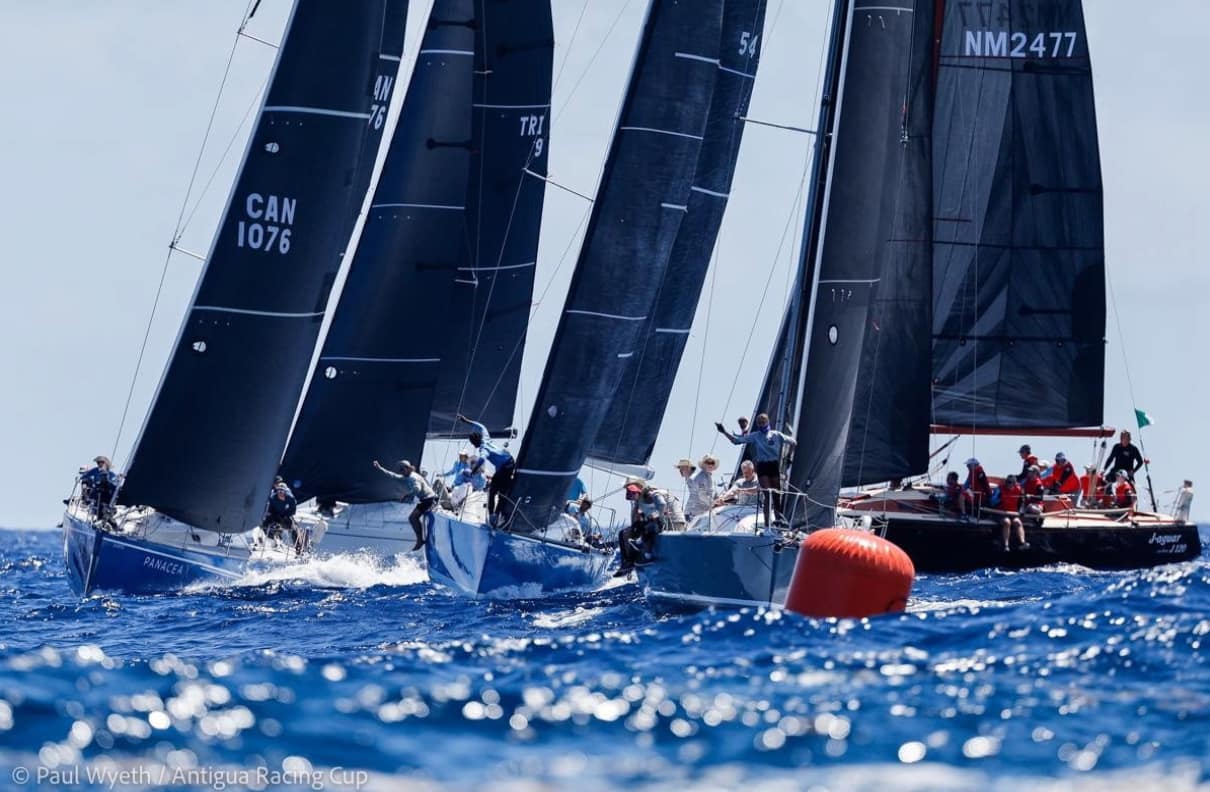
    Held across the turquoise Caribbean waters off Antigua from April 8 to 12, 2026, the Antigua Racing Cup entered its highly anticipated penultimate day on Friday, with unpredictable weather testing even the most seasoned sailing crews. A fast-moving rain squall forced organizers to delay the start of racing, setting the tone for a day defined by shifting wind speeds and directions that kept tactical teams on their toes from the first start to the final finish. Alternating bursts of bright sunshine and scattered cloud cover added an extra layer of complexity to course navigation, turning every leg of the race into a test of both skill and adaptability.

    For handicap divisions CSA 2, 3 and 4, the day brought two full races and the activation of the regatta’s one-race discard rule, shaking up overall standings and setting the stage for a thrilling final day. Most of the racing for these divisions unfolded on windward-leeward courses set between the iconic Shirley Heights landmark and the entrance to Falmouth Harbour, with an offshore reaching leg added to introduce a wider range of wind angles and tactical challenges.

    ## CSA 1 (Big Boat Class): Prevail Claims Fourth Bullet After Dramatic Comeback

    The CSA 1 big boat division tackled a breathtaking 22-nautical-mile course that wound past some of Antigua’s most famous natural landmarks. The route sent competitors upwind to the eastern edge of Willoughby Bay, followed by a fast downwind run to a virtual mark five miles offshore. From there, crews sailed a tight reach toward Boggy Peak, Antigua’s highest point, before a final upwind beat outside Cades Reef to the finish line.

    Dan Gribble’s United States entry *Prevail*, a Tripp 65, crossed the finish line first in just over three hours elapsed time and held on to claim the CSA corrected time victory – its fourth bullet win of the regatta. Behind *Prevail*, Lennart Davidsson’s S&S 79 *Kialoa III* pulled off an impressive comeback to secure second place, just one day after the team suffered a broken bowsprit. John McMonigal’s British Oyster 82 *Zig Zag*, skippered by Carl Raynes, rounded out the top three.

    Speaking after the race, Davidsson noted that his team made the call to stay offshore for most of the race to take advantage of more consistent wind and favorable current. “Much of our crew comes from the Swan 65 *Saida*, also a Sparkman Stephens design, but *Kialoa III* is far larger,” he explained. “Our crew hails from Germany, Switzerland, Norway, and we even have Antiguan sailors from the Y2K youth sailing program on board. We work well as a unit, and we’re expecting more stable weather tomorrow – hopefully not too heavy, which will suit our boat perfectly.”

    ## CSA 2: All Tied Up At the Top After Two Dramatic Races

    With two races completed on the penultimate day, the CSA 2 overall standings could not be closer, setting up a winner-takes-all battle on the final day of racing. In the day’s first race (Race 6), Steve Rigby’s British GS46 *Belladonna* claimed the corrected time win by a margin of 1 minute 20 seconds over Donald Nicholson’s American J/121 *Apollo*, with Jules Mitchell’s Antiguan RP37 *Warthog* just 36 seconds behind *Apollo* in third. *Warthog* struck back in Race 7, taking the win by 1 minute 41 seconds over Bruce Chafee’s American Reichel Pugh 42 *Rikki*, with *Belladonna* just 23 seconds behind *Rikki* in third.

    After seven races, both *Belladonna* and *Warthog* sit tied atop the overall standings with 9 points apiece, while *Rikki* holds third place with 16 points. The division has emerged as the closest contest of the entire regatta, with momentum shifting race to race and almost nothing separating the top two contenders.

    Jeremy Smart of *Belladonna* noted that the tight points race has been consistent throughout the event. “We’ve been tied on points every single day so far, which is absolutely crazy, and tomorrow is guaranteed to be tight,” he said. “For our bigger, heavier boat, 14 to 16 knots of wind on a windward-leeward course would be ideal – we need a bit of breeze to power through the waves. It’s been an absolute pleasure racing against the *Warthog* team.”

    Ozani Lafond of *Warthog* has different ideal conditions, leaning into his boat’s strength on downwind legs. “We’d love to see 18 to 20 knots, because that lets us really capitalize on our downwind speed,” he explained. “On the long runs, we can stretch out and gain time. It’s all going to come down to who sails the cleanest race tomorrow.”

    ## CSA 3: Danish Blue Extends Commanding Lead

    Poul Hoj Jensen’s Antiguan entry *Danish Blue* tightened its grip on the CSA 3 title with two additional race wins on penultimate day, extending its already solid lead over the rest of the field. In Race 6, *Danish Blue* beat Katy Campbell’s Canadian entry *Panacea X* by 2 minutes 41 seconds on corrected time, with Britain’s Team Strada Awaken taking third. *Danish Blue* repeated the performance in Race 7, beating *Panacea X* again by 2 minutes 50 seconds, with Bernie Evan-Wong’s Antiguan *High Tension* taking third just 1 minute 20 seconds behind the runner-up.

    After seven races, *Danish Blue* holds a commanding lead on 6 overall points, with *Panacea X* second on 11 points and Team Strada Awaken third on 21 points. Just one point off the third-place podium is the American entry J-Aguar Powered by Heat Wave on 22 points, keeping the fight for the final podium spot alive.

    Nineteen-year-old Antiguan sailor Shanoy Malone, who sails on *Danish Blue*, represents the next generation of Caribbean talent coming up through the island’s youth sailing pathway. “I started sailing when I was six, worked my way through the local youth system, and now I get to race alongside legends of the sport right here in my home waters,” Malone said. “My job on the bow is to plan ahead, keep operations smooth, and make sure maneuvers are clean so the team can stay focused. Having my dad, Karl James, and Poul Høj-Jensen on board means I learn something new every race, and this event makes me so proud to be a young Antiguan sailor.”

    ## CSA 4: Whiplash Extends Unbeaten Streak

    Ashley Rhodes’ Antiguan Melges 24 *Whiplash* continued its perfect unbeaten run at the 2026 Antigua Racing Cup, picking up two more wins to extend its lead at the top of CSA 4. In Race 6, *Whiplash* beat Lee Oldak’s American entry *The Project* by 12 minutes 29 seconds on corrected time, with Jean-Mallory Rousseau’s French entry *Montebello Pepsi* just 37 seconds behind *The Project* in third. Race 7 was far closer, with *Whiplash* edging out *The Project* by just 15 seconds, while *Montebello Pepsi* held on to third again.

    After seven races, *Whiplash* holds a commanding lead on a perfect 7 overall points, with *The Project* second on 12 points and *Montebello Pepsi* third on 17 points. While the title race appears all but decided, the battle for the second and third podium spots remains wide open heading into the final day.

    Rousseau, whose team sails out of nearby Guadeloupe, said the regatta has offered exactly the kind of high-quality international competition his team was seeking. “We love that this event brings together so many different boat designs, so you’re not just racing on corrected time – you’re pushing hard against the boats around you in real time, which makes everyone sail better,” he explained. “Tomorrow our plan is simple: we’ll give everything we have in the first race, and depending on the standings, we might swap crew positions for the final race to let everyone experience a new role and thank the whole team. Team spirit matters more than anything.”

    ## Off the Water: Camaraderie and Relaxation Ahead of Final Day

    After a long day of intense racing on the water, crews gathered ashore at Nelson’s Dockyard for the daily prize giving and the regatta’s famous after-racing social event. Teams replayed key moments from the day’s races, swapped stories with fellow competitors, and enjoyed complimentary local hospitality, including English Harbour Rum and Amstel Beer. The relaxed atmosphere gives competitors a chance to decompress after the intensity of racing, building camaraderie ahead of the final, title-deciding day of racing tomorrow.

  • The secret struggle of former national footballer Michael ‘Zun’ Clarke

    The secret struggle of former national footballer Michael ‘Zun’ Clarke

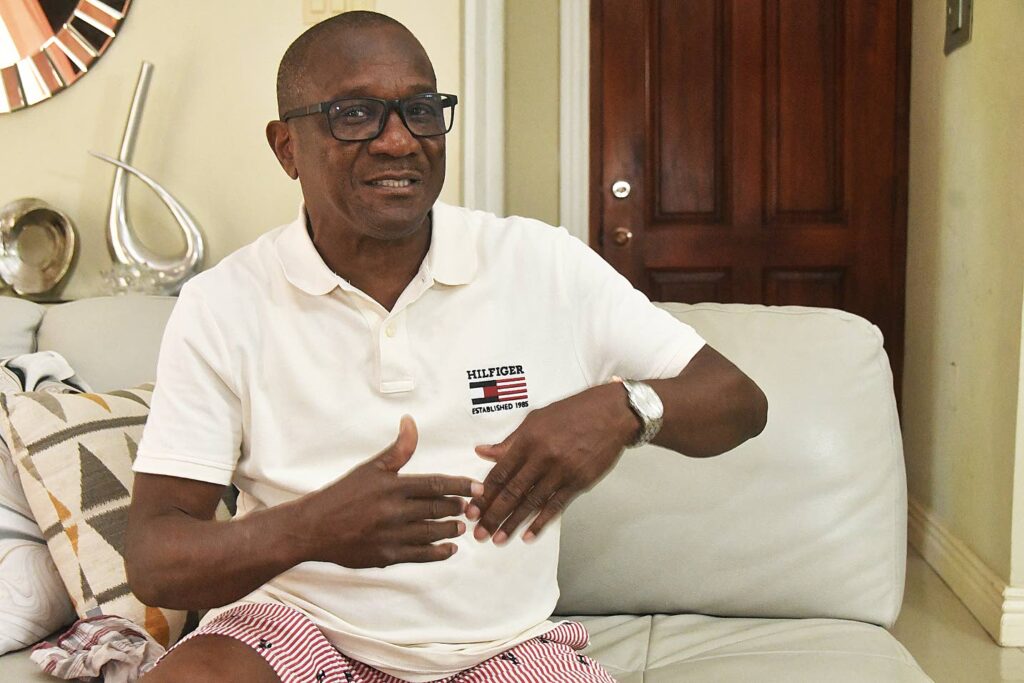
    A soft, knowing laugh, steeped in the quiet triumph of a life built against all odds, escapes 67-year-old former Jamaican national footballer Michael “Zun” Clarke as he looks back on a journey few would have bet on. His path winds from the tough, working-class streets of Waltham Park Road in Kingston, through the high-stakes glory of Jamaica’s Manning Cup schoolboy football at Tivoli Gardens High School, all the way to the lecture halls of American universities, where he would eventually graduate with a bachelor’s degree in counselling and guidance.

    What hides beneath that warm laughter is a story of almost unbelievable grit, rooted in a secret few knew during his childhood: for all of his primary school years, Michael Clarke could not read.

    Speaking with the Jamaica Observer, Clarke explained that poverty, not lack of ability, created that barrier. Raised by a single mother after his father passed away when he was just four years old, the youngest of nine siblings grew up in a household so strapped for cash that his mother Isadora simply could not afford to buy him a basic reading book for his studies at Whitfield Town Primary School.

    Rather than surrender to self-pity or let his circumstance define his future, Clarke made a quiet, deliberate choice to teach himself literacy — and he turned his daily football training into a classroom. While training at the old Cable and Wireless playing field near his Cortina Avenue home, he built his reading skills one word at a time.

    “I started out by pulling a word from the dictionary, writing out each letter, and as I ran around the track in the evenings, I’d spell the word out loud and practice pronouncing it,” Clarke recalled. “Every single day I learned at least two or three new words. Over time, I started putting them together into sentences — I actually taught myself how to read.”

    By the time he enrolled at Tivoli Gardens High School, he still had years of catching up to do to match the literacy level expected for his grade. Even after graduating high school with no O-Level qualifications, Clarke knew he was already far behind his peers — so when a rare football scholarship opened up to Alderson Broaddus University in the United States, he vowed to squeeze every possible opportunity out of the second chance.

    “When I got that scholarship, I thought to myself, ‘What the hell is this? This is your last shot to build something for yourself,’” he told the Sunday Observer. “And trust me, I made it count. I studied almost day and night, made the Dean’s List with a 3.6 GPA first, then a 3.8. I never failed a single class in college.”

    His academic performance was so strong that after completing his undergraduate degree, Clarke earned a full academic scholarship to pursue abnormal psychology at West Virginia University in 1985. That remarkable academic rise came just over a decade after a fateful encounter that changed the course of his life as a teenager.

    At 15, Clarke was attending Tivoli High on the evening shift when he crossed paths with Neville Myton, the school’s football coach and a former Jamaican Olympian who competed at the 1964 Tokyo Games while still a student at Excelsior High. Myton had built a reputation for spotting hidden raw talent, and that evening he spotted Clarke playing in the school auditorium.

    “He asked me my name, then asked if I wanted to switch to the morning shift to join the football program. I said yes immediately. He told me to show up before the school gate opened on Monday, and that’s exactly what I did,” Clarke said, smiling at the decades-old memory.

    Myton placed Clarke on the school’s Colts youth team, and that year, they took home the championship. One victory that still stands out to him is a 1-0 win over powerhouse Kingston College — the first time Tivoli Gardens had ever beaten Kingston College in any sport, by Clarke’s recollection.

    By 1976, Clarke was a starting striker on Tivoli Gardens’ Manning Cup squad, a team stacked with extraordinary young talent that included Dennis “Den Den” Hutchinson, Ken Bailey, Leon Osbourne, and brothers Dave and Delmonte Clarke (no relation to Zun), that claimed the Manning Cup title. For a school that was only five years old at the time, the win felt almost otherworldly.

    “To be honest, it was almost surreal that a young program just five years old could achieve that much in so little time,” Clarke said. “After a while it hit me: ‘Holy crap, we actually did this.’ We nearly repeated the win the next year, too. It taught me that big things are actually possible, even when everyone counts you out.”

    While fans across Jamaica marveled at the underdog win, Clarke said the team simply saw it as the result of playing the game they loved the way they always had. “We didn’t do anything extra. We just played like we normally did,” he said.

    After high school, Clarke played for Jamaican club side Cavalier, worked on the production line at local manufacturer Seprod, and earned a call-up to represent Jamaica at the national level. His final cap for the Reggae Boyz came in 1987, after he had already moved to the U.S. He flew back to Jamaica after picking up his green card, trained with the squad, and came on as a substitute in an exhibition match against a side that included English stars John Barnes and Luther Blissett.

    Clarke soon found that the discipline, quick thinking, and strategy he had honed on the football pitch translated seamlessly to his post-academic career. After graduating university, he took a role with New York City Parks and Recreation, before spending decades as a youth counsellor with the New York State Office of Children and Family Services, working with court-ordered juvenile delinquents.

    “As a youth counsellor, you hear some terrible, dangerous stories — especially from the girls, 12 to 18 years old, talking about ongoing abuse and trauma,” Clarke explained. Early in his tenure, the weight of those stories drained him mentally, especially as a father of two daughters with his wife Sandra. “At one point my wife told me, ‘Don’t bring this work home. If it’s eating at you this much, leave and find something else.’ Over time, I learned how to process it, how to empathize without carrying the pain home with me, but it was always heavy work hearing what those kids had gone through.”

    Clarke retired from his role in December 2000, just a month after celebrating his 67th birthday in January this year, he splits his time between Jamaica and the United States, where he owns property, and spends much of his time traveling between the two countries to visit his three children, all of whom have built successful careers of their own.

    His son Leon, from a previous relationship, is a high school principal in Delaware with a PhD, who earned an American football scholarship to the University of Delaware. His oldest daughter Aneka, 41, is a certified public accountant after graduating Temple University on an academic scholarship, while his youngest daughter Michelle, 31, a Howard Business School graduate, works as a strategy consultant for a digital technology firm in Washington, D.C. Clarke speaks of his children with a father’s quiet, unshakable pride.

    But for all the joy and success Clarke has earned in his later years, he carries a quiet grief: when his mother Isadora passed away in 2020, at the height of the COVID-19 pandemic, he was stuck abroad and could not get home to be with her before she died. Jamaica had closed its borders and locked down to slow the spread of the virus, so Clarke could not return before she died of natural causes, aged 102.

    “COVID didn’t kill her, she died of natural causes, but it hurts to talk about it. The country was shut down, the ports were closed, no one could come in, and I was stuck overseas,” he said, his voice thick with emotion. As soon as lockdown restrictions lifted, Clarke booked the first available flight home to honor the woman who made endless sacrifices to support his education, even when she could not afford a reading book for him. He finds solace in the fact that she lived to 102, a milestone he describes with a typically Jamaican cricketing metaphor: “She was a good batswoman. She batted the whole innings well.”