分类: sports

  • World Cup teams blast UEFA chief over ‘uninteresting’ matches remark

    World Cup teams blast UEFA chief over ‘uninteresting’ matches remark

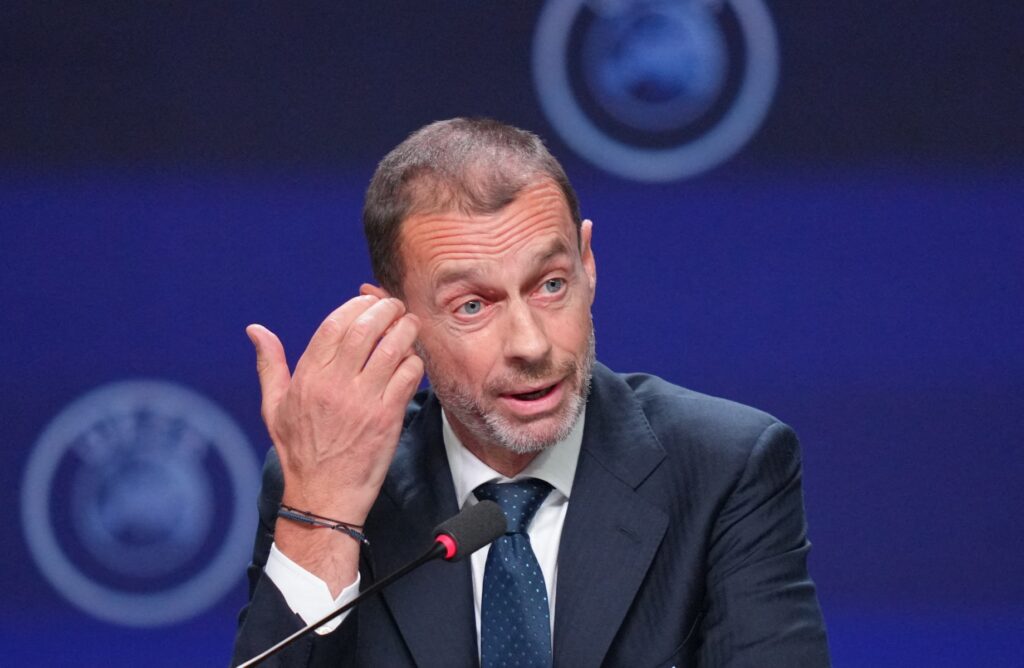
    LOS ANGELES, Oct. 13 (AFP) — A coalition of 13 national football associations gearing up for this year’s expanded 48-team FIFA World Cup has publicly pushed back against Aleksander Ceferin, president of the European football governing body UEFA, over controversial reported comments dismissing many matches in the expanded tournament as “completely uninteresting.”

    In a unified joint statement released Sunday, the group of federations — which includes first-time World Cup qualifiers Cape Verde, Curacao and Uzbekistan, alongside 10 other African and Caribbean nations — said they “respectfully but firmly reject” Ceferin’s remarks first published by Slovenian national newspaper Delo.

    The comments, reportedly made by Ceferin in pre-tournament remarks, centered on criticism of the decision to expand the 2026 World Cup field from the 32-team format used in 2022 to 48 teams. Ceferin was quoted as claiming expansion would dilute the overall competitive quality of the tournament, resulting in dozens of low-stakes, unengaging fixtures.

    “For our countries, there is no such thing as an unimportant World Cup match,” the joint statement emphasized. The coalition argued that Ceferin’s framing of lower-ranked qualifiers’ matches as less valuable ignores the years of relentless effort, personal sacrifice, and collective national ambition invested by players, coaching staff, club organizations, football administrators, and millions of passionate fans across smaller and emerging football nations.

    Notably, reporting from a second Slovenian outlet noted that Ceferin also offered a balancing perspective in the same conversation, acknowledging that “even small countries can participate and feel the pulse of the World Cup, which is a big thing.” That clarification did not soften the coalition’s pushback, however.

    Alongside the three debutant nations, signatories to the statement include the football federations of Algeria, the Democratic Republic of Congo, Egypt, Ghana, Haiti, Ivory Coast, Morocco, Senegal, South Africa and Tunisia, all of which have secured spots in this year’s expanded 48-team tournament. The statement repeated that every participating nation has earned its place through competitive qualification, every fan is entitled to their national team’s World Cup dream, and every fixture carries profound meaning for millions of people worldwide.

    “All nations participating at the World Cup deserve respect,” the statement read. “We therefore reject the UEFA President’s comments.”

    When AFP reached out to UEFA for a response to the joint statement, a spokesperson for the governing body did not explicitly confirm or deny that Ceferin made the reported comments. Instead, the organization directed reporters to a separate interview Ceferin gave one week prior, in which the UEFA chief did not address World Cup expansion at all.

  • Blue Vinyl snatches Liu Chie Poo Trophy on the line from Supremasi

    Blue Vinyl snatches Liu Chie Poo Trophy on the line from Supremasi

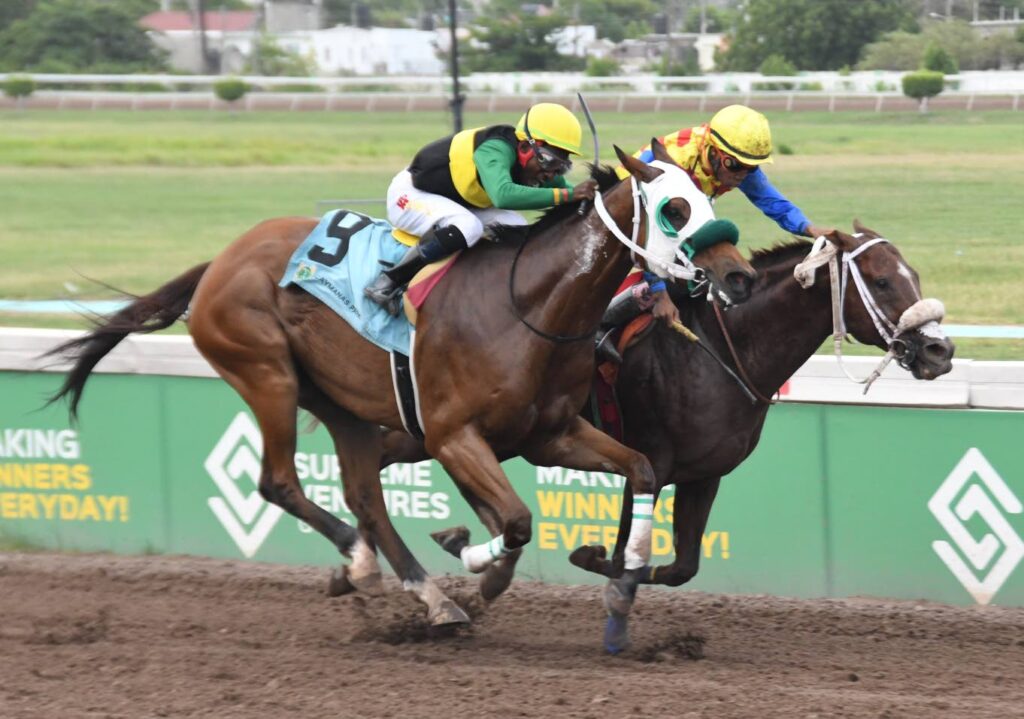
    On a thrilling Saturday of thoroughbred racing at Caymanas Park, jockey Raddesh Roman delivered one of the weekend’s most memorable displays of tactical racing, steering Blue Vinyl to a dramatic last-gasp win in the $1.25-million Liu Chie Poo Trophy that denied a late charge from runner-up Supremasi.

    Trained by veteran horseman Gary Subratie, Blue Vinyl adopted a patient, come-from-behind strategy from the opening bell. While Evertte Clunis’ mount Sheer Delight set a steady early pace up front, with Supremasi — ridden by Tajay Suckoo — hot on the leader’s heels, Blue Vinyl sat comfortably off the pace down the backstretch, conserving energy for the final stretch push. Roman expertly navigated the half-mile turn, hugging the inner rail to save valuable ground before threading Blue Vinyl through a narrow gap along the fence deep in the final stretch.

    With just 50 meters left in the 1-mile (1,600-meter) Overnight Allowance contest, Supremasi looked poised to cross the finish line first. But Blue Vinyl’s late burst, paired with Roman’s perfectly timed ride, changed the outcome in the final strides. The five-year-old runner pulled ahead by a head at the line, stopping the clock at a final time of 1:37.3, with split times of 23.4 seconds for the opening quarter, 46.1 for the half, 1:11.2 for six furlongs, and 1:24.2 for seven furlongs. Intrestntimesahead rounded out the top three finishers.

    The Liu Chie Poo Trophy win marked Roman’s second victory of the race day. Earlier in the card, he secured the $820,000 Valbert Marlowe Memorial Cup, a 9-furlong (1,800-meter) contest, aboard Diesel Train, a trainee of conditioner Peter-John Parsard.

    The standout performance of the day, however, belonged to four-time defending champion trainer Jason DaCosta, who once again proved his dominance on the Jamaican racing circuit by notching four wins across the 10-race program. DaCosta’s winning streak on the day began with Novio, ridden by Tevin Foster, in the second contest. He followed that up with back-to-back wins: Formalist, with Robert Halledeen in the irons, took the sixth race, and Chocomo — also ridden by Halledeen — crossed first in the seventh. DaCosta closed out the day with a win in the 10th and final race, with Maverick and jockey Aaron Chatrie securing the victory.

    Live thoroughbred racing will return to Caymanas Park next Saturday for another card of competitive racing.

  • Windies Women start T20 World Cup with win over Kiwis

    Windies Women start T20 World Cup with win over Kiwis

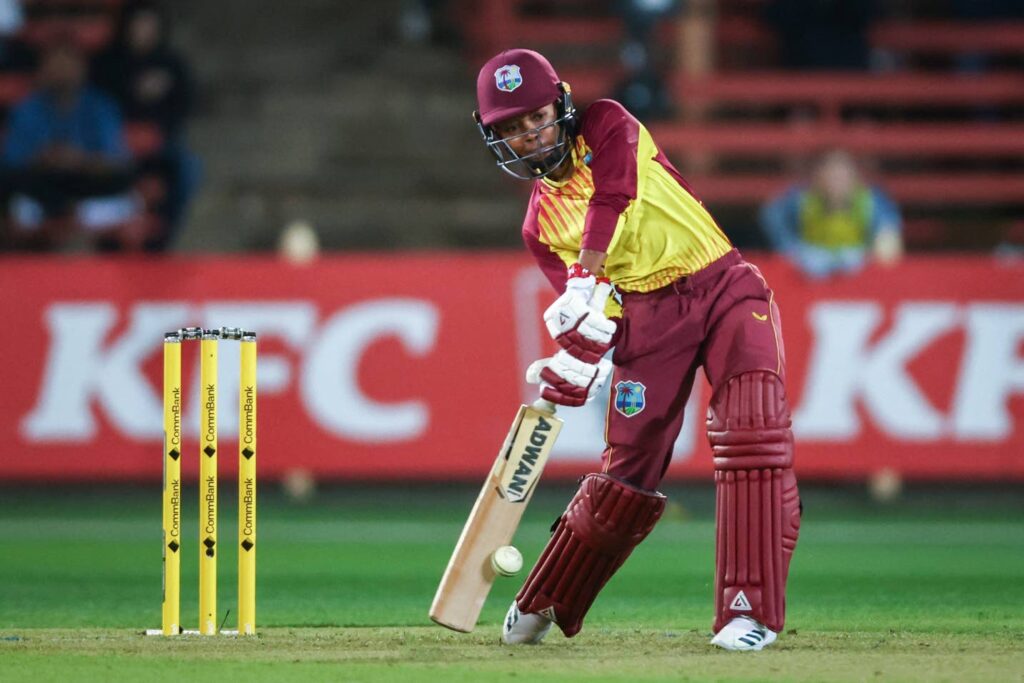
    At the 2026 ICC Women’s T20 World Cup hosted at Southampton’s Rose Bowl, a stunning upset unfolded on Saturday, as 33-year-old Shemaine Campbelle delivered a career-defining knock to lift the West Indies Women to a dramatic seven-wicket victory over defending world champions New Zealand. What makes this result all the more remarkable for the Caribbean side is that they pulled off the win without two of their star players: all-rounder Stafanie Taylor and the injured Chinelle Henry.

    After winning the pre-match coin toss, the West Indies opted to take the field first, and they delivered a disciplined bowling performance to restrict the Kiwis to a 6-wicket total of 162. The New Zealand openers got off to a flying start, putting 49 runs on the board inside the first six overs to put the Caribbean side under immediate pressure, but medium pacer Aaliyah Alleyne turned the tide with a devastating spell of bowling. She broke the opening stand to claim her first wicket, then snared two more in the eighth over, leaving New Zealand reeling at 56 for three.

    A steady 45-run stand between Sophie Devine and Brook Halliday stabilized the Kiwi innings, before West Indies captain Hayley Matthews removed Devine for 22. It was late contributions from Halliday, who top-scored with 40 runs off 32 deliveries, and an unbeaten 35 off 22 balls from Maddy Green that pushed New Zealand to their final competitive total. Alleyne finished the New Zealand innings with an impressive career haul of four wickets for just 27 runs, which was ultimately overshadowed by Campbelle’s iconic batting performance.

    Chasing 163 runs for victory, the West Indies got off to a shaky start. A mid-wicket mix-up between Qiana Joseph and captain Matthews led to a run out in the second over, with the West Indies already at 12 runs. In the very next over, Matthews should have been dismissed for just nine runs, but Izzy Sharp put down a straightforward catch at deep backward square. That drop would prove costly for New Zealand, who had a day to forget in the field: the side dropped at least six catching chances, while wicketkeeper Isabella Gaze missed two stumping opportunities, including one that reprieved Campbelle when she had scored just 18.

    Batting at number three, Campbelle also survived an early leg before wicket appeal via a successful review, and was dropped again when she reached 26. Instead of crumbling under pressure, the experienced campaigner made the defending champions pay for every missed chance. Through the powerplay, Campbelle and Matthews carried the score to 35 for one, well below the required run rate of 8.15 runs per over at the start of the chase. Matthews continued to ride her luck, surviving another dropped catch on 21 and again on 42, before she finally departed for a well-compiled 48 off 37 balls, caught at long on off Jess Kerr’s bowling. By that point, the pair had put on a vital 74-run second wicket partnership that kept the West Indies in the hunt.

    Campbelle kept pressing forward, bringing up her maiden T20I half-century in her 155th T20I appearance in the 14th over, after hitting Amelia Kerr for two consecutive sixes. She then dominated a 40-run stand with Deandra Dottin, who contributed six runs before Jess Kerr took a sensational catch to dismiss Dottin, leaving the West Indies 126 for three after 16 overs. With 37 runs still required from 24 deliveries and World Cup debutant Jahzara Claxton at the crease alongside her, Campbelle accelerated sharply, smashing a four off Devine and a powerful six off Amelia Kerr, while carefully picking up critical singles and doubles to keep the score ticking.

    With 14 runs needed from the final 12 balls, Campbelle and Claxton picked up 10 runs from the penultimate bowled by pace bowler Rosemary Mair, setting up a tense final over. Off the first delivery of the last over, Campbelle sliced a shot to backward point for two runs, added a single from the next, then scrambled home via a leg bye off the fifth ball of the over, securing victory with one full delivery remaining. This victory marks the second-highest successful run chase in the history of the Women’s T20 World Cup, cementing Campbelle’s knock as one of the most iconic performances in the tournament’s history.

  • Japan snatch 2-2 draw with Netherlands in World Cup Group F

    Japan snatch 2-2 draw with Netherlands in World Cup Group F

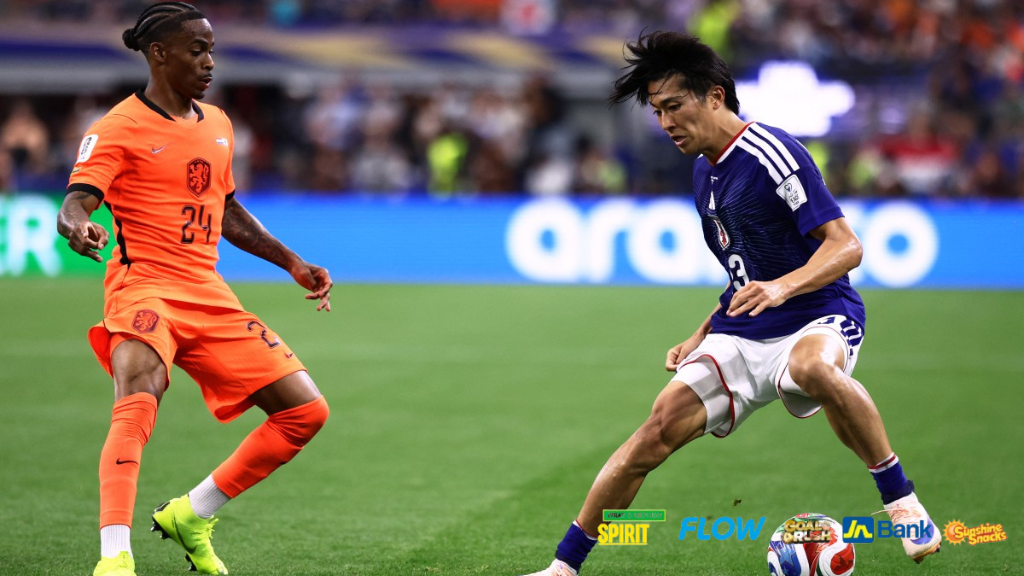
    In a heart-pounding Group F World Cup encounter held Sunday at Arlington, Texas’ AT&T Stadium, Japan pulled off a stunning late comeback to force a 2-2 draw against the Netherlands, with midfielder Daichi Kamada netting a dramatic 88th-minute equalizing header. The match, which kept fans on the edge of their seats from the first whistle to the final minutes, saw the Japanese side twice rally back from deficits to claim a hard-earned point in the group stage standings.

    The deadlock held through the first half, with both sides trading defensive stops and limited attacking chances, until Netherlands captain Virgil van Dijk, the star defender of Liverpool, broke the open the scoring in the 51st minute. The towering centre-back put the Oranje ahead with a well-placed finish, giving his side the momentum heading into the final half-hour of play.

    Japan responded quickly, however. Just six minutes after van Dijk’s opener, Japanese winger Keito Nakamura found the back of the net to level the score at 1-1, setting the stage for a tense back-and-forth finish. The Netherlands retook the lead in the 64th minute, when Crysencio Summerville’s clinical strike put the Oranje up 2-1, putting Japan on the brink of a group stage defeat.

    But Kamada, who plies his club trade with Premier League side Crystal Palace, had other plans. In the closing minutes of regulation time, the Japanese playmaker rose above the Dutch defence to connect with a cross, sending a pinpoint header past the Netherlands’ goalkeeper and securing a precious equalizer that preserved a point for Hajime Moriyasu’s Blue Samurai. The dramatic result leaves both teams with one point from their opening group clash, setting up high-stakes final two group matches for both sides as they chase a spot in the knockout stage.

  • Samba Stalled

    Samba Stalled

    EAST RUTHERFORD, N.J. — The 2026 FIFA World Cup kicked off its Group C play at MetLife Stadium on Saturday with a dramatic 1-1 stalemate between five-time champions Brazil and 2022 semi-finalists Morocco, offering an early sign that Brazil’s quest for a historic sixth title will be far from straightforward under first-time foreign head coach Carlo Ancelotti.

    Morocco, who shocked the football world by reaching the final four four years ago, got off to a flying start under manager Mohamed Ouahbi, who had urged his squad to cast aside any intimidation facing the global powerhouse. That gameplan paid off in the 21st minute, when playmaker Brahim Diaz threaded a precision through pass that put Ismael Saibari through on goal. The PSV Eindhoven attacker outpaced Brazil center backs Marquinhos and Gabriel Magalhaes, then coolly lobbed a scooped finish over onrushing Brazil goalkeeper Alisson Becker to put the North African side ahead.

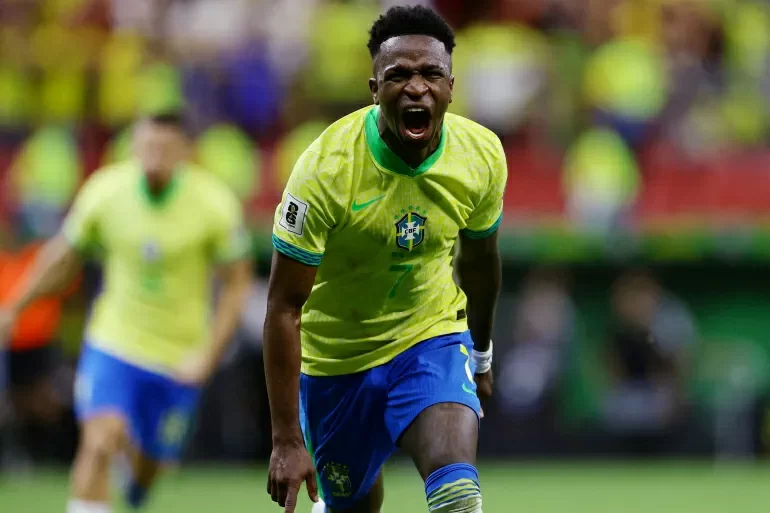
    Brazil, missing their all-time leading goalscorer Neymar, who continues his recovery from a 2023 calf injury that has kept him out of international action, struggled to find rhythm for much of the first half. But Real Madrid winger Vinicius Junior produced a moment of individual brilliance in the 32nd minute to level the score. Receiving a neat layoff from Bruno Guimaraes on the left edge of the 18-yard box, Vinicius cut inside onto his stronger right foot and fired a blistering strike past Morocco goalkeeper Yassine Bounou into the far corner of the net.

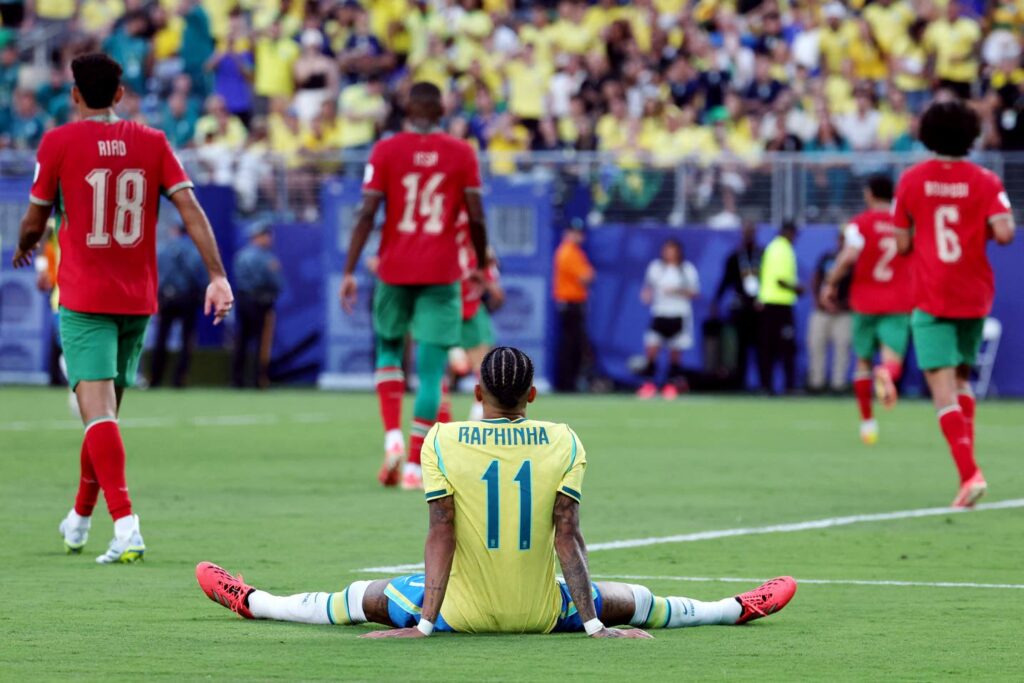
    The equaliser injected new energy into a sluggish Brazil side, and they came close to taking the lead before halftime, when Lucas Paqueta’s acrobatic volley was pushed away by a sharp save from Bounou. After the break, Ancelotti’s side pushed hard for a winning goal, capitalising on a quick throw-in to catch Morocco off guard, but Bounou was equal to Igor Thiago’s close-range effort. Later attempts from Raphinha and Danilo both sailed straight into the waiting hands of the Morocco keeper, who put in a man-of-the-match performance to keep his side level.

    Morocco nearly snatched a last-gasp upset in stoppage time, when Neil El Aynaoui’s long-range drive was parried by Alisson, who had to scramble quickly to block Ayoube Amaimouni’s follow-up rebound, preserving the share of the points for both sides.

    The result stretches Brazil’s unbeaten streak in World Cup opening matches all the way back to 1934, but the underwhelming performance has amplified questions about Ancelotti’s side as they aim to end a 24-year title drought. The Italian manager, who took the role to end Brazil’s longest ever stretch without a World Cup triumph, entered the tournament after a fifth-place finish in South American qualifying, but has repeatedly maintained his squad has the quality to compete with any side in the expanded 48-team tournament.

    Saturday’s match also carried nostalgic weight, as members of Brazil’s last World Cup-winning squad from 2002 — including Ronaldo, Roberto Carlos and Kaka — were in attendance at the New Jersey venue to watch the current generation begin their campaign.

    Looking ahead to the second round of group play, Brazil will face minnows Haiti in their next fixture, while Morocco will take on Scotland as both sides fight to secure a spot in the knockout stage of the tournament.

  • Hamilton claims his first Ferrari win at Barcelona Grand Prix

    Hamilton claims his first Ferrari win at Barcelona Grand Prix

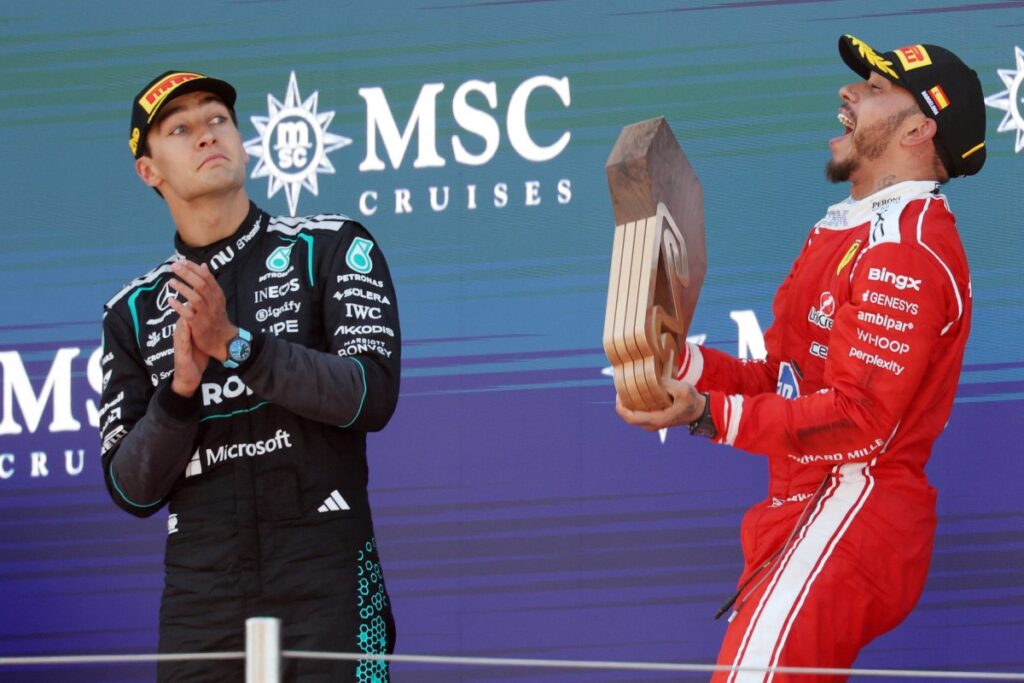
    The Circuit de Barcelona-Catalunya played host to a dramatic, history-making turn in the 2025 Formula One season on Sunday, as seven-time world champion Lewis Hamilton claimed his maiden victory since joining Ferrari, snapping championship leader Kimi Antonelli’s dominant five-race winning run in the process.

    Forty-one-year-old Hamilton, who had not stood atop an F1 podium for nearly two years, delivered a masterclass in control and speed across the 66-lap race, crossing the finish line with a comfortable 19-second gap over second-place George Russell of Mercedes. Lando Norris of McLaren rounded out the results to secure an all-British top three, a rare and celebrated outcome for British motorsport fans.

    Antonelli, the young Italian who had dominated the preceding five Grands Prix to build a sizeable lead in the Drivers’ Championship, saw his race unravel in the final stages. A sudden, unexpected technical failure forced him to retire from the event before he could cross the finish line, a devastating end to what had shaped up to be another strong showing for the teenager.

    The retirement drastically reshaped the championship standings. Hamilton’s win cuts Antonelli’s overall lead to just 41 points with multiple races remaining on the calendar, opening the title fight back up for the veteran contender. For Russell, the pre-season favorite to claim this year’s crown, the result brought a mix of relief and renewed motivation. The Mercedes driver had arrived in Montmeló openly lamenting a string of bad luck that had derailed his recent form, and he benefited from Antonelli’s misfortune to close the gap to the young Italian to 53 points.

    In an emotional post-race message over team radio, Hamilton paid tribute to the Ferrari squad and the legions of fans that have stood by him through his two-year dry spell. “You have helped me so much to achieve this dream, I cannot thank you enough,” Hamilton said. “To the fans, thank you for reminding me who I am. I couldn’t have done this without you.”

    Russell offered a measured take on his second-place finish, acknowledging the step forward for his team while conceding that Ferrari’s pace was unmatched on Sunday. “Good to be back on the podium and have a clean race, but Ferrari were mighty today so we need to keep pushing,” Russell told reporters. “The last stints were difficult, but it’s good to be back here. The pace today was insane from Lewis, they are coming I think.”

    The result marks a pivotal turning point in the season, proving that the 41-year-old Hamilton remains a force to be reckoned with at the pinnacle of motorsport, and setting up a tense title battle for the remaining races.

  • Derde helft WK 2026: Brazilië start tegen Marokko op derde toernooidag

    Derde helft WK 2026: Brazilië start tegen Marokko op derde toernooidag

    The 2026 FIFA World Cup, co-hosted across North America, enters its next matchday on Saturday June 13, with four more group stage fixtures getting underway as the 48-team tournament continues to unfold. The headline clash of the day pits five-time World Cup champions Brazil against 2023 Africa Cup of Nations winners Morocco, while three other opening-round matches see Qatar face Switzerland, Haiti take on Scotland, and Australia go up against Turkey. Off the pitch, the tournament has already seen a string of unusual off-field stories: former US president Donald Trump missed the United States’ opening fixture, former Canadian prime minister Justin Trudeau attended the US match instead of Canada’s own tournament opener, and Ghanaian midfielder Thomas Partey was forced to sit out his side’s first match after Canadian authorities rejected his visa application. In an unexpected twist, Peruvian police officers sparked public commotion when they disguised themselves as World Cup mascots to carry out a successful drug raid.

    Below is the full kickoff schedule for June 13, all local time: Group B’s Qatar vs Switzerland gets underway at 4:00 PM at BC Place in Vancouver, British Columbia. The highly anticipated Group C clash between Brazil and Morocco follows at 7:00 PM at MetLife Stadium in East Rutherford, New Jersey. The final match of the day will see Haiti and Scotland face off at 10:00 PM at AT&T Stadium in Arlington, Texas. Australia and Turkey will round out the day’s action, kicking off their Group D campaign at 1:00 AM Sunday at Lumen Field in Seattle, Washington.

    ### Brazil vs Morocco
    Brazil will kick off its quest for a record-extending sixth World Cup title in what stands as the toughest possible opening Group C test against reigning African champions Morocco. Unlike most tournament favorites, who open their campaigns against lower-ranked underdogs, Brazil has been drawn into an immediate high-stakes clash against one of the most dangerous teams in the group.

    Morocco’s squad, led by star defender Achraf Hakimi and attacking playmaker Brahim Diaz, enters the tournament in strong form with significant offensive firepower. As demonstrated during their historic fourth-place run at the 2022 World Cup, the North African side has proven it can go toe-to-toe with the world’s top ranked teams. The two sides have only met once before at a World Cup, with Brazil claiming a group stage victory back in 1998, though Morocco got revenge with a 2-1 friendly win over the South American giants in 2023.

    Brazil holds an impressive overall record against African opponents at the World Cup, with seven wins from eight matches, its only loss coming against Cameroon in the final group stage match of the 2022 tournament. The five-time champions have not lifted the World Cup trophy since their 2002 victory, and have exited the tournament in the quarter-finals in most editions since, aside from a home semi-final exit in 2014. Leading into the 2026 tournament, Brazil’s preparation has been far from smooth: the side is under the leadership of a new head coach, has been plagued by key injury setbacks, and navigated a chaotic qualification campaign. Even with these questions hanging over the side, Brazil remains the clear favorite to pick up three points in its opening fixture.

  • The Americans dominate Paraguay in opening World Cup match, 4-1

    The Americans dominate Paraguay in opening World Cup match, 4-1

    The early stage of the men’s World Cup delivered two compelling matches and unforgettable pre-game celebrations, as North American teams took the international stage to showcase their soccer talent.

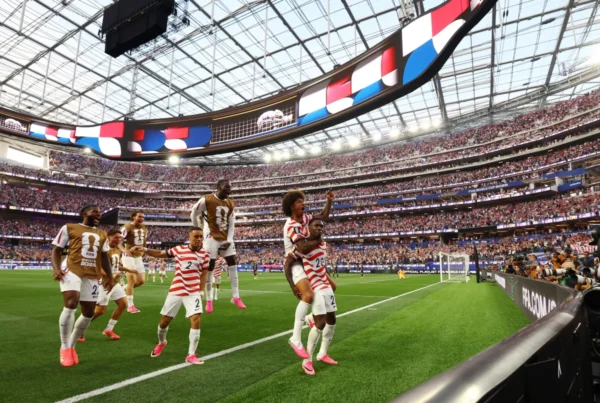
    For the United States men’s national team, the opening clash against Paraguay went down as one of the most dominant first-half performances in program history. Right from the opening whistle, the American side controlled possession, created high-quality chances, and found the back of the net three times before halftime, putting Paraguay in an immediate uphill battle.

    Paraguay responded with more attacking pressure after the break, managing to pull one goal back to cut the deficit. However, the South American side could not break through the U.S. defense for the additional goals they needed to level the score. In stoppage time, the United States capitalized on a fatigued Paraguayan defense to add a fourth goal, cementing a convincing 4-1 victory.

    Before the match, the United States’ opening celebrations brought together some of the biggest names in global music for a star-studded show. Headlining performances came from American rapper Future, South African hitmaker Tyla, Blackpink’s Lisa, and Brazilian pop icon Anitta, hyping the packed crowd ahead of kickoff. North of the border, Canada’s opening ceremony in Toronto delivered its own iconic lineup, featuring performances from legendary Canadian artists Alanis Morissette, crooner Michael Bublé, and breakout pop star Alessia Cara.

    In Canada’s opening match against Bosnia and Herzegovina, the home crowd in Toronto created an electric atmosphere from start to finish. After a tense first half that saw Bosnia and Herzegovina take a one-goal lead, Canada held its composure and pushed forward in the second half. The North American side found a critical equalizer to level the score, holding on for the final whistle to secure a 1-1 draw in their tournament opener.

  • Castries youth football league enters knockout phase

    Castries youth football league enters knockout phase

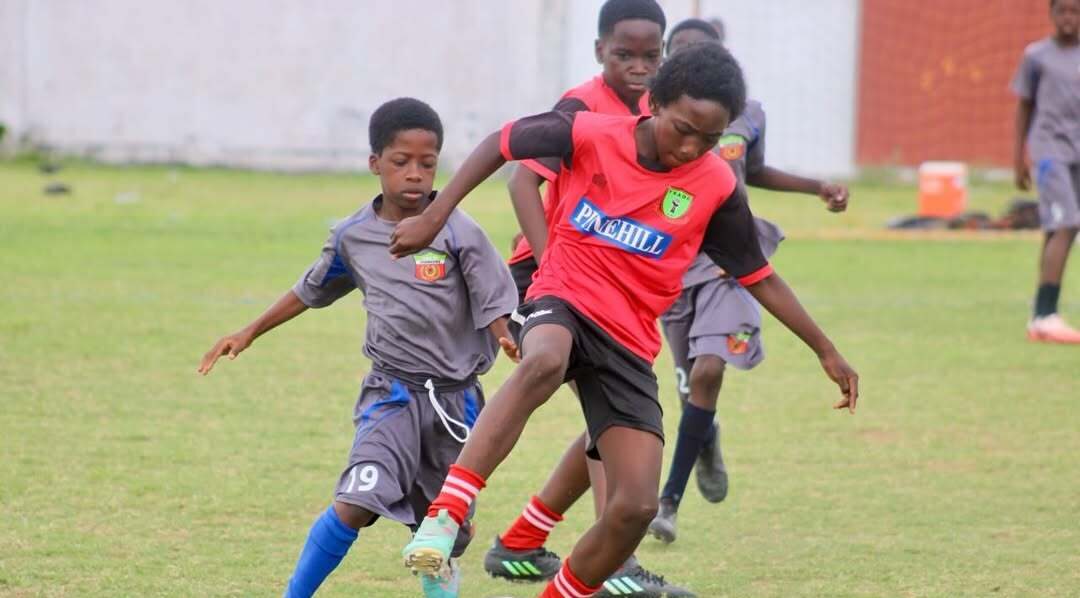
    The Saint Lucia Electricity Services Ltd and Bank of Saint Lucia-sponsored Castries Youth Football League is gearing up for its highly anticipated playoff phase, set to launch this coming weekend as the tournament enters its fourth week of competition. The event, which showcases emerging young football talent across four age groups, has already reached a critical turning point: the Under-12 division has secured its top eight teams, who will go head-to-head in the quarterfinals, while young squads in the Under-7, Under-10, Under-14 and Under-17 categories continue to battle for the remaining playoff positions. Alongside team glory, individual standout players in every division are locked in a tight race to claim the league’s coveted Golden Boot award for top scorer.

    Earlier match results have set the stage for this weekend’s high-stakes fixtures. In Under-7 action earlier this week, Lancers FC claimed a solid 2-0 victory over NYAH FC in a hotly contested Castries derby. The side found the back of the net once in each half, with goals from young forwards Traie Constantine and Kaylan Moise securing the win. A second lopsided result followed on Thursday, when GMC United delivered a dominant 6-0 shutout against VSADC. The GMC United attack was led by Shiloh John, Sherdan Sylvester and Shaquil Martelly, each of whom notched a brace in the commanding performance.

    All eyes will turn to the Sab Playing Facility this Saturday, where a full slate of divisional matches will unfold. First up, Under-10 fixtures will see Lancers FC square off against FC Pioneers, followed by a clash between Monchy United FC and NYAH FC. Monchy United’s rising star Liam Peter, who scored five goals in the team’s previous outing, will be eager to extend his scoring streak and climb the Golden Boot rankings on Saturday morning.

    In the afternoon, the Under-14 division will host three key matchups: VSADC will face FC Pioneers, NYAH FC will go up against GMC United, and Big Players FC will battle Valley Soccer Club. The Golden Boot race in this division is already neck-and-neck: Randel Francois of Lancers FC and Deandre James of FC Pioneers are currently tied on three goals apiece, leaving both hungry to find the net and claim the solo lead in this weekend’s fixtures.

    The playoff action officially gets underway on Sunday, when all four Under-12 quarterfinal matches will kick off simultaneously at 9:50 a.m. The quarterfinal lineup matches Lancers FC against New Generation FC, Big Players against Flames United, Maxwell Andrew and Monchy United against NYAH FC, and VSADC against FC Pioneers.

    The weekend of competition will wrap up with two decisive Under-17 matches that could largely shape the eventual league championship outcome. Valley Soccer will face NYAH FC, while Monchy United will go head-to-head against GMC United. The division’s Golden Boot race is also well underway: Curtrel Francois of Monchy United currently leads the pack with four goals, while Dacius Prince of Valley Soccer trails close behind on three, giving both players plenty to play for in Sunday’s double-header.

  • Derde helft WK-2026: De echte winnaar van het WK staat niet op het veld

    Derde helft WK-2026: De echte winnaar van het WK staat niet op het veld

    When the first kickoff of the FIFA World Cup signals the start of the world’s biggest sporting celebration, billions of viewers around the globe fixate on the on-pitch drama: the form of star players, the tactical choices of head coaches, and the fight between 32 national teams to lift the sport’s most coveted trophy. Fans cheer every goals, debate controversial referee calls, and spend weeks dreaming of their nation lifting the golden World Cup trophy. But behind this global festival of football, a far less visible, equally high-stakes competition is already underway – one that plays out not on grass pitches, but in corporate boardrooms, broadcast control rooms, advertising departments and online betting platforms. Today’s modern World Cup is far more than just a sporting event: it has evolved into one of the most valuable commercial and economic events on the planet.

    For the global gambling industry, the World Cup is always a win-win proposition. While national teams can be eliminated early, and millions of supporters leave the tournament disappointed, the betting sector holds one unbeatable advantage: it almost always comes out on top. During every World Cup cycle, an estimated tens of billions of dollars are wagered on matches across the world, with bets placed not just on final match results, but also on individual goal scorers, the number of yellow cards, corner kicks, and dozens of other in-game micro-events. For bookmakers, the final winner of any given match barely matters: their business model is built on consistent, pre-structured margins baked into every bet placed.

    This makes the World Cup one of the most profitable annual highlights for the global gambling industry. While players compete for glory on the pitch, bookmakers battle each other for larger market share and thousands of new first-time customers. What billions watch as a month of sport has become a massive commercial product, with an entire multi-billion dollar industry built around it.

    The competition for profit extends far beyond betting, however. A brutal, high-stakes battle is also waged for exclusive World Cup broadcast rights. Governments, private television networks and global media conglomerates spend hundreds of millions of dollars to secure the rights to air matches in their regions. For outside observers, this price tag can seem bewildering: why spend such massive sums on 90 minutes of live play that becomes history as soon as the final whistle blows? In many smaller national economies, it is nearly impossible to recover the full cost of broadcast rights through advertising revenue alone. So why do media companies continue to outbid each other for these rights?

    The answer boils down to one of the most valuable commodities in the modern digital economy: audience attention. No other television event on Earth draws the same massive, simultaneous global audience as the FIFA World Cup. The tournament final alone regularly draws more than one billion concurrent viewers. For advertisers, this level of unified global attention represents enormous untapped economic value. FIFA sells bulk broadcast rights to international distribution partners, which then issue sub-licenses to national public and private broadcasters. Every link in this distribution chain works to recoup its investment through advertising revenue, sponsorship deals, paid streaming subscriptions and commercial partnerships. For media companies, one simple rule holds: whoever owns the broadcast rights controls the world’s largest attention economy for an entire month.

    Host nations almost universally frame the World Cup as a once-in-a-generation economic opportunity. The event spurs the construction of state-of-the-art new stadiums, major upgrades to national transportation infrastructure, and large-scale global tourism campaigns to draw millions of international visitors. For the 2026 co-hosted World Cup, the United States, Canada and Mexico expect to welcome millions of traveling fans over the course of the month-long tournament. But decades of international economic research show that direct financial returns rarely live up to the optimistic projections set by host governments. While hotels, restaurants, airlines and the local tourism sector almost always see significant short-term revenue gains, these benefits are often offset by the enormous upfront costs of expanded security, infrastructure upgrades and new stadium construction.

    In some cases, host nations have struggled for years after the tournament to turn the purpose-built sports facilities into profitable, long-term assets. The most famous example remains Brazil’s 2014 World Cup, where several new stadiums built specifically for the tournament sit underused nearly a decade later. For most host nations, the biggest benefit rarely comes from direct match-related revenue, but rather from the unprecedented global visibility the event delivers. A World Cup acts as a global marketing campaign that no host nation could ever afford to fund on its own, boosting international trade and tourism for years after the final match.

    One of the most underrecognized economic forces behind the modern World Cup is the outsized role of global advertisers and corporate sponsors. Major global brands across banking, telecommunications, insurance, automotive and dozens of other sectors invest billions of dollars annually in football sponsorship, not because they sell the sport itself, but because football sells something far more valuable to brands: emotional audience attention.

    Academic research on sports sponsorship confirms that brands actively align themselves with football because supporters experience powerful positive emotions while watching the sport: pride, excitement, joy, a sense of collective belonging and the thrill of victory. These positive emotions are then partially transferred to the brands that sponsor the teams or the tournament, a psychological effect researchers call positive brand association. Multiple studies have shown that sports fans consistently rate brands associated with their favorite teams more favorably than identical competing brands with no sports ties. A 2020 study published in the *Journal of Sport Management* found that sports sponsorship significantly boosts consumer brand trust and long-term brand loyalty. Additional research has confirmed that fans perceive sports-linked brands as more credible, and are far more likely to actively seek out more information about products from these brands.

    For advertisers, it is not just the raw number of viewers that matters – the emotional context in which their brand appears is equally critical. This explains why more brands are moving beyond just pitch-side hoardings and 30-second ad spots, to partner with in-depth content, behind-the-scenes storytelling, expert analysis and public discussion around the tournament itself.

    The World Cup is often framed in public discourse as a symbolic battle between nations. In reality, multiple overlapping competitions are happening all at once. On the pitch, players fight for the World Cup trophy. Off the pitch, media companies fight for viewers, gambling operators fight for new customers, host nations fight for global visibility, and brands fight to win long-term consumer preference. This is the biggest shift in modern football: the World Cup remains one of the world’s most beloved sporting events, but it has also grown into a multi-billion-dollar global industry where audience attention is the most valuable raw material. And that is why, more often than not, the biggest winner of the World Cup never steps onto the pitch.