
A scathing critique has emerged regarding the practice of certain churches and religious ministers accepting tithes from elderly, vulnerable individuals, many of whom suffer from dementia or live in poverty. The author, a self-proclaimed ‘God-fearing prostitute on Popeshead Street,’ expresses deep frustration and moral outrage over this exploitation. The letter highlights the case of an elderly woman in her 80s or 90s, surviving on a meager pension and occasional support from family and friends, who is still pressured to donate to the church. The author questions the ethics of religious leaders who fail to inform these elderly individuals that they are not obligated to tithe, especially when their financial situation is dire. The letter also touches on the historical context of brainwashing, where older generations were taught that withholding tithes would result in divine punishment. The author calls for legal measures to prevent religious organizations from accepting tithes from low-income seniors, labeling the practice as ‘shameful’ and ‘plain wickedness.’ The piece concludes with a broader critique of declining church attendance, attributing it to such unethical behaviors.
分类: society
-
Trainingen museumwezen moeten kennis verdiepen en verbreden
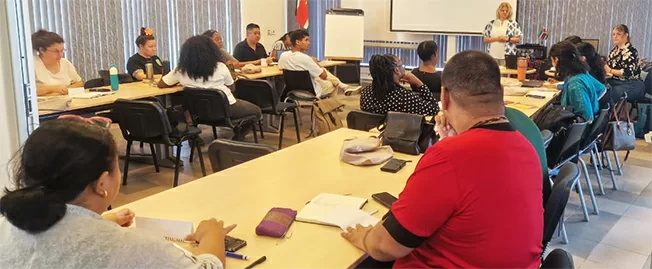
A groundbreaking collaboration between the National Museum Commission of Suriname (NMS) and the Netherlands Cultural Heritage Agency (RCE) has culminated in the launch of an extensive museum training program. The initiative, which commenced on Monday, October 13, and will run until October 31, is being held at the National Archives of Suriname. This training follows the announcement made to Surinamese stakeholders in January and the signing of a final agreement with the RCE on April 10, 2025, in the Netherlands.
Roseline Daan, Chairperson of the NMS, expressed her enthusiasm for this significant milestone, emphasizing the months of preparation that led to this point. Alongside NMS Vice-Chairperson Rita Tjien Fooh and Secretary Tanya Sitaram, Daan engaged in discussions with Dutch educators, who are now paired with Surinamese experts, referred to as ‘buddies,’ to co-facilitate the training sessions.
The program is structured into three modules, covering critical areas such as collection management and registration, conflicting value systems, organization of the museum sector, sustainability, and preventive conservation. Daan highlighted the importance of preventive conservation, noting that the training aims to enhance knowledge and skills in museum heritage, education, and presentation. This, she believes, will lay a stronger foundation for the development of Suriname’s museum sector, particularly in light of the NMS’s plans to establish a National Museum. The initiative includes the rehabilitation of Building 1790 under the PURP program and the restoration of the Zeelandiaweg building, known as ‘Devil,’ which will serve as a depot for the new museum.
‘We are building capacity now so that when the museum is ready, the expertise will already be in place to get started,’ Daan explained. She also stressed the importance of deepening the careers of museum professionals and fostering a broader understanding of operational and strategic tasks within Suriname’s cultural institutions.
The training aims to achieve several key outcomes, including broadening knowledge and skills in collection management and conservation, developing interactive and educational visitor programs, improving practical skills in exhibition design and execution, and strengthening leadership and teamwork abilities for successful collaboration within museum institutions.
The Dutch trainers include Emmy Steenhoek, Vivian van Saaze, Bente Bergmans, Marc Stappers, and Nadia Wilting, while the Surinamese trainers are Audrey Hofwijks, Irene Meulenberg, and Rinaldo Klas. Participants in the training represent a wide range of institutions, including the National Herbarium of Suriname, the National Zoological Collection of Suriname, the Koto Museum, the Commewijne Story Museum, Villa Zapakara, the Bakkie Museum, the Diitabiki Museum Fositen Gudu, the National Army Museum, VHJI, the Suriname Museum Foundation, VIDS, the Suriname Nature Conservation Foundation, and staff from the Directorate of Culture.
-

OECS conducts 5th Regional Data Governance Council Meeting to promote evidence-based growth
The Organisation of Eastern Caribbean States (OECS) Commission successfully concluded the fifth session of the Regional Data Governance Council (RDGC), held from October 7 to 10, 2025. The four-day event brought together statistical leaders from OECS member states, regional agencies, and international development organizations to enhance collaboration, improve statistical capabilities, and promote data-informed decision-making across the Caribbean region.
Corneil Williams, Chairperson of the RDGC, opened the session by stressing the importance of unified strategies in data collection and governance. Key figures and partners underscored the critical role of data governance in driving sustainable development within the OECS.
Dr. Didacus Jules, Director General of the OECS Commission, emphasized the organization’s commitment to strengthening statistical systems as vital tools for evidence-based policymaking. He highlighted the need to cultivate a culture of data use and trust, urging stakeholders to move beyond data collection to actionable insights. Jules also called for integration beyond formal treaties, fostering a shared understanding through data.
Elbert Ellis of the Caribbean Development Bank (CDB) reiterated the bank’s support for regional development efforts, including the Enhanced Country Poverty Assessment (eCPA). He emphasized the importance of robust data systems for sustainable development and outlined the CDB’s technical and financial contributions to improving data governance and institutional frameworks.
Ms. Anna Luisa Paffhausen from the World Bank highlighted the Bank’s collaboration with the OECS through the Data for Decision Making (DDM) Project. She noted the meeting’s focus on anonymizing core datasets to support data dissemination and analysis, aiming to address key policy and development priorities in the region.
Ms. Sherma Beroo, OECS DDM Project Manager, emphasized the importance of fostering stronger partnerships to ensure robust, harmonized data systems capable of supporting sustainable development.
The sessions covered critical topics, including progress on regional and national statistical initiatives, updates on flagship projects like DDM and CARDTP, strategies for data anonymization, and the development of a Communication and Advocacy Strategy to promote statistical data use. The meeting concluded with a coordinated work plan, renewed commitments to data harmonization and privacy protections, and strengthened collaborations among OECS member states and development partners.
-

Animal welfare group calls for urgent action
Barbados is grappling with a mounting dog crisis, prompting urgent calls for action from local animal welfare organizations. The issue gained heightened attention following a recent dog attack in Bayville, St Michael, which left a woman and two children injured. Ocean Acres Animal Sanctuary, a prominent animal welfare group, has issued a statement demanding stronger legislation, consistent enforcement, and greater accountability among dog owners. Karen Whittaker, Founder and CEO of Ocean Acres, emphasized the severity of the situation, stating, ‘No one should feel unsafe walking in their own neighbourhood. Animal abandonment and stray dogs have become national health and safety concerns. It is time for stronger legislation, better enforcement, and responsible ownership.’
Ocean Acres has proposed a series of measures to address the crisis. These include regular inspections of properties housing dogs, penalties or removal of animals from non-compliant owners, and annual checks of registered kennels to ensure compliance with tax and sanitary requirements. The sanctuary also advocates for stricter controls on dog imports, including a ban on certain large, thick-coated breeds like Huskies and Akitas, which are deemed unsuitable for Barbados’ tropical climate.
Additionally, the group recommends that only registered breeders or owners importing neutered pets be permitted to bring dogs into the island, with animal welfare representatives involved in all inspection and approval processes. To reduce the stray dog population, Ocean Acres has suggested a five-year moratorium on dog imports, with limited exemptions for licensed breeders.
The organization has also urged the government to bolster the Animal Control Unit and Veterinary Services Division to enhance enforcement and oversight. Whittaker stressed that the root of the problem lies not with the animals but with neglectful ownership. ‘To be clear, there are no bad dogs. These are dogs in the wrong place without adequate care and supervision,’ she said. She further cautioned potential dog owners to carefully consider their ability to care for a pet, noting that shelters are already overwhelmed, particularly with abandoned large breeds that become unmanageable as they grow.
Whittaker highlighted the need for responsible ownership, stating, ‘Many owners lack the means to manage them properly, and when that happens, tying them up or letting them roam is not a solution. There are only two viable choices: invest the time and resources to manage them responsibly, or have them humanely euthanised.’ Ocean Acres maintains that resolving the crisis will require stronger legislation, enforcement, public education, and collaboration between government, veterinarians, and animal welfare groups.
-
Lovell Calls for Action on Rising Crime in All Saints West Communities
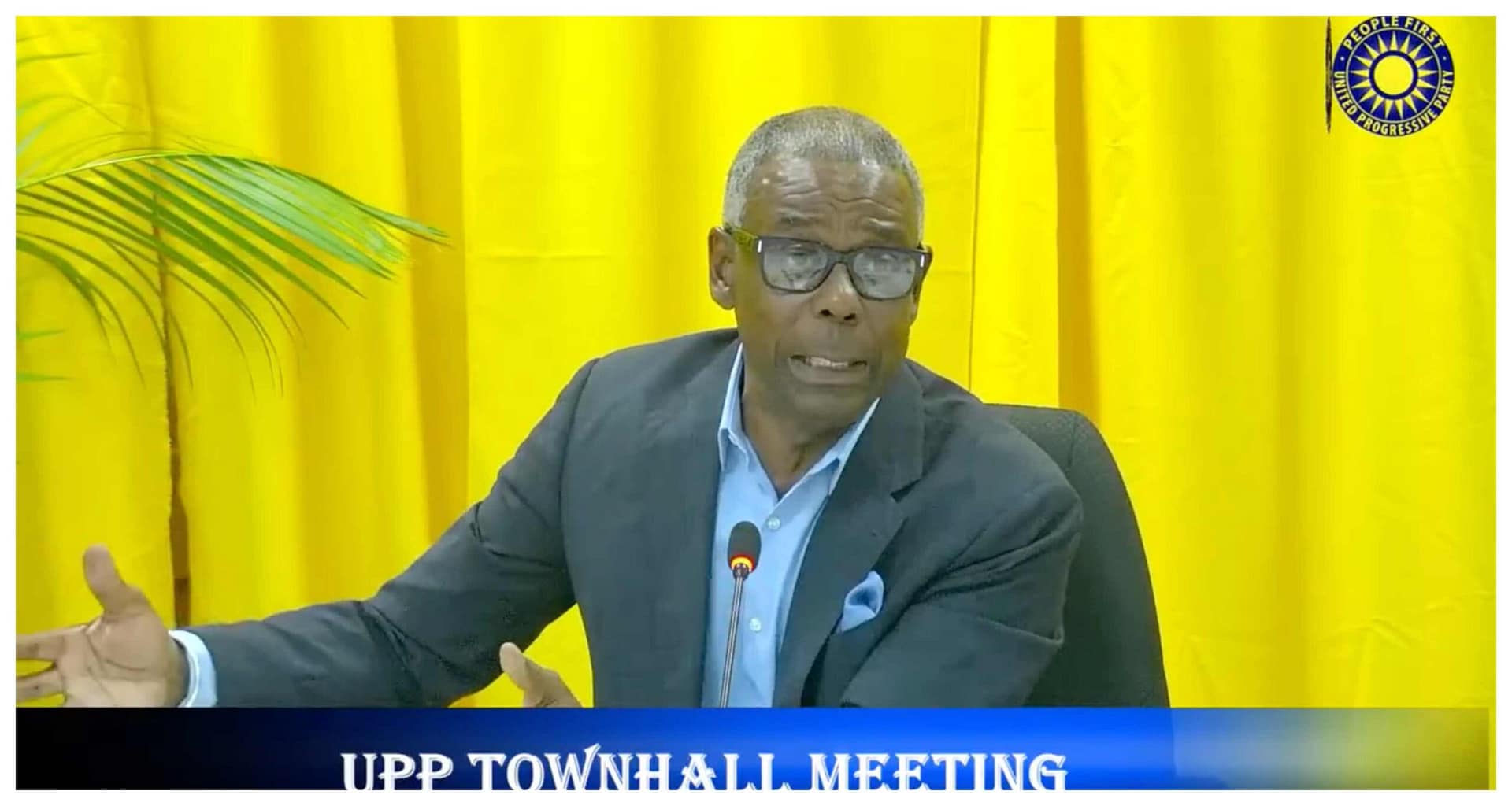
Harold Lovell, the former finance minister and caretaker for the All Saints West constituency, has voiced grave concerns over the escalating crime rates in the Bellevue Heights and Sinclair Heights areas. Speaking on Observer A.M., Lovell highlighted the growing fear among residents, particularly women, who feel like prisoners in their own homes due to frequent burglaries and robberies. He emphasized that many residents are too afraid to enter their homes alone at night, describing the situation as deeply troubling. To address these issues, Lovell revealed that two retired senior police officers, Nuffield Burnett and David, attended a recent community meeting to provide practical safety strategies. Residents have since initiated neighborhood patrols and information-sharing systems, but Lovell stressed that a more robust police response is urgently needed. He criticized the environmental neglect in the area, noting that overgrown vegetation provides cover for criminals. Lovell plans to write to relevant authorities and involve the police commissioner to tackle the problem. His comments come amid broader public concern about rising crime across Antigua and Barbuda, with police encouraging citizens to form neighborhood watch groups and report suspicious activities.
-
NODS observes International Day for Disaster Risk Reduction
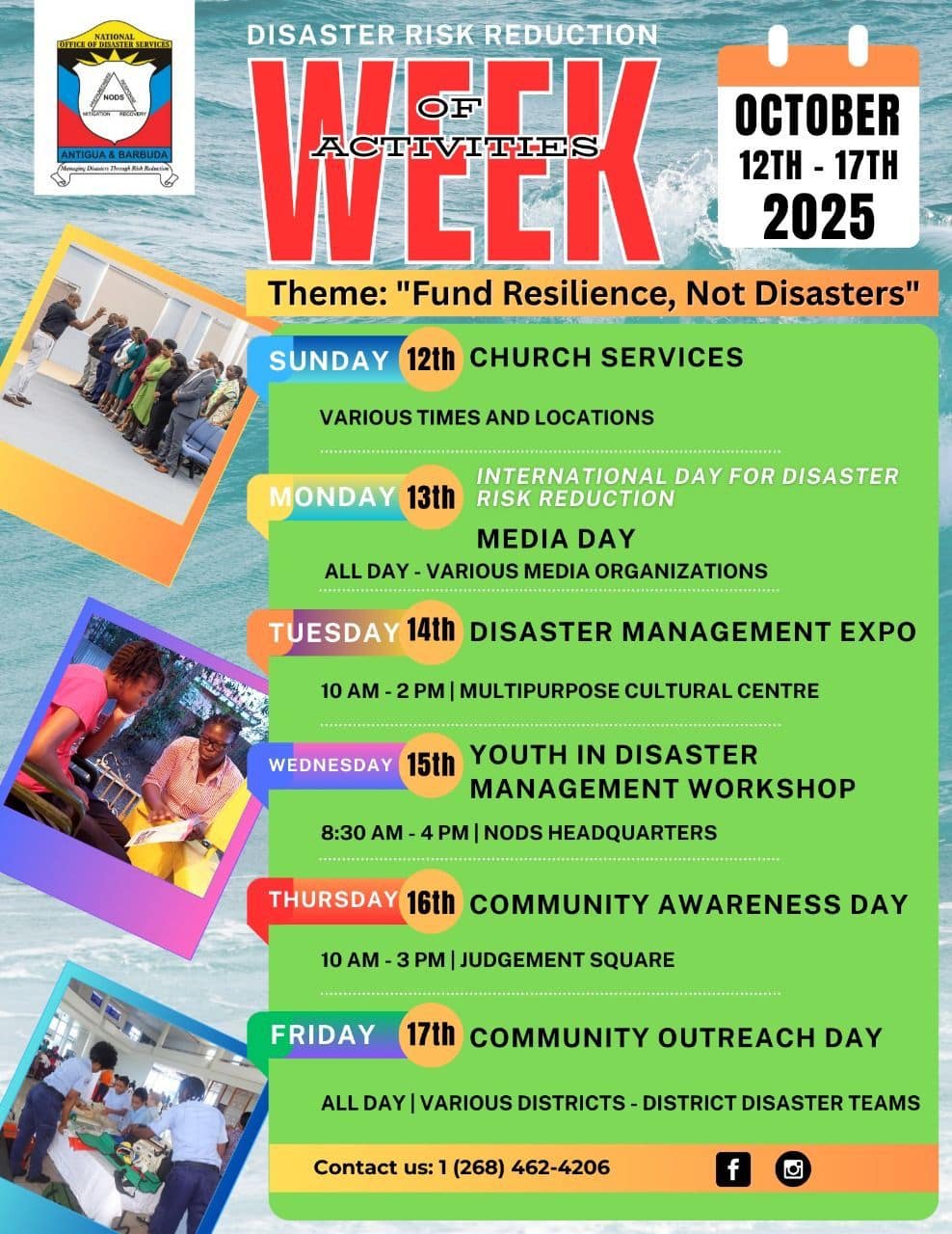
The National Office of Disaster Services (NODS) in Antigua and Barbuda is actively participating in the global observance of the International Day for Disaster Risk Reduction (IDDRR) on October 13. This year’s theme, ‘Fund Resilience, Not Disasters,’ emphasizes the urgent need to invest in disaster preparedness to mitigate future calamities. The United Nations established this annual event to highlight the catastrophic impacts of disasters on individuals, communities, and nations, urging proactive measures to reduce risks. In Antigua and Barbuda, a series of events have been organized to mark the occasion. On Sunday, district disaster teams collaborated with local churches to deliver presentations on disaster preparedness and the critical role of their teams. Monday was designated as media day, featuring interviews with representatives from NODS, the Met Office, the Department of Environment, the Development Control Authority, the Central Board of Health, and the United Nations Office for Disaster Risk Reduction. These interviews were broadcast on various radio and television stations to raise public awareness. Tuesday will host a disaster management expo at the multi-purpose centre, where NODS and other first response agencies will showcase their work and engage with the public. Additional activities include a youth training session on disaster management on Wednesday, a CPR demonstration on Thursday in collaboration with Emergency Medical Services, and a Community Awareness Day on Friday, where district disaster teams will conduct community outreach. These initiatives aim to foster a culture of resilience and preparedness across the nation.
-

Caribbean Union Bank hosts Cedar Grove Primary pupils for Financial Information Month tour
In a bid to foster financial literacy among young minds, Caribbean Union Bank (CUB) recently hosted students from Cedar Grove Primary School as part of its second round of educational bank tours. This initiative, aligned with Financial Information Month, seeks to demystify banking operations and instill sound financial habits from an early age. The students were treated to an immersive experience, including a guided tour of the bank’s facilities and interactive sessions on saving and money management. A highlight of the visit was a meeting with the author of *Aunty Honey’s Money*, a children’s book that uses storytelling to teach financial concepts. A CUB spokesperson emphasized the program’s goal of equipping the next generation with the knowledge and confidence to make informed financial decisions. Financial Information Month, observed annually in October across the Eastern Caribbean, underscores the importance of financial empowerment through education and awareness. This initiative reflects CUB’s commitment to nurturing financially savvy individuals who can navigate the complexities of modern finance with ease.
-
Adoptive Saint Lucian Michael Barratt giving back through sports
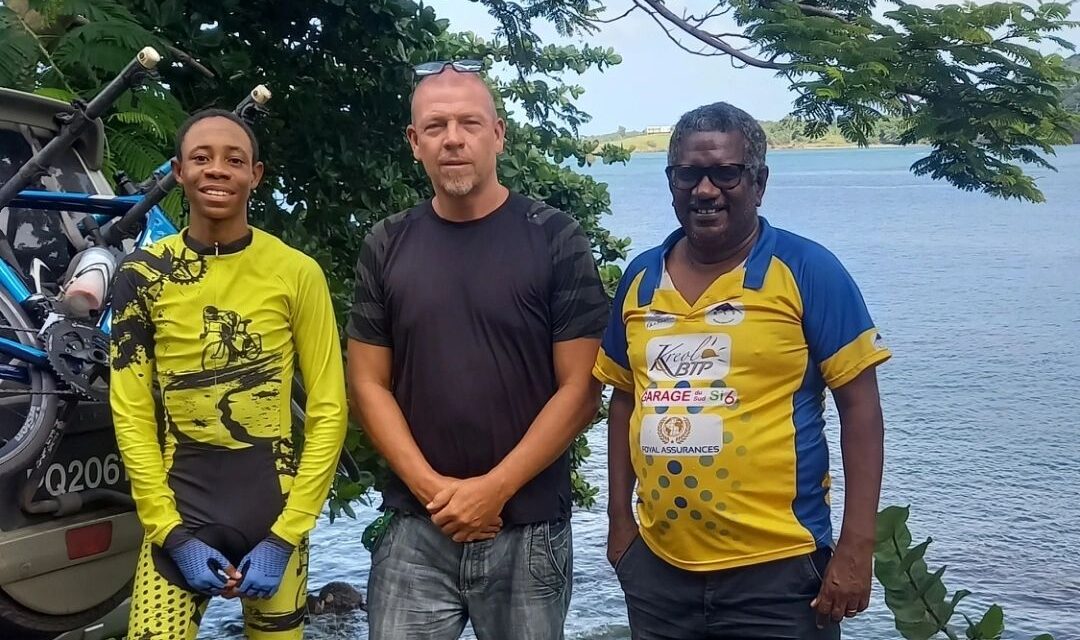
For over three decades, Michael Barratt has woven his life into the fabric of Saint Lucia, marrying a local woman from Laborie and raising a family with deep roots on the island. Beyond his personal connections, Barratt, an engineer, solution architect, and youth advocate, has dedicated himself to uplifting the community through charitable initiatives. His efforts, ranging from providing sporting equipment to mentoring young athletes, have left an indelible mark on the island. Already recognized in the United Kingdom as a Member of the Order of the British Empire (MBE), Barratt’s work in Saint Lucia may soon earn him similar accolades in his adopted homeland. Over the past five years, Barratt has focused on football, sourcing boots and uniforms in the UK and shipping them to clubs across Saint Lucia. His recent visit saw him collaborating with local football administrators and community leaders to enhance professional development within clubs. Barratt’s commitment extends beyond sports. Distressed by the state of Laborie Beach, he initiated a clean-up campaign and educated youth on microplastic pollution. His broader mission includes promoting cycling safety, environmental protection, and disability equality. Barratt’s influence transcends borders, as he has also worked with coaches and youth in Kenya to address issues like self-harm and violence. Back in England, he continues to gather donations for Saint Lucian clubs, ensuring his legacy of empowerment and community building endures.
-
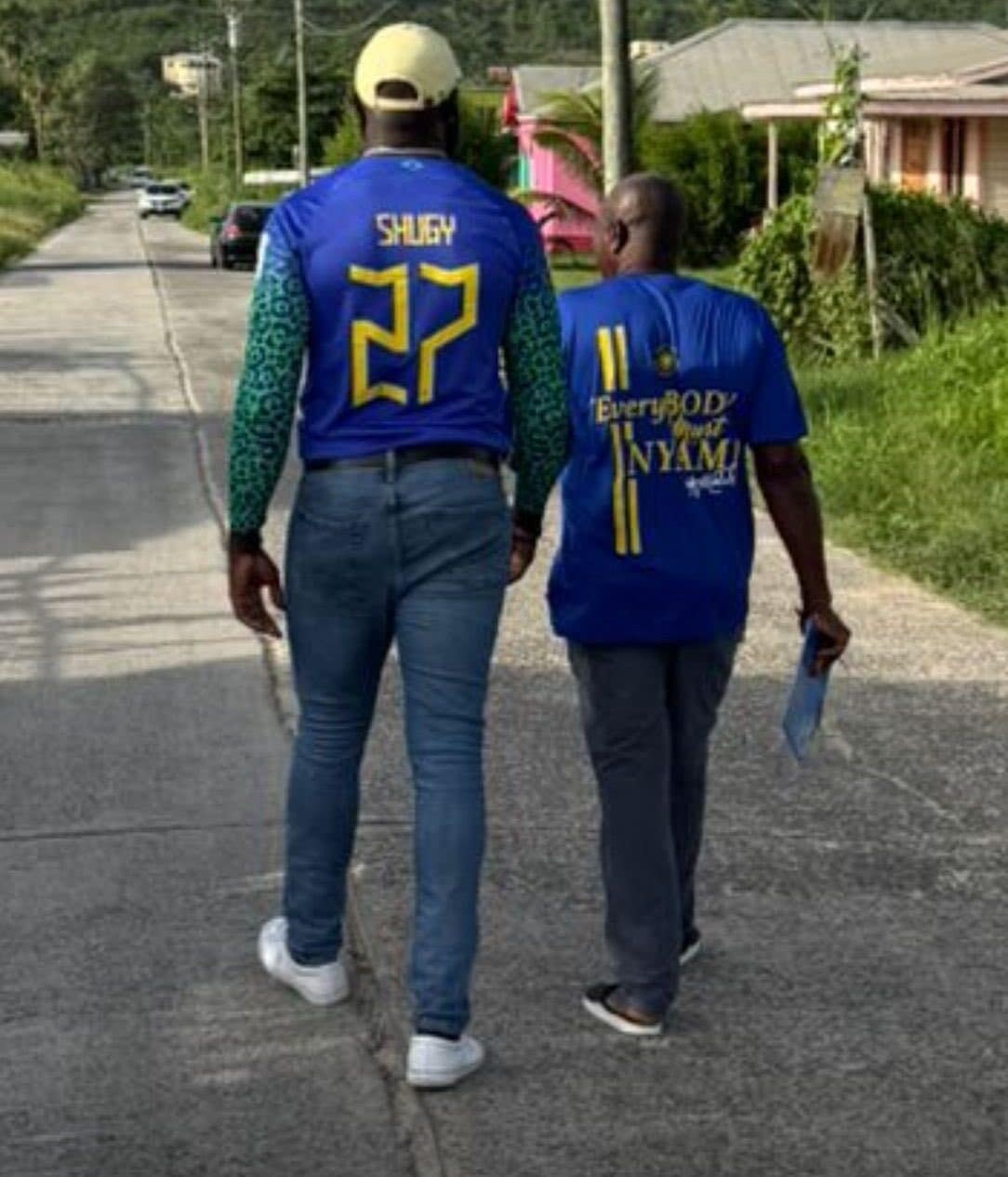
MP Kelvin ‘Shugy’ Simon Commends Community Resilience After Tropical Storm
Kelvin ‘Shugy’ Simon, the Member of Parliament for St Mary’s South, has lauded the resilience of his constituents in the wake of severe flooding triggered by a recent tropical storm. In a heartfelt social media post, Simon detailed his visit to various affected areas alongside community leader Leibert ‘Chairman’ Francis. The duo focused on checking on the elderly and most vulnerable residents, ensuring their safety and well-being. Simon described the experience as ‘inspiring,’ highlighting the ‘gratitude, strength, and resilience’ demonstrated by the people of St Mary’s South. He emphasized the importance of unity within the community and called for renewed efforts to enhance local infrastructure and public services to better withstand future natural disasters. The MP’s message underscored the need for collective action and support to rebuild and strengthen the community in the aftermath of the storm.
-
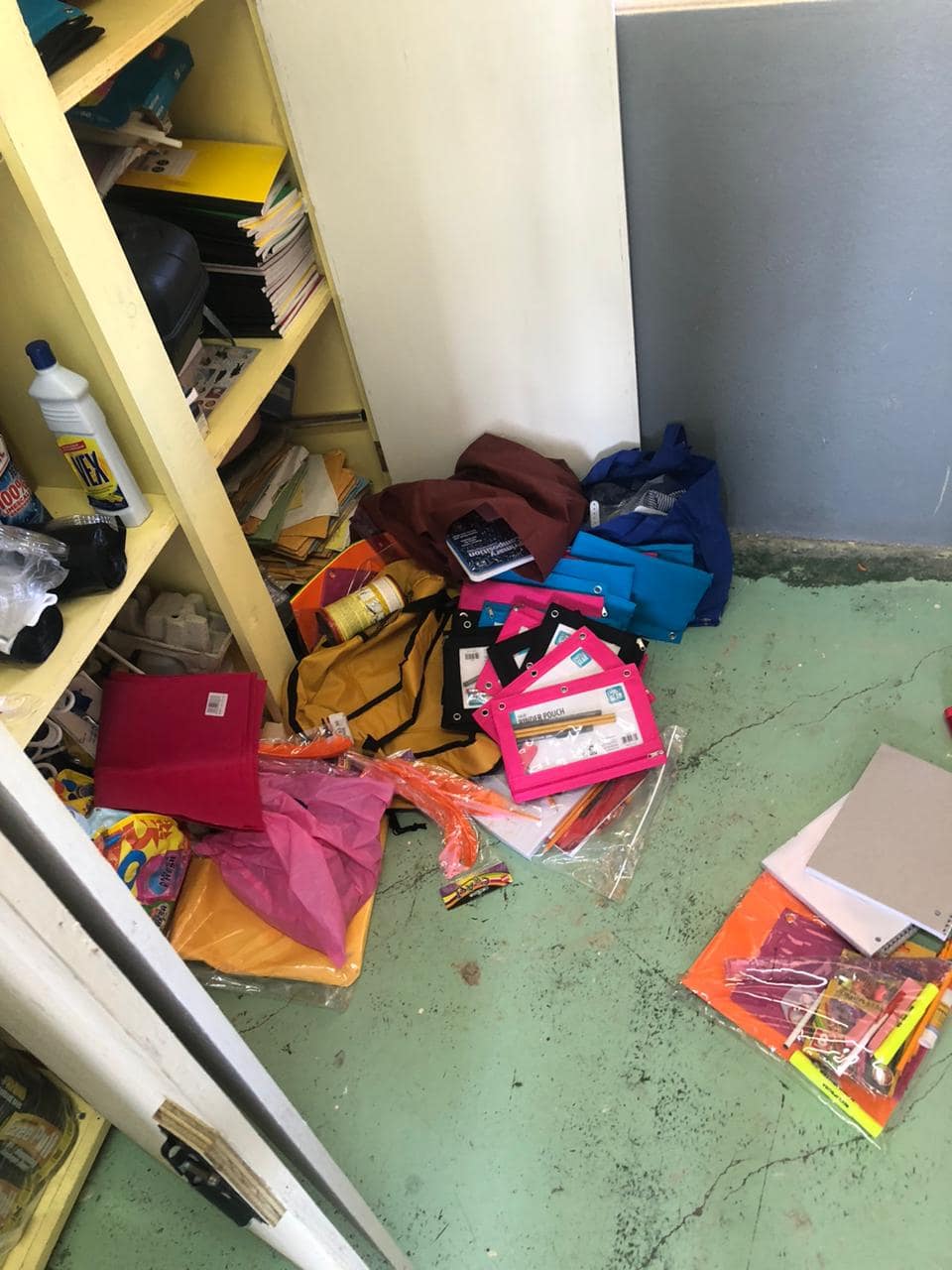
Vandals Target Cedar Grove Primary School
In a shocking incident over the weekend, Cedar Grove Primary School fell victim to a brazen act of vandalism. Intruders broke into the school premises, making off with several security cameras and an air-conditioning unit. The perpetrators did not stop there; they ransacked multiple classrooms, specifically targeting Grade Two, Four, and Five, leaving behind a trail of extensive damage. The break-in was discovered by staff and students as they arrived to prepare for the new school week, leaving the school community in dismay. Local authorities have launched a thorough investigation into the incident, aiming to bring the culprits to justice. The school administration is now assessing the damage and working to restore normalcy for the students and staff. This incident has raised concerns about the safety and security of educational institutions in the area, prompting calls for enhanced protective measures.