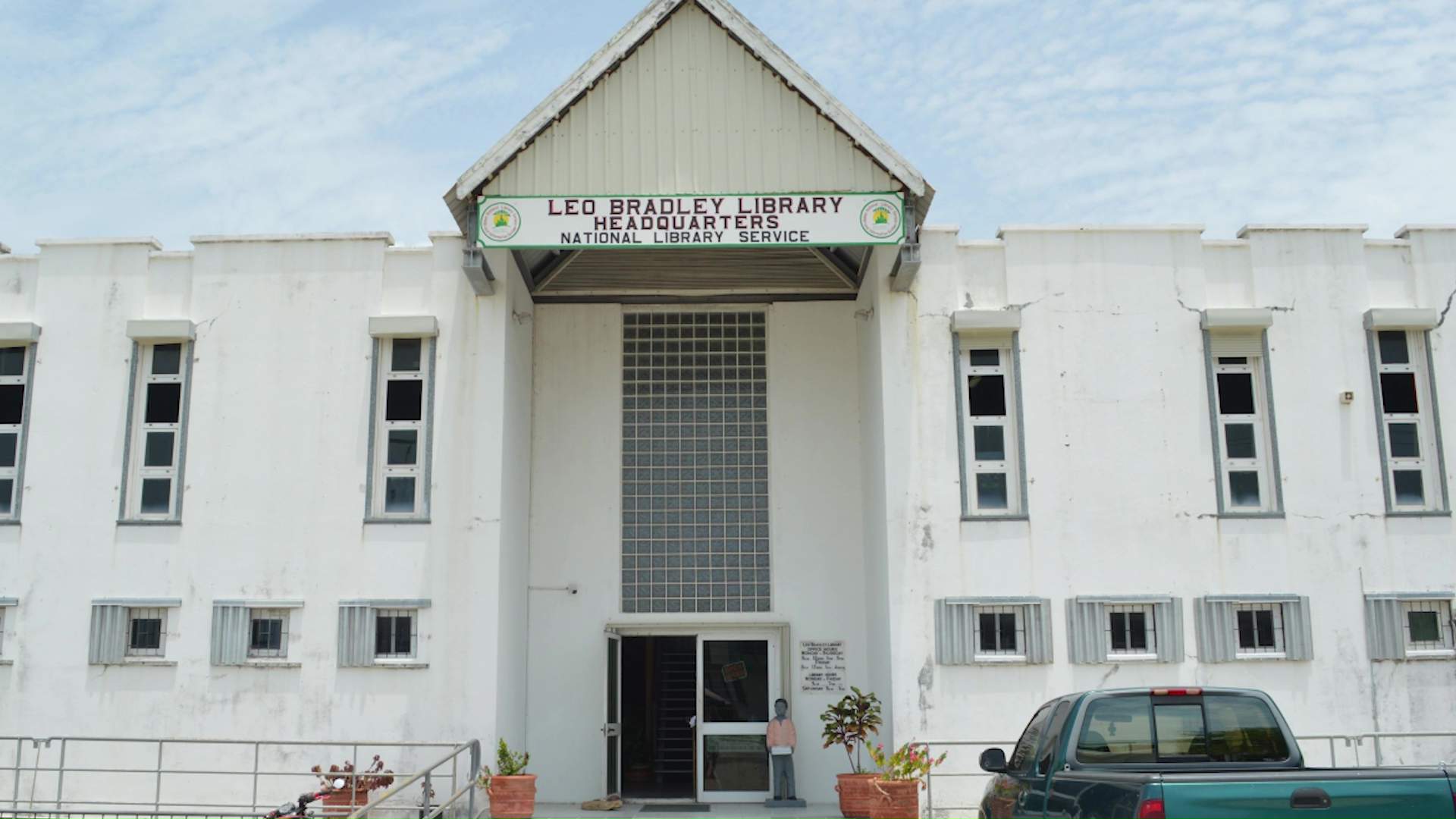
In October 2025, while many public sector employees in Belize celebrated a newly implemented salary increase, a significant group of workers found themselves excluded from this financial uplift. Among those left out were employees of the National Library Service, who did not receive the anticipated adjustment in their paychecks. According to Dean Flowers, President of the Public Service Union (PSU), this exclusion stems from the library service’s conversion into a statutory board over two decades ago, which reclassified its workers outside the public officer category. Flowers expressed deep concern over this development, labeling it a ‘sad situation’ and criticizing it as a result of flawed political decisions. He emphasized that these workers are now deprived of not only the salary adjustment but also their pension benefits, which have been ‘wiped out completely.’ Flowers called for urgent action, including the design of a Collective Bargaining Agreement (CBA) to address the issue. He also warned that other statutory bodies, such as the Belize Tax Services Department, could face similar challenges if economic analyses fail to demonstrate their ability to sustain proposed benefits. Flowers’ remarks highlight broader concerns about the sustainability and fairness of public service reforms in Belize.
分类: society
-

Convicted Killers Appeal Rosado Murder Verdict; Court Reserves Decision
Two individuals convicted for the heinous murder of 70-year-old businessman Oscar Rosado Sr. are now challenging their convictions and sentences in the Court of Appeal. Brandon Hughes, identified as the shooter, is serving a life sentence with no parole eligibility for 30 years, while his accomplice, Jose Gomez, who claimed he only intended to rob the store, is serving a 12-year sentence with a minimum of eight years before parole. Both have been incarcerated for less than two years but are now seeking to overturn their verdicts. After two hours of rigorous arguments, the court reserved its decision for a later date. Deputy Director of Public Prosecutions Sheiniza Smith defended the convictions, emphasizing the profound impact of the crime on Rosado’s family and the necessity of upholding justice. In contrast, defense attorneys Orson ‘OJ’ Elrington and David McKoy argued that the convictions were ‘unsafe,’ citing missing transcripts, incomplete notes, and the absence of a written judgment. They contended that these omissions hindered a fair assessment of the trial judge’s application of the law, labeling it a ‘tremendous miscarriage of justice.’ For the Rosado family, the appeal has reopened painful wounds. Oscar Rosado Jr. expressed his anguish, stating, ‘They should be thankful their lives are in limbo. They should be thankful to be alive—because my dad is dead. My dad cannot ask for an appeal.’ The Court of Appeal’s decision remains pending.
-
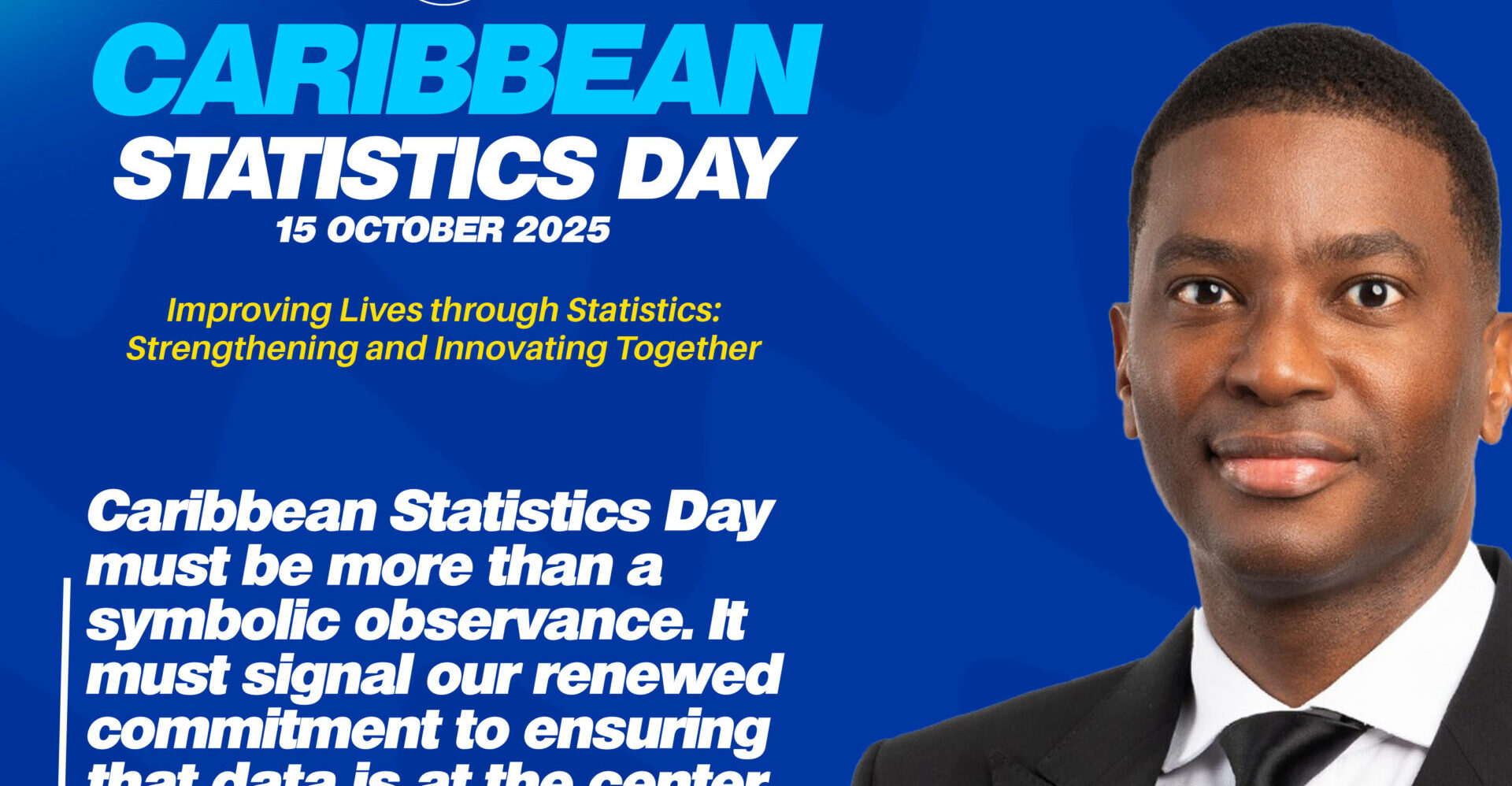
STATEMENT: Hon. Dickon Mitchell on Caribbean Statistics Day – A call to strengthen and innovate together
As the Caribbean commemorates the 17th Observance of Caribbean Statistics Day, the 2025 theme, “Improving Lives through Statistics, Strengthening and Innovating Together,” underscores the region’s unwavering dedication to leveraging data for sustainable development. This year’s focus highlights the indispensable role of statistics in evidence-based decision-making, regional integration, and equitable growth. In an era marked by global and regional challenges—from climate resilience to economic transformation—robust statistical systems are pivotal in shaping responsive policies and fostering transparency, innovation, and inclusivity. The observance serves as both a celebration of achievements and a call to action for enhancing statistical capacity across the Caribbean. Collaboration and innovation are essential to ensuring that statistics continue to guide progress and improve lives. At the recent 80th Session of the United Nations General Assembly, Caribbean leaders emphasized the paradoxes faced by small island states: vulnerability to external shocks juxtaposed with resilience and innovation. Education, digital literacy, and the integration of science and technology are key to transforming these challenges into opportunities. Across the region, significant strides have been made in statistical development, supported by partnerships with international organizations such as the CARICOM Secretariat, the United Nations, the European Union, the World Bank, and others. Initiatives like the OECS Data for Decision-Making Project have catalyzed advancements in data collection, analysis, and dissemination. Grenada, for instance, has invested in digitizing statistical records, strengthening institutional frameworks, and embedding data-driven approaches in policy design across sectors such as social protection, renewable energy, and climate adaptation. The intersection of advanced technologies—such as artificial intelligence, remote sensing, and geographic information systems—with statistics presents transformative opportunities. These tools can revolutionize data collection and analysis, enabling real-time insights for climate adaptation, food security, and labor market policies. Open access to data empowers civil society, academia, and the private sector to contribute meaningfully to development. Disaggregated data ensures that no group is overlooked in policy responses, fostering inclusive and equitable development. As the CARICOM Lead Head for Science and Technology, Grenada reaffirms its commitment to innovation and the strengthening of regional statistical systems. By harmonizing standards, investing in technology, and promoting data sharing, the Caribbean can build a resilient, inclusive, and data-driven future. Caribbean Statistics Day is not merely symbolic—it is a reaffirmation of the region’s resolve to place data at the heart of its integration and sustainable development agenda. Together, the Caribbean can create a future where every policy is evidence-based, every community benefits from innovation, and every citizen experiences the impact of progress.
-

Senator backs ‘automatic DNA tests’ in maintenance cases
Opposition Senator Andre Worrell has reiterated his call for mandatory DNA testing at the commencement of child maintenance and paternity proceedings, emphasizing that such a measure would promote fairness and prevent future emotional and financial turmoil. During Wednesday’s Senate debate on the Family Leave Bill, Sen. Worrell aligned his stance with that of acting Chief Magistrate Deidre McKenna, who last month advocated for automatic DNA testing to bring greater clarity and equity to family legal matters. McKenna, speaking at a panel discussion on financial child support delinquency, suggested that Barbados should adopt a system where DNA testing is automatically conducted when a man is brought before the court for maintenance. She argued that this approach would eliminate uncertainty and ensure that maintenance obligations are based on verified paternity. Sen. Worrell, while supporting the Family Leave Bill, which extends maternity leave and introduces paid paternity leave, highlighted the need for the legal system to ensure fairness for men by making paternity testing accessible and affordable. He pointed out that many men face significant emotional and financial distress when they later discover they are not the biological fathers of children they were ordered to support. Worrell proposed that introducing DNA testing at the outset of maintenance proceedings would mitigate these issues, benefiting all parties involved. He suggested that early paternity testing should be integrated into the legal process to prevent prolonged disputes and ensure that maintenance decisions are grounded in scientific evidence.
-

Barbados ‘leads CARICOM’ in introducing paid paternity leave
Barbados has made history by becoming the first Caribbean Community (CARICOM) nation to introduce paid paternity leave, marking a significant milestone in supporting working families. Senator Lisa Cummins, Minister of Energy and Business, announced this landmark achievement during the Senate’s deliberation on the Family Leave Bill, which had already passed the House of Assembly. The legislation extends maternity leave from 12 to 14 weeks for single births and 17 weeks for multiple births, while granting fathers three weeks of paid paternity leave—a first in the region. Senator Cummins emphasized that Barbados is now “proudly leading the way” in parental support, outpacing its regional counterparts. While countries like the Dominican Republic offer two days of paid paternity leave and Suriname provides eight days, Barbados stands alone in CARICOM with its comprehensive paid paternity leave policy. Senator Cummins highlighted the contrast with developed nations such as Japan, South Korea, Sweden, Iceland, and Norway, which offer significantly longer parental leave periods. However, she underscored the importance of contextualizing Barbados’ progress within its economic realities as a small developing nation. The Minister also shared data on Barbados’ investment in maternity benefits, noting a decline in beneficiaries from 1,300 in 2015 to 842 in 2025, with corresponding payouts decreasing from $6.9 million to $5.4 million. She stressed that the new legislation is not merely a financial measure but a profound social investment in family well-being. Senator Cummins emphasized the irreplaceable value of the early weeks and years in a child’s life, stating that this policy reflects the government’s commitment to modernizing social care and promoting equal parenting roles. Describing the initiative as “critical” and “groundbreaking,” she affirmed its role in fostering stronger families and a more equitable society.
-

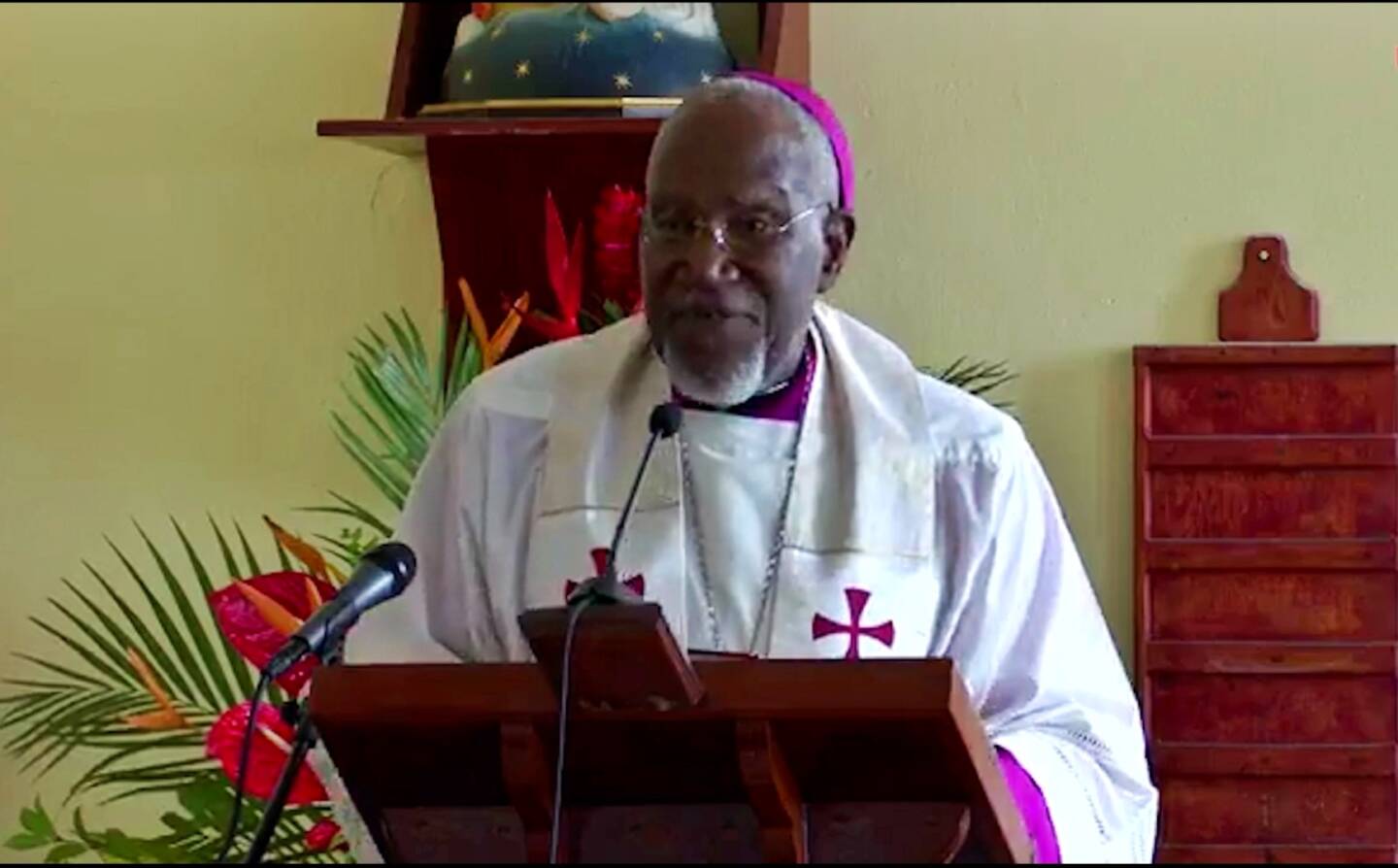
Tributes pour in for late West Indian Anglican Archbishop Drexel Gomez
The Caribbean and the global Anglican community are united in mourning the passing of Archbishop Drexel Gomez, a revered figure in the Anglican Church, who died on Tuesday at the age of 88. Born in the Bahamas, Gomez was a trailblazer in the Church, becoming the first Caribbean-born Bishop of Barbados in 1972 at just 36 years old. His leadership spanned two decades, marking a historic chapter in the diocese’s 200-year history. In 1998, he ascended to the role of Archbishop of the Church in the Province of the West Indies, further cementing his legacy. Prime Minister Mia Mottley of Barbados paid heartfelt tribute to Gomez, recalling his gentle demeanor, unwavering authority, and profound impact on both the Church and society. She highlighted his ability to connect with people of all ages and his fearless engagement with social and political issues. Bishop Michael Maxwell of Barbados also honored Gomez’s life, emphasizing his dedication to the Church and his contributions to the Anglican Communion. Bahamian Prime Minister Philip Davis remembered Gomez as a spiritual guide and a steadfast servant of the Bahamian people, whose moral clarity and quiet courage left an indelible mark. Archbishop Gomez’s life and work continue to inspire generations, leaving a legacy of faith, leadership, and compassion.
-
The least of these — Matthew 25:40
In his concluding address to the Good News Catholic Communications (GNCC) panel on the Age of Civil Responsibility (ACR) Bill, Bishop Clyde Harvey delivered a series of thought-provoking insights. He emphasized that the bill does not strip parents of their rights but ensures that children in need receive necessary support. Harvey highlighted that the core issue lies not in legislation but in education, pointing out the church’s diminished role in educating teenagers and parents. He debunked the Caribbean myth that parents universally discourage sexual activity, noting that some even encourage it. Harvey underscored the church’s duty to protect the vulnerable, particularly children, and concluded with a powerful appeal: ‘The bill must be withdrawn in its present form and reintroduced in the new parliamentary session, preceded by a thorough review to align it with our deeper goals, including proper family education.’ This call for responsible leadership stands in stark contrast to the pervasive silence of many religious leaders on the sexual crisis. The article questions the church’s failure to address intimate partner violence, incest, rape, and adolescent pregnancy, largely driven by adult men. It critiques the church’s deviation from its mission of love, inclusion, fairness, and justice, attributing its timidity to cultural stigmatization of sexuality. The piece invokes the legacies of Rev. Dr. Martin Luther King Jr. and Nelson Mandela, who championed justice and condemned silence. It concludes with a poignant inquiry into the absence of courageous voices among faith leaders, labeling their silence as scandalous. The article is co-signed by Tonia Frame, PhD, President of the Grenada Planned Parenthood Association (GPPA), and Fred Nunes, PhD, Consultant for Advocates for Safe Parenthood: Improving Reproductive Equity (ASPIRE).
-
Unchecked coastal projects threaten Barbados’ identity, says UN youth advisor
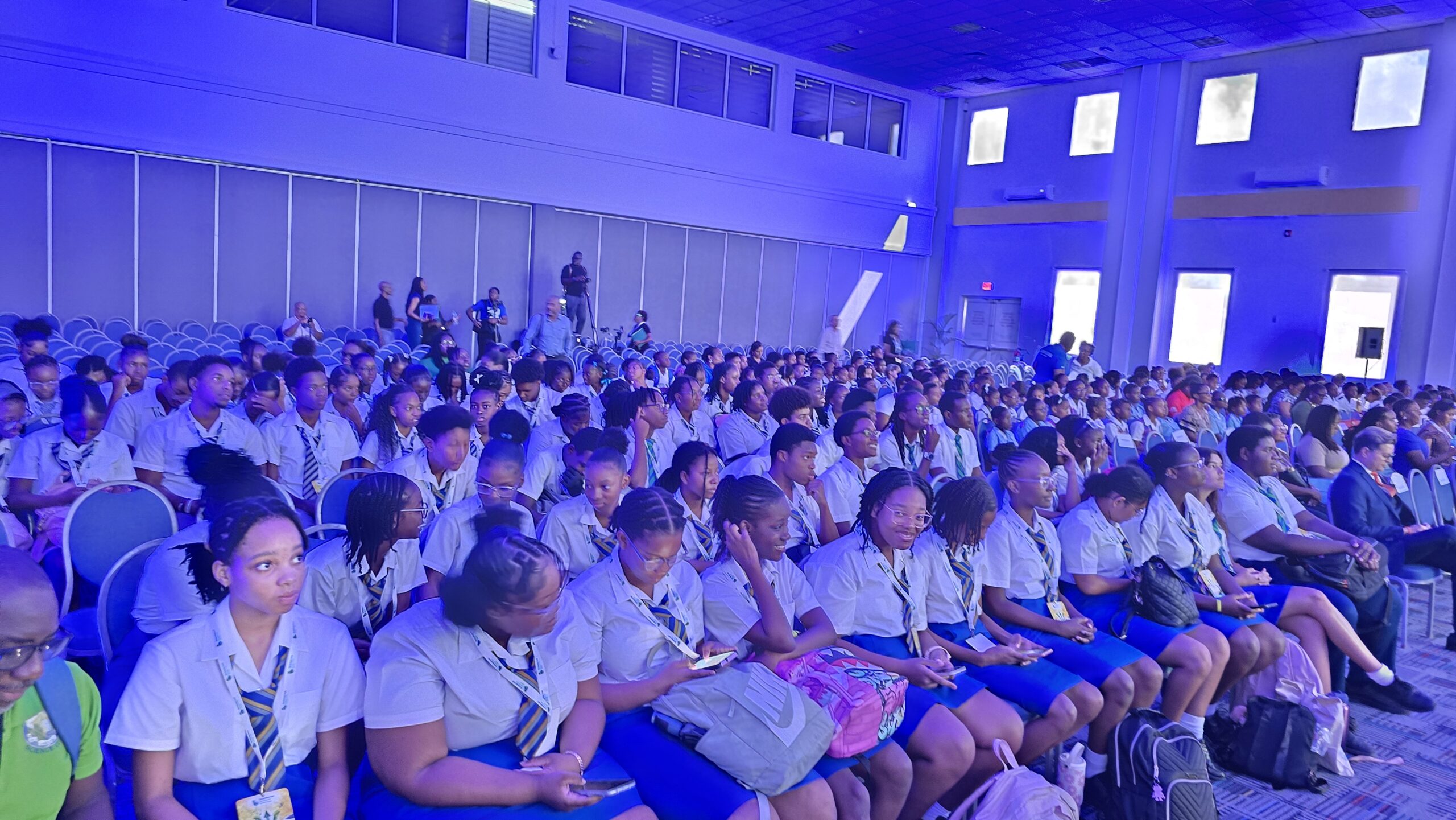
A United Nations climate advisor has raised alarms over the unchecked expansion of hotels and high-rise condominiums along Barbados’ coastline, warning that such development is eroding the island’s natural beauty and ecological integrity. Speaking at the Barbados Youth Climate Action Summit and Expo, Ashley Lashley, a prominent environmental advocate, criticized the prioritization of profit over sustainability, calling for a fundamental shift in how progress is measured.
Lashley, who also heads the Ashley Lashley Foundation, highlighted the visible consequences of coastal development. “When you drive around Barbados, you see hotels and condos growing taller by the week, restaurants creeping closer to the beach, and this is labeled as progress. But progress for whom?” she questioned. She expressed deep concern over the loss of natural spaces, particularly beaches, which are vital to the island’s identity and future generations.
Lashley argued that Barbados’ economic model rewards resource extraction rather than environmental protection. “We celebrate every new building, every ribbon cutting, but where’s the recognition for the reef that died last year or the mangrove that protects us from floods?” she asked. She likened current development practices to “capitalism dressed up as progress,” emphasizing that the true cost of this approach is already evident in the form of droughts, heatwaves, and increasingly severe hurricanes.
Joining Lashley at the summit, Selwin Hart, Special Advisor to the UN Secretary-General on Climate Action, echoed her concerns, noting that the Caribbean is disproportionately affected by climate change despite contributing minimally to its causes. “The region is paying the highest price for a crisis it did not create,” he said. However, Hart praised the Caribbean’s resilience and innovation, citing initiatives such as solar microgrids, mangrove restoration, and climate-smart farming as examples of regional leadership.
Both speakers called for urgent action and unity, urging young people to continue advocating for sustainable solutions and amplifying the Caribbean’s voice on the global stage. “The world is watching the Caribbean,” Hart said. “Let us transform vulnerability into leadership and injustice into momentum for change.”
-

Police Seize Suspected Stolen Items in Multiple Operations
In a significant move to combat criminal activities, the Royal Police Force of Antigua and Barbuda has successfully seized a substantial amount of suspected stolen items. Over the past 72 hours, the police executed a series of coordinated search warrants across multiple communities on the island. The operations led to the confiscation of various goods, including garden tools, electrical appliances, light fixtures, and household items. Several individuals are currently under interrogation as part of the ongoing investigations. The police have urged victims of break-ins and larceny to contact the Criminal Investigations Department (CID) at 462-3913 to assist in identifying and reclaiming their property. Additionally, the Police Administration has emphasized the importance of securing homes and businesses and promptly reporting any suspicious activities to the nearest police station or by calling 911. This crackdown highlights the police’s commitment to maintaining public safety and reducing crime in the region.
-

VWPU schort beraad op – onderwijs aan universiteit hervat
The ongoing deliberations of the Scientific Personnel Union (VWPU) at the Anton de Kom University of Suriname (AdeKUS), which began on October 7, have been temporarily paused following a request from Minister of Education, Science, and Culture, Dirk Currie. This decision was made during an emergency meeting of the union’s general assembly. Meanwhile, educational and examination activities at AdeKUS have resumed. The VWPU had received an invitation from the ministry on October 9 for discussions, which took place on October 13. The meeting, attended by ministerial staff and university management representatives, concluded with an agreement to collaboratively work on long-term solutions for the scientific staff’s conditions. A negotiation team comprising experts from the ministry and the university has been formed to address these issues. Minister Currie requested the pause in union deliberations while talks are ongoing, a request the VWPU has honored. The union emphasized that discussions have been constructive and remain focused on sustainable improvements within the university.