分类: society

  • BEL Lights Up Indian Church and San Carlos

    BEL Lights Up Indian Church and San Carlos

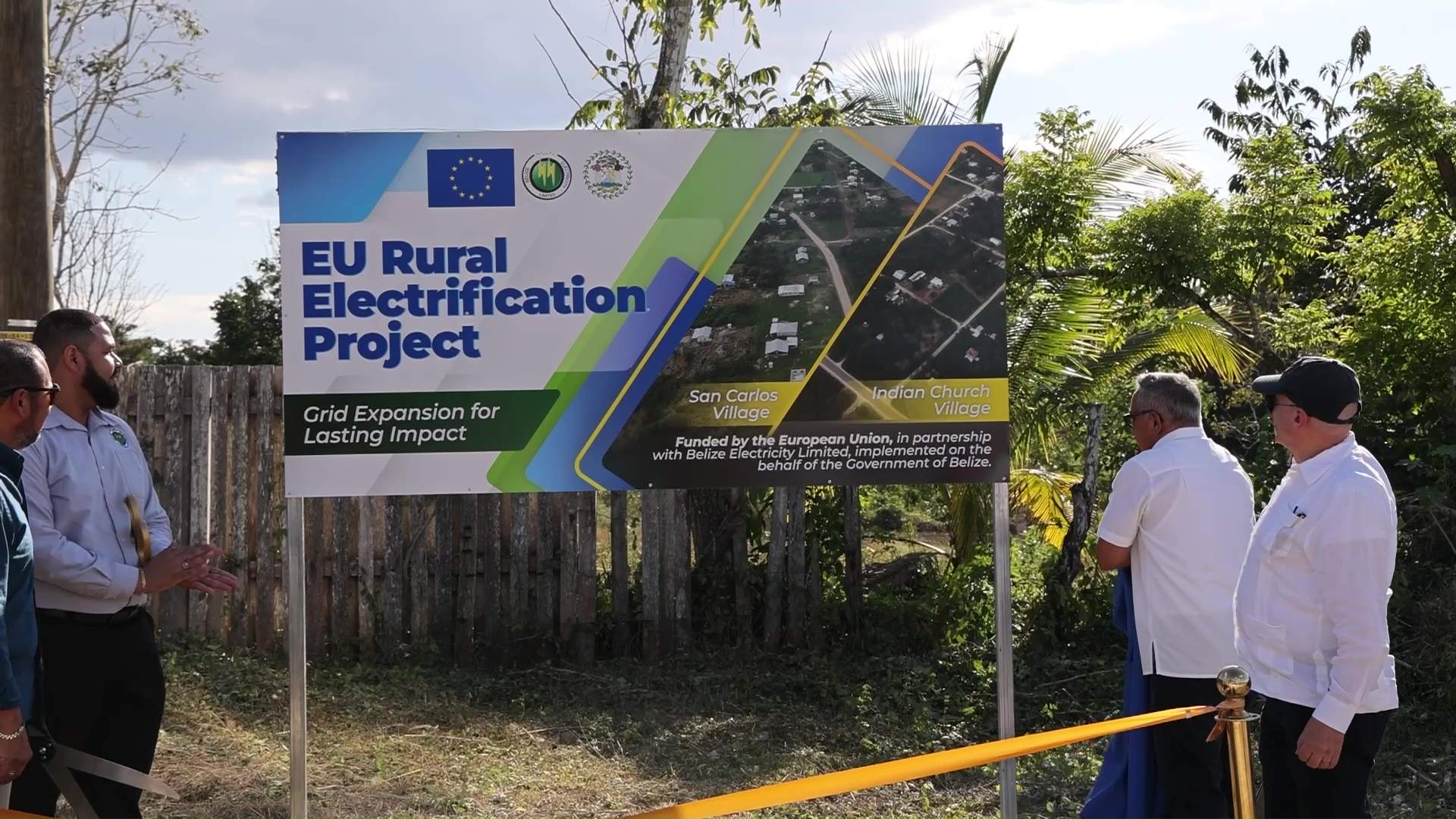
    In a landmark development initiative, the remote Belizean villages of Indian Church and San Carlos have transitioned from darkness to reliable electricity through a transformative rural electrification project. This strategic partnership between the European Union, Belize Electricity Limited (BEL), and the Government of Belize has successfully connected these previously underserved communities to the national power grid.

    The comprehensive electrification effort addresses longstanding challenges faced by residents, where nightfall traditionally meant halted educational activities, constrained agricultural operations, and limited economic prospects. The newly established infrastructure now delivers safe and consistent electricity to households, agricultural operations, and emerging small businesses.

    During the official inauguration ceremony in Indian Church, key stakeholders emphasized the project’s profound implications. Karique Marin, General Manager for Distribution and Energy Solutions at BEL, characterized the initiative as more than mere infrastructure development. “We are celebrating what is possible when people, institutions and community work together towards a shared goal,” Marin stated. He highlighted the collaborative nature of the project, noting its alignment with BEL’s commitment to sustainable and inclusive community service.

    Michel Chebat, Belize’s Minister of Public Utilities, reinforced the government’s dedication to nationwide electrification. “Access to electricity is fundamental to improving lives,” Chebat declared. “This project demonstrates that rural communities matter and that development must reach every corner of our nation.” The Minister emphasized how electricity would enhance safety, facilitate education, improve communication capabilities, and foster entrepreneurial opportunities in these communities.

    The successful implementation marks a significant milestone in Belize’s broader commitment to ensuring no village remains without power, representing both a technical achievement and a testament to international cooperation in development projects.


  • New Water System for San Estevan Village

    New Water System for San Estevan Village

    The Belizean government has inaugurated a comprehensive water system modernization project for San Estevan village in the Orange Walk District, marking a significant advancement in rural infrastructure development. This initiative follows closely on the heels of recent electrical grid improvements in the region, representing the second phase of essential service enhancements for rural communities.

    Under the direction of the Ministry of Rural Transformation, the project features extensive network expansion using premium-grade piping materials and incorporates robust backup power solutions including industrial-grade diesel generators. This infrastructure ensures continuous water supply during electrical outages, addressing a critical vulnerability in rural service delivery.

    Prime Minister John Briceño and Minister Oscar Requena personally oversaw the equipment handover ceremony, engaging directly with local community leaders. During the proceedings, Briceño emphasized the administration’s philosophical shift from traditional rural development approaches toward what he termed “rural transformation”—a comprehensive strategy addressing multiple infrastructure dimensions simultaneously.

    “Our urban populations frequently take fundamental services for granted,” Briceño stated. “This administration is committed to ensuring rural communities receive equivalent opportunities and services through transformative rather than incremental development.”

    The water system upgrade constitutes one component of a broader national rural transformation strategy that encompasses transportation networks, agricultural support systems, educational facilities, healthcare access, and economic market development. This integrated approach represents the first comprehensive national framework specifically designed for rural community advancement in Belize’s history.

  • Shoreline Rescue Effort Begins in Monkey River

    Shoreline Rescue Effort Begins in Monkey River

    A significant shoreline stabilization initiative has commenced in Monkey River Village, the northernmost community in Toledo, marking a critical response to years of devastating coastal erosion exacerbated by climate change. The $306,000 government-funded project represents a long-awaited intervention for a village where relentless erosion has consumed land, destroyed homes, and displaced families.

    The comprehensive plan unfolds in two distinct phases. The initial phase, currently underway with a $206,000 allocation, focuses on installing specialized bollards to mitigate wave impact and counteract the complex interplay of river outflow and tidal forces. Notably, the approach prioritizes natural mitigation methods, expressly avoiding concrete or piling structures to minimize environmental impact.

    Phase two, budgeted at $100,000, will extend protection to the community’s endangered burial ground, where erosion threatens areas containing residents’ departed loved ones. The entire project, under the direction of experienced contractor Albert Lowens who previously worked on similar climate mitigation efforts in Sarstoon, is scheduled for completion by month’s end.

    Concurrently, plans are advancing for establishing a community-co-managed wildlife sanctuary, creating dual benefits of environmental conservation and new economic opportunities through sustainable tourism. Toledo East Area Representative Dr. Osmond Martinez emphasized the project’s cost-effectiveness, noting its potential to preserve homes and community infrastructure at a fraction of typical mitigation costs.

  • Highway Tragedy: Elderly Pedestrian Run Over

    Highway Tragedy: Elderly Pedestrian Run Over

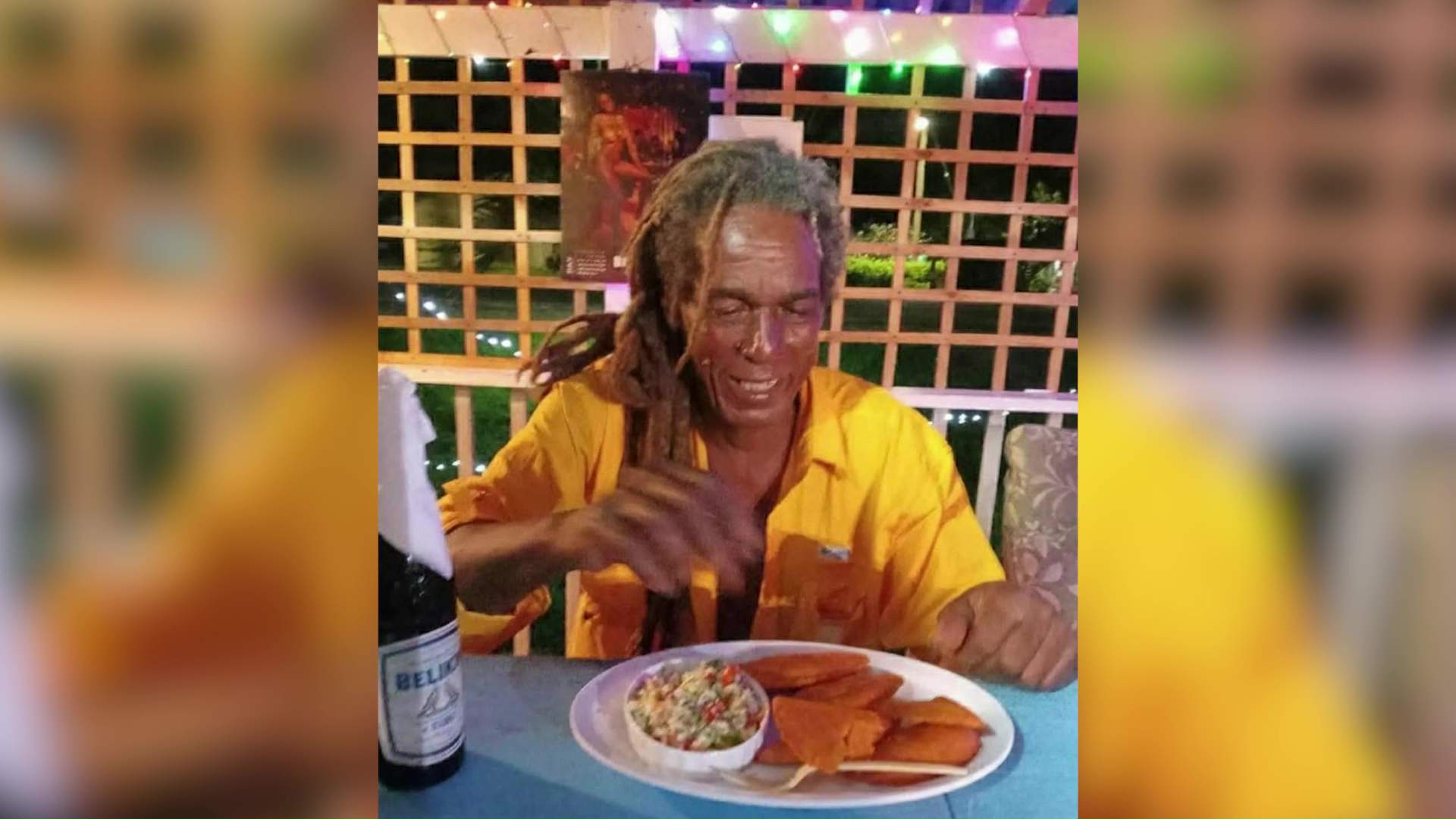
    A tragic roadway incident in southern Belize has culminated in the issuance of a Notice of Intended Prosecution to Juan Lionardo, a 44-year-old resident of Duck Run Village. The driver stands accused of fatally striking 68-year-old Houston Reynolds on the Thomas Vincent Ramos Highway this past Friday evening. The victim was reportedly traversing the route on foot toward Kendall Village when the collision occurred in the Maya Center vicinity. Preliminary police investigations indicate the incident transpired between miles thirteen and fourteen at approximately 7:15 p.m., resulting in Reynolds’ instantaneous demise. Critical examination of the circumstances reveals a confluence of contributing elements, notably the severely compromised visibility along unilluminated road sections and the pedestrian’s impaired state due to alcohol consumption. Accounts from local residents confirm Reynolds had been observed sleeping on the asphalt surface approximately an hour preceding the accident, with attempts made to relocate him to safety. The deceased, remembered by longtime companion Algin Logan as an avid farmer and produce vendor originally from Sittee River, becomes another statistic in the ongoing discourse surrounding roadway safety and public welfare. Authorities continue investigating the precise sequence of events while the community mourns the loss of a lifelong resident.

  • Mullins River Motorcyclist Dies After Crash

    Mullins River Motorcyclist Dies After Crash

    Authorities in Stann Creek District are conducting a thorough investigation into a tragic traffic incident that resulted in the death of 28-year-old Jesse Palacio from Mullins River Village. The fatal collision occurred on Mullins River Road at approximately 10:40 p.m. on Sunday, February 8, 2026.

    According to ASP Stacy Smith, Staff Officer with the local police force, officers responded to alerts regarding an injured individual on the roadway. Upon arrival at the scene, they discovered Palacio with significant facial and bodily injuries alongside a heavily damaged scooter. Emergency medical services promptly transported the critically injured man to Southern Regional Hospital for urgent treatment.

    Despite extensive medical intervention, Palacio succumbed to his injuries shortly after 11:00 p.m. the same evening. Police investigators have indicated that determining the precise circumstances leading to the crash remains challenging without conclusive evidence.

    The case now hinges on pending toxicology analysis, which investigators believe will provide crucial insights into potential contributing factors. When questioned about possible alcohol involvement, ASP Smith stated that the toxicological examination would need to clarify that aspect of the investigation.

    The community awaits further developments as forensic experts work to establish the sequence of events that led to this fatal roadway incident. Police continue to gather evidence and interview potential witnesses to reconstruct the circumstances surrounding Palacio’s untimely death.

  • NICH Appoints Albert Vaughan as New President

    NICH Appoints Albert Vaughan as New President

    BELIZE CITY – The National Institute of Culture and History (NICH) has ushered in a new era of leadership with the appointment of Albert Vaughan as its president, effective February 9, 2026. The seasoned public administrator returns to the institution where he previously served as senior director, following his recent tenure as Belize City Administrator.

    Vaughan expressed profound gratitude toward the Minister of Culture for entrusting him with this pivotal role. “I feel very good because I believe that I’m up to, and I believe that I can achieve what the minister needs to achieve,” Vaughan stated during his initial response to the appointment.

    The newly inaugurated president outlined an ambitious vision centered on cultural preservation and accessibility. Key priorities include the notification, rehabilitation, and maintenance of Belize’s archaeological sector, alongside revitalizing the Festival of Arts at the Bliss Center for Performing Arts. Vaughan emphasized making cultural experiences “more accessible, modern, vibrant” while establishing the center as the definitive home for creative arts.

    Geographic expansion forms another critical component of Vaughan’s strategy, with NICH advancing toward establishing a House of Culture in Punta Gorda. The institute will also advance flagship cultural projects including the Believe in Music Project and formalization of the National Orchestra.

    Acknowledging inherent challenges, Vaughan referenced his experience since 2021 in navigating institutional obstacles. His fundamental mission centers on making Belizean heritage more accessible to citizens, researchers, and digital platforms, ensuring cultural awareness permeates communities nationwide.

  • 13 Belizean Chefs Complete Culinary Certification Program

    13 Belizean Chefs Complete Culinary Certification Program

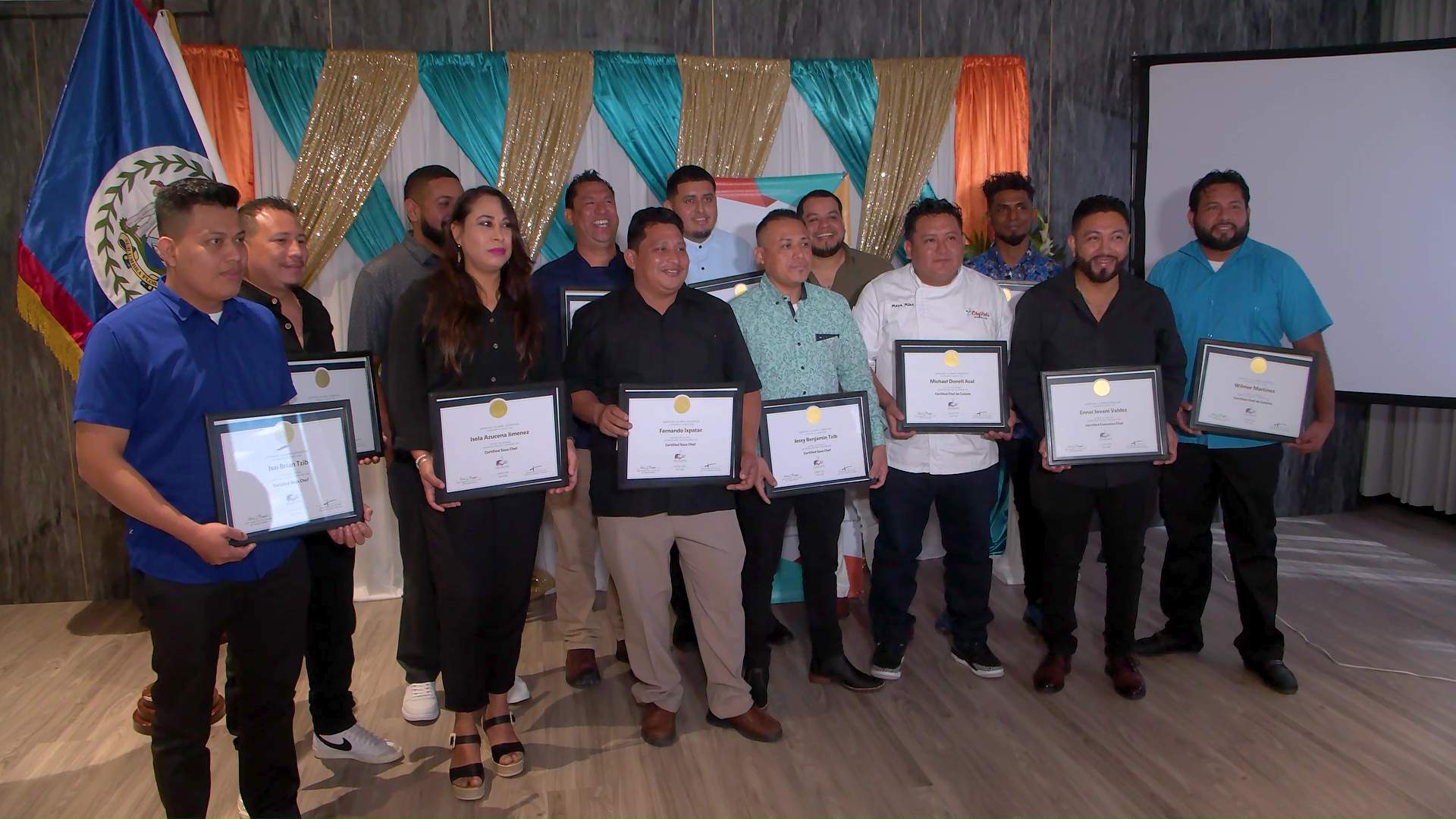
    Belize’s culinary landscape has achieved a significant milestone with thirteen local chefs attaining internationally recognized certification through a rigorous five-month program. The initiative, a collaborative effort between the Belize Tourism Board (BTB) and the American Culinary Federation (ACF), marks a transformative step in professionalizing the nation’s food industry.

    The intensive certification process, designed to elevate culinary standards, covered specialized tracks for Sous Chefs, Chefs de Cuisine, and Executive Chefs. Participants endured months of demanding training, often working through late nights and overcoming numerous examination challenges to achieve their credentials.

    Lloyd Enriquez, BTB’s Director of Cruise and Capacity Development, emphasized the program’s strategic importance: “This forms part of our broader journey to build capacity within Belize’s tourism sector. These world-renowned certifications enable our professionals to work anywhere globally, though our primary goal remains talent retention and development within Belize.”

    Among the graduates is Sean Kuylen, now a Certified Executive Chef, who highlighted the program’s scientific approach to complementing Belize’s rich culinary traditions. “We must understand modern dietary requirements while honoring our cultural heritage. This certification adds the necessary scientific foundation to our indigenous practices,” Kuylen explained.

    The cohort features inspiring personal journeys, including Michael ‘Maya Mike’ Acal, who progressed from dishwasher to Certified Chef de Cuisine over a decade-long career. Ennel Valdez, another graduate and culinary instructor, views the achievement as an “eye-opening before-and-after moment” that enhances his ability to mentor emerging talent.

    The BTB anticipates establishing a permanent training facility in Belize to sustain this momentum, positioning the nation as a premier culinary destination while strengthening its professional hospitality infrastructure.

  • Afro-Dominican Action reclaims February 9 as key date in anti-slavery history

    Afro-Dominican Action reclaims February 9 as key date in anti-slavery history

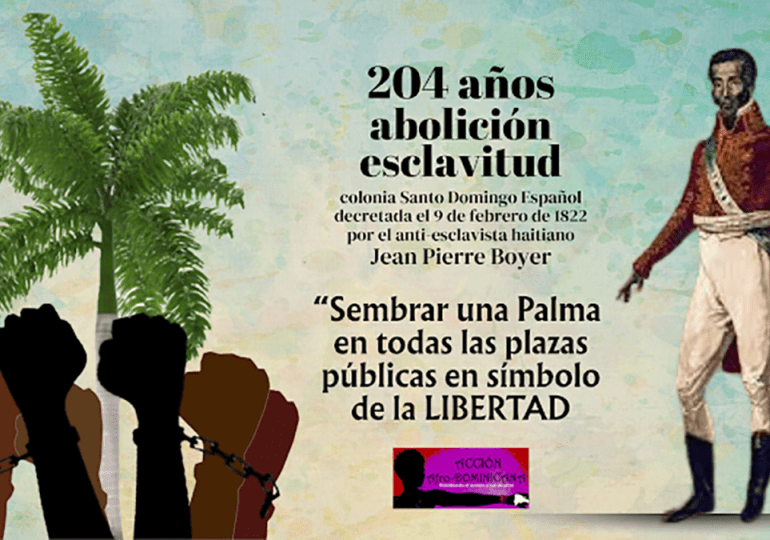
    SANTO DOMINGO – Marking the 204th anniversary of slavery’s abolition in Spanish Santo Domingo, the advocacy group Afro-Dominican Action has initiated a powerful digital campaign to challenge what it terms official historical amnesia. Through a series of video statements released on social media, the organization transformed the day into one of both historical remembrance and political protest.

    The campaign directly confronts the sustained silence from state institutions regarding February 9th, a date the group champions as foundational to the nation’s anti-colonial narrative and the broader Caribbean struggle for emancipation. This initiative builds upon a formal proclamation issued earlier, in which the organization accused the country’s political and intellectual elites of systematically minimizing and distorting the significance of the 1822 abolition event.

    Afro-Dominican Action argues that this erasure has facilitated a national narrative steeped in Hispanophilia and racism, one that deliberately obscures the pivotal role of Afro-descendant resistance movements and the transformative societal impact of abolition. The group has forcefully reaffirmed the date as an indispensable cornerstone in the history of anti-slavery efforts and for Afro-Dominican dignity.

    The video series features compelling testimonies from prominent scholars. Dominican writer and researcher Diógenes Abreu drew attention to the Palm of Liberty, a symbol planted by Haitian ruler Jean-Pierre Boyer that has been largely erased from public memory. Historian María Cecilia Ulrickson contested claims of a ‘benign’ or naturally declining slavery system prior to 1822, asserting that the abolition constituted the island’s first genuine act of emancipation. Providing a regional context, U.S. historian Andrew Walker documented how post-abolition Santo Domingo emerged as a critical sanctuary for formerly enslaved people fleeing across the Caribbean.

    Concluding its campaign, Afro-Dominican Action emphasized that the legacy of abolition is not a settled historical footnote but a fiercely contested and living memory, especially amidst contemporary struggles against racism and human rights violations. The organization has amplified its longstanding demand for the government, led by President Luis Abinader, to officially designate February 9th as the National Day of the Abolition of Slavery—a call for historical justice echoed by public intellectual Miguel Solano.

  • Indotel launches SonanDO project to strengthen cultural sovereignty in border areas

    Indotel launches SonanDO project to strengthen cultural sovereignty in border areas

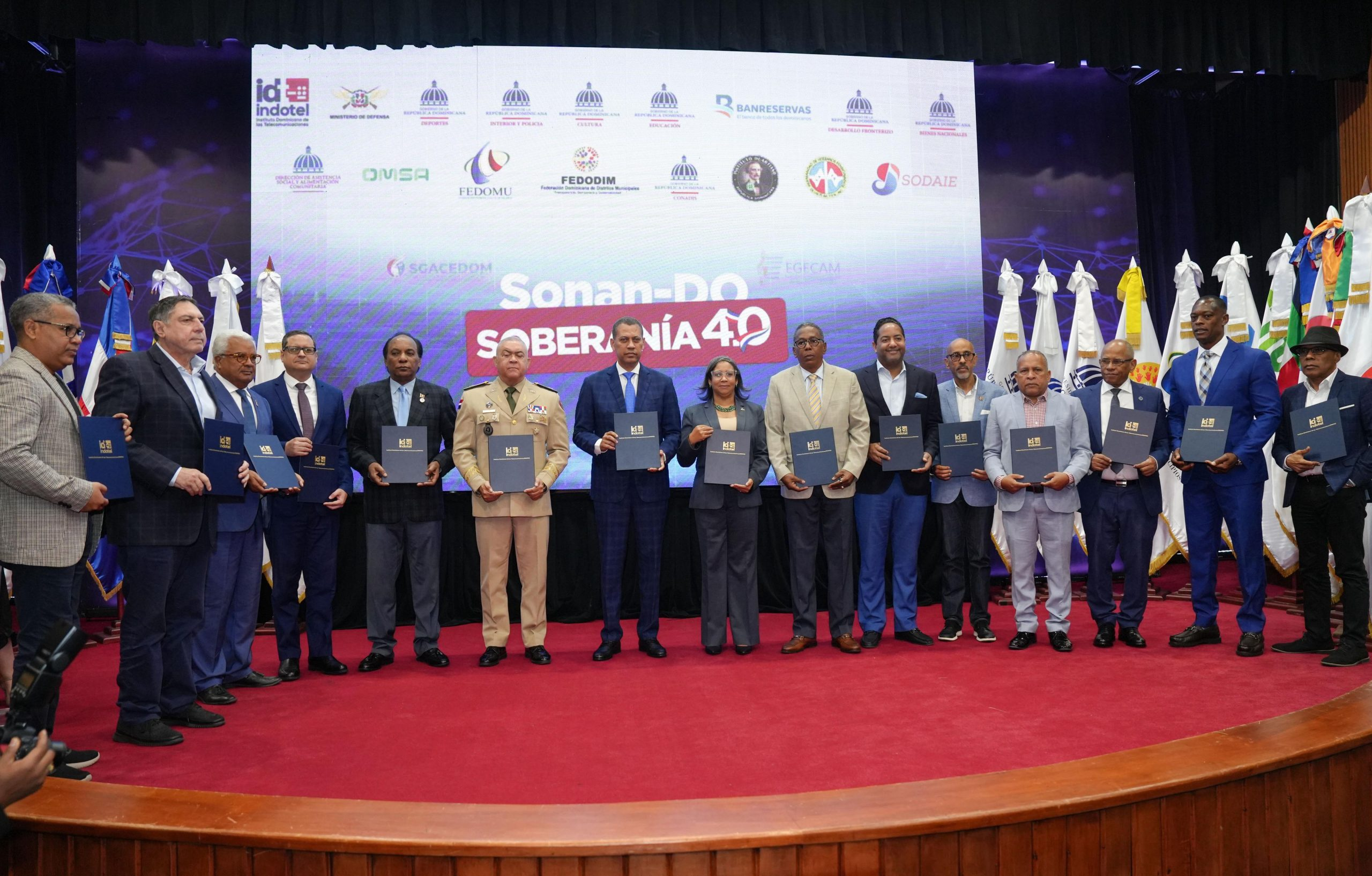
    The Dominican Telecommunications Institute (Indotel) has spearheaded a groundbreaking inter-institutional pact involving over 15 public and cultural organizations to implement Project SonanDO. This initiative forms a crucial component of the broader Sovereignty 4.0 strategy, designed to enhance radioelectric sovereignty while promoting national cultural identity and supporting comprehensive development in marginalized border communities through enhanced connectivity, educational resources, and locally produced content.

    Targeting seven strategic border provinces—Dajabón, Independencia, Elías Piña, Pedernales, Montecristi, Santiago Rodríguez, and Bahoruco—the project will deliver programming featuring authentic Dominican music, historical narratives, educational materials, and social guidance messaging. A innovative mobile recording studio, housed within a bus generously donated by OMSA, will traverse these regions to discover, train, and promote emerging local talents with particular focus on youth development.

    Indotel Board President Guido Gómez Mazara revealed the project was developed following comprehensive studies indicating disproportionate foreign radio broadcaster penetration in border zones, with over 60% of residents expressing dissatisfaction with available content. Gómez Mazara emphasized that SonanDO represents a holistic integration of cultural preservation, technological advancement, and educational enhancement to strengthen national identity while generating opportunities and reducing social exclusion. Sovereignty 4.0 coordinator Pochy Familia noted that participation from 19 institutions demonstrates unprecedented governmental commitment to cultural sovereignty and utilizing music as a catalyst for social transformation.

    This collaborative alliance reaffirms the Dominican Government’s dedication to protecting the radio spectrum as a strategic national asset, amplifying cultural presence in vulnerable border regions, and ensuring communication infrastructure serves as an instrument for identity reinforcement, education, and nationwide social cohesion.

  • Security : Certified security agents at the Ministry of Agriculture

    Security : Certified security agents at the Ministry of Agriculture

    In a significant move to bolster institutional security, Haiti’s Ministry of Agriculture, Natural Resources and Rural Development (MARNDR) has completed an intensive specialized training program for its security personnel. The Western Department initiative represents a substantial advancement in protection standards for government facilities.

    The ministry engaged Protection and Risk Management S.A. (PRM Security), a recognized leader in risk mitigation solutions, to deliver expert instruction through two comprehensive sessions. The curriculum addressed critical operational competencies including controlled access procedures for sensitive buildings, implementation of preventive risk measures, and emergency response protocols for crisis situations and natural disasters.

    During the certificate ceremony, Agriculture Minister Vernet Joseph commended PRM Security for their ‘professionalism and technical contribution’ while praising participating officers for their discipline and dedication. Minister Joseph announced broader ambitions, stating: ‘We will modernize and professionalize security services for central bodies, with plans to replicate this training across all Departmental Directorates.’

    Jean Paul, representing PRM Security, confirmed that ‘officers are now fully equipped to ensure physical security for Ministry staff and infrastructure.’

    The most poignant endorsement came from Osmain Austène, Head of Security with 25 years of service, who described the initiative as ‘historic and highly beneficial,’ noting it was the first large-scale training program ever offered to security personnel within the ministry.

    This ceremony not only concludes the training cycle but signals a transformative shift toward institutionalized professional security protocols within Haiti’s agricultural administration.