分类: society

  • WATCH: Car crashes into utility pole on St Thomas roadway, two hospitalised

    WATCH: Car crashes into utility pole on St Thomas roadway, two hospitalised

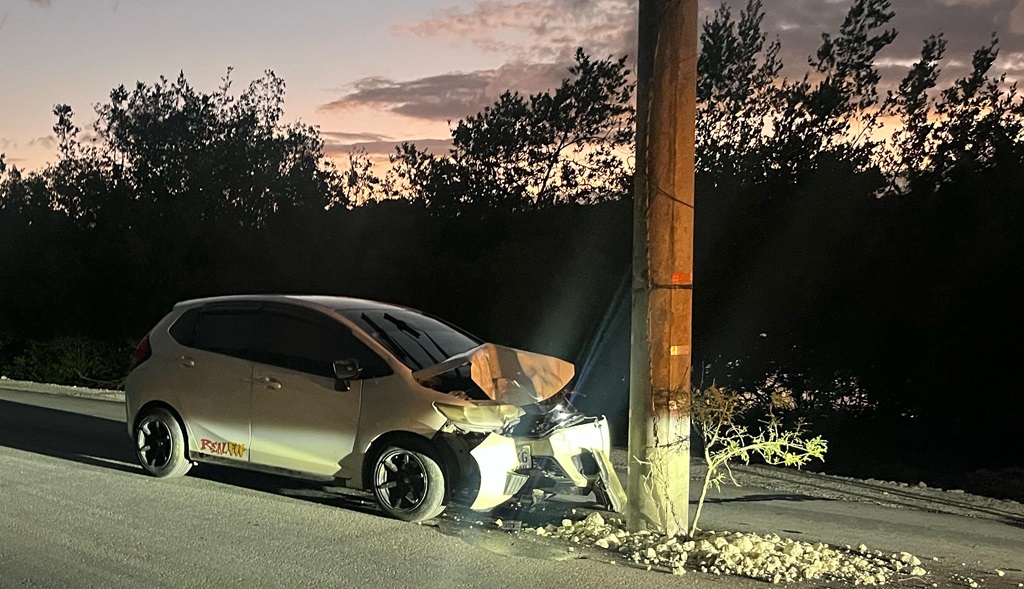
    ST THOMAS, Jamaica – Emergency services transported two individuals to medical facilities following a pre-dawn vehicular collision with a utility pole along Port Morant’s main roadway on Sunday. The incident occurred approximately at 5:00 AM near the ‘Centre Cut’ area, where the vehicle reportedly struck the stationary obstruction under limited visibility conditions.

    Local witnesses and commuters have identified concerning safety oversights at the accident site. Despite ongoing road construction work, authorities have failed to relocate the utility pole from the active travel lane. The hazardous situation is compounded by insufficient lighting and a notable absence of proper warning signage to alert motorists of the potential danger.

    Community members are now urgently appealing to governmental agencies and infrastructure authorities to immediately address this safety threat. Residents emphasize that the persistent presence of construction materials without appropriate safety measures creates unacceptable risks for drivers navigating this stretch of roadway, particularly during nighttime and low-visibility conditions.

    The current incident has reignited discussions about infrastructure safety protocols and regulatory oversight during public works projects. This accident represents the latest in a series of concerns regarding construction zone management and hazard mitigation practices across Jamaican roadways.

  • Bishop Clarke’s love for Trelawny fuels major hurricane relief drive

    Bishop Clarke’s love for Trelawny fuels major hurricane relief drive

    FALMOUTH, Trelawny — When Hurricane Melissa devastated sections of Trelawny, Florida-based Bishop Maurice Clarke experienced what he describes as an ‘out-of-body experience’ – physically present in America yet emotionally connected to his Jamaican homeland. The senior pastor of Central Light Grace Chapel in Lauderdale Springs immediately mobilized his predominantly Jamaican congregation to launch a comprehensive relief operation.

    Bishop Clarke, who maintains deep roots in Falmouth where he was baptized 50 years ago, spearheaded a initiative that shipped 34 generators, 10 airbeds, food supplies, clothing, and linens to the hurricane-ravaged community. The operation faced significant logistical challenges, including nearly $8,000 in shipping costs, until philanthropist Cynthia Baker joined the effort.

    The relief mission held profound personal significance for Bishop Clarke, who credits the Falmouth New Testament Church of God with shaping his spiritual journey. ‘The church gave me a full scholarship when my mother couldn’t afford seminary tuition,’ he revealed. ‘Falmouth has been my backbone, and I feel obligated to give back.’

    The container shipment navigated complex logistics from Florida to Montego Bay, where remarkably, among over 200 containers on the barge, theirs was the only one cleared immediately upon arrival. Distribution was coordinated through the New Testament Church of God on Market Street, serving as the primary relief center for affected residents.

    Bishop Clarke emphasized that the effort was driven by love rather than recognition: ‘Being here in America doesn’t mean we’ve forgotten where we came from. It’s our passion for the people that motivated us.’

  • Plea to Health Minister – Drop appeal in Zika child case

    Plea to Health Minister – Drop appeal in Zika child case

    The Zika Foundation has issued a compelling appeal to Health Minister Dr. Lackram Bodoe, urging the immediate cessation of the government’s planned appeal against a landmark 2023 High Court judgment. The ruling had affirmed the constitutional rights of children born with Zika-related disabilities, mandating state support for their specialized care needs.

    Dr. Karen Sohan, Head of the Zika Foundation and former Chief of Staff at Mt Hope Women’s Hospital, emphasized that affected families seek only practical measures to manage their children’s complex care requirements. “These are modest needs, but they carry immense significance in easing daily burdens and preserving dignity,” Dr. Sohan stated, citing examples such as covered parking facilities to protect vulnerable children during hospital transport in inclement weather.

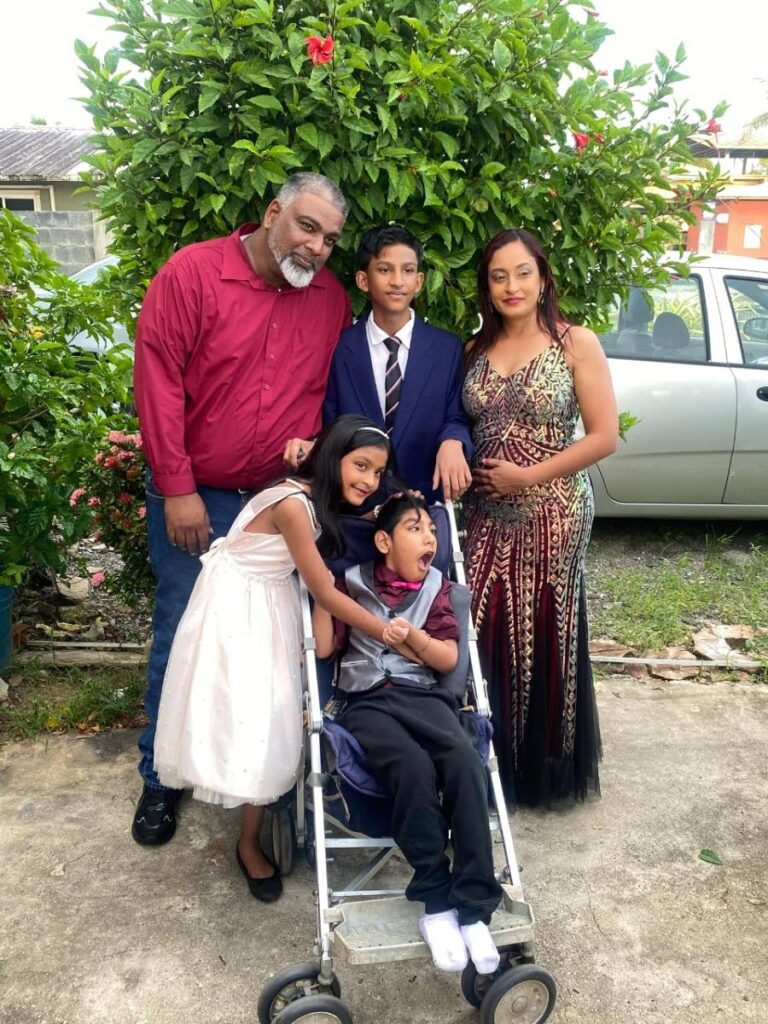
    The case centers on eight-year-old Davyn Ragoo, one of 17 Trinidadian children born with congenital Zika syndrome during the 2017 outbreak. Born with microcephaly, Davyn is non-verbal and immobile, requiring round-the-clock care including specialized nutrition, constant physiotherapy, and mobility assistance. His mother, Kavita Ramkissoon-Ragoo, has developed an intricate system of gestures to communicate with her son—mouth opening indicates hunger, tongue twiddling signifies thirst, leg stretching suggests abdominal pain, and leg rubbing signals the need for diaper changes.

    The original lawsuit, filed in 2019 against former Health Minister Terrence Deyalsingh, resulted in Justice Joan Charles’s groundbreaking 34-page judgment. The court found the state had violated Davyn’s constitutional right to life by failing to provide appropriate healthcare, ordering immediate specialized medical provision, financial assistance, and protocol implementation within three months. The state was also mandated to pay damages for constitutional breaches.

    Despite the court’s clear directive, Ramkissoon-Ragoo reports receiving no communication regarding the appeal process nor any state assistance. Families continue to shoulder enormous financial burdens, often abandoning employment to provide full-time care while relying on charitable support.

    While expressing confidence in the government’s commitment to children’s welfare, affected parents urgently request implemented procedures rather than prolonged legal battles. “Our kids were born with lifelong disabilities,” Ramkissoon-Ragoo emphasized. “My dream is for them to receive first-world treatment. We make it look easy, but I admit it is overwhelming at times.”

    Minister Bodoe has acknowledged the inquiry but requested additional time to respond substantively to these critical concerns affecting some of the nation’s most vulnerable citizens.

  • US medical team brings dental care and trauma support to Westmoreland

    US medical team brings dental care and trauma support to Westmoreland

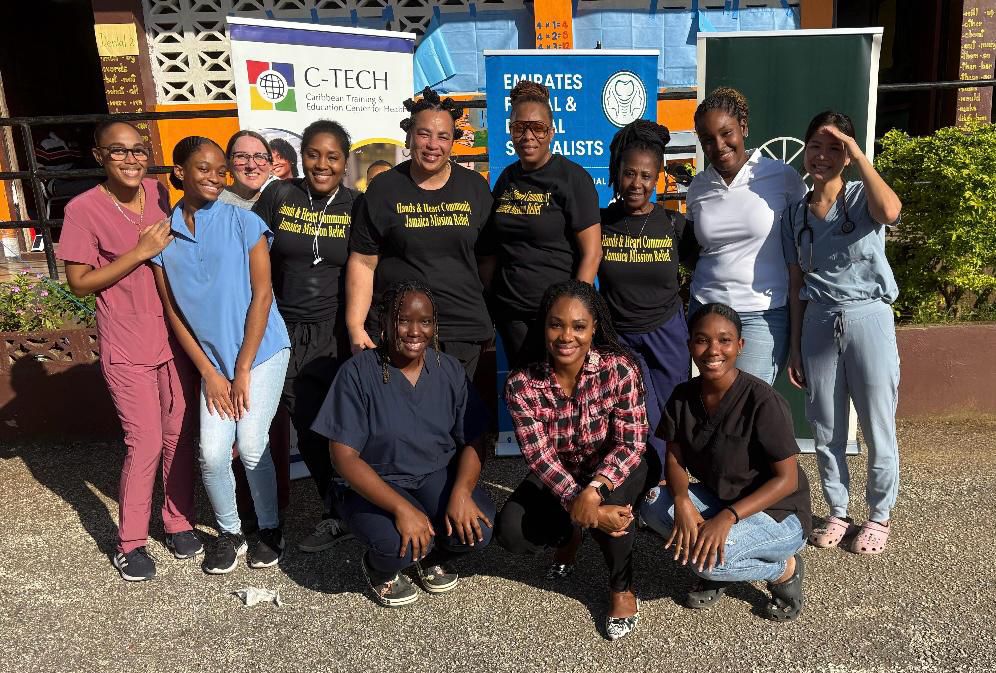
    A dedicated medical delegation from New York’s Emirates Facial and Dental Implants Center provided essential healthcare services to the hurricane-ravaged community of Westmoreland, Jamaica, during a four-day humanitarian mission from December 17-20. The team established operations at Little London Primary School, serving one of the regions most severely impacted by Category 5 Hurricane Melissa’s October 28 landfall.

    The multidisciplinary team comprising dentists, psychologists, and nurses addressed both physical and psychological needs of affected residents. Morvia Reid-Williams, Chief Financial Officer of the medical center, reported significantly worsened conditions compared to previous visits, noting widespread trauma among survivors still struggling with daily subsistence.

    Psychological support emerged as a critical component of the intervention, with over 50 children aged three to twelve receiving specialized trauma counseling. “When you’re a child, what happens to you sticks to you,” Reid-Williams emphasized, highlighting the importance of helping young victims process their hurricane experiences.

    The medical team conducted comprehensive health screenings, checking hypertension and glucose levels while treating various physical ailments including wounds and fungal infections. Dental emergencies represented the most pressing concern, with more than 80% of patients requiring urgent oral care. The team encountered children as young as five suffering weeks of sleepless nights from severe toothaches and adults with facial distortions caused by advanced dental infections.

    Through partnerships with United Mission of Goodwill and Jamaica 4 Life, the initiative distributed over 1,000 care packages throughout Little London. The outreach extended to Savanna-la-Mar Hospital’s maternity ward, where new mothers received infant care packages, while other hospital units obtained essential medications, wound care supplies, and surgical gowns.

    The mission held personal significance for Dr. Dwight Williams, a Bronx-based oral surgeon born in Little London who maintains strong connections to his hometown through regularly organized medical missions. Hurricane Melissa’s devastating path through St. Elizabeth, Hanover, St. James, and Trelawny parishes resulted in 45 fatalities, widespread homelessness, power outages, and substantial damage to healthcare infrastructure and public facilities.

  • UWI’s Institute of Gender and Development Studies – Advocating for women’s equality, empowerment in TT

    UWI’s Institute of Gender and Development Studies – Advocating for women’s equality, empowerment in TT

    For four decades, The University of the West Indies’ Institute for Gender and Development Studies (IGDS) has served as a beacon of progressive change throughout Trinidad and Tobago and the wider Caribbean region. What began as the Women and Development Studies Group in 1982 has evolved into a premier institution driving gender justice, equality, and research-informed advocacy.

    Under the guidance of Dr. Sue Ann Barratt, the institute’s director and senior lecturer, IGDS brings together academic, professional, and technical teams to advance meaningful dialogue, scholarly investigation, and community engagement. Their work illuminates how gender dynamics influence both visible and concealed challenges affecting diverse populations across the nation.

    The institute’s intellectual foundations rest upon the pioneering work of Caribbean feminist scholars Professors Patricia Mohammed and Rhoda Reddock, now emerita faculty members. Their extensive scholarship—spanning over 100 publications—has fundamentally shaped Caribbean feminist discourse and women’s movements, providing critical insights into the intersecting identities and experiences of women throughout the region.

    Dr. Angelique Nixon, senior lecturer and researcher at IGDS, emphasizes the necessity of intersectional analysis: ‘We do not just exist as one aspect of our identity. These dimensions—race, sexuality, class background, and others—overlap and mutually influence one another.’ This framework reveals how socioeconomic status, education, geographic location, and access to resources collectively determine social positioning and experiences of privilege or oppression.

    IGDS has launched numerous transformative initiatives that created tangible societal impact. The groundbreaking ‘Break the Silence’ campaign brought national attention to child sexual abuse and its connections to HIV transmission. Another flagship program, ‘A Sexual Culture of Justice’ led by Dr. Nixon, addressed gender-based violence, homophobia, and bullying through its influential #PullUpYuhBredren awareness movement.

    The institute’s reach extends beyond traditional academia through youth empowerment programs like the Reach for Rights camp and a global Massive Open Online Course on feminist transformational leadership that attracted participants from over 80 countries. Current research priorities include climate justice, aging populations, and gender-responsive policy development that informs national planning strategies.

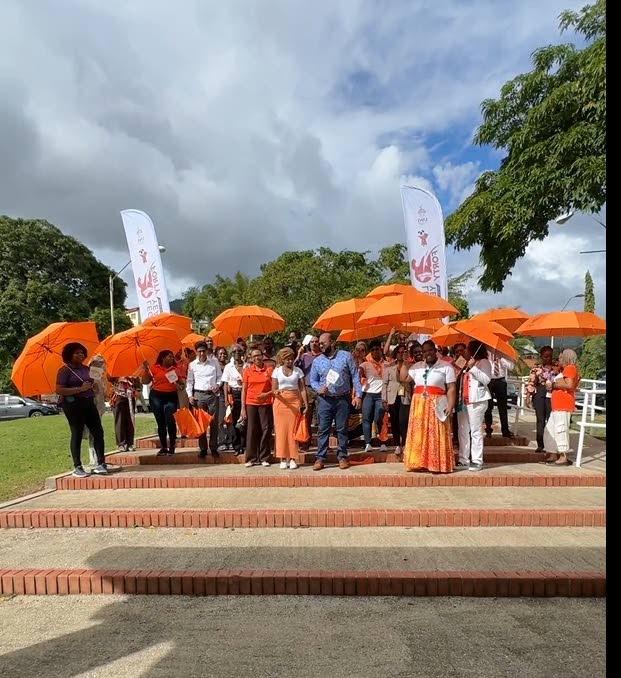
    Recently, IGDS commemorated its 40th anniversary alongside the Department of Creative and Festival Arts at their new Gordon Street location in St. Augustine. The institute continues its advocacy through international campaigns such as the annual 16 Days of Activism Against Gender-Based Violence, hosting walks, student exhibitions, and collaborative events with organizations like the Hindu Women’s Organisation.

    Through its integrated approach combining scholarship, education, and community engagement, IGDS remains at the forefront of efforts to bridge social divisions, challenge systemic inequalities, and foster a more equitable society for all Caribbean people.
  • Police seize illegal firearm in St Elizabeth operation

    Police seize illegal firearm in St Elizabeth operation

    KINGSTON, Jamaica — Law enforcement authorities in St Elizabeth parish have successfully intercepted another illegal weapon during a targeted security operation, reinforcing their ongoing campaign against illicit firearms circulation. The operation unfolded at approximately 6:10 PM on Saturday, December 27, when a specialized police unit executed a search warrant at a residential property located within the Oxford community district.

    During systematic sweeps of an adjacent vacant lot, officers identified and secured a concealed Champion brand backpack, characterized by its black and gray coloration and single-strap design. A comprehensive search of the bag revealed a concealed pistol equipped with an ammunition magazine that contained no cartridges. Critical forensic examination indicated the weapon’s serial number had been deliberately obliterated, significantly complicating future tracing efforts.

    While the seizure represents a tangible success for local crime prevention initiatives, no apprehensions have been made in direct connection with the discovered firearm. The Jamaica Constabulary Force has confirmed that investigative procedures remain actively ongoing, with authorities pursuing multiple leads regarding the weapon’s origin and intended utilization. This incident marks the latest in a series of weapon recoveries that demonstrate intensified enforcement measures across southwestern Jamaican parishes.

  • Death of a hero

    Death of a hero

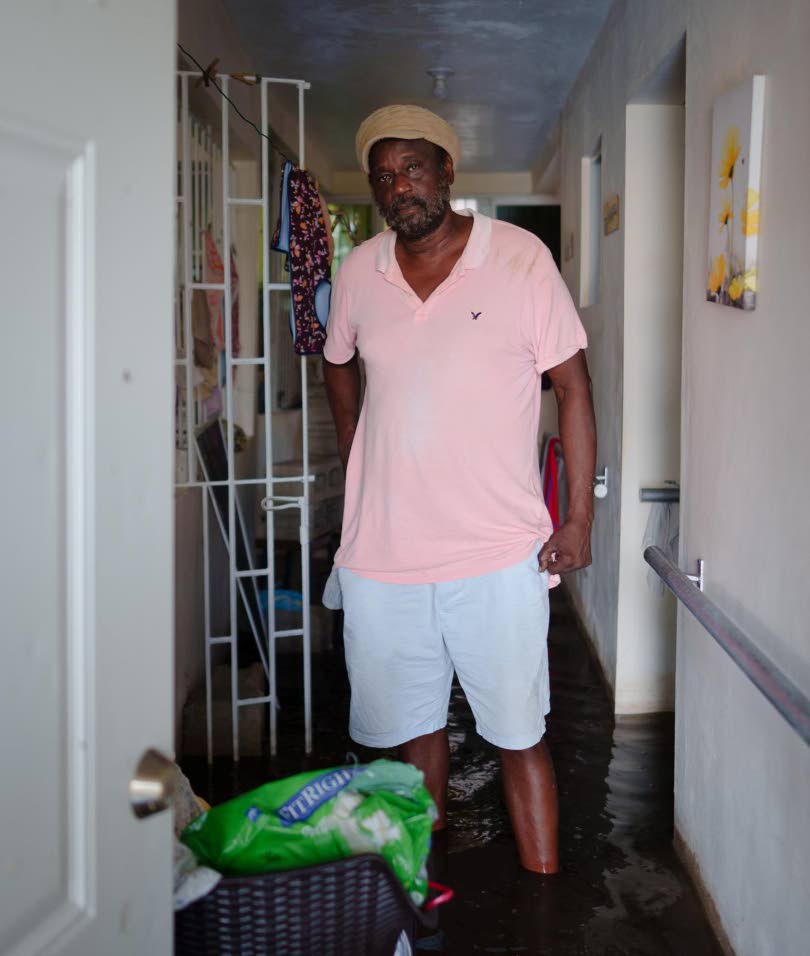
    Hugh Barnes, the 65-year-old proprietor of Auglo Senior Living Nursing Home in St. Elizabeth, Jamaica, has tragically passed away from a heart attack just ten days after executing a daring rescue of 13 elderly residents during Hurricane Melissa. The Category 5 storm had severely compromised the facility, tearing off its roof and flooding the building with knee-deep water.

    On October 28, as the hurricane made landfall, Barnes refused to abandon the residents he considered family. Working alongside staff through the violent storm, he physically supported and comforted residents while helping to stack mattresses to keep them above rising floodwaters. Standing at six feet five inches, Barnes used his height to secure vulnerable residents and balance mattresses above the water level.

    When roads became passable two days later, Barnes organized the relocation of all residents to his personal home in Bull Savannah, despite his own property sustaining roof damage. In the following days, he made daily trips back to the devastated nursing home to salvage medications, clothing, and personal belongings for the displaced seniors.

    According to his widow Melaney Walters Barnes, her husband was on a mission to restore normalcy for the residents even as he faced tremendous physical and emotional strain. Their final conversation on November 7 centered on his efforts to find an electrician to restore power to the nursing home. Moments later, Barnes complained of chest pains to the nursing home manager and was rushed to the hospital where he succumbed to a heart attack.

    Walters Barnes described her husband as having ‘sacrificed his own life for people who have lived their lives.’ Friends and community members, including Howard Hendriks—whose father was among the rescued residents—are now calling for official recognition of Barnes’ bravery and selflessness. Custos of St. Elizabeth Beryl Rochester joined the chorus of those praising Barnes’ heroic actions, noting that his behavior was consistent with his character.

    The financial impact on the family and the nursing home has been devastating, with extensive loss of equipment and supplies. Walters Barnes has assumed management of the recovery efforts while continuing to house the displaced residents in her home, determined to honor her husband’s legacy of compassion and service.

  • Trelawny teacher holds fast to hope after Hurricane Melissa destroys home

    Trelawny teacher holds fast to hope after Hurricane Melissa destroys home

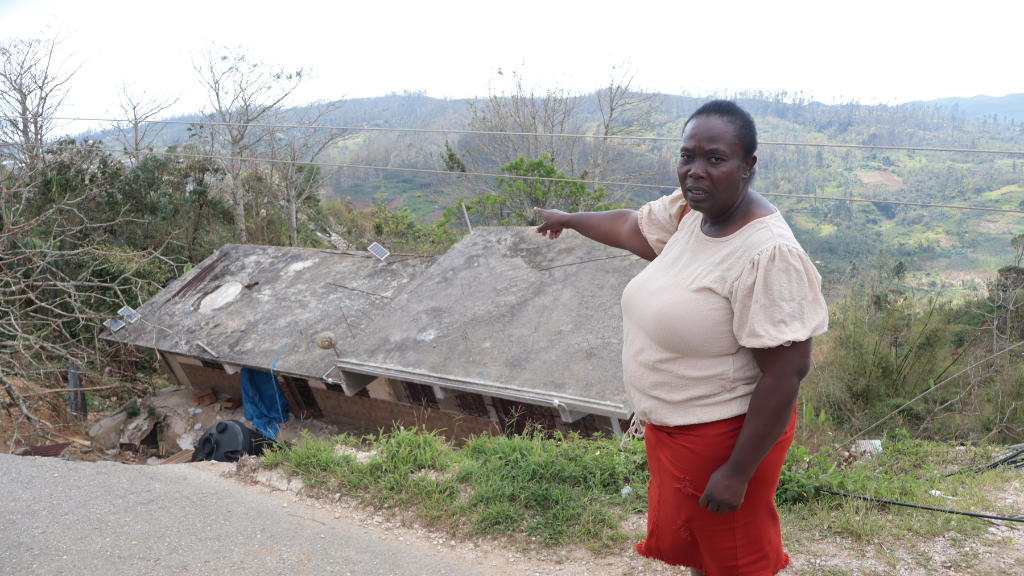
    ST JAMES, Jamaica — In the aftermath of Hurricane Melissa’s devastating winds that struck on October 28, the remarkable resilience of Trelawny educator and entrepreneur Joan Montaque has emerged as a testament to human spirit. Her residence in the Litchfield community collapsed during the storm, but her unwavering faith and community support have paved the way for unexpected opportunities.

    Moments before the catastrophic structural failure, Montaque observed critical warning signs—sewage pipes fracturing and another bursting from the ground. Heeding these signals, she evacuated immediately with essential documents. ‘Divine guidance placed me where I needed to be to witness these warnings,’ Montaque shared with JIS News, reflecting on her narrow escape from what became a complete collapse of two concrete buildings.

    Rather than dwelling on her losses, Montaque emphasizes the profound support system that mobilized around her. Neighbors arrived at dawn following the hurricane, expressing their solidarity. Her religious community and parents of her students have consistently offered emotional and practical support throughout her recovery journey.

    The aftermath has revealed silver linings through institutional support systems. Montaque recently engaged with the Rural Agricultural Development Authority (RADA) Connect and GraceKennedy General Insurance initiative that conducted damage assessments and distributed insurance payouts to affected community members. This experience introduced her to agricultural insurance options and potential business development resources previously unknown to her.

    Looking forward, Montaque anticipates leveraging these new connections to enhance her yam farming enterprise through advanced planting methodologies and improved marketing strategies. While rebuilding her home remains a primary challenge—exacerbated by looting of her business assets—she maintains optimistic conviction that positive outcomes will emerge from her hardships, inspired by biblical narratives of perseverance.

  • Inmates focus on ‘feelings’ post-Melissa, for holidays

    Inmates focus on ‘feelings’ post-Melissa, for holidays

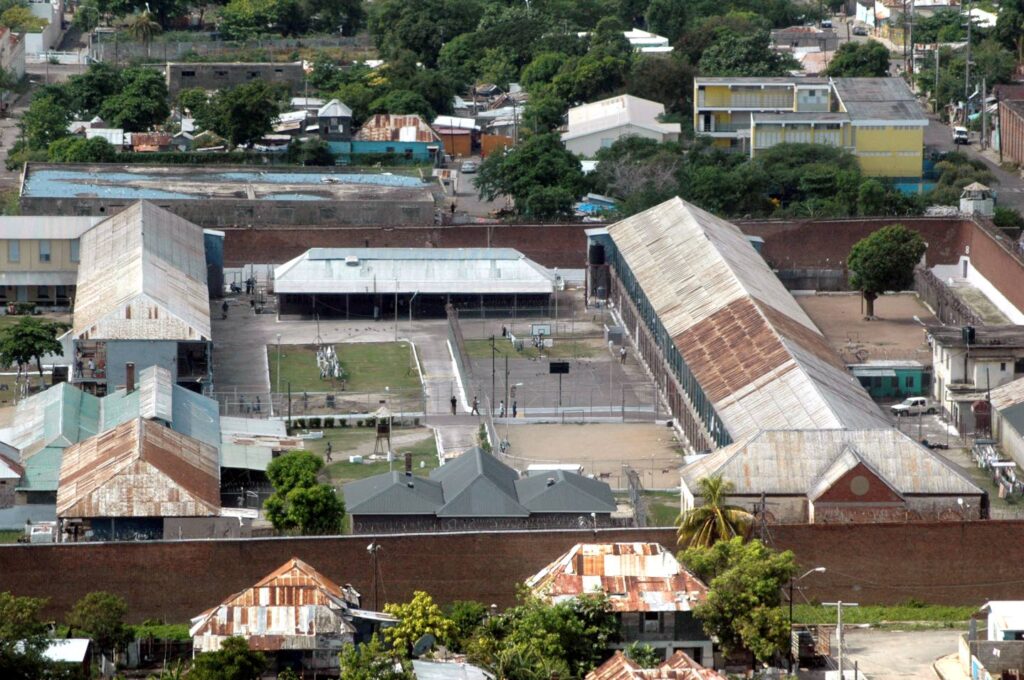
    Within Jamaica’s correctional facilities, a unique mental health crisis is unfolding as incarcerated individuals grapple with the psychological aftermath of Hurricane Melissa, despite being physically shielded from the Category 5 storm’s direct impact. The island’s prison system has implemented comprehensive psychosocial support programs to address the emotional distress experienced by inmates who worry about family members and damaged properties in the hurricane-ravaged regions.

    Dr. Myo Oo, consultant psychiatrist for Jamaica’s Department of Correctional Services, revealed that mental health professionals have conducted extensive counseling sessions with prisoners since the devastating storm struck two months ago. Many inmates have voluntarily sought psychological support, particularly those with connections to the southwestern regions that suffered the most severe destruction.

    The therapeutic approach focuses on creating opportunities for emotional expression, with clinicians initiating conversations about hurricane-related concerns during routine consultations. “We provide them space to articulate their emotions and ventilate their feelings,” Dr. Oo explained to the Jamaica Observer. “Even those without direct connections to affected areas often express concern about friends or relatives who might have been impacted.”

    The psychiatrist noted that inmates experience anxiety patterns similar to the general population but emphasized that their confinement intensifies psychological suffering. Limited communication channels and occasional inability to receive visitors compound their distress, particularly for those who have lost contact with families since the disaster. In such cases, medical interventions sometimes become necessary, including medication adjustments or increased dosages for existing prescriptions.

    Beyond hurricane-specific support, the correctional system maintains robust annual programs designed to boost morale during holiday seasons. These initiatives include Family Day events that facilitate inmate-loved one interactions and seasonal celebrations featuring feasts, musical activities, and religious services conducted by visiting churches. Juvenile facilities receive additional resources through external agencies that organize Christmas parties and recreational activities.

    The mental health infrastructure across Jamaica’s 11 correctional institutions includes 14 medical doctors, five full-time and two seasonal psychiatrists, plus three psychologists serving over 3,000 inmates. Despite overwhelming caseloads, professionals focus on helping prisoners acknowledge and process feelings of depression, anxiety, and homesickness that typically intensify during holiday periods.

    Dr. Oo emphasized that individual reactions to both disasters and seasonal changes vary significantly based on personal history and trauma experiences. The correctional system’s multifaceted approach ensures that psychological support remains available through scheduled counselor visits and appointment-based systems, allowing inmates to access professional help when struggling with separation-related emotional challenges.

  • Missions of mercy

    Missions of mercy

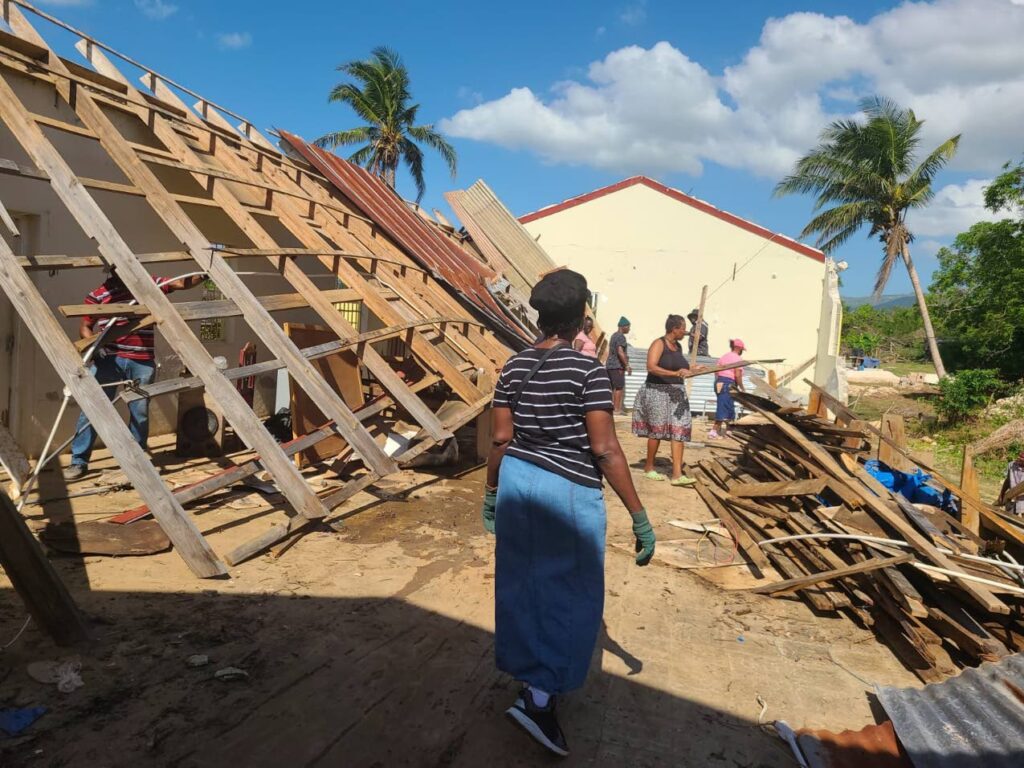
    In the devastating aftermath of Hurricane Melissa’s unprecedented Category 5 landfall on Jamaica in late October, the Bethel United Church of Jesus Christ (Apostolic) has emerged as a cornerstone of relief and recovery efforts. Under the leadership of Bishop Devon Charles Brown, the church’s Regional Evangelism Outreach Ministry (REAM) has executed a comprehensive, multi-phase response to address the widespread destruction across southwestern parishes.

    Directed by Evangelist Latoya Simba, REAM’s operations have spanned from St. Elizabeth to Westmoreland and St. Ann, delivering critical aid through an organized framework of ‘Three R’s’: Relief, Recovery, and Reconstruction. The initial relief phase involved distributing essential supplies including water, food, clothing, and temporary shelter materials to communities where homes were flattened, infrastructure was destroyed, and agricultural hubs were brought to their knees.

    The church’s humanitarian mission has extended beyond material aid, incorporating psychological support through licensed professionals addressing trauma and emotional distress among survivors. Medical care and counseling services have been integrated into their response, recognizing the profound mental health impact of the disaster.

    Financial commitments have surpassed $5 million Jamaican dollars, though organizers emphasize this represents only initial efforts against vastly greater needs. The recovery phase now focuses on rebuilding homes and restoring livelihoods, including livestock support for agricultural communities. A forthcoming reconstruction phase will involve build-back grants and an ‘adopt a family’ initiative, with assessment-based funding allocations.

    Strategic partnerships with government agencies including the Ministry of Labour and National Housing Trust have facilitated access to additional resources and streamlined assistance applications for affected residents. The church has also mobilized a skill bank of professionals including carpenters, masons, and business leaders to assist with rebuilding six severely damaged member churches and numerous homes.

    Community healing events, including treat days serving over 300 hot meals in Darliston, have provided psychological respite from the trauma. Bishop Charles Brown has characterized the effort as a ‘marathon rather than a sprint,’ with national church agendas restructured around long-term recovery commitments. Despite the overwhelming devastation, the church takes solace in having preserved life amidst the destruction, now focusing on the prolonged process of rebuilding stronger, more resilient communities.