分类: society

  • Maria Browne calls for prayer and unity at National Thanksgiving Service

    Maria Browne calls for prayer and unity at National Thanksgiving Service

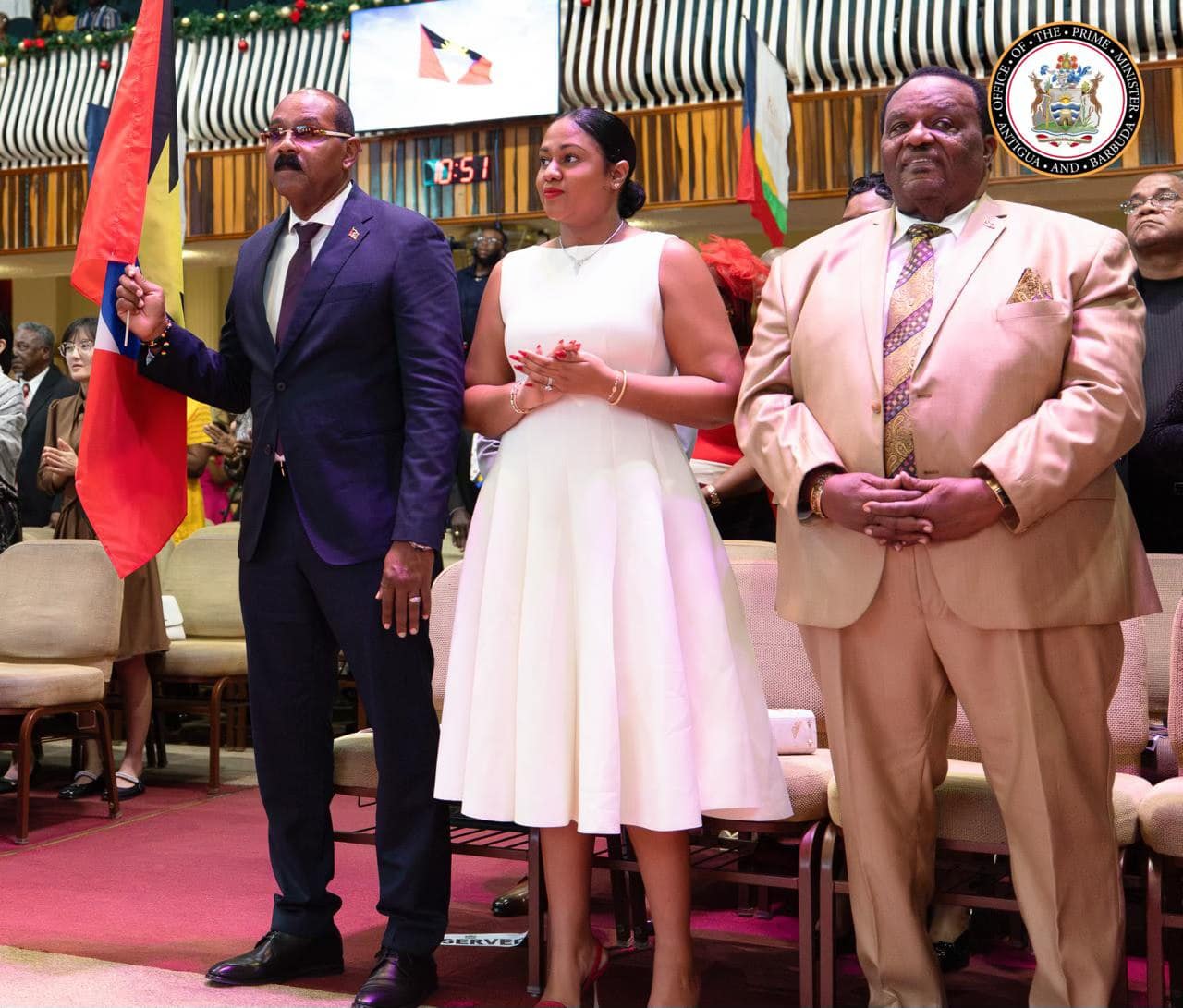
    In a powerful address following Antigua and Barbuda’s inaugural National Church Service for 2026, Works Minister Honorable Maria Browne delivered a compelling message of spiritual fortitude and national unity. The service, held on the first Sunday of the new year, became a platform for reflection and collective encouragement as the nation moves forward.

    Minister Browne drew profound inspiration from Apostle Andrews’ sermon, which centered on Micah chapter seven, verse eight—a biblical passage emphasizing hope during adversity. The Minister articulated how the religious message powerfully resonated with current national circumstances, emphasizing that temporary setbacks never signify permanent defeat and that illumination often emerges from periods of darkness.

    Characterizing the sermon as exceptionally timely, Browne highlighted its direct relevance to the psychological and spiritual needs of the Antiguan and Barbudan populace. She stressed the critical importance of maintaining faith and demonstrating perseverance amid challenges, framing these virtues as essential components of national character.

    Expanding her appeal beyond national borders, the Minister issued a regional call to action, urging citizens to sustain prayers not just for their homeland but for the entire Caribbean community. Her message specifically requested divine intervention for peace, stability, and strengthened unity throughout the region, recognizing the interconnectedness of Caribbean nations.

    The National Church Service represents a significant tradition within Antigua and Barbuda’s cultural and religious calendar, formally marking the commencement of each new year through collective worship and spiritual contemplation. This annual observance provides a moment for national introspection and reaffirmation of shared values before embarking on another year’s journey.


  • Why do libraries still matter today? Part 4

    Why do libraries still matter today? Part 4

    In an increasingly digitized world, libraries have transformed from traditional book repositories into vital institutions combating one of society’s most pressing challenges: the digital divide. This multifaceted gap separates those with access to digital technologies from the estimated 2.9 billion people worldwide who remain offline—approximately 37% of the global population.

    The digital divide extends beyond mere connectivity, creating sustained disadvantages in education, healthcare access, and employment opportunities. For perspective, this disconnected population equals nearly 30,000 times the entire population of Grenada, highlighting the staggering scale of the problem.

    Libraries have evolved to address this crisis through practical interventions. Public libraries now provide computer access to diverse communities while offering digital literacy programs tailored to both ‘digital refugees’ (those struggling with technology) and ‘digital immigrants’ (those who acquired digital skills as adults). Academic institutions like T.A. Marryshow Community College (TAMCC) Library have enhanced their technological infrastructure through initiatives like the National Telecommunications Regulatory Commission project, providing laptops and desktops for student and faculty use.

    Beyond hardware provision, libraries offer unique advantages in digital education. Their non-curricular environment creates comfortable learning spaces where students frequently seek technology assistance they might hesitate to request in formal classrooms. This flexible approach positions libraries as transdisciplinary support centers capable of addressing digital literacy across all subject areas.

    The International Federation of Library Associations and Institutions (IFLA), approaching its centennial anniversary, continues to champion this evolved library model through its vision of creating ‘sustainable future for all through knowledge and information.’ However, many libraries face significant challenges including limited funding and constrained vision, potentially hindering their ability to fully address contemporary digital needs.

    As noted by librarian Donna Chanderpaul-Singh, libraries remain growing organisms that must continuously adapt to serve modern society. Their expanded roles in promoting information literacy, supporting continuous learning, building communities, and reducing digital disparities make them more relevant than ever in our technology-dependent world.

  • “Plastics for Toys” returns to City Hall on January 11

    “Plastics for Toys” returns to City Hall on January 11

    Santo Domingo’s municipal government is set to host the sixth iteration of its innovative environmental program, ‘Plastics for Toys,’ on Sunday, January 11. Spearheaded by National District Mayor Carolina Mejía, the event will operate from 8:00 a.m. to 12:00 p.m. at City Hall, exclusively catering to residents of the National District.

    This community-driven initiative establishes a direct exchange mechanism where participants can trade cleaned and crushed plastic bottles, complete with their caps, for new toys. The program features a tiered exchange system: 500 bottles qualify for a bicycle, while 300 bottles can be redeemed for other assorted toys. To ensure equitable distribution, a limit of two toys per person will be enforced, requiring presentation of valid identification.

    Beyond the environmental exchange, Mayor Mejía has announced accompanying festivities including live children’s entertainment, musical performances, and refreshments. The municipal government emphasized the program’s dual significance, highlighting both its waste reduction achievements and its role in public education. Official data reveals that the ‘Plastics for Toys’ program, along with its sister initiative ‘Plastics for School Supplies,’ has successfully diverted over 33 million plastic bottles from streets and landfills. These efforts collectively represent one of the nation’s most substantial ongoing campaigns for environmental awareness and sustainable practice adoption.

  • Column: Hoop en verbondenheid in een onzekere wereld

    Column: Hoop en verbondenheid in een onzekere wereld

    As 2025 commenced, citizens worldwide embraced diverse resolutions encompassing both material aspirations and profound personal growth objectives. These ambitions ranged from revitalizing neglected relationships and fostering community connections to finally dedicating time to long-pending literary works and planning well-deserved vacations. Many sought the courage to pursue authentic life paths beyond societal expectations.

    The retrospective assessment of 2025 reveals a tapestry of human experience marked by both celebratory milestones and profound grief. Nations collectively mourned the passing of prominent societal figures while individuals faced personal losses of parents, siblings, children, and partners. The year proved particularly unforgiving to children caught in unprecedented humanitarian crises, reminding populations that life rarely unfolds according to predetermined plans.

    Amid these challenges, beacons of hope emerged through academic achievements, marital unions, newborn arrivals, and meaningful anniversaries. New professional and emotional bonds formed across communities, though these connections often went undervalued amidst daily pressures. Despite geographical dispersion, global citizens share celestial observations of the same sun and moon, albeit at different intervals, while exchanging thoughts through mechanisms that frequently defy full comprehension.

    National highlights included democratic elections, the 50th anniversary of Srefidensi celebrations, and the diplomatic visit of the Dutch royal couple. However, the dawn of 2026 presents formidable challenges following the seismic impact of American military actions in Venezuela that reverberated throughout Latin America, the Caribbean, and ultimately the global community.

    Economic interests continue driving both individual and national behaviors, with expansionist ambitions emerging from these financial imperatives. Worldwide tensions escalate as non-participating nations face coercive pressures, while international regulations suffer systematic violations. The global community seeks equitable responses to these developments, recognizing that interconnectedness, solidarity, and unified purpose among nations, organizations, and communities constitute our strongest defense against aggression.

    This new era demands heightened awareness of individual and collective responsibilities. Addressing contemporary challenges requires not merely political or diplomatic solutions but strengthened social cohesion. During periods of uncertainty and division, mutual support, active listening, and collaborative action become paramount.

    Critical questions emerge from these reflections: What lessons has 2025 imparted? How do we approach 2026 with clarity and purpose? In what manner do we perceive our fellow citizens and our shared national identity? What expectations define our collective vision, and most importantly, what concerted actions will we undertake to improve our shared existence?

    The new year presents an opportunity to pursue not only personal objectives but also to reinforce our collective future. Ultimately, it is through people connected by mutual respect and solidarity that meaningful change emerges.

  • Traffic control operation to begin at 2:00 p.m. on major highways

    Traffic control operation to begin at 2:00 p.m. on major highways

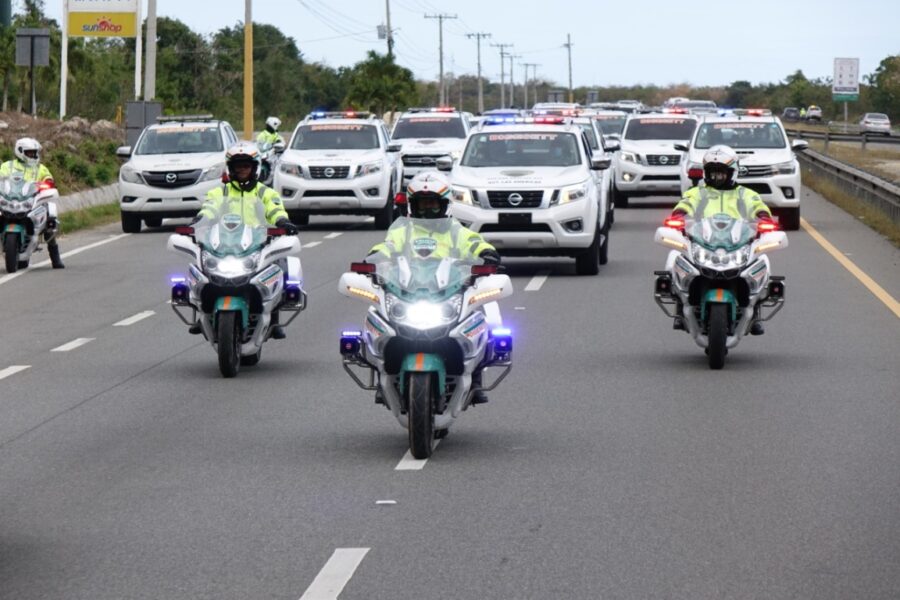
    SANTO DOMINGO – In preparation for the Three Kings Day holiday celebrations, the General Directorate of Traffic Safety and Land Transportation (DIGESETT) has announced a comprehensive simultaneous traffic control initiative scheduled for Monday, January 5, 2026. The operation will commence at 2:00 PM across the Dominican Republic’s primary transportation corridors as a preventive measure against holiday-related accidents.

    The strategic enforcement campaign will focus on regulating vehicular flow, implementing speed restrictions, and enhancing roadway safety during peak travel periods. Key infrastructure segments targeted include the 6 de Noviembre Highway, both sections of the Duarte Highway, the Eastern Corridor, Punta Cana Tourist Boulevard, and adjacent connecting routes where holiday traffic congestion typically peaks.

    DIGESETT authorities have issued urgent advisories to motorists emphasizing compliance with traffic directives, responsible driving practices, strict adherence to sobriety guidelines, mandatory seatbelt usage, and observance of posted speed limitations. The agency confirmed coordinated deployment with complementary road safety organizations to establish multilayered protection protocols aimed at safeguarding travelers and ensuring secure passage during this traditionally high-mobility period.

  • Firefighters invite families to annual Three Kings Day parade

    Firefighters invite families to annual Three Kings Day parade

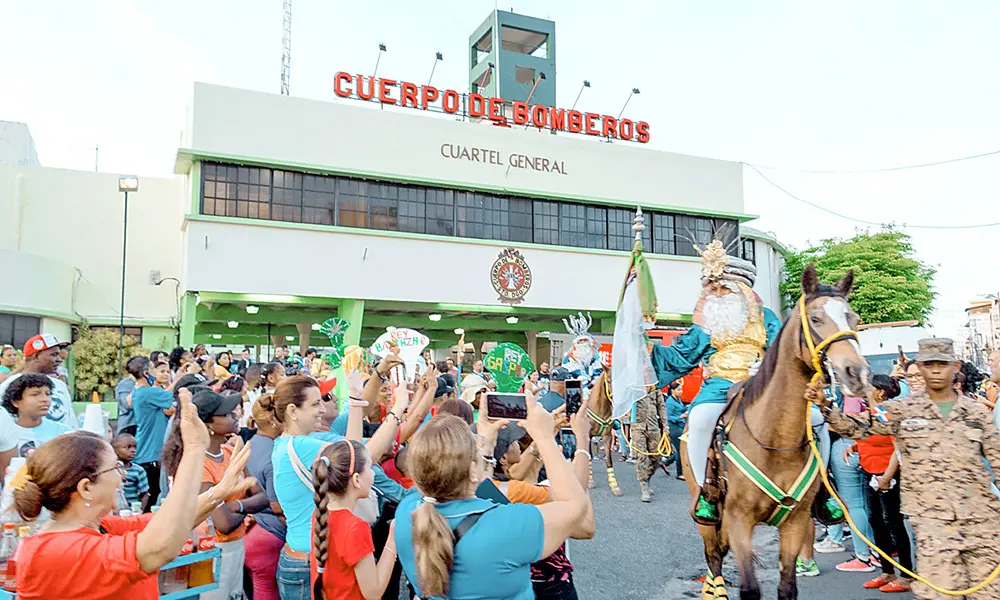
    Santo Domingo’s firefighting authority has officially announced the return of its cherished Three Kings Day procession, maintaining a cultural tradition that dates back to 1948. The National District Fire Department, in coordination with the Mayor’s Office, will host the annual parade commencing at 6:00 p.m. on January 5 from their Mella Avenue headquarters.

    The elaborate celebration will feature the three biblical magi—Melchior, Gaspar, and Balthazar—mounted on horseback as they traverse the historic Colonial City district and surrounding neighborhoods. The procession will be accompanied by the Fire Department’s musical band providing festive melodies, alongside dance performances and candy distribution for children. The evening will culminate with a spectacular fireworks display and refreshments served at the central fire station.

    Fire Chief General José Luis Frómeta Herasme extended a formal invitation to capital residents, emphasizing the event’s significance in preserving cultural heritage and fostering intergenerational connections. This longstanding tradition represents one of the Dominican Republic’s most enduring public celebrations, specifically designed to maintain family-friendly festivities that have united communities across generations for over seven decades.

  • Greg Walter, Son of National Hero Sir George H. Walter, Dies

    Greg Walter, Son of National Hero Sir George H. Walter, Dies

    Antigua and Barbuda mourns the passing of Greg Walter, son of the late National Hero and former Prime Minister Sir George H. Walter. The announcement of his death was confirmed through official state media channels, though specific details regarding the circumstances and timing remain undisclosed at this time.

    The Walter family legacy remains deeply embedded in the nation’s history, with Sir George H. Walter having served as the country’s second Prime Minister following independence. The elder Walter is celebrated as an instrumental force in shaping the nation’s labor movement and early political development, earning his designation as a National Hero for these monumental contributions.

    Greg Walter’s passing represents not just a personal family tragedy but a moment of national reflection on the Walter family’s enduring impact on Antiguan society. The absence of detailed information surrounding his death has left both the public and media awaiting further official statements. The government has yet to announce any commemorative plans, but the event has already sparked renewed interest in the historical legacy of the Walter family and their foundational role in the nation’s journey.

  • Several injured after bus accident in Higüey

    Several injured after bus accident in Higüey

    A public transportation vehicle carrying hotel workers veered off course and crashed in the eastern Dominican Republic on Sunday, resulting in multiple casualties. The incident occurred near the entrance to Anamuya, a coastal town within the province of La Altagracia, a region renowned for its tourism infrastructure.

    According to preliminary investigations by local authorities, the commercial bus was navigating a sharp curve when the driver reportedly lost control of the vehicle. This loss of control precipitated a collision with a large roadside advertising billboard. The impact caused significant damage to the front section of the bus.

    Emergency services were promptly dispatched to the scene to provide medical assistance and transport the injured to nearby medical facilities. While official sources have not released a finalized count of those harmed or their specific conditions, initial reports confirm that all passengers were employees of local hospitality establishments concluding their work shifts. The investigation into the precise cause of the accident, including potential factors like mechanical failure or road conditions, remains ongoing as authorities work to notify the victims’ families.

  • Two killed in St Philip crash as police appeal for information

    Two killed in St Philip crash as police appeal for information

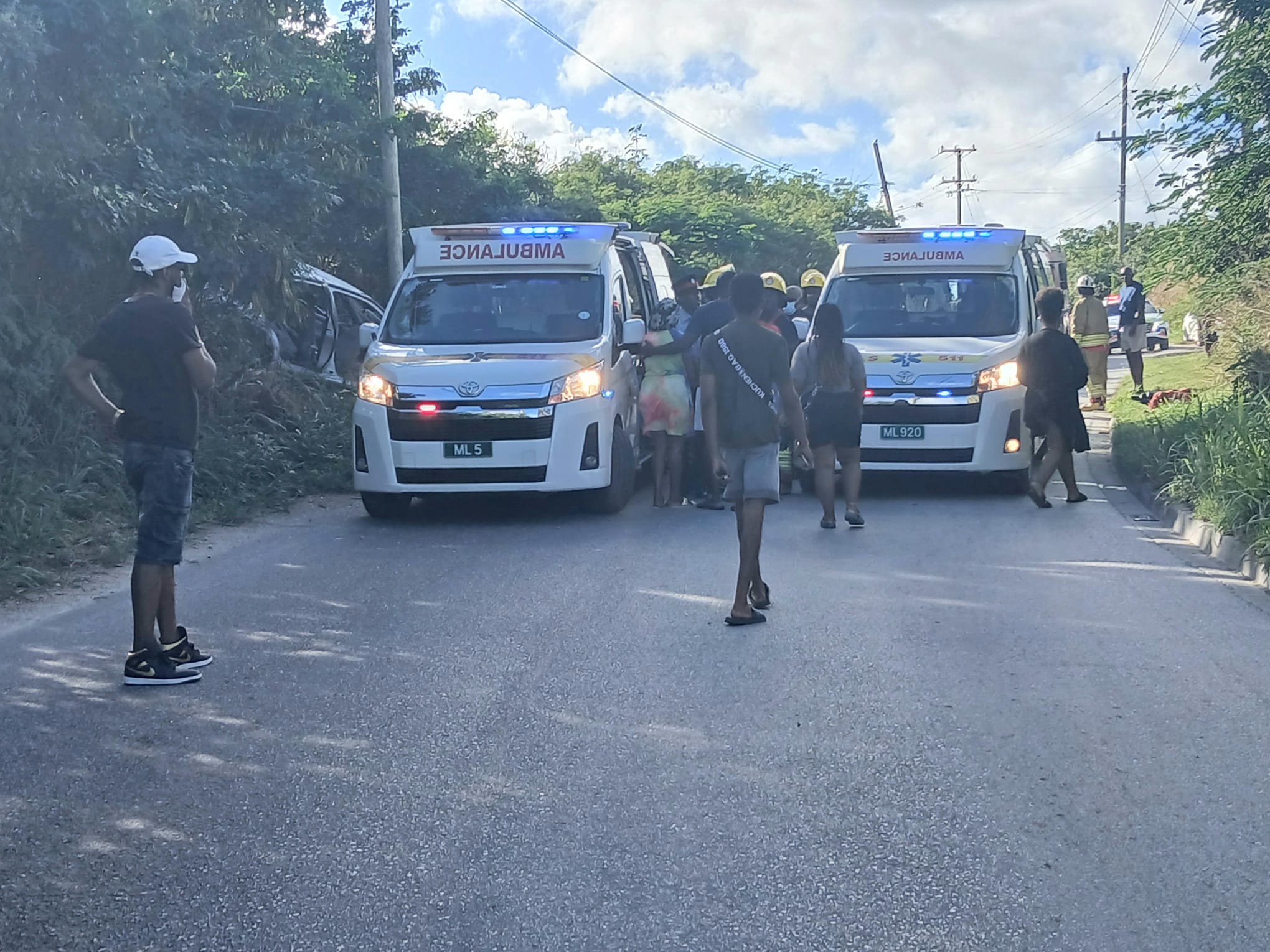
    Authorities in St Philip have intensified their investigation into a devastating head-on collision that claimed two lives on Sunday afternoon. The tragic incident unfolded at approximately 2:45 p.m. along Carrington Road, where two passenger vehicles traveling in opposite directions collided under circumstances that remain under active police investigation.

    Emergency responders arrived at the scene to find catastrophic damage to both vehicles. Tragically, two occupants of one vehicle were pronounced dead at the scene despite rescue efforts. Two additional passengers from the same vehicle sustained significant injuries and required emergency transport via ambulance to Queen Elizabeth Hospital for urgent medical treatment. The sole occupant of the second vehicle involved in the collision subsequently sought private medical attention for their injuries.

    The Barbados Police Service has launched a comprehensive investigation to determine the precise sequence of events leading to the fatal crash. Traffic Division investigators are meticulously examining accident scene evidence while appealing to potential witnesses who may have observed the collision or events preceding it. Authorities are particularly interested in speaking with motorists who may have dashboard camera footage capturing the incident or its immediate aftermath.

    Law enforcement officials have established a dedicated contact line for information related to this case, urging anyone with relevant details to come forward. The District C Police Station can be reached at 416-8200, where officers are standing by to receive confidential tips that could assist in reconstructing the circumstances surrounding this tragic event. The police emphasize that even seemingly minor observations could prove crucial to their investigation.

  • Apostle Tells National Thanksgiving Service Antigua’s Challenges Are Temporary

    Apostle Tells National Thanksgiving Service Antigua’s Challenges Are Temporary

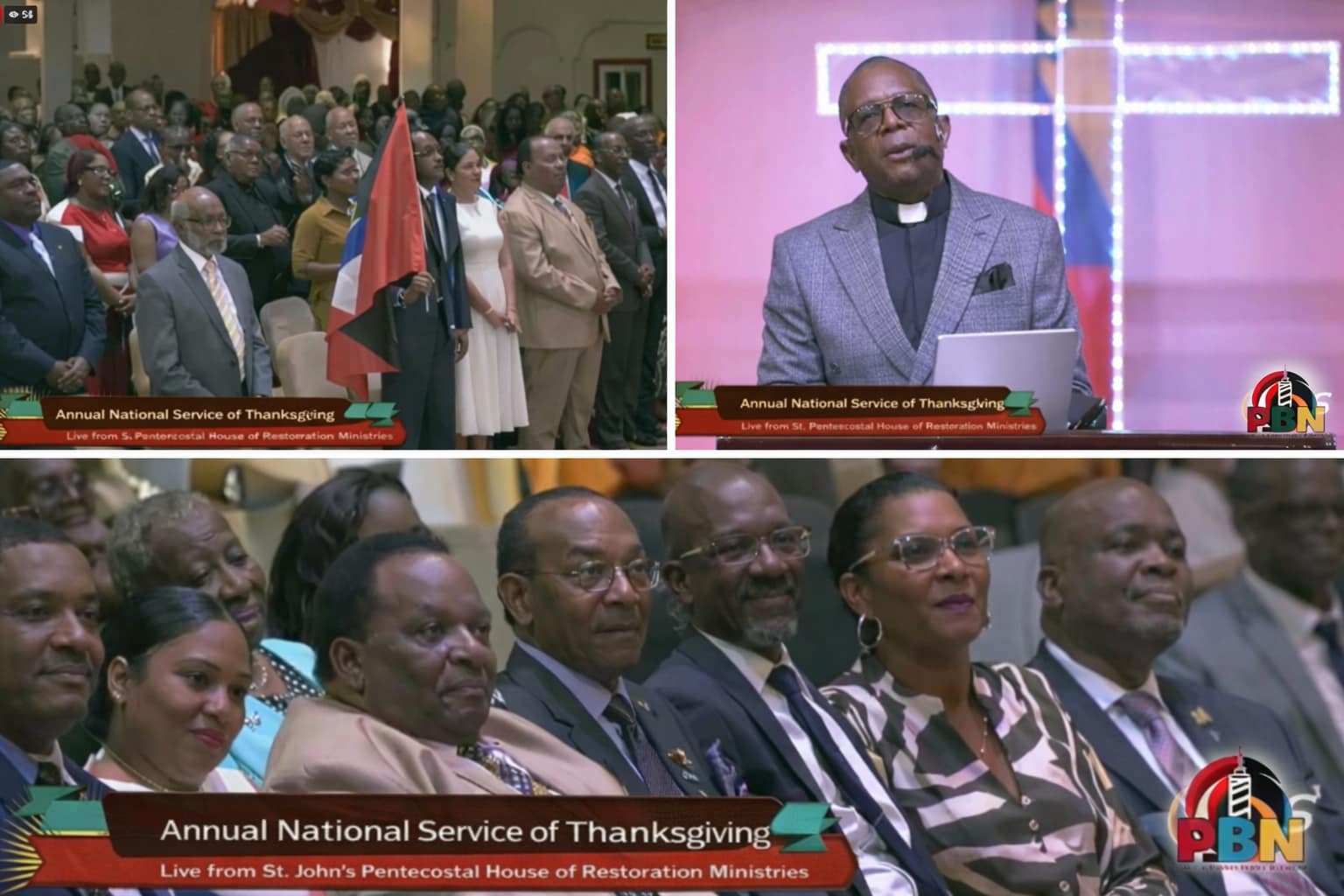
    In a powerful address at Antigua and Barbuda’s National Service of Thanksgiving, Apostle Stephen C. Andrews delivered a transformative message framing the nation’s current difficulties as preparatory stages for national renewal rather than indicators of decline. Speaking before political leaders, clergy members, and congregants, the religious leader articulated a vision of restoration, resilience, and economic destiny that resonated throughout the sanctuary.

    Andrews issued a compelling caution against misinterpreting present hardships as national failure, urging citizens to consciously resist despair and public expressions of pessimism. Drawing theological parallels from the biblical book of Micah, he warned against placing excessive confidence in human systems and personalities, instead advocating for national confidence rooted in spiritual faith, moral discipline, and social unity.

    The apostle made a declarative prophecy that Antigua and Barbuda would ‘rise again,’ characterizing current pressures as temporary and necessary precursors to national recovery. He maintained that adversity should not be celebrated by critics, emphasizing that struggle typically precedes meaningful restoration.

    Expanding beyond individual spirituality, Andrews directly connected faith principles to national development, asserting the nation’s potential to emerge as an economic powerhouse if it maintains unity and integrity. He proposed that sustainable prosperity depends equally on ethical foundations as on policy decisions and financial investments.

    Sharing personal testimony of overcoming uncertainty through what he described as divine provision, Andrews presented his journey as a microcosm of the nation’s potential trajectory. He challenged the congregation to let resilience rather than fear define their collective response to contemporary challenges.

    Throughout his address, the apostle emphasized the power of narrative, urging citizens to speak positively about the country’s future. He warned that persistent negative discourse could undermine national confidence and social cohesion during this critical developmental period. His sermon established a reflective tone for the new year, seamlessly integrating faith, national identity, and civic responsibility in what has become an annual tradition setting the nation’s spiritual compass.