分类: society

  • Missing: Dr Sonia Linette Richards

    Missing: Dr Sonia Linette Richards

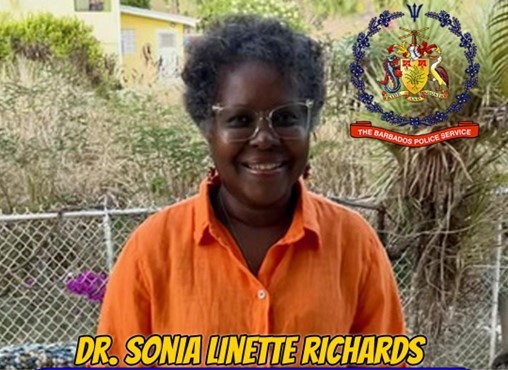
    Authorities in Barbados have launched a public search operation for Dr. Sonia Linette Richards, a 69-year-old resident of St. James, who vanished from her West Terrace Gardens residence on the evening of January 2nd. The distinguished academic was last observed approximately at 8:40 PM, prompting serious concerns from law enforcement and community members.

    Dr. Richards possesses distinctive physical characteristics that may assist in her identification. She stands at approximately five feet one inch with a medium build and dark complexion. Her hair features a striking combination of black and silver tones, and she requires corrective lenses. Described as articulate and courteous in demeanor, she maintains an upright posture when walking.

    At the time of her disappearance, the missing scholar was attired in a dark blue t-shirt complemented by three-quarter length shorts. Her footwear consisted of distinctive pink and white Sketchers athletic shoes.

    The Barbados Police Service has established multiple communication channels for citizens possessing relevant information. Individuals with knowledge of Dr. Richards’ whereabouts are urged to immediately contact the Holetown Police Station at 419-1700 or 419-1701. Alternative reporting options include the Police Emergency hotline at 211 or the anonymous Crime Stoppers tip line at 1-800-TIPS (8477). Local police stations throughout the island are also prepared to receive information regarding this case.

  • Leaders Urge Unity and Faith as Antigua and Barbuda Marks New Year at National Thanksgiving Service

    Leaders Urge Unity and Faith as Antigua and Barbuda Marks New Year at National Thanksgiving Service

    National leaders in Antigua and Barbuda launched the new year with powerful appeals for unity, faith, and collective responsibility during the annual National Service of Thanksgiving on Sunday. The gathering served as both a reflection on recent challenges and a call to action for the nation’s future.

    Sir Clare Roberts, representing Governor General Sir Rodney Williams, addressed the congregation with a message of acknowledgment for surviving what he characterized as profoundly unsettled times. He highlighted global conflicts, economic pressures, and environmental concerns while crediting the nation’s endurance to prayer, resilience, and the dedicated efforts of families, churches, and public servants. Roberts emphatically stated, “Our survival is not accidental,” and called for renewed commitment to environmental stewardship, community cleanliness, and the pursuit of education through institutions like the University of the West Indies. He further appealed for enhanced compassion toward the elderly, vulnerable populations, and those grappling with mental health or homelessness.

    Prime Minister Gaston Browne framed the service as a testament to national resolve, noting his administration’s eleven-year tradition of holding this event as a reflection of its commitment to faith-based governance. While acknowledging 2025 as a “year of bounty” marked by advancements in healthcare, education, and national development, Browne cautioned that the path forward would not be easy. “No successful nation has been built on calm waters,” he declared, urging citizens to confront emerging challenges with purposeful unity rather than division. He reiterated the long-term goal of transforming Antigua and Barbuda into an economic powerhouse and detailed social support measures, including expanded food assistance and a program providing free building materials to impoverished households. Browne pledged to continue governing “with integrity” and requested prayers for the nation’s leadership.

    Adding a perspective from the political opposition, United Progressive Party Deputy Leader Sherfield Bowen struck a contemplative tone, expressing concern over military conflicts edging closer to the traditionally peaceful Caribbean region. He emphasized that these developments, coupled with domestic pressures on finances, healthcare, and national institutions, underscore the critical need for prayer, wisdom, and divine guidance in the year ahead.

    Throughout the proceedings, a consistent narrative emerged weaving together gratitude for past endurance with a sober recognition of future challenges. The service established a foundational tone for 2026, blending spiritual faith with civic duty and calling for unwavering unity across all societal divisions as the nation navigates an increasingly uncertain global landscape.

  • City admin removes vendors outside Yhip’s Bakery, plans afoot to move all vendors on Robb Street

    City admin removes vendors outside Yhip’s Bakery, plans afoot to move all vendors on Robb Street

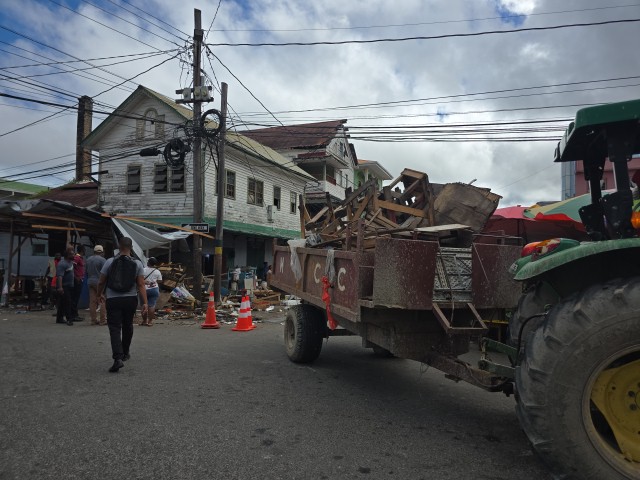
    The Georgetown City Administration executed a High Court mandate on Sunday, January 4th, 2026, forcibly removing street vendors operating outside the defunct Yhip’s Bakery at the intersection of Robb and Alexander Streets. This enforcement action has ignited intense debate regarding urban vending rights and municipal governance.

    Mayor Alfred Mentore revealed preliminary strategies to relocate displaced merchants to Merriman’s Mall, situated between Orange Walk and Cummings Street. However, this proposed solution has encountered significant resistance from both vendors and political figures. The demolition of vendor stalls proceeded despite Mayor Mentore’s formal request to Town Clerk Candace Nelson for an emergency statutory meeting scheduled January 5th to establish a comprehensive vending policy and temporarily halt removals.

    Vendor representatives expressed profound dissatisfaction with the relocation site, citing inadequate infrastructure including absent water facilities, electrical connections, and security concerns due to criminal elements. Approximately fourteen predominantly female vendors—many commuting from distant regions like Mahaica, Cane Grove, and Bath Settlement—now face severe economic uncertainty. They argue that selective enforcement creates unfair market advantages and demand equitable treatment for all Robb Street vendors.

    Political intervention emerged through We Invest in Nationhood (WIN) party leader Azruddin Mohamed and senior member Tabita Sarabo-Halley, who condemned governmental indifference toward improving Stabroek and Bourda market conditions despite Guyana’s substantial oil revenue streams. They criticized the administration’s two-year failure to develop adequate vending solutions since initial legal proceedings began.

    Mayor Mentore’s budgetary proposal for 2026 includes infrastructure upgrades at Merriman’s Mall, featuring new sheds and sanitary facilities intended to accommodate approximately fifty vendors. He emphasizes eliminating unfair competitive practices through consistent enforcement across all Robb Street vending operations. The ongoing legal confrontation continues with a scheduled court appearance on January 9th, where municipal authorities intend to present their relocation commitments to the judiciary.

  • First Motorcycle Accident of 2026 Leaves One Dead

    First Motorcycle Accident of 2026 Leaves One Dead

    Belizean authorities are conducting a thorough investigation into the year’s inaugural traffic fatality, which occurred on the evening of January 3rd, 2026. The victim has been identified as Brian Miguel, a 24-year-old agricultural worker from St. Matthew’s Village, who succumbed to injuries sustained in a devastating highway collision.

    The tragic incident unfolded approximately between miles 40 and 41 along the George Price Highway, where law enforcement personnel were dispatched at approximately 8:30 p.m. Upon arrival, first responders discovered Miguel’s lifeless body on the roadway beside his damaged motorcycle.

    Preliminary forensic reconstruction suggests the catastrophe occurred when a Ford F-150 pickup truck, operated by 35-year-old William Antonio Aleman of Burrell Boom, allegedly executed an improper lane change maneuver. This action reportedly resulted in a direct collision with Miguel’s motorcycle, though the complete sequence of events remains under active investigation by traffic division specialists.

    Authorities have confirmed the detention of Mr. Aleman pending formal charges. The legal proceedings will consider whether traffic regulations were violated and determine potential liability in this tragic case. This incident has reignited community discussions about road safety measures on Belize’s highway networks, particularly regarding motorcycle visibility and lane discipline enforcement.

    The Belize Police Department has extended condolences to the victim’s family while emphasizing the importance of heightened caution during nighttime travel on the nation’s roadways.

  • Violence against women persists in El Salvador

    Violence against women persists in El Salvador

    Newly released statistical data for 2024-2025 has exposed the severe magnitude of gender-based violence plaguing El Salvador, with the Attorney General’s Office (FGR) documenting a staggering 18,949 cases targeting women. Among these reported incidents, sexual assault accounted for 8,938 cases, representing nearly half of all gender violence reports.

    According to analyses by the Organization of Salvadoran Women for Peace (ORMUSA), these figures position El Salvador among nations with the highest rates of femicide in the Americas, with 82 gender-motivated killings recorded during this reporting period. The breakdown of violence types shows psychological abuse as the most prevalent form at 7,062 cases, followed by physical violence accounting for 2,339 incidents.

    While the statistics indicate a slight reduction compared to previous reporting cycles, ORMUSA emphasizes that sexual violence remains the most persistent and widespread manifestation of gender-based aggression throughout the country. The organization’s comprehensive assessment concludes that sexual violence constitutes a deep-rooted, structural problem requiring immediate and coordinated intervention.

    The findings underscore the critical need for enhanced commitment from state institutions and civil society to implement effective protective measures, strengthen legal frameworks, and transform societal attitudes toward gender-based violence. ORMUSA advocates for a multifaceted approach combining prevention, prosecution, and support systems to address this pervasive human rights challenge.

  • Roofless but resilient

    Roofless but resilient

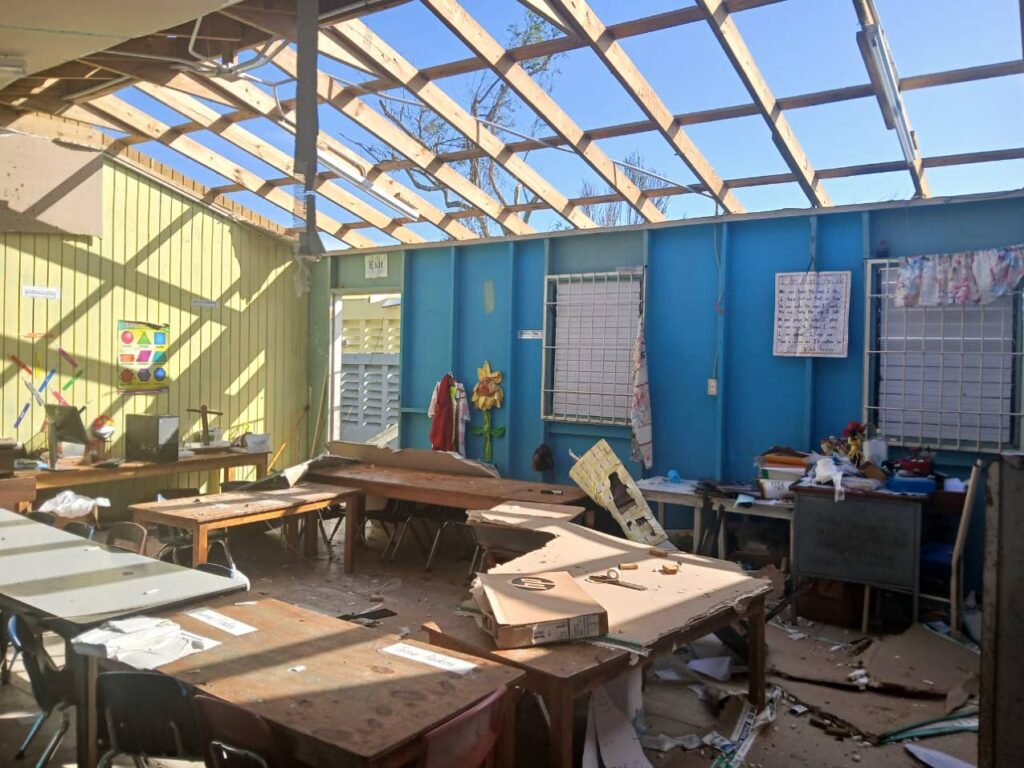
    Educational institutions across Jamaica’s Westmoreland parish are demonstrating remarkable resilience as they welcome students back following the devastating impact of Hurricane Melissa. Despite widespread infrastructure damage from the October Category 5 storm, school administrators have developed innovative strategies to ensure continuous education.

    At Savanna-la-Mar Primary School, where nine classrooms were completely destroyed, Principal Megan Berry has spearheaded the creative repurposing of non-traditional spaces. The computer laboratory, library, and multi-purpose hall have been transformed into makeshift classrooms to accommodate all grade levels. ‘We are ready to accept the full complement, but we had to be creative in doing so,’ Berry stated, emphasizing that no structural repairs have yet been completed since the hurricane struck.

    The situation appears equally challenging at Mount Airy Primary and Infant School, located in the Negril hills, which lost approximately 80% of its roofing. Although initial repairs have commenced, the extensive damage requires complete reconstruction of several structures. With over 520 students enrolled, the school has implemented a sophisticated shift system to manage limited space and furniture availability. Guidance counselor Lelieth Murdock explained the detailed scheduling: ‘Grade six will attend Mondays through Fridays, grades four and five will come Mondays to Wednesdays, while the infant department through grade three will attend Thursdays and Fridays.’

    In rural Williamsfield, administrators have employed tarpaulin coverings as temporary protection for damaged buildings—a common sight throughout the parish. Principal Shawn Clarke highlighted the urgent need for assistance with repairs, furniture, and educational materials after the storm destroyed textbooks, learning aids, writing boards, student and teacher furniture, electrical systems, and roofing structures.

    Amid these challenges, Little London Primary School represents a beacon of hope with electricity recently restored and minimal hurricane damage, allowing full student attendance without requiring shift systems. The collective response across Westmoreland demonstrates the education sector’s determination to maintain learning continuity despite significant obstacles.

  • Jamaica Strong concert raises over US$500k

    Jamaica Strong concert raises over US$500k

    In a powerful display of cultural solidarity, the Jamaica Strong Benefit Concert generated over US$500,000 in net proceeds to aid recovery efforts from Hurricane Melissa’s devastation. Held on December 12, 2025, at New York’s UBS Arena in Queens, the event united the global Jamaican diaspora through music and humanitarian action.

    Organizer George Crooks of Jammins Events confirmed the substantial fundraising achievement, emphasizing how the initiative brought together international communities in support of hurricane relief. The concert’s organizational framework, led by New York-based cultural entities Irie Jam Radio, Irie Jam Foundation, Jammins Events, and RoadBlock Radio, transformed collective concern into coordinated action through transparent, community-driven leadership.

    Bobby Clarke, co-founder of the Irie Jam Foundation, detailed the strategic distribution plan for the raised funds. The allocation includes US$150,000 each to Shaggy’s Make a Difference Foundation, the Sean Paul Foundation, and the Government of Jamaica Hurricane Melissa Relief Fund. An additional US$50,000 was designated to the Irie Jam Foundation specifically for repairing and rebuilding primary schools in Cornwall, among the storm’s most severely impacted regions.

    “By directing funds to both national and community-based organizations,” Clarke explained, “we ensure support reaches individuals, families, and communities where need is most immediate and impact most meaningful.”

    The event featured Caribbean artists who donated their time and talent, using music as a vehicle for unity and healing during national crisis. Kacy Rankine, CEO of Roadblock Radio, highlighted the profound cultural significance: “Caribbean artists used music and culture as vehicles for unity, healing, and advocacy during a moment of national crisis.”

    Rankine expressed gratitude to sponsors, patrons, media partners, volunteers, and the broader Caribbean diaspora whose generosity made the initiative possible. The concert successfully achieved its dual objectives: increasing global attention to Hurricane Melissa’s human toll and mobilizing substantial financial support for rebuilding communities.

    Nearly 10,000 attendees filled the arena, demonstrating extraordinary engagement from the Jamaican diaspora and friends of Jamaica who gathered to show solidarity, compassion, and resolve. While the concert marked a significant milestone, organizers emphasized that recovery remains ongoing, requiring sustained support to restore stability, dignity, and opportunity for all affected by the hurricane.

  • JACA continues local outreach

    JACA continues local outreach

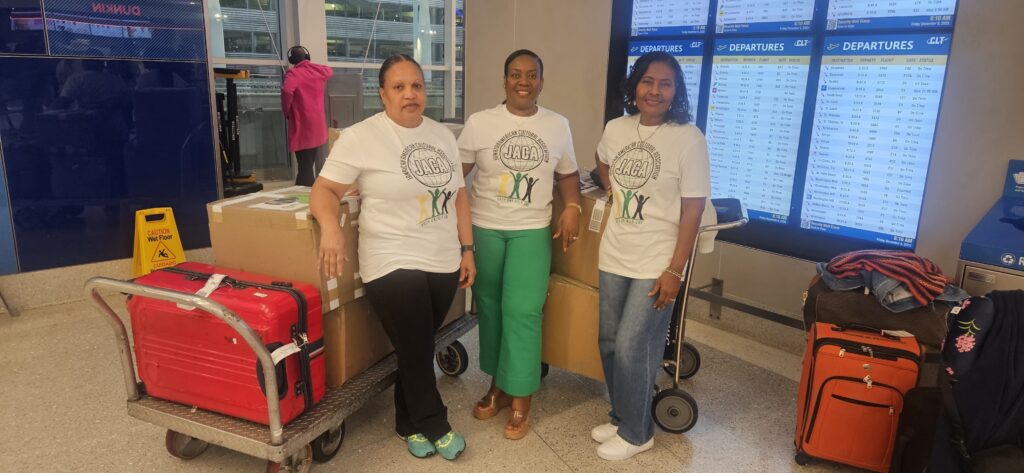
    KINGSTON, Jamaica — For more than a quarter-century, the Jamaican American Cultural Association (JACA) has dedicated its philanthropic efforts to enhancing educational infrastructure across Jamaica. This North Carolina-based 501(c)(3) non-profit organization has historically concentrated on equipping schools with essential technology resources, with recent partnerships extending through 2026 at institutions including St Mary High School, Linstead Primary School, and St George’s Infant and Primary School.

    The catastrophic impact of Hurricane Melissa on southwestern Jamaica has prompted an immediate strategic pivot in the organization’s operations. JACA has temporarily redirected its resources from educational support to emergency humanitarian assistance for affected communities in Westmoreland, St James, and St Ann.

    In a rapid response initiative, JACA has coordinated the delivery of nearly one ton of critical supplies to hurricane victims. The relief shipment encompasses food provisions, hygiene products, clothing, medical supplies, and other essential emergency items. Beyond immediate relief, the organization has committed to providing substantial building materials to selected families to facilitate long-term recovery and home reconstruction efforts.

    Gaynor Russell, President of JACA, emphasized the philosophical underpinnings of their humanitarian approach: ‘Our work among vulnerable communities has demonstrated that meaningful assistance transcends material provisions—it fundamentally concerns human dignity. Authentic transformation begins when we engage directly with affected individuals, honor their narratives, and stand in solidarity with them throughout their recovery journey.’

    Russell further acknowledged the collective effort behind their mission, stating: ‘We remain committed to delivering comprehensive hurricane relief to the fullest extent possible. Our return to these communities is assured. None of this vital work would be feasible without the extraordinary dedication, compassion, and resilience of our team members, who embody the true spirit of our organizational ethos.’

    The organization’s operational philosophy remains guided by its foundational motto: ‘Each One Helps One,’ reflecting its commitment to mutual aid and community solidarity in times of crisis.

  • Sykes in favour of scrapping jury trials, encourages more plea bargaining

    Sykes in favour of scrapping jury trials, encourages more plea bargaining

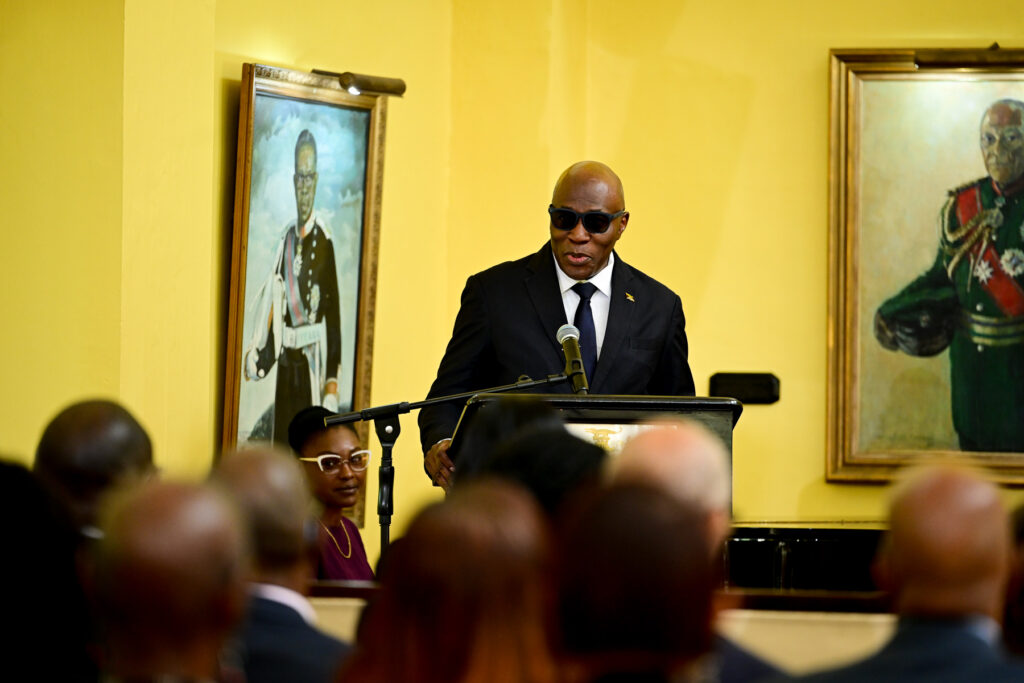
    KINGSTON, Jamaica—Jamaica’s judicial system faces a critical juncture as Chief Justice Bryan Sykes advocates for transformative reforms to address overwhelming court backlogs. Speaking during the swearing-in ceremony for four judges and two masters-in-chamber at King’s House, Sykes revealed the staggering scale of the problem: approximately 3,000 pending cases nationwide, with 1,000 concentrated in the Home Circuit Court in downtown Kingston alone.

    The Chief Justice drew compelling international parallels to contextualize Jamaica’s challenge. He referenced England and Wales, where Sir Brian Leveson was appointed in 2024 to address a massive backlog of 78,000 cases—a number projected to reach 100,000 by 2028 without intervention. Notably, even in the birthplace of jury trials, authorities are considering curtailing jury proceedings as a controversial solution.

    Sykes highlighted the United States’ successful approach to similar challenges through its robust plea bargaining system. With over 97% of federal cases disposed of through plea agreements, the American model demonstrates how alternative dispute resolution can dramatically reduce court congestion. The Chief Justice emphasized that trying every case through traditional jury proceedings is “simply impossible” given current resources.

    He specifically urged Jamaica’s Office of the Director of Public Prosecutions to adopt a proactive stance on plea bargaining, recommending that prosecutors develop disposition positions for every case that could be presented to defense counsel. While acknowledging previous unfulfilled promises from the Ministry of Justice to address these concerns, Sykes maintained that systemic reform is essential for delivering timely justice to the Jamaican people.

  • JPs cautioned against signing documents for people they don’t know

    JPs cautioned against signing documents for people they don’t know

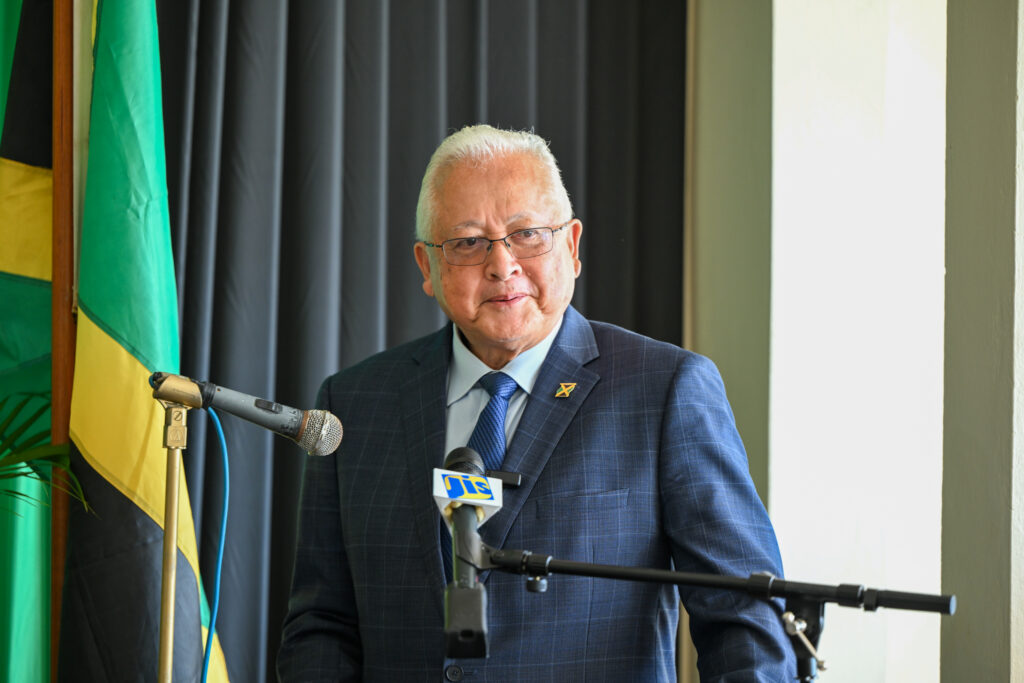
    Jamaican Justice Minister Delroy Chuck has issued a stern warning to the nation’s justices of the peace (JPs), cautioning them against formally verifying documents for unknown individuals to prevent enabling fraudulent or criminal activities. The minister emphasized that such practices could undermine public trust in the judicial system.

    Speaking at a commissioning ceremony for 34 new JPs in St Thomas parish, Minister Chuck highlighted a specific case where a JP provided a glowing recommendation for an individual who subsequently faced serious criminal allegations at their workplace. The minister contended that proper verification protocols might have prevented this employment and subsequent allegations.

    “When you sign and witness a document and verify identification of someone you don’t know, you have opened the door for corruption,” Chuck stated, urging JPs to decline requests unless they can personally verify identities.

    The ceremony also featured addresses from Custos of St Thomas Marcia Bennett and Permanent Secretary Marsha Henry-Martin. Bennett emphasized the JP’s role extends beyond document authentication to include community leadership and peacemaking responsibilities. She encouraged new JPs to remain accessible to community members and model law-abiding behavior.

    Henry-Martin, responding on behalf of the newly commissioned justices, acknowledged their mandate to “execute in fairness” within Jamaica’s evolving social and economic landscape. She urged her colleagues to serve with “humility, kindness, meekness, and love” to restore community harmony.

    The office of justice of the peace, originating in England in 1361, requires holders to demonstrate unquestionable integrity while protecting individual rights. Jamaican JPs perform varied duties including document authentication, limited judicial functions, court attendance, bail application consideration, and providing legal counsel.