分类: society

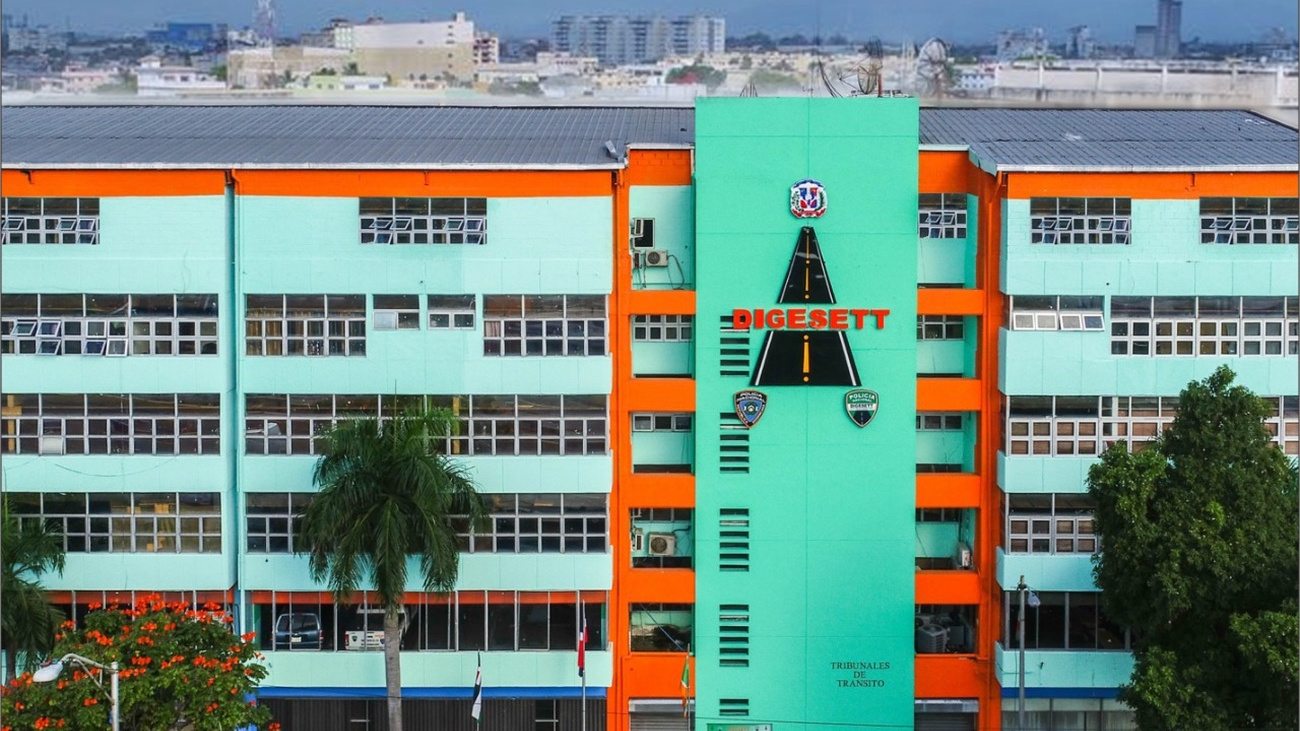
  • DIGESETT sanctions driver for reckless driving on Autovía del Este

    DIGESETT sanctions driver for reckless driving on Autovía del Este

    SANTO DOMINGO – Dominican Republic’s traffic enforcement agency DIGESETT has imposed sanctions against a motorist captured on video traveling extensively in the wrong direction along the Autovía del Este highway. The dangerous incident occurred near San Pedro de Macorís, with digital evidence rapidly circulating across social media platforms prompting official investigation.

    Following detailed analysis of the viral footage, authorities identified the vehicle and its operator, applying penalties stipulated in Article 252 of the nation’s Transit and Transportation Law 63-17. The legislation provides clear frameworks for addressing severe traffic violations that endanger public safety.

    DIGESETT officials emphasized their ongoing commitment to roadway safety through a formal statement, urging all drivers to adhere to traffic regulations designed to protect all highway users. The agency additionally highlighted collaborative surveillance efforts, noting that both official patrols and civilian documentation contribute to identifying hazardous behaviors.

    This enforcement action demonstrates the growing intersection between digital evidence and traffic management, where publicly shared content can directly support regulatory interventions. The case serves as a cautionary example against reckless driving practices while showcasing authorities’ responsiveness to community-reported incidents.

  • Booby Alley Housing Project Expected to Be Substantially Completed by June

    Booby Alley Housing Project Expected to Be Substantially Completed by June

    Antigua and Barbuda’s Prime Minister Gaston Browne has announced significant progress on the Booby Alley housing redevelopment initiative, projecting substantial completion by June with final unit handovers anticipated for August. The announcement came during the Prime Minister’s regular weekly address on Pointe FM, where he provided updates on the transformative urban renewal project.

    Construction of the modern residential complex in the Point district is advancing consistently toward its concluding phases. “I anticipate substantial completion around June, with formal handover procedures commencing in August, after which we will initiate the distribution process,” Browne stated regarding the project timeline.

    This redevelopment represents a cornerstone of the government’s comprehensive strategy to revitalize the historically marginalized Booby Alley community. The initiative involves replacing outdated residential structures with contemporary housing units and enhanced infrastructure systems designed to modern standards.

    Prime Minister Browne characterized the development as a substantial enhancement for the area, simultaneously highlighting the necessity for corresponding upgrades to adjacent roadway networks. He emphasized that the surrounding infrastructure must reflect the quality of the new construction, noting: “This is an exceptional facility that will require roadways commensurate with the superior homes we’re constructing.”

    The Booby Alley transformation constitutes a pivotal element of the administration’s broader urban regeneration campaign, targeting improved living conditions and comprehensive community rehabilitation in one of St. John’s most historically underserved neighborhoods.

  • Column: De lente die niet wijkt

    Column: De lente die niet wijkt

    Across conflict-ravaged regions from Gaza to Afghanistan, an extraordinary juxtaposition unfolds as communities simultaneously observe Nowruz celebrations and Ramadan fasting rituals amidst unimaginable devastation. While international observers document the destruction, local residents continue centuries-old traditions with profound determination.

    In Tehran’s Tajrish Bazaar, women smile while holding flower bouquets in preparation for Nowruz, the Persian New Year that coincides with Ramadan this year. This visual symbolism contrasts sharply with scenes from Afghanistan where families clean homes surrounded by unrecovered rubble, plant flowers in pots while the earth thirsts for blood, and prepare feasts despite countless empty tables.

    The convergence of these observances creates powerful philosophical contradictions: Muslims worldwide engage in soul purification through fasting and prayer while in Gaza, Iran, Afghanistan, Syria, Yemen, and Sudan, bodies are prepared for burial with nothing but silence. Children are extracted from rubble rather than breaking their fast with dates at sunset. Mothers are buried by daughters who should be fitting new dresses for Eid celebrations.

    This persistent adherence to tradition represents what analysts term the ‘Mahdi concept’ – not a messianic figure descending from heaven, but a collective spiritual resilience that refuses to surrender to imposed circumstances. The act of cleaning homes, laying new carpets, watering flowers, and extending invitations becomes revolutionary resistance against destruction.

    Historical parallels emerge from Islamic teachings, notably Prophet Mohammed’s saying: “If the Day of Judgment arrives while one of you holds a seedling, let him plant it.” This ethos of planting despite impending doom, celebrating life within death’s shadow, forms the indestructible core of human spirit currently manifesting across conflict zones.

    The profound wisdom underlying these traditions suggests that as long as communities maintain cultural practices – cleaning, planting, inviting, fasting, praying, hoping – victory does not belong to those who believe violence holds the final word. This dual observance of Nowruz and Ramadan transcends cultural ritual to become what anthropologists identify as the most subversive resistance: refusing to stop living.

    The immense irony between what these holy days represent and what they have become creates nearly unbearable tension. Yet within this tension germinates the unbreakable seed of human resilience, demonstrating that true spring is not a season but a conscious decision to embody renewal despite surrounding destruction.

  • Raúl congratulates our exemplary women

    Raúl congratulates our exemplary women

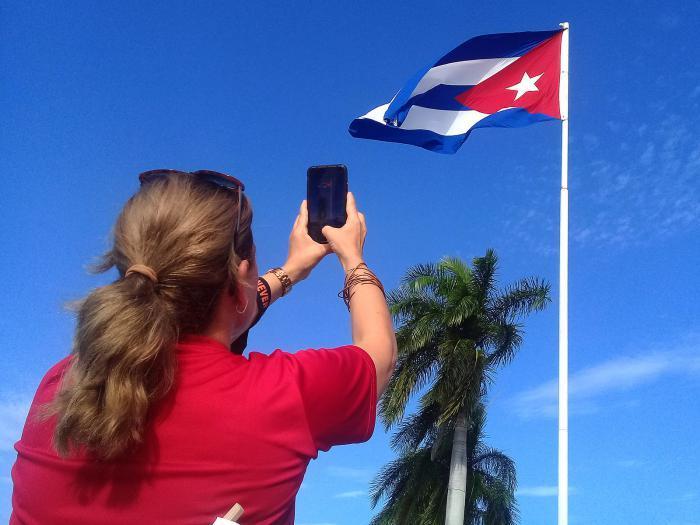
    In a special commemorative message marking International Women’s Day, Army General Raúl Castro Ruz extended heartfelt congratulations to Cuba’s exemplary women, acknowledging their profound dedication and sustained contributions to the nation’s revolutionary endeavors. The statement, released from Havana on March 8th, 2026, emphasized the critical role women have played in shaping Cuba’s social and political landscape.

    Castro’s tribute highlighted the multifaceted participation of Cuban women across various sectors of society, recognizing their ongoing commitment to revolutionary principles. The message conveyed both admiration and affection, concluding with a symbolic embrace and kiss—gestures representing the nation’s appreciation for women’s past achievements and future potential.

    This public acknowledgment from one of Cuba’s most prominent revolutionary leaders underscores the official recognition of women’s integral role in the country’s development. The statement serves as both a celebration of International Women’s Day and a reaffirmation of women’s central position within Cuba’s revolutionary narrative, reflecting the government’s continued emphasis on gender equality as a fundamental component of socialist ideology.

  • Directeur SBB krijgt ontslag aangezegd en kondigt juridisch verweer aan

    Directeur SBB krijgt ontslag aangezegd en kondigt juridisch verweer aan

    Suriname’s forest management authority faces leadership turmoil as Ruben Ravenberg, Director-General of the Foundation for Forest Management and Production Control (SBB), has been issued a dismissal notice. The controversy centers on conflicting employment contracts discovered during an internal investigation.

    An oversight committee review revealed two distinct employment agreements in Ravenberg’s personnel file. The initial contract, dated December 22, 2023, established a five-year term from January 1, 2024, through December 31, 2028, based on official government authorization.

    However, investigators uncovered a second agreement signed June 13, 2025, that allegedly appointed Ravenberg as indefinite-term director with enhanced compensation. This subsequent contract referenced the same governmental approval that originally authorized only a fixed-term arrangement.

    The supervisory board determined the indefinite contract was executed without proper nomination or involvement from the foundation’s board of directors, violating organizational statutes that mandate board recommendation for director appointments. The report further noted absence of formal performance evaluation or official resolution authorizing the transition to permanent status.

    Citing these procedural irregularities, the board advised Lands Policy and Forest Management Minister Stanley Soeropawiro to negotiate voluntary termination with Ravenberg to avoid potential litigation and maintain organizational stability.

    The dismissed director has vigorously contested these findings, maintaining he acted in good faith throughout the process. Ravenberg asserts the permanent appointment resulted from direct initiative by the former minister following positive performance assessment. He argues that administrative errors in supervisory decision-making cannot justify consequences for an employee who fulfilled duties appropriately.

    Ravenberg highlights his academic credentials—including advanced degrees in biodiversity and nature conservation—and emphasizes his successful implementation of organizational reforms during his tenure. He has retained legal counsel to formally challenge the dismissal, with potential court action pending ministerial response.

    This leadership crisis emerges during a critical period for Suriname’s forestry sector, where SBB plays vital regulatory roles in forest conservation and timber industry oversight.

  • Deadly crash on Duarte Highway leaves four victims

    Deadly crash on Duarte Highway leaves four victims

    A devastating head-on collision on the Duarte Highway Sunday night resulted in four fatalities and left one minor injured, according to official reports from the General Directorate of Traffic Safety and Land Transportation (DIGESETT). The tragic incident occurred on the stretch of road between Bonao and Santo Domingo, specifically past the Falconbridge entrance near La Minita in the Ingenio community.

    Preliminary investigation indicates that the driver of a Lexus SUV, traveling from Santo Domingo toward the Cibao region, suddenly lost control of the vehicle. The SUV veered into the oncoming lane, resulting in a catastrophic frontal impact with a passenger car carrying five occupants from Cotuí. The car carried three adults and two minors, all residents of the Cotuí area.

    The immediate aftermath of the collision proved fatal for four of the five occupants in the passenger vehicle. Emergency responders confirmed that one child survived the crash with injuries but has been reported to be out of immediate danger. The three individuals traveling in the Lexus SUV emerged from the incident without physical harm.

    A multi-agency response was swiftly coordinated following the accident. Units from the National Emergency and Security System 9-1-1, DIGESETT traffic agents, and local firefighters arrived at the scene to provide emergency medical assistance, manage traffic flow, and conduct preliminary on-site investigations. The crash has sent shockwaves through the close-knit community of Cotuí, where the deceased victims resided.

    Authorities have launched a comprehensive investigation to determine the precise factors that contributed to the loss of vehicle control and the subsequent collision. Investigators are examining all potential causes, including road conditions, vehicle mechanical failure, and driver error.

  • Dominican government honors women with Medal of Merit on International Women’s Day

    Dominican government honors women with Medal of Merit on International Women’s Day

    SANTO DOMINGO – In a significant national ceremony commemorating International Women’s Day, President Luis Abinader presided over the 41st awarding of the Medal of Merit for Dominican Women, the state’s highest honor recognizing female contributions to national development. The event, hosted at the National Theater Eduardo Brito, served a dual purpose: celebrating contemporary achievements and paying historical tribute.

    The gathering held profound historical significance as it simultaneously marked the centenary of the birth of Minerva Mirabal, an iconic figure in the resistance against the dictatorship of Rafael Leónidas Trujillo. Her enduring legacy was underscored as a foundational inspiration for modern generations of Dominican women excelling across public, social, and economic spheres.

    Gloria Reyes, addressing attendees, presented a data-driven assessment of the nation’s gender landscape. She reported substantial progress in political representation, revealing that 9,167 women (constituting 43% of all candidates) contested the 2024 elections, with 1,226 achieving electoral success, securing approximately 49% of available positions. However, Reyes provided a balanced perspective by acknowledging persistent systemic challenges, including gender-based violence, economic disparities, and the inequitable distribution of domestic responsibilities.

    The ceremony served as a panoramic showcase of female excellence, honoring dozens of distinguished women from diverse professional fields such as scientific research, journalism, athletic achievement, education, business leadership, diplomatic service, healthcare, and public administration. In a moving segment, a posthumous recognition was conferred upon Zobeyda Alejandrina Cepeda Peña, a revered feminist and human rights defender. The tribute to Minerva Mirabal was formally received by her daughter, Minou Tavárez Mirabal, connecting the nation’s past struggles to its present advancements.

  • Farmers get time served for ganja

    Farmers get time served for ganja

    In a recent judicial proceeding at the Serious Offences Court, two farmers from Saint Vincent and the Grenadines have been sentenced to time already served after pleading guilty to charges of cannabis possession with intent to supply. Joel Harry, 39, of Rose Bank, and Nicholas Franklyn, 53, of Coulls Hill, faced Senior Magistrate Colin John following their arrests during a police operation in February.

    The case originated on February 20 when officers from Questelles and Layou police stations conducted a stop-and-search operation on Pembroke Public Road. During the inspection of vehicle H974 traveling from Buccament Bay toward Kingstown, police discovered 919 grams of cannabis in three transparent bags within Harry’s possession. Simultaneously, authorities found an additional 153 grams in a bag beneath the conductor’s seat where Franklyn had been seated. When questioned, Franklyn immediately acknowledged ownership of the contraband.

    Defense attorney Grant Connell presented mitigation arguments emphasizing that both defendants had already endured three days in prison due to bail condition modifications. Connell highlighted their immediate guilty pleas upon arraignment on February 23, which conserved judicial resources, and noted the minimal street value of approximately EC$100 for Franklyn’s portion of the cannabis.

    Senior Magistrate John ultimately ruled that the time already spent in custody constituted sufficient penalty, ordering the destruction of the confiscated substances while releasing both men from further incarceration.

  • Caribbean Family Planning Affiliation International Women’s Day 2026 message

    Caribbean Family Planning Affiliation International Women’s Day 2026 message

    On International Women’s Day, the Caribbean Family Planning Affiliation (CFPA) has issued a powerful regional call to action, demanding concrete progress in transforming policy commitments into tangible realities for women and girls across the archipelago. The organization emphasized that while Caribbean governments have made significant legislative strides through ratifying international conventions and enacting laws against gender-based violence, implementation gaps persist dramatically in daily lived experiences.

    The CFPA’s statement highlighted several critical areas where progress remains inadequate. Survivors of gender-based violence continue facing substantial barriers when seeking justice and support services. Comprehensive sexual and reproductive healthcare access remains inconsistent, particularly affecting adolescents, migrant populations, and remote hinterland communities. Deep-seated structural inequalities and harmful gender norms continue restricting opportunities and undermining bodily autonomy throughout the region.

    Reverend Patricia Sheerattan-Bisnauth, CEO of CFPA, emphasized the crucial role of collaborative efforts: ‘Faith communities possess unique influence in shaping societal values and promoting compassion. When religious leaders, policymakers, and civil society organizations unite, they establish the essential moral foundations required for sustainable transformation.’

    Board member Jade Trim further contextualized the issue: ‘Advancing sexual and reproductive rights transcends healthcare policy—it fundamentally impacts women’s economic empowerment, democratic participation, and overall sustainable development across our nations.’

    The CFPA reaffirmed its commitment to fostering strengthened partnerships between governments, regional institutions, civil society organizations, and faith communities. This collaborative approach aims to ensure every Caribbean woman and girl can live free from violence, exercise autonomy over personal decisions, and participate fully in shaping societal development.

    In a region historically strengthened by solidarity among small states, the organization stressed that collective action remains imperative for confronting contemporary challenges including geopolitical pressures, widening inequality, and democratic governance concerns. The CFPA concluded that true Caribbean prosperity remains intrinsically linked to the flourishing of all women and girls throughout the region.

  • March 8 : A flood of tributes to women

    March 8 : A flood of tributes to women

    Across Haiti and its diplomatic missions abroad, a powerful wave of recognition swept the nation on International Women’s Day, with government officials and institutions honoring the extraordinary resilience and contributions of Haitian women amidst profound national challenges.

    Prime Minister Alix Didier Fils-Aimé delivered a poignant address acknowledging Haitian women as “guardians of the home, pillars of the economy, and driving forces of national resilience” who maintain dignity despite facing “injustice, insecurity, and violence” in their daily lives. Declaring women’s protection an “absolute national priority,” the Prime Minister outlined concrete governmental measures including enhanced security protocols, expedited judicial processes, and dignified support systems. His message carried unequivocal force: “Your dignity is non-negotiable. Your safety is not optional. Your rights are guaranteed by law and protected by the State.”

    The Ministry of Women’s Affairs and Women’s Rights, under Minister Pedrica Saint Jean, hosted commemorations at the Montana Hotel centered on the theme “Rights, Justice, Action for All Women and Girls.” Minister Saint Jean reaffirmed institutional commitments to strengthening protection mechanisms for violence victims, improving legal aid accessibility, and promoting female participation in public institutions and decision-making bodies. She emphasized that “Equality, justice, and dignity are fundamental rights” requiring collective action from institutions, partners, and citizens alike.

    This sentiment echoed through various government entities. The City of Cap-Haïtien honored women’s leadership in advancing society, specifically committing to improved access to education, healthcare, and entrepreneurship opportunities. The Consulate General in Santiago, Dominican Republic, paid “vibrant tribute” to Haitian women in the Cibao region, recognizing their relentless struggle against “oppressive traditions” and their role in paving “the way toward a more just society.”

    Civil Protection agencies expressed gratitude to women dedicating themselves to public service, while the Ministry of Haitians Living Abroad (MHAVE) specifically commended Minister Kathia Verdier’s leadership in advocating for diaspora voices. The Ministry of Youth, Sports, and Civic Action celebrated female athletes whose “talent, discipline, and determination” inspire national pride, and the Haitian Football Federation acknowledged women’s growing contributions to national sports.

    International partners joined the recognition, with the French Embassy releasing a video highlighting displaced women living in camps due to gang violence who remain “resolutely committed to asserting their rights.” France reaffirmed its support for civil society organizations working to advance women’s rights in Haiti.

    The unified tributes underscored both the extraordinary resilience of Haitian women and the urgent need for tangible progress in securing their safety, rights, and full participation in national life.