分类: society

  • Human Services Defends Child Removal Procedure

    Human Services Defends Child Removal Procedure

    In Belize, child neglect remains the predominant catalyst for state intervention, with the Belize District reporting the highest incidence rates. The Department of Human Services maintains a meticulously structured protocol when responding to allegations of child endangerment, whether through neglect, physical abuse, or sexual exploitation.

    The intervention process typically initiates with confidential reports from community sources—relatives, educators, medical professionals, or concerned neighbors. This system recently faced public scrutiny when three children removed from a hazardous domestic situation were not immediately relocated with a consenting relative.

    Shawn Vargas, Director of the Department of Human Services, provided exclusive insight into the department’s operational framework. The agency employs a ‘continuum of care’ hierarchy that prioritizes familial placement above all alternatives. Subsequent options include certified foster parents registered with the department, with institutional care representing the absolute final recourse.

    Vargas emphasized that willingness alone does not constitute suitability for child placement. ‘We maintain specific thresholds within our substitute care agreement and home evaluation criteria,’ he explained. ‘Even when family members demonstrate capability and willingness, if they fail to meet established safety benchmarks, placement cannot occur.’

    The department implements comprehensive support mechanisms for approved caregivers, including monthly grocery provisions, financial stipends, and even construction materials for home renovations when long-term placement—particularly challenging with teenage populations—requires environmental modifications.

    ‘Our paramount responsibility remains child safety and protection,’ Vargas asserted. ‘Every decision undergoes thorough investigation to ensure the most secure possible outcome for vulnerable children within our care system.’
  • New Vital Stats System Hits Early Snags

    New Vital Stats System Hits Early Snags

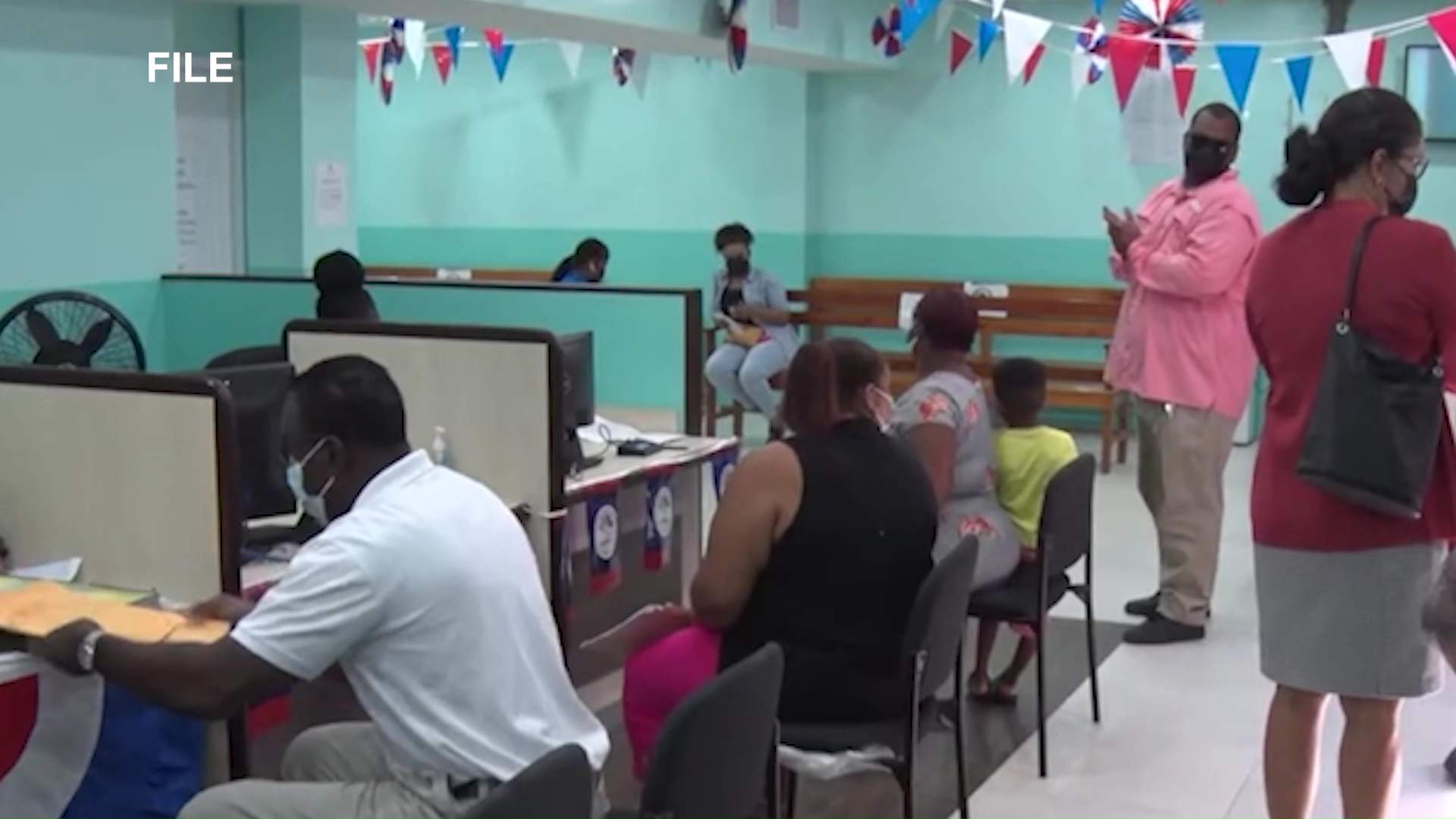
    Belize’s ambitious digital transformation of its civil registry services has encountered significant operational challenges in its initial implementation phase. The Vital Statistical Unit’s recently launched Civil Registry and Vital Statistics System, intended to streamline public access to critical documents, instead created administrative bottlenecks shortly after its December debut.

    The online platform, designed to modernize how citizens obtain life event certificates, experienced technical malfunctions that resulted in prolonged wait times and growing public dissatisfaction. While authorities have addressed most immediate technical concerns, a more substantial consequence has emerged regarding the system’s financial impact.

    Attorney General Anthony Sylvestre confirmed on Monday that the transition to the digital system has indeed resulted in decreased government revenue. Sylvestre characterized the problems as predictable implementation ‘hiccups’ during what he described as ‘an ongoing exercise’ in improving service delivery.

    Despite the financial implications, the government maintains its commitment to the digital platform, emphasizing that accessibility outweighs fiscal concerns. ‘The decision was taken that there will be a loss in revenue,’ Sylvestre stated, ‘but this is more critical and important for the development of our country and the prosperity and benefit of our people.’

    The Attorney General assured citizens that service quality is steadily improving, with the system gradually reaching the standard of efficiency expected by the Belizean public. This digital initiative represents part of the government’s broader effort to enhance vital services through technological innovation, even amid transitional difficulties.

  • ONDA clarifies Dominican National Anthem is public domain

    ONDA clarifies Dominican National Anthem is public domain

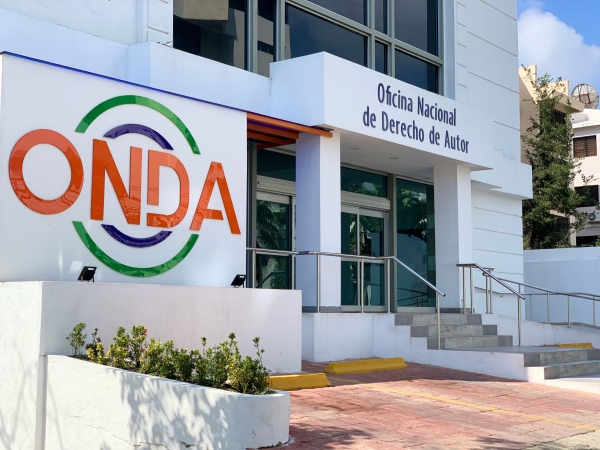
    The Dominican Republic’s National Copyright Office (ONDA) has officially declared the national anthem a protected asset of the state, firmly establishing its public domain status and rejecting any claims of private ownership. José Rubén Gonell, Director of ONDA, emphasized that the anthem falls under state administration and protection according to existing legislation.

    Gonell disclosed that a comprehensive review was conducted in collaboration with the Ministry of Culture and collective management societies to investigate potential unauthorized registration attempts. The investigation confirmed that no individual or entity has successfully claimed copyright over the national anthem within the Dominican Republic.

    The legal foundation for the anthem’s status traces back to Law 700 of 1934, which officially adopted the lyrics by Emilio Prud’Homme and music by José Reyes. This legislation effectively placed the composition in the public domain from its inception.

    Regarding digital platform controversies, Gonell explained that automated monetization systems sometimes improperly allocate royalties to content uploaders without verifying legitimate intellectual property rights. While musical arrangements and performances may generate rights for performers or arrangers, these derivative works do not affect the original composition’s protected status.

    Looking forward, ONDA is developing new regulatory measures addressing artificial intelligence-generated content, including specialized declaration forms to distinguish human and automated contributions. The office reported a significant surge in copyright registrations between 2020-2025 and advocated for legislation requiring major international digital platforms to maintain local legal representation for improved dispute resolution and enforcement capabilities.

  • Grenada places first in CPEA short story competition 2025

    Grenada places first in CPEA short story competition 2025

    Grenadian students have demonstrated exceptional literary prowess by securing half of the top positions in the prestigious 2025 Caribbean Primary Exit Assessment (CPEA) Short Story competition. The regional academic event witnessed a remarkable display of creative writing talent from the island nation, with young scholars claiming an impressive 10 out of 20 ranked spots.

    Adania George, a promising writer from Westmorland Junior School, achieved the highest honor with her captivating short story ‘Thomas and the Visitor,’ which earned the first-place distinction. Her narrative stood out among numerous submissions from across the Caribbean region, showcasing exceptional imagination and literary skill.

    The competition results revealed outstanding performances from multiple Grenadian educational institutions. Grand Roy Government School emerged as the most represented institution with five short stories ranking in the top 20, followed by Westmorland Junior School with three recognized entries. Alpha Junior School and St Andrew’s Anglican Primary School each contributed one award-winning story to Grenada’s impressive tally.

    The Caribbean Primary Exit Assessment, administered by the Caribbean Examinations Council (CXC), serves as a critical evaluation mechanism for students transitioning from primary to secondary education throughout the Caribbean. This comprehensive assessment examines core academic competencies including mathematics, language arts, scientific literacy, and civic knowledge.

    The complete collection of top-ranked short stories has been made publicly accessible through the official CXC portal, providing recognition for these young authors and offering valuable literary resources for educators and students across the region.

  • Police Investigating Suspected Suicide in Jennings

    Police Investigating Suspected Suicide in Jennings

    Authorities in Antigua and Barbuda have initiated a comprehensive investigation following the tragic death of a young woman in the Jennings area on Tuesday afternoon, January 20, 2026. The Royal Police Force has confirmed they are treating the incident as a suspected suicide.

    According to preliminary reports from the Office of Strategic Communications, the deceased has been identified as a female in her mid-twenties. Police personnel and forensic investigators remain actively engaged at the scene, meticulously working to reconstruct the circumstances that led to this devastating outcome.

    The law enforcement agency has assured community members that they are pursuing all necessary investigative protocols to establish a complete understanding of the events preceding the woman’s death. While details remain limited during these preliminary stages, officials have committed to providing additional information as their inquiry progresses and more facts become substantiated.

    This incident has cast a somber atmosphere over the Jennings community, raising concerns about mental health awareness and support systems for young adults throughout the twin-island nation. The police have emphasized their dedication to conducting a thorough and sensitive investigation that respects both the dignity of the deceased and the concerns of the local community.

  • Antigua Defends Ghana Nurse Recruitment, Says Process Was Lawful and Thorough

    Antigua Defends Ghana Nurse Recruitment, Says Process Was Lawful and Thorough

    The Government of Antigua and Barbuda has issued a robust defense of its internationally coordinated effort to recruit nurses from Ghana, characterizing the initiative as a necessary and meticulously executed response to systemic staffing crises within its healthcare sector. Facing persistent vacancies across hospitals, mental health facilities, and community clinics, the Cabinet authorized the mission as a targeted stabilization measure.

    Health authorities detailed that a senior multidisciplinary delegation, comprising nursing leadership, hospital administrators, and public health officials, conducted an intensive in-person selection exercise in Ghana during September. This rigorous process was designed to evaluate each candidate’s clinical proficiency, communication abilities, and overall professional readiness against the nation’s stringent legal and regulatory standards.

    From an initial pool of 190 applications, a thorough screening process identified eligible candidates for interviews. Following assessments, 127 nurses were recommended for professional vetting by the Antigua and Barbuda Nursing Council, which granted final approval to 123 registered nurses. Subsequently, 112 were selected for deployment, pending completion of mandatory professional registration, medical and police clearances, and immigration formalizations.

    Government officials emphasized the collective and criteria-driven nature of the selection, asserting that no unilateral decisions were made and that any candidate failing to meet domestic professional benchmarks was disqualified, regardless of their qualifications in Ghana.

    Crucially, the administration clarified that this international recruitment does not displace local healthcare workers but instead aims to alleviate critical pressures by reducing excessive overtime, mitigating staff burnout, and ensuring care continuity. This initiative operates in parallel with long-term domestic strategies, including the expansion of local training programs through the University of the West Indies Five Islands Campus and incentives for specialized nursing education among Antiguans.

    The first cohort of Ghanaian nurses is anticipated to arrive by month’s end, with a phased integration plan that includes a comprehensive onboarding and orientation program to acquaint them with the local health system and workplace protocols. This forms part of a broader governmental vision to develop a self-sustaining national healthcare workforce.

  • Male Officer’s Dreadlocks Case Raises Work Discrimination Concerns

    Male Officer’s Dreadlocks Case Raises Work Discrimination Concerns

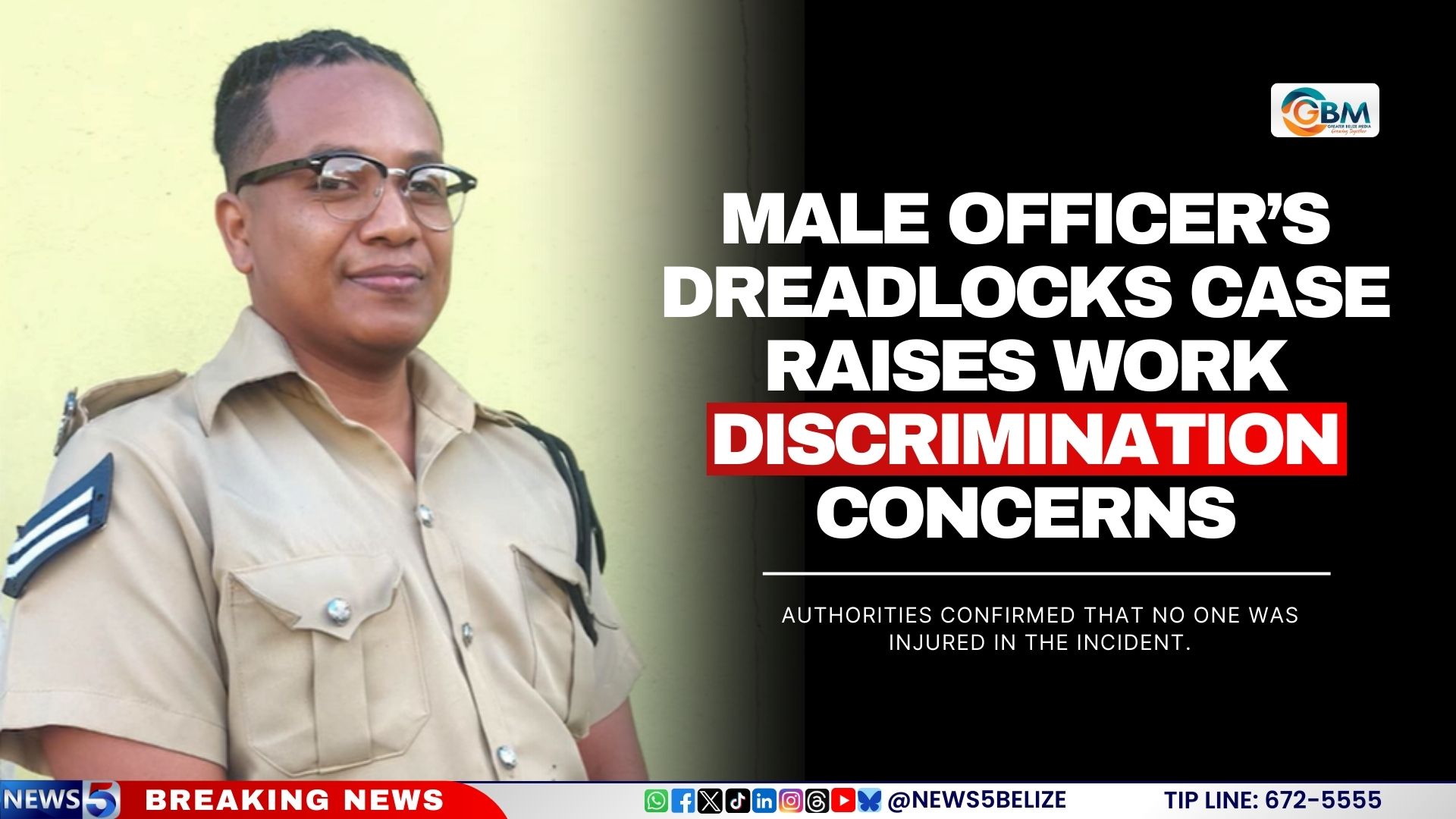
    A contentious hairstyle dispute within the Belize Police Department has sparked renewed concerns about workplace discrimination policies. Corporal Kenrick Bol, a male officer previously permitted to wear dreadlocks, has now received official warnings demanding removal of the culturally significant hairstyle.

    Attorney General Anthony Sylvestre confirmed his office has not been formally consulted on the legal aspects of the case. “The Attorney General’s Ministry has not received a request for advice or representation on the matter as yet,” Sylvestre stated, emphasizing he cannot intervene without an official request from the police department.

    The case echoes similar controversies from 2019 when female officers faced disciplinary actions over their hairstyles. Notably, Sylvestre—then in private legal practice—successfully represented officers in the landmark Shantel Berry case, which established that dreadlocks could comply with police grooming standards when properly maintained.

    Sylvestre elaborated on the judicial precedent: “The court found the regulation was not inherently discriminatory once officers demonstrated that dreadlocks could conform to grooming requirements without violating standards.” He emphasized that discrimination cases require fact-specific examination rather than abstract judgments.

    This developing situation has ignited public discourse about cultural expression, religious freedom, and equitable enforcement of workplace policies within law enforcement institutions. The outcome could set significant precedents for how Belizean authorities balance institutional standards with individual rights.

  • Male Officer’s Deadlocks Case Raises Work Discrimination Concerns

    Male Officer’s Deadlocks Case Raises Work Discrimination Concerns

    A contentious hairstyle dispute involving a male police officer has ignited fresh concerns about workplace discrimination within Belize’s law enforcement agencies. Corporal Kenrick Bol, permitted to wear dreadlocks previously, now faces departmental directives demanding removal of the traditional hairstyle.

    Attorney General Anthony Sylvestre confirmed his office maintains a watching brief on the developing situation, though formal legal consultation has not been requested by the Belize Police Department. “The Attorney General’s Ministry has not received a request for advice or representation on the matter as yet,” Sylvestre stated, emphasizing his inability to intervene without official departmental referral.

    The case evokes historical parallels to the 2019 Shantel Berry precedent, where female officers faced disciplinary measures over their hairstyles. Notably, Sylvestre himself represented the successful plaintiffs in that landmark litigation during his private practice tenure.

    Legal analysis of the earlier verdict reveals nuanced interpretation of discrimination statutes. Courts determined that police grooming regulations themselves weren’t inherently discriminatory, provided officers demonstrated practical compliance with professional standards while maintaining cultural hairstyles. “They demonstrated that with dreadlocks they could still conform with the rule,” Sylvestre explained regarding the prior case outcome.

    The Attorney General emphasized the context-dependent nature of discrimination cases, noting they require “highly fact-specific” examination rather than abstract judgment. This ongoing situation continues to stimulate public discourse about cultural expression, professional standards, and equitable enforcement of workplace policies within governmental institutions.

  • Investigation launched into alleged sexual exploitation at Police Force Academy

    Investigation launched into alleged sexual exploitation at Police Force Academy

    The Guyana Ministry of Home Affairs has initiated a comprehensive investigation into grave allegations of sexual exploitation and systemic misconduct at the nation’s Police Force Academy. The probe was announced Tuesday following the emergence of disturbing reports detailing potential abuses of authority within the law enforcement training institution.

    In an official statement, the Ministry revealed it has mobilized both the Criminal Investigation Department and the Office of Professional Responsibility to conduct parallel investigations into the allegations. The administration emphasized its immediate response upon receiving the initial reports, signaling the urgency and severity with which it regards these claims.

    The Ministry articulated an uncompromising position regarding institutional conduct, reaffirming its absolute zero-tolerance policy toward exploitation, abuse, or professional misconduct across all agencies under its jurisdiction. Officials issued a stern warning that any individual implicated in wrongdoing would face full legal consequences, regardless of their rank, position, or seniority within the organization.

    Concurrently, the Ministry stressed its commitment to maintaining rigorous procedural standards throughout the investigation process. Authorities pledged to ensure thorough, impartial, and unobstructed proceedings while prioritizing the welfare, dignity, and protection of all academy trainees and officers. The statement concluded with assurances that the administration remains dedicated to upholding the highest standards of professional conduct within Guyana’s law enforcement community.

  • Jeugd aan de grens onder druk: Suriname en Frankrijk zoeken samenwerking via sport en preventie

    Jeugd aan de grens onder druk: Suriname en Frankrijk zoeken samenwerking via sport en preventie

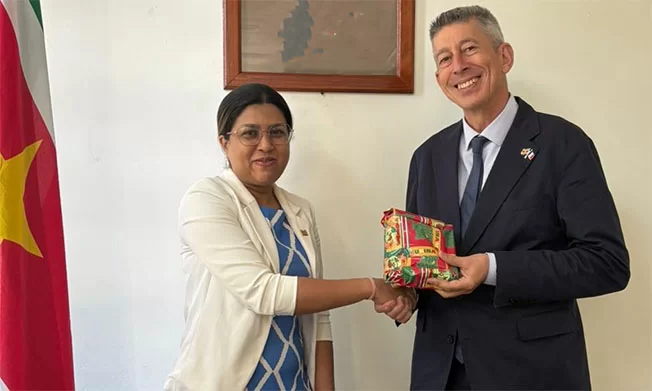
    In a significant bilateral meeting, Suriname’s Minister of Youth Development and Sport Lalinie Gopal and French Ambassador Nicolas de Lacoste have identified sports as a strategic tool to address mounting youth challenges in the border regions shared by Suriname and French Guiana.

    The high-level discussion centered on the Marowijne River border between Suriname’s Marowijne district and France’s Saint-Laurent-du-Maroni territory, where interconnected social issues transcend national boundaries. Ambassador de Lacoste emphasized the urgency of understanding Suriname’s policy priorities given the transnational nature of youth problems in these border communities.

    French officials highlighted severe challenges plaguing French Guiana’s youth, including mental health crises and alarmingly high suicide rates among young people. Both nations recognize organized sports as a powerful mechanism to provide structure, purpose, and future perspectives for vulnerable youth populations.

    The dialogue explored existing and prospective sporting initiatives, including the Inter-Guiana Games, Olympic events, and regional tournaments. France has committed to facilitating participation by providing free visas for sporting and cultural activities, effectively removing financial barriers for Surinamese athletes.

    Minister Gopal outlined Suriname’s infrastructural limitations in sports facilities and policy implementation. She referenced ongoing discussions with the Surinamese Olympic Committee and international partnerships, including India’s donation for upgrading sports infrastructure in Nickerie. The minister stressed the critical gap in school sports programs due to insufficient structural integration within education systems and a shortage of qualified sports instructors.

    Youth development challenges received substantial attention, with particular focus on persistent issues like teenage pregnancies and school dropout rates in border communities. Suriname is collaborating with UNICEF and UNFPA on prevention programs that engage not only girls but also parents and fathers.

    Ambassador de Lacoste expressed France’s willingness to expand cooperation into prevention strategies, sports training, and knowledge exchange. He noted that sports facilities in French Guiana benefit from management by locally elected officials, which enhances accountability and targeted investment.

    Both parties agreed to explore formalizing their collaboration through a memorandum of understanding, potentially establishing concrete agreements addressing youth development, sports, education, and shared cross-border challenges.