
In a landmark ruling that concludes a 24-year mystery, Barbados High Court Justice Donna Babb-Agard delivered a scathing condemnation of 81-year-old Winfield Nurse for concealing the death of his 12-year-old granddaughter Rasheeda Bascombe and deceiving both authorities and his own family for over a decade. The court sentenced Nurse to 13 years imprisonment for unlawfully disposing of the child’s body, though he will serve only two years and 24 days after credit for time already spent in remand.\n\nThe case unraveled through Nurse’s own 2013 confession, revealing that Bascombe sustained a fatal stab wound during an altercation in January 2002. Rather than seeking medical assistance, Nurse abandoned the injured child with the knife still protruding from her abdomen. He returned two days later to discover her deceased and callously disposed of her body over a cliff in Jackson, St Michael.\n\nJustice Babb-Agard characterized Nurse’s conduct as \”absolutely reprehensible,\\” noting his elaborate efforts to maintain the deception. He falsely reported Bascombe’s disappearance, claimed she frequented \”unsavoury places,\” pretended to search for her, and even displayed her photograph in the family home—all while knowing her tragic fate.\n\nThe judge emphasized the profound psychological trauma inflicted upon the family, particularly Bascombe’s mother Hermena Straker, who died without learning her daughter’s fate or achieving closure. Nurse’s actions transformed what might have been a tragic accident into a prolonged injustice, manipulating both investigators and grieving relatives through calculated falsehoods.\n\nAlthough initial murder charges were dropped due to insufficient evidence, prosecutors successfully pursued conviction for unlawful disposal of a corpse. The court determined this case warranted exceptional severity due to Nurse’s systematic obstruction of justice and the extraordinary duration of his deception.
分类: society
-

Facebook post incites violence against union leader
Oswald Robinson, the outgoing president of the St. Vincent and the Grenadines Teachers Union (SVGTU), has initiated a formal police investigation concerning a Facebook post that explicitly incited violence against him. This alarming development follows Robinson’s recent public statements regarding teacher mobilization against unresolved educational issues.
The controversial social media post, attributed to an individual named ‘Doug King Howard,’ emerged within 24 hours of Robinson’s appearance on the union’s BOOM FM program last Sunday. During his radio segment, Robinson had emphasized the union’s intent to mobilize educators amid ongoing governmental inaction on critical teacher concerns.
Howard’s post contained a severe political critique, contrasting the union’s approach toward previous and current administrations. It specifically referenced the 24-year tenure of the Unity Labour Party before launching personal attacks against Robinson. The most disturbing segment explicitly advocated for violent retaliation should Robinson lead protest actions, including threats of firearm violence.
In his response during a Hot FM interview Tuesday, Robinson revealed he had consulted law enforcement officials who deemed the matter extremely serious. The union leader emphasized the imperative of maintaining public order and preventing incitements to violence. Robinson, whose presidential term concludes this month before assuming the vice-presidency, acknowledged police resources are stretched thin due to existing violent crime investigations, including a recent fatal chopping incident in Barrouallie.
Despite the threats, Robinson maintained a principled stance, affirming his commitment to lawful conduct and non-violence. He expressed particular concern that such threats could potentially extend beyond himself to others. While acknowledging having heard Howard’s generally reasonable radio commentary previously, Robinson expressed shock at the violent nature of these specific threats and emphasized they must be treated with utmost seriousness.
-
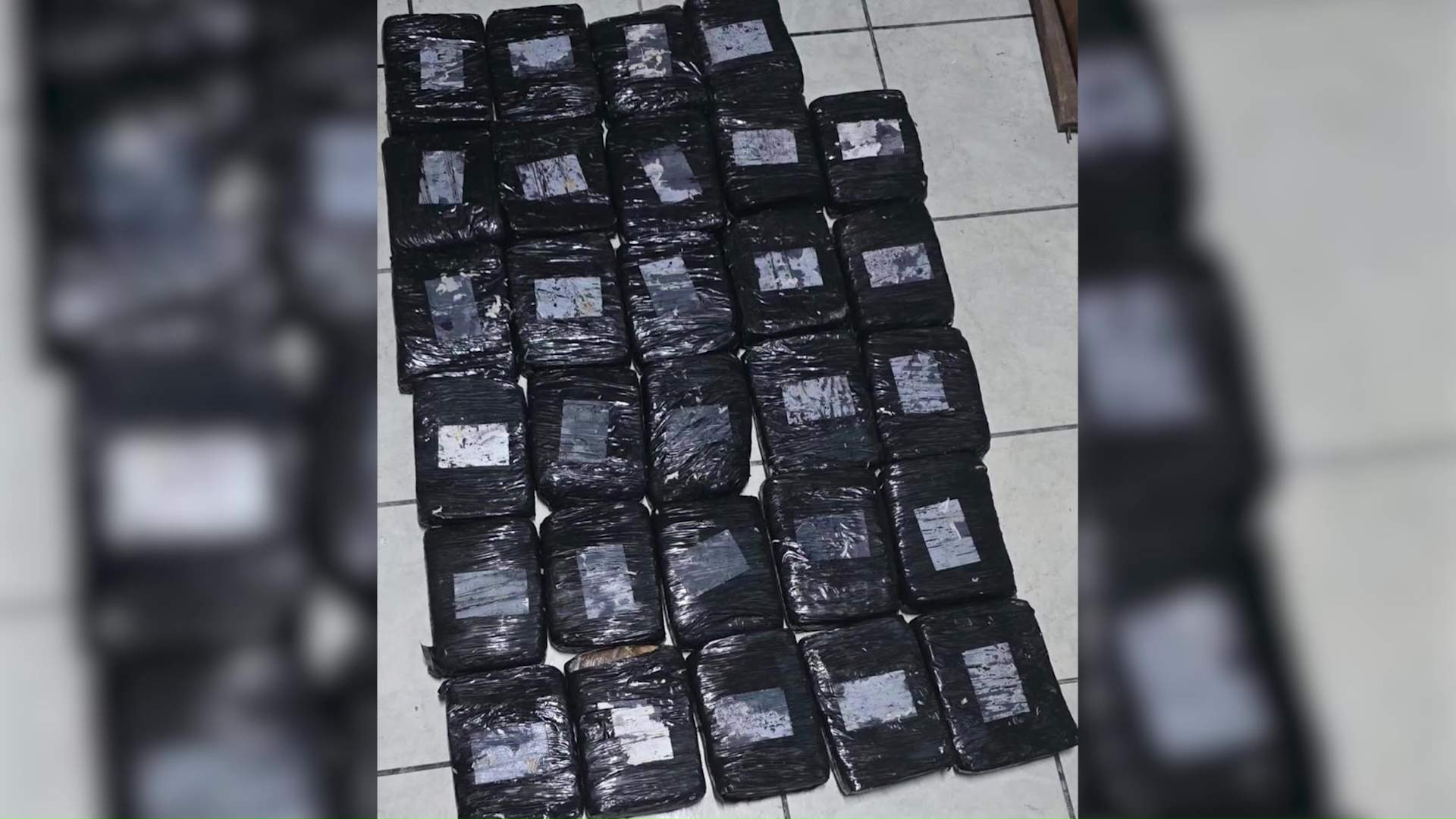
San Pedro Police Uncover Major Mangrove Drug Stash
In a significant counter-narcotics operation on Tuesday morning, Belizean law enforcement authorities uncovered a substantial cache of illicit drugs concealed within a coastal mangrove ecosystem north of San Pedro Town. The coordinated mission, involving both uniformed police and intelligence personnel, commenced at approximately 8:30 AM targeting a region notorious for smuggling activities.
During a systematic sweep of the dense mangrove network along the shoreline, officers discovered a large black crocus bag strategically hidden among the intricate root systems. The concealed package contained twenty-nine meticulously wrapped rectangular bricks of compressed cannabis, representing a major seizure for local authorities.
The confiscated narcotics underwent formal processing at the discovery site, with investigators documenting, labeling, and securing the evidence according to standard forensic procedures. With a total weight of 17.4 kilograms (38.4 pounds), the cannabis shipment has been officially logged as found property while the criminal investigation progresses.
Though no suspects have been publicly identified in connection with the hidden contraband, police officials have characterized the interception as a substantial blow to regional drug trafficking operations. The successful operation highlights ongoing challenges with coastal security and the innovative methods employed by criminal organizations utilizing Belize’s natural landscape for concealment purposes.
Law enforcement agencies have intensified surveillance and interdiction efforts along Belize’s coastline in recent months, responding to increased smuggling activity through the country’s intricate network of waterways and mangrove forests.
-

When Bullying Backfires: Kindness Overtakes Online Cruelty
A viral social media incident in Belize has demonstrated the powerful resilience of human kindness in the digital age. What began as online mockery targeting a young concertgoer from Dangriga quickly transformed into a nationwide movement of support and solidarity.
The situation emerged when footage of Natalie Garbutt dancing enthusiastically at a Punta music event circulated across social platforms, with critics focusing disproportionately on her oversized sneakers. Initially subjected to a wave of derogatory comments, the narrative shifted dramatically as Belizean citizens collectively intervened.
Rather than perpetuating the negativity, the online community mobilized to counteract the bullying. The event organizer proactively reached out to Garbutt with financial compensation, explicitly denouncing the culture of online harassment. Simultaneously, a digital fundraising initiative gained momentum, generating sufficient contributions to provide her with a new smartphone and wardrobe additions.
In an exclusive interview, Garbutt revealed her initial unawareness of the viral attention, mistaking early notifications as friendly jest. She acknowledged the emotional impact of the negative comments while emphasizing the confidence instilled by her upbringing. Notably, the criticized footwear held sentimental value as a birthday gift from her mother.
The rapid community response highlights evolving social media dynamics where collective compassion can effectively neutralize digital harassment. Garbutt’s experience serves as a poignant reminder of the real-world impact of online behavior and the transformative power of community support systems in mitigating cyberbullying effects.
-

Missing Man, Hector Mejia, Found Dead in Succotz
The community of San Jose Succotz, Belize, was struck by tragedy on Tuesday morning when missing local resident Hector Mejia was discovered deceased along the banks of the Mopan River. The 35-year-old man, last seen socializing with friends in Benque Viejo on Sunday, had been the subject of an intensive overnight search effort coordinated by village authorities.
Village Chairman Armando Cocom had publicly appealed for information regarding Mejia’s whereabouts through social media channels after the man failed to return home Monday evening. In a devastating turn of events, Cocom himself made the grim discovery during his routine taxi route approximately at 8:00 AM Tuesday, spotting Mejia’s body along the riverbank.
Mejia’s brother, Orvin Mejia, expressed profound shock and grief regarding the sudden loss, describing Hector as a talented artist and musician who maintained positive relationships within the community. “He was always friendly,” Orvin stated. “He always did his drumming. He liked to sing and always did his art.”
Law enforcement officials confirmed no visible injuries were detected on Mejia’s body during preliminary examination. Authorities have indicated that the cause of death remains undetermined pending completion of a formal autopsy. The case continues under active investigation as the community mourns the loss of a beloved local figure known for his artistic contributions and peaceful demeanor.
-

Transport Minister: Progress Outweighs Early Problems
BELIZE CITY – Belize’s ambitious public transportation overhaul is demonstrating tangible progress despite initial operational hurdles, according to Transport Minister Louis Zabaneh. The newly established National Bus Company, now operational for approximately one month, represents a significant consolidation of previously fragmented private operators under a unified national framework.
Minister Zabaneh acknowledged the implementation challenges during a recent briefing, characterizing them as predictable growing pains associated with large-scale systemic transformation. The transition has involved integrating seventeen distinct operational cultures, creating complex human resource integration challenges that required extensive coordination efforts.
“The consolidation process inevitably created workforce anxiety, particularly regarding compensation continuity and administrative integration,” Zabaneh stated. “Our HR department has worked extensively to address these concerns, and we’ve successfully processed three consecutive weekly payrolls while resolving account synchronization issues.”
The mechanical reliability of inherited bus fleets has presented additional complications, with ongoing breakdowns requiring dedicated maintenance response teams. Despite these operational challenges, the minister emphasized that route stabilization and service consistency are showing measurable improvement as the system matures.
Zabaneh characterized the current phase as a natural organizational learning curve, noting that the fundamental infrastructure is now operational and demonstrating daily improvements. The ministry maintains that the long-term benefits of a unified transportation system will substantially outweigh these transitional difficulties, ultimately delivering enhanced reliability and service quality for Belizean commuters.
The National Bus Company initiative represents one of Central America’s most comprehensive public transportation reforms, aiming to transform what was previously a decentralized network of independent operators into a coordinated national service provider.
-

Government bans mass parties and alcohol sales for Holy Week 2026
The Dominican government has unveiled comprehensive public safety regulations for Holy Week 2026, implementing significant restrictions on social gatherings and alcohol sales throughout the national territory. The Ministry of the Interior and Police issued Resolution MIP-RR-0001-2026, establishing stringent protocols for the period spanning March 29 to April 5, 2026.
Under the new directives, mass gatherings at coastal and recreational areas including beaches, rivers, and resorts will be strictly prohibited. The regulation specifically bans the installation of temporary structures such as stages, tents, and similar installations that could facilitate unauthorized events. This preventive measure aims to address concerns about overcrowding and maintain public order during one of the country’s peak travel periods.
In a particularly notable provision, authorities will enforce a complete 24-hour nationwide suspension of alcohol sales on Good Friday (April 3, 2026). The prohibition represents an extension of existing regulatory measures coordinated with the Ministry of Tourism, with normal sales operations resuming immediately following the designated period.
Enforcement mechanisms will involve coordinated operations between the National Police and the Directorate of Control of Alcohol Sales (COBA), with monitoring systems deployed across all provinces. Government officials emphasized that these preventive actions prioritize citizen security, accident prevention, and the promotion of peaceful coexistence during the religious observance period. The measures reflect ongoing efforts to balance traditional celebrations with contemporary public safety requirements in the Caribbean nation.
-
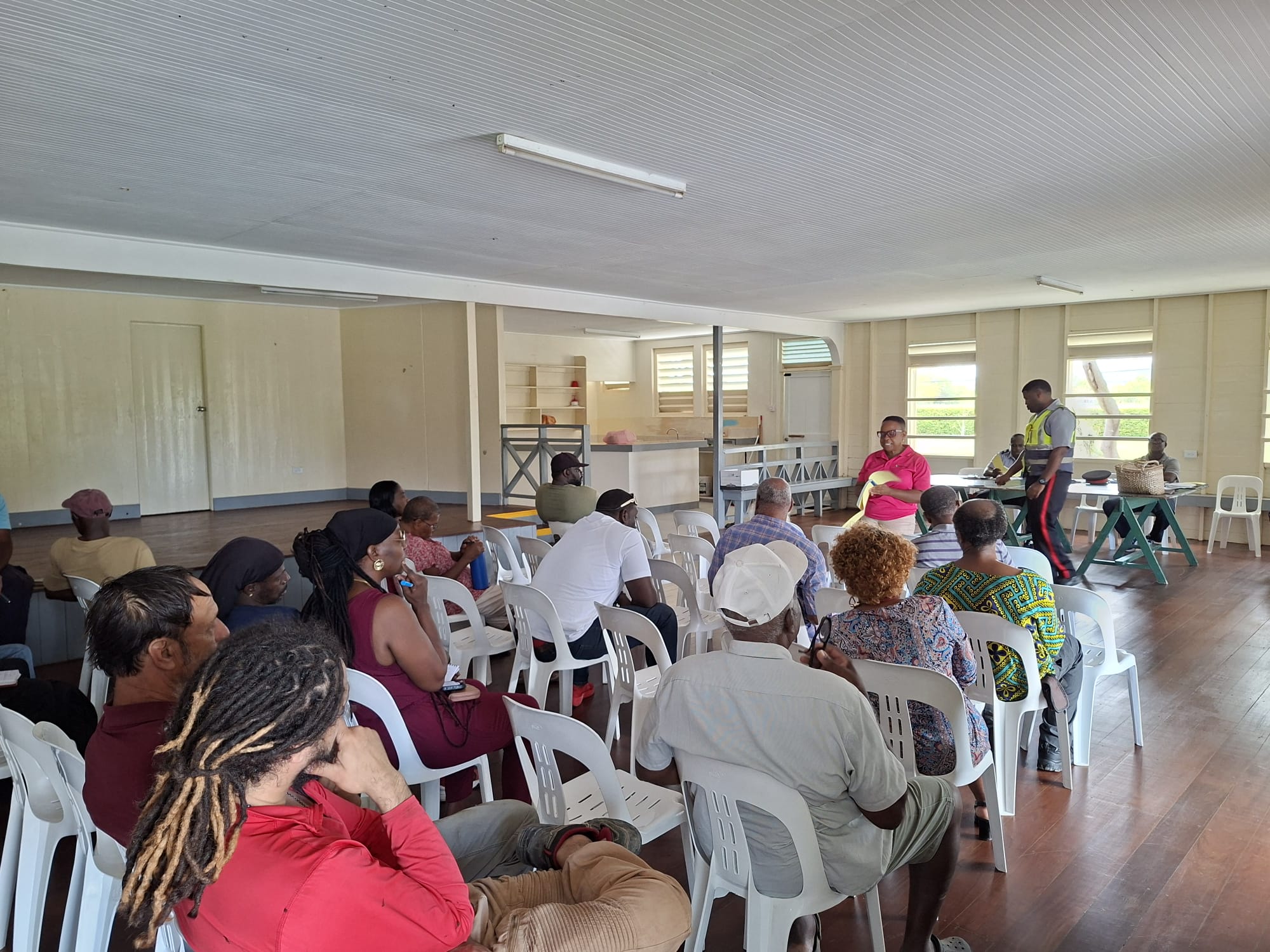
Police roll out pilot night patrols to combat farm theft in South
Barbados has initiated a strategic pilot program deploying enhanced nightly police patrols across its crucial southern agricultural districts, responding to an alarming escalation in organized crop theft that now threatens the island’s food security infrastructure. Acting Superintendent Anthony Warner, Deputy Divisional Commander for the Southern Division, revealed that officers are being strategically positioned within meticulously mapped zones encompassing Christ Church, St. George, St. John and St. Philip—regions collectively known as Barbados’ primary agricultural belt.
The innovative security initiative, already in preliminary implementation stages, aims to establish fortified surveillance networks and rigorous monitoring systems throughout agricultural production and distribution channels. Warner emphasized that the program introduces structured harvest notification protocols and standardized produce identification systems designed to track legitimate agricultural products from field to market.
Law enforcement authorities are simultaneously targeting illicit resale markets for stolen produce, enforcing the Protection of Agricultural Products Act which mandates commercial produce holders to provide verifiable proof of ownership through receipts or delivery documentation. Failure to comply results in prosecution for both unauthorized possessors and associated farmers.
Agricultural stakeholders are being urged to implement complementary security measures including surveillance cameras, motion detection technology, and official transaction record-keeping through Barbados Agricultural Development and Marketing Corporation (BADMC) receipt books. The program’s effectiveness hinges on strengthened collaboration between police and farming communities, with information sharing being paramount to disrupting sophisticated theft networks.
This security enhancement emerges amid growing concerns that praedial larceny has evolved from opportunistic theft into coordinated criminal operations utilizing vehicles, lookouts, and organized distribution channels. Farmers report devastating losses pushing many toward operational collapse, compounding existing challenges including drought and pest infestations. Government officials including Attorney General Wilfred Abrahams have acknowledged the severe implications for national food security if agricultural theft remains unchecked.
Preliminary assessments indicate promising results with reduced theft reports since implementation, though authorities emphasize the program remains under continuous evaluation for potential expansion island-wide pending demonstrated effectiveness.
-

Police foil plan to sell weed to pay for birthday surprise
A 31-year-old Mesopotamian man narrowly avoided incarceration after admitting to drug trafficking charges motivated by an unusual circumstance: funding his daughter’s fourth birthday celebration. Chinglee Dick appeared before the Serious Offences Court in Kingstown on Monday, where he pleaded guilty to dual charges of cannabis possession with intent to supply and drug trafficking.
The case unfolded at Grenadines Wharf last Friday morning, where law enforcement officials were conducting randomized vehicle inspections. Dick, operating a white Nissan vehicle registered PE378, consented to a search of his automobile after being stopped by authorities. During the examination, officers discovered a green-and-white Coreas shopping bag containing three transparent plastic packages secured with brown tape within the trunk compartment.
Subsequent analysis revealed the packages contained six separate bags of cannabis with a total weight of 2,119 grams (approximately 2.5 kilograms). When questioned by Chief Magistrate Colin John regarding his intentions, Dick disclosed he was transporting the controlled substance to Bequia, where he typically sells provisions and coconut water.
In a heartfelt mitigation plea, the defendant explained his criminal actions stemmed from financial desperation to organize a surprise birthday party for his daughter, whose fourth birthday was scheduled for the following day. Dick additionally referenced another child born in December, emphasizing his familial responsibilities.
Following the Eastern Caribbean Supreme Court’s Sentencing Guidelines, Chief Magistrate John imposed an immediate fine of EC$890 rather than a custodial sentence. Dick complied with the financial penalty promptly and was released from court proceedings.
-

Police Hunt Suspect Linked to Series of Home Invasions Targeting Women
A persistent pattern of residential break-ins targeting women across several Antiguan communities has left residents on edge as police investigations continue without a definitive breakthrough. The cases, spanning neighborhoods including Cashew Hill, Radio Range, and Bendals, share a disturbing modus operandi dating back to September 2023.
According to law enforcement officials, the unidentified assailant typically gains entry through unsecured windows during pre-dawn hours. The incidents follow a concerning pattern of confrontation and violation of personal space. In the earliest documented case from September 2023, a masked perpetrator armed with a knife sexually assaulted a female occupant before escaping into the night.
Subsequent reports describe similar encounters where victims awoke to find a figure clad entirely in black shining lights in their faces while demanding money and rifling through personal belongings. The consistent methodology across these incidents has led investigators to believe a single individual may be responsible for the series of home invasions.
Despite police responding to each reported incident, the perpetrator remains at large more than twelve months after the initial attack. This extended timeline has generated significant concern among community members, particularly women living in the affected areas. Many residents are now calling for enhanced police patrols and improved security infrastructure in their neighborhoods.
Law enforcement authorities have acknowledged the challenges in their investigation, noting that some potential victims have been reluctant to come forward publicly. Meanwhile, police are advising residents to maintain heightened vigilance, secure all possible entry points, and immediately report any suspicious activities as the search for the suspect continues.