分类: society

  • Evening Stars Barbados pushes for autism support and inclusion

    Evening Stars Barbados pushes for autism support and inclusion

    Across Barbados, a quiet, community-led revolution in autism care and support is gaining momentum, driven by a mother’s personal journey and a commitment to ensuring no family affected by autism navigates their challenges in isolation. At the center of this growing movement is Evening Stars Barbados (ESB), a volunteer-led nonprofit organization established in 2025 by Sonia Maloney, whose experience raising an autistic daughter inspired her to turn personal struggle into a mission of widespread change.

    In an exclusive interview with local outlet Barbados TODAY, Maloney shared that her 13-year-old daughter’s diagnosis and the subsequent challenges of navigating existing support systems revealed critical gaps that extended far beyond her own experience. After connecting with other parents of autistic children, she confirmed these systemic shortcomings were not isolated incidents, prompting her to launch an organization that could guide families through complex processes and help them avoid the obstacles she had encountered.

    The core unmet need ESB was created to address is the lack of structured support for autistic children and their families outside of standard school hours—a gap that places disproportionate strain on low-income and single-parent households. To solve this, the nonprofit has centered its work on three key priorities: direct practical support, community education, and systemic advocacy, all while partnering with established disability organizations rather than competing with them.

    Practically, ESB offers two immediate, high-impact services: after-school programming for autistic children and respite care that gives caregivers much-needed breaks to preserve their personal and financial independence. Looking ahead, Maloney has laid out an ambitious plan to expand this practical support with an innovative cooperative model that allows neurodivergent people and parents with marketable skills to sell their crafts and products through an ESB shop, helping families retain economic stability while building community.

    Education forms the second foundational pillar of the organization, with monthly workshops open to parents, educators, and community members. Maloney noted that three-quarters of past workshop attendees have been classroom teachers, revealing a clear unmet demand for training: most educators report feeling under-equipped to support autistic students and are actively seeking evidence-based guidance to create more inclusive learning environments. The next public workshop is scheduled for April 14 from 6 p.m. to 7:30 p.m. at the Black Rock Chapel of The Church of Jesus Christ of Latter-day Saints, with open registration available via the organization’s Facebook page.

    To mark Autism Awareness Month, ESB has also been conducting outreach to primary and secondary schools across the island, leading informational sessions for both parents and teachers to deepen public understanding of autism. Maloney emphasized that one of the most persistent cultural barriers to support is the stigma that leaves many autistic children invisible: many self-regulatory behaviors commonly misunderstood by the general public are simply healthy coping mechanisms for autistic people, a misconception that targeted education can correct.

    To build long-term cultural change, Maloney argues that education must start early, teaching younger generations about neurodiversity and how to support their autistic peers. On a systemic level, she is advocating for simple, inclusive changes across all Barbadian schools—not just special education facilities—including adding small sensory-friendly spaces in every classroom to give autistic students the environment they need to thrive. “Inclusion is not segregation. It is making sure every child gets what they need to be able to function,” she explained.

    While Maloney acknowledged that public awareness of autism has improved in Barbados in recent years, she stressed that widespread acceptance and comprehensive support remain out of reach for too many families. As a volunteer-driven nonprofit affiliated with the community giving network Give Back Barbados, the organization relies on ongoing support from the public, with recruitment for new volunteers open via ESB’s social media channels.

    ESB also prioritizes collaboration over competition, partnering with long-standing local groups including the Autism Association of Barbados and the Barbados Council for the Disabled to amplify existing services rather than duplicate them. At its core, the organization is built on the values of hope, dignity, and radical inclusion, with a vision of a Barbados where every autistic child is valued, fully supported, and given the space to shine. Far from waiting for systemic change to come from the top down, Maloney and the ESB community are building that future from the ground up: “We’re not waiting… we’re helping ourselves. We’re advocating for our communities,” she said.

  • Body Found Identified as Belize City Fisherman

    Body Found Identified as Belize City Fisherman

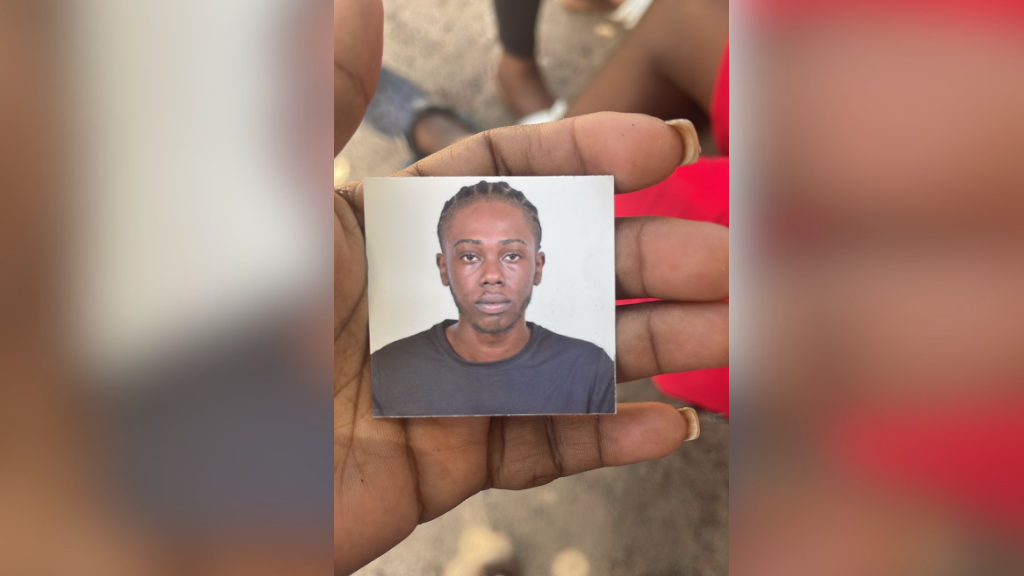
    On the morning of April 10, 2026, law enforcement authorities in Belize City confirmed the identity of a deceased male found earlier that day in an undeveloped area adjacent to the Port of Belize City, bringing a formal close to the hours-long search for a local fisherman reported missing just hours prior.

    When first responding to the search area, officers encountered the motionless body of an adult male, who showed clear evidence of gunshot wounds to his body. Following preliminary forensic and background checks, the victim was officially identified as 18-year-old Jaheil Westby, a Belizean fisherman who resided full-time in Belize City.

    The chain of events that led to the discovery began when Westby’s mother contacted Belize City Police at approximately 6:45 a.m. that same morning to file a missing person report. She told investigators that her son had failed to return home after a fishing trip the previous day, and that he was last spotted at around 3:00 p.m. Thursday, when he left their family residence accompanied by a 16-year-old male friend to head to a local fishing spot.

    Acting immediately on the information provided by the mother, investigative teams launched a targeted search of the coastal region where the two teenagers had planned to fish. It was during this sweep that authorities located Westby’s body in the secluded area behind the port facility. As of the latest update, police have not released additional details about the status of the 16-year-old companion or any potential suspects or motives connected to the shooting, with the investigation still in its early active phase.

  • Caribbean countries strengthen prison intake systems

    Caribbean countries strengthen prison intake systems

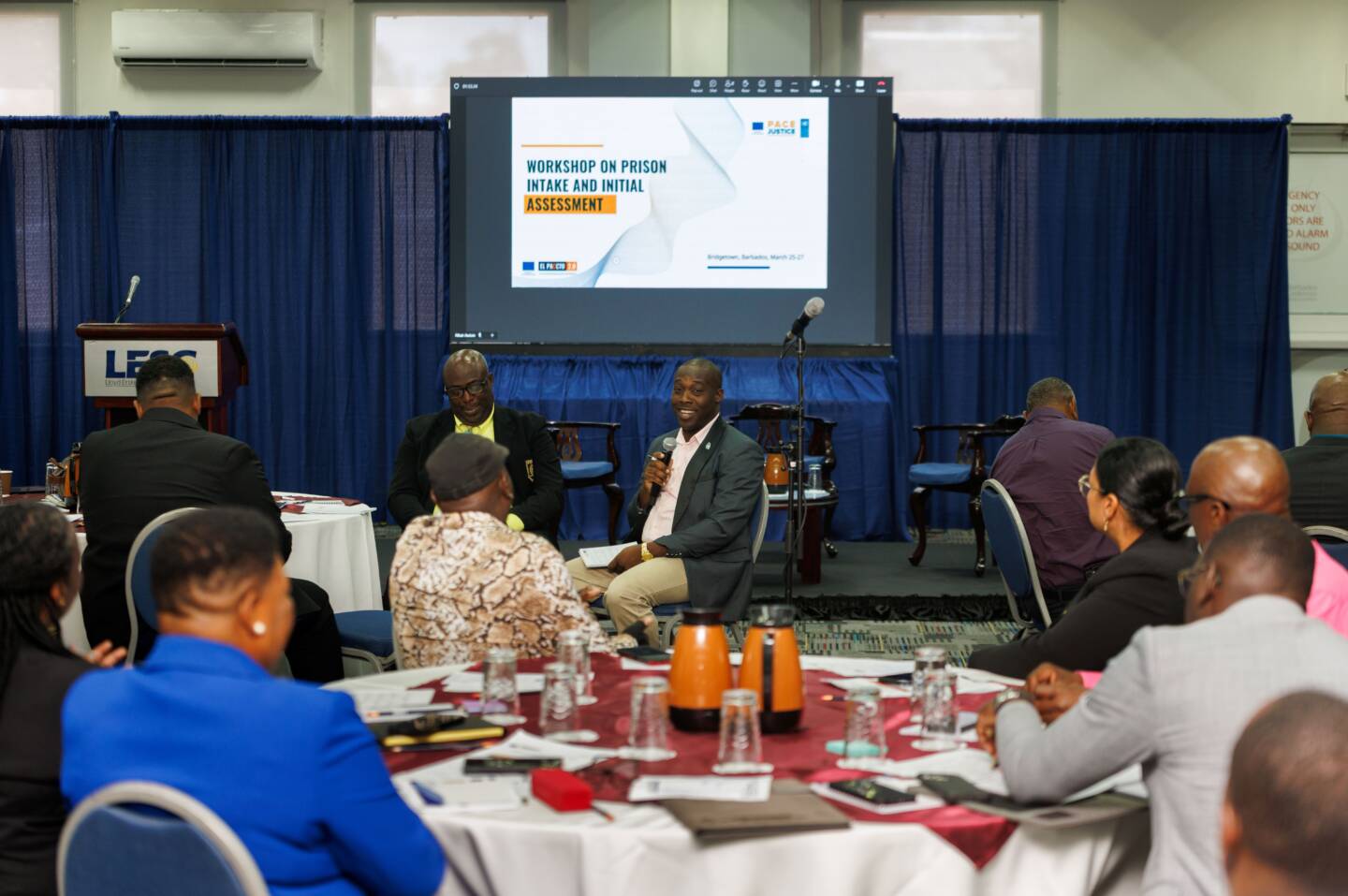
    Thirteen Caribbean nations have united to advance correctional system reform, wrapping up a three-day intensive training workshop in Bridgetown, Barbados, focused on overhauling prison intake and assessment protocols to boost rehabilitation outcomes and reduce recidivism. Held from March 25 to 27 at the Lloyd Erskine Sandiford Centre, the workshop brought together prison and probation leaders from across the region, brought into being through a collaborative partnership between the United Nations Development Programme (UNDP) Partnership of the Caribbean and Europe on Justice (PACE Justice) initiative and EL PACCTO 2.0, the European Union’s flagship justice and security cooperation program.

    Participants represented Antigua and Barbuda, Barbados, Belize, Dominica, Guyana, St Kitts and Nevis, St Lucia, Trinidad and Tobago, The Bahamas, Grenada, St Vincent and the Grenadines, Jamaica and Suriname, all gathering to address longstanding gaps in the first critical step of the custodial process: intake assessment. Experts leading the workshop emphasized that rigorous, well-structured intake procedures lay the foundation for effective correctional policy from an individual’s first day in custody. When implemented correctly, these processes allow authorities to map an individual’s unique risks and needs early, streamline administrative decision-making around detention or community-based alternatives, cut costly bureaucratic delays, and set the stage for targeted rehabilitation work that supports long-term reintegration. Functional intake systems also address two of the Caribbean’s most pressing correctional challenges: prison overcrowding and unnecessary pre-trial detention.

    Vanessa Untiedt, PACE Justice Project Specialist with the UNDP, framed the work as a fundamental step toward breaking intergenerational cycles of crime. “A proper intake assessment process can significantly improve a prisoner’s experience within the facility and, ultimately, their reintegration into society. In short, it can help break the cycle of crime,” Untiedt said.

    Angela Dixon, Director of the Barbados Probation Service and President of the Caribbean Association of Probation and Parole, centered the conversation on the underrecognized role of probation services in building a holistic, person-centered intake system. Dixon noted that probation officers bring unique, irreplaceable insight to the assessment process, thanks to their ongoing connections to offenders and communities. “Probation’s defining value is continuity of knowledge about the individual. No other service carries the same depth of pre-existing relationship, community intelligence, and risk history,” Dixon explained.

    Luuk Bruijn, EL PACCTO 2.0’s Field Officer for the Caribbean, highlighted that cross-regional collaboration is key to building correctional systems that work for all Caribbean contexts. Bruijn explained that a shared regional framework does not erase local needs; rather, it creates a consistent foundation rooted in regional best practice that can be adapted to local contexts. “The development of a standard procedure for intake assessment in prisons allows for local adaptations to a regionally agreed framework, taking into account best practices and expertise from across the Caribbean, ultimately strengthening the overall management of penitentiary systems,” Bruijn said.

    By the close of the three-day workshop, participants reached a landmark agreement: a unified regional framework for prison intake and assessment that preserves flexibility for country-specific implementation. The agreement marks a major milestone toward establishing more consistent, fair, and effective correctional practices across the entire Caribbean region.

    Moving forward, the partnership will turn its attention to translating the high-level framework into actionable Standard Operating Procedures (SOPs) that frontline prison and probation staff can implement in daily work. Planners are also exploring development of a lightweight digital tool to streamline intake workflows, improve standardized record-keeping, and strengthen cross-agency information sharing. A core priority of the next phase will be deepening coordination between prison authorities and probation and parole services to ensure all decisions are rooted in robust, comprehensive evidence.

    This workshop is part of the PACE Justice project’s ongoing mission to support fair, effective, human rights-aligned correctional systems across the Caribbean. The initiative operates on the core principle that safer, more humane prison systems are the building blocks of safer, more resilient communities across the region.

  • Body Found Behind Port of Belize

    Body Found Behind Port of Belize

    Authorities in Belize have launched a criminal investigation following the grim discovery of a young man’s body early on the morning of April 10, 2026, in the area surrounding the Port of Belize, located in Belize City – the country’s former capital.

    Local law enforcement confirmed that they received reports of the remains shortly after daybreak, and have since secured the crime scene to begin processing evidence. According to multiple sources familiar with the preliminary investigation, the deceased has been identified as a young man who was a resident of Belize City. Preliminary examination of the body has revealed visible gunshot wounds, indicating the death is being treated as a suspected homicide.

    As the investigation remains in its early active phase, law enforcement has not yet released additional details about the victim’s identity, potential suspects, or the circumstances leading up to the discovery. Local outlet News 5 has confirmed that it will publish a full detailed report on the incident during its 6 p.m. live broadcast, once more information becomes available from investigating authorities.

  • Fire leaves former national footballer, 78, homeless

    Fire leaves former national footballer, 78, homeless

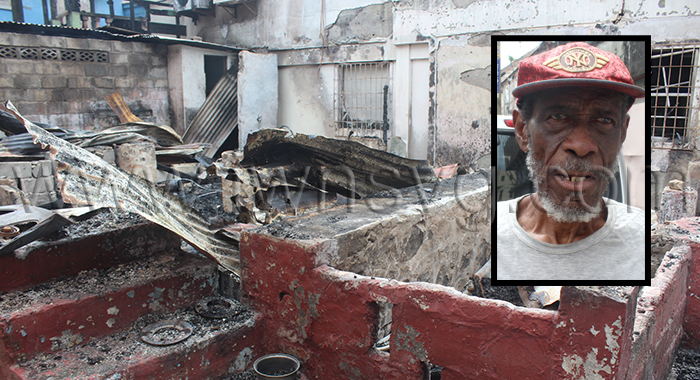
    A devastating out-of-control fire broke out in the central Paul’s Avenue district shortly after midnight on Thursday, leaving a 78-year-old former St. Vincent and the Grenadines national football player George “Fatpants” Forbes completely homeless, after the blaze gutted his entire property and caused significant damage to multiple nearby commercial and community structures, including the broadcast studios of popular local station Boom FM 106.8.

    Forbes, a retired athlete who first stepped onto the national football pitch more than half a century ago, shared his harrowing account of escaping the inferno. The veteran footballer told reporters he had returned home from a round of routine hospital tests around 1 p.m. that day. After a brief visit from a friend, he fell asleep around 7 p.m., woke a few hours later for a short walk to a nearby area, then returned to bed to rest. It was not until after midnight that he was jolted awake by the acrid stench of smoke seeping through his home.

    “When I saw smoke pouring from the bedroom, I knew I couldn’t go back inside to salvage any of my belongings — I’m an elderly man with health issues,” Forbes recounted. “I just managed to crawl out of the building, then made my way straight to the local police station to report the fire.” The former player escaped without physical injury, but lost every personal possession he owned in the blaze. He expressed gratitude to his relatives, who immediately stepped up to provide him with temporary accommodation after the disaster.

    Forbes began his celebrated football career in 1968 at age 21, starting out with Sion Hill-based side Somerset. He went on to play for his hometown team Avenues, then later joined the Eagles squad, before earning his first call-up to the St. Vincent and the Grenadines national team, where he represented his country between 1971 and 1973.

    Along with Forbes’ home, the blaze completely destroyed an adjacent structure that housed the High Voltage Mas tent, a facility that previously operated as a local preschool. The connected building that hosts Jujube Bookstore, Boom FM 106.8’s broadcast studios and IK TV also suffered major damage from the fire and smoke.

    In an official statement posted to its social media channels shortly after the incident, Boom FM announced that the station would suspend all on-air broadcasting for the coming days while teams assess and repair the damage to its facilities. “Our team is working tirelessly to fully restore our broadcast signal as quickly as possible, and we thank our audience for your continued patience and support through this challenging time,” the statement read.

  • Vigil Planned for Brianna Clarke After Fatal Shooting

    Vigil Planned for Brianna Clarke After Fatal Shooting

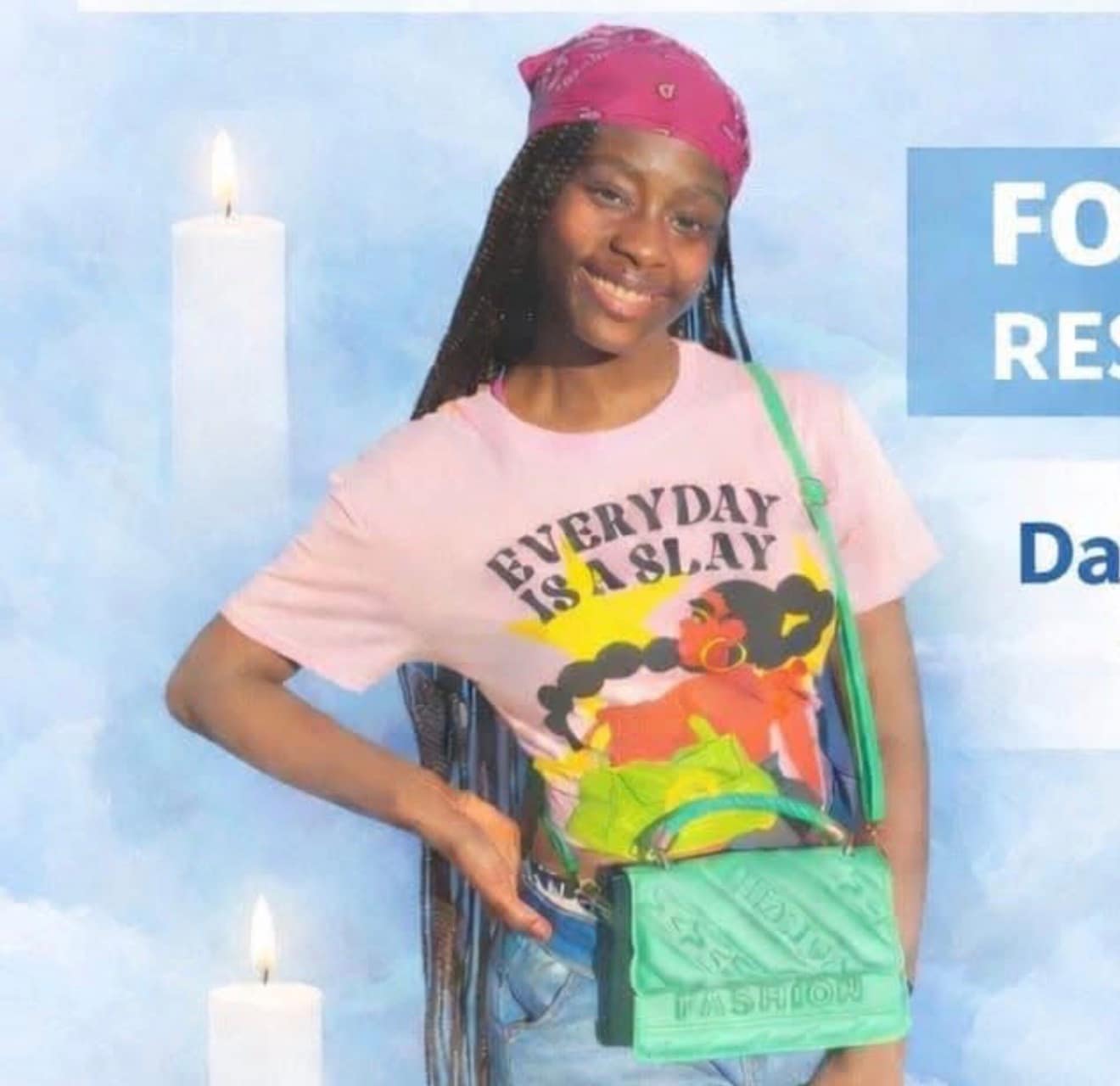
    A tight-knit community is coming together to honor the life of 18-year-old Brianna O. N. Clarke, one of two young people killed in a recent double shooting that has left local residents grappling with grief and uncertainty. Local organizers have confirmed plans for a candlelight vigil and community walk, scheduled to take place April 23, 2026, starting at 7 p.m.

    Attendees will begin gathering at the popular local landmark Baker Corner before launching on a pre-planned processional through the neighborhood’s most heavily trafficked corridors: Back Street, Byers Street, and Central Street. The walk will conclude at Paradise Cove, a waterfront spot that held personal meaning for Clarke before her death. Along the route, participants will pause for a group prayer session, a deliberate choice designed to give loved ones, acquaintances, and concerned community members space to reflect on Clarke’s life and pay their respects to both victims of the violence.

    The planned commemoration comes as local leaders and residents continue to demand transparent action from law enforcement, nearly two weeks after the shooting that claimed Clarke’s life and that of a second unidentified person. To date, investigating authorities have not released any new details about the circumstances of the shooting, potential suspects, or motives for the attack, leaving the community still waiting for answers and accountability.

  • Misplaced diversion

    Misplaced diversion

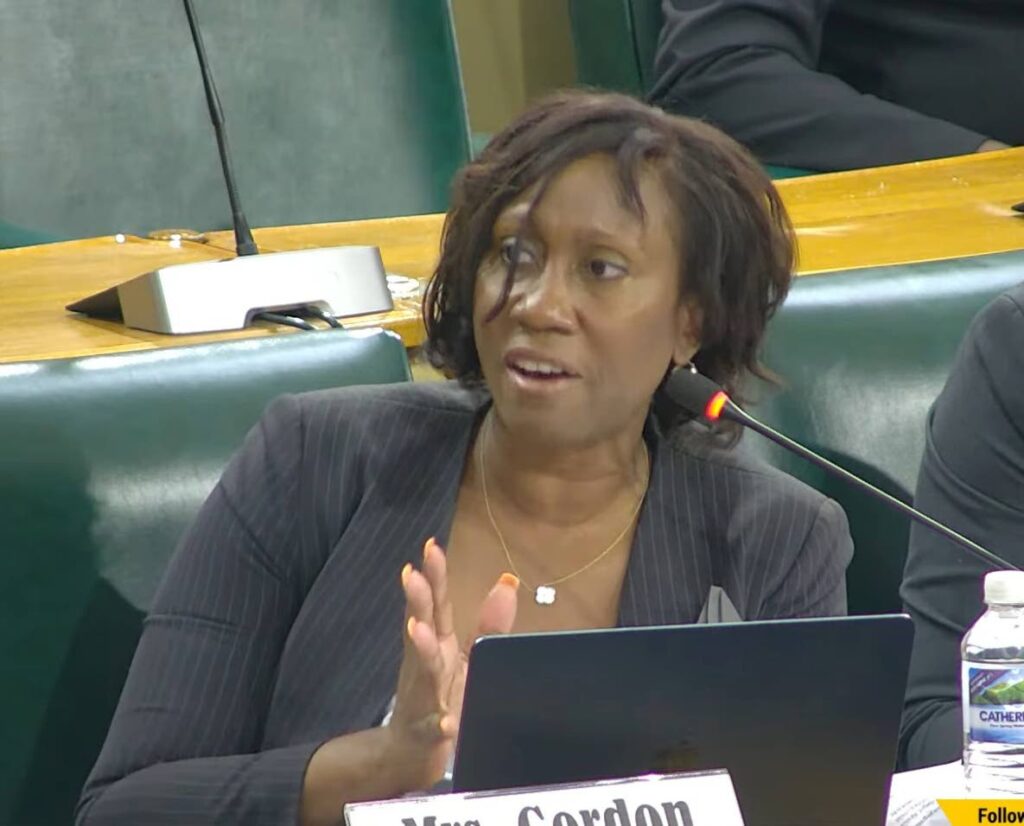
    During a Thursday parliamentary sitting of the joint select committee tasked with reviewing Jamaica’s landmark Child Diversion Act, the island’s top children’s rights watchdog has issued a stark warning: the nation’s flagship juvenile justice intervention is being pushed far beyond its original mandate, crippled by long-standing gaps in the country’s child care support infrastructure.

    Children’s Advocate Diahann Gordon Harrison told committee members that a growing misalignment has distorted the core purpose of the child diversion programme, which was specifically designed to steer children who have committed minor criminal offenses away from the formal justice system. Through targeted counseling, skill-building and rehabilitation services, the initiative is intended to give young offenders a second chance, preventing the lifelong harm that can come from entering the adult correctional system and keeping youth on positive developmental paths.

    But Gordon Harrison said that in practice, the programme is now being flooded with referrals for children who have not broken any laws, instead presenting with complex behavioral challenges that require entirely different forms of support. Referrals for issues like chronic school absenteeism and running away from home are increasingly being routed through the diversion system, she explained, a practice that runs counter to both the Child Diversion Act’s formal objectives and globally accepted standards for child diversion practice.

    To back up her assessment, Gordon Harrison presented parish-level data showing that a substantial share of all current referrals to the programme involve children categorized as having behavioral difficulties, not youth facing criminal accusations. This misallocation of resources, she argued, does not just weaken the programme for its intended population—it represents a fundamental distortion of the initiative’s original mission.

    “Resources that should be reserved for children in conflict with the law, who are legally eligible for diversion and need these services to avoid formal justice processing, are being diverted to children who never should have entered the system in the first place,” Gordon Harrison told the committee. “This stretches the programme far beyond its capacity and undermines outcomes for every child involved.”

    Gordon Harrison traced the root of the problem to the continued absence of fully operational therapeutic care centres, which were mandated under Jamaica’s separate Child Care and Protection Act to serve as the dedicated support system for children with unmet behavioral and mental health needs. Despite the passage of that legislation years ago, these specialized facilities have yet to become functional, leaving families, courts and social services with nowhere else to turn for children struggling with persistent behavioral challenges.

    The failure to launch these critical facilities, she warned, opens Jamaica up to intensified negative international scrutiny over its juvenile justice and child welfare practices. It also forces the court system into impossible positions when ruling on cases involving children with behavioral needs: without access to residential therapeutic care, judges often have no choice but to place vulnerable children in correctional facilities even when diversion would be the more appropriate outcome for their specific situation. This practice not only violates core principles of equitable juvenile justice, she said, but also exposes at-risk children to harmful environments that can worsen their existing challenges rather than supporting healing.

    Committee chairman and Minister of Justice Delroy Chuck opened further discussion on the gap by questioning how children with no criminal offenses ever end up before the courts in the first place. Gordon Harrison explained that the crisis is largely driven by overwhelmed parents who have nowhere else to turn for support with children whose behavioral needs they cannot manage at home. With no specialized therapeutic services available, these families turn to the court system for intervention, leaving judges with no viable alternatives to routing cases through the diversion system.

    State Minister of Justice Marisa Dalrymple-Philibert echoed Gordon Harrison’s concerns, confirming that the gap in specialized therapeutic care for children with behavioral needs is a decades-long failure in Jamaica’s child care infrastructure. She noted that without these facilities, children are routinely sent back to home environments that lack the resources and expertise to address their needs, creating a repeating cycle of ineffective intervention that never delivers meaningful long-term improvement.

    Dalrymple-Philibert emphasized that the problem is not new, drawing on personal experience working with child welfare systems across the country to confirm that specialized therapeutic centers have never been fully operational in Jamaica. For generations, she added, children with behavioral needs have been placed in general children’s homes that lack the training and resources to provide the specialized care they require. “This is a critical gap that has been left unaddressed for far too long, and it is past time that we prioritize building out these facilities to serve our most vulnerable children,” she told the committee.

    The parliamentary review of the Child Diversion Act comes as Jamaica continues to work toward aligning its juvenile justice system with international human rights standards, and the emerging revelations about systemic misalignment and infrastructure gaps are expected to shape upcoming amendments to the legislation and future budget allocations for child welfare services.

  • ‘She is irreplaceable’

    ‘She is irreplaceable’

    MANDEVILLE, Jamaica — A community and workplace is in mourning this week after the brutal killing of 29-year-old Tanzanya Dunkley, an air conditioning technician killed last week at her Three Chains home, in an attack allegedly carried out by her 27-year-old boyfriend, serving Jamaica Defence Force member Damanice Tyrone Williamson.

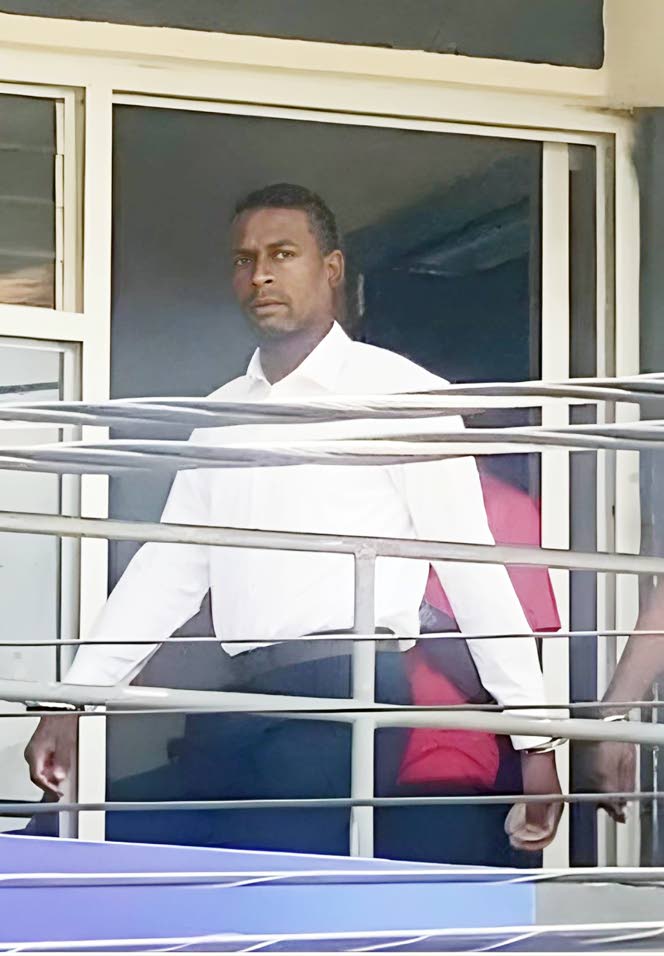
    On Friday, dozens of Dunkley’s loved ones and colleagues gathered outside the Manchester Parish Court for Williamson’s first scheduled court appearance, where presiding judge Anneil Coote-Guinness set next steps for the high-profile homicide case. The judge granted a request from the court clerk to order a full psychiatric evaluation of the defendant, following details from police reports that Williamson made unusual statements about his motive, including claiming he heard voices instructing him to attack Dunkley. Coote-Guinness also ordered routine fingerprint processing before remanding Williamson into custody, with his next case management hearing scheduled for May 20.

    Irvin Sullivan, owner of the refrigeration and air conditioning repair business that employed Dunkley for eight years, spoke publicly outside the court to honor the legacy of his late employee. A visibly emotional Sullivan described Dunkley as an irreplaceable worker whose dedication far exceeded the expectations of her role. “She was an exceptional worker who didn’t just turn up for her pay. Whenever I paid that young lady I was satisfied that I paid for a day’s work, because she went beyond the call of duty. She worked as if she was a shareholder in the business, that is the kind of employee she was and she is irreplaceable, believe me,” Sullivan told reporters.

    Court documents confirmed that Williamson was officially charged with Dunkley’s murder last weekend, after he confessed to the killing during what police say began as a verbal dispute between the couple. Law enforcement sources shared additional details of the confession with local media, explaining that the argument escalated when Dunkley announced she planned to leave Williamson. When he grabbed her phone to prevent her from leaving, the struggle that followed led to the fatal attack. According to the police account, Williamson told investigators an unknown voice ordered him to kill Dunkley, prompting him to grab a knife and slash her throat.

    Immediately after the attack, Williamson walked to the Mandeville Police Station carrying a knife and asked responding officers to shoot and kill him, according to official accounts. Friday’s initial hearing also revealed that the full case file remains incomplete, with key documents including the official post-mortem report, forensic analysis results, and witness statements still pending. Defense attorney Norman Godfrey, representing Williamson, told the court he is waiting for full disclosure of all evidence and requested that a copy of the defendant’s caution statement be shared with his legal team as soon as possible. Both Williamson’s father and members of Dunkley’s inner circle were present in court for the preliminary hearing.

  • Ann Marie Keene’s passion for Jamaican culture spearheads movement in Sherlock

    Ann Marie Keene’s passion for Jamaican culture spearheads movement in Sherlock

    Four decades after a life-changing first trip to Jamaica as a 15-year-old teen, Ann Marie Keene has turned her decades-long love for the island, its people, and its iconic reggae and dancehall culture into a grassroots movement that blends artist development and community uplift. Rooted in a lifelong upbringing steeped in music and service, Keene left her longtime home in Minnesota, United States, to permanently resettle in the tight-knit Sherlock neighborhood of Kingston 20’s Duhaney Park, where she has quickly become a beloved fixture for local residents and emerging creators alike.

    Keene’s connection to music was forged long before she made Jamaica her home. Growing up, the sounds of soulful, purpose-driven music filled her household; her mother was a working musician, with an extended family of traveling performers who counted legends like Bob Marley, Jimmy Cliff, Peter Tosh, Harry Belafonte, and Tina Turner among their favorite acts. “My love for reggae and dancehall comes from deep roots through my family and life experiences. Music was always in my blood. I grew up listening to music with soul and a message,” Keene shared in an interview with Jamaica Observer Online on Friday.

    Service was also woven into her life from early childhood. By age nine, Keene was already working alongside her family in prison ministry, where the group did not only minister to incarcerated people but also extended support to their families, providing critical resources including housing, educational access, and emotional care. That early exposure to working alongside marginalized communities shaped her lifelong approach to giving back.

    It was during a difficult personal period at age 15 that Keene first stepped onto Jamaican soil, and she felt an immediate spiritual connection to the island that never faded. Four decades later, that pull became too strong to ignore, and she packed up her life in Minnesota to put down permanent roots in Sherlock. It did not take long for her to fall for the community, and she immediately jumped into supporting local residents, with a special focus on the neighborhood’s emerging musical talent.

    To formalize her work with artists, Keene launched Castle of the Valley Productions, an independent music label that prioritizes relationship-building and community impact over quick commercial gains. Currently, the label works with a roster of Sherlock-based acts including TuffHeart, Krvcial Ggod, Leanny Frass, Tenbrainz, and Thugras, among others. Unlike traditional labels that focus on building a large roster of talent for profit, Castle of the Valley centers on long-term, authentic connection and ethical opportunity creation.

    Keene shared that the label was inspired by a personal turning point: her nephew Beckham Hardina’s life-threatening battle with illness, which taught her just how fragile and precious life is, and how families need far more than medical care to heal. “Families need space to breathe, to heal, and to feel loved without judgment. We’re building that through safe places, music, play, food, and water, lots of fresh water. Everyone has a seat at my table. We uplift the needy,” she explained.

    After connecting with local recording artist TuffHeart, Keene made the decision to commit fully to advancing his career and the careers of other emerging local acts that aligned with her mission. “I left my home in Minnesota and came to Jamaica with boots on the ground for the music and for the mission with TuffHeart. What started as a moment turned into a movement,” she said.

    When asked what draws her to the artists she supports, Keene explained that talent is only a secondary consideration. What matters most to her is that the artists are already invested in lifting their own community. “It wasn’t just about the music. The talent is there of course, but what really stands out is how they show up for the people and the community – humans-to-humans. These artistes engage with their communities, the children, the elders, they are present, they give back, and they carry a certain spirit. That matters to me,” she said. “At Castle of the Valley, we’re building more than music. We’re building character, responsibility, and connection. So, I look for artistes who don’t just want to be heard, but who understand the impact they have and use it to uplift others.”

    Currently, the label is working on its upcoming collaborative project, the Castle of the Valley Nyabinghi Riddim titled 8 Ball, which features eight local artists and maintains an open platform for additional creators to join and grow alongside the movement. Keene even wrote one of the riddims for the project herself, emphasizing that the work is deeply personal and rooted in genuine passion. “For me, reggae and dancehall is more than sound; it’s people, it’s pain, it’s faith it’s joy,” she added.

    Beyond her work with musicians, Keene is a constant, visible presence in the Sherlock community, building trust through consistent, hands-on philanthropy. “Sherlock is close to my heart. It’s about showing up and building real connections. We spend time with the kids and the elders, making sure people feel seen, supported and loved,” she shared. Every week, the community hosts popular events that bring neighbors together: weekly Wednesday movie nights in the community yard for local children, complete with a free meal prepared by the community chef, and “Sherlock Saturdays” that feature open live music performances for all residents.

    Reflecting on her work, Keene noted that her current community service in Sherlock grows directly out of the service work she began as a child in prison ministry, where she learned the power of consistent, loving presence. “In Sherlock it’s about showing up consistently. The impact is real: the kids have a safe place, the community comes together, and people feel seen and valued,” she said.

  • Mother loses daughter, son critically injured in Spanish Town house fire

    Mother loses daughter, son critically injured in Spanish Town house fire

    On a devastating Friday night in Spanish Town, St Catherine, Jamaica, an out-of-control residential fire has shattered a local family, leaving one teenager dead and her older brother fighting for his life with severe burns – while their grieving mother issues an urgent public appeal for life-saving support. Suzette Campbell, a resident of 12 St John’s Garden and the mother of both victims, opened up about the harrowing moments that unfolded as she returned to her neighborhood that evening.

    It was around 5:00 pm when Campbell first spotted thick black smoke billowing through the area. “I saw a lot of smoke and I thought, ‘Where is that smoke coming from?’ People told me it was from the house next door, so I knew I had to go check what was happening,” Campbell recalled. “By the time I got there, I watched my son run straight out through the flames.”

    In the chaos that followed, Campbell learned the awful truth: her 14-year-old daughter Gabriella Wright had been trapped inside the burning structure, and could not escape. The young girl died in the fire, which destroyed every single possession the family owned. “Everything burned down, nothing was left, and my daughter was burned too,” Campbell said, her grief palpable.

    Gabriella’s 25-year-old brother, Courtney Dailey, who managed to flee the blaze wearing only his underwear, suffered full-thickness burns across large portions of his body. He was rushed to a local hospital immediately after the fire, but remains in critical condition. Campbell says local medical facilities do not have the specialized equipment and resources required to treat Dailey’s life-threatening injuries, leaving the family with no other option than to seek care outside of Jamaica. “He has no chance here, the hospital can’t help him. The hospital can’t help my son at all,” she explained, making a direct public appeal for intervention from Jamaica’s Prime Minister to help secure urgent overseas treatment.

    This is not the first tragedy Campbell has had to endure: family reports confirm she lost another son to a shooting roughly two to three years ago, adding another layer of pain to the latest devastating loss.

    A family member who arrived at the scene shortly after the fire broke out described the aftermath as overwhelmingly distressing. “The situation is really intense. I was on the scene when it took place; it’s really terrible just to look at,” the witness said, noting the entire family is in dire need of financial and emotional support right now.

    Officials from the Burn Foundation of Jamaica have stepped in to support the family, confirming they are already working to arrange the specialized overseas medical care Dailey needs. Stephen Josephs, a representative from the foundation, stressed that even with the severity of Dailey’s injuries, survival is possible if he can access the right treatment quickly.

    “We have received information from a hospital overseas, and we are hopeful that this young man can pull through,” Josephs said. “But based on the extent of his burns, it’s going to take specialized treatment to save his life, so I am calling on all Jamaicans to rally around this grieving family.”

    Members of the public who want to support the Campbell family can donate through the Wings of Hope Fund at the official crisis support charity website, or contribute directly to the public GoFundMe campaign set up in Courtney Dailey’s name.