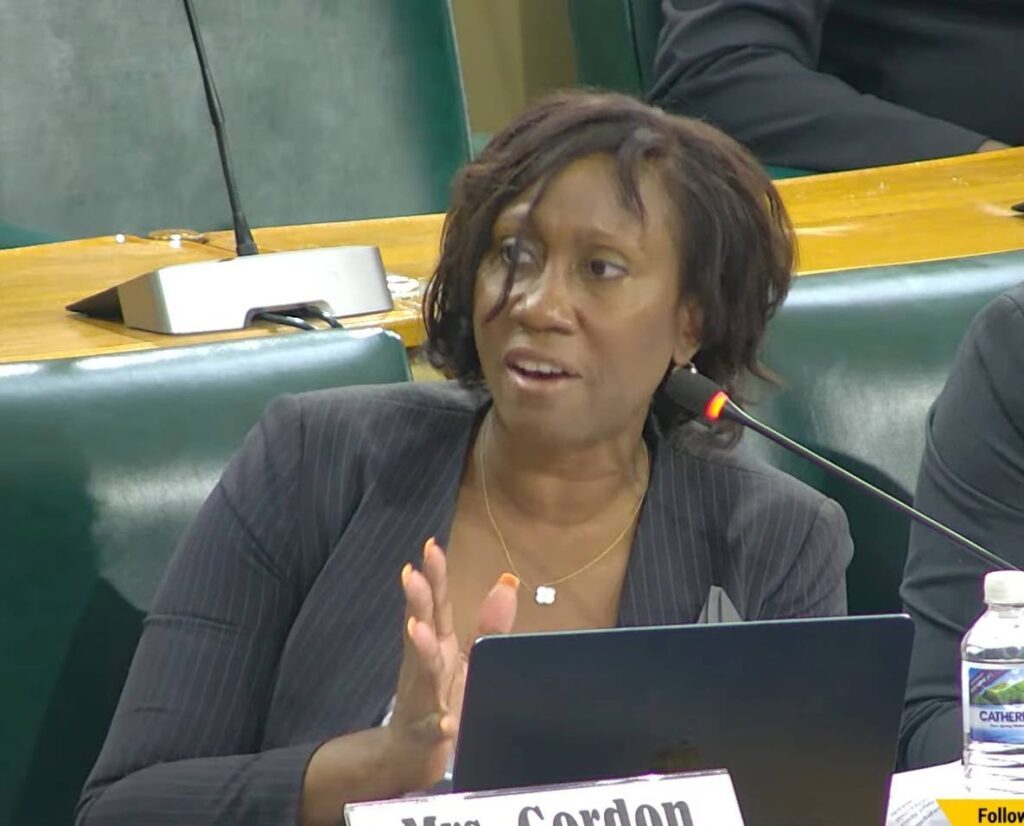
During a Thursday parliamentary sitting of the joint select committee tasked with reviewing Jamaica’s landmark Child Diversion Act, the island’s top children’s rights watchdog has issued a stark warning: the nation’s flagship juvenile justice intervention is being pushed far beyond its original mandate, crippled by long-standing gaps in the country’s child care support infrastructure.
Children’s Advocate Diahann Gordon Harrison told committee members that a growing misalignment has distorted the core purpose of the child diversion programme, which was specifically designed to steer children who have committed minor criminal offenses away from the formal justice system. Through targeted counseling, skill-building and rehabilitation services, the initiative is intended to give young offenders a second chance, preventing the lifelong harm that can come from entering the adult correctional system and keeping youth on positive developmental paths.
But Gordon Harrison said that in practice, the programme is now being flooded with referrals for children who have not broken any laws, instead presenting with complex behavioral challenges that require entirely different forms of support. Referrals for issues like chronic school absenteeism and running away from home are increasingly being routed through the diversion system, she explained, a practice that runs counter to both the Child Diversion Act’s formal objectives and globally accepted standards for child diversion practice.
To back up her assessment, Gordon Harrison presented parish-level data showing that a substantial share of all current referrals to the programme involve children categorized as having behavioral difficulties, not youth facing criminal accusations. This misallocation of resources, she argued, does not just weaken the programme for its intended population—it represents a fundamental distortion of the initiative’s original mission.
“Resources that should be reserved for children in conflict with the law, who are legally eligible for diversion and need these services to avoid formal justice processing, are being diverted to children who never should have entered the system in the first place,” Gordon Harrison told the committee. “This stretches the programme far beyond its capacity and undermines outcomes for every child involved.”
Gordon Harrison traced the root of the problem to the continued absence of fully operational therapeutic care centres, which were mandated under Jamaica’s separate Child Care and Protection Act to serve as the dedicated support system for children with unmet behavioral and mental health needs. Despite the passage of that legislation years ago, these specialized facilities have yet to become functional, leaving families, courts and social services with nowhere else to turn for children struggling with persistent behavioral challenges.
The failure to launch these critical facilities, she warned, opens Jamaica up to intensified negative international scrutiny over its juvenile justice and child welfare practices. It also forces the court system into impossible positions when ruling on cases involving children with behavioral needs: without access to residential therapeutic care, judges often have no choice but to place vulnerable children in correctional facilities even when diversion would be the more appropriate outcome for their specific situation. This practice not only violates core principles of equitable juvenile justice, she said, but also exposes at-risk children to harmful environments that can worsen their existing challenges rather than supporting healing.
Committee chairman and Minister of Justice Delroy Chuck opened further discussion on the gap by questioning how children with no criminal offenses ever end up before the courts in the first place. Gordon Harrison explained that the crisis is largely driven by overwhelmed parents who have nowhere else to turn for support with children whose behavioral needs they cannot manage at home. With no specialized therapeutic services available, these families turn to the court system for intervention, leaving judges with no viable alternatives to routing cases through the diversion system.
State Minister of Justice Marisa Dalrymple-Philibert echoed Gordon Harrison’s concerns, confirming that the gap in specialized therapeutic care for children with behavioral needs is a decades-long failure in Jamaica’s child care infrastructure. She noted that without these facilities, children are routinely sent back to home environments that lack the resources and expertise to address their needs, creating a repeating cycle of ineffective intervention that never delivers meaningful long-term improvement.
Dalrymple-Philibert emphasized that the problem is not new, drawing on personal experience working with child welfare systems across the country to confirm that specialized therapeutic centers have never been fully operational in Jamaica. For generations, she added, children with behavioral needs have been placed in general children’s homes that lack the training and resources to provide the specialized care they require. “This is a critical gap that has been left unaddressed for far too long, and it is past time that we prioritize building out these facilities to serve our most vulnerable children,” she told the committee.
The parliamentary review of the Child Diversion Act comes as Jamaica continues to work toward aligning its juvenile justice system with international human rights standards, and the emerging revelations about systemic misalignment and infrastructure gaps are expected to shape upcoming amendments to the legislation and future budget allocations for child welfare services.