分类: society

  • Bestuurder overleden na ongeval op Weg naar Atjoni

    Bestuurder overleden na ongeval op Weg naar Atjoni

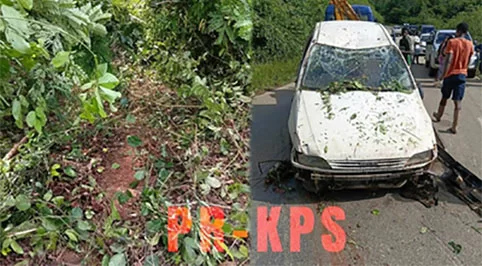
    A tragic traffic accident on the Weg naar Atjoni near Poeiri Bergi has resulted in the death of a 47-year-old driver identified as M.T. The fatal incident occurred during the early hours of Tuesday morning, according to authorities from the Brownsweg police department.

    Police responders arriving at the scene discovered four surviving passengers from the vehicle on the left side of the roadway. Following directions from these individuals, officers located the driver’s body in the immediate vicinity. The victim displayed no signs of life and had sustained a severe skull injury in the crash.

    Preliminary investigation indicates that the vehicle was traveling along Gaama Agbagoweg toward Atjoni when the driver lost control at a critical section of the road. The accident occurred at a gentle right-hand curve combined with a slight upward gradient near Poeiri Bergi. The vehicle subsequently veered off the roadway and descended into a ravine parallel to the left side of the road.

    The Forensic Investigation Department and Central Region Traffic Unit conducted on-site examinations to determine the exact circumstances surrounding the incident. Following authorization from the Public Prosecutor’s Office, the victim’s remains have been released to family members for funeral arrangements.

  • Community meeting set to address Charles Rowe Bridge flooding

    Community meeting set to address Charles Rowe Bridge flooding

    The St George North District Emergency Organisation (DEO) is mobilizing local residents and business operators for a critical community assembly this Saturday to address persistent flooding challenges at Charles Rowe Bridge. The gathering, scheduled for 3 p.m. at the Valley Resource Centre in Glebe, will facilitate dialogue between officials and the community regarding flood risk reduction strategies.

    Authorities will present comprehensive findings from a specialized flood assessment conducted after the November 2025 weather event that tragically claimed the life of 58-year-old resident Terry Kellman. The session will serve as both an informational briefing and participatory forum where community members can contribute historical knowledge and personal observations about flooding patterns in the district.

    The initiative represents a coordinated effort to develop practical solutions for flood mitigation while enhancing collaboration with national emergency response agencies. Organizers are particularly interested in documenting local expertise and historical flood data that could inform future prevention measures. The meeting follows the November incident where emergency personnel conducted an overnight search operation before recovering Mr. Kellman’s body after he was swept away by floodwaters near the bridge during intense rainfall.

    Interested parties seeking additional details can contact the St George North DEO at 252-1944 or via email at deo.stgeorgen@barbados.gov.bb.

  • Victory Centre, Cedar Grove Primary Launch Inclusive School Agriculture Project

    Victory Centre, Cedar Grove Primary Launch Inclusive School Agriculture Project

    A groundbreaking agricultural education initiative in Antigua and Barbuda is successfully merging inclusive learning practices with climate-resilient farming techniques to address national food security challenges. The innovative program, operating through a unique partnership between Cedar Grove Primary School and the Victory Centre for students with disabilities, has received funding from the Global Environmental Facility’s Small Grants Program.

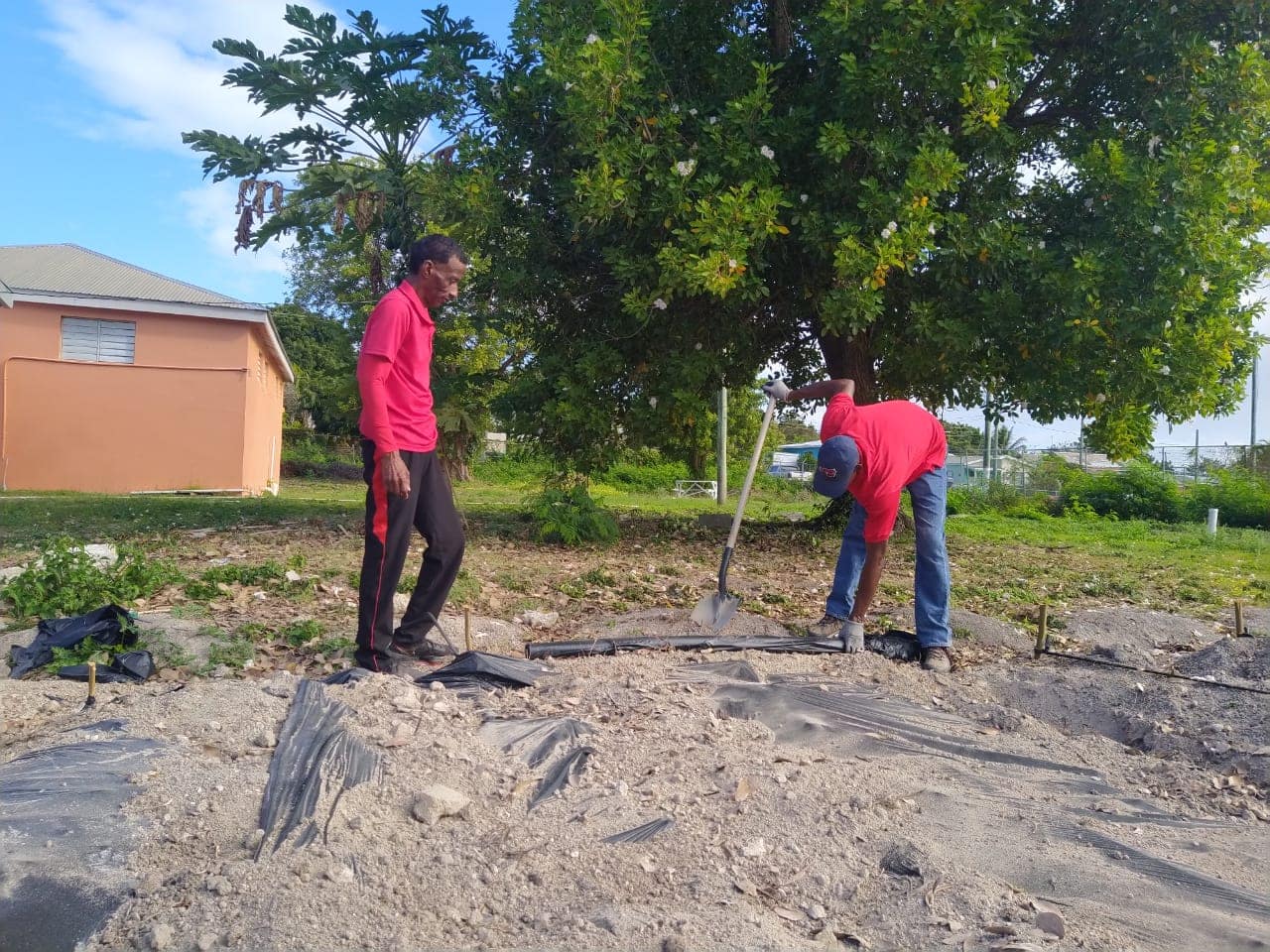
    The project creates shared learning environments where neurotypical students and those with disabilities collaborate in practical agricultural activities. School gardens have been transformed into dynamic outdoor classrooms that demonstrate agriculture’s accessibility regardless of physical or cognitive abilities. This week, technicians from the Inter-American Institute for Cooperation on Agriculture (IICA) and the Ministry of Agriculture’s Extension Division advanced installation of water-efficient drip irrigation systems, introducing participants to sustainable farming methods that conserve resources while boosting crop yields.

    IICA National Specialist Craig Thomas emphasized the program’s deliberate inclusive design: “By twinning with a school for differently abled students, we demonstrate that disabilities don’t preclude meaningful agricultural contributions. The replicable model established at Cedar Grove is simultaneously being implemented at Victory Centre, ensuring all students can participate equally.”

    The hands-on approach has produced remarkable outcomes, particularly among special needs students. Irrigation Specialist Bradbury Brown observed: “Agriculture offers natural engagement opportunities. As students work with their hands, witness plant growth, and develop practical skills, they build confidence and recognize their capacity to contribute to society and potentially establish future livelihoods.”

    Targeting preteens, the initiative fosters curiosity, responsibility, and pride while dismantling persistent disability stereotypes. Beyond the classroom, it sends a powerful community message that inclusive development strengthens entire societies. This collaborative model between educational institutions, IICA, and agricultural authorities presents a scalable framework for climate-smart agricultural education throughout Antigua and Barbuda.

  • PM Browne Hosts Villa Primary Students for Civics and Leadership Session

    PM Browne Hosts Villa Primary Students for Civics and Leadership Session

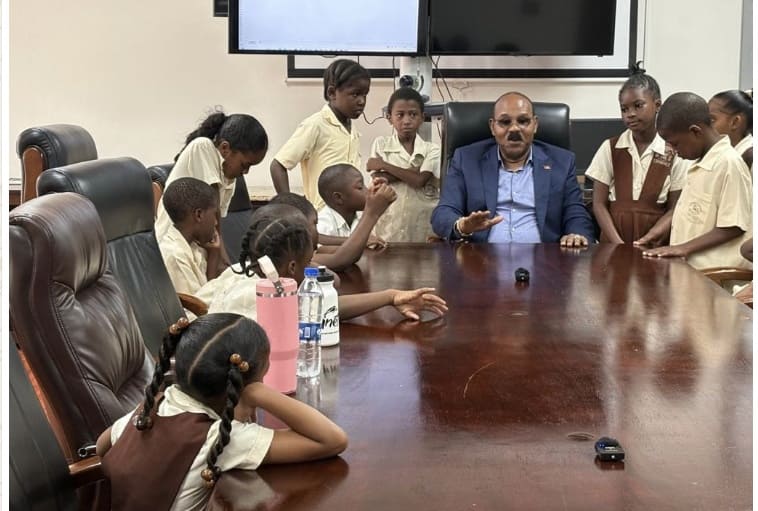
    In a demonstration of commitment to youth development, Antiguan Prime Minister Gaston Browne dedicated time from his demanding official duties to engage with young minds at Villa Primary School this Tuesday. The interactive forum transcended typical school visits, evolving into an immersive masterclass on governance and civic duty.

    Browne passionately articulated the critical importance of education as the fundamental bedrock for future success, urging students to prioritize their academic pursuits. The dialogue progressed into a comprehensive civics tutorial, with the nation’s leader detailing the intricate functions of the three governmental branches: the Executive, Legislature, and Judiciary. He further demystified the electoral process, explaining the mechanisms through which political parties compete for power and subsequently establish governing administrations.

    Adding a deeply personal dimension to the encounter, Prime Minister Browne revealed his own historical connection to the institution, sharing anecdotes from his time as a student within the very same walls. This revelation powerfully illustrated his journey from classroom to national leadership, providing students with a tangible example of achievement rooted in their shared educational foundation. The session emphasized that leadership responsibility extends beyond government halls and into community engagement, framing active citizenship as both a privilege and obligation.

  • Rotary Club of Antigua Donates Sewing Machines and Laptops to Salvation Army Women’s Programme

    Rotary Club of Antigua Donates Sewing Machines and Laptops to Salvation Army Women’s Programme

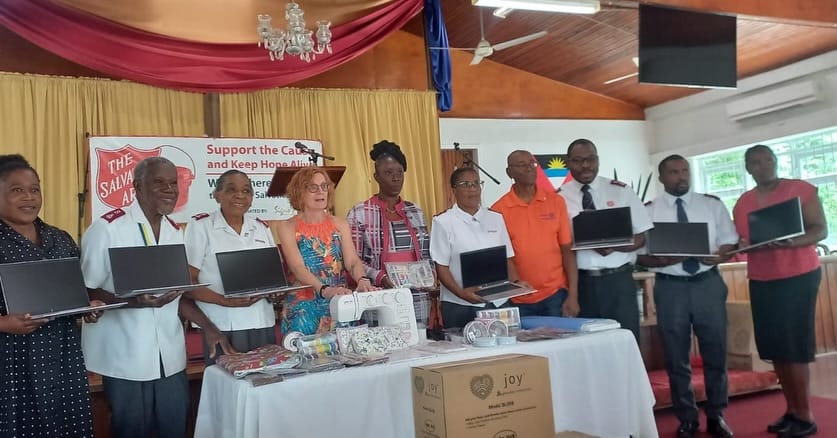
    A significant donation of vocational equipment has been delivered to The Salvation Army’s Women’s Action Group Programme, marking a milestone in a 15-year collaborative effort between international Rotary clubs. The contribution, made possible through the sustained partnership of the Rotary Club of Antigua, the Bellvue Breakfast Rotary Club, and the Rotary Club of Kirkland Downtown, is designed to transform vocational training and economic prospects for participating women.

    The newly provided equipment will substantially upgrade the program’s instructional capabilities, enabling enhanced hands-on learning experiences. This infrastructure boost supports creative skill development and establishes stronger pathways toward economic self-sufficiency for women in the program. The donation represents more than material support—it embodies Rotary’s enduring commitment to international cooperation and community-driven development initiatives.

    Representatives from the Rotary Club of Antigua emphasized that their contribution highlights the organization’s dedicated focus on women’s empowerment and sustainable community growth. ‘This donation reflects our core belief in supporting initiatives that foster lasting change within families and communities,’ a spokesperson noted.

    The Salvation Army’s program provides comprehensive training and support services specifically designed to equip women with practical, marketable skills. This enhanced technical capacity will directly improve participants’ ability to develop sustainable livelihoods and achieve greater economic independence, creating ripple effects that benefit entire communities.

  • LETTER: To the Family Court from a concern father

    LETTER: To the Family Court from a concern father

    The Antigua Family Court system faces mounting scrutiny as concerns emerge regarding unintended consequences of judicial interventions in familial disputes. While established with the noble objective of protecting children’s welfare, recent observations suggest that certain proceedings may inadvertently compromise the very interests they aim to safeguard.

    Legal intervention proves indispensable when parents default on financial or caregiving responsibilities. The court’s authority ensures children receive essential support that negligent parents might otherwise withhold. However, a troubling pattern emerges when personal conflicts between former partners escalate into legal battles.

    In numerous instances, previously cooperative parents who voluntarily exceeded their obligations have reduced support to court-mandated minimums following formal proceedings. This phenomenon frequently transforms collaborative parenting into transactional compliance, often with detrimental effects on children’s wellbeing.

    One illustrative case involves a father who comprehensively funded his child’s private education until confronted with additional support demands through the court system. Following the judicial order, he meticulously adhered to the specified amount while the mother struggled to meet her allocated contributions. Consequently, the child faced educational disruption and material hardship when withdrawn from private school—a outcome neither parent intended but both enabled through adversarial litigation.

    This case exemplifies systemic challenges where rigid financial determinations overlook complex familial dynamics. When judicial processes prioritize mathematical calculations over holistic child welfare, children often become collateral damage in adult conflicts.

    The fundamental question emerges: how can legal frameworks ensure accountability without discouraging voluntary parental excellence? The system must distinguish between genuinely negligent parents requiring enforcement and responsible parents whose efforts might be undermined by procedural rigidity.

    Family Court jurisprudence must evolve beyond mere financial arbitration to consider psychological impacts and long-term developmental consequences. Decisions should reinforce positive parental behaviors rather than inadvertently penalizing them. This requires judicial discretion that recognizes extraordinary parental effort while maintaining enforcement mechanisms against true delinquency.

    Ultimately, the metric for successful intervention must be measurable improvement in children’s lives—not merely technical compliance with court orders. When proceedings result in educational interruption, diminished stability, or emotional distress, the system must undergo critical evaluation.

    A child-centric approach would prioritize mediation over litigation, preserve existing supportive arrangements, and consider psychological impacts alongside financial needs. Such reforms would better serve Antigua’s families while upholding the court’s foundational mission to protect vulnerable children.

  • Authorities arrest three men for stoning vehicles on Autovía del Este

    Authorities arrest three men for stoning vehicles on Autovía del Este

    LA ROMANA – In a coordinated pre-dawn operation, joint security forces have apprehended three individuals allegedly involved in a dangerous highway robbery scheme targeting motorists along the Autovía del Este. The arrests occurred approximately at 1:00 a.m. on Wednesday near kilometer 5 in the Villa Caoba sector following numerous complaints from drivers.

    The suspects have been identified as Julio Laureano Santana, Julio A. Aquino Solano, and Yufreisi Martínez Sánchez. According to official reports, the individuals employed a hazardous method of throwing stones and blunt objects at moving vehicles to force drivers to stop, subsequently attempting to rob them under threatening circumstances.

    Law enforcement officials conducted thorough searches during the apprehension, resulting in the seizure of multiple bladed weapons believed to be instrumental in the alleged criminal operations. The successful operation was conducted through collaboration between the Military and Police Commission of the Ministry of Public Works (COMIPOL) and units of the National Police.

    Disturbing video evidence circulating on social media platforms has corroborated victim accounts, showing one driver documenting damage to his vehicle sustained during such an attack. These visual records have amplified public concern about the safety of this vital transportation corridor.

    Following their detention, the suspects were transferred to the National Police facility in Villa Hermosa, where they remain in custody awaiting formal processing by the Public Prosecutor’s Office for appropriate legal action.

    Hostos Rizik, Director of RD Vial, confirmed that COMIPOL has implemented reinforced permanent patrols along the Autovía del Este to combat criminal activity and ensure roadway security. Rizik emphasized that operations will continue to be intensified, issuing a stern warning that perpetrators engaging in such practices will face arrest and prosecution.

    Authorities have encouraged citizens to maintain vigilance and promptly report any suspicious activities, particularly during early morning hours when such incidents appear to be most prevalent.

  • From Zero Maternal Deaths to Water Security: Dr Terrance Drew Details Key Developments  – WIC News

    From Zero Maternal Deaths to Water Security: Dr Terrance Drew Details Key Developments  – WIC News

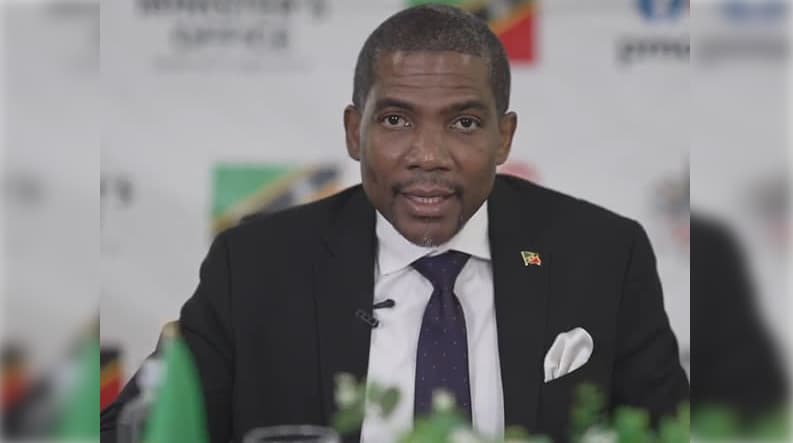
    In a landmark address during the ‘Their Own Table’ roundtable conference, Prime Minister Dr. Terrance Drew of St Kitts and Nevis unveiled transformative national achievements across healthcare, water security, and public infrastructure. The federation celebrated zero maternal deaths throughout 2025—a historic milestone attributed to systemic healthcare reforms rather than statistical anomaly.

    Dr. Drew detailed the implementation of a coordinated pregnancy monitoring system that tracks expectant mothers across both public and private healthcare providers. This initiative designates nurses and midwives as patient stewards who ensure follow-up care for high-risk pregnancies, particularly when appointments are missed. Complementing this effort, the government established a dedicated financial support fund to assist women requiring specialized care.

    Healthcare advancements continue with the near-completion (95-96%) of the nation’s first MRI facility. This highly specialized infrastructure required local builders to adapt to stringent technical standards. Once operational, the facility will eliminate the need for overseas diagnostic travel for advanced medical imaging.

    Beyond healthcare, the Prime Minister highlighted water security as a cornerstone of national resilience. The government’s first publicly owned desalination plant, representing an investment of EC$50-60 million, already produces two million gallons of potable water daily. Scheduled for official commissioning shortly, the plant forms part of a comprehensive water strategy including new well development and ongoing drilling operations. Dr. Drew emphasized the heavily subsidized nature of water services and urged citizens to maintain bill payments to support infrastructure reinvestment.

    In a significant land acquisition, the government secured 77.23 acres of prime Frigate Bay real estate—including the golf course, clubhouse, and operating company—through the Citizenship by Investment program using fewer than 800 units. The development plan prioritizes residential and commercial lots for young citizens, with a portion overlooking Half Moon Bay designated for high-value development including luxury villas and potential hotel investment.

    The Prime Minister concluded by affirming the federation’s positive trajectory and promising additional advancements in the near future.

  • Jaar van het Vuurpaard: Kan het Chinese Nieuwjaarsfestival de economie stimuleren?

    Jaar van het Vuurpaard: Kan het Chinese Nieuwjaarsfestival de economie stimuleren?

    China commenced its most significant cultural celebration on Tuesday as approximately 1.4 billion people welcomed the Lunar New Year, marking the beginning of the Year of the Fire Horse. This rare astrological combination—occurring only once every six decades—signals a period brimming with optimism, dynamic energy, and unexpected opportunities, according to traditional Chinese zodiac interpretations.

    The Spring Festival, renowned for triggering the planet’s largest annual human migration known as Chunyun, witnesses hundreds of millions traversing the nation for family reunions. This mass movement coincides with a substantial economic stimulus for the world’s second-largest economy, traditionally export-dependent but now increasingly focused on domestic consumption.

    Extended festivities spanning nine days—one day longer than typical—feature elaborate traditions including thorough home cleaning, decorative displays of red lanterns and prosperity symbols, elaborate family banquets, and the customary exchange of red envelopes containing monetary gifts symbolizing luck and blessings. The celebrations will culminate in the Lantern Festival, characterized by spectacular fireworks, vibrant dragon and lion dances, and bustling markets across urban and rural landscapes.

    Economically, the festival generates unprecedented consumption spikes across retail sectors including food, festive commodities, entertainment, and tourism. Government projections indicate a record-breaking 9.5 billion passenger journeys during the 40-day festive period, supplemented by state-issued consumer vouchers exceeding 360 million yuan (approximately $52 million) to further stimulate domestic spending. This aligns with China’s broader five-year plan to boost household expenditure, currently constrained by high savings rates approaching one-third of income.

    Technological advancements took center stage during the annual Lunar New Year’s Eve gala, where humanoid robots delivered a groundbreaking collaborative martial arts demonstration, showcasing Beijing’s rapid progress in robotics and artificial intelligence.

    The celebrations transcend national borders, with distinct cultural observances throughout East and Southeast Asia. Vietnam celebrates Tết Nguyên Đán with family gatherings and traditional foods like bánh chưng, while South Korea observes Seollal with ancestral rites and tteokguk soup. Multicultural societies including Singapore and Malaysia recognize the festival with official holidays, while diaspora communities in major global cities like San Francisco, London, and Sydney host large-scale parades, dragon boat races, and pyrotechnic displays.

    Adding contemporary cultural resonance, the Year of the Horse acquired an unexpected mascotte through linguistic coincidence: Draco Malfoy, the notorious antagonist from the Harry Potter franchise. The Mandarin transliteration of his name—”马耳福” (Mǎ ěr fú)—incorporates the character for “horse” (马) and concludes with “blessing” (福), creating an auspicious connection embraced by popular culture.
  • International experts validate Dominican Republic’s advances in hunger reduction

    International experts validate Dominican Republic’s advances in hunger reduction

    SANTO DOMINGO – The Dominican Republic’s comprehensive approach to combating food insecurity has garnered international recognition from one of the world’s foremost authorities on hunger eradication. Brazilian economist José Graziano da Silva, former Director-General of the UN Food and Agriculture Organization (FAO), delivered a keynote address at the National Palace this Wednesday with President Luis Abinader and Vice President Raquel Peña in attendance.

    Graziano, a globally respected figure in food security policy, specifically praised the nation’s innovative school feeding program as a replicable model demonstrating significant social and economic benefits. He highlighted the program’s strategic design of sourcing provisions through public procurement from local producers and family farms, which simultaneously addresses child nutrition and stimulates rural economic development.

    Emphasizing the necessity of building equitable and sustainable food systems, Graziano issued a cautionary note on the dangers of rising global consumption of ultra-processed foods, advocating instead for diets rich in fresh, locally-sourced products. His visit, spanning from February 16 to 22, is aimed at bolstering the country’s national strategy to eliminate hunger entirely.

    Providing concrete evidence of progress, Minister of the Presidency José Ignacio Paliza announced a landmark achievement: the national undernourishment rate has plummeted to a historic low of 3.6% in 2025. This figure places the Dominican Republic below the regional average and positions it firmly on course to be removed from the global hunger map before the 2028 deadline.

    Minister Paliza detailed the multi-faceted policies driving this success, which include robust economic growth, a substantial 20% increase in the private-sector minimum wage, and the expansion of key social programs. The ‘Supérate’ initiative, particularly its ‘Aliméntate’ card component, now supports approximately 1.5 million households. Furthermore, the network of Economic Dining Halls has seen a dramatic expansion from 35 to 134 locations across the country.
    A critical statistic underpinning this success is that 90.6% of all food consumed domestically is produced locally. The national School Feeding Program, a cornerstone of the strategy, ensures that over two million students receive 70% of their daily nutritional requirements, cementing food security as a pillar of national development.