分类: society

  • Dignity and memory in white coats

    Dignity and memory in white coats

    On November 27th, 2025, Cuba solemnly observed the 154th anniversary of the execution of eight medical students by Spanish colonial forces in 1871. The streets of Havana filled with commemorative activities as citizens gathered to honor the memory of these young martyrs who became symbols of Cuban resistance.

    The ceremony commenced at the University of Havana, where participants descended the steps toward the La Punta monument. The event was presided over by Miguel Díaz-Canel Bermúdez, First Secretary of the Party’s Central Committee and President of the Republic, alongside senior government and party officials.

    Thalía Beatriz Morell García, an ideological representative from the National Secretariat of the Federation of University Students (FEU), emphasized the historical significance of the march. “We march not only in remembrance but for this homeland, built with the blood of its finest sons and daughters,” she stated during the ceremony.

    The commemorative event highlighted the transformation of historical pain into progressive action. Morell García noted that the Cuban Revolution, under the leadership of Fidel Castro Ruz, converted tragedy into inspiration, establishing educational institutions and healthcare systems that honor the students’ original aspirations.

    Additional floral offerings were placed at the monument of Julio Antonio Mella, the student leader and anti-imperialist activist, near University Hill. The ceremony brought together prominent figures including Yuniasky Crespo Baquero, Head of the Ideological Department of the Party’s Central Committee, Rolando Yero Travieso from the Department of Social Sector Affairs, Deputy Prime Minister Inés María Chapman, and leaders from the Young Communist League and student federations.

    The gathering echoed with chants of “Neither dead nor forgotten!”—a powerful refrain demonstrating Cuba’s enduring commitment to preserving historical memory and national dignity against colonial and imperial forces.


  • Column: Twee paspoorten, één waarheid

    Column: Twee paspoorten, één waarheid

    Fifty years after Suriname gained independence from the Netherlands, one contentious issue remains persistently relevant: the Dutch passport. This document has evolved beyond mere travel authorization to become a tangible manifestation of unresolved historical inequalities stemming from the colonial era that continue to shape contemporary societal dynamics.

    The practical advantages of possessing a Dutch passport create a stark divide among Surinamese citizens. Those holding the coveted burgundy-colored document enjoy unparalleled mobility, visa-free access to numerous countries, enhanced consular protection, and greater economic opportunities. In contrast, Surinamese passport holders face significant barriers, including arduous visa application processes, intense scrutiny of financial standing, and implicit questioning of their credibility when seeking international travel.

    This disparity becomes particularly evident during international transit. At airports like Schiphol, Dutch passport holders can freely exit transit areas, rest in hotels, or explore during layovers. Meanwhile, those without equivalent travel documents may remain confined to transit zones for up to twenty-four hours—a physical manifestation of the inequality embedded in citizenship hierarchies.

    The phenomenon extends beyond travel logistics into societal participation. Surinamese-Dutch citizens actively contribute to Suriname’s organizational structures and public discourse, yet retain the security of European Union protection when risks emerge. This dynamic creates an implicit power asymmetry where emotional connection to Suriname doesn’t necessarily translate to shared vulnerability or consequence.

    Language and cultural expressions further reveal enduring colonial mentalities. Phrases like “That’s just Indian stories” (dismissing narratives as exaggeration) or “When black man eat, black man sleep” (implying laziness) perpetuate harmful stereotypes rooted in colonial justification narratives. These linguistic patterns continue to devalue indigenous knowledge systems and reinforce hierarchical thinking.

    The ongoing debates surrounding passport privileges ultimately transcend practical concerns about mobility, touching upon fundamental questions of dignity, recognition, and equal treatment. The emotional connection to Surinamese identity exists independently from the geopolitical value of one’s citizenship documents, yet the world continues to make consequential distinctions based on passport colors.

    Addressing these disparities requires honest acknowledgment of the parallel realities: the emotional landscape of national identity versus the geopolitical realities of passport privilege. Only through this recognition can meaningful dialogue begin toward establishing more equitable connections that honor both historical context and human dignity, regardless of which document one carries.

  • NOW urges schools to foster confidence, prevent gender-based abuse

    NOW urges schools to foster confidence, prevent gender-based abuse

    In a compelling intervention during the 16 Days of Activism against Gender-Based Violence, women’s rights advocate Melissa Savoury-Gittens has proposed comprehensive school programming focused on building self-worth and mutual respect among youth as a fundamental solution to reducing gender-based violence. The president of Barbados’ National Organisation of Women (NOW) emphasized that current approaches often concentrate on addressing abuse after it occurs rather than preventing the underlying conditions that enable it.

    Savoury-Gittens expressed particular concern about young women entering abusive relationships due to diminished self-esteem, noting that many victims remain in harmful situations because they lack the confidence to recognize toxic dynamics. Her research conducted through school outreach programs reveals that the predisposition to accept abuse frequently develops long before actual victimization occurs.

    The advocate called for educational initiatives that teach both girls and boys about healthy relationships, self-love, and mutual respect. She specifically highlighted the need for programs that help young women develop stronger self-identity and the ability to identify various forms of abuse, including psychological manipulation that often precedes physical violence.

    Savoury-Gittens also addressed the role of young men in preventing violence, arguing that educational programming must include boys to effectively change patterns of behavior. She recommended structured guidance on appropriate interpersonal communication and treatment of others as essential components of violence prevention.

    Supporting proposed educational reforms, the NOW president endorsed community service requirements for all students as a character-building initiative that fosters proper mindset development and strengthens community bonds. Additionally, she advocated for enhanced psychological support services in schools, calling for more frequent counselor visits than the current standard of weekly sessions.

    The comprehensive approach proposed by Savoury-Gittens represents a paradigm shift from reactive measures to proactive prevention, addressing the root causes of gender-based violence through early education and confidence-building strategies.

  • Goddard workers strike on airport’s busiest day

    Goddard workers strike on airport’s busiest day

    A wave of labor unrest is sweeping through Barbados’ primary aviation hub as airport service employees voice escalating dissatisfaction with their compensation and working conditions. The Barbados Workers’ Union (BWU) has issued a stark warning that additional industrial actions may follow Thursday’s coordinated work stoppage at Goddard Catering Group (GCG), which occurred on the airport’s busiest travel day of the year.

    The disruption unfolded on what industry insiders refer to as “Fat Thursday,” when approximately 8,000 passengers transited through Grantley Adams International Airport. According to BWU Deputy General Secretary Dwaine Paul, the labor action resulted from collapsed negotiations between GCG management and employee representatives. “There was a breakdown in terms of responses to negotiation matters,” Paul stated, explaining why the morning shift workforce withdrew their labor.

    Approximately 50-75 staff members across ground operations, passenger services, customer support, and maintenance departments participated in the work stoppage that began at 7:00 AM. Operations resumed around midday after union representatives received communication from GCG management addressing key concerns. Paul confirmed that based on management’s response, both parties have scheduled negotiations for next week to comprehensively address outstanding issues.

    The union official emphasized that GCG represents just one of multiple airport service providers facing unresolved labor disputes. Paul warned that without prompt resolution, additional industrial actions appear “highly likely” during peak travel season, potentially involving other critical airport operations including air traffic control services.

    When questioned about the strategic timing coinciding with peak passenger traffic, Paul refuted any suggestion of deliberate scheduling, noting instead that airport management should prioritize fair treatment of workers responsible for passenger welfare. Despite attempts to contact GCG’s human resources department for commentary, no response was received by publication time.

  • RealtorDR Launches Initiative to Feed 500 Families Across the North Coast This Christmas

    RealtorDR Launches Initiative to Feed 500 Families Across the North Coast This Christmas

    In a significant demonstration of community solidarity, real estate firm RealtorDR has mobilized a comprehensive campaign to provide essential food supplies to 500 vulnerable families throughout the North Coast of the Dominican Republic this Christmas season. The initiative represents a collaborative effort involving company team members, educational institutions, community organizations, and charitable contributors to assist households experiencing economic hardship during the holiday period.

    The campaign has successfully generated $11,323 in public donations, with RealtorDR committing to match the entire amount, resulting in a substantial total of $22,646. These resources will facilitate the distribution of nutritionally balanced food packages to economically strained families across the municipalities of Sosúa, Cabarete, and Puerto Plata—regions where many residents face heightened financial pressures during seasonal celebrations.

    Robert Maceachern, President of RealtorDR, emphasized the initiative’s community-oriented nature: “We regularly encounter hardworking families who nevertheless struggle to provide complete holiday meals. This campaign represents our commitment to reciprocating the support and hospitality that the Dominican community has consistently extended to our organization.”

    The selection process for beneficiary families employed a meticulously designed collaborative methodology, incorporating insights from local educational professionals, school administrators, and community representatives who possess intimate knowledge of households most affected by economic challenges. This grassroots approach ensures precise targeting of assistance to those with the most pressing needs.

    While the Dominican Republic continues to experience demographic expansion and growing international recognition, numerous communities—particularly along the North Coast—confront persistent issues related to food security and escalating living expenses. Community-led initiatives like this underscore the critical importance of localized efforts in building resilient neighborhoods.

    Although RealtorDR maintains its primary business operations in real estate services throughout Cabarete, Sosua, and Punta Cana, the organization explicitly clarifies that this humanitarian effort remains entirely separate from commercial promotions. Instead, it exemplifies the company’s sustained dedication to meaningful social impact and community development within the Dominican Republic.

    As contributions continue to accumulate, volunteers and partner organizations across the target regions are preparing comprehensive food parcels scheduled for distribution preceding Christmas celebrations. Each package contains essential culinary items including rice, beans, pasta, cooking oil, and traditional holiday ingredients to enable families to prepare nutritious and culturally appropriate meals.

    Campaign organizers articulated the broader significance of the initiative: “This endeavor transcends mere nutritional support—it embodies hope, dignity, and communal solidarity. Collective action, even through modest individual contributions, can generate substantial positive transformation.”

    Prospective supporters can contribute directly through the official campaign portal or assist through network dissemination to amplify the initiative’s reach. The campaign maintains transparency as a core principle, with regular updates provided as the project advances toward its distribution phase next month.

  • UNICEF reports an increase in domestic violence in Dominican Republic

    UNICEF reports an increase in domestic violence in Dominican Republic

    A newly released UNICEF report has cast a stark light on a deepening crisis of gender-based violence in the Dominican Republic. The findings, published this Thursday, document 89 femicides in the nation so far in 2024, marking a significant and alarming surge from the 69 cases recorded throughout the entirety of 2023. This figure translates to a rate of 1.5 murders per 100,000 women.

    The study delves beyond the extreme outcome of femicide to outline a pervasive culture of violence that jeopardizes the safety of women and girls from a young age. It reveals that a staggering 31.5% of Dominican women aged 20–24 were married or entered into a union before their 18th birthday, with 9.4% doing so before the age of 15, placing them at heightened vulnerability.

    Citing data from the World Health Organization (WHO), the report underscores the prevalence of intimate partner violence. It states that 28.5% of women between 15 and 49 years old have endured physical or sexual violence from a partner at some point in their lives, with 22.8% experiencing it within the twelve months preceding the study.

    Anyoli Sanabria, UNICEF’s interim representative in the Dominican Republic, issued a powerful statement connecting these tragedies to their impact on the next generation. She emphasized that each femicide ‘devastates children’s lives’ and constitutes a fundamental violation of their right to a secure and nurturing upbringing.
    In response, UNICEF is collaborating with national authorities and community groups to fortify systems for prevention, early detection, and victim support. These initiatives include comprehensive training programs for families and educators, the expansion of care services for survivors, and advocacy for crucial legal reforms designed to better protect children and adolescents.

    Sanabria also issued a direct appeal to the government, urging the elimination of a remaining exception in the Penal Code that permits physical punishment within homes. She stressed that such normative violence often serves as a precursor to more severe acts, including femicide, and its abolition is a critical step toward breaking the cycle of abuse.

  • Government and Congress unite behind “Let Her Go” anti-violence reform

    Government and Congress unite behind “Let Her Go” anti-violence reform

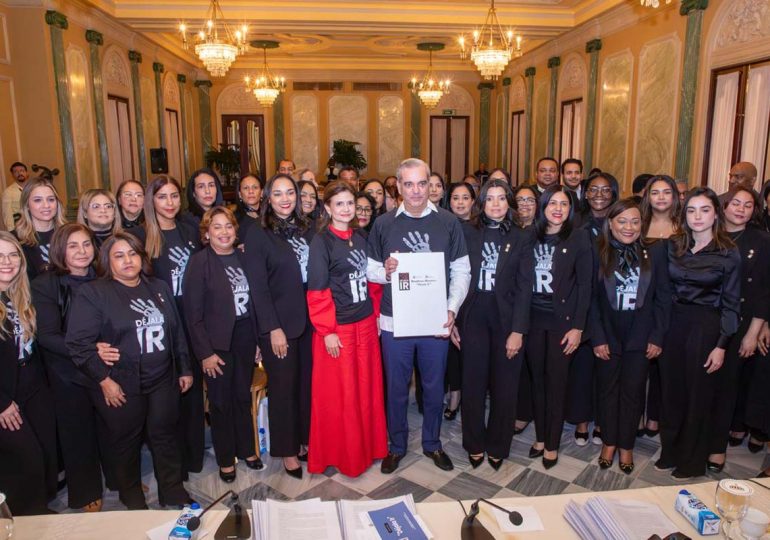
    SANTO DOMINGO – In a significant address, Dominican President Luis Abinader has pledged his administration’s full backing for a comprehensive national strategy to eradicate gender-based and domestic violence. The initiative, known as the ‘Let Her Go’ Comprehensive Reform and the National Pact for Life, has garnered unprecedented cross-party support, uniting senators and representatives from across the political spectrum to establish a coordinated framework for the protection, prevention, and prediction of femicides and filicides.

    President Abinader detailed the substantial progress already achieved, citing a dramatic expansion of protective infrastructure. Under his leadership, the number of shelters for victims has increased sixfold, from a mere three to eighteen operational facilities. Furthermore, a specialized investigative unit dedicated to these crimes has been established within the National Police. The most striking statistic presented was a drastic reduction in femicides, which have plummeted from 233 in 2011 to 51 recorded between January and November of this year. However, the President solemnly declared that ‘one death is one too many,’ vowing to meticulously review the proposed legislative reforms and commit all necessary financial and institutional resources for their execution.

    The ambitious ‘Let Her Go’ reform proposal entails a substantial investment of RD$5 billion, earmarked exclusively for bolstering prevention programs and protection services. A core objective is to forge a more robust legal architecture to ensure policy continuity remains unaffected by future changes in government. Representative Kinsberly Taveras, a key proponent, highlighted the overwhelming legislative consensus, with the initiative securing endorsement from 95% of lawmakers. She also underscored the pivotal role of female leadership in driving this change, noting the historic presence of 71 women in the Chamber of Deputies and 4 in the Senate, whose collective influence was instrumental in advancing the pact.

  • Attempted Murder Charge Questioned as Teen Walks Free

    Attempted Murder Charge Questioned as Teen Walks Free

    In a remarkable judicial development, a nineteen-year-old fourth-form student from western Belize has been released on bail after facing attempted murder charges that now appear fundamentally flawed. The case, stemming from a stabbing incident during Garifuna Settlement Day celebrations in Dangriga on November 19th, took an unexpected turn when the alleged victim provided sworn testimony exonerating the accused.

    Justice Candace Nanton granted bail under stringent conditions following compelling arguments from defense attorney Orson ‘OJ’ Elrington. The court approved release upon payment of six thousand dollars plus two sureties, but imposed rigorous restrictions including mandatory weekly reporting to San Ignacio Police, residence with his father, attendance at all court proceedings, and a prohibition against contacting the victim or witnesses. International travel remains prohibited without judicial authorization.

    The case unraveled when Gavin Armstrong, the purported victim, submitted a sworn affidavit explicitly stating he cannot identify his attacker and confirming the accused teenager was not responsible for his injuries. According to court documents, Armstrong made three unsuccessful attempts to provide this critical information to investigators, who allegedly failed to collect his follow-up statement. The victim formally requested dismissal of all charges, asserting the young man’s complete innocence.

    The Office of the Director of Public Prosecutions raised no objection to bail, acknowledging the evidentiary complications. This development raises significant questions about police investigative procedures and the initial basis for the attempted murder charge against the minor. Legal experts suggest the case may collapse entirely given the victim’s testimony and lack of supporting evidence.

  • Lee Mark Says Motorcycle Training is Too Long, Too Expensive

    Lee Mark Says Motorcycle Training is Too Long, Too Expensive

    A proposed mandate from Belize’s Ministry of Transport requiring compulsory motorcycle training is generating significant controversy, with critics warning the measures could disproportionately impact the nation’s working class. While government officials frame the initiative as a critical road safety measure aimed at saving lives, prominent businessman Lee-Mark Chang has emerged as a vocal opponent, citing economic hardships faced by existing riders.

    Chang, speaking to News Five, expressed particular concern about the financial burden and time commitment the program would impose. The training course, estimated to cost between two to three hundred Belize dollars, coupled with a mandatory two-week instruction period, presents what Chang describes as an insurmountable barrier for many employed riders who live ‘hand to mouth’ and depend on weekly wages to support their families.

    The businessman proposed implementing a more flexible approach that would distinguish between new and experienced drivers. While acknowledging the necessity of training for novice riders, Chang advocated for existing drivers to undergo a simplified driving test or crash course rather than the comprehensive two-week program. He further suggested implementing arrangements that would allow trainees to maintain employment while completing their certification, thereby preventing income disruption for vulnerable households.

    The debate highlights the tension between public safety objectives and socioeconomic realities in the Central American nation, where motorcycles serve as essential transportation for many low-income workers. The government has yet to respond to these specific concerns regarding the proposed rollout.

  • MIVED reopens Chinese-owned business Dulce Hogar

    MIVED reopens Chinese-owned business Dulce Hogar

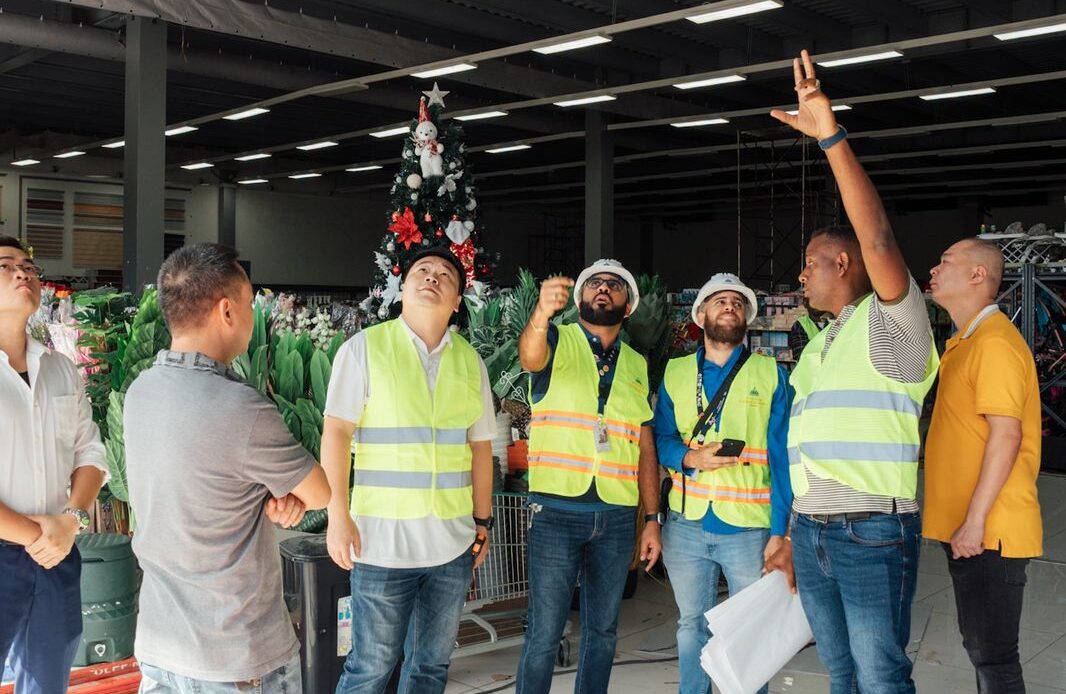
    SANTO DOMINGO – Dominican regulatory authorities have granted official permission for the Dulce Hogar retail establishment in the National District to resume operations, following a comprehensive verification of its adherence to national construction and safety standards. The Ministry of Housing and Buildings (MIVED) confirmed the store’s full compliance with the technical and regulatory mandates that had previously led to its temporary closure in early September.

    The shutdown was initially enforced under the provisions of Law 687-82, in conjunction with Technical Regulations R-004 and R-021. These legal frameworks require all commercial entities to obtain valid construction licenses and secure final inspection certifications prior to commencing occupancy or business activities.

    Edgar Pellerano, who heads the Directorate of Private Works Supervision, announced that a team of government inspectors conducted a meticulous on-site assessment. Their review concluded that Dulce Hogar had successfully addressed all previously identified issues, leading to the issuance of an official reopening certificate. Pellerano echoed a recent statement by Minister Carlos Bonilla, emphasizing that the ministry’s policy remains unequivocal: only businesses that complete the formal conciliation process and submit all requisite documentation will be approved to reopen.

    In its effort to achieve regularization, the management of Dulce Hogar executed a series of significant structural enhancements designed to guarantee public safety. These corrective measures included the installation of stiffeners on critical main beams, the reinforcement of beam-column junctions using specialized metal plates, a full certification process for all field welds, and the systematic replacement and adjustment of bolts to meet precise design specifications.

    MIVED also provided a status update on other establishments affected by the September enforcement actions. From the original eleven businesses closed, documentation from five additional entities has been received and is currently under review pending final approval. The ministry reiterated its dedication to assisting the remaining businesses through the compliance process, while maintaining its primary commitment to ensuring that all commercial operations provide a safe environment for employees and the public.