分类: society

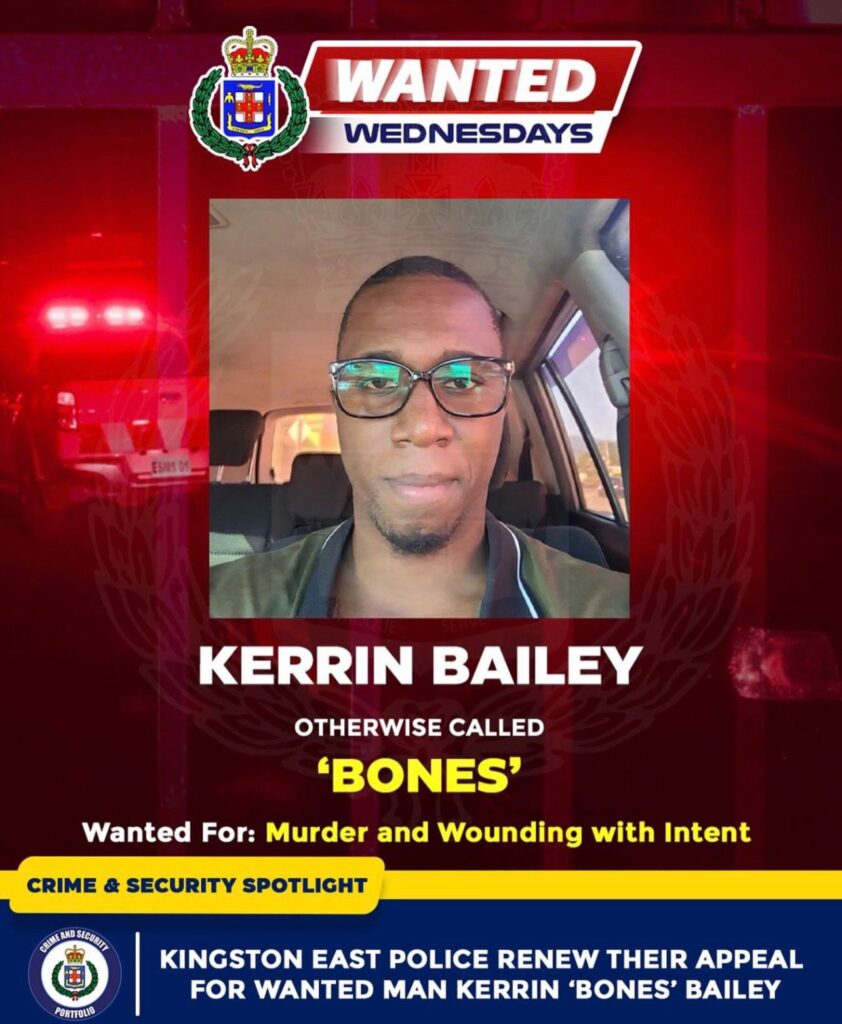
  • Kingston East police renew appeal for wanted man Kerrin ‘Bones’ Bailey

    Kingston East police renew appeal for wanted man Kerrin ‘Bones’ Bailey

    Jamaican authorities have escalated efforts to apprehend 30-year-old Kerrin Bailey, alias “Bones,” who remains at large following a deadly November 2025 shooting incident in St. Andrew. The Kingston East Police Division has issued a renewed public appeal for information regarding Bailey’s whereabouts, emphasizing his status as a primary person of interest in the case.

    The violent episode unfolded on November 13th at approximately 8:30 PM in the Jack Vale community of Bull Bay. Local residents reported hearing explosive gunfire originating from a residential property, prompting immediate emergency response. Law enforcement personnel arriving at the scene discovered two gunshot victims—a male and female—both suffering from critical injuries.

    Emergency medical services transported both individuals to a nearby medical facility, where 28-year-old truck operator Rai-Ronaldo Fry was declared deceased upon arrival. The female victim received urgent treatment and was admitted in stable condition, subsequently undergoing recovery procedures.

    Following comprehensive investigation, police identified Bailey as a central figure in the shooting incident and officially listed him as a wanted individual. Investigators have disclosed that Bailey’s last confirmed residence was located on Talmania Avenue in the Harbour Heights sector of Kingston 17. Surveillance operations indicate he frequently visits various locations across St. James Parish, alongside regular appearances in Bull Bay and Harbour View districts.

    Law enforcement officials are strongly urging Bailey to voluntarily surrender at the Elletson Road Police Station without further delay. The public assistance hotlines include direct connections to the Elletson Road Police Station (876-928-1261/1262), the National Intelligence Bureau (811), Crime Stop (311), and all local police precincts.


  • Arrest warrant issued for Brittany Harris over libel allegations

    Arrest warrant issued for Brittany Harris over libel allegations

    A Bahamian court has issued an arrest warrant for Brittany Harris, a 34-year-old woman facing charges of intentionally libeling high-profile public figures. The case involves allegations against Energy and Transport Minister JoBeth Coleby-Davis and attorney Bjorn Ferguson.

    According to court documents, Harris stands accused of publishing a video targeting Mr. Ferguson on social media platforms in April 2024, which prosecutors claim was deliberately intended to cause public humiliation. Additionally, she allegedly shared defamatory content about Minister Coleby-Davis on Facebook in October 2024, accompanied by audio recordings purportedly meant to shame the government official.

    The legal proceedings took a significant turn when Harris failed to appear before Deputy Chief Magistrate Kara Turnquest Deveaux for a scheduled status hearing. This absence prompted Magistrate Deveaux to rule that Harris had violated her bail conditions, resulting in the immediate revocation of her bail and the issuance of an arrest warrant.

    The court’s decision carries financial implications for Harris’s sureties, who now face potential forfeiture of their $5,000 bond to the Crown. Harris had previously entered a plea of not guilty to both counts of intentional libel during December proceedings.

    The case, prosecuted by Inspector K Wilkinson, remains ongoing with trial dates set for February 24 and 25, 2026, should Harris be apprehended and brought before the court.

  • Primetime owner cites uneven playing field and rising overheads as 14-year-old venue closes

    Primetime owner cites uneven playing field and rising overheads as 14-year-old venue closes

    New Providence’s nightlife landscape has undergone a significant transformation with the permanent closure of Primetime Nightclub, a dominant entertainment venue for fourteen years. Owner Lavon Rahming confirmed the establishment’s shutdown resulted from converging factors including evolving consumer preferences, escalating operational expenses, and his own recognition that the business had completed its lifecycle.

    Mr. Rahming described the closure as a difficult but necessary evolution, noting that his core customer base had gradually diminished due to natural life progression. “People change their lives, get married, and assume responsibilities,” he explained, highlighting how demographic shifts influenced his decision to ultimately rebrand.

    Rather than terminating operations entirely, Rahming is orchestrating a strategic pivot. The existing facility is currently undergoing comprehensive renovations to emerge within approximately four months as a sophisticated restaurant and lounge under an entirely new brand identity, completely disassociated from the Primetime legacy.

    Beyond personal business considerations, Rahming identified systemic challenges within Bahamas’ nightlife industry. He cited unsustainable overhead costs, inconsistent regulatory enforcement, and perceived stigmatization of nightclub operations as significant sector-wide pressures. Notably, he referenced unequal enforcement of operating hours that placed his establishment at a competitive disadvantage compared to venues permitted to operate until 4 AM.

    The closure’s impact on staff was reportedly minimized through natural attrition, as many employees had already transitioned to part-time status while pursuing other ventures during the club’s gradual decline. A limited team remains engaged during the renovation phase, with Rahming continuing to provide support where feasible.

    Despite newer venues drawing away portions of his former clientele—many operated by former Primetime promoters—Rahming maintains a philosophical perspective, viewing their success as natural industry evolution rather than direct competition. The nightclub concluded public operations with a final event last Saturday, formally ceasing operations on Monday amid preparations for its next incarnation.

  • Soufriere tragedy sparks heartfelt tributes to devoted father

    Soufriere tragedy sparks heartfelt tributes to devoted father

    The coastal community of Castries, Saint Lucia, has been plunged into mourning following the tragic demise of 31-year-old Sherman Lionel in a marine incident off Anse Mamin, Soufriere. The fatal accident occurred on Wednesday when Lionel, an experienced snorkeler, was struck by a water vessel while exploring underwater realms.

    Emergency response efforts saw the victim transported via private means to Soufriere Hospital, where medical personnel pronounced him deceased approximately at midday. Preliminary reports indicate the severity of injuries sustained in the collision proved insurmountable despite medical intervention.

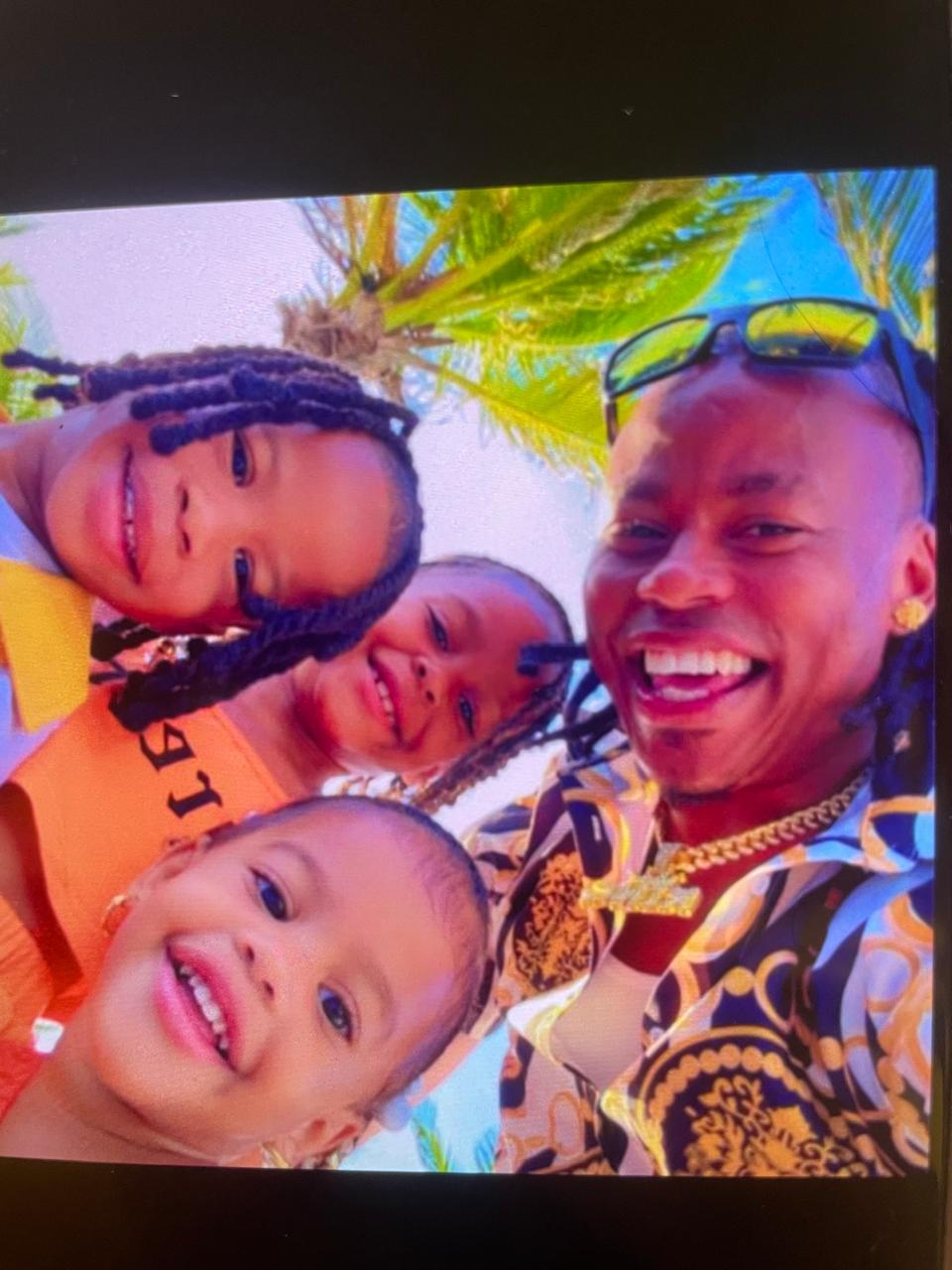
    As news of the tragedy circulated throughout the island nation, digital memorials blossomed across social media platforms, revealing Lionel’s identity as a dedicated parent and aquatic enthusiast. Heartfelt tributes consistently highlighted his profound devotion to his three young children—one son and two daughters—and his authentic passion for marine activities.

    Digital eulogies captured the collective grief, with one social media user noting: ‘You departed while engaged in what you loved most—diving,’ while another tribute emphasized: ‘His children constituted his entire world. Our hearts break for them.’

    Law enforcement authorities have verified that an additional individual sustained injuries during the incident, though specific details regarding their medical status remain confidential pending family notifications. The Marine Intelligence and Investigations Unit has launched a comprehensive investigation to determine the precise sequence of events and contributing factors that led to this fatal maritime collision.

  • Dominica’s Judy Sango participates in UN agencies and OPDs’ webinar highlighting inclusive hiring practices in the Caribbean

    Dominica’s Judy Sango participates in UN agencies and OPDs’ webinar highlighting inclusive hiring practices in the Caribbean

    A groundbreaking regional webinar has galvanized efforts to transform workplace cultures across Barbados and the Eastern Caribbean, with United Nations agencies partnering with Organizations of Persons with Disabilities (OPDs) to accelerate inclusive employment practices. The virtual forum marked a strategic shift from compliance-based approaches to creating genuinely accessible environments where diverse talents can flourish.

    Judy Sango, President of the Dominica Association of Persons with Disabilities and freelance writer, challenged pervasive stereotypes during her address. “The false equivalence between disability and inability remains our greatest barrier,” she noted, urging employers to adopt value-based hiring rather than charitable approaches. Sango emphasized that persons with disabilities demonstrate exceptional problem-solving capabilities, resilience, and reliability when given equitable opportunities.

    Patrice Quesada, UN Resident Coordinator a.i. for Barbados and the Eastern Caribbean, framed employment as a transformative tool for social cohesion. “Inclusive hiring transcends box-ticking exercises—it’s about cultivating environments that genuinely value diversity as the cornerstone of community resilience,” he stated in his opening remarks.

    Barbadian attorney Jeneil Odle brought personal perspective as member of the Barbados Council for the Disabled, advocating for systemic educational reforms. “We need expanded special needs schooling beyond primary level, improved assistive technology access, and comprehensive teacher training,” Odle articulated. She notably reframed inclusion as economic imperative: “This isn’t charity—it strengthens business performance, governance, and societal progress simultaneously.”

    The discussion highlighted structural challenges identified by Michelle Brathwaite of the UN Human Rights Office, including legislative gaps, insufficient data collection, and underfunded support services across the region. UNESCO’s Yeonghyeon Kim emphasized accessible information design as critical for equitable recruitment processes.

    ILO Geneva’s Senior Disability Specialist Stefan Tromelo directly contested harmful assumptions: “We must dismantle the myth that informal economy participation is the only option for persons with disabilities. Decent formal employment must become universally accessible.”

    The forum concluded with spotlight on youth-led initiatives, including Grenadian advocate Zinzee Noel’s ‘HireAbility’ social media campaign developed with the UN Resident Coordinator’s Office. This grassroots movement aims to reshape employer perceptions through authentic storytelling and awareness-building.

  • New School of Agriculture in Glanvilles to Open Next Month

    New School of Agriculture in Glanvilles to Open Next Month

    The Antigua and Barbuda College of Advanced Studies (ABCAS) has announced the imminent launch of a pioneering agricultural education institution at the former Glanvilles Secondary School campus, with operations scheduled to commence as early as next month. This transformative educational initiative represents a strategic repurposing of educational infrastructure to address national priorities.

    Under the leadership of ABCAS President Dr. E. Jonah Greene, the institution is developing a specialized curriculum through collaborative efforts with both local and regional agricultural experts. The inaugural academic offering will feature two intensive short courses focused on crop production and poultry farming, scheduled for deployment between January and February.

    This educational repurposing follows the Cabinet-approved consolidation of Glanvilles and Pares Secondary Schools, a measure implemented to optimize resources amid declining enrollment figures. At the time of merger, Glanvilles recorded 163 students while Pares had 178 enrolled. The transition involved transferring current Glanvilles students to Pares Secondary School, with teaching staff either reassigned to other institutions or retained within the Ministry of Education’s administrative framework.

    The newly designated agricultural campus will leverage Glanvilles’ existing infrastructure, including a fully-equipped science laboratory, home economics department, hydroponic cultivation unit, animal pens, and multiple farm plots. This comprehensive facility repurposing aligns with the government’s heightened emphasis on achieving national food security objectives and advancing specialized agricultural education to strengthen the country’s resilience and self-sufficiency in food production.

  • PM Mottley urges families to join One Family drive to rebuild social fabric

    PM Mottley urges families to join One Family drive to rebuild social fabric

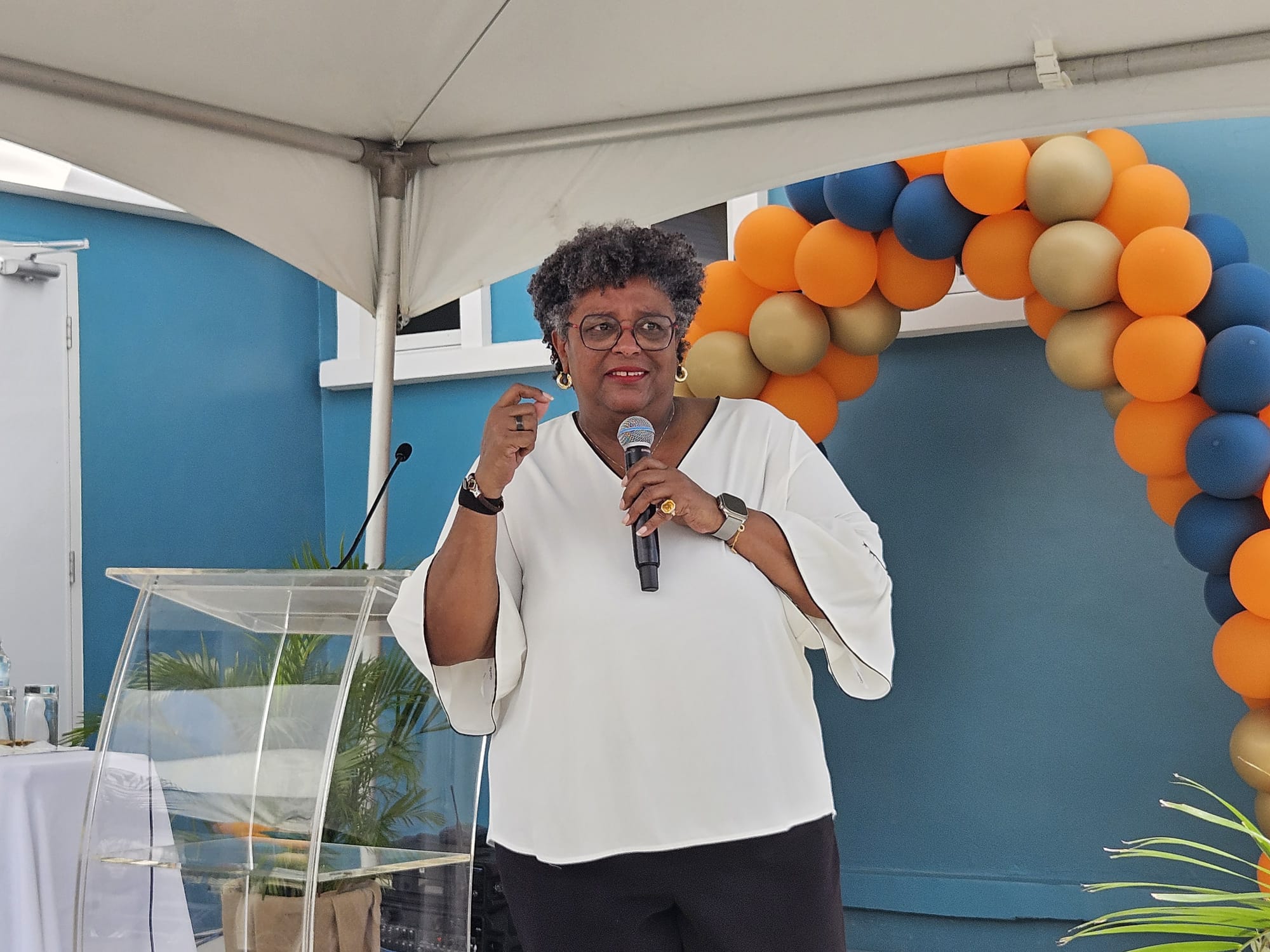
    In a significant national address, Barbados Prime Minister Mia Mottley has issued a powerful appeal for citizens to actively participate in restoring the nation’s social cohesion. Speaking at Wednesday’s inauguration of the first Social Empowerment Agency (SEA) client center in Six Roads, St Philip, Mottley positioned the new integrated social services model as a cornerstone of broader societal transformation.

    The Prime Minister articulated a compelling vision where poverty reduction and community strengthening require collective action beyond government intervention. “The battle to lift families from dependence to independence to nurture interdependence must happen not because government alone is integrating services,” Mottley emphasized, “but through combined efforts of public sector, private enterprise, and community engagement.”

    Mottley framed participation as both moral imperative and practical necessity, particularly urging economically stable citizens to join the One Family Programme. She challenged conventional notions of support, stating: “You can always give money, but money isn’t the only currency that helps to empower. The currency that helps to empower most is a listening ear and a helping hand, a warm heart, and voices that literally encourage others.”

    The Prime Minister illustrated this philosophy with a recent case where a business owner opted for restorative justice over prosecution for several youths in trouble. Through mediation involving parents, officials, and religious leaders, agreements were established to reward positive behavior—including academic improvement—with tangible support such as sporting equipment and transportation to recreational activities.

    Mottley connected this approach to Barbados’ cultural and religious values, reminding citizens: “If we don’t be the country that gives people a second chance, what is the basis of the religious faith of Christianity, if it is not about redemption and opportunities, and forgiveness?” Her address positioned social empowerment as both practical governance and national ethical commitment.

  • Senator Michael Freeland Pays Tribute to Teacher Gen’s Life and Legacy

    Senator Michael Freeland Pays Tribute to Teacher Gen’s Life and Legacy

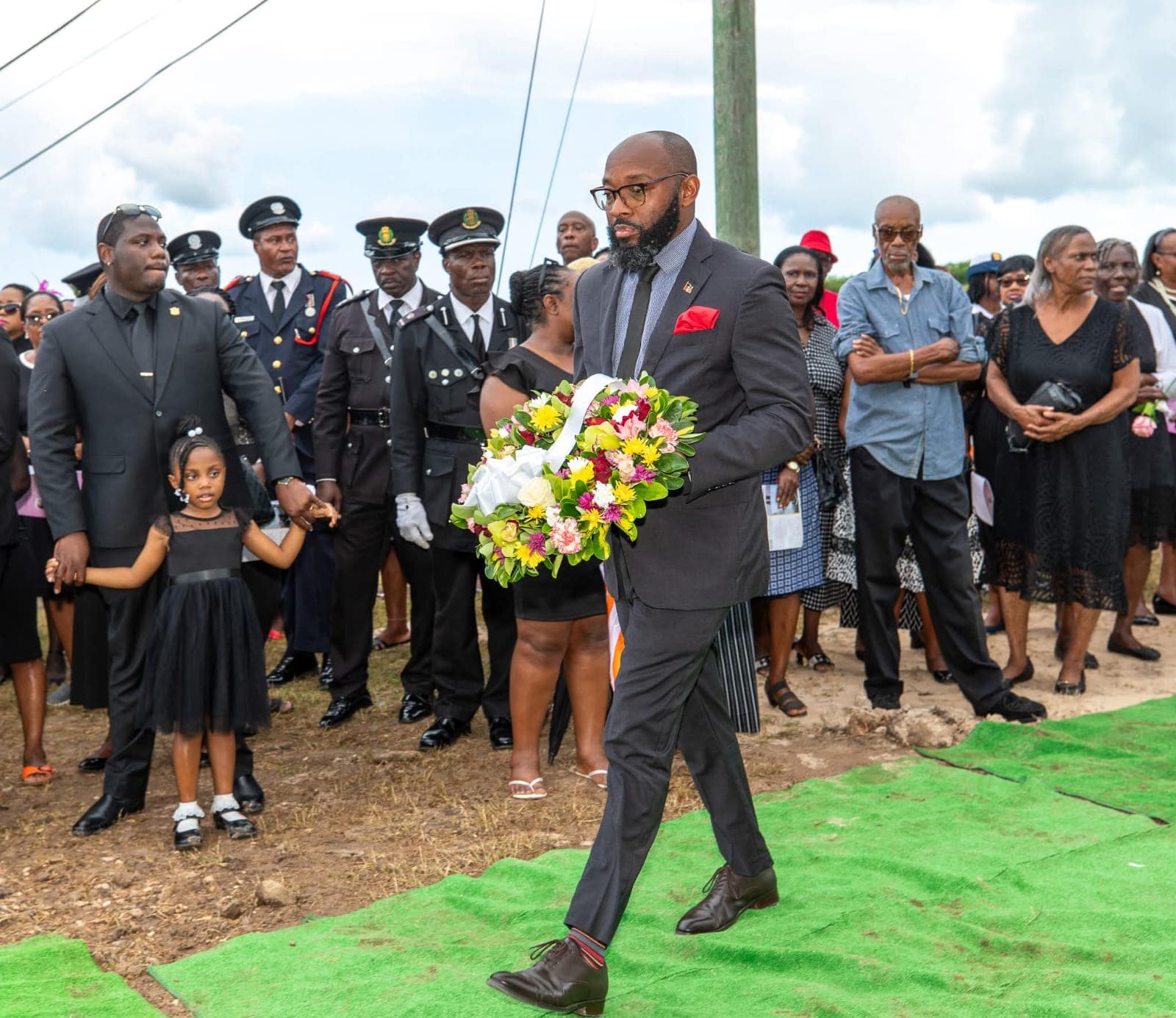
    ANTIGUA AND BARBUDA – The nation came together this week to honor the extraordinary legacy of the revered educator known affectionately as ‘Teacher Gen,’ whose funeral service became a powerful testament to a life lived in service of others. The ceremony, attended by citizens from across the dual-island nation, served as a profound reflection on her enduring contributions to education and community development.

    Prominent political figures joined family members in paying heartfelt tributes. Senator Michael Freeland delivered a poignant eulogy, characterizing the departed as a foundational pillar of society. ‘We gather today to celebrate a true matriarch,’ Senator Freeland stated, ‘whose wisdom, compassion, and unwavering commitment to our children and community will never be forgotten.’

    Her daughter, The Reverend Denise Smith-Lewis, offered a personal perspective on her mother’s lifelong mission. She shared that Teacher Gen ‘stood firmly for family and community, and clearly understood her life’s assignment,’ framing her work as a divine calling rather than merely a profession.

    Further illuminating her profound personal impact, Hon. Anthony Smith Jr. eulogized his grandmother as ‘a remarkable life, a beacon of love, faith, and inspiration to all.’ He provided intimate details of her home, which he described as having long served as ‘a sanctuary for the abandoned… a place where unconditional love, structure, and discipline transformed lives.’

    The widespread attendance and unified outpouring of respect highlighted the deep and lasting imprint of Teacher Gen’s decades of dedication, cementing her status as a national figure whose influence transcended the classroom and shaped the very fabric of Antiguan and Barbudan society.

  • Two Men Sentenced for Unlawful Possession of Cannabis

    Two Men Sentenced for Unlawful Possession of Cannabis

    In a decisive move underscoring the nation’s drug enforcement stance, the Antiguan judicial system has handed down significant financial penalties to two individuals convicted on cannabis possession charges. The rulings were delivered on Wednesday at the All Saints Magistrate’s Court, presided over by Magistrate Ngaio Emanuel.

    The first case involved Terrance Roberts, a 48-year-old resident of Federation Road. Roberts, who had previously entered a guilty plea, was found in possession of 267.8 grams of cannabis. The court imposed a substantial fine of $5,000 Eastern Caribbean Dollars, mandating full payment within a one-year period. Failure to comply with this financial penalty will result in a one-year custodial sentence at His Majesty’s Prison.

    In a separate and concurrent hearing, 32-year-old Roshawn Elliott from Potters Village faced sentencing after similarly pleading guilty. Elliott’s charges stemmed from the possession of a larger quantity—1.1 pounds (approximately 499 grams) of cannabis. Reflecting the greater amount seized, the court levied a more severe fine of $15,000 EC Dollars, also payable within a twelve-month timeframe. Defaulting on this payment will lead to an eighteen-month incarceration period.

    These consecutive sentencing procedures highlight the ongoing enforcement of cannabis legislation within Antigua and Barbuda, demonstrating the judiciary’s consistent application of penalties proportionate to the severity of the offense. The outcomes serve as a contemporary benchmark for drug-related convictions in the nation’s legal landscape.

  • OPINION: Caribbean Faces Rising Unemployment and Economic Uncertainty Amid Calls for Reform

    OPINION: Caribbean Faces Rising Unemployment and Economic Uncertainty Amid Calls for Reform

    The abolition of Caribbean slavery inaugurated a persistent struggle with employment, a complex issue often reduced to simplistic minimum wage debates and sterile statistics that obscure profound human suffering. The transition from plantation economies through post-colonial patriarchy to inadequate worker protection frameworks has left a fundamental question unresolved: what future awaits the region’s workforce?

    Global experiments offer little clarity. Finland’s Universal Basic Income trial provided unconditional payments to unemployed participants with inconclusive results, while India’s longstanding minimum hours protection for agricultural workers faces potential reform. The Cayman Islands recently implemented a hybrid approach emphasizing financial oversight and bureaucratic self-deception, even as the territory’s reputation suffers from yacht seizures and Ponzi scheme associations. Their entire financial sector now faces existential threat from proposed global corporate tax reforms targeting offshore havens.

    The heart of the unemployment crisis lies with disenfranchised youth who statistically drive regional criminal activity. Compounding this, efficiency gains, artificial intelligence, fiscal policies, and social spending demands are eliminating traditional lifetime employment for older workers—though not yet approaching Argentina’s pension crisis severity.

    Caribbean economies remain dangerously dependent on tourism, limited mineral resources, tax haven status, and remittances—a precarious foundation prompting some islands to explore military assistance economies akin to the Philippines. More alarmingly, formerly independent nations are increasingly functioning as U.S. detention facilities, trading sovereignty for economic survival.

    Remittance-dependent economies face additional pressure from American tax policies, while outsourcing sectors confront U.S. government opposition. Regional leadership promises 2026 solutions through economic diversification and sovereign wealth funds, but without substantive action, the future holds only intensified hardship and empty political rhetoric. The responsibility for meaningful change now rests entirely with Caribbean governance structures.