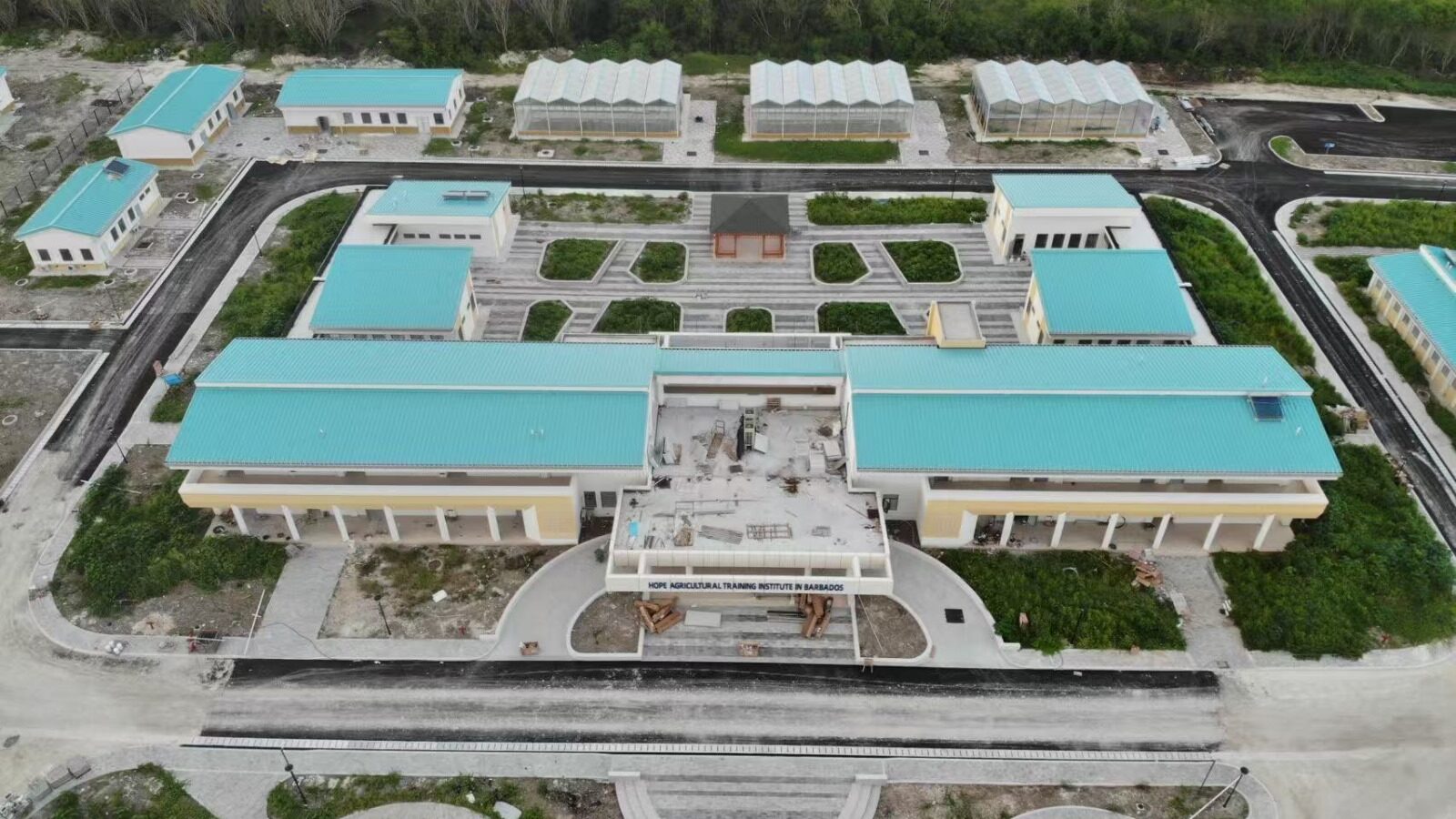
The Hope Agriculture Training Institute (HATI), a multimillion-dollar educational facility in St Lucy, Barbados, is approaching its final construction phase with 98% completion achieved. Chinese contractors confirm the China-funded project remains on schedule for handover to Barbados’ Ministry of Educational Transformation by early 2026, despite recent weather-related setbacks affecting final paving and fencing works.\n\nDuring a site inspection at Hope estate, project officials from Shanghai Construction Group (SCG) and supervision firm SIPPR Engineering Group provided detailed progress updates. Wu Weizhong, SCG project manager, acknowledged that heavy rainfall had temporarily delayed asphalt paving and fencing operations, but emphasized the contractor’s proactive engagement with local suppliers to maintain timelines.\n\nFollowing construction completion, the facility will undergo comprehensive technical commissioning once water and electricity connections are established. \”We need to run the entire project to ensure all equipment and facilities operate smoothly,\” Wu explained, highlighting the rigorous testing phase ahead.\n\nThe project represents a significant bilateral cooperation effort between China and Barbados, with managers crediting the Ministry of Educational Transformation and Chinese embassy support for effective problem-solving. \”We believe solutions always outnumber problems,\” Wu stated, reflecting the collaborative approach.\n\nDesigned as an educational revolution in agricultural training, HATI will consolidate tertiary agricultural programs currently dispersed across multiple Barbadian institutions. The 57,000-square-foot complex will serve 300 students and 60 faculty members through three specialized zones: livestock facilities, academic/administrative buildings, and residential accommodations.\n\nNotable features include seven livestock sheds, three greenhouses, demonstration classrooms, repair workshops, and climate-resilient design elements. The facility incorporates ISO 9001 quality management standards and specifically addresses Caribbean environmental challenges through salt-spray corrosion resistance, hurricane resilience, and rainwater collection systems.\n\nDesign modifications implemented during construction include expanded elevator dimensions, 13 underground water storage tanks, and conversion to natural gas generators. The institute will feature full accessibility compliance with disability-friendly infrastructure throughout all facilities.\n\nBarbadian Minister of Training and Tertiary Education Sandra Husbands has previously characterized the project as \”a tremendous investment\” and \”a gift to the people of Barbados by the Chinese,\\” recognizing its potential impact on agricultural education and food security initiatives.
分类: society
-
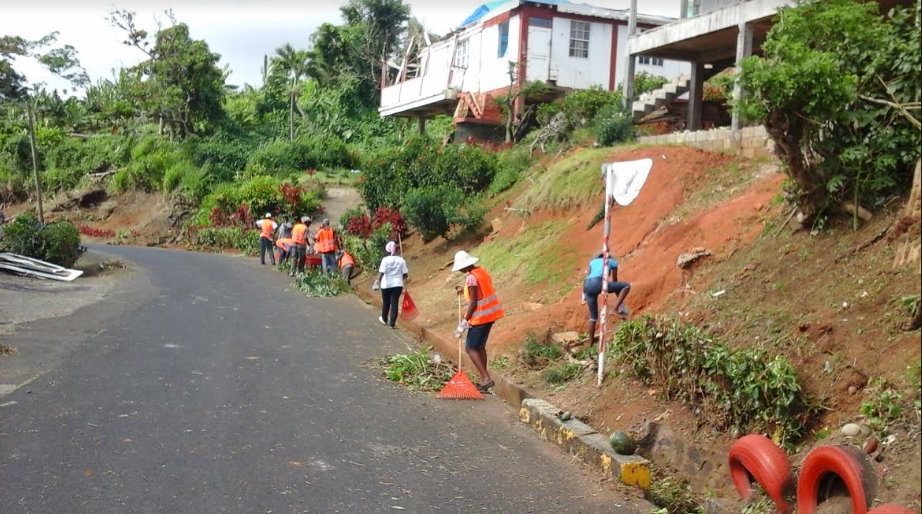
Finance minister reports growth in National Employment Programme
Dominica’s National Employment Programme (NEP) has reached a significant milestone with 3,587 interns actively participating as of October 2025, according to Finance Minister Dr. Irving McIntyre’s recent parliamentary address. The workforce development initiative continues to demonstrate substantial impact on both individual careers and broader economic stability.
Established as a strategic bridge between academic training and professional employment, the NEP specifically targets unemployment reduction through comprehensive skills development and job placement services. The program has received reinforced governmental backing with an additional $15 million investment beyond originally budgeted allocations for the 2024-2025 fiscal period.
Minister McIntyre emphasized the program’s dual benefit system: “NEP stipends generate continuous economic stimulus by flowing directly into local communities, supporting consumption patterns, small business sustainability, and family livelihoods.” This injection of capital creates multiplicative economic effects throughout Dominica’s economy.
The program’s success metrics extend beyond immediate employment figures. Between June 2024 and July 2025, 291 participants completed the program, with many transitioning into permanent positions using acquired professional competencies. The minister characterized the initiative as “an essential professional launching path” that systematically builds resumes, enhances workplace confidence, and develops critical professional networks.
Dr. McIntyre concluded his assessment by framing the NEP as “a true pillar of support for Dominica and its people,” highlighting its sustained contribution to national socioeconomic development through multifaceted interventions that address both individual career development and broader economic stimulation.
-
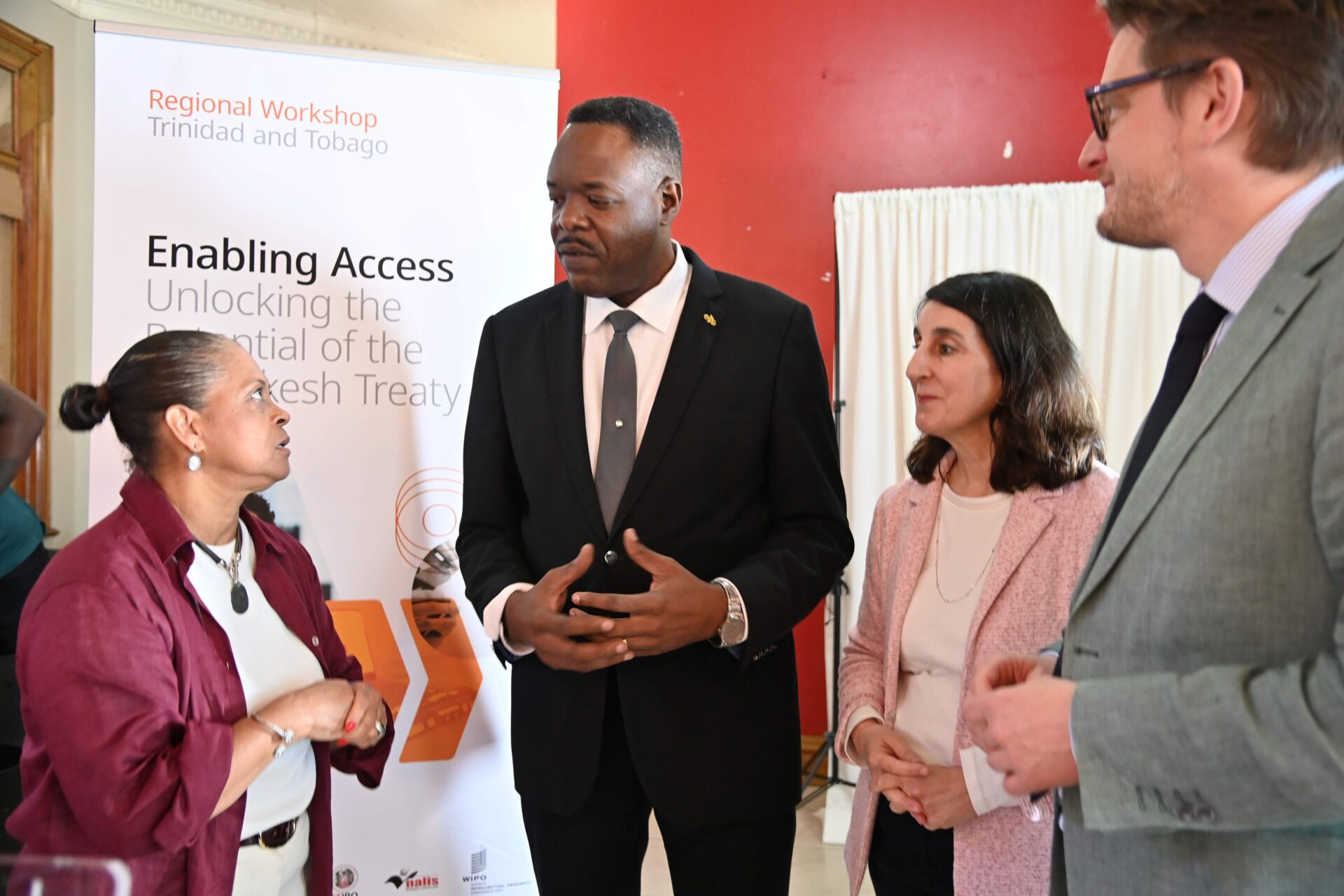
CXC calls for greater accessibility in educational resources
In a groundbreaking address to educational publishers, Dr. Wayne Wesley, Registrar and CEO of the Caribbean Examinations Council (CXC), has declared accessible learning materials “a moral imperative” for the education sector. The senior official’s powerful statement came during a World Intellectual Property Organization workshop in Port-of-Spain on November 26, where he outlined transformative policy changes that will reshape educational publishing across the Caribbean region.
Dr. Wesley emphasized the urgent necessity for learning resources in multiple accessible formats, including braille, large print, and digitally compatible editions that work seamlessly with assistive technologies. This strategic direction aligns with the international framework established by the Marrakesh Treaty, adopted in 2013 to facilitate access to published works for persons who are blind, visually impaired, or otherwise print-disabled.
The CXC has instituted a mandatory requirement for all future contractual agreements with publishers to include the production of accessible digital formats. In a significant incentive measure, authors who demonstrate support for the Marrakesh Treaty principles will receive priority consideration when selecting prescribed texts for syllabuses across the Caribbean education system.
Statistical evidence presented by Dr. Wesley highlighted the critical nature of this initiative. Recent data reveals that among Caribbean children aged 5 to 16, more than 0.1% experience blindness while up to 0.3% live with low vision conditions. Country-specific studies show 2.4% of Barbadian children under 18 cope with visual impairment, while 64% of high school students in Trinidad and Tobago require visual aids due to refractive errors. Hearing impairment also presents substantial challenges, with Jamaican research indicating a 4.9% prevalence rate among young students.
The growing demand for accessibility accommodations is reflected in examination statistics. In 2025, CXC provided Special Arrangement Assessments for 3,444 candidates across CAPE, CSEC, and CCSLC examinations—a notable increase from 3,271 accommodations in the previous year.
Dr. Wesley framed these statistics in human terms, stating, “Each data point represents an individual child whose educational journey depends on our collective commitment to accessibility. We cannot afford to fail them.”
Looking forward, CXC will collaborate with education ministries throughout the Caribbean to encourage governments to formally sign and implement the Marrakesh Treaty. The council will also conduct comprehensive training and sensitization sessions for secondary school educators, equipping them with the skills necessary to support visually impaired and print-disabled learners effectively.
Reaffirming CXC’s dedication to educational equity, Dr. Wesley concluded: “Accessible educational materials transcend mere legal compliance or ethical considerations—they represent a fundamental moral obligation. Fully implementing the Marrakesh Treaty’s potential will empower visually impaired persons and all learners to read, learn, and ultimately thrive.”
-
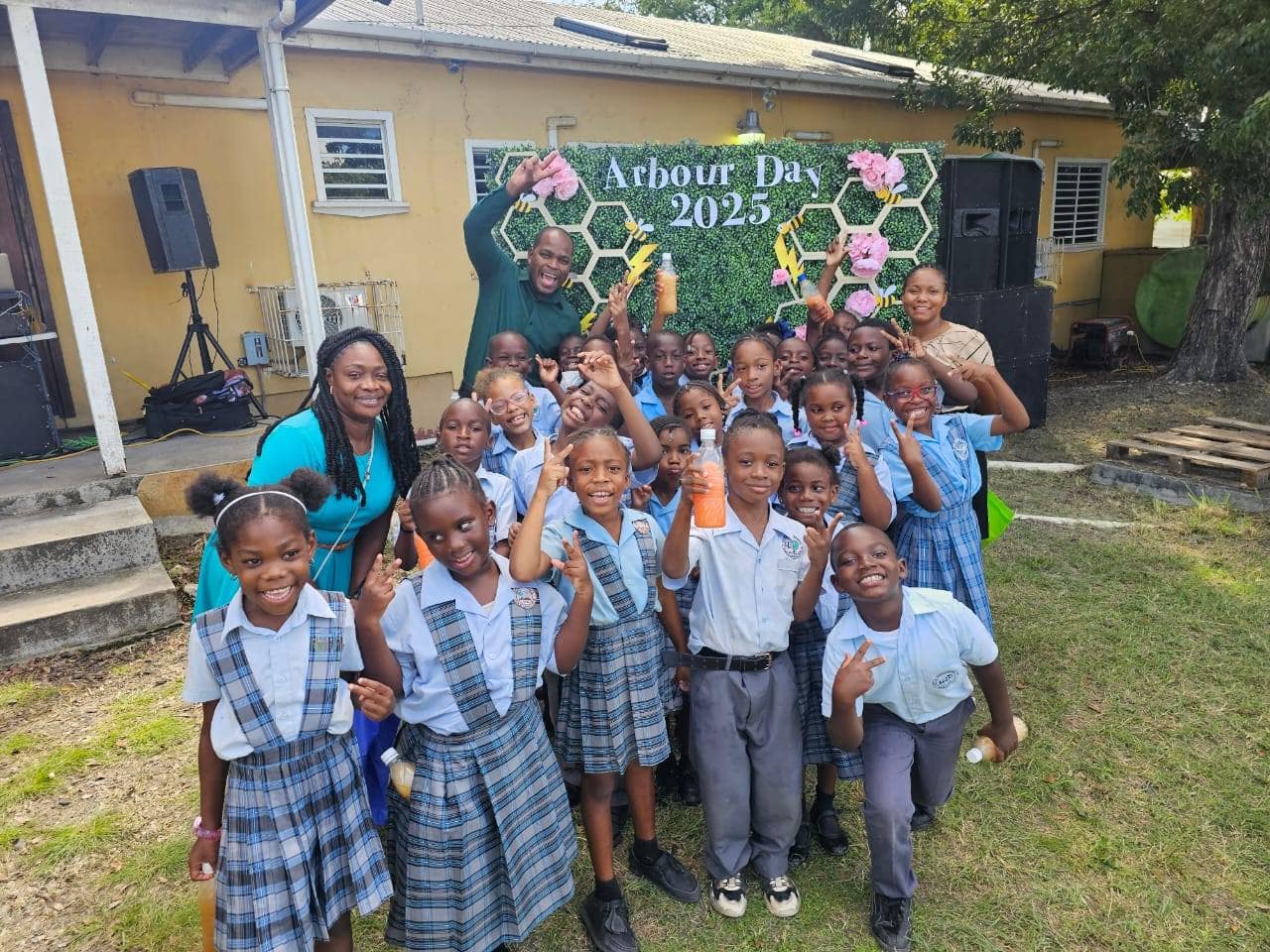
Arbour Day 2025 Hailed A Success
Antigua and Barbuda witnessed a remarkable display of environmental commitment during its island-wide Arbor Day 2025 celebrations, organized by the Department of Environment. The nationwide event focused on promoting ecological awareness, sustainable practices, and active youth participation in conservation efforts.
Educational institutions across the twin-island nation received substantial resources including plants, specialized plant bags, and nutritional snacks, strategically designed to encourage student involvement in conservation activities and home gardening projects. The comprehensive distribution program totaled 25,000 plants, featuring 15,000 assorted fruit plants, 2,000 coconut trees, along with diverse varieties of apple, grape, and citrus seedlings.
The celebrations gained significant governmental support with the presence of Michael Joseph, Junior Minister in the Ministry of Health, Wellness, Environment and Civil Service Affairs. Minister Joseph engaged extensively with participants, touring educational displays, interacting with students, and joining photographic sessions with the young environmental advocates.
An integral component of the event featured specialized educational stalls highlighting critical environmental initiatives. The Plant Protection Unit demonstrated sustainable agricultural practices, while the Beekeeping Initiative showcased pollinator conservation efforts. The Solar Energy Exhibit presented renewable energy solutions, collectively illustrating innovative approaches supporting the nation’s environmental objectives.
The Department of Environment formally acknowledged the collaborative efforts of participating schools, organizational partners, and dedicated volunteers, recognizing their contributions to another successful Arbor Day observance that strengthens national dedication to environmental stewardship and climate resilience.
-

Solid Waste Authority Increasing Cleanup Crews as Demand Grows, Cabinet Says
In response to escalating environmental challenges, the national Solid Waste Management Authority is significantly bolstering its sanitation workforce to address mounting cleanup demands across the island nation. Cabinet officials confirmed Thursday that specialized street and drainage maintenance teams are being expanded to combat deteriorating conditions in public spaces.
Communications Director General Maurice Merchant identified multiple compounding factors driving the operational expansion. Recent torrential rainfall has accelerated vegetation overgrowth along roadways and drainage systems, while persistent illegal dumping practices and recurrent bulk waste accumulation have created unsustainable workloads for existing crews. The authority is now contracting additional personnel to enhance response capabilities and maintain chronically affected zones.
Strategic operational reforms are simultaneously being implemented, including comprehensive rezoning of collection territories. This restructuring comes after cleanup teams reported finding freshly accumulated waste piles at recently cleared sites, indicating systemic challenges in waste management cycles. The manpower increase aims to stabilize cleaning schedules amid the government’s ongoing national beautification initiative.
This workforce expansion constitutes one component of a broader environmental restoration strategy targeting public space rehabilitation. The enhanced cleanup operations will run concurrently with the government’s derelict-vehicle removal program, which has gained substantial public participation according to official reports. The integrated approach underscores the administration’s commitment to environmental stewardship and urban renewal efforts nationwide.
-

Police to Expand Road-Safety Media Campaign With New ABS Programming, Cabinet Says
The Royal Police Force of Antigua and Barbuda is launching an expanded public education initiative to combat dangerous driving behaviors, following concerning road safety statistics presented to Cabinet officials. Police Commissioner Atlee Rodney will collaborate with ABS Television and other media outlets to develop targeted programming addressing the nation’s escalating traffic collision rates.
Director General of Communications Maurice Merchant revealed the strategic partnership during Thursday’s post-Cabinet briefing, emphasizing the urgency of addressing eight road fatalities recorded this year and over 1,300 collisions occurring between June 2024 and June 2025. The comprehensive campaign will focus on three primary objectives: reducing speeding through enhanced enforcement, minimizing distraction-related accidents, and empowering community members to intervene against dangerous driving.
The educational component will be supplemented by strengthened police presence, including nighttime traffic stops and increased visibility in high-risk areas. Merchant stressed that education and enforcement must work synergistically to achieve meaningful behavioral change. Additionally, the police force is awaiting delivery of new radar guns to replace several malfunctioning units currently hampering speed enforcement capabilities.
Coordination with ABS Television is underway, with officials anticipating a formal launch once programming details are finalized. This multimedia approach represents the government’s most robust response to date in addressing what authorities describe as a growing public safety crisis on the nation’s roadways.
-
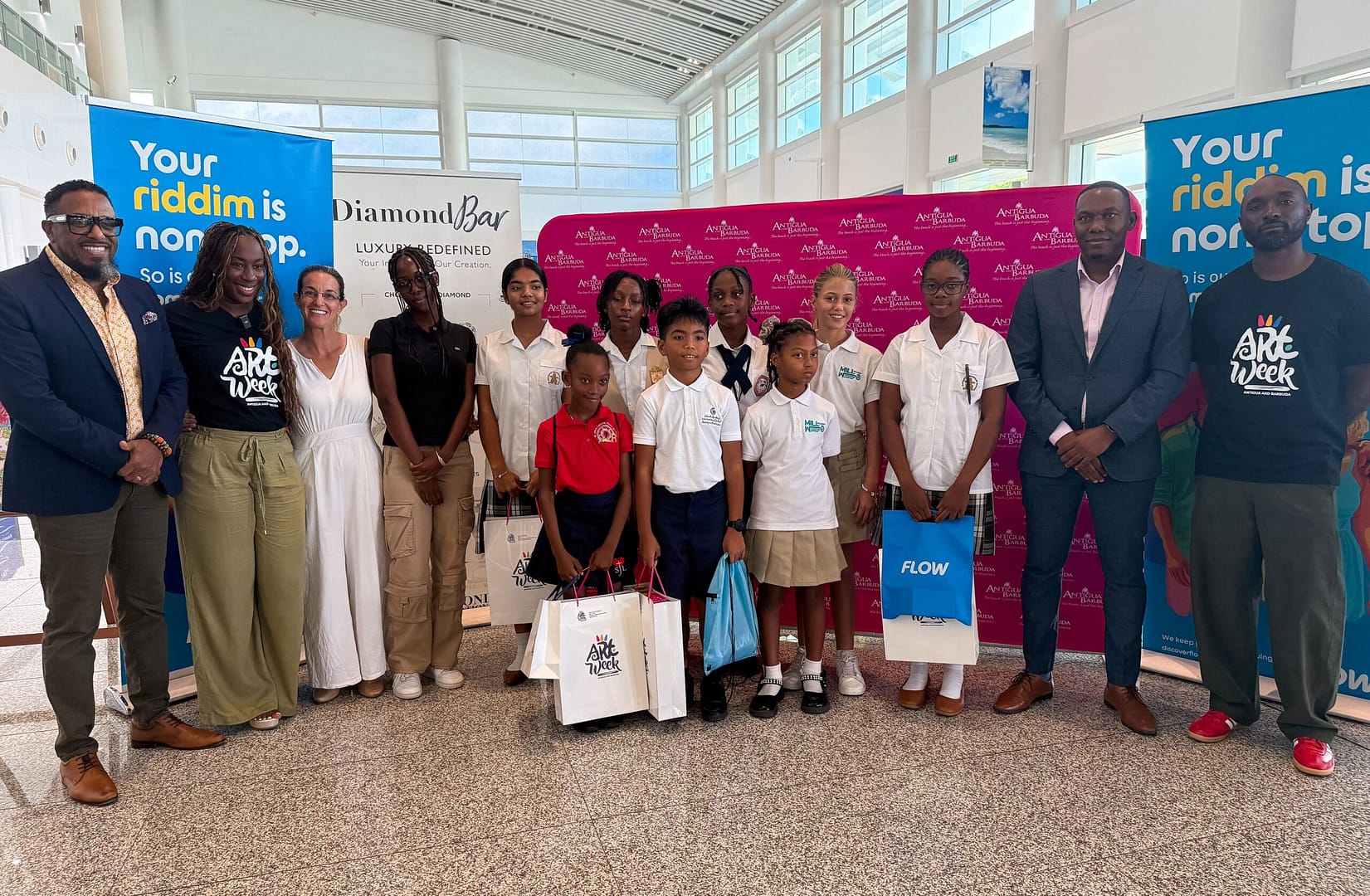
Flow Celebrates Young Artists at Art Week
In a significant boost for youth development and digital inclusion, telecommunications provider Flow Antigua and Barbuda has awarded a suite of cutting-edge technology prizes to the talented winners of the 3rd Annual Antigua and Barbuda Art Week (ABAW) Student Art Competition. The ceremony, which celebrated the nation’s emerging artistic talent, saw the top three winners in each competition category receive new laptops, smartphones, and other valuable technological tools.
The sponsorship and prize presentation underscore a growing corporate commitment to nurturing creative education and bridging the digital divide for young people. By equipping students with modern devices, Flow aims to empower the next generation of artists, providing them with the necessary resources to further develop their digital skills and creative potential. The Antigua and Barbuda Art Week serves as a pivotal platform for showcasing local student artistry, and this corporate partnership significantly elevates the competition’s impact and prestige.
This initiative reflects a broader recognition of the intersection between art and technology, ensuring that young creators are not only celebrated for their traditional artistic talents but are also provided with the digital instruments to thrive in a modern creative economy. The investment in these students is an investment in the cultural and technological future of the nation.
-
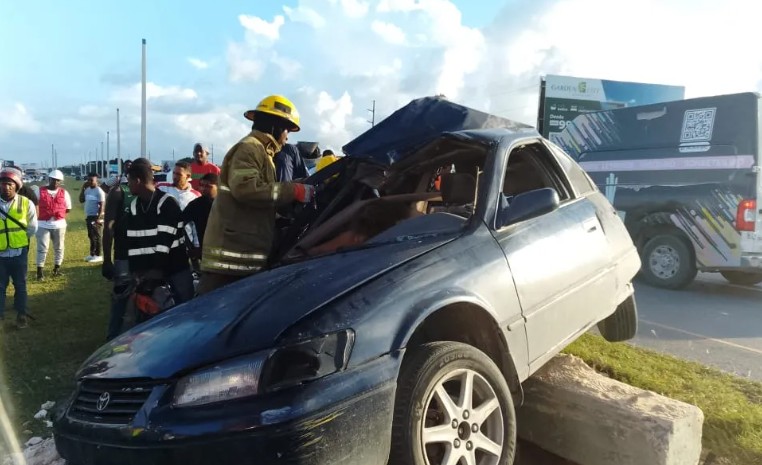
Russian woman dies after car crashes into light pole
A fatal traffic incident in the popular tourist destination of Punta Cana has resulted in the death of a Russian visitor. The accident occurred on Thursday afternoon along the Boulevard Turístico del Este, a major thoroughfare in the Bávaro region.
According to official reports, the collision took place at approximately 4:15 p.m. near the intersection of the Verón-Punta Cana Fire Department. A blue Toyota Camry CE, traveling in the north-south direction, reportedly veered out of control and struck a recently installed light pole that had been positioned by infrastructure company RD Vial.
The impact proved fatal for 39-year-old Mariia Tarasova, who was riding as a passenger in the vehicle. The driver, identified as 58-year-old Aleksey Ivanovich Troyan, also a Russian national, sustained injuries in the crash. Emergency response teams from the 9-1-1 system promptly transported Troyan to the Verón public hospital for medical treatment.
Local authorities have initiated a comprehensive investigation into the circumstances surrounding the accident. Preliminary findings suggest loss of vehicle control as the primary cause, though investigators are examining all potential contributing factors. The newly installed roadway infrastructure, part of ongoing improvements to the tourist corridor, has become a focal point of the investigation.
The tragic incident highlights ongoing safety concerns in the rapidly developing tourist region, where infrastructure expansion and increasing traffic volumes present continual challenges for both residents and visitors alike.
-
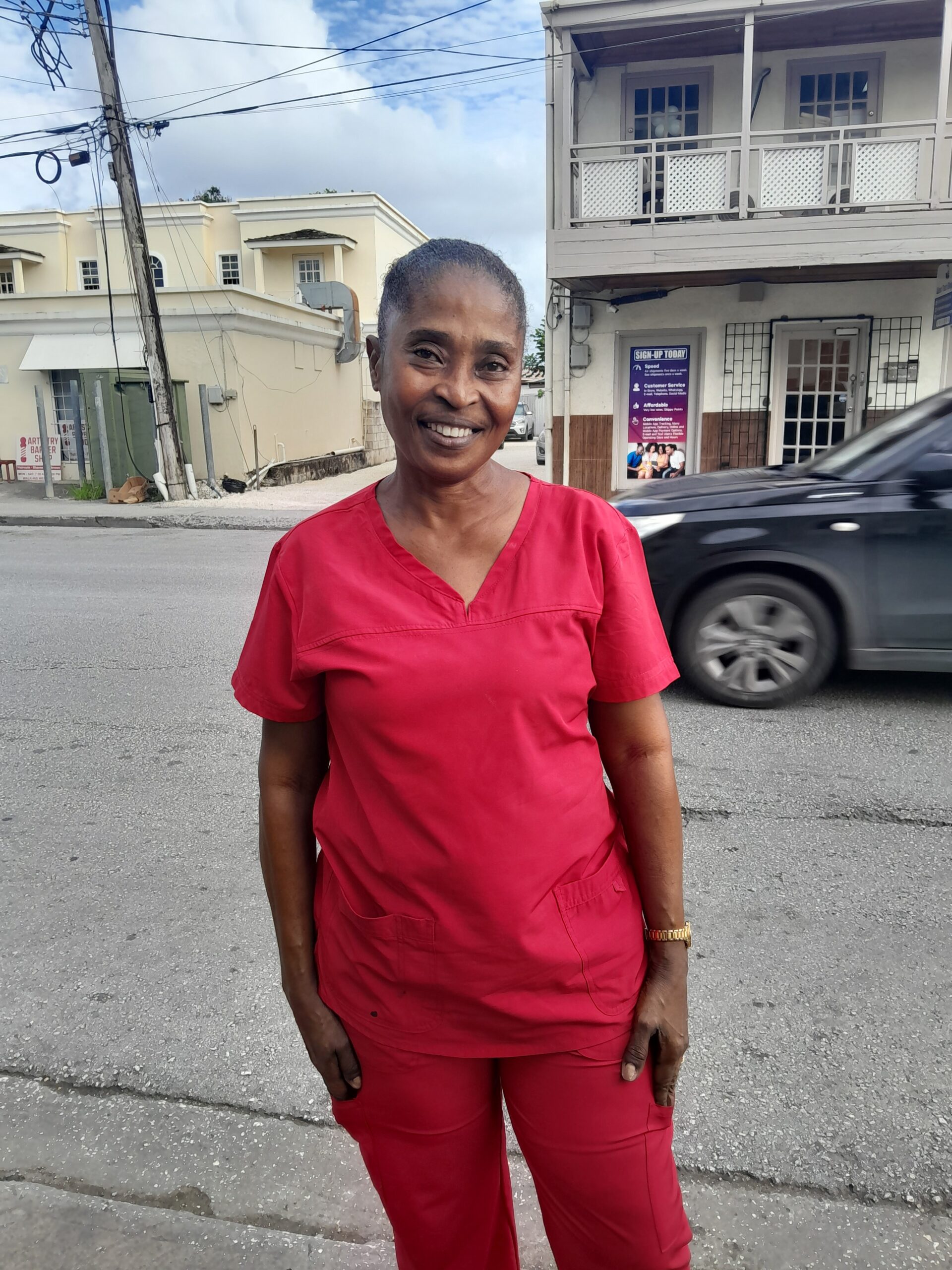
Barbadians’ own ‘thanksgiving’ at Independence
As Barbados approaches its 59th Independence anniversary, citizens across Bridgetown are engaging in profound reflection on gratitude despite facing economic pressures and personal hardships. The collective sentiment reveals a remarkable resilience rooted in faith, community, and appreciation for life’s fundamental blessings.
Amid supermarket price surges and recovery from Hurricane Melissa’s near-miss, residents consistently emphasize thankfulness for divine protection and daily sustenance. Allison Jack articulated this duality: “We have much to thank God for despite current expenses. Being spared from the hurricane while living to offer praise remains paramount.”
The interviews uncover a pattern of gratitude centered on three core themes: spiritual strength, occupational provision, and human connection. Ronald Webster simply appreciates “the Lord’s gift of breath and strength,” while Jermain Jones values gainful employment that sustains his family. Yvette embodies the community spirit, stating her life’s purpose involves being “a blessing to others through helping people.”
Health and longevity emerge as recurring motifs, with Tonya Peters and Sandra Jordan specifically thankful for wellbeing and survival. Samuel Yearwood acknowledges gratitude for “good health and pleasant days,” while Justin notes his improving circumstances after difficult periods.
This tapestry of voices demonstrates how Barbadians maintain perspective during challenging times—finding meaning in protection, provision, community bonds, and the foundational gift of life itself. The national character shows remarkable depth through this unifying practice of thankfulness as independence celebrations approach.
-
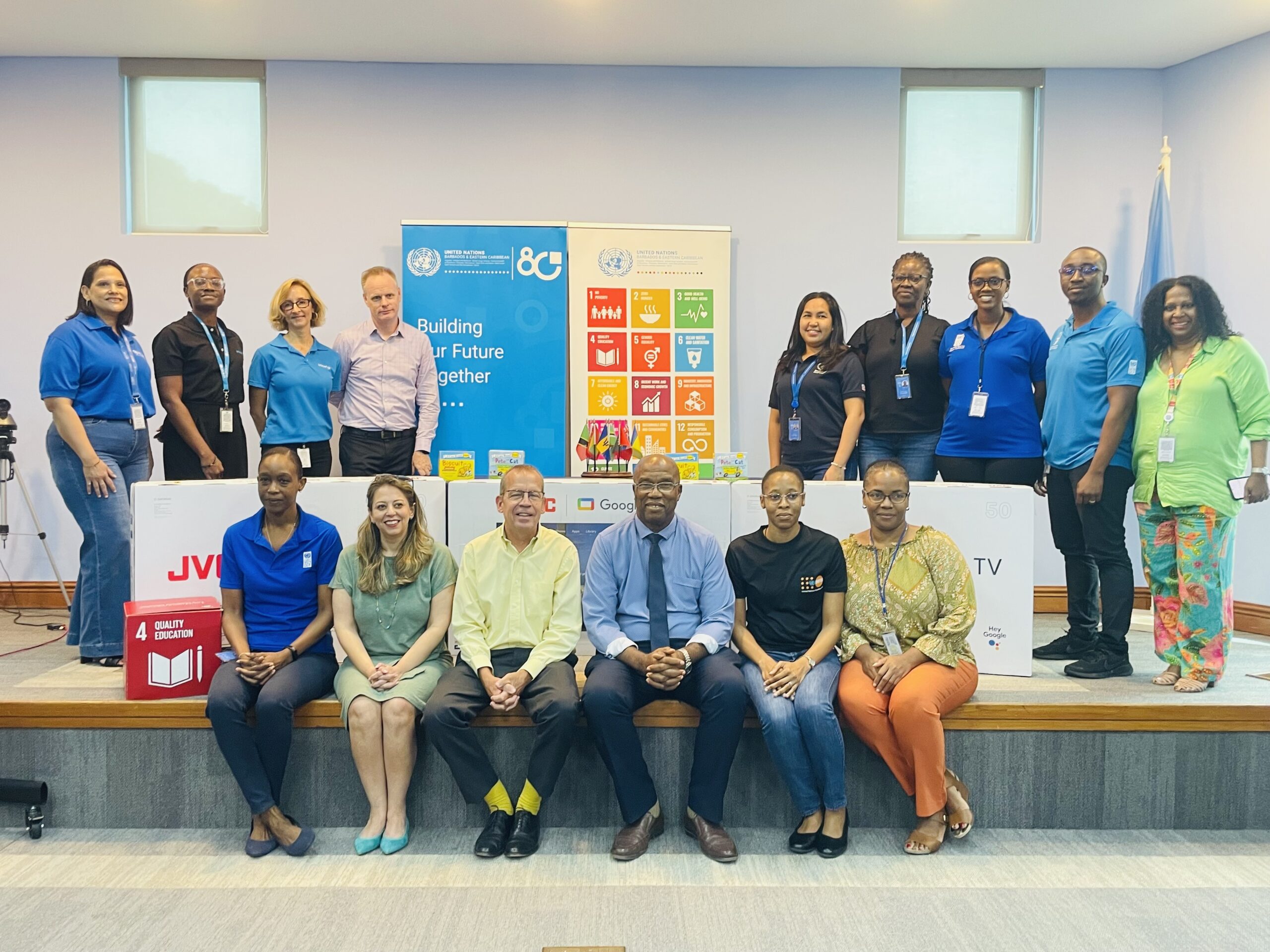
UN agencies donate resources to Arthur Smith Primary
In a significant demonstration of institutional solidarity, multiple United Nations agencies operating from UN House have delivered substantial educational resources to Arthur Smith Primary School, their neighboring educational institution. This philanthropic initiative comes as the Caribbean region confronts the severe aftermath of Hurricane Melissa in Jamaica.
The comprehensive donation package includes multiple television sets with mobile stands, educational literature, painting supplies, and materials for facility refurbishment. These resources are specifically designated for the renovation of one entire academic block within the school premises.
United Nations Resident Coordinator Simon Springett articulated the profound rationale behind this collaboration, stating, “Our relationship extends beyond mere proximity. You are educating our future leaders, many of whom we anticipate will become professionals within our UN building in the coming years.” Springett further emphasized the agencies’ commitment to ongoing educational engagement, highlighting the diverse expertise available within UN House and the willingness of staff to mentor students and stimulate intellectual curiosity.
The UN official also called attention to the educational emergency in Jamaica, where thousands of children currently lack access to schooling due to hurricane-related devastation.
Principal John Quinton of Arthur Smith Primary expressed profound gratitude for the sustained partnership, describing UN House as “a tower of strength and support to the school.” He detailed the remarkable technological transformation the school has undergone through previous UNDP assistance, noting that from a single television serving nearly 400 students, the institution now enjoys significantly enhanced multimedia capabilities.
The school’s internet infrastructure, upgraded through UNDP support, now enables teachers to utilize digital educational tools throughout the campus. Principal Quinton also emphasized the institution’s commitment to regional solidarity, echoing the Caribbean principle that “when one hurts, everyone hurts,” as the school prepares to support Jamaican relief efforts.
Marquita Sugrim, Communications Consultant at the Food and Agriculture Organization, reinforced the deep institutional bond, stating, “Arthur Smith is our extended family.” She highlighted the school’s participation in UN events and performances, while noting that the current donation represents only the initial phase of support, with additional resources anticipated in the near future.