分类: society

  • Hubert Elrington Fails to Meet Judgment Deadline

    Hubert Elrington Fails to Meet Judgment Deadline

    A significant development has emerged in the ongoing legal proceedings involving Senior Counsel Hubert Elrington, as confirmed by court authorities on February 24, 2026. The prominent Belizean attorney has failed to comply with a High Court mandate requiring substantial financial restitution by the specified deadline.

    The case stems from a January ruling where the High Court determined that Elrington violated his fiduciary responsibilities as executor of the late James Lightburn’s estate. Judicial authorities characterized these violations as particularly severe, citing Elrington’s failure to provide proper accounting and distribution of estate assets.

    The court’s judgment mandated payment exceeding $337,000 Belize dollars, supplemented by 5% annual interest retroactive to June 2017, in addition to $10,000 for legal expenses. Beyond financial penalties, the ruling required submission of comprehensive estate documentation and directed that the decision be formally communicated to both the General Legal Council and the Bar Association for potential disciplinary review.

    This verdict represents the second major disciplinary action against Elrington within recent months. In late 2025, the General Legal Council imposed a six-month suspension against the attorney for serious professional misconduct in an unrelated case, simultaneously ordering reimbursement of approximately $6,000 to an affected client.

    With the payment deadline now expired without compliance, the judicial system is positioned to initiate enforcement procedures. This development marks a critical juncture in the legal accountability of a senior member of Belize’s legal community, potentially carrying implications for professional standards within the nation’s judicial framework.

  • Carnival Clash: Band Leader Confronts President Over Missing Prize

    Carnival Clash: Band Leader Confronts President Over Missing Prize

    A contentious confrontation has erupted within Belize’s Carnival Association, casting shadows over the transparency of prize fund management during a recent press conference. Band leader Leroy Smith of Fort Revelers publicly challenged President Patrick Thompson regarding an unfulfilled promise of third-place prize money.

    The dispute originated when two competing bands were disqualified from competition for failing to meet the mandatory requirement of fielding 100 revelers. Smith asserted that despite this disqualification, association leadership had committed to awarding the third-place prize to one of the affected bands. The controversy has now expanded beyond the initial promise, raising critical questions about whether unclaimed prize funds were properly returned to the National Celebrations Commission (NCC), the governmental body responsible for funding carnival prizes.

    In his defense, Thompson referenced the association’s rulebook which clearly stipulates participation eligibility requirements. He emphasized that the disqualification was solely based on numerical shortcomings rather than subjective judgment. The president further clarified the financial workflow, explaining that prize money never enters the association’s accounts directly. Instead, the NCC disburses funds exclusively to qualified winners based on official results submitted by the association.

    Thompson stated unequivocally that since no third-place winner met the criteria, the NCC consequently never issued the corresponding prize check. This procedural explanation however failed to address Smith’s core allegation regarding the alleged promise of awarding the prize despite the disqualification. The public exchange has ignited broader concerns about accountability and financial transparency within the organization responsible for managing one of Belize’s most significant cultural celebrations.

  • Women in Law Enforcement Preparing for Historic March

    Women in Law Enforcement Preparing for Historic March

    In a groundbreaking display of gender solidarity, Belize’s law enforcement agencies are preparing to make history with the nation’s first all-female march through the streets of Belize City. Scheduled for March 2nd, 2026, this unprecedented event will feature approximately 650 uniformed women from the Belize Police Department, Coast Guard, and Belize Defense Force collectively demonstrating their commitment to public safety and gender representation.

    The historic procession will commence at 9:00 a.m. from the House of Culture, proceeding along Regent Street and onto Albert Street. Organized in conjunction with Women’s Month observances, the march operates under the thematic banner “Uniting Women in Law Enforcement for a Safer Belize.” Assistant Superintendent Stacy Smith, Staff Officer of the Belize Police Department, confirmed the participation of multiple law enforcement branches and extended invitations to educational institutions and the general public to witness this landmark event.

    According to ASP Smith, the collaborative initiative aims to showcase the strength and unity of women serving in traditionally male-dominated security sectors. The march represents both a celebration of women’s contributions to national security and an inspirational display for younger generations considering careers in law enforcement. Organizers emphasize that this coordinated public demonstration will highlight the evolving role of women in maintaining public order while promoting greater gender inclusion within Belize’s security apparatus.

  • AGHS Graduation Ban Over Hairstyles Withdrawn After Ministry Intervention

    AGHS Graduation Ban Over Hairstyles Withdrawn After Ministry Intervention

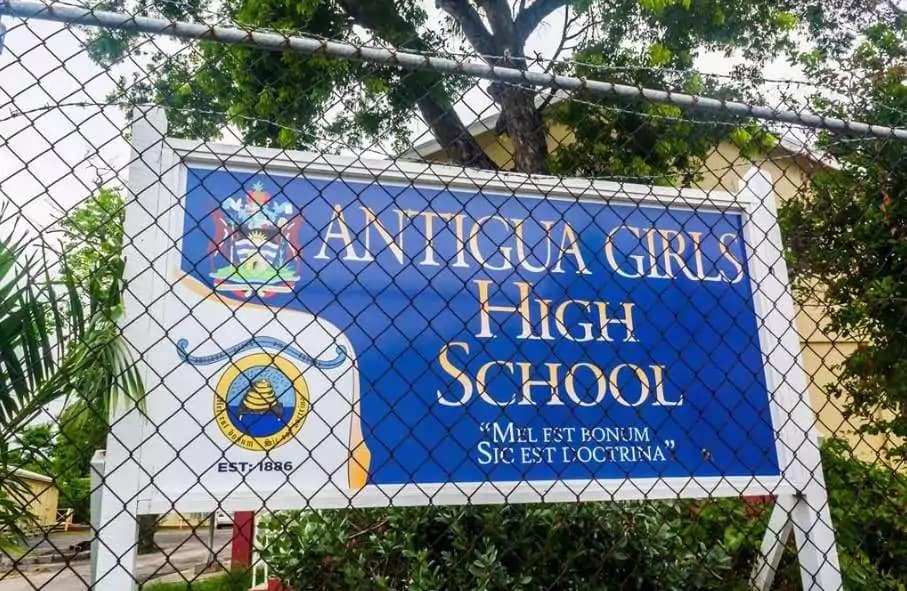
    A contentious policy that threatened to bar several fifth-form students from their graduation ceremony at Antigua Girls’ High School has been officially revoked after the Ministry of Education intervened in the dispute. The controversy originated when Principal Rosalind Beazer issued a directive prohibiting hair extensions, braids, weaves, and artificial hair coloring, warning that violations would result in exclusion from the graduation proceedings. The situation escalated when multiple students were sent home during a yearbook photo session for non-compliant hairstyles, sparking widespread public debate across the community.

    The proposed punishment drew significant criticism from residents who characterized the measure as excessively harsh for a minor infraction. Director of Education Clare Browne addressed the matter on national television, stating that denying students their graduation rights over hairstyle violations would constitute a disproportionate response. This perspective prompted the Ministry to facilitate a resolution meeting involving school administrators, parents, and the affected students.

    During the convened meeting, school officials formally withdrew the graduation ban, though they required the students to compose letters of apology to be presented before school administrators and their peer group. The gathering also addressed separate allegations concerning a senior educator who allegedly conducted physical inspections by running hands through students’ hair to check for extensions. While a deputy principal refuted these claims, two students reportedly identified the educator in question. Additional concerns emerged as one parent claimed a student was stripped of her prefect badge and another removed from the graduation planning committee in relation to the incident.

    Parents have expressed considerable relief that their daughters will now participate in the graduation ceremonies without further restrictions. The fifth-form students are scheduled to begin study leave on April 16 in preparation for the forthcoming Caribbean Secondary Education Certificate (CSEC) examinations in May and June.

  • Teacher Denied Invalidity Benefits After Decades of Service

    Teacher Denied Invalidity Benefits After Decades of Service

    A veteran educator’s prolonged struggle for disability benefits has raised fundamental questions about social protection systems for long-serving public servants. Gerardo Aldana, who dedicated 28 years to teaching at Santa Elena Primary School, finds himself in financial distress despite decades of Social Security contributions after a career-ending spinal injury left him with five herniated disks.

    The former teacher’s ordeal began nearly ten years ago when he was compelled to resign following extended medical leave. Despite meeting contribution requirements and providing extensive medical documentation, Aldana’s application for invalidity benefits remains unresolved. His case highlights systemic challenges facing workers who develop severe health conditions after long careers.

    Social Security Board authorities have now initiated a formal investigation into the delayed processing of Aldana’s claim. Vanessa Vellos, SSB’s Public Relations Manager, acknowledged the seriousness of the matter while emphasizing the need for comprehensive review before reaching conclusions. “This matter is currently under review,” Vellos stated. “It has been my experience that when these cases emerge, there is always another perspective to consider.”

    The situation underscores broader concerns about social safety nets for aging educators and public servants. Aldana’s case represents numerous workers who transition from being contributors to claimants within systems they supported throughout their professional lives. His statement about being advised to undergo risky spinal surgery before reapplying for benefits has sparked debate about appropriate qualification criteria for disability claims.

    As the investigation proceeds, education advocates and workers’ rights organizations are monitoring developments closely, seeing Aldana’s experience as indicative of larger structural issues within social security administration for long-term contributors facing health crises.

  • Exclusive: Regulator links uninsured vehicle surge to affordability, not enforcement failure

    Exclusive: Regulator links uninsured vehicle surge to affordability, not enforcement failure

    Barbados faces a mounting societal crisis as a staggering number of motorists operate vehicles without insurance, exposing accident victims to severe financial peril. Exclusive insights from Financial Services Commission CEO Warrick Ward reveal this trend is driven less by regulatory apathy and more by prohibitively expensive premiums and structural flaws within the island’s insurance market.

    Current data paints a dire picture: with approximately 180,000 vehicles on Barbadian roads, nearly 50,000 are uninsured or untaxed, indicating that one in four vehicles may be operating illegally. This situation unfolds against a backdrop of escalating road accidents, averaging 15 daily incidents. Industry leaders warn that current loss rates are becoming unsustainable for insurers.

    Anton Lovell, Chief Executive of Co-operators General Insurance Company, provided alarming context: his firm alone processes seven to eight accident claims daily, with island-wide estimates reaching 15 collisions. The average repair cost per incident stands at approximately $10,000, doubling when injuries occur—creating cascading pressures on insurers, foreign exchange reserves for imported parts, and public healthcare facilities like the Queen Elizabeth Hospital.

    Despite Lovell’s assertion that premiums remain “extremely reasonable” given accident frequency and costs, Ward identified affordability as the core issue. He questioned whether coverage has been priced beyond the reach of ordinary citizens, forcing risky decisions to forego insurance. This dilemma highlights broader challenges including low insurance penetration rates and reinsurance complexities affecting the entire Caribbean region.

    Ward emphasized that while the uninsured vehicle problem is significant, the FSC’s regulatory mandate focuses on macro-level industry oversight rather than operational enforcement or policing uninsured vehicles. The commission would only intervene directly if systemic issues emerged through increased consumer complaints or claims processing failures—neither of which have yet materialized significantly.

    Addressing this multifaceted crisis requires coordinated solutions across financial inclusion initiatives, innovative product design, reinsurance reform, and enhanced road safety measures. Ward concluded that striking a balance between insurer viability and policyholder affordability remains the fundamental challenge for Barbados’s transportation ecosystem.

  • Police credit planning, intel for slight drop in crime

    Police credit planning, intel for slight drop in crime

    The Barbados Police Service (BPS) has achieved a measurable reduction in criminal activity, reporting an overall four percent decline in crime rates alongside a significant increase in firearm seizures. Commissioner of Police Richard Boyce presented these findings at the force’s Annual Grand Conference, crediting the progress to a sophisticated intelligence-driven policing model implemented throughout 2025.

    Statistical analysis reveals notable improvements across multiple crime categories: murders decreased by two percent, residential burglaries dropped seven percent, thefts from motor vehicles plunged 26 percent, and motor vehicle thefts declined three percent. This collective improvement resulted in total reported offences falling from 6,301 in 2024 to 6,063 in 2025.

    The most striking achievement emerged in firearm interdiction efforts, with police seizing 84 illegal firearms and 3,339 rounds of ammunition—a substantial increase from the 71 firearms and 857 rounds confiscated the previous year. Commissioner Boyce emphasized that these results demonstrate “strengthened enforcement capabilities, improved intelligence coordination and sustained operational focus on disrupting illegal firearms trade.”

    This law enforcement transformation stems from a comprehensive six-point policing strategy designed to combat rising crime while modernizing operational capacity. The commissioner noted that expanding firearm-related violence necessitated “sustained, coordinated and intelligence-driven intervention” to maintain public safety and preserve Barbados’s reputation as a secure society.

    Technological advancement has been central to this evolution. The BPS has expanded deployment of body-worn cameras, dashboard cameras, and enhanced CCTV coverage to strengthen transparency and accountability. Additionally, the service is leveraging speech-to-text digital note-taking and advanced intelligence analysis to more effectively identify and target high-risk areas.

    The continued development of the Police Records Management Information System (PRMIS) represents another critical component. By digitizing records and streamlining information access, PRMIS supports real-time decision-making at every operational level, from strategic command to frontline response.

    Despite these gains, Commissioner Boyce acknowledged persistent challenges. Certain parishes—including St. Michael, Christ Church and St. Philip—continue to record comparatively higher crime levels. Robberies increased during the reporting period, influenced partly by youth involvement and ongoing firearm-related offences. While major crimes constitute a smaller proportion of overall reports, minor offences dominate statistics, with assaults and woundings representing 17 percent of reported crimes.

    Youth intervention remains central to the service’s prevention strategy, with targeted initiatives focusing on at-risk youth aged 11 to 16. Programs like the King’s Trust International Programme provide life skills, mentorship and constructive alternatives, forming what Commissioner Boyce described as “central to our long-term crime prevention strategy.”

    Road safety metrics showed improvement, with 17 road fatalities in 2025 compared to 4,472 crashes in 2024—a reduction attributed to implementing a non-attendance policy for minor non-injury collisions. This policy adjustment has enabled more efficient resource deployment toward serious road safety concerns.

    The service continues to face staffing challenges, operating approximately 250 officers below full complement. Recruitment remains a priority to maintain effective frontline presence, with the BPS seeking individuals who “embody integrity, courage, discipline and respect for human rights.” In 2025, the service welcomed 47 new officers and 28 special constables, designated 271 senior constables to strengthen supervisory capacity, and transitioned 26 Special Constabulary members to police constables.

    Commissioner Boyce also highlighted institutional progress through the historic appointment of Acting Deputy Commissioner Sonia Boyce as the first female to hold that office in the 191-year-old constabulary.

    The commissioner concluded with a sobering assessment of global criminal threats, noting that as a small island developing state, Barbados remains exposed to “cyber-enabled offences, firearm and narcotics trafficking, human trafficking and gang activity.” This reality necessitates “deliberate and strategic” approaches combining strong enforcement with intelligence-led operations and strengthened community engagement.


  • REMINDER : «J-2» UNESCO Participation Programme 2026–2027, call for proposals

    REMINDER : «J-2» UNESCO Participation Programme 2026–2027, call for proposals

    With the submission deadline rapidly approaching, UNESCO has issued a critical reminder for its 2026-2027 Participation Programme funding cycle. The international organization is calling for project proposals from Member States and officially partnered NGOs across its core competency areas: education, science, culture, communication, and information.

    The funding programme establishes clear financial ceilings based on project scope: national initiatives may receive up to $26,000, sub-regional or inter-regional projects qualify for $28,000, while regional projects can secure up to $38,000. A dedicated emergency assistance mechanism provides up to $50,000 for Member States confronting major disasters within UNESCO’s mandate.

    Each Member State may submit a maximum of seven applications, prioritized according to strategic importance. Notably, at least one of the top three priority projects must demonstrate substantive contributions to gender equality. Regional projects require endorsement from at least three Member States within the same geographical region.

    NGOs maintaining official partnership status with UNESCO are eligible to submit two applications for projects with sub-regional, regional, or inter-regional impact, provided they include formal letters of support from concerned nations.

    Eligible expenditures encompass expertise and consultant services, scholarships, publications and translations, equipment acquisition, and conference, seminar, or training organization. All applications must be channeled exclusively through National Commissions for UNESCO and submitted via online portals before the February 27, 2026 deadline.

  • Community in Evaristo Morales seeks government mediation amid threat of eviction

    Community in Evaristo Morales seeks government mediation amid threat of eviction

    In Santo Domingo’s Evaristo Morales sector, a protracted land ownership conflict has escalated as local residents urgently seek presidential intervention. The neighborhood association has formally requested President Luis Abinader to mediate a dispute that jeopardizes the homes of more than sixty families who have resided on the property for periods ranging from thirty to sixty years.

    Community representative Auristelia Batista emphasized the devastating humanitarian consequences of potential evictions, warning that dozens of families face homelessness without governmental assistance. Residents vigorously contest the ownership claims advanced by Víctor Livio Cedeño Jr., maintaining that the land has historically been state property rather than privately held.

    Batista revealed that this conflict spans more than three decades, noting that the claimant’s father previously attempted to reclaim the land without success. The recent resurgence of these ownership claims has alarmed the established community.

    Residents assert that their homes were constructed through gradual, self-funded improvements over many years. They characterize the current legal proceedings as irregular and have petitioned authorities to conduct thorough scrutiny of the documentation presented by the claimant.

    Agripina Polanco, another long-term resident, provided historical context, explaining that families originally settled in the area when it remained undeveloped. The dispute has intensified substantially as the property’s commercial value has appreciated in recent years. Polanco called for rigorous due process protections to prevent what residents perceive as an imminent injustice against economically vulnerable households.

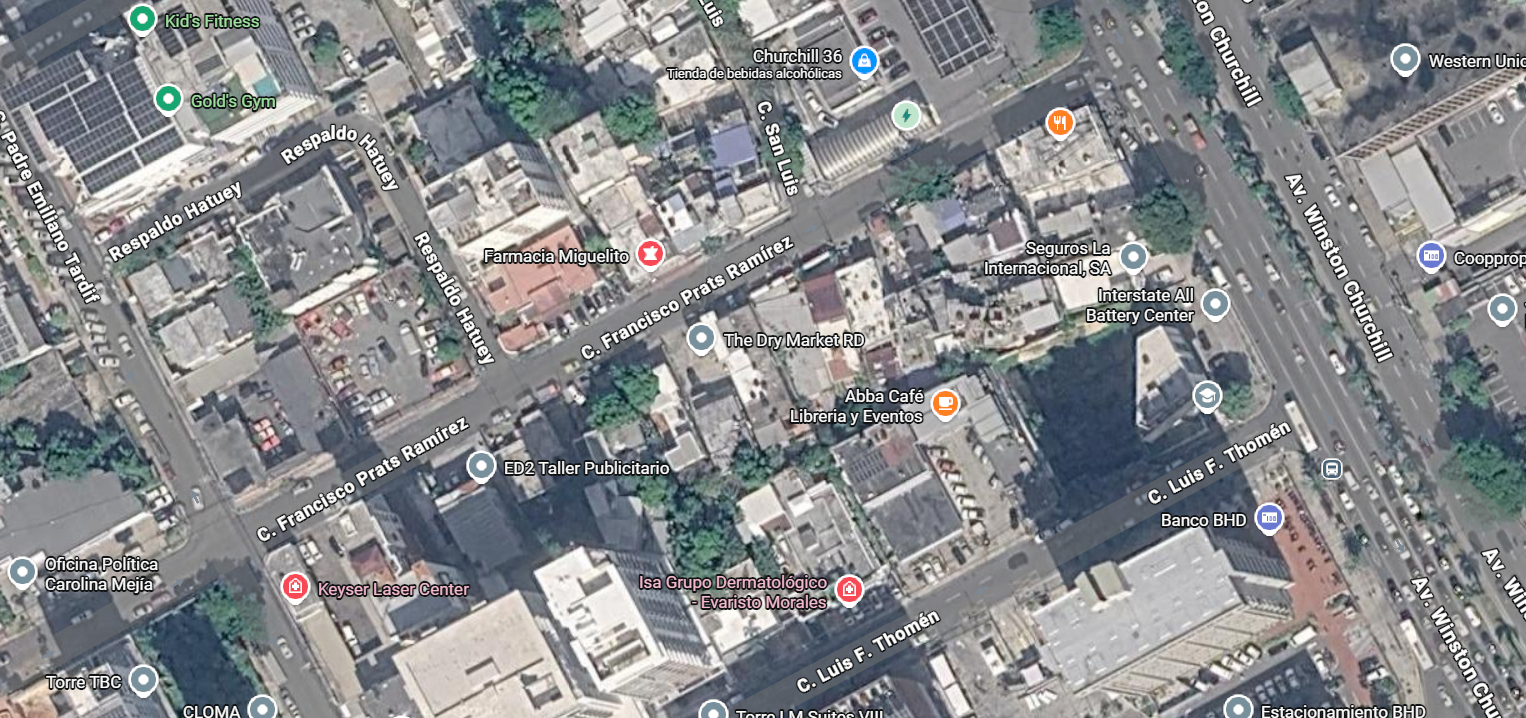
    The contested property is situated between 7th Street, Luis F. Thomen and Francisco Pratts Ramírez streets, and Winston Churchill Avenue in the Evaristo Morales neighborhood.

    Neither governmental authorities nor the claimant have issued official statements addressing the residents’ allegations at this time, leaving the community in a state of uncertainty regarding their housing security.

  • Forensic Officer Testifies as Defence Challenges Police Procedures in Nigel Christian Murder Trial

    Forensic Officer Testifies as Defence Challenges Police Procedures in Nigel Christian Murder Trial

    The murder trial of senior Customs official Nigel Christian entered a critical phase on Monday as forensic evidence took center stage in the High Court. Proceedings before Justice Rajiv Persaud featured detailed testimony from a forensic officer who documented evidence from multiple crime scenes connected to the July 10, 2020 abduction and killing.

    Appearing via video link, the forensic specialist presented a comprehensive overview of photographic evidence collected from three primary locations: the Thibou’s area where Christian’s body was discovered, his McKinnons residence, and various other sites tied to the investigation. The court heard that items of significant evidential value were recovered across these locations, including Christian’s abandoned vehicle and surrounding areas.

    Prosecutors presented a theory of evidence connectivity, asserting that clothing, personal items, and other materials found across multiple locations establish tangible links between the three accused men—Lasean Bully, Wayne Thomas, and Saleim Harrigan—and the alleged crime. Among the recovered items were specific articles of clothing, gloves, and documents reportedly belonging to the deceased official.

    The defense team mounted a vigorous cross-examination, challenging multiple aspects of the police investigation. Attorneys raised substantive concerns regarding arrest procedures, the handling of seized items, and the extraction protocols for security camera footage. Under questioning, a police sergeant acknowledged certain procedural oversights in the investigation process.

    All three defendants have maintained their not guilty pleas. The forensic officer is scheduled to continue testimony when actual photographs are presented to the jury in upcoming sessions.

    Note: In accordance with judicial directives, graphic or excessively detailed evidence has been summarized to preserve trial integrity while the matter remains before the jury.