分类: society

  • Reborn schools in Guantánamo

    Reborn schools in Guantánamo

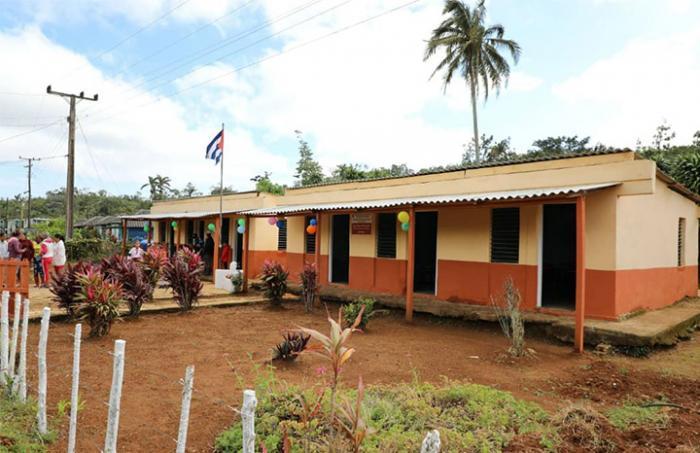
    In an extraordinary display of resilience and coordinated effort, Guantánamo province has successfully restored all 277 educational facilities damaged by Hurricane Melissa’s devastating impact in late October. The comprehensive rehabilitation project, completed in less than four months, represents a significant achievement in post-disaster recovery and educational continuity.

    The Alfredo López Pérez multi-grade school in the Santa Catalina community, which Hurricane Melissa reduced to rubble and isolated through road destruction, now stands fully operational. The institution has been transformed with fresh construction materials and new furniture, welcoming back its ten elementary students from grades one through five. The reopening ceremony was attended by Yoel Pérez García, First Secretary of the Communist Party in Guantánamo, alongside education officials and local government representatives.

    During the immediate aftermath of the hurricane, which caused substantial damage throughout eastern Guantánamo, the educational community demonstrated remarkable adaptability. Temporary learning spaces were established in private homes, agricultural cooperative facilities, and even beneath shaded outdoor areas. Particularly noteworthy was the solidarity shown by 23 mountain schools that expanded their capacity to accommodate students from neighboring institutions that had been completely destroyed.

    This collective effort ensured educational continuity in severely affected areas including La Tagua, Santa Catalina de Manuel Tames, Maisí, Imías, and Baracoa—regions that remained inaccessible for weeks following the hurricane. The successful restoration operation highlights how organizational unity and community cooperation can overcome significant natural disasters while maintaining essential public services.

  • Ministry of Defense commemorates 210 years since birth of Ramón Matías Mella

    Ministry of Defense commemorates 210 years since birth of Ramón Matías Mella

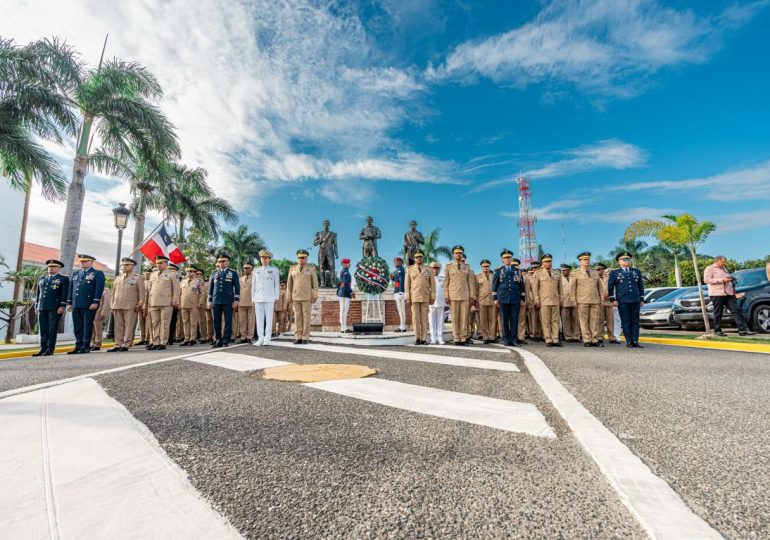
    SANTO DOMINGO – In a significant national observance, the Dominican Republic’s Ministry of Defense conducted a formal ceremony commemorating the 210th birth anniversary of founding father Ramón Matías Mella as part of Armed Forces Day celebrations. The event served to recognize both active-duty and retired military personnel alongside distinguished civilians for their exceptional service and contributions to national institutional development.

    Held at the historic Independence Hall, the ceremony was presided over by Defense Minister Carlos Antonio Fernández Onofre, who was joined by the nation’s top military brass and key government figures. The Ministry conferred its prestigious Recognition of Merit Medal across four distinct categories, celebrating core values including patriotism, loyalty, integrity, and dedication to duty. Additionally, the Special Recognition Medal was awarded to honorees from diverse sectors such as academia, legal practice, healthcare, sports, and public administration.

    Minister Fernández Onofre utilized his keynote address to reaffirm the Armed Forces’ unwavering commitment to safeguarding national sovereignty, independence, and public security. He detailed ongoing initiatives focused on professional military education, strategic readiness training, and technological modernization designed to address contemporary security challenges. Prominent recipients of honors included Public Works Minister Eduardo Estrella, Industry and Commerce Minister Eduardo Sanz Lovatón, Housing Minister Víctor Bisonó, Interior and Police Minister Faride Raful, and Attorney General Yeni Berenice Reynoso.

    The commemorative activities extended beyond the awards ceremony to include a formal flag-raising ritual, full military honors, a solemn mass, and a floral tribute at the statues of the nation’s Founding Fathers located at Defense Ministry headquarters. These traditional elements underscored the enduring patriotic mission that defines the Dominican Armed Forces.

  • Santo Domingo to host Chinese New Year 2026 Spring Festival

    Santo Domingo to host Chinese New Year 2026 Spring Festival

    Santo Domingo is set to host a spectacular celebration for the Chinese New Year 2026, marking the Year of the Horse, through a collaborative initiative between the Jade Foundation for the Chinese Community, the Mayor’s Office of the National District, and the Embassy of the People’s Republic of China. The event, scheduled for February 28 to March 1, will transform the Pavilion of Nations at the Heroes Center into a vibrant cultural hub open to all residents and visitors.

    The festival promises an immersive cultural experience designed to foster deeper connections between Dominican and Chinese communities. Programming highlights include the fourth edition of the Chinese New Year 5K race, dynamic Dragon and Lion dances, and demonstrations of traditional Chinese martial arts. Visitors can enjoy folkloric performances, interactive cultural exhibits, and browse through handicrafts and accessories at a dedicated bazaar. Unique attractions such as Paso Fino horse shows and traditional acupuncture demonstrations will further enrich the experience, while diverse culinary offerings will feature both Chinese and international cuisine.

    Embracing cherished traditions, the celebration will include the distribution of Hong Bao (red envelopes), symbolizing prosperity and good fortune through special raffles. The festivities will culminate in a dazzling fireworks display, providing a festive conclusion to the event.

    This initiative underscores the Jade Foundation’s ongoing commitment to enhancing cultural diplomacy and promoting multicultural integration within the Dominican Republic. By positioning Santo Domingo as a premier destination for international cultural events, the celebration aims to reinforce values of friendship, diversity, and mutual understanding between nations.

  • Leisure : Did you know ?

    Leisure : Did you know ?

    In an innovative approach to cultural education, Quiz.HaitiLibre has launched an engaging series titled “Did you know?” focusing on Haiti’s unique agricultural practices. The latest installment highlights the skidpad, a specialized medium-sized pickaxe that represents a cornerstone of traditional Haitian farming techniques.

    This manually-operated plowing instrument distinguishes itself from conventional hoes through its distinctive design, engineered specifically for aggressive, deep soil tillage. The tool demonstrates particular effectiveness on Haiti’s challenging sloping terrains and heavy soils congested with root systems. Farmers consider the skidpad indispensable for initial land clearing and weeding operations in high-altitude food crop cultivation.

    The agricultural landscape of Haiti’s mountainous regions has necessitated technical adaptations where motorized mechanization remains impractical or impossible. Alongside the skidpad, farmers employ other specialized implements including the dao—a short, wide machete variant—and digging sticks, all reflecting generations of accumulated knowledge.

    Despite their seemingly simple construction, these tools demand significant physical mastery and sophisticated understanding of soil structures. The preservation of this technical expertise, coupled with ongoing improvements in tool ergonomics, presents crucial challenges for enhancing productivity among small-scale mountain farmers. These agriculturalists bear responsibility for the majority of Haiti’s national food production, making their tools and techniques vital to food security.

    The educational initiative forms part of Quiz.HaitiLibre’s broader mission to showcase Haitian heritage through interactive learning. Their platform offers dozens of games across three difficulty levels, available in both French and English, without requiring registration or payment, making cultural education accessible to all audiences.

  • Maxboro Drug Sweep Nets Multiple Parcels of Cocaine

    Maxboro Drug Sweep Nets Multiple Parcels of Cocaine

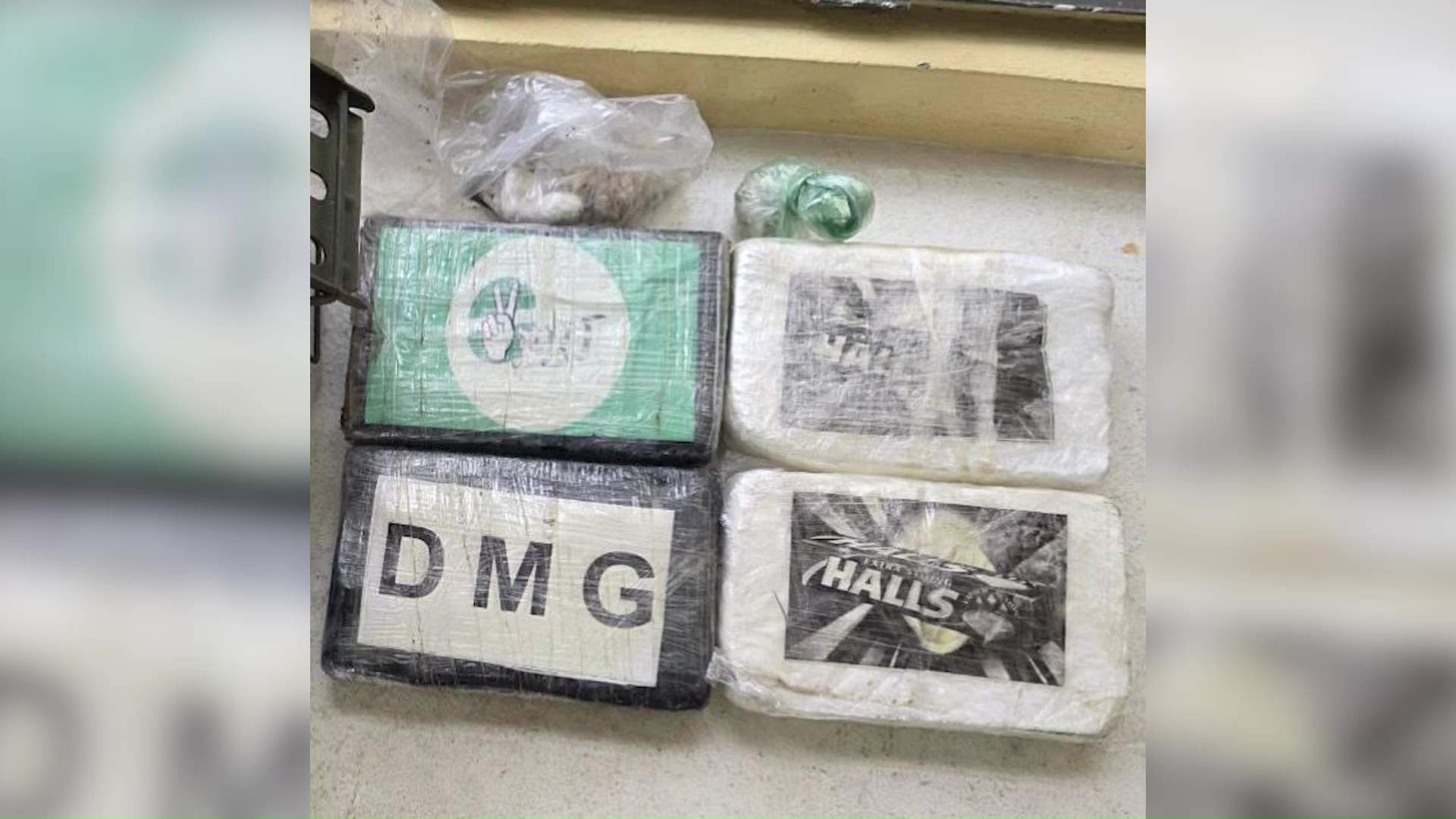
    In a significant law enforcement operation on Wednesday, authorities from Sandhill Village uncovered a substantial cache of illegal narcotics during a targeted sweep of the Maxboro community. The operation resulted in the discovery of multiple cocaine parcels with a combined weight exceeding 4,385 grams (approximately 9.67 pounds).

    According to official reports, investigators initially located four separate packages containing the illicit substance during their systematic search of the area. The operation yielded further results when officers identified an additional 109 grams of cocaine in the immediate vicinity, significantly increasing the total quantity of confiscated drugs.

    While the precise street value of the seizure remains undisclosed, law enforcement experts indicate that the amount represents a substantial disruption to local drug distribution networks. The discovery of such a considerable quantity suggests possible connections to organized criminal operations rather than individual consumer-level possession.

    Police authorities have maintained that their investigation remains active and ongoing, with forensic analysis and evidence collection continuing at the scene. No suspects have been publicly identified in connection with the drug cache at this time, and officials have not disclosed whether any arrests were made during the operation.

    The successful intervention forms part of broader ongoing efforts by Sandhill Village law enforcement to combat narcotics trafficking and distribution within the community. Police representatives have encouraged residents with additional information to come forward as investigators work to identify those responsible for the substantial drug stash.

  • Ruta Maya Organizers Defend Race’s True Purpose

    Ruta Maya Organizers Defend Race’s True Purpose

    BELIZE CITY – The La Ruta Maya River Challenge, Belize’s premier river race event, faces mounting criticism over its most significant route alteration in nearly thirty years, prompting organizers to vigorously defend the competition’s foundational principles against accusations of commercial drift.

    With the 2026 edition introducing contentious modifications including finish-line relocation and stricter vending regulations, spectators and local vendors have expressed growing frustration. Critics contend these changes signal a departure from the event’s original focus on environmental consciousness and cultural tradition toward revenue-oriented priorities.

    Committee Vice Chair Roberto Harrison, a 29-year veteran of the event, directly addressed these concerns in an exclusive interview. ‘We have never shied away from the original creators’ vision that environmental awareness constitutes the essential core of “it’s more than just a race,”‘ Harrison asserted.

    The vice chair detailed the committee’s ongoing efforts to highlight ecological challenges facing the Belize River, including improper waste disposal and agricultural development encroaching on riverbanks. While acknowledging the need for enhanced environmental initiatives, Harrison emphasized the necessity of collaborative partnerships with government agencies and non-governmental organizations to effectively address these complex issues.

    The controversy emerges as the race undergoes its most substantial operational overhaul since inception, testing the balance between preserving tradition and implementing organizational changes. Harrison maintains that despite procedural adaptations, the event’s commitment to river conservation and public education remains unwavering, though he concedes additional measures are required to strengthen environmental advocacy efforts.

  • Central America Unites to Safeguard Indigenous Languages

    Central America Unites to Safeguard Indigenous Languages

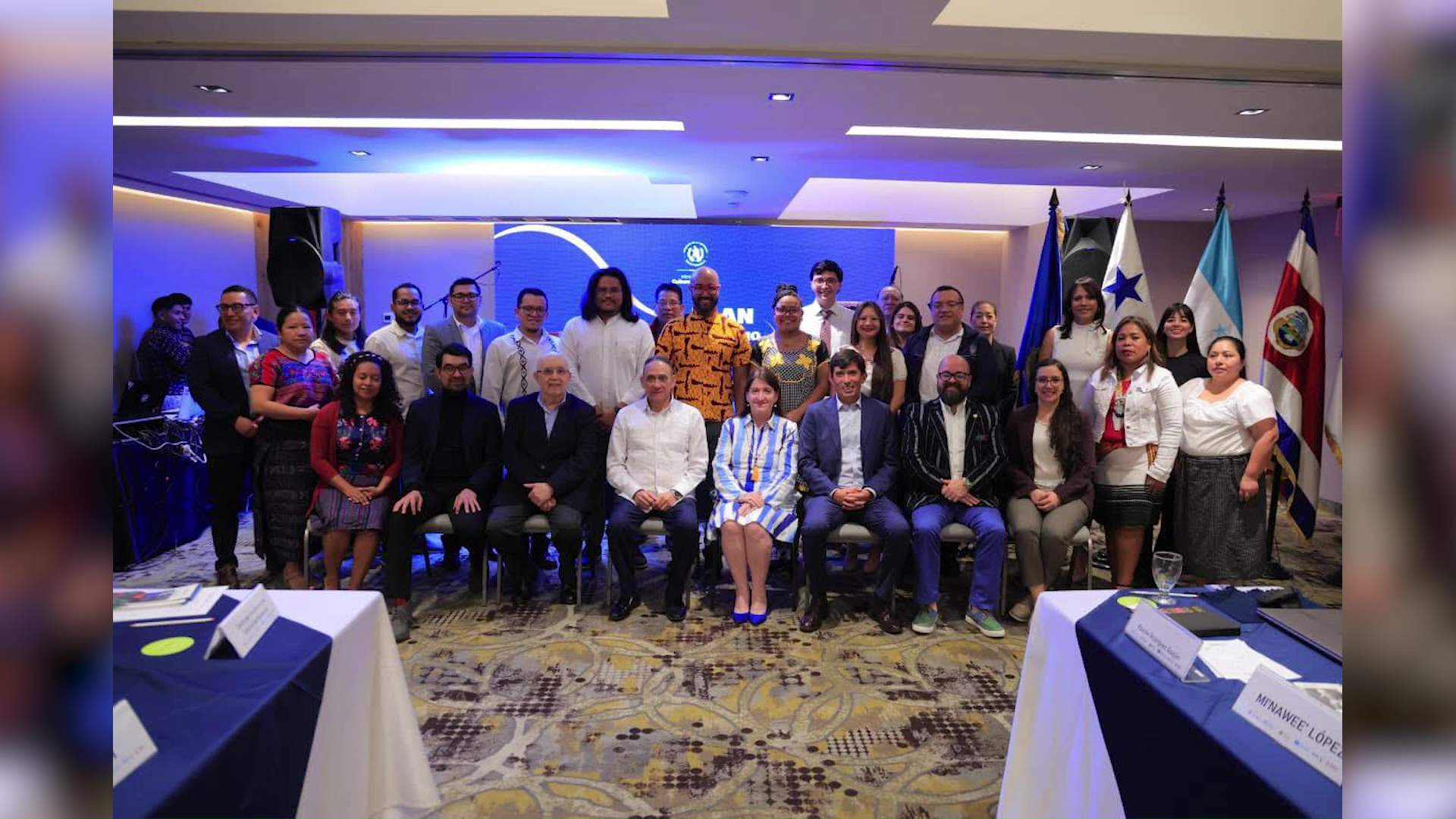
    In a landmark regional collaboration, Central American nations have united to launch a comprehensive initiative aimed at preserving and revitalizing indigenous languages. The Indigenous Language Plan for Central America was formally inaugurated during a significant gathering in Guatemala this past weekend, strategically timed to coincide with International Mother Language Day observances.

    Belize emerged as a pivotal contributor to this multinational effort, with cultural representatives playing instrumental roles in the plan’s development. Rolando Cocom, Director of the Institute for Social & Cultural Research, emphasized the extensive preparatory work behind the initiative, noting that months of collaborative assessment and strategic planning preceded Saturday’s official launch. The regional cooperation involved thorough evaluation of indigenous language status across Central America and establishment of shared preservation objectives.

    Delmer Tzib, Coordinator of the Intercultural Indigenous Language Institute at the University of Belize, provided crucial philosophical grounding for the initiative, articulating a dual framework for understanding linguistic preservation. Beyond their undeniable value as cultural heritage artifacts, Tzib emphasized that indigenous languages represent fundamental human rights—specifically the right to speak one’s mother tongue, share it openly within communities, and ensure its intergenerational transmission.

    This coordinated regional approach marks a significant advancement in language conservation efforts, moving beyond national boundaries to create a unified front against linguistic erosion. The plan establishes mechanisms for international visibility, systematic safeguarding protocols, and promotion strategies designed to address the urgent preservation needs identified across the region.

  • Belize Joins Regional Push to Preserve Afro‑Descendant Heritage

    Belize Joins Regional Push to Preserve Afro‑Descendant Heritage

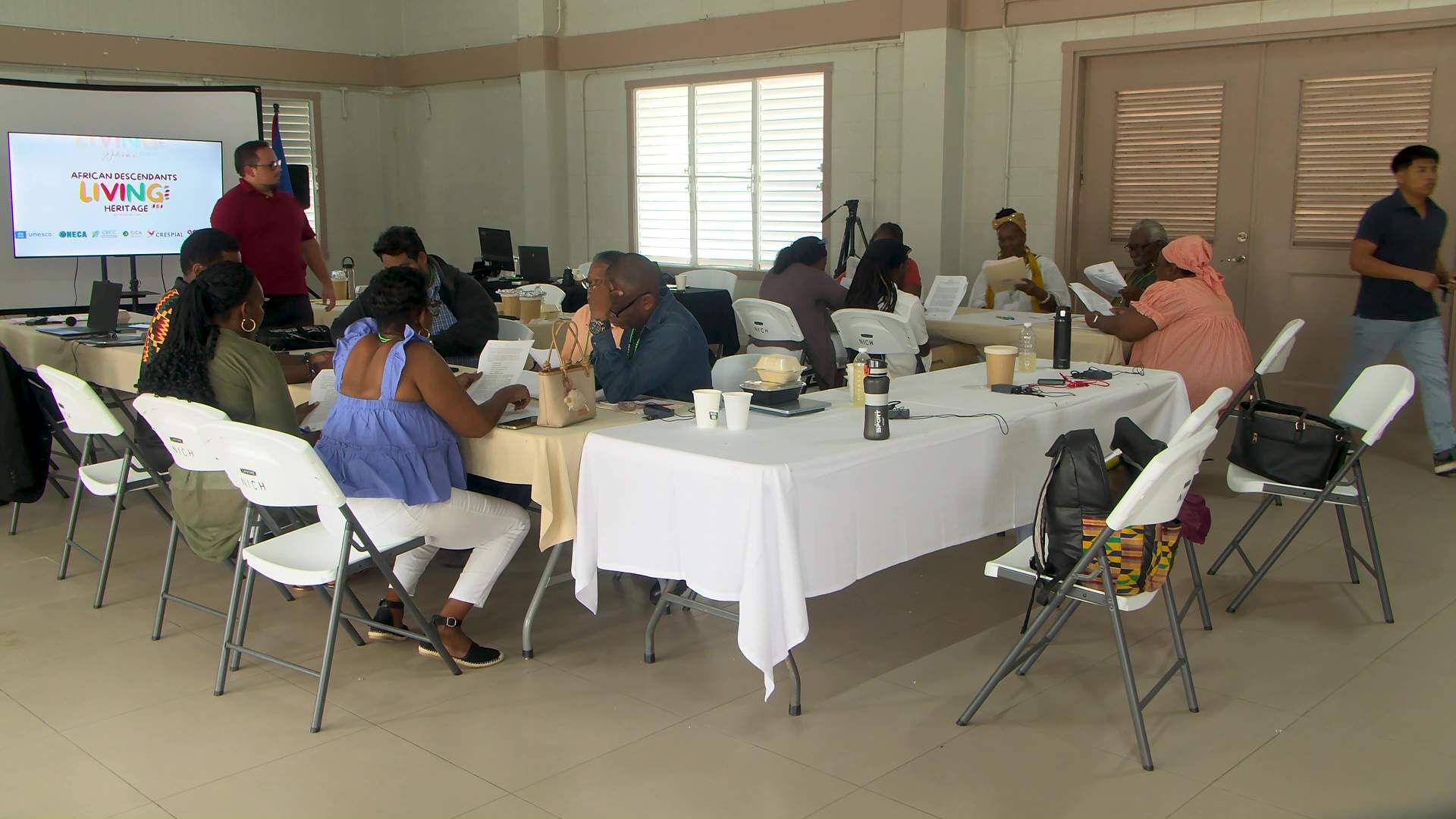
    Belize is intensifying its cultural preservation initiatives through active participation in a multinational Central American endeavor focused on Afro-descendant heritage. Following recent regional efforts to protect Indigenous languages, Belizean cultural representatives are now engaged in a specialized workshop designed to document and conserve intangible cultural assets.

    Key institutions leading Belize’s involvement include the National Garifuna Council and the National Kriol Council, both sending delegates to receive training in international methodologies for inventorying oral traditions, community knowledge, and intergenerational wisdom that characterize Afro-descendant communities.

    Rafael Mona, Central American Cultural & Education Coordination official, emphasized the multinational nature of the initiative, noting its specific focus on African descendant heritage across the region.

    Wilford Felix, President of the National Kriol Council, highlighted the workshop’s significance: “This allows us to work closer with communities and preserve those age-old wisdoms that you can only get, in most cases, from your granny and your grandpa.” He explained that intangible heritage encompasses aspects passed between generations without artifacts, particularly oral traditions that require specialized documentation techniques.

    Cultural leaders express strong commitment to maintaining these ancestral stories and traditions for future generations, recognizing the urgency of preserving cultural knowledge that exists primarily in oral form rather than written records. The initiative represents a growing recognition throughout Central America that cultural preservation requires both local engagement and international methodology.

  • No Parking: Stadium Ring Road, St George

    No Parking: Stadium Ring Road, St George

    The Royal Grenada Police Force (RGPF) Traffic Department has issued an immediate parking prohibition along Stadium Ring Road in St. George. Authorities have mandated the prompt removal of all vehicles currently stationed in the affected area to accommodate unimpeded vehicular movement and enhance pedestrian safety measures.

    This regulatory intervention responds to growing concerns about traffic congestion and potential safety hazards in the vicinity of the stadium. The police commissioner’s office emphasized the necessity of these measures for maintaining orderly traffic patterns and protecting public welfare.

    The parking restriction will remain indefinitely until official authorities determine otherwise. Motorists are advised to seek alternative parking arrangements and comply with traffic directives to avoid penalties. The RGPF maintains its commitment to ensuring road safety and efficient traffic management throughout Grenada.

    This public notice represents part of broader ongoing efforts by Grenadian law enforcement to optimize traffic flow in high-density areas, particularly around venues that frequently host large public gatherings.

  • Mayor’s Office launches “Boca Chica Verde” program

    Mayor’s Office launches “Boca Chica Verde” program

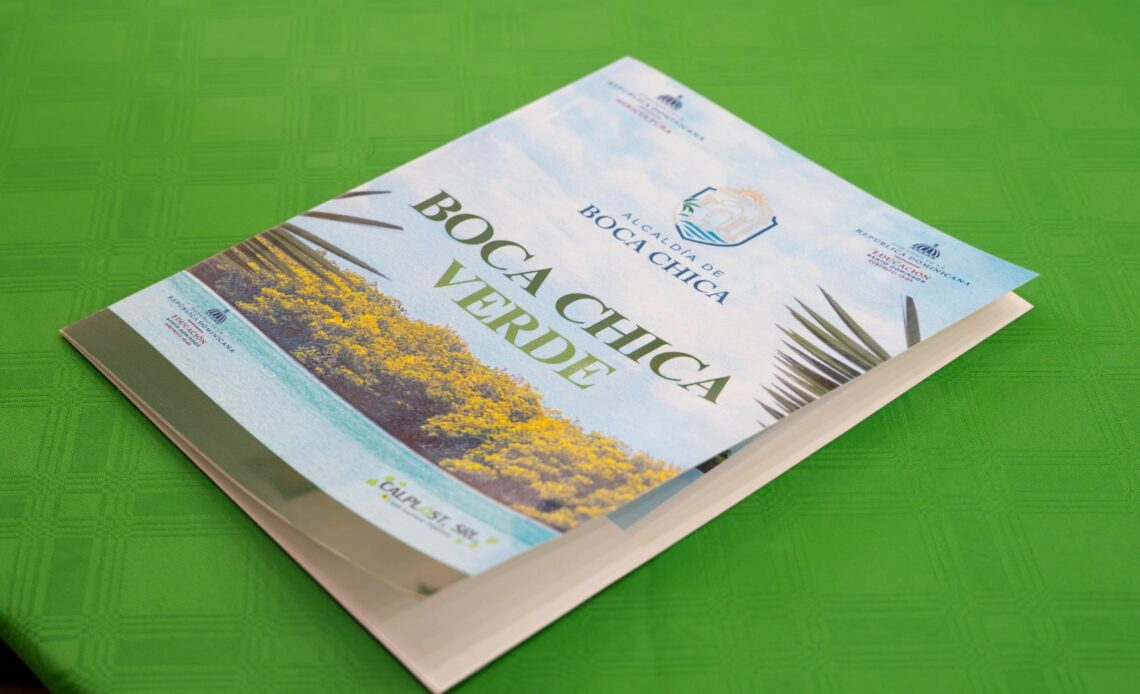
    The Boca Chica Mayor’s Office has inaugurated a comprehensive environmental program titled “Boca Chica Verde,” marking a significant step toward enhancing ecological awareness and youth engagement in municipal sustainability efforts. This collaborative initiative brings together multiple institutions, including the Municipal Environmental Management Department (UGAM) and the local Education Department, with additional support from the Ministry of Agriculture, the 10-05 Educational District, and the Deep Green Foundation.

    The program commenced with a formal launch event at the Boca Chica Town Hall, gathering representatives from ten educational institutions across the municipality. A central component of the initiative is the ECORETO competition, which challenges student teams to conceptualize and present innovative ecological solutions addressing pressing environmental concerns. Participating schools will develop practical projects across several critical areas: recycling and waste reuse strategies, establishment of school nurseries and reforestation efforts, restoration of vital ecosystems including mangroves, beaches, and coral reefs, and the organization of environmental volunteer corps.

    To ensure the success of these projects, students received expert technical guidance and motivational addresses from program coordinators and distinguished guests. These included officials from the Ministry of Agriculture, representatives from the Deep Green Foundation, and influential youth communicator Mario Joshua, known professionally as “Mario RD.” The initiative is scheduled to culminate during the national Environment Week with a Municipal Ecological Fair. This concluding event will serve as a platform for showcasing the student-led projects and will feature the presentation of the ECOLÍDERES award, recognizing outstanding environmental leadership. The program reinforces the administration’s commitment to sustainable development under the leadership of Mayor Ramón Candelaria.