分类: society

  • WATCH: Morgan reaffirms education ministry zero-tolerance on school violence after Seaforth High student dies

    WATCH: Morgan reaffirms education ministry zero-tolerance on school violence after Seaforth High student dies

    On a recent Monday afternoon in St. Thomas, Jamaica, a violent confrontation ended in the death of 17-year-old Seaforth High School student Kland Doyle, sending shockwaves through the island’s education community and prompting senior government officials to restate their uncompromising stance against youth violence in educational settings. The fatal altercation, which escalated from a minor dispute, unfolded near the Morant Bay Transport Centre, not far from Doyle’s campus, and law enforcement responded rapidly to apprehend those responsible.

    Within days of the incident, the Jamaica Constabulary Force confirmed that three suspects had been taken into police custody, with one individual identified as the primary suspect who allegedly carried out the stabbing. Investigations into the circumstances surrounding the attack remain active as authorities work to build a full case for prosecution.

    In the aftermath of the tragedy, Senator Marlon Morgan, Parliamentary Secretary in Jamaica’s Ministry of Education, traveled directly to Seaforth High School to meet with shaken staff and students, and to extend official condolences on behalf of the government. Standing on the campus that Doyle attended daily, Morgan voiced the profound grief shared across the country over the senseless loss of a young life.

    “Every Jamaican understands just how devastating this moment is — we are extremely saddened by the passing of young Doyle,” Morgan stated during his visit. “No parent should ever have to experience the agony of sending their child to school in the morning, only to never have them come home again.”

    Morgan used the occasion to emphatically reaffirm the Jamaican government’s longstanding zero-tolerance policy toward all forms of violence and bullying within the nation’s education system. He stressed that the government’s core priority remains protecting students, and that schools must be preserved as safe, supportive spaces focused on learning and growth, free from the threat of harm.

    “As a government, we have a zero-tolerance approach to violence and bullying. We actively discourage harmful, antisocial behavior and remain committed to upholding safe learning environments for all our young people,” he said.

    The senior education official also voiced growing alarm over a troubling trend: what he described as a steady increase in violent conflicts involving young Jamaicans. He urged students across the country to turn to school administrators, counselors, and trusted adults to mediate disagreements, rather than resorting to physical confrontation that can end in irreversible tragedy.

    To support the Seaforth High community as it grapples with grief and trauma, the Ministry of Education has deployed a specialized response team to the campus. The group includes trained school safety officials and licensed mental health counselors, who are providing one-on-one and group support to both students and staff processing the attack.

    Morgan emphasized that the entire ministry and Jamaican government stand in full solidarity with Doyle’s family, his friends, and the entire Seaforth High population during this incredibly difficult period. He called on community members across Jamaica to come together to offer emotional support and practical assistance to all those affected. As of the latest update, police investigations into the fatal stabbing are continuing, with authorities working to conclude their work ahead of formal prosecution proceedings.

  • WATCH: Pagee flooded after heavy morning rainfall

    WATCH: Pagee flooded after heavy morning rainfall

    Heavy, sustained downpours that lasted for hours overnight have left large swathes of the coastal fishing community of Pagee in St. Mary parish, Jamaica, submerged under floodwaters, with local transportation networks thrown into chaos and residents bracing for potential further worsening of conditions early Thursday.

    Local resident Sherlon Boota recounted waking to a startling scene: her entire residential yard was fully inundated by rising floodwater. While she has not faced critical disruptions to her own safety so far, Boota explained that many of her neighbors are trapped in their homes, unable to venture outside due to the high water levels. If the rainy conditions persist into the coming days, she warned, dozens of local households will be forced to abandon their properties and find emergency shelter in safer areas.

    The flood damage is not limited to residential neighborhoods. Overflow from the Quebec River has left the main roadway connecting Islington and Port Maria nearly impossible to traverse, cutting off a key local travel artery. Albert Johnson, a local taxi operator who works the route, told reporters that drivers have been forced to reroute all trips onto the main highway, and will remain on the alternate path until water levels recede enough to declare the original road safe for use.

    In the parish capital of Port Maria, the situation has brought regional travel to a near-standstill. With commuters scrambling to find shelter and all available public and private transportation halted, movement through the town has frozen. As of Thursday morning, emergency officials have not yet received reports of any injuries or casualties related to the flooding event.

    Jamaica’s national Meteorological Service has issued an advisory urging all residents living in low-lying, flood-prone zones across the region to remain on high alert. Forecasters project that scattered showers and intermittent heavy rain will continue across the area through at least Friday, keeping flood risks elevated through the end of the workweek.

  • Prominent society leaders seeking to uplift men through When Lions Roar conference

    Prominent society leaders seeking to uplift men through When Lions Roar conference

    KINGSTON, Jamaica — Jamaica-based media firm Emerge Multimedia Limited is launching a groundbreaking, holistic men’s empowerment gathering, the When Lions Roar Men’s Conference, set to kick off on April 25, 2026 at 9:00 a.m. at The Summit, located in the heart of New Kingston. The event is designed to bring together skilled men from across all professional sectors to create a supportive space dedicated to renewal and collective uplift for attendees.

    The conference agenda covers a wide range of critical topics that many men rarely get to explore in safe, community-focused settings: mental wellness, intentional leadership, personal self-mastery, spiritual identity, intimate relationships, family dynamics, financial literacy, and entrepreneurial growth. The overarching mission of the gathering is to rebuild a cultural framework where men feel empowered to show up as reliable, productive contributors to their communities and families.

    Travis Muschett, founder of the conference and chief executive officer of Emerge Multimedia Limited, shared that the idea for When Lions Roar grew out of a deeply personal moment of struggle. Just weeks before announcing the event, Muschett found himself in a period of low emotional and mental state, which led him to a stark observation: there is a critical lack of dedicated, judgment-free spaces for men to process challenges, recharge, and reconnect with their purpose.

    “After that realization, I made the decision to build the space I wished I had,” Muschett explained. “This is a place where men can be rejuvenated, rediscover their core purpose, and reclaim that sense of drive that makes them feel alive. When men truly understand who they are meant to be, and step into the roles of priests, prophets, providers, and protectors they were created to fill, they don’t just change the lives around them — they transform entire nations.”

    When Lions Roar will feature 13 accomplished speakers and panelists drawn from diverse backgrounds: Fortune 500-aligned corporate leaders, long-time fathers, successful small business owners, licensed mental health counselors, devoted husbands, community mentors, and respected faith leaders. Attendees can expect a full day of thoughtful discussion, peer-to-peer networking, and growth across every area of life. Confirmed featured speakers include Lloyd Richardson, Wealth Advisor and National Commercial Bank Branch Manager; Ambassador Jamar Wright of Mindfood International Limited; award-winning gospel recording artist Johnmark Wiggan; licensed counselor and social worker David Taylor; and veteran gospel leader Dr Rondell Positive. Muschett will serve as the conference’s lead facilitator for the day.

    While this will be the inaugural staging of the event, Muschett noted that his long-term vision extends far beyond a one-day gathering. He hopes to grow When Lions Roar into a sustained movement that reminds every man of his inherent value, importance, and necessity in his family and community. “I want every person who walks through the door to leave with a clearer understanding of who God created them to be, and the unique role they are meant to fill in the world,” he said. “It doesn’t matter if you are a husband, father, student, or just starting out on your journey: this space is for you. Invest in your growth, and keep moving forward.”

    Additional guest contributors and worshippers joining the event include Jovane Blagrove, Love 101 FM radio broadcaster Jucal Dyer, Pastor Michael Taylor, Dexter Johnson Jnr, Aston Desgouttes, Pastor Kavan Allen, Anthony Welsh, Bishop Phillip Johnson, Pastor Sean Williams, and Pastor Tevaun Brown. For men interested in securing a spot at the inaugural conference, tickets can be purchased online at spurropen.com/lionsroarja or by calling 876-810-2451.

  • CHILD SEX SHOCK

    CHILD SEX SHOCK

    On Wednesday, senior Jamaican law enforcement official Superintendent Keniel Henry delivered alarming testimony that sparked urgent scrutiny of the island nation’s child protection and juvenile justice frameworks during a parliamentary hearing of the Joint Select Committee reviewing the Child Diversion Act.

    Henry, a crime commander for the region designated Area Two who also serves with the Jamaica Constabulary Force’s Criminal Investigations Branch, revealed two deeply troubling recent cases: one involving sexual activity between an 11-year-old and a 6-year-old, and a second incident between a 9-year-old and a 4-year-old. When interviewed, the older children in both cases attributed their behavior to exposure to adult sexual content and activity in their surrounding environments, Henry said.

    These shocking disclosures were not isolated incidents, the superintendent emphasized. Instead, they form part of a growing, worrying pattern of harmful sexual behavior among children below Jamaica’s age of criminal responsibility — a group that cannot face criminal charges under current law, but urgently needs structured, targeted intervention to address their psychosocial needs and prevent future harm. Henry called on lawmakers to create new legal provisions that would place these children in specialized support programs, filling a critical gap that currently leaves officials with few actionable options to intervene.

    The revelations stunned committee members, who immediately launched a heated debate over root causes, institutional responsibility, and needed reforms. Committee chair Delroy Chuck argued that parental accountability must be central to any solution, suggesting that formal parental orders should be imposed on caregivers who fail to monitor and guide young children, questioning how children as young as four or six could develop such harmful behavior without adult neglect.

    But Henry pushed back for a more holistic, systemic approach, noting that while parental failure contributes to some cases, harmful exposure can also stem from school environments and broader community influences that extend beyond parental control. Education Minister Dr. Dana Morris Dixon reaffirmed her position that all such harmful behavior is learned, tracing its origin back to home environments regardless of where the incident itself occurs. “A child does not wake up and learn this behaviour on their own. They learned it somewhere,” she stated.

    The debate expanded to cover the complex dynamics of consensual sexual activity between close-in-age minors, all under 18 years old. Superintendent Kerry-Ann Bailey, head of the Centre for the Investigation of Sexual Offences and Child Abuse, outlined how these cases typically come to light: most often, female minors are reported to authorities by parents or guardians, either after school officials flag an incident, a pregnancy is discovered, parents find explicit correspondence, or a sexually transmitted infection is diagnosed. Contrary to common assumptions, Bailey noted, female minors are not always passive victims — in some consensual cases, girls are actually the ones who initiate the encounter.

    Under current law, even in fully consensual close-in-age cases, one minor is often formally labeled as an offender and referred to diversion programs, a framework that critics say fails to address the underlying welfare needs of all children involved. Member of Parliament Isat Buchanan called for new legislation centered on welfare-focused intervention rather than criminalization, paired with strengthened measures to enforce parental accountability, arguing these cases are clear symptoms of deeper systemic failures and widespread child neglect.

    Originally crafted to divert young offenders away from the harshness of the formal criminal justice system, the existing Child Diversion Act was shown during Wednesday’s hearing to have major gaps when it comes to children who cannot legally be charged with a crime. In response, Dr. Morris Dixon confirmed that amendments to the broader Child Care and Protection Act are already being drafted to create a more appropriate legal framework for these cases, since most do not involve criminal offenses but rather urgent needs for care, protection, and intervention for children exposed to harmful influences in communities and homes. She added that the joint select committee will clarify which reforms fall under the Child Diversion Act versus the Child Care and Protection Act to advance targeted, effective changes.

  • ‘Loss of fear for God’

    ‘Loss of fear for God’

    On a Wednesday early afternoon in Montego Bay, St James, Jamaica, a routine fasting and prayer gathering at the Montego Bay New Testament Church of God was shattered by the crack of gunfire. Worshippers in the middle of singing hymns froze mid-praise, unable to comprehend that violence had penetrated the walls of their sacred sanctuary.

    The victim was Cora Thompson, a well-loved member of the church congregation who was shot five times while she sat selling religious books just meters from the church entrance. Several worshippers inside the building told church leaders they heard every bullet strike. In the aftermath of the attack, even after police completed their on-scene investigations and removed crime scene tape, Thompson’s blood remained visible on the outdoor walkway outside the church, a stark reminder of the violence that upended this tight-knit community.

    Bishop Ruel Robinson, the church’s senior pastor, shared that the entire congregation is reeling from the trauma of the attack. “I know everybody is traumatised, having heard the explosions and then later to find out that one of their very own got killed,” Robinson said in an interview with the Jamaica Observer. The church has moved quickly to organize grief counselling for all members, alongside targeted support for Thompson’s family as they navigate their loss. “We will have to pray for each other. This is not a personal thing, it is a collective experience as a church so we plan to provide grief counselling to the church members, and keep on praying and supporting the victim’s family,” he explained.

    Robinson remembered Thompson as a vibrant, kind-hearted woman who was a cornerstone of the church community. “Sister Thompson, the victim, she was a quality lady, somebody that is high-spirited and cooperative, supportive. She gets along well with almost everybody,” he said. He also spoke out sharply against the attack, condemning the brazen disregard for the sanctity of the church that the shooting represents. “It is obviously a loss of fear for God. It shows a spirit of disregard for God and the sanctuary,” he said.

    According to eyewitness accounts, the gunman – a single male attacker – fled the scene on foot, moving from Water Lane toward nearby Dome Street. Senior Superintendent Eron Samuels, parish police chief, told reporters that law enforcement is fully committed to bringing the perpetrator to justice. “We are very hurt and upset about it and we will not spare any efforts to find who the killers are,” Samuels said. As of Thursday, investigations into the killing remain active, with police yet to announce any arrests or confirm a motive for the attack.

  • Marathon Insurance Brokers and Rotary join forces for youth engagement and community impact

    Marathon Insurance Brokers and Rotary join forces for youth engagement and community impact

    More than a thousand service leaders from across the Caribbean are preparing to gather in Kingston, Jamaica, in spring 2026 for a major regional gathering of one of the world’s largest volunteer service organizations. The 52nd Annual Conference of Rotary District 7020 will kick off on April 27, 2026, hosted at the iconic Jamaica Pegasus hotel, with local financial services firm Marathon Insurance Brokers stepping in as the official sponsor of the event.

    Organizers have centered this year’s conference around the unifying theme “Unite for Good”, a framework designed to align regional volunteer efforts around three urgent, high-priority goals. First, the gathering will prioritize equipping communities across the region to build stronger, more adaptive resilience against the growing threat of climate-fueled natural disasters, which have increasingly impacted small island Caribbean nations in recent years. Second, attendees will work to expand and deepen the tangible, positive impact that Rotary service programs deliver to local communities throughout the district. Third, the conference will focus heavily on expanding youth engagement, bringing younger generations into the organization’s volunteer network.

    This cross-regional conference will draw participants from a sprawling network of 137 Rotary-affiliated clubs spread across 10 Caribbean nations. In total, 91 traditional Rotary Clubs and 46 Rotaract Clubs, the organization’s youth-focused branch, will send delegates to the Kingston gathering, creating space for cross-border collaboration and idea-sharing between service leaders from different island nations.

    Beyond its core priorities, the 2026 conference will also act as a collaborative platform for delegates to advance progress across Rotary’s seven global core areas of focus. These key issue areas include advancing peacebuilding and conflict resolution around the world, expanding access to disease prevention and treatment in underserved communities, driving inclusive local economic development, and improving access to clean water, sanitation, maternal health, and quality education. By bringing regional leaders together around these shared goals, conference organizers hope to strengthen Rotary’s position as a relevant actor for young people, inspire a new wave of volunteer participation, and deliver measurable, long-term good to communities across the Caribbean.

  • Ecstasy in oats could have triggered prison ban

    Ecstasy in oats could have triggered prison ban

    Jamaica’s Department of Correctional Services (DCS) has implemented a controversial new ban on several popular food items that visitors are permitted to bring into the nation’s correctional facilities, framing the policy as a critical upgrade to its ongoing fight against contraband trafficking, including illicit drugs like marijuana. The new list of restricted staples, which sources tell the Jamaica Observer are core food sources for incarcerated people who reject prison-prepared meals, was publicly announced by the agency this Tuesday. Under the updated rules, cup soups, rolled oats, tinned potato chips and other similar packaged snacks, and boxed cereals are no longer accepted during inmate visits.

    In a public notice accompanying the ban announcement, the DCS urged all visitors to familiarize themselves with and abide by the new guidelines to avoid unnecessary entry delays or inconvenience. The agency noted that visitor cooperation is essential to upholding the safety, security and consistent daily operations of all correctional facilities across the island. Responding in writing to queries from the Observer on Wednesday, the DCS communications team clarified that the strengthened restrictions are a core component of the department’s long-term strategy to maintain safety, discipline and orderly operations within its facilities.

    “As part of these enhanced controls, the department has also rolled out stricter gate entry protocols and broader restrictions on certain visitor items that could be exploited to hide prohibited contraband,” the DCS statement added. The agency emphasized that all new measures are preventative, and reflect its longstanding zero-tolerance policy for contraband smuggling and any activity that threatens institutional security. “We remain committed to balancing strict security standards with professionalism, fairness, and humane treatment of those in our custody, while upholding our core mandate of rehabilitation and successful reintegration into society,” the statement read.

    But the new policy has already drawn skepticism from both former inmates and industry insiders, who question both the effectiveness of the ban and point to a far larger source of contraband infiltration. One former inmate who spoke to the Observer shared that the ban on grain products like oats stems from reports that visitors have been crushing ecstasy (MDMA) pills, commonly known as Molly, into the loose grain to smuggle the drug into facilities. Despite this, the ex-inmate argued that senior prison administrators would make more progress cutting contraband if they focused their investigations on internal staff rather than punishing visitors and inmates.

    That critique is echoed by a well-placed source who interacts with Jamaican prisons on a regular basis. The source pointed out that existing protocols already require loose goods like oats to be poured out into clear plastic bags and searched thoroughly before entry. “Apart from sealed cup soups, items like oats and chips can easily be transferred to transparent packaging and searched just like any other item. Even visitors bringing toothpaste have to squeeze it out into a plastic bag for inspection,” the source explained.

    The insider went on to challenge the core logic of the ban, noting that widely recognized industry data shows the vast majority of contraband that enters Jamaican correctional facilities is brought in by correctional officers and wardens themselves, not visiting family members. “Everything you can think of is already available in prison, except your freedom. If an inmate wants a cell phone, they can get one. Inmates even trade common basic goods like tissue for drugs,” the source said.

    While the source acknowledged that smuggling contraband inside food packaging like sealed chip tins is plausible, they noted that incarcerated people have proven far more creative in their smuggling methods than surface-level bans address. “It’s possible this has happened, and it’s a logical reason for the ban, but the bigger issue remains unaddressed,” they added.

    The source also confirmed that the banned food items are staples for the large share of inmates who refuse to eat meals prepared by prison kitchen staff. Many of these inmates rely on instant, heatable options like cup soup that they can prepare themselves, even in single cells where some have access to small personal kettles. The source pulled back the curtain on the poor quality of institutional prison meals, saying, “The reality is that the food served in Jamaican prisons is almost unfit for human consumption. Inmates get hard bread for breakfast, and a small portion of rice with chicken back for lunch. It’s cooked in massive bulk, so it’s never appealing or high quality. Banning something as basic as cup soup is almost certainly going to spark discontent among the inmate population.”

    The Observer has also learned that to avoid relying on prison food, inmates have gone to extraordinary lengths to cook their own meals, even carving out pieces of their shoe soles to use as fuel to heat water for tea or instant food behind bars. The source confirmed these accounts, noting “Inmates are incredibly resourceful when they don’t have access to acceptable food.”

  • Unified voices panel highlights need for human rights reform

    Unified voices panel highlights need for human rights reform

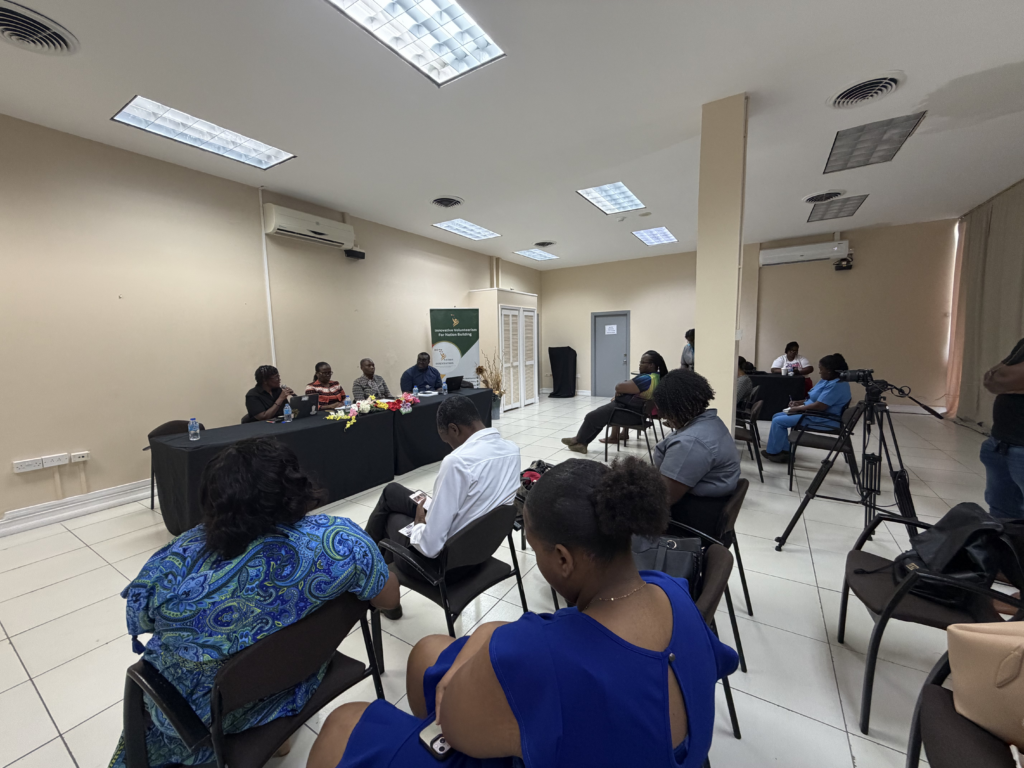
    Against a backdrop of persistent inequality for underrepresented groups across the Caribbean island nation, the Do-Nation Foundation Inc. has brought together cross-sector experts and community advocates for the Unified Voices Panel Discussion, a cornerstone event of the organization’s flagship initiative “Unified Voices: Engendering Change Through Peace”. Designed to fill critical gaps in public discourse around equity, the forum established a structured, accessible space for frank, solution-focused dialogue on four pressing issues: human rights, social inclusion, youth empowerment, and systemic social equity in Saint Lucia.

    The event drew a diverse panel of voices spanning government, law enforcement, and grassroots community organizing, ensuring a breadth of perspectives rooted in both professional experience and on-the-ground community work. Participants included Janey Joseph, Director of Gender Relations, Inspector Sisley Baptiste from the national Vulnerable Persons Team, and Maria Fontenelle, a representative of the Saint Lucian community organization Colours of Iyanola. Each speaker drew from their unique backgrounds to outline ongoing barriers to equity, and collectively reinforced the urgent need for expanded inclusive policy and deep-rooted systemic change across Saint Lucia’s public and private institutions.

    Core topics of the discussion spanned the most pressing unaddressed challenges facing marginalized groups across the country: from systemic disadvantages faced by rural women and people living with disabilities, to the continued social and legal marginalization of LGBTQIA+ community members. The central goal of the conversation, organizers noted, was twofold: to amplify the voices of groups that are routinely excluded from mainstream policy discourse, and to inspire cross-community collective action to build a more inclusive, peaceful Saint Lucian society.

    Zachary Hippolytte, a human rights consultant with the Do-Nation Foundation who served as the panel’s moderator, framed the discussion as both a timely and long-overdue intervention in national equity work. He emphasized that the event’s unique value stemmed directly from its commitment to centering diverse lived experience, noting that “Our panellists… brought diverse backgrounds and …experiences when it comes to the human rights of the individuals.”

    While acknowledging that public conversations around equity have advanced in recent years, Hippolytte stressed that major gaps between rhetoric and tangible action remain. Citing ongoing systemic barriers that limit access to services and justice for vulnerable Saint Lucians, he remarked, “Folks, we have a lot of work to do, especially when it comes to services and justice.” He highlighted the specific unaddressed challenges facing the Deaf community in Saint Lucia, pointing to widespread gaps in accessible public information: “For example, for Deaf men and women… it is very important that we still deal with situations where those citizens don’t have access to… watching our news because there is no sign language interpreter being broadcast over our news stations.” Hippolytte framed this accessibility gap as a critical, underdiscussed issue that demands immediate policy attention.

    Beyond highlighting ongoing challenges, the panel outlined a clear path forward centered on coordinated policy reform and sustained grassroots advocacy. Per Hippolytte, projects like Unified Voices are intentionally designed to shift public awareness and pressure national decision-makers to prioritize equity. He called for tangible, actionable policy changes that would expand accessibility and political representation for marginalized groups across the country, noting that the project’s core mission is to “create this awareness so that our leaders could ensure that they implement policies that could ensure that these individuals… can feel that they were part of our solution.”

  • Minister calls for regulated fees at private elderly care homes

    Minister calls for regulated fees at private elderly care homes

    Access to professional residential care for elderly Barbadians has become an unaffordable luxury for most ordinary families in the country, a senior government minister has urged policymakers to extend existing price regulation frameworks to cover private care facilities, bringing these critical services back within reach of average households.

    Addressing the House of Assembly during debate on the landmark Older Persons (Care and Protection) Bill, Agriculture Minister Dr. Shantal Munro-Knight expressed public support for the legislation’s existing provisions that expand official oversight of elderly residential care centers. However, she argued that the scope of regulatory reform must go further to address the widespread issue of exorbitantly priced care that locks out low- and middle-income families.

    Drawing a parallel to how the Barbadian government already sets and regulates pricing for other regulated professions, Munro-Knight noted that the island’s shifting demographic landscape makes accessible elderly care an increasingly urgent national priority. Even as the public sector works to expand its own elderly care offerings, public facilities often reach full capacity, leaving families with no choice but to turn to private providers. Without price regulation, these vulnerable households are left at the mercy of unregulated private pricing that puts critical care out of reach, she explained.

    Beyond pricing reform, Munro-Knight also called for stronger enforcement of minimum quality standards across all residential care facilities, describing firsthand observations of unacceptable conditions during her tours of local centers. She called some facilities’ living arrangements deeply depressing, noting that many are not adapted to meet the specialized needs of elderly or disabled care recipients. Common issues included multi-bed rooms that offer no privacy for residents or visiting family members, stair-only access and narrow corridors that make wheelchair navigation nearly impossible, and dim, uninviting spaces that fail to support residents’ mental and physical wellbeing.

    The minister stressed that far too many facilities only provide basic food and medication to residents, with no structured activities or social stimulation to keep older adults mentally engaged and active. This lack of engagement contributes to higher rates of depression and faster cognitive decline among residents, she added. Munro-Knight also highlighted an unaddressed gap in care support for families that choose to keep elderly relatives at home: many of these households require round-the-clock care assistance that they cannot afford, and the government should explore additional support programs to meet this need.

  • Antigua and Barbuda Dental Association Introduces “Legacy Board” to Strengthen Future Leadership

    Antigua and Barbuda Dental Association Introduces “Legacy Board” to Strengthen Future Leadership

    The Antigua and Barbuda Dental Association (ABDA) has announced the completion of its leadership transition with the successful election of a new Executive Board, a milestone that leaders say will strengthen the organization’s long-term development and capacity to serve the twin-island nation. The incoming board brings together a mix of seasoned dental practitioners and rising early-career professionals, structured to balance decades of institutional experience with fresh perspective from the next generation of the field.

    The full 10-member Executive Board includes a number of key roles, led by continuing President Dr. Deborah Akande and Immediate Past President Dr. Derek Marshall. Rounding out the core leadership team are Vice President Dr. Kronskie Dickenson-Foster, Secretary Dr. Danny Ghazalea, Assistant Secretary Dr. Jessica Fernandez, and Treasurer Dr. Kamal Moursy — the board member who coined the body’s ‘Legacy Board’ label to reflect its intergenerational mission. Two new roles, created as part of sweeping constitutional updates, are filled by Dr. Jahleel Allen as Early Career Dentist representative and Dr. Afi Bello-Williams as Community Liaison Officer. Rounding out the board is Dr. Adonis Mansoor, who will serve as Social Media Chair.

    A defining feature of the new leadership structure is its intentional commitment to elevating emerging voices in dentistry: nearly one-third of all board members are under the age of 35, a deliberate shift to integrate younger dental professionals into high-level decision-making. ABDA leadership notes this blended model is designed to preserve decades of accumulated institutional knowledge while unlocking the innovative energy and new ideas that early-career practitioners bring to the table. This balance, leaders expect, will help the association maintain a clear strategic direction, strengthen ties with industry stakeholders and community partners, and better respond to the evolving needs of both dental professionals and the Antigua and Barbuda public.

    To formalize this new approach to leadership and outreach, ABDA has approved key updates to its organizational constitution that create two permanent new leadership positions. The Early Career Dentist seat guarantees that the perspectives and professional concerns of younger association members are directly represented at the highest level of governance, while the Community Liaison Officer role will lead the association’s public outreach efforts and ensure the organization remains responsive to community oral health needs.

    ABDA’s recent membership in the FDI World Dental Federation has also shaped the organization’s new strategic direction, bringing renewed focus on intergenerational leadership development and alignment with global professional standards. Through this global partnership, ABDA now accesses international best practices for dental care and professional governance, contributes to global policy discussions around oral health, and participates in evidence-driven initiatives to advance the field locally.

    Continuing President Dr. Deborah Akande emphasized that the global partnership with FDI has underscored how critical investing in young dental professionals is to the long-term health of the field. ‘We regularly receive guidance, participate in virtual meetings, and develop suggested international initiatives. This exposure has reinforced our commitment to nurturing the next generation of dental leaders. Our new Board is just the beginning,’ Akande said.

    Looking ahead, ABDA reaffirmed its core mission: advancing accessible, high-quality oral health across Antigua and Barbuda, upholding rigorous professional standards for the nation’s dentists, and serving the health needs of all people living in the country.