分类: society

  • Vier kinderen Aroma in stilte begraven in Marienburg

    Vier kinderen Aroma in stilte begraven in Marienburg

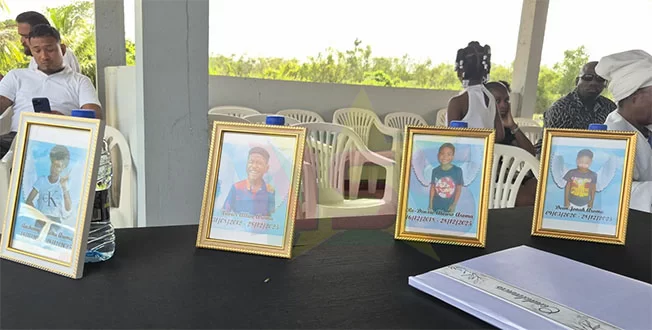
    Four young siblings from the Aroma family were laid to rest in a private funeral ceremony held in Mariënburg, Commewijne on Wednesday afternoon. The children—Anchenny (15), Xavier (13), Ro-Denxio (7), and Dean-Jonah (5)—were buried in solemn privacy at the request of their grieving mother.

    The tragic deaths occurred several days earlier when their father, Dennis Aroma, committed the horrific act of killing his four children before taking his own life while in police custody at the Keizerstraat station within 24 hours of the murders. The domestic violence incident claimed ten lives in total, including five additional victims beyond the immediate family.

    Mental health professionals from Suriname’s Psychiatric Center (PCS) and Psychosocial Care services provided continuous support to bereaved family members, having been involved since the first day of the tragedy. The intervention team also extended counseling services to classmates and schoolmates of the young victims.

    The funeral ceremony was attended by numerous political figures and government officials, including Assembly Member Ann Sadi, Vice President Gregory Rusland, and former President Chan Santokhi, who all offered condolences to the grieving family. PCS continues to provide psychological support to all affected families as preparations continue for the remaining victims’ funerals in the coming days.
  • Belize City Police Seize AR-15, Ammunition in Major Bust

    Belize City Police Seize AR-15, Ammunition in Major Bust

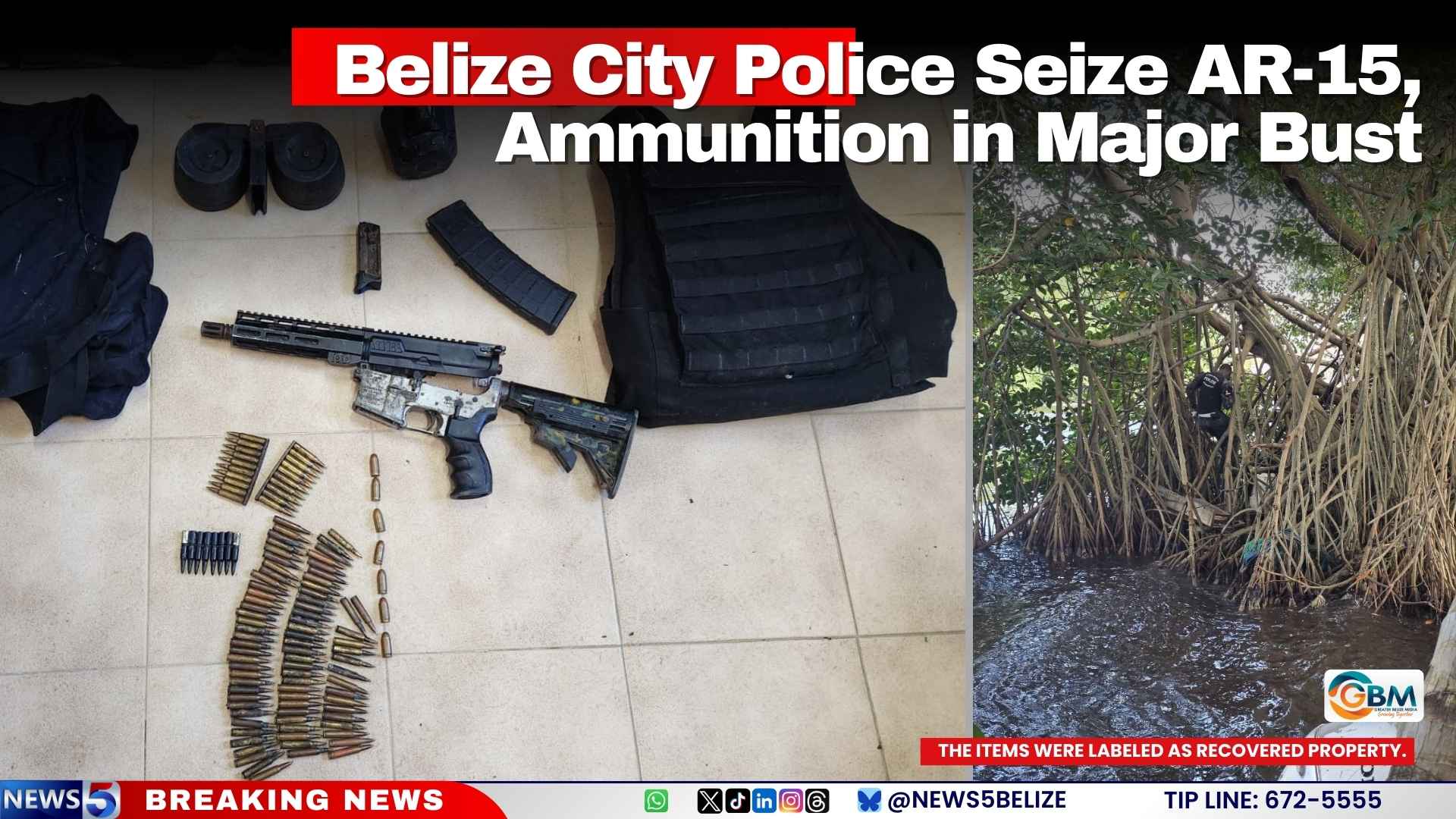
    In a significant year-end operation, Belize City law enforcement authorities have successfully intercepted an arsenal of illegal weapons, marking a substantial victory in the nation’s ongoing battle against organized crime. The operation, conducted on December 30, 2025, resulted in the recovery of an AR-15 assault rifle alongside more than 100 rounds of ammunition from a concealed mangrove location adjacent to Nutmeg Street in the Lake Independence district.

    Assistant Superintendent of Police Stacy Smith provided official confirmation that the seizure was the product of meticulously coordinated intelligence efforts involving Special Branch units and officers from Precinct Two of the Eastern Division. According to Smith’s statement, the confiscated items included not only the military-grade rifle but also 105 rounds of 5.56 mm ammunition, two high-capacity drum magazines, additional 7.45 mm rounds, and two tactical bulletproof vests.

    This operation represents the latest achievement in what has been a remarkably productive year for Belizean authorities in combating weapon trafficking. Official statistics released alongside this bust reveal that the Belize Police Department has seized 234 illegal firearms and 7,477 rounds of ammunition throughout 2025. The breakdown shows 123 were 9mm pistols, 14 were high-powered rifles, with the remainder consisting of .38 caliber firearms and shotguns. These efforts have led to 194 individuals facing charges related to weapons offenses.

    The comprehensive law enforcement campaign has extended beyond weapons interdiction. National drug enforcement operations have yielded the confiscation of 705,638 grams of cannabis, 41,784 grams of cocaine, and over 5,000 grams of crack cocaine. These substance seizures have resulted in criminal charges against 1,562 individuals for narcotics-related violations during the same period.

  • Locals Suspected in Ministry of Agriculture Heist

    Locals Suspected in Ministry of Agriculture Heist

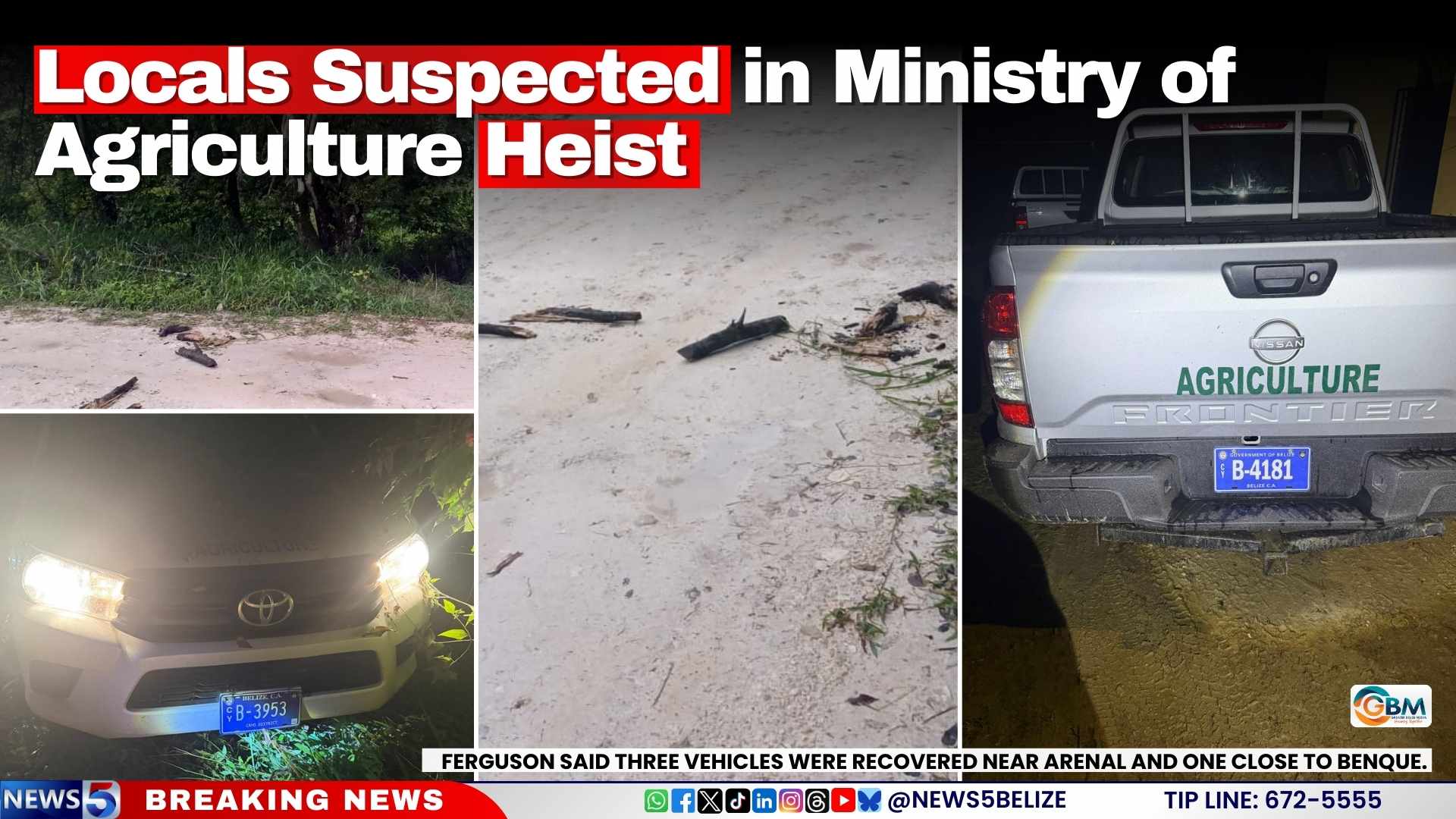
    In a brazen pre-dawn operation, seven masked individuals infiltrated the Ministry of Agriculture compound in Central Farm, Belize, during the early hours of Wednesday. The perpetrators subdued and restrained the security guard before making off with keys to four government-owned pickup trucks.

    According to Minister of Agriculture Rodwell Ferguson, who recently assumed office, the incident occurred approximately at 3:00 AM. Initial investigative findings suggest the suspects intended to transport the stolen vehicles toward Belize’s western border with Guatemala.

    Minister Ferguson indicated strong evidence pointing to local involvement, noting that witness accounts described the suspects speaking Creole. “We do suspect that these individuals have connections across the border,” Ferguson stated. “We alerted Guatemalan authorities as a precautionary measure, but linguistic evidence suggests they are locals.”

    When questioned about potential internal collaboration, the minister maintained a cautious stance: “That possibility remains under consideration, though I refrain from speculation pending further investigation.”

    Law enforcement authorities successfully recovered three vehicles near Arenal and another in proximity to Benque. The minister acknowledged that suspect identification remains ongoing, with expectations of significant developments by day’s end.

  • ‘Martyrs’ of Castries honoured on 25th anniversary of cathedral massacre

    ‘Martyrs’ of Castries honoured on 25th anniversary of cathedral massacre

    A quarter-century after the horrific New Year’s Eve Massacre that traumatized Saint Lucia, the nation continues to grapple with the painful legacy of the attack that claimed multiple lives during a religious service. On December 31, 2000, worshipers attending Holy Eucharist at Castries’ Minor Basilica of the Immaculate Conception found themselves targeted by assailants wielding machetes, gasoline, and incendiary devices in a brutal assault that transformed the sacred space into a scene of unimaginable violence.

    The attack resulted in multiple casualties, including Sister Theresa Egan, who was killed at the cathedral’s western entrance, and Father Charles Gaillard, who sustained severe burns and later died from his injuries. Numerous other congregants suffered grave harm, with victims including Sister Mel Kenny, Victor Reyes, Mark Beaubrun, Celsus Merville, Mary Bynoe, Agnes Biscette, Gregory Biscette, Desmond Devaux, Gwendolyn Winters, Victor Darius, Edison Elcock, and Richard St. Omer.

    Medical responses spanned international borders as critically injured victims required specialized care. Six victims endured severe burns ranging from first to third-degree injuries, prompting emergency medical evacuations. Father Gaillard and Mary Bynoe were airlifted to La Meynard Hospital in Martinique, while others including Reyes, Beaubrun, Biscette, and Merville were transported to the specialized burn unit at New York’s Cornell Hospital. Those with head trauma including Gregory Biscette and Desmond Devaux were transferred to Barbados for advanced diagnostic imaging.

    Justice proceedings eventually identified two perpetrators—Kim John, then 20, and Francis Philip, 34—both of whom pleaded guilty and received life imprisonment sentences. Although both individuals identified with the Rastafarian faith, community leaders swiftly denounced the violence and advocated for religious tolerance and coexistence.

    In a significant act of remembrance and healing, the Roman Catholic Church has incorporated the tragedy into its ongoing Jubilee Year celebrations under the theme ‘Pilgrims of Hope.’ This period of spiritual renewal, forgiveness, and pilgrimage now includes a formal initiative recognizing the attack’s victims as martyrs of Saint Lucia. Through ceremonial lighting of candles from the Jubilee Candle for each martyr, the Church aims to establish devotion to these figures as an enduring legacy of Jubilee 2025.

  • 5 Grenadians recognised by King Charles on his New Year Honours List

    5 Grenadians recognised by King Charles on his New Year Honours List

    In a distinguished recognition of service to national development, five Grenadian citizens have been honored in King Charles III’s 2026 New Year Honours List for their exceptional contributions across education, culture, fishing, and agriculture sectors.

    The London Gazette’s December 30th publication revealed that Beverley Grey received the Officer of the Order of the British Empire (OBE) for her transformative work in education. Simultaneously, James Nicholas and Sandra Thomas were both awarded Members of the Order of the British Empire (MBE) – Nicholas for his dual contributions to fishing and agriculture, and Thomas for her educational services.

    The British Empire Medal (BEM) was conferred upon Irma Cynthia Lewis for agricultural services and Neal Matheson for cultural preservation efforts.

    James Nicholas, with over 25 years of dedicated service through the Southern Fishermen Association, expressed profound elation upon receiving confirmation of his honor. “I feel great, really great! I knew I was nominated, but you are confirming to me that I was awarded. I feel great,” he stated with visible emotion.

    Beverley Grey, who also received recognition as a National Awardee during Grenada’s 2025 Independence celebrations, described feeling “privileged to be recognised for nation building.” She emphasized that the royal honor would further inspire her “to continue striving for excellence.” Grey’s educational journey began 38 years ago with Grey’s Typing School, which has since evolved into Grey’s Training and Certification Centre. Her institution on Lucas Street has equipped thousands of young Grenadians with essential secretarial and professional skills, significantly contributing to the nation’s human resource development.

    The semi-annual honors system, wherein the Monarch as Head of the Commonwealth recognizes outstanding citizens both in June (for the King’s official birthday) and in December (for the New Year), continues to highlight exemplary service across Commonwealth nations. This year’s Grenadian honorees represent decades of cumulative service to critical sectors that form the backbone of the nation’s sustainable development.

  • Black Fin Fleet outlines priorities for fishing sector in the new year

    Black Fin Fleet outlines priorities for fishing sector in the new year

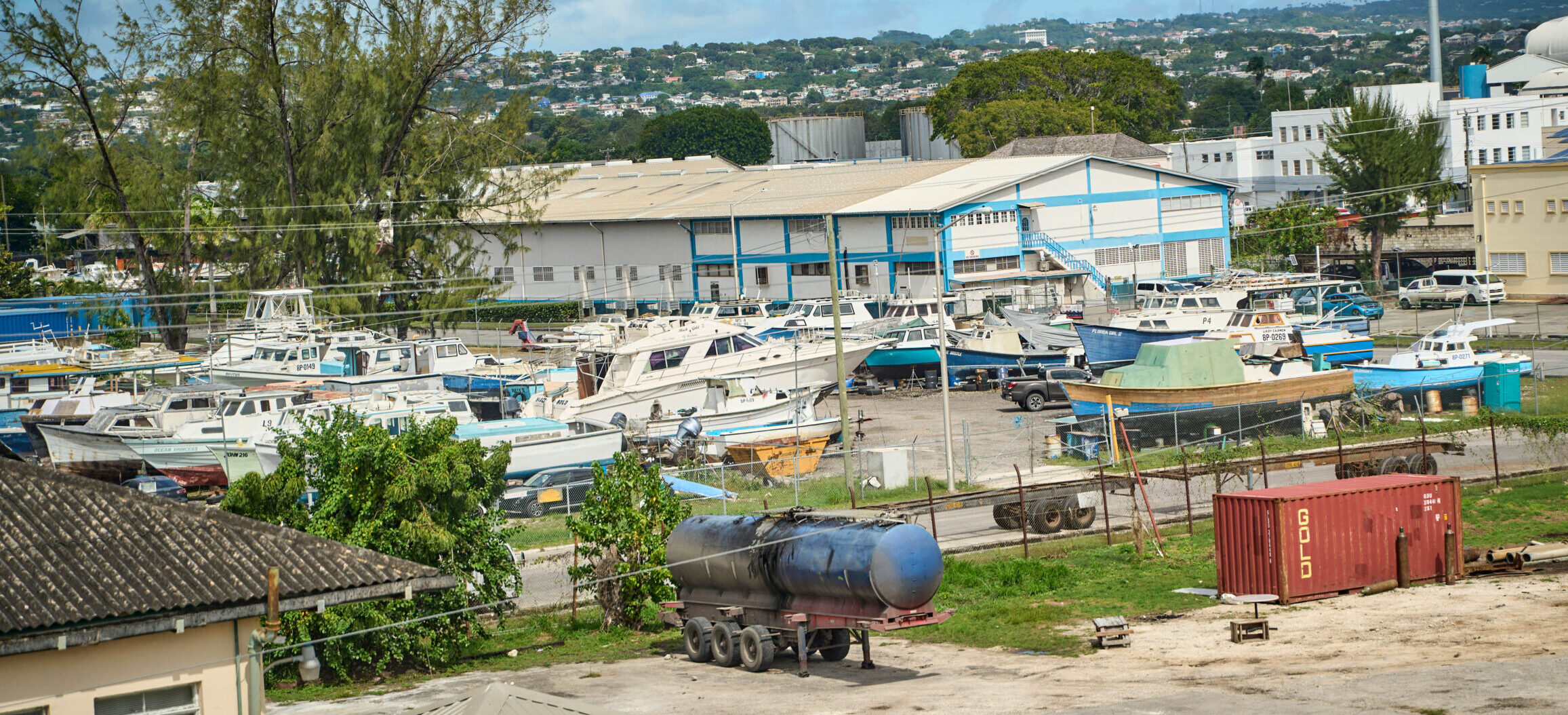
    A newly established fishermen’s collective in Barbados is spearheading transformative changes within the nation’s fishing sector through strategic government collaboration. The Black Fin Fleet organization emerged following Hurricane Beryl’s devastation, addressing perceived representation gaps for boat proprietors, captains, and fishing agents.

    Under the leadership of Moonesh Dharampaul, the organization representing approximately 200 industry stakeholders has already achieved significant breakthroughs through early dialogues with the Ministry of Agriculture and Food Security. Critical infrastructure enhancements at landing sites have become immediate priorities, with ministerial support resulting in the installation of new compressor systems in Bridgetown to address persistent ice production challenges.

    Dharampaul emphasized the critical nature of reliable ice access for maritime operations: ‘Without adequate ice supplies, our fishing vessels cannot remain operational at sea. We’re collaborating closely with ministry officials to maintain essential machinery that supports our fishing capacity.’

    Beyond infrastructure development, the organization is pioneering insurance reform for commercial fishing operations. Current insurance products inadequately cover fishing activities, prompting negotiations with the General Insurance Association of Barbados for specialized commercial fishing policies ahead of anticipated 2027 regulatory changes.

    The collective simultaneously prepares to launch an extensive public awareness campaign highlighting fishermen’s vital role in national food security. The initiative aims to reshape public perception regarding maritime professions while advocating for professional recognition as Blue Economy specialists rather than traditional ‘fisherfolk’ terminology.

    Dharampaul explained the rationale behind terminology evolution: ‘Fishing requires specialized skills acquired through practical experience rather than academic training. We seek appropriate professional designations that reflect the technical expertise and economic value our industry provides.’

    The organization also addresses statistical representation issues, noting that aggregate fleet recovery data often masks operational disparities between different vessel types and their respective catch specialties, which ultimately affects market supply dynamics and consumer expectations.

  • Cuban President congratulates Margarita Ruiz for Patrimony award

    Cuban President congratulates Margarita Ruiz for Patrimony award

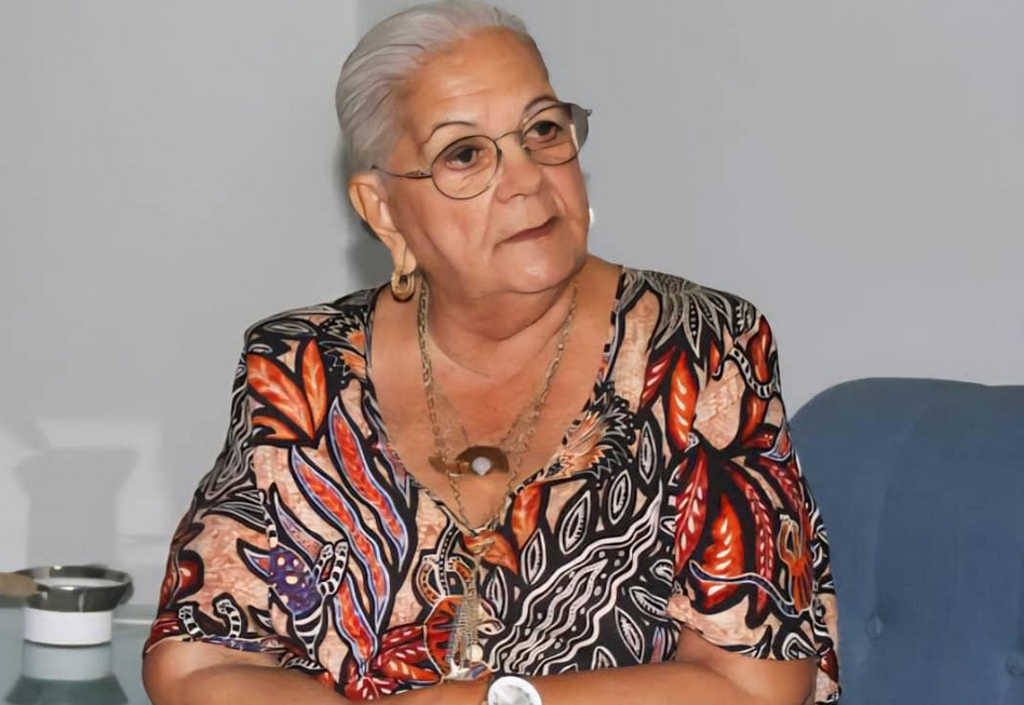
    An eminent 89-year-old Cuban researcher has been conferred the nation’s 2025 National Cultural Heritage Award in recognition of her lifelong dedication to the preservation and academic study of Cuba’s artistic legacy. Throughout her distinguished career, she has cultivated multiple generations of heritage specialists while championing comprehensive conservation efforts for both tangible artifacts and intangible cultural traditions.

    The Union of Writers and Artists of Cuba (UNEAC) has formally endorsed this honor, highlighting the recipient’s exceptional academic rigor and unwavering advocacy for artists across all creative disciplines. The organization characterized her influence as establishing a ‘school of best practices’ that has profoundly elevated professional standards within Cuba’s cultural sector.

    This latest accolade joins an impressive collection of national honors previously bestowed upon the scholar, including the 2014 National Cultural Research Award, the National Culture Distinction, the Alejo Carpentier Medal, and Havana’s prestigious Giraldilla award. Her systematic documentation methodologies and ethical preservation frameworks have fundamentally transformed how Cuba approaches its cultural heritage conservation, creating enduring institutional knowledge that will benefit future generations.

  • Dennery Falcons Athletics Club spreads Christmas cheer with hampers

    Dennery Falcons Athletics Club spreads Christmas cheer with hampers

    The Dennery Falcons Athletics Club embraced the holiday spirit by distributing essential hampers to underprivileged community members on Christmas Eve. This charitable endeavor, facilitated through a strategic partnership with Rubis Saint Lucia and local philanthropist Gary Gustave, transcended mere gift-giving to embody a profound educational mission.

    Club leadership emphasized that the program serves as a practical platform for instilling core values of civic duty and collective welfare in young athletes. Kevin Mathurin, President of Dennery Falcons, articulated the initiative’s philosophical foundation, noting contemporary society’s prevalent individualism. “We exist in a highly self-centered environment where the ‘me’ mentality dominates,” Mathurin stated in an interview with St. Lucia Times. “This project consciously shifts focus toward the ‘us’ paradigm, delivering crucial lessons that extend beyond sports into everyday life.”

    Established merely seven months ago, the nascent club demonstrates ambitious vision by embedding social responsibility into its institutional DNA. Rather than treating philanthropy as seasonal charity, administrators are building frameworks for sustained community engagement. Mathurin revealed long-term aspirations for developing organizational stability through continued corporate partnerships. “Cultivating enduring relationships with entities like Rubis ensures the sustainability of our responsibility development culture,” he affirmed, signaling the club’s commitment to transformative social impact through athletics.

  • 40 NCRHA cleaners laid-off

    40 NCRHA cleaners laid-off

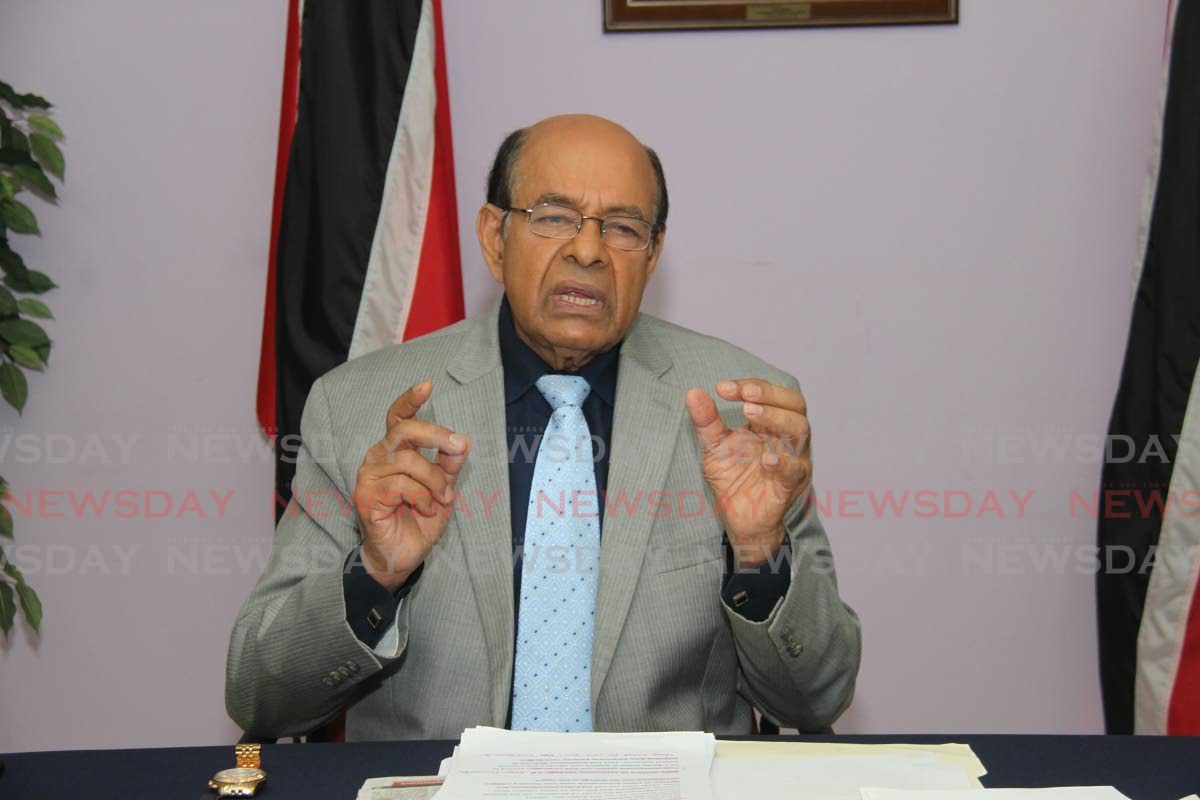
    In a sweeping anti-corruption move, the North-Central Regional Health Authority (NCRHA) has severed ties with multiple service providers, resulting in approximately 40 sanitation workers losing their jobs at the start of the new year. The authority’s CEO, Bhadase Seethal Maraj, revealed this decisive action targeted what she described as “widespread corruption” inherited from the previous administration.

    Maraj disclosed that despite operating without formal contracts or tender agreements for nearly a decade, cleaning company Magic Mist had received approximately $700,000 in monthly payments from the health authority. This arrangement culminated in total payments reaching $58 million over the past seven years. Notably, the company allegedly submitted payment claims for 80 workers while employing only 40 personnel.

    Another cleaning service provider received approximately $37 million annually without proper contractual documentation or tender processes, according to Maraj’s findings. Both companies’ services have been terminated effective 2026.

    The CEO emphasized that this pattern of irregular payments without valid contracts extends beyond cleaning services, affecting security provisions and multiple other areas across regional health authorities.

    This development follows recent reports of wage disputes among NCRHA security workers, attributed to the authority’s delayed payments for contracted services.

    NCRHA chairman Dr. Tim Gopeesingh provided context regarding the financial challenges facing the institution. Upon assuming office, the new board encountered 560 suppliers owed more than $320 million in outstanding payments. Through systematic restructuring, this number has been reduced to 118 suppliers with liabilities under $100 million.

    Gopeesingh confirmed that alternative arrangements have been implemented to maintain cleaning services across NCRHA facilities. Additionally, the authority plans to recruit for the 40 positions created by the recent contract terminations.

  • Welcome to 2026 – for better and for worse

    Welcome to 2026 – for better and for worse

    As Trinidad and Tobago enters 2026, the nation stands at a remarkable crossroads of global achievement and domestic challenges when measured by per capita metrics. With approximately 1.4 million citizens, this dual-island nation has demonstrated extraordinary impact across multiple domains, from Olympic gold medals and World Cup qualifications to cultural innovations that have reshaped global music through the invention of the steelpan—the only acoustic instrument created in the 20th century.

    The nation’s economic performance has similarly exceeded expectations for its size, consistently ranking among the Caribbean’s highest GDP-per-capita countries driven by energy resources including oil, natural gas, and the world’s largest natural asphalt deposit at Pitch Lake. This economic strength, combined with cultural influence in beauty pageants, Carnival arts, and diaspora impact, presents a picture of a nation punching far above its weight class.

    However, the same per capita measurements reveal troubling contradictions. Trinidad and Tobago now ranks among the region’s most dangerous nations for violent crime, with homicide rates reaching alarming levels that disproportionately affect small communities. The country also scores poorly on global corruption indices, where governance and accountability challenges create particularly damaging consequences in a small society with limited capacity to absorb institutional failures.

    Additional indicators reveal deeper societal patterns: excessive vehicle ownership per person overwhelming infrastructure, and concerning digital behavior patterns including high rates of online pornography consumption that signal gaps in education and privacy awareness.

    Amid these challenges, artificial intelligence represents the defining test of this era. While the nation has historically adapted well to technological changes, its education system remains anchored in rote learning methodologies ill-suited for the AI revolution. As routine jobs face automation threats, the imperative grows for educational reform that emphasizes critical thinking, innovation, and problem-solving skills.

    Geopolitical tensions between the United States and Venezuela add another layer of complexity, with potential implications for Trinidad and Tobago’s energy markets, migration patterns, and regional security. The current US military posture in the region appears focused on containment strategy rather than direct confrontation—a approach familiar to Trinidadians who understand the strategic game of draughts.

    For a small nation, these challenges require particularly careful navigation, where every policy decision carries magnified consequences and there is little margin for error in balancing global opportunities with domestic realities.