分类: society

  • Vacancies: Chief of Protocol (MoFA) and Senior Planning Officer (MoE)

    Vacancies: Chief of Protocol (MoFA) and Senior Planning Officer (MoE)

    The Government of Grenada has officially announced two significant career opportunities within its public service sector, inviting applications from both internal and external candidates until January 30, 2026.

    The Ministry of Foreign Affairs, Trade and Export Development seeks a Foreign Service Officer I/Chief of Protocol position requiring a Bachelor’s Degree in International Relations, Political Science, Public Administration, Diplomacy, Law, or related disciplines. The ideal candidate must possess at least three years of public sector experience, preferably in diplomatic or governmental affairs, with demonstrated expertise in protocol management including coordination of state visits and high-level delegations. Advanced training in diplomatic studies or protocol procedures will be considered advantageous.

    Simultaneously, the Ministry of Education’s Division of Planning, Development and Research is recruiting a Senior Planning Officer requiring a Master’s degree in Management, Statistics, Education, or relevant fields. This role demands at least five years of middle management experience within research-driven environments, with comprehensive knowledge of educational legislation, policy matters, and performance management tools.

    Both positions offer identical salary structures ranging from $66,184 to $86,378 annually within Grade J, progressing through incremental points. Successful candidates must demonstrate core competencies including action orientation, strategic leadership, critical judgment, integrity, and technical expertise specific to their respective domains.

    Application requirements include submission of curriculum vitae, two reference letters (one from most recent employer), certified academic certificates, birth certificate, and police record. Public service employees must channel applications through their Permanent Secretary or Head of Department.

    All applications must be physically delivered to the Office of the Public Service Commission at Antillean Group Building, Ground Floor, Young Street, St. George’s, Grenada, attention Chief Personnel Officer (Ag). The selection process emphasizes candidates’ ability to maintain highest levels of confidentiality, professionalism, and decorum while contributing to Grenada’s public service excellence.


  • Hunting Season closed

    Hunting Season closed

    The Forestry Department under the Ministry of Agriculture, Lands and Forestry has announced a comprehensive prohibition on wildlife hunting effective January 1, 2026, through September 30, 2026, with potential for further extension. This protective measure establishes a closed season for all game species throughout this nine-month period.

    Authorities have specifically highlighted several vulnerable species requiring enhanced protection, including the Tatou (armadillo), Manicou (opossum), Ramier (pigeon), Iguana, and the Mona Monkey. The department has issued stern warnings against hunting these animals during the mandated conservation period.

    The regulatory framework establishes significant penalties for violations, with offenders facing substantial fines of up to $1,000 or potential imprisonment for six months. These stringent measures aim to deter illegal hunting activities and ensure compliance with wildlife protection protocols.

    In an official statement, the Forestry Department emphasized the critical importance of collective public cooperation in conservation efforts. The initiative seeks to promote sustainable utilization of wildlife resources while maintaining ecological balance for future generations. The ministry has called upon citizens to actively participate in preserving the nation’s natural heritage throughout 2026 and beyond.

    The Ministry of Agriculture reaffirmed its commitment to environmental stewardship through this protective legislation, recognizing the vital role biodiversity plays in maintaining healthy ecosystems and supporting sustainable development goals.

  • SLBMC Welcomes First New Year Baby

    SLBMC Welcomes First New Year Baby

    The Sir Lester Bird Medical Centre in Antigua witnessed a uniquely auspicious beginning to 2026 with the arrival of its first and only New Year baby. In an announcement that brought cheer to the medical staff, a healthy infant girl was born to mother Junique Charles Archibald in the early hours of January 1st.

    Medical officials confirmed that both the newborn and her mother are in excellent health following the delivery. The birth holds special significance as it stands as the singular New Year celebration recorded within the facility’s maternity ward, creating a memorable milestone for healthcare professionals and the family involved.

    The occasion was further brightened by a generous community donation. The hospital administration publicly acknowledged Yvonne and Ronald Fraser for their thoughtful contribution of a gift basket to honor the newborn, characterizing their kindness as a heartwarming demonstration of civic spirit and support.

    In formal statements, hospital representatives extended their warmest congratulations to the Archibald family, expressing hopes for a joyful and prosperous start to the new year as they embrace their newest family member. The event underscores the continuing role of community-hospital partnerships in celebrating life’s most precious moments.

  • Police investigate shooting at Goodwill Link Road

    Police investigate shooting at Goodwill Link Road

    Authorities in the Commonwealth of Dominica have initiated a formal investigation following reports of a shooting incident in the Goodwill Link Road area. The Commonwealth of Dominica Police Force (CDPF) confirmed they are examining the alleged event, though specific details remain limited as the inquiry is in its preliminary stages.

    Law enforcement officials have not released information regarding potential victims, suspects, or the precise circumstances surrounding the incident. The absence of confirmed details has prompted heightened community awareness while authorities work to establish the facts.

    Dominica News Online (DNO), a primary local news source, has committed to tracking developments in this case and providing updates as official information emerges. The publication maintains its policy of verifying facts with relevant authorities before dissemination to ensure reporting accuracy.

    This incident marks another test for Dominica’s law enforcement agencies, which continue to address public safety concerns across the island nation. Residents near the Goodwill area have expressed concern while awaiting further clarification from police investigators.

    The CDPF has encouraged community members with relevant information to come forward and assist with their ongoing investigation into the matter.

  • JTA to conduct assessment of schools over the weekend

    JTA to conduct assessment of schools over the weekend

    Jamaica’s educational system faces a pivotal moment as the new academic term approaches, prompting the Jamaica Teachers’ Association (JTA) to initiate comprehensive facility assessments across the island nation. The unprecedented evaluation comes in response to the devastating aftermath of Category 5 Hurricane Melissa that struck in October, particularly affecting western and southwestern regions.

    JTA President Mark Malabver, speaking at the reopening of the association’s western Jamaica office, revealed the organization’s plan to conduct ground-level verification of school preparedness throughout the weekend. The initiative aims to determine actual operational capabilities rather than theoretical readiness, acknowledging that many educational institutions sustained substantial damage during the catastrophic weather event.

    Malabver articulated profound concerns regarding the practical realities of resuming classes, emphasizing that reopening decisions must consider both infrastructure limitations and human factors. The teachers’ union maintains that each institution requires individualized assessment based on localized conditions rather than blanket policies.

    Beyond structural considerations, the JTA president highlighted concerning student welfare issues, noting parallels to pandemic-era attendance challenges. He called for systematic tracking of missing students through mandated guidance counselor interventions, recognizing that many children face hurricane-related trauma and displacement.

    The human impact extends beyond students, as Malabver acknowledged widespread psychological distress among educators. Many teachers continue experiencing personal hardships that affect their professional capacity, necessitating compassionate, case-by-case consideration from school administrators and boards.

    This multifaceted approach reflects the complex intersection of infrastructure recovery, mental health considerations, and educational continuity in post-disaster scenarios, positioning the teachers’ association as both advocate and practical partner in Jamaica’s educational rehabilitation.

  • Warner: Are state vehicles held to same standards?

    Warner: Are state vehicles held to same standards?

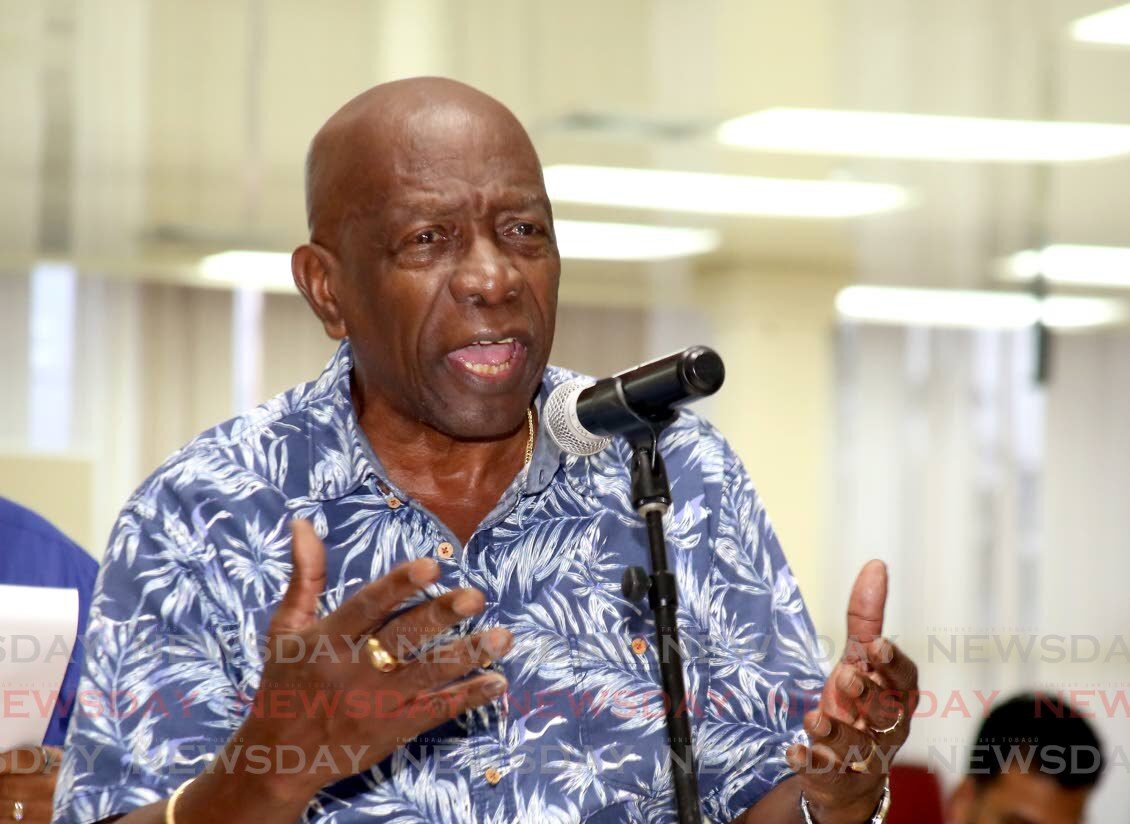
    In a striking development within Trinidad and Tobago’s transportation sector, former Works and Transport Minister Jack Warner has issued a compelling challenge to current minister Eli Zakour regarding the implementation of newly doubled traffic fines effective January 1. While expressing support for the punitive measures designed to combat roadway lawlessness, Warner has raised critical questions about whether government fleets will be subjected to the same rigorous standards now imposed on citizens.

    Warner’s open letter, composed during his tenure in the People’s Partnership administration (2011-2012), acknowledges the necessity of strengthened penalties to address the escalating disregard for traffic regulations. However, he pivots to two fundamental concerns: the alarming prevalence of jaywalking behavior and the roadworthiness of state-owned vehicles.

    The former minister describes an emerging ‘bounce me nah’ culture where pedestrians immersed in mobile devices step into traffic with dangerous confidence, ignoring signals and crossings. This behavior, he notes, endangers both pedestrians and motorists alike, particularly elderly drivers navigating congested thoroughfares.

    More significantly, Warner scrutinizes the maintenance standards of government vehicles spanning multiple agencies—including ministerial SUVs, NP tankers, T&TEC, WASA, TSTT vehicles, emergency response units, and PTSC buses. He questions whether these vehicles undergo regular inspections matching the newly intensified standards applied to private citizens. Warner emphasizes that public confidence in enforcement hinges on the perception of equal application to both citizens and government entities.

    Calling for full transparency, Warner requested disclosure of inspection protocols, associated taxpayer costs, and implementation timelines if such measures exist. If not, he demands explanation for the exemption. The former minister concludes by commending Zakour’s courage while urging comprehensive, fair, and credible enforcement supported by functioning systems and visible accountability.

  • Trinidad and Tobago: Heritage, harmony and hope of 2026

    Trinidad and Tobago: Heritage, harmony and hope of 2026

    In a world increasingly fragmented by political polarization and contested elections, Trinidad and Tobago stands as a remarkable example of democratic resilience and cultural cohesion. Heritage consultant Vel A Lewis presents a compelling examination of how the nation’s diverse social fabric has become its greatest strength.

    The Caribbean nation’s stability is rooted in its deeply ingrained democratic traditions, where peaceful power transitions and respect for electoral outcomes have become normalized despite global trends toward election disputes. This political maturity, Lewis argues, is intrinsically linked to TT’s multicultural identity—a rich tapestry woven from Indigenous, African, Indian, European, Chinese, and Syrian influences.

    This diversity manifests through vibrant cultural expressions that serve as social coping mechanisms. Carnival transforms tension into masquerade, while artistic traditions like calypso, steelpan, tassa, and chutney provide spaces for resistance and collective meaning-making. The nation’s religious pluralism—encompassing Christian, Hindu, Muslim, Orisha, and Spiritual Baptist traditions—further reinforces shared values of compassion and tolerance.

    Despite facing contemporary challenges including crime concerns and geopolitical tensions with neighboring Venezuela, TT’s historical pattern demonstrates a society that “bends without breaking.” The author identifies the distinctive national temperament—both playful and prayerful—as key to this resilience, encapsulated in the popular local saying that “God is a Trini” reflecting collective confidence in overcoming adversity.

    Looking toward 2026, Lewis advocates for strategic investment in cultural preservation as essential to sustaining democratic foundations. Priority recommendations include completing the National Museum and Art Gallery restoration, enhancing protection for heritage sites, and strengthening support for visual and performing arts. These investments, the consultant contends, represent not merely cultural preservation but active reinforcement of the resilience that has carried the nation through previous challenges.

    The conclusion emphasizes that Trinidad and Tobago’s story of beauty, diversity, faith, and perseverance provides a template for maintaining national confidence amid global uncertainties through purposeful cultural stewardship.

  • No alternative but to ban fireworks, PM

    No alternative but to ban fireworks, PM

    Prime Minister’s emphasis on public safety as a cornerstone of her 2026 agenda has encountered significant challenges regarding fireworks regulation. Despite implementing new fireworks regulations, the government has witnessed widespread public disregard for these measures, prompting calls for more drastic action.

    The enforcement mechanism has proven fundamentally inadequate during recent celebrations. Despite explicit commitments from both the Homeland Security Minister and Police Commissioner regarding rigorous implementation, law enforcement agencies remained unable to address illegal fireworks usage effectively. The inherent nature of fireworks – their transient projection and instantaneous combustion – creates near-insurmountable obstacles for identifying perpetrators and collecting evidence, rendering current legislation practically unenforceable.

    This enforcement paralysis has created a scenario where non-compliant citizens effectively override law-abiding ones, undermining governmental authority and public safety initiatives. Particularly concerning are official suggestions regarding protective measures, including a proposed half-mile radius of protection for vulnerable populations and recommendations for silent fireworks. These proposals demonstrate a fundamental misunderstanding of both the practical realities and the comprehensive nature of the problem.

    The accumulating evidence points toward a single logical conclusion: only a complete prohibition on public fireworks possession can address the core issues of enforcement impossibility and public safety compromise. The government now faces increasing pressure to implement decisive action that matches the severity of the situation.

  • DCP Martin: Police responded to fireworks calls

    DCP Martin: Police responded to fireworks calls

    In the aftermath of Trinidad’s first New Year’s Eve under restrictive fireworks legislation, Deputy Commissioner of Police Suzette Martin has characterized police operations as “quite successful” despite acknowledging no enforcement penalties were issued. The new regulation, designed to limit fireworks discharge to a single hour surrounding midnight, faced its inaugural test amid public skepticism regarding enforcement capabilities.

    During a January 2nd interview at the Police Administration Building in Port of Spain, DCP Martin reported that law enforcement achieved its primary safety objectives. “We had no reports of injury,” Martin stated, emphasizing that officers successfully mitigated fire hazards and maintained traffic control throughout the celebrations. Preliminary data indicated merely five formal complaints were registered, all originating from North Trinidad regions, with additional reports still pending from three other jurisdictions.

    When confronted with revelations that no monetary penalties were imposed despite legislation authorizing $450 fines for violations, Martin confirmed: “At this time no, we didn’t fine anyone. No tickets were issued to anyone.” This admission came alongside defense of police preparedness, with Martin contradicting allegations that front-line officers received inadequate briefing regarding the new statutory framework.

    The senior police official addressed concerns about noise pollution’s psychological impacts, asserting that “the police service remains committed to ensuring safety for residents” while acknowledging response efficacy varies significantly by geographical location. Martin encouraged continued public reporting of violations, stressing that historical inaction on noise complaints should not deter citizens from engaging with law enforcement regarding fireworks infractions.

  • Commissioner on decline in murders, serious crime…’Thanks to cops, not SOE’

    Commissioner on decline in murders, serious crime…’Thanks to cops, not SOE’

    In a landmark achievement for national security, Trinidad and Tobago recorded its lowest homicide rate in over fifteen years during 2025, with official statistics confirming 369 murders—a dramatic 42% reduction from the previous year’s tally of 626. Police Commissioner Allister Guevarro has emphatically attributed this historic decline to sophisticated intelligence-gathering methodologies and dedicated police work rather than the controversial State of Emergency (SoE) measures implemented throughout much of the year.

    Commissioner Guevarro, communicating via WhatsApp messages on January 2, emphasized that this breakthrough represents “a significant national achievement” reflecting “sustained, intelligence-driven policing, stronger divisional accountability and a co-ordinated national effort across the police service.” The Commissioner’s statements directly counter public commentary suggesting the crime reduction resulted primarily from emergency powers.

    The TTPS leadership maintains that strategic precision-targeting of violent offenders, gang leadership, and firearm traffickers—supported by Preventative Detention Orders and intensified operations—drove the measurable improvements in public safety. Notably, Commissioner Guevarro highlighted that previous SoEs during 2020-2022 pandemic years, which included strict curfews and movement restrictions, failed to produce comparable crime reduction, further substantiating his assessment that tactical policing effectiveness rather than emergency measures accounted for the 2025 success.

    Addressing concerns about a potential crime surge following the SoE’s scheduled expiration on January 31, Commissioner Guevarro expressed confidence in the sustainability of these gains, noting that “many of the strategies implemented are not SoE-dependent.” The TTPS has substantially strengthened its intelligence architecture, improved inter-divisional coordination, and enhanced capabilities to identify, track, and disrupt high-risk individuals—developments that will persist beyond the emergency framework.

    Supporting this operational assessment, Deputy Commissioner of Police Junior Benjamin detailed significant organizational reforms implemented throughout 2025, including the adoption of emotional intelligence principles and flexible 24/48-hour rotation schedules designed to combat officer burnout while maintaining operational tempo. The service has prioritized mental health support through its Social Work Unit and maintained vacation leave provisions despite heightened operational demands.

    While December witnessed an concerning uptick with approximately 37 murders, the year still concluded with the lowest annual total since 2011. The TTPS executive leadership acknowledges the tremendous operational load carried by officers over the past eight months and has committed to continuing targeted enforcement, offender management, and intelligence operations throughout 2026 to maintain the downward trajectory in serious crimes.