
分类: society

  • Emergency at Sea

    Emergency at Sea

    A life-threatening medical emergency at sea ended with a successful rescue last Thursday, after a team of off-duty medical providers and Trinidad and Tobago Defence Force members stepped in to save an elderly female passenger on the fast ferry MV Buccoo Reef. The incident unfolded around 7:30 a.m., roughly one hour into the vessel’s scheduled voyage from Port of Spain to Scarborough, when the woman suddenly began experiencing severe chest pain before losing consciousness. What followed was a coordinated, race-against-time effort that has since sparked calls for mandatory first aid training for all ferry crew members.

    When the emergency was first announced over the ferry’s public address system, no crew members immediately stepped forward to assist. Akiela Chance, a Defence Force officer traveling on the ferry, was the first to respond to the passenger’s side. As she recounted to the *Express* on Saturday, “I was the female soldier present, and I was the first person to step in and assist the elderly lady while others stood by. I approached her and asked what the issue was and whether she had any known medical conditions. I was told she was experiencing chest pain.”

    Chance worked with another passenger to carefully move the seated woman to the floor, adjusted her clothing to ease her breathing while preserving her privacy, and immediately started cardiopulmonary resuscitation (CPR). She then instructed other bystanders to repeat the call for any medical professionals on board. A medical kit was retrieved, and 15 minutes later, Dr. Emillie Alpheus, an accident and emergency registrar at Scarborough General Hospital, arrived at the scene. Coast Guard Petty Officer Noko Baird soon joined to assist with continuing compressions before Alpheus took over lead resuscitation efforts.

    Upon reaching the patient, Alpheus found the woman already unresponsive with no detectable pulse, and immediately requested an Automated External Defibrillator (AED) — a piece of life-saving equipment she was surprised to find the ferry actually carried. As Alpheus waited for the device and began chest compressions alone, a second physician, an American vacationing on the ferry who was certified in Basic Life Support, offered to take turns performing compressions, which are physically draining to administer continuously.

    The team split roles: the visiting physician led chest compressions while Alpheus managed the patient’s airway, following the standard 30 compressions to two rescue breaths protocol. When the AED arrived, they delivered a defibrillation shock to the patient’s heart, then immediately resumed CPR. Mid-cycle, Alpheus detected the patient pushing against the airway device, and after completing the compression cycle, confirmed the woman had achieved Return of Spontaneous Circulation (ROSC) — meaning her heart had restarted. The elderly woman soon regained consciousness.

    Following the successful revival, the captain turned the ferry back to Port of Spain, with Coast Guard vessels escorting the vessel to port. Ambulance crews were already on standby at the terminal, and immediately transferred the patient to a nearby hospital for ongoing care. As of the latest update, the woman remains hospitalized but is recovering steadily.

    Alpheus, who shared that this was the second life-saving CPR effort she has led in two years, expressed gratitude for the positive outcome in an interview with the *Express*. “I just glad it was a good outcome. I am thankful for all who was around that was able to help and lend a holding hand — the other physician who was on vacation, the patient care assistant and the other members of staff from the Buccoo Reef. I am grateful that we were able to help this family. I got word from her relatives that she is doing well and from the doctors over there that she is doing better. So thankful for that and praises to God,” she said.

    In an official statement issued the day of the incident, the Port Authority of Trinidad and Tobago (PATT) confirmed the medical emergency, activated emergency protocols, and confirmed that ambulance crews met the vessel on its return to port. The authority declined to comment on the patient’s specific medical condition per privacy guidelines.

    A video of the rescue circulating on social media originally misstated the details of the incident, but the woman who recorded the video corrected the account in a public comment, clarifying that the woman suffered a potential cardiac event rather than a simple fainting spell, and that two off-duty doctors led the rescue rather than crew. She also noted that untrained crew members appeared disoriented during the emergency, writing, “They need to train boat crew in first aid. Everyone was moving like headless chicken. But God is good.”

    Chance echoed that call for reform, telling the *Express* that all ferry crew members should receive formal, up-to-date first aid and emergency response training to be prepared for similar incidents at sea. Members of the public have also shared widespread wishes for the patient’s full recovery following the viral spread of the rescue video.

  • 7 charged in fatal attack on garbage truck driver in Santiago

    7 charged in fatal attack on garbage truck driver in Santiago

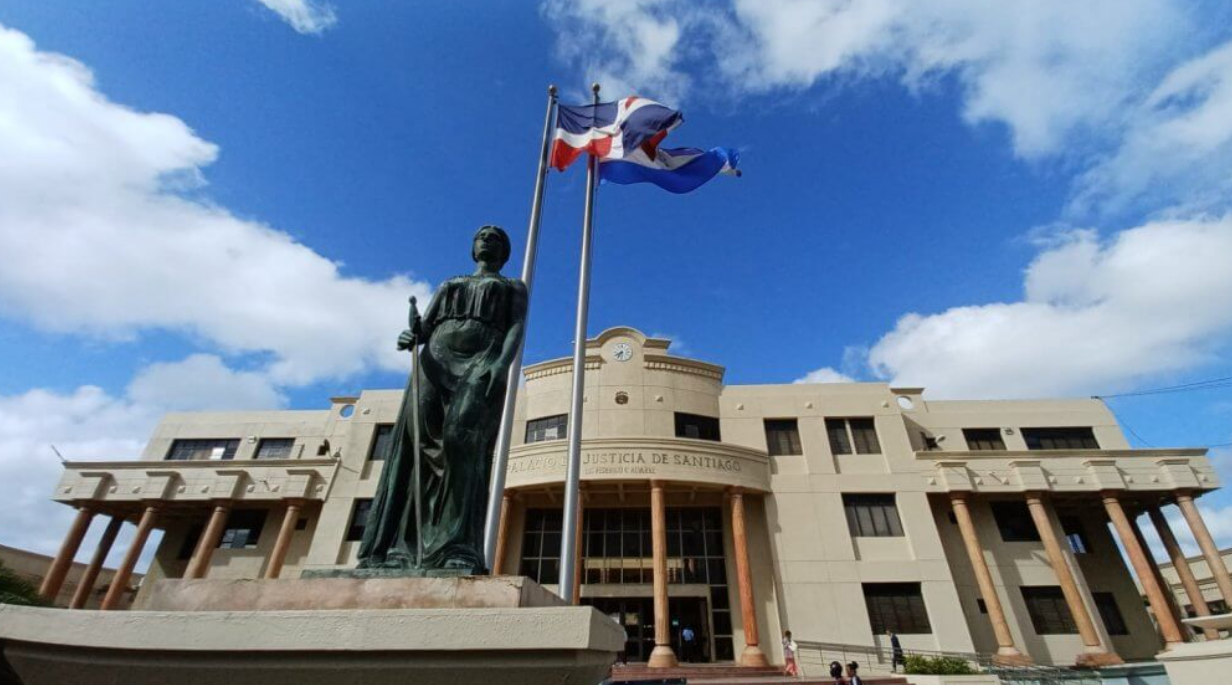
    In the Dominican Republic’s second-largest city of Santiago, a brutal coordinated fatal attack has left one man dead and seven motorcycle taxi drivers facing serious murder charges, with state prosecutors now pushing to hold the accused behind bars ahead of their trial. The victim, identified as Deivy Carlos Abreu Quezada, worked as a garbage truck driver when he was ambushed by the group following a multi-kilometer chase that ended in the immediate grounds of the city’s Palace of Justice.

    Prosecutors have formally named the seven defendants as Adony Antonio Ureña Ventura, Andrés Monclú González, Carlos Andrés Roa Morán, Miguel García Balbuena, Joanfry Joel Núñez, Juan Carlos Soto Ortiz, and Kevin Francisco Metz Cruz. Court documents allege the men acted in concert to pursue, block, and carry out the deadly assault on Abreu Quezada. After the attack, the injured driver was rushed to Santiago’s Presidente Estrella Ureña Hospital, where medical teams were unable to save his life.

    Top law enforcement officials have moved swiftly to formalize charges in the high-profile case. Dominican Attorney General Yeni Berenice Reynoso directly ordered local prosecutors to file preliminary murder charges against all seven suspects. Quirsa Abreu Peña, chief prosecutor for the Santiago region, has characterized the killing as a pre-planned, coordinated attack rather than a spontaneous outbreak of violence stemming from a road dispute.

    Early investigative findings outline how the deadly confrontation unfolded. The conflict erupted from a minor traffic accident between Abreu Quezada’s garbage truck and the motorcyclists, investigators confirmed. What began as a small roadway dispute quickly escalated, with the group of mototaxi drivers launching a pursuit that stretched for several kilometers as they repeatedly tried to force the garbage truck to stop. Desperate to escape the pursuing group, Abreu Quezada drove to the Palace of Justice seeking safety — but the mob followed him to the courthouse steps, where they carried out the fatal stabbing attack, according to official allegations.

  • Backlash, debate follow viral photo of woman posing on V.C. Bird monument

    Backlash, debate follow viral photo of woman posing on V.C. Bird monument

    A photograph showing a female tourist reclining in a suggestive pose on a national monument honoring Antigua and Barbuda’s founding father has exploded across social media platforms, igniting a fierce, divided public conversation over cultural respect, public reaction, and the protection of heritage sites. The monument stands as a tribute to Sir Vere Cornwall Bird, a towering figure in the Caribbean nation’s modern history who guided Antigua and Barbuda to full independence from colonial rule in 1981. Widely celebrated as the country’s “Father of the Nation,” Bird’s legacy is a core source of national collective pride, imbuing the site with profound historical and cultural meaning that makes the viral photo all the more controversial.

    In the wake of the image’s widespread circulation, thousands of online commenters have voiced sharp condemnation of the tourist’s actions, labeling them disrespectful, offensive, and deeply inappropriate for a site of such national significance. Many argue that sacred national landmarks demand universal reverence from all visitors, regardless of their origin. Some have gone further, demanding formal consequences for the woman, ranging from financial fines to deportation, while others have raised pointed questions about site management, asking how such a photo could be taken without intervention from on-site staff.

    A consistent thread among critical voices emphasizes the responsibility of international travelers: all guests should take the time to research local cultural norms and sensitivities before visiting important heritage sites, especially those honoring revered national figures. This perspective argues that ignorance of local customs is not an excuse for behavior that insults a nation’s shared history.

    However, a growing contingent of online users has pushed back against the widespread outrage, arguing that the response to the incident has been disproportionate. Supporters of this view note that the tourist herself has already taken accountability: she voluntarily removed the original image from her social media and issued a public expression of regret after seeing the scale of the negative reaction. Many argue that the woman’s willingness to correct her mistake should de-escalate the situation, and that the continued mass sharing of the photograph is actually what amplifies the disrespect to Bird’s legacy, rather than addressing it.

    One social media user summed up this position, writing, “She’s a tourist taking a picture by a statue… she was respectful enough to remove the picture after she saw comments.” Multiple commenters have also criticized users who continue to repost the viral image, arguing that the ongoing circulation unnecessarily drags out the controversy and amplifies division for clout. Others have called for a more measured, constructive approach, framing the incident as a learning opportunity to educate travelers on cultural sensitivity rather than a moment for blanket condemnation.

    Some members of the public have even downplayed the entire incident, describing it as either a harmless misstep or a lighthearted mistake that has been blown far out of proportion. This group also points to far more pressing systemic issues facing Antigua and Barbuda that deserve far more public attention and resources than a tourist’s bad photo op.

    Beyond the immediate debate over the tourist’s actions, the incident has prompted broader institutional questions: it has forced policymakers and heritage site managers to reexamine how public monuments are protected, and whether clearer on-site signage, formal visitor guidelines, or enhanced staff training are needed to prevent similar missteps from happening in the future.

  • Column: Onderwijs, de onmisbare bouwsteen voor mens en natie

    Column: Onderwijs, de onmisbare bouwsteen voor mens en natie

    Education is far more than the simple acquisition of literacy, numeracy, and rote facts. It is the foundational catalyst for individual self-development, collective societal advancement and long-term national growth. Through education, people uncover their innate talents, cultivate critical thinking capabilities, and learn to engage meaningfully and actively with their communities. For nations, investing in robust education systems is synonymous with investing in long-term prosperity: a skilled, knowledgeable population drives continuous innovation, fuels sustainable economic expansion, and preserves social cohesion.

    This inherent value of education is deeply understood by millions of parents and children across communities, who hold tight to the belief that education can break down systemic barriers and transform their life trajectories. Indra Toelsie, the author of this commentary, shares a personal reflection on this truth: her own parents, neither of whom completed primary education, sacrificed relentlessly to ensure their children could access secondary and higher education. Rain or shine, her father traveled with her across the region on his old Zundapp motorcycle to the education library, collecting reference materials for school assignments. He helped cut and paste materials for school projects, reached out to colleagues for hard-to-find information, and offered constant guidance. For Toelsie’s parents, education was the most valuable gift they could give their children, and no effort to support their schooling was too great.

    Yet, this clear understanding of education’s importance is alarmingly missing from many current policy making circles, Toelsie argues. Instead of committing to long-term, structural investments in school infrastructure, educator development, and accessible learning resources, a deeply concerning trend has emerged: policy making is increasingly driven by short-term populism. Politicians prioritize flashy, superficial policy measures that win quick public support over the durable, systematic reforms that would actually strengthen education systems from the ground up. As critics have repeatedly highlighted, modern education policy is trapped in a constant cycle of unplanned, half-baked experiments that leave the system adrift. This constant upheaval breeds widespread frustration among both educators and students, leaving the sector with no clear long-term vision or roadmap for where it aims to be decades from now.

    This populist-driven approach to education policy is not just unproductive—it is dangerous and short-sighted, Toelsie warns. By failing to give education the top policy priority it deserves, leaders are eroding the future prospects not only of today’s youth, but of the entire nation. Populist education measures may deliver quick electoral gains for politicians, but they fail to address the root structural challenges holding the sector back. In fact, they exacerbate existing gaps, leading to wider skills deficits and growing social inequality over time.

    The shifting priorities facing the education workforce also demand urgent attention. While countless educators remain deeply committed to their students and their craft, growing financial pressures are increasingly pushing passion for teaching and student development to the background. Many teachers report feeling demoralized and undervalued, leading them to invest less time and energy in their own professional growth and their students’ development than the system requires. The core mission of nurturing young people is increasingly being sidelined by competing priorities.

    Toelsie emphasizes that no child is inherently incapable; every person carries a unique set of talents and skills waiting to be nurtured. Unlocking that potential requires well-designed, functional systemic structures, and that responsibility falls squarely on policy makers. They must craft policies that make learning accessible, enjoyable, and motivating for all students. Meaningful innovation in education is also non-negotiable: learning should not be limited to theoretical instruction, but should expand opportunities for hands-on, practical experience, from structured company site visits to educational trips to cultural institutions like museums.

    Every parent wants the best possible opportunities for their children, greater or equal to what they themselves received. Not every student can afford to study abroad or secure a competitive scholarship; the vast majority of young people must rely on their domestic public education system to build their futures. When that system fails to deliver, leaving both students and teachers discouraged and disempowered, the long-term stability and prosperity of entire societies is put at risk.

    It is long past time for policy makers to step up and accept their core responsibility, Toelsie concludes. Education must be restored to its rightful place at the very top of the national policy agenda, recognized as the irreplaceable building block of both individual flourishing and national strength.

  • IDAC unveils flight simulator at Cibao 2026 Book and Culture Fair

    IDAC unveils flight simulator at Cibao 2026 Book and Culture Fair

    SANTIAGO – The Dominican Republic’s Cibao 2026 Regional Book and Culture Fair, the annual cultural gathering running from April 19 to 26 at the Gran Teatro del Cibao, is blending literary celebration with hands-on STEM outreach this year, thanks to a new exhibit hosted by the Dominican Institute of Civil Aviation (IDAC). At the heart of IDAC’s display is a fully functional flight simulator, a piece of equipment rarely accessible to the general public, brought to the fair by the institute’s specialized training arm, the Higher Academy of Aeronautical Sciences (ASCA).

    Unlike the simulators reserved exclusively for aspiring commercial pilots in formal training programs, this setup is designed to welcome curious attendees of all ages and backgrounds. Visitors get the rare chance to step into a virtual cockpit, test out fundamental flight controls, and experience firsthand the day-to-day responsibilities that come with being a commercial or private pilot. Normally, the simulator supports core ASCA training objectives, from walking new students through basic flight procedures to helping seasoned learners get comfortable with aircraft instrument panels and emergency protocols. Now, it serves an entirely new purpose: demystifying aviation for people who have never had a connection to the industry.

    Beyond the interactive simulation experience, the ASCA team on-site is also sharing detailed information with guests about the academy’s full range of technical degree programs and professional continuing education courses. Organizers behind the initiative say their core goal is twofold: to make aeronautical knowledge more accessible to the general public during the week-long cultural event, and to ignite long-term interest in aviation careers, particularly among younger attendees and local students.

    For the fair, which traditionally centers literature, art, and cultural exchange, the addition of the aviation exhibit marks a unique expansion of its programming, bringing a technical, career-focused educational opportunity into a space that draws thousands of regional visitors annually.

  • Court to rule on reports from non-experts on mental health patient

    Court to rule on reports from non-experts on mental health patient

    A high-stakes legal challenge to the credibility of mental health fitness assessments in St. Vincent and the Grenadines is set for a ruling Monday at the Serious Offences Court, after three clinicians publicly admitted they lack specialized psychiatric training to evaluate defendants’ competence to stand trial. The case, brought forward by pro bono defense attorney Grant Connell, calls into question long-standing systemic gaps that have potentially put mentally ill defendants at risk of improper conviction and sentencing.

    Connell is representing 32-year-old Kesroy Williams, a Belair resident with a documented schizophrenia diagnosis who faces a second illegal firearms charge in 18 months. Williams was first arrested and jailed in December 2024 after pleading guilty to unlawful possession of a .38 pistol and three rounds of matching ammunition. At the time, he told arresting officers he kept two weapons, “one for a wedding and one for a funeral,” and requested that officers return his gun after he completed his sentence. A Mental Health Rehabilitation Centre (MHC) located in Glen deemed him fit to enter a plea, a finding that went unchallenged — until Connell observed Williams’ second hearing last month.

    Williams was arrested again in February this year on charges that he possessed an unlicensed modified .32 caliber firearm and three matching rounds at his home. When Connell arrived at court in March for what was expected to be a routine sentencing hearing, he said alarm bells went off as the unusual facts of the case were read aloud. In addition to Williams’ history of bizarre statements to police, he noted that Williams had approached passing police officers to voluntarily hand over his weapon, only to be ignored before being arrested later. Connell told reporters after Thursday’s preliminary hearing that the situation struck him as immediately off: “Which person tells you they have a firearm, one for a funeral, one for a wedding, gives it to police and asks for it back after their sentence? That is not the behavior of a legally competent person.”

    Suspicious of the MHC’s competency ruling that deemed Williams fit for trial, Connell requested Chief Magistrate Colin John summon the three clinicians who signed off on Williams’ latest assessment to testify under oath about their qualifications and assessment process. When the trio — Dr. Alisa Alvis, Dr. Micheal Stowe, and Dr. Franklyn Joseph — appeared in court Thursday, their testimony exposed systemic under-resourcing that shocks legal and public health advocates.

    Alvis, who heads the country’s Mental Health Services and was called on to sign off on Williams’ report, confirmed she holds a PhD in psychology but is not a licensed clinical physician authorized to prescribe medication, and is not formally specialized in psychiatric assessment for court proceedings. Stowe, a general practitioner, told the court he is still completing a master’s degree in psychiatry, and only completed a two-week psychiatric rotation as part of his basic GP training. Joseph, also a general practitioner, completed only a two-month psychiatric rotation during his own GP training. Most strikingly, Alvis told the court that St. Vincent and the Grenadines currently has no practicing licensed psychiatrists on staff at any public mental health facility.

    Beyond the lack of specialized training, the clinicians admitted they lack basic diagnostic tools required to complete comprehensive competency assessments. The team told the court they do not have access to standardized IQ testing, and cannot complete many of the lab and cognitive tests required to fully evaluate a defendant’s mental capacity. They also acknowledged they could not rule out additional undiagnosed conditions that could impact Williams’ competency.

    Connell’s questioning further probed the red flags around Williams’ ongoing treatment. Williams takes daily risperidone, a powerful antipsychotic medication commonly prescribed to manage schizophrenia symptoms. A well-documented side effect of the drug is 24-hour cognitive impairment, including problems with memory, concentration, and critical thinking. Connell pressed the team: how can a person constantly living with these side effects be expected to follow court proceedings, respond to cross-examination, and assist in their own defense?

    Even more troubling, Connell told the court he discovered that competency reports written by the two different GPs, 40 days apart for separate defendants, are identical word-for-word. He slammed the current assessment process as perfunctory and fundamentally flawed: “All they do is ask a handful of basic questions — do you hear voices? Do you know who the prime minister is? If you’re dressed properly and don’t have an outburst in the office, you’re labeled fit to plead. That’s absolute nonsense. They even admitted that Williams could have an episode mid-trial and strip off his clothes running out of court, but still called him competent.”

    In an interview after Thursday’s hearing, Connell said this systemic failure has gone on for years, putting countless mentally ill defendants at risk. He noted he is not criticizing the individual clinicians, who are working with severely limited resources, but is calling for urgent systemic reform. “You can’t gamble with people’s lives like this. When you lock a mentally ill person who isn’t competent to stand trial in prison, they face abuse from other inmates, improper medication dosing, even death. I already know of one young man who died in prison from a medication overdose because no qualified specialist was overseeing his care,” he revealed.

    Connell is calling on parliament to prioritize urgent legislation to fix the broken system, and push for the government to recruit at least three full-time qualified psychiatrists to oversee MHC’s court assessment services. “Even if you are a prisoner or living with mental illness, you are still a human being who deserves dignity and due process. This isn’t a political issue — this is a human rights issue that demands urgent action,” he said.

    Following Thursday’s testimony, Chief Magistrate Colin John announced he would issue his formal ruling on the challenge to the competency report on Monday. Prosecutor Inspector of Police Renrick Cato said the prosecution will consult with the Director of Public Prosecutions to map out the next steps once the ruling is issued.

  • Cancer charity stresses no discrimination in services

    Cancer charity stresses no discrimination in services

    Three decades after opening its doors to people impacted by a cancer diagnosis, the Caribbean non-profit Cancer Support Services is celebrating its milestone anniversary while reaffirming its core commitment to inclusive, non-discriminatory support for all patients, regardless of gender identity.

    Organization chairman Carlyle Best made the pledge during a special 30th anniversary commemoration service held Sunday at St James Parish Church in Holetown, St James. In remarks to attendees, Best emphasized that the charity extends its full range of support to every person who reaches out for help, rejecting any gender-based restrictions on access to care. “We do not turn anyone away based on gender,” Best explained. “Whether you identify as male, female, or any other gender, if you have received a cancer diagnosis and come to us for support, we will stand with you every step of the way.”

    Best credited the organization’s 30 years of sustained impact and success to the decades-long dedication of its members, volunteers, and community donors, and issued a public call for new support to help the charity expand its reach. He noted that anyone who has navigated a cancer journey, either personally or alongside a loved one, understands the critical gap the organization fills in patient care. “As your local canon observed, recovery is never truly complete without the holistic assistance that this charity provides,” Best added. Alongside practical and emotional support, Best encouraged people living with cancer to draw spiritual strength from their faith during treatment and recovery, urging patients to trust in the guidance of their medical teams and place their trust in God’s plan.

    To mark its 30th anniversary, the organization has planned two major public celebratory events open to the community. The first is a concert titled *Inspire*, scheduled for May 3 at the Frank Collymore Hall. The second will be held on Mother’s Day, May 10, at the Covenant Life Teaching Centre, where attendees will be invited to share beloved phrases and lessons passed down to them from their mothers.

    During the service’s sermon, Reverend Stevenson Sobers addressed the congregation on the meaning of loving God, reminding attendees that faith calls for recognizing God’s absolute sovereignty over all aspects of life. He reflected on the common human impulse to try to control every outcome of our journeys, noting that many people unconsciously push God aside to try to take charge of their own fates. “Often, we want to ask God to just move out of the way and let me be God sometimes,” Sobers observed. “But our love for God flows from an understanding of His absolute holiness, infinite power and perfect wisdom, and that is a love rooted in awe and reverence.” He added that this foundational love must be demonstrated through consistent obedience and devotion to God’s leading.

  • ROAD RUSH

    ROAD RUSH

    Commuters traveling through the busy Old Hope Road, Munroe Road, and Liguanea corridor in Kingston, Jamaica’s capital, are bracing for at least six more weeks of significant traffic congestion as the National Water Commission (NWC) advances a billion-dollar water and sewerage modernization project across the area. The $1.2 billion initiative, which includes replacing aging potable water mains and laying entirely new sewer infrastructure, is designed to deliver long-term transformative benefits for local residents, according to government officials who are urging the public to bear with short-term inconveniences.

    During an on-site press tour of active work zones along Munroe Road and Wellington Drive, Matthew Samuda, Jamaica’s minister with oversight for water, acknowledged that peak-hour commuters already face extended travel delays along the route. However, he pushed back against widespread claims that the NWC project was the sole cause of the severe gridlock that locked down portions of Kingston’s Corporate Area last Friday, which left motorists stuck for hours on trips that typically take minutes between 4 p.m. and 7 p.m.

    Samuda attributed last week’s crippling traffic to a confluence of multiple unrelated factors, starting with heavy overnight and daytime rainfall that left three major gullies impassable for many vehicles. He added that two separate ongoing construction projects, one at the base of Red Hills Road and another near Maxfield Avenue, also contributed heavily to the systemic backup. While Samuda confirmed that the NWC’s water infrastructure work does add to regional congestion around Wellington Drive, Munroe Road, and Seymour Avenue, he emphasized it was not the primary driver of Friday’s standstill.

    In response to growing public frustration over extended delays, senior government and NWC leaders conducted the weekend site inspection to verify project timelines and confirm that work is advancing to minimize disruptions for both local residents and through commuters. According to Samuda, the overall project remains on track, with all current construction phases on schedule for completion by September 2025, matching the original timeline set when ground broke in May 2025. He acknowledged that some level of travel disruption and local inconvenience will persist through the end of the project timeline, but noted that work has progressed as smoothly as possible given the massive scope of overhauling the area’s entire water and sewage distribution network.

    Commuters will see tangible relief from congestion along the Munroe Road corridor as early as the end of May, Samuda confirmed. By that date, the NWC plans to fully repave the Munroe Road work zone, complete pressure testing for new water lines, connect all new infrastructure to the regional network, and shift construction crews to other phases of the project. To speed completion without unnecessarily disturbing nearby residents, the NWC has already shifted non-intrusive work to overnight shifts where possible, and will expand this practice over the next month when conditions allow. Samuda explained that loud, disruptive work like heavy digging and trenching will not be moved to nights out of respect for local residents’ sleep, but the agency will target public holidays for intensive work, when regional traffic volumes are far lower and full road closures can be done with minimal broader disruption.

    Kevin Kerr, the NWC’s acting president, backed Samuda’s end-of-May timeline for the Munroe Road segment, calling the deadline entirely achievable. “We have heard the public’s concerns loud and clear, and we are here today to provide clear updates and transparency around this project,” Kerr told reporters during the tour. “What we are doing will drastically improve water and sewer services for our customers, and we recognize that the next six months will bring continued discomfort. We will share regular schedule updates across all our public platforms to keep commuters informed, and we remain committed to completing the Munroe Road segment by the end of May with high-quality road restoration.”

    Project engineer Gary Walters acknowledged that construction on Munroe Road has faced unexpected challenges, specifically unusually hard rock formations in the sub-surface that required specialized excavation equipment and slowed progress temporarily. Even with this unforeseen hurdle, Walters confirmed the project remains on schedule and the team will meet the end-of-May deadline for the corridor.

    Beyond improved water service, the project carries major long-term environmental and public health benefits, Samuda reiterated, a core priority he highlighted when the initiative launched last year. Outdated, failing sewer systems and widespread unregulated backyard septic pits have contaminated local groundwater supplies, leaving multiple productive wells in the area unusable due to dangerously high nitrate levels. Once complete, the new sewer infrastructure will eliminate this contamination, unlocking these critical local water sources for future use.

    The press tour marked the latest government effort to address public concerns over the construction impacts, with leadership emphasizing that short-term disruptions will lay the groundwork for more reliable, sustainable water and sewer services for the Kingston corridor for decades to come.

  • Shock as woman found dead at rented home in St Mary; no foul play identified ‘at this time’

    Shock as woman found dead at rented home in St Mary; no foul play identified ‘at this time’

    In rural St Mary parish, Jamaica, local law enforcement is working to determine the exact cause of death of a 35-year-old woman whose remains were discovered in an advanced state of decomposition inside her locked rented residence in the Lewistore community this past Friday. While investigators have not publicly released the woman’s name in their official statement issued Monday, local residents have confirmed her identity as Kerry Henry, a native of the neighboring Clarendon parish and an alumna of Kellits High School, according to reporting from Observer Online.

    Per official police accounts, Henry lived alone at the Lewistore property, and was last confirmed to be alive at approximately 10:00 p.m. on April 14, 2026. Medical investigators currently estimate her death occurred at some point between that April 14 interaction and 4:00 p.m. on April 17, the day her body was located.

    In their Monday public statement, the St Mary Police Department noted that investigators have not yet uncovered any evidence of foul play connected to Henry’s death. The statement also shared that public records indicate Henry had recently sought care from a local physician for ongoing general health issues. Concerns about Henry’s wellbeing first emerged when repeated attempts to reach her by phone went unanswered, prompting those who tried to contact her to alert authorities. On Friday, Henry’s landlord conducted a welfare check at the property, detected a strong unusual odor coming from inside the home, and immediately contacted local police.

    When officers arrived, they found the property’s entry was securely locked from the inside, forcing law enforcement to force entry to access the residence. Once inside, investigators found Henry’s body lying supine on the floor, already in an advanced state of decomposition. A post-mortem examination has been ordered to confirm the official cause and timeline of death, and results are still pending as of Monday.

    As word of Henry’s passing spread across the small local community over the weekend, news of her death sparked an outpouring of grief and shock across local social media platforms. The popular local Facebook page Port Maria Highlights Ja, which covers community events in St Mary, posted a public tribute to Henry on Sunday, writing “Jah Jah Kerry Rip Friend… This really really sad, don’t know what happened or to say, but condolences to family and friend.”

    Other local social media users shared their own memories of Henry, uniformly describing her as a warm, kind person who was almost always seen smiling. “I’m so shock and hurt. She’s such a lovely soul. May her soul rest in peace, love always hun,” one woman wrote. Another user who encountered Henry just two weeks prior in nearby Highgate shared, “I saw her in Highgate two weeks ago, and Kerry was always smiling. This is so heartbreaking. Where were her close friends? RIP mama.” One man who had not seen Henry since the December holiday season reflected, “Rip .. friend.. Last time me see her was in Christmas.. My condolences to the family. It sad. Sometime it’s not nice living alone.”

    Local investigators are now asking any members of the public who have information relevant to the circumstances of Henry’s death, or who observed any unusual activity in the Lewistore area between April 14 and April 17, to come forward with their accounts. Tipsters can contact the Highgate Police Station at 876-992-2233, the Port Maria Police Station at 876-994-4223, or the anonymous Crime Stop hotline at 311 to share information.

  • Biker’s estate awarded millions for crash injuries

    Biker’s estate awarded millions for crash injuries

    Jamaica’s Supreme Court has delivered a landmark ruling granting over $7 million in total damages to the estate of a young motorcyclist who was left permanently disabled by a negligent vehicle collision, before dying three years later from unrelated causes. The 22-year-old victim, who passed away at age 25 in 2024, never recovered from the life-altering injuries he sustained in the May 2021 crash on Porus Main Road, where a negligently operated Mazda vehicle collided head-on with his motorbike, throwing him from the vehicle.

    Following the collision, the victim spent five consecutive months hospitalized from the incident through January 2023, undergoing multiple invasive procedures including skin grafts and orthopedic reconstructive surgeries to repair his damaged legs. Court testimony from his mother revealed the long-term impacts of the crash: his left leg grew shorter than his right, he could not fully extend his right leg, he could not walk correctly, stand for extended periods, or return to his regular work.

    Prior to the collision, the young man worked alongside his mother, conducting vehicle sales runs for a weekly wage of $20,000 Jamaican dollars. He was unable to resume this work for a full year after the crash, resulting in more than $1 million in lost wages alone. A passionate amateur football player, he was also forced to abandon the sport he loved, and suffered social embarrassment due to his visible physical disability and altered gait.

    After the victim’s 2024 death from causes unconnected to the collision, courts appointed a substitute claimant to pursue the lawsuit on behalf of his estate, naming the Mazda’s driver as third defendant and the vehicle’s owner couple as first and second defendants.

    In his written judgment, Puisne Judge Dale Staple emphasized the disproportionate harm the crash inflicted on the victim, who was in the prime of his youth and most productive working years when the incident occurred. Staple noted that even over the short three-year period between the collision and the victim’s untimely death, the severe injuries caused devastating, permanent disruption to his ability to work, engage in recreation, and participate in everyday social life.

    “His injury was a very serious one and clearly had a serious effect on his work and social life, even in such a short period of time,” Staple wrote in the ruling, handed down in late 2024. The judge outlined that the first three years post-injury represented the most acute period of suffering, including a grueling five-month recovery marked by major surgical interventions, and that adjusting to life with permanent disability would have placed ongoing strain on the young man.

    To account for this prolonged hardship, Staple ruled that a substantial portion of the total damage award would be allocated to the acute recovery and post-injury period. The final judgment set $6 million in general damages for pain, suffering, and loss of life amenities, accruing 3% annual interest from December 16, 2023 through March 16, 2026. The court also granted just over $1 million in special damages to compensate for lost wages and related expenses, with 3% interest starting from the date of the collision, May 7, 2021, running through March 16, 2026.