分类: society

  • Statement on the Passing of Dr. Shelly-Ann Cox, Chief Fisheries Officer of Barbados

    Statement on the Passing of Dr. Shelly-Ann Cox, Chief Fisheries Officer of Barbados

    The Caribbean Regional Fisheries Mechanism (CRFM) Secretariat has announced the sudden passing of Dr. Shelly-Ann Cox, Barbados’ long-serving Chief Fisheries Officer, issuing an official statement of condolence on June 14, 2026 that has been met with an outpouring of grief across regional fisheries and coastal communities.

    In the statement released by CRFM Executive Director Dr. Marc Williams, the secretariat shared its profound sadness at the unexpected loss, extending heartfelt sympathy to Cox’s family, close friends, professional colleagues, and every member of Barbados’ fishing community as they navigate this period of profound loss.

    Across a decades-long, distinguished career, Dr. Cox dedicated herself to serving Barbados and the broader Caribbean region with consistent devotion, rigorous professionalism, and a deeply rooted passion for marine resource stewardship. In her role as Chief Fisheries Officer, she emerged as a transformative leader, driving major progress in four key areas: the adoption of science-based sustainable fisheries management practices, the building of greater economic and social resilience among small-scale fishing communities, the promotion of responsible long-term stewardship of the Caribbean’s valuable marine ecosystems, and the expansion of cross-border cooperation to address shared challenges facing the regional fisheries and aquaculture industries. Her sharp technical expertise, steady collaborative leadership, and unwavering commitment to equitable progress earned her widespread respect and admiration from peers across the Caribbean and in global fisheries circles.

    Cox’s influence extended far beyond the territorial waters of her home country. Through her active participation in regional policy initiatives and close, sustained collaboration with the CRFM and its network of partner institutions, she helped shape landmark policies and community-focused programs that have strengthened regional fisheries governance, improved food and nutrition security for millions of Caribbean residents, and secured more stable livelihoods for thousands of small-scale fisherfolk and fish processing workers across the region. Her insight and perspective were consistently prioritized in high-level regional discussions, and her lifelong work to advance the sustainable development of the fisheries sector has created an enduring legacy that will continue to deliver benefits for Caribbean communities for generations to come.

    “Our thoughts and prayers remain with Dr. Cox’s loved ones, her team at the Barbados Fisheries Division, and above all the fisherfolk and fishing communities of Barbados, who have lost a steadfast advocate and unwavering champion,” the statement read. “We encourage those mourning to find comfort in the remarkable impact she achieved during her lifetime, and in the countless lives she touched through her decades of selfless service.”

    The CRFM Secretariat said it joins the entire people of Barbados in mourning Cox’s passing and celebrating her life of service dedicated to advancing the Caribbean fisheries sector and improving the wellbeing of all Caribbean people. May her soul rest in eternal peace.

  • BL&P celebrates anniversary milestone

    BL&P celebrates anniversary milestone

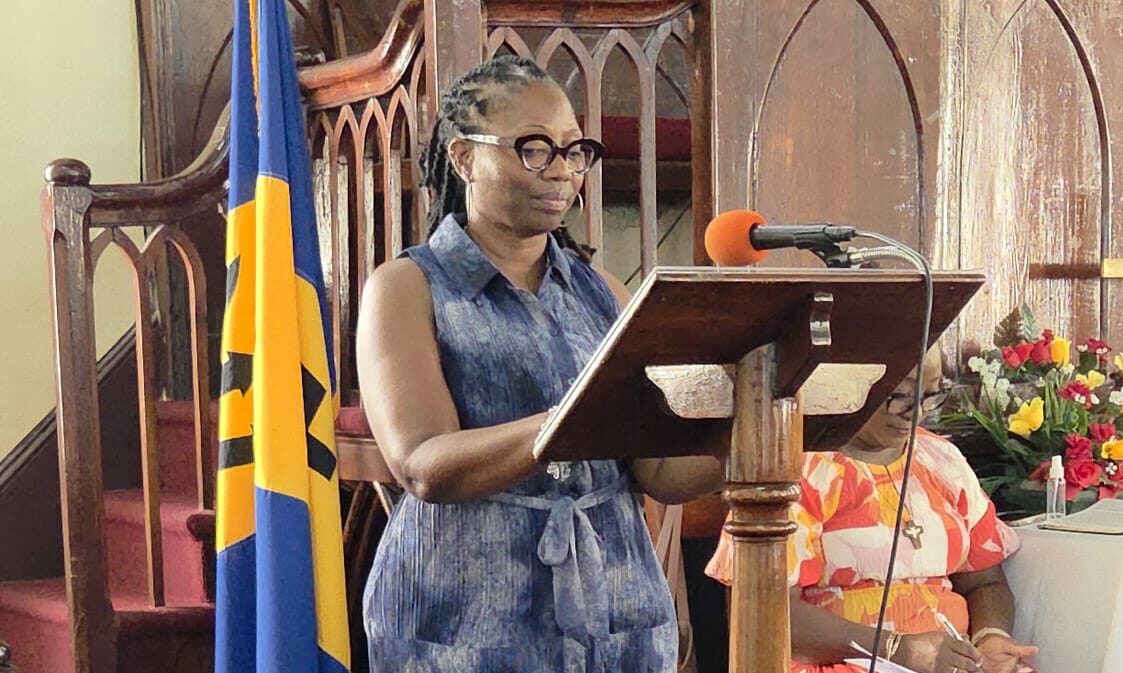
    This week, Barbados’ only electricity provider, Barbados Light and Power Company (BL&P), is pausing to look back on 115 years of powering the island nation’s growth and development. To launch its week of milestone commemorations, BL&P employees gathered alongside congregants at Dalkeith Methodist Church on Sunday for a heartfelt thanksgiving service. The choice of location was far from arbitrary: Dalkeith Methodist holds a unique place in Barbados’ energy history as the first church on the island to be connected to electrical power.

    Speaking at the service under the anniversary theme ‘Blueprints of Excellence’, BL&P Human Resources Business Partner Sonia Haynes-Collymore explained that the theme was chosen to highlight shared values between the utility company and the historic church. Both institutions, she noted, are rooted in priorities including nurturing strong community bonds, prioritizing the welfare of individuals, centering collective well-being, and maintaining an unwavering commitment to outstanding service.

    Antoine Williams, a representative of Dalkeith Methodist Church, opened the service by welcoming the BL&P delegation and extending recognition for the company’s decades-long impact across Barbados. Williams emphasized that BL&P has long stood as a trusted social partner, contributing to progress in local communities and across the entire island for generations.

    The opening church service is just the first of a full slate of anniversary events planned for the week. Upcoming activities include an Employee Appreciation Day to honor the teams that have kept the company running over the decades, a ceremonial time capsule burial to preserve memories for future generations of BL&P staff, a company-wide football tournament to foster team camaraderie, and a formal awards gala. The awards ceremony will recognize long-serving employees and individuals who have made exceptional contributions to BL&P’s 115-year legacy of reliable service to Barbados.

  • Friend flees as ‘Sophia’ knife to death outside supermarket

    Friend flees as ‘Sophia’ knife to death outside supermarket

    A brutal mid-morning stabbing on a busy Trinidad and Tobago roadway has left a young Venezuelan migrant dead, with law enforcement investigators probing the killing as a targeted domestic-related attack. The incident unfolded on Saturday morning along Montrose Main Road in Chaguanas, where 28-year-old Mariannys Jiménez — who went by the nickname Sophia and resided on Sagan Street in Caroni’s Kelly Village — was attacked while en route to her dishwashing shift at Panda’s Restaurant.

    The chain of emergency response began shortly after the attack, when officers assigned to the Chaguanas Police Station received an incoming report at approximately 9:30 a.m. alerting them that a stabbed woman had been transported to the local Chaguanas Health Facility. By the time responding law enforcement officers arrived at the medical center, clinical staff shared that Jiménez had been admitted just six minutes earlier, at 9:20 a.m., suffering from multiple penetrating stab wounds across her body. Despite immediate life-saving interventions by medical teams, Jiménez was officially pronounced dead at 9:26 a.m., mere minutes after her arrival at the facility.

    Investigators have turned to a key witness — one of Jiménez’s close friends and co-workers — to piece together the timeline of the attack. The witness told police that Jiménez had stayed with her the previous night after reaching out to her for support, a detail that aligns with police’s domestic incident hypothesis. As the pair walked along Montrose Main Road toward their workplace at roughly 9:10 a.m., an unidentified man clad entirely in dark clothing and wearing a baseball cap stepped forward to confront Jiménez before launching his attack, stabbing her repeatedly in public view.

    In the chaos of the assault, the witness fled to a nearby grocery store to call for emergency assistance. By the time she returned to the scene, the attacker had already fled the area on foot, leaving Jiménez unconscious and bleeding heavily on the sidewalk. A good Samaritan motorist passing through the area stopped to rush the injured woman to the nearest health facility, but her wounds were too severe to survive. As of Saturday evening, investigators had not released any updates on the identity of the suspect or potential arrests connected to the killing, leaving the community on edge over the brazen public attack.

  • 20 bullets fired in killing of ‘Ling’

    20 bullets fired in killing of ‘Ling’

    In the pre-dawn darkness of Saturday, a fatal shooting left a 32-year-old Diego Martin resident dead at his own home, marking the latest violent incident to shake the quiet community. Authorities have identified the victim as Nigel Ferguson, who was also known to locals by the nickname “Ling” and resided at a property on Rathole, Upper Quarry Street.

    The first signs of trouble emerged at approximately 1:35 a.m., when nearby residents reported hearing loud, explosive-like bangs erupt from Ferguson’s home. Within minutes, two suspects clad entirely in dark clothing, both carrying loaded firearms, were spotted fleeing the residential property on foot. The pair ran down a long flight of outdoor steps that connects the hillside neighborhood to the main public roadway before disappearing from sight.

    After the gunmen left the scene, one concerned local resident approached Ferguson’s home to check on his wellbeing, where they made the grim discovery: the 32-year-old lay unresponsive in the entryway of his house, with no signs of life.

    Members of the Trinidad and Tobago Police Service’s Crime Scene Investigations unit were quickly dispatched to process the location and gather forensic evidence. Their search of the property turned up a total of 20 spent shell casings of varying sizes, a find that indicates multiple weapons were used in the attack. Among the recovered casings were seven 9mm rounds and 13 .40-calibre rounds.

    As of the latest update, law enforcement officials have not announced any suspects in connection with Ferguson’s killing, nor have they identified a clear motive for the deadly attack. Investigations remain active and ongoing as detectives work to track down the two attackers and piece together the sequence of events that led to the shooting.

  • Abaco teen killed in boat driven by twelve-year-old

    Abaco teen killed in boat driven by twelve-year-old

    A devastating fatal accident on the waters near Abaco’s Nunjack Cay has left a tight-knit Bahamian community in mourning and reignited long-simmering demands for tougher enforcement of existing boating safety regulations, after authorities confirmed a 12-year-old child was at the helm of the vessel when the incident unfolded.

    Fifteen-year-old Kyron Curry, a beloved tenth-grade student at Patrick J Bethel High School, lost his life on Friday when he fell overboard from the 17-foot Cobia craft, which was carrying four teen passengers ranging in age from 12 to 16 off the coast of Green Turtle Cay, less than 10 miles from the incident’s starting point. According to initial police accounts, none of the vessel’s passengers were adults, and the 12-year-old operator was well below the legal age to helm a motorized boat of the size being used.

    Witness statements from the surviving teens outline the chaotic moments that led to the tragedy: Curry was standing on the bow of the moving vessel, holding a towing rope, when he lost his balance and fell into the water. After the fall, the young passengers reported hearing a sharp loud noise, then spotted blood spreading across the water’s surface. Un able to locate Curry quickly, the group navigated back to Green Turtle Cay to summon emergency assistance. Local volunteer boaters launched an immediate search effort and eventually recovered the unconscious teen, who had suffered a severe fractured skull. Curry was rushed to a local medical facility, where medical staff pronounced him dead on arrival.

    The tragedy sent shockwaves through the small, close-connected island community, where nearly everyone knew the popular young student. Community members described Curry as a bright, well-mannered teenager who was widely liked across the island. When Curry’s body was brought to the local clinic, deputy chief councillor Elvardo Butler was among the dozens of residents who gathered to wait for updates. He recalled the devastating moment when Kyron’s mother’s screams confirmed the death of her only child, leaving the entire gathered crowd heartbroken. “It hurt my heart to see it, and then to watch the kid that was driving the boat just sit there and sob; it was a hard situation all around,” Butler shared in an interview.

    Butler, a long-time community leader on the island, laid blame for the incident squarely on systemic adult negligence, arguing that lax attitudes toward unsupervised youth boating created the conditions for the preventable death. “I’m not mad at them because they’re kids, but some type of adult supervision should’ve been on that boat no matter what happened,” he said, pushing back against claims that the tragedy was an unavoidable accident. While he stopped short of directly attacking the 12-year-old operator’s family, he called for accountability, noting that community members had repeatedly warned the child’s parents about their repeated pattern of allowing underage, unsupervised boating. Those repeated warnings, he claimed, were dismissed outright.

    “If you come on the cay and interview about 100 people, they’ll tell you the same,” Butler said. “We’ve been talking to these people over and over regarding coming in the harbour, regarding these kids, swimming across the harbour, all different type of stuff. But it’s like we lost our way over there. You can’t say nothing to anyone no more. It’s unfortunate and that’s the way it is.”

    Current Bahamian law explicitly bars any person under the age of 16 from operating a motorboat with an engine larger than 10 horsepower, with only two narrow exceptions: if the minor has passed a certified practical boating safety test, or if a 14- to 16-year-old operator is under direct, on-board supervision of an adult aged 16 or older. There is no indication the 12-year-old operator met either of these requirements to legally operate the vessel.

    Butler added that the problem of unsupervised youth operation of motorized vehicles extends far beyond boating. He claimed it is common for children as young as pre-teens to operate motorbikes and scooters across the island without any adult oversight, a pattern of dangerous behavior that has gone unaddressed for years.

    Local political leaders joined the community in mourning: Abaco area MP Kirk Cornish released a public social media statement expressing profound sorrow over the tragedy and extending his deepest condolences to Curry’s grieving family. Relatives of the teen declined to speak publicly about the incident Tuesday, asking for privacy as they grieve.

    As of Tuesday, law enforcement officials have not yet made a decision on whether to file criminal charges in connection with the death. Chief Superintendent Michael Thurston, the top-ranking officer in Abaco, told reporters that investigators are exploring all possible avenues of the case and coordinating with the Port Department to review all relevant regulations and evidence. He added that in response to the tragedy, the Royal Bahamas Police Force will ramp up public awareness campaigns on social media to educate boaters about safety rules, in an effort to prevent similar deaths in the future.

    Assistant Superintendent Nicholas Johnson, press liaison for the Northern Bahamas, offered an early update that suggested charges may not be forthcoming, noting that at this stage of the investigation, there is no evidence of criminal wrongdoing that would justify formal charges. Once the full investigation is concluded, the case will be turned over to the coroner’s office for an official inquest into the cause of death, he confirmed.

  • Medical hubs bring relief to Sav, Salt Spring residents as  hurricane recovery continues

    Medical hubs bring relief to Sav, Salt Spring residents as hurricane recovery continues

    In the wake of Hurricane Melissa’s destructive passage through western Jamaica, local communities are still navigating the long and difficult road to recovery. To address unmet critical health needs and compounding recovery challenges for storm-impacted populations, cross-sector community partners have launched mobile medical hubs that have already delivered care to close to 200 residents in the hardest-hit regions.

    The outreach initiative is led by Project STAR, in formal collaboration with multiple local and international health and community stakeholders. Services have been deployed directly to two high-need locations: Salt Spring in the parish of St James, and Savanna-la-Mar in Westmoreland.

    Official data released by Project STAR confirms that more than 50 local residents accessed care at the Salt Spring hub, while the Savanna-la-Mar site served more than 140 people, pushing the total number of beneficiaries to just under 200. Saffrey Brown, director of Project STAR, explained that the medical hubs are a core component of the organization’s broader post-disaster recovery framework, focused on lifting up vulnerable groups still struggling with the hurricane’s aftermath. Both targeted communities suffered extensive damage from severe flooding and widespread storm-related disruptions to critical infrastructure, including local healthcare facilities.

    “Every resident who attended the hubs received a full suite of primary healthcare services, ranging from one-on-one medical consultations, blood pressure screenings, blood glucose testing, and body mass index evaluations to targeted public health education,” Brown outlined. “A trained team of licensed healthcare professionals was on-site to deliver care and arrange follow-up referrals for residents requiring additional specialized treatment.”

    At the Savanna-la-Mar site alone, 136 residents registered to receive services. Women made up the large majority of attendees, with 94 female and 42 male residents accessing care. While working-age adults between 20 and 59 years old made up the largest demographic served, the initiative also extended care to 25 senior citizens and 15 children aged 12 and under. Of all registered attendees in Savanna-la-Mar, 96 completed all four recommended core health assessments, and more than 110 residents received consultations with licensed physicians. The hub also offered voluntary confidential screening for HIV and syphilis, which 32 residents opted to complete. Complementary non-medical community education sessions were led by representatives from the Jamaica Constabulary Force, the National Council on Drug Abuse, and the Restorative Justice Programme, covering topics ranging from public safety to substance abuse support.

    Felicia Kelly, chief financial officer and logistician for Integrative Clinics International (ICI), one of the partnering organizations, shared that the overwhelming unmet need created by Hurricane Melissa pushed her group to join the initiative in Westmoreland. With a team of 18 dedicated healthcare professionals, ICI led screenings for prevalent chronic conditions including hypertension and diabetes, in addition to providing general consultations and connecting residents to life-saving essential medications. “We brought our full range of resources to this community to make sure every resident can access the care and medication they need to stay healthy through this difficult recovery period,” Kelly noted.

    Beyond clinical healthcare services, the partnership also delivered critical humanitarian relief supplies to attendees, arranged through support from Global Empowerment Mission (GEM) Caribbean. The organization distributed care packages stocked with non-perishable food, personal hygiene products, and bedding, with priority distribution going to elderly and isolated residents.

    “Supporting public health and health-focused disaster recovery initiatives has been a core priority of GEM Caribbean’s Hurricane Melissa response strategy from day one,” explained Deika Morrison, executive director of GEM Caribbean. “We are grateful to Project STAR for the opportunity to collaborate on this vital work that meets so many immediate needs for our community.”

    Beneficiary residents have widely praised the outreach effort, describing it as a lifeline at a time when stable access to care remains out of reach for many. Krystal Taylor, a resident of New Market Oval in Savanna-la-Mar, shared her gratitude for the opportunity to access free clinical care and medication through the hub. “Getting free medications here today filled me with so much joy — this is real care for our community,” Taylor said. “It means the world, especially right now when so many of us are still working to get our lives back on track after the storm.”

    Brown emphasized that even as broader recovery efforts progress across western Jamaica, consistent access to affordable, basic healthcare remains one of the most pressing unmet needs for thousands of storm-affected residents. The community hub model was intentionally designed to remove common barriers to care, from transportation costs to long wait times at damaged facilities, while connecting local residents to ongoing care and support services. The initiative is part of a larger, long-term community recovery strategy that integrates healthcare access, psychosocial support, public education, and humanitarian aid to support residents as they rebuild their lives and communities in the months following the disaster.

  • MoBay adds automated car park in move towards becoming smart city

    MoBay adds automated car park in move towards becoming smart city

    MONTEGO BAY, Jamaica — Montego Bay’s ambition to evolve into a fully connected smart city has reached a new milestone, after the St James Municipal Corporation officially opened the city’s first automated public parking facility last Thursday. The project forms part of the municipality’s broader urban renewal and smart city development strategy, marking one of the first tangible tech-focused upgrades delivered to local residents.

    The municipal corporation invested roughly $4 million to upgrade the existing public car park on Harbour Street, replacing the legacy manual parking system with a fully digital automated framework. According to Nicholas Thompson, a representative from Innovative Core Solutions — the private firm contracted to complete the transformation — the new system eliminates paper-based processes like handwritten parking receipts, cutting administrative waste and simplifying transaction workflows.

    Under the new system, drivers receive a physical entry card upon entering the facility. When exiting, users scan their card at a payment terminal to view the calculated parking fee, then complete payment at an on-site cashier booth. Unlike the old manual system that left room for unreported parking and underpayment, Thompson noted that the automated framework closes all revenue leakage loopholes: there is no way for drivers to exit the facility without paying the full correct fee. Flexible card options are also available for daily users, monthly subscribers, and registered guests of the facility, with future upgrades already planned. Thompson added that the project team intends to roll out new features including automatic license plate recognition in the coming months to further improve efficiency.

    Speaking at the official ribbon-cutting ceremony opening the upgraded facility, Montego Bay Mayor Richard Vernon framed the new car park as a critical incremental step toward his administration’s long-term vision of a tech-integrated smart city. “It is these small procedural steps that feed into the whole. After enough time, we can integrate all separate systems together to build a complete smart city,” Vernon shared in an interview with the Jamaica Observer.

    Vernon explained that the automated car park is one of many small technological investments the municipality is rolling out under its urban renewal programme, all aimed at building long-term urban sustainability and improving quality of life for Montego Bay residents. He pointed to earlier smart city wins already delivered by the administration, including moving multiple municipal application services online and deploying security cameras that helped eliminate several persistent illegal dump sites across the city. The mayor also revealed that a new smart bus stop project is on track to be completed soon, emphasizing that building a smart city is a gradual, cumulative process rather than an overnight transformation.

    The Harbour Street car park automation was funded and implemented under MoBay’s STEP UP programme — short for Striving Towards Environmental Protection & Urban Preservation — an initiative focused on strengthening environmental protection standards and improving urban public order.

    Vernon shared that ahead of launching the project, the municipal corporation conducted a months-long internal review to identify underperforming revenue streams that could be upgraded to generate more consistent public income. Car parks emerged as a high-priority target for improvement, with Vernon noting that a multi-storey expansion of the Harbour Street facility remains the long-term ideal for the site.

    “Developing multi-storey car parks across Montego Bay serves two key goals: it boosts municipal revenue and helps alleviate chronic city center traffic congestion,” the mayor explained. “Right now, illegal on-street parking is a persistent problem that clogs roads and reduces local economic productivity. Better organized parking facilities will help cut congestion and lift productivity.”

    Vernon expressed confidence that the public investment in the automated car park will deliver strong long-term returns for the municipality. “When we approve municipal projects, we don’t make decisions frivolously. We carefully evaluate return on investment and long-term public value before moving forward,” he said. The mayor also confirmed that the administration has already identified additional city-owned car parks to convert to automated systems, with the municipal library car park marked as the next project to follow the Harbour Street facility. By starting small with a pilot project, the corporation can work out any implementation kinks before scaling the model across more public facilities.

  • Operation Onco14 targets alleged embezzlement of funds intended for cancer patients

    Operation Onco14 targets alleged embezzlement of funds intended for cancer patients

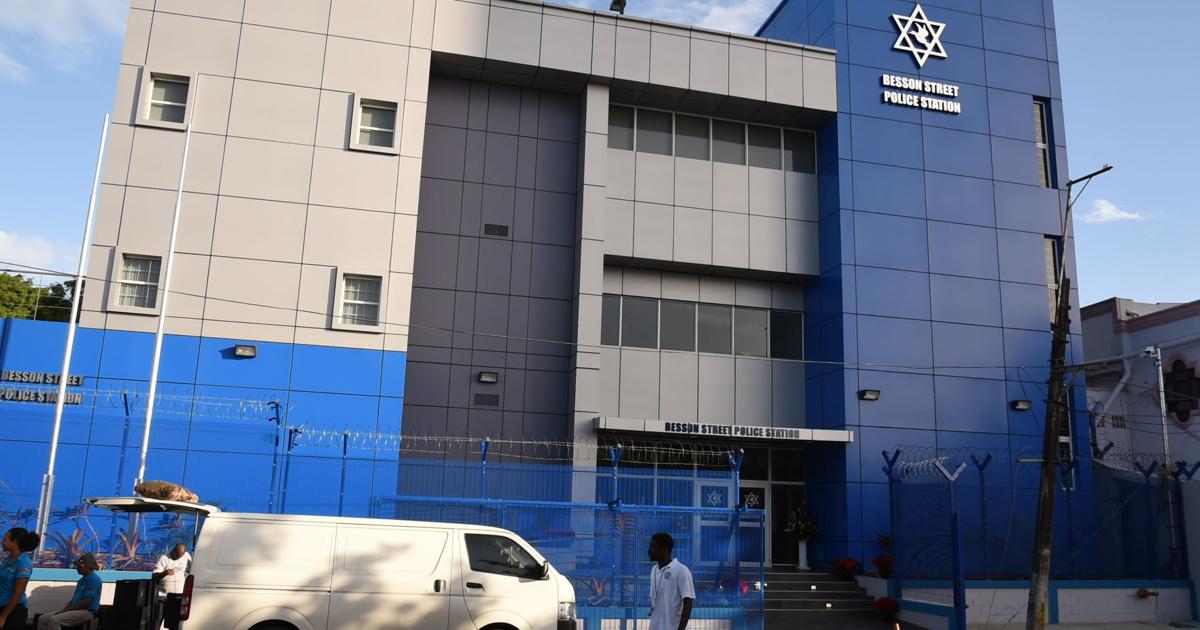
    In a major crackdown on public health sector corruption, law enforcement agencies in the Dominican Republic have uncovered an elaborate multimillion-peso fraud scheme that siphoned funds earmarked for cancer patient care from the country’s national insurance system. The Public Prosecutor’s Office announced the results of Operation Onco14, which led to the arrest of three high-profile former executives connected to the Cibao Regional Cancer Institute, commonly known by its Spanish acronym IORC.

    The three defendants taken into custody are Héctor Antonio Lora Cruceta, former chair of the Cibao Cancer Foundation’s governing board and a sitting member of the IORC board, along with Luisa Yasiris Guzmán and Dilcia Isabel Vargas Sánchez. Investigative authorities confirm that the group, working in coordination with a network of affiliated organizations, leveraged a series of fraudulent administrative and financial mechanisms to redirect public money from Seguro Nacional de Salud (SeNaSa), the Dominican Republic’s national health insurance system. These funds were legally allocated to cover life-saving care and treatment services for low-income cancer patients across the Cibao region.

    The inquiry was a coordinated effort between three key prosecutorial bodies: the Public Ministry’s Directorate General of Prosecution, the Specialized Prosecutor’s Office for Administrative Corruption (PEPCA), and the regional Santiago Prosecutor’s Office. Investigators have formally accused the group of operating a structured criminal enterprise that perpetrates multiple violations of Dominican law, including fraud against the state, criminal conspiracy, bribery, cybercrime, and money laundering. Prosecutors emphasize that the scheme intentionally exploited public resources dedicated to critical oncology care, inflicting substantial financial damage both to the state’s public health budget and to thousands of vulnerable patients who rely on the subsidized SeNaSa system for treatment.

    As part of the court-authorized search and seizure operations conducted during Operation Onco14, law enforcement teams recovered a range of evidence linked to the alleged fraud. Seized items include undeclared cash, multiple luxury vehicles, formal property titles for residential and commercial real estate, cell phones and other digital electronic devices, financial and administrative documents, and an unregistered firearm. Prosecutors confirmed that the core goal of the defendants’ alleged scheme was to retain permanent control over IORC’s operations and its multi-million dollar annual budget, allowing the group to continually siphon off public funds for personal gain at the expense of cancer patients.

    Investigations remain ongoing, with authorities currently working to identify and question additional current and former IORC employees and private associates who are suspected of participating in the criminal network. Prosecutors have stated that they will pursue full criminal accountability for all parties involved, and are working to recover the stolen funds to return them to the national health insurance system for their intended purpose: supporting cancer patient care.

  • Children’s advocacy group calls for online safety framework amid proposal to restrict social media

    Children’s advocacy group calls for online safety framework amid proposal to restrict social media

    KINGSTON, Jamaica — Jamaica’s ongoing discussion around youth digital safety has gained a new layer of input, as the Fi We Children Foundation (FWCF), a prominent local child rights advocacy organization, has pushed back against the narrative that limiting children’s access to social media alone can address growing online threats to young people. The group issued its formal response Monday after Jamaican Health Minister Dr. Christopher Tufton recently announced the government was exploring new access restrictions for minors on social media platforms.

    While FWCF openly welcomed the government’s growing recognition of the urgent need to address online harm to children, the organization emphasized that incremental access limits cannot deliver the meaningful, long-term protection young Jamaicans need in an increasingly digital world. Today, children interact with digital platforms for education, social connection, and recreation from a young age, making piecemeal restrictions an incomplete solution that fails to address the root causes of online danger.

    Instead, FWCF argues that robust, holistic change is required: this framework must center on updated national legislation, greater corporate accountability from global technology firms, and digital spaces intentionally built around the unique developmental needs and rights of children.

    At the top of the organization’s policy agenda is urgent legislative reform, specifically targeted amendments to Jamaica’s existing Child Care and Protection Act (CCPA). FWCF stresses that existing legal protections for children have not kept pace with rapid technological innovation, and the law must be updated to explicitly codify protections against the full range of modern online harms facing minors, to guarantee children’s equal rights to safety both offline and online.

    FWCF has laid out six core pillars for its proposed regulatory reform, each designed to shift the default of digital platforms from profit-driven engagement to child-centered safety. First, the group requires mandatory age-appropriate design for all major digital services, requiring platforms to prioritize children’s well-being over the business model of maximizing user engagement and addictive scrolling behavior. Second, child accounts must be set to the strongest possible privacy defaults by default, including automatic disabling of location tracking and built-in restrictions on unsolicited contact from unknown users. Third, the commercial collection and use of children’s personal data for behavioral profiling must be banned outright to stop exploitative targeting of minors. Fourth, platform algorithms must be adjusted to prioritize developmentally appropriate, educational, and creative content for children, while actively filtering out harmful material including content promoting self-harm, eating disorders, and sexually explicit content unsuitable for minors. Fifth, technology firms must be assigned a statutory legal duty of care, requiring companies to proactively identify, assess, and mitigate potential harms to children that may arise from their products and services. Finally, independent regulatory oversight must be strengthened, giving government regulators clear authority to conduct compliance audits, enforce existing rules, and deliver meaningful remediation to children when harm does occur.

    The advocacy group also grounded its demands in international human rights framework, noting that the United Nations Office of the High Commissioner for Human Rights (OHCHR) reaffirmed in 2026 that all fundamental children’s rights recognized under international law apply fully in digital spaces. As a signatory to the UN Convention on the Rights of the Child, Jamaica is legally bound to uphold two core principles relevant to digital safety: Article 3 requires the state to prioritize the best interests of the child in all policy decisions, while Article 5 mandates respect for children’s evolving capacities as they grow and develop.

    “The digital world should be designed with children in mind,” the FWCF statement said. “Children have the right not only to protection from harm but also to participation, information, privacy, and development in online spaces.”

    The organization closed by urging the Jamaican government to pursue evidence-based policy making that balances the urgent need for child protection with the full spectrum of children’s digital rights. Any new restrictions on child social media access, FWCF emphasized, must be paired with sweeping legal reform and stricter legal obligations for technology companies operating in Jamaica.

    “Every child deserves a safer internet — one built for children, not merely one that excludes them,” FWCF said.

  • Thirty-four foetuses found in Polish doctor’s garden

    Thirty-four foetuses found in Polish doctor’s garden

    A high-profile criminal investigation has roiled Poland following the shocking discovery of 34 buried human foetuses in the backyard of a former residence of a 57-year-old medical pathologist, who has since been arrested and placed in pre-trial detention, Polish law enforcement officials confirmed Monday.

    The case, unfolding in the deeply Catholic southeastern region of the country, has sparked fierce public debate amid Poland’s already strict abortion regulations, with many members of the public questioning how a licensed medical professional could access the biological material for unapproved personal use. The pathologist, identified only as Magdalena H. in line with Polish privacy legislation and who has no prior criminal record, is suspected of conducting unauthorized experiments with the foetuses. If convicted on all charges, she faces a maximum sentence of 12 years behind bars.

    Prosecutors have clarified that so far, no evidence has emerged to link the foetuses to illegal abortions. The formal charges brought against the specialist include desecration of human corpses, improper management of medical waste, and illegally abandoning hazardous biological materials in an unregulated site.

    The investigation was launched last week, when construction workers carrying out renovations at the property in the small village of Lutoryż tipped off local prosecutors about the presence of suspicious medical waste. Authorities launched a large-scale search operation involving dozens of police officers, ground-penetrating radar and cadaver dogs, which uncovered the 34 foetuses buried in the garden.

    District Prosecutor’s Office spokesman Krzysztof Ciechanowski told reporters that the biological material was most likely collected and used by the detained pathologist to conduct private off-site testing. Unnamed sources close to the investigation told Polish outlet Radio Eska that Magdalena H. removed the foetuses from the Rzeszow hospital where she worked during the COVID-19 pandemic to conduct personal research at her private property.

    Alongside the human remains, search teams also recovered tens of thousands of prepared microscope slides, paraffin blocks for tissue sampling, and partial fragments of related medical documentation, Ciechanowski confirmed. The pathologist was taken into custody on Friday, and a court approved a three-month pre-trial detention period to prevent her from interfering with the ongoing investigation.

    After being formally presented with the charges, Magdalena H. did not enter a guilty plea. However, the prosecutor’s spokesman confirmed that she has acknowledged she personally transported the foetuses and other medical waste to the property and buried them herself. Investigators are still working to identify the origins of the foetuses, and have not yet confirmed whether the pathologist acted alone or had accomplices.