分类: society

  • Armed Robbery Caught on Camera

    Armed Robbery Caught on Camera

    Orange Walk Town authorities have launched a comprehensive investigation following a brazen armed robbery at a local 24-hour gas station last Friday afternoon. The incident, which involved two female attendants being threatened at gunpoint, was captured in chilling detail by the establishment’s surveillance system.

    Security footage reveals two masked individuals arriving on a black scooter, immediately approaching the fuel pumps where the employees were stationed. One assailant brandished a firearm, pressing it directly against the head of one attendant while demanding immediate access to cash reserves.

    Under explicit threat of violence, both attendants were compelled to surrender their monetary pouches containing approximately $2,000 in total revenue. The perpetrators, described as slender-built males, subsequently fled the scene on their two-wheeled vehicle heading in an unknown direction.

    Police officials confirmed that despite the traumatic nature of the event, neither attendant sustained physical injuries during the confrontation. Investigators are currently examining the CCTV footage and pursuing multiple leads regarding the suspects’ identities and whereabouts. The incident has raised concerns about security protocols at round-the-clock service establishments throughout the region.

  • AOPT calls on BWA to properly restore roads

    AOPT calls on BWA to properly restore roads

    The Alliance Owners of Public Transport (AOPT) has issued a formal complaint against the Barbados Water Authority (BWA), citing dangerous road conditions and physical injuries to passengers resulting from improperly restored infrastructure following pipe-laying operations.

    AOPT Chairman Roy Raphael revealed on Wednesday that public service vehicle operators navigating routes across the island are confronting significant hazards from unrepaired excavations. The situation has become particularly severe in areas including Apes Hill, Orange Hill, Crab Hill, and Pie Corner, where ongoing water infrastructure projects have left roads dangerously uneven.

    According to Raphael, the problem emerged as a primary concern during the association’s recent annual review meeting. He explained that contractors working for the water authority have failed to adequately repave roads after completing underground pipe installations, creating substantial bumps and holes across key transportation corridors.

    ‘The current state of these roads creates tremendous suspension problems for our vehicles,’ Raphael stated in an interview. ‘Our operators are facing exorbitant repair costs due to the continuous wear and damage caused by these road conditions.’

    The transport association reports numerous instances of tire damage and mechanical failures directly attributable to the uneven road surfaces. More alarmingly, passengers have reported physical discomfort and injuries, including neck trauma, resulting from the violent jolting experienced when vehicles encounter unexpected road imperfections.

    Raphael emphasized the association’s growing concern for passenger safety, noting that some operators have begun diverting from regular routes to avoid the most severely affected areas. This rerouting strategy, while reducing vehicle damage, inconveniences passengers and disrupts established transportation networks.

    The AOPT chairman acknowledged that previous engagement with the water authority regarding similar issues at Shop Hill had yielded temporary improvements. However, recent rainfall has worsened conditions, with previously repaired sections deteriorating rapidly.

    ‘We are making a public appeal to the BWA to address these persistent problems,’ Raphael stated. ‘While they do cover the excavations, the restoration quality falls far short of providing smooth passage for public transportation.’

    The Barbados Water Authority has confirmed it is investigating the concerns raised by the transport alliance, though specific remediation timelines remain unspecified. The situation highlights growing tensions between infrastructure development projects and maintaining safe public transportation networks across Barbados.

  • COMMENTARY: The Caribbean’s greatest export is talent. It’s time to stop giving it away

    COMMENTARY: The Caribbean’s greatest export is talent. It’s time to stop giving it away

    The Caribbean stands at a critical crossroads, confronting a pervasive brain drain phenomenon that has long deprived the region of its most valuable resource: human capital. World-class talent consistently departs Caribbean shores not from diminished patriotism, but compelled by the pursuit of professional growth and advanced learning opportunities unavailable domestically. These individuals acquire prestigious degrees, specialized skills, and global networks that earn international respect, yet they frequently remain abroad where infrastructure supports their ambitions—highlighting the region’s critical shortage of systems that enable talent to flourish.

    This exodus represents more than individual career choices; it signifies a structural deficit requiring transformative solutions. The Caribbean possesses abundant genius and potential but lacks the institutional ecosystems necessary to harness these qualities. Where other regions benefit from robust research environments, cutting-edge laboratories, and innovation-driven industries, the Caribbean faces an innovation gap that perpetuates economic dependency and vulnerability.

    The solution lies not in discouraging educational migration but in creating compelling reasons for return. The establishment of a Pan-Caribbean Applied Sciences & Innovation Institute could revolutionize the regional landscape, serving as both magnet and multiplier for local talent, diaspora returnees, and international students seeking unique academic opportunities. Such an institution would address fundamental gaps in research and development infrastructure while positioning the Caribbean as a hub for specialized knowledge creation.

    Research investments yield demonstrable economic returns—nations prioritizing R&D experience growth rates triple those that neglect innovation sectors. For the Caribbean, developing research industries represents not merely an economic alternative but a survival strategy in an era of rapid global change. Beyond diversifying from tourism dependency, research institutions would drive technological sovereignty, reduce climate vulnerability (potentially halving billion-dollar hurricane season losses), and create high-value employment opportunities.

    The emotional dimensions of return migration cannot be overlooked. Students abroad form deep social connections and professional networks that make repatriation emotionally complex. Successful reversal of brain drain requires creating professionally compelling opportunities that outweigh these attachments—leadership roles, research positions, and innovation ecosystems that recognize the unique value of internationally trained Caribbean professionals.

    Ultimately, the call to action transcends nostalgia: the Caribbean needs returning talent to build what cannot be built elsewhere, applying global expertise to local challenges. When the region matches its children’s brilliance with commensurate opportunities, it will transform from talent exporter to innovation powerhouse.

  • No Injuries Reported in Ambergris Caye House Fire

    No Injuries Reported in Ambergris Caye House Fire

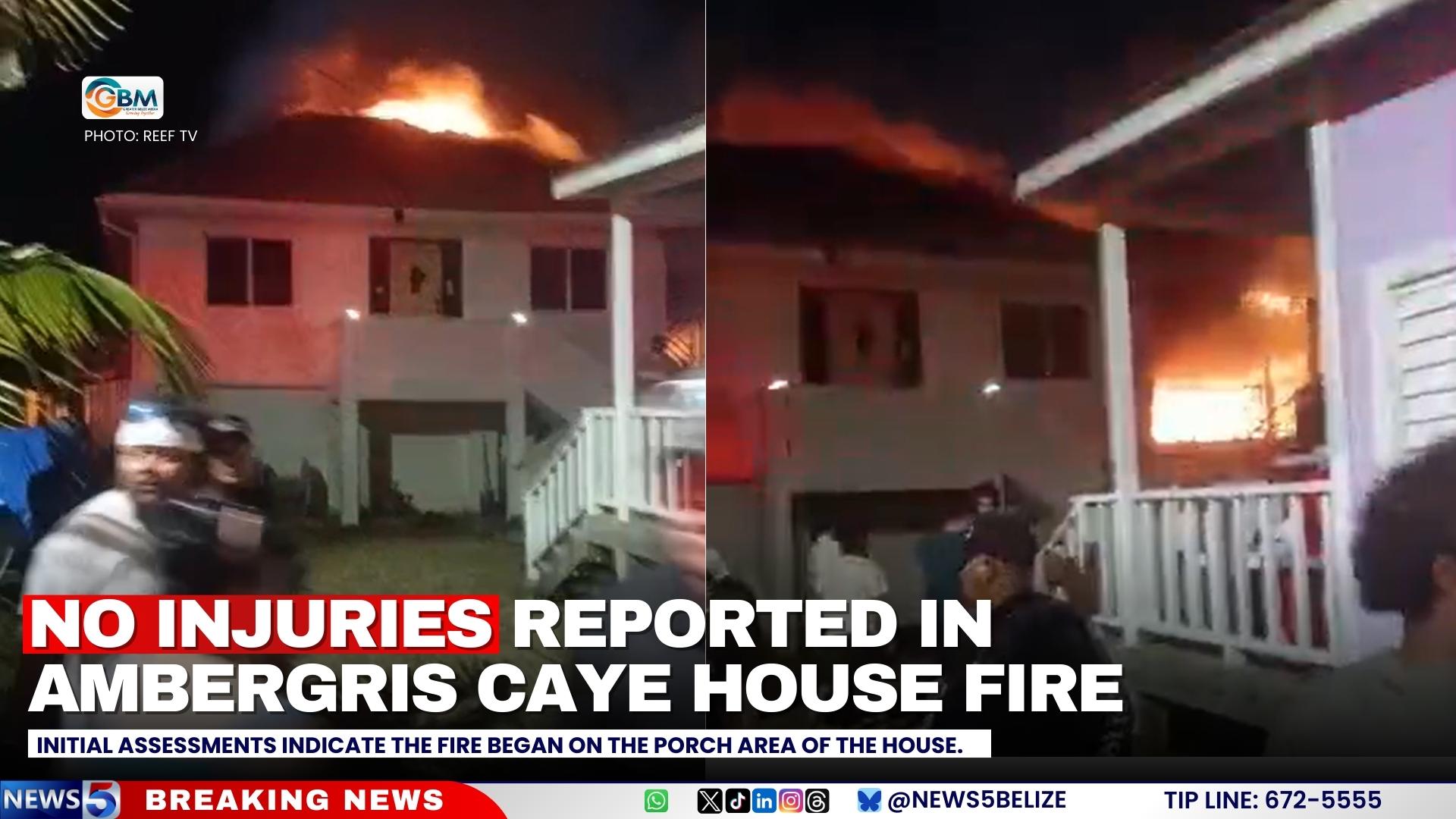
    A residential structure on Ambergris Caye sustained considerable damage during a Friday evening fire incident. The blaze erupted in a dwelling situated adjacent to the lagoon on the island’s western perimeter, prompting emergency response units to swiftly mobilize to the location.

    Preliminary investigations suggest the conflagration originated within the porch section of the property before rapidly spreading to the rear portion of the home. Eyewitness documentation, circulated among local residents, captured intense flames consuming the back area of the building, illustrating the severity of the situation.

    Emergency services, including a fully equipped fire suppression unit, were dispatched to the scene where firefighting personnel successfully contained and ultimately extinguished the blaze. While the property sustained significant damage, authorities confirmed no human casualties resulted from the incident. The homeowner was confirmed to be present on the island during the occurrence, with the property under professional management supervision.

    Unconfirmed reports indicate a canine may have been present within the residence during the fire outbreak, though the animal’s status and potential rescue remain unspecified. Official damage assessment reports are pending release by investigating authorities, though preliminary information confirms the property was covered by insurance provisions.

  • From hurricane escape to flooded fate

    From hurricane escape to flooded fate

    Residents of Dover, St. Mary, are confronting severe flooding that has surpassed the impact of Hurricane Melissa, attributing the crisis to chronically clogged drainage systems. Following an initial reprieve from the hurricane’s full force last October, the community has been subjected to intense rainfall from an unstable weather system persisting into the new year, resulting in impassable roads and homes inundated with murky water.

    Eyewitness accounts reveal the sudden and alarming nature of the flooding. Latoya Hall described receiving a frantic call from her uncle, prompting her to discover her verandah submerged and water encroaching into her home. Immediate action to elevate appliances and belongings prevented destruction, but Hall emphasized this was an unprecedented event, with water levels exceeding those experienced during the hurricane.

    The persistence of the problem is evident days after the rains, with stagnant water pools remaining throughout the community. Investigations point to obstructed drains as the core issue. Laura Samuels explained the failure of local flood mechanisms, noting that a nearby gully, overwhelmed by volume and debris, overflowed for the first time since its construction. She and her neighbors manually extracted a significant pile of branches and sticks from the drains, which they identified as a primary cause of the water buildup.

    This sentiment is echoed across Dover, with multiple households reporting flood damage. Donnaree McIntosh shared that her home and business were affected, with water marks indicating ankle-high flooding inside her bar. She warned that the already saturated land could lead to worsening conditions with any additional rainfall.

    The community’s response includes urgent appeals for improved infrastructure management. Residents are calling for systematic and regular cleaning of drains and the riverbed under a key bridge, arguing that partial efforts are ineffective. An anonymous resident noted that overgrown vegetation under the bridge constricts water flow through culverts, exacerbating flooding. Additionally, the force of the water has damaged local pipes, disrupting the domestic water supply.

    While most blame poor maintenance, some, like Latoya Clemetson, propose structural solutions, suggesting that raising the height of drain channels at hillside bases could prevent water from overflowing into homes situated below road level. The collective experience has left the community of Dover advocating for comprehensive and preventative measures to mitigate future disasters.

  • Lawyer calls for permanent fix

    Lawyer calls for permanent fix

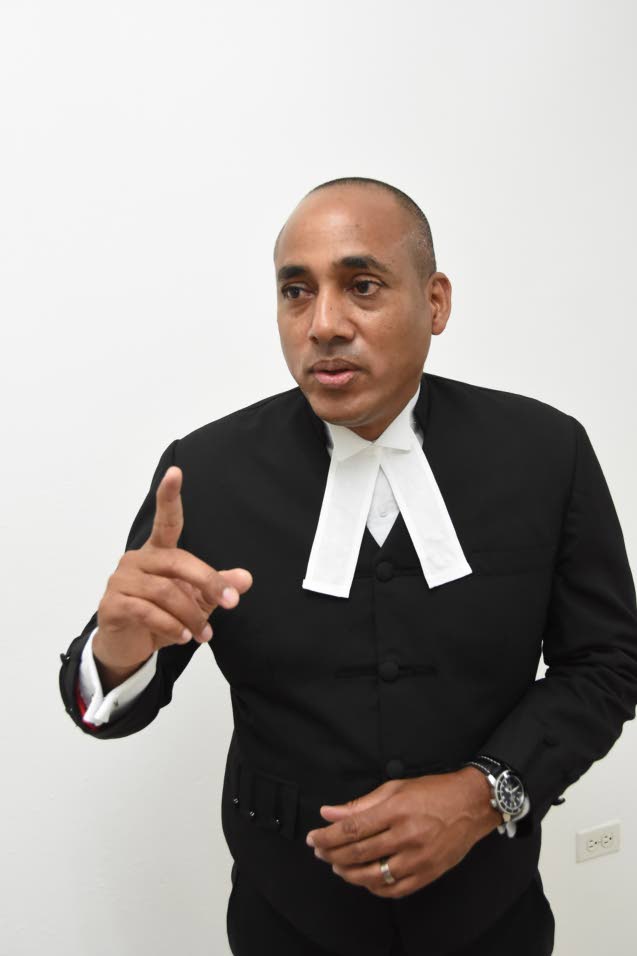
    Distinguished Jamaican attorney Peter Champagnie, King’s Counsel, has proposed establishing a Criminal Justice Board to address systemic inefficiencies within the nation’s legal framework. This recommendation follows recent tensions between correctional authorities and defense lawyers regarding electronic device access in prisons.

    The proposal emerges against the backdrop of a recent confrontation where Correctional Services Commissioner Brigadier (Ret’d) Radgh Mason appeared before the Supreme Court to address allegations that prison officials were preventing attorneys from bringing electronic devices to client meetings. Following vigorous arguments from defense attorneys Tamika Harris and John Clarke, the commissioner conceded, authorizing formal notices permitting electronic device access for attorneys, mirroring privileges already extended to medical professionals and investigative officials.

    Champagnie cites Belize’s successful implementation of a similar multidisciplinary board as a model for Jamaica. “Belize has established a Criminal Justice Board that meets regularly with representation from correctional services, judiciary, security forces, medical facilities, lawyers, and prosecutors,” Champagnie explained. “This collaborative body ensures all stakeholders operate under consistent protocols and can address implementation gaps when judicial directives aren’t properly followed.”

    The veteran legal expert emphasized that such a body could additionally serve as a mechanism for reviewing outdated legislation. He specifically referenced Jamaica’s Obeah Act, Unlawful Possession of Property Act, and aspects of the Firearms Act that inadequately address modern legal realities. Champagnie highlighted a 2017 case where alleged gang leader Tesha Miller received only a $100 fine for making false declarations to immigration officials as evidence of systemic inadequacy.

    The electronic access controversy stems from an April 2024 practice direction issued by Chief Justice Bryan Sykes authorizing electronic disclosure methods for criminal trials. Despite this judicial mandate, defense attorneys reported continued resistance from prison facilities when attempting to utilize electronic devices for client consultations and document sharing—a critical capability given the shift toward digital evidence management.

    Justice Vinette Graham-Allen, who originally advocated for the electronic disclosure reforms based on her Case Management Court experience, recently urged the Jamaican Bar Association to formally document these ongoing access issues, indicating persistent implementation challenges within Jamaica’s correctional system.

  • Newsday’s departure a real loss

    Newsday’s departure a real loss

    In a poignant reflection on media freedom and editorial practices, Dr. Errol Narine Benjamin has expressed profound disappointment regarding the recent non-publication of his contributions in Trinidadian newspapers. The seasoned correspondent, who has maintained a three-decade writing relationship with Trinidad Express, now finds his perspectives increasingly sidelined by editorial decisions.

    Dr. Benjamin attributes this emerging censorship to his critical examinations of two particularly sensitive subjects: the conceptualization of national sovereignty within contemporary geopolitical contexts, and the Caribbean’s positioning as a theoretical zone of peace amidst growing American influence throughout the region. His analytical pieces have challenged conventional perspectives by evaluating how these established notions frequently diverge from practical realities, particularly regarding United States engagement in Caribbean affairs.

    Additionally, Benjamin’s commentary has addressed Opposition Leader Kamla Persad-Bissessar’s strategic alignment with American interests, presenting a nuanced assessment of potential long-term advantages contrary to prevailing anti-alliance sentiments. His analysis suggests that such partnerships may offer substantial benefits worthy of objective consideration beyond ideological opposition.

    The veteran writer acknowledges the complex landscape modern media organizations navigate, noting that publications inevitably serve specific interests and cater to their readership’s expectations. He draws parallels to polarized American media environment, where outlets like Fox News demonstrate overt Republican allegiance while CNN maintains opposing stances. Nevertheless, Benjamin highlights Newsday as a notable exception—a publication that has consistently demonstrated openness to publishing his liberal perspectives and critical insights, particularly regarding sensitive geopolitical matters affecting the Caribbean region.

    Through his published letter, Dr. Benjamin extends gratitude to Newsday for maintaining editorial pluralism and fostering diverse viewpoints, while simultaneously expressing concern about the narrowing spectrum of acceptable discourse in other Trinidadian media platforms.

  • Late RJRGleaner CEO did not seek applause

    Late RJRGleaner CEO did not seek applause

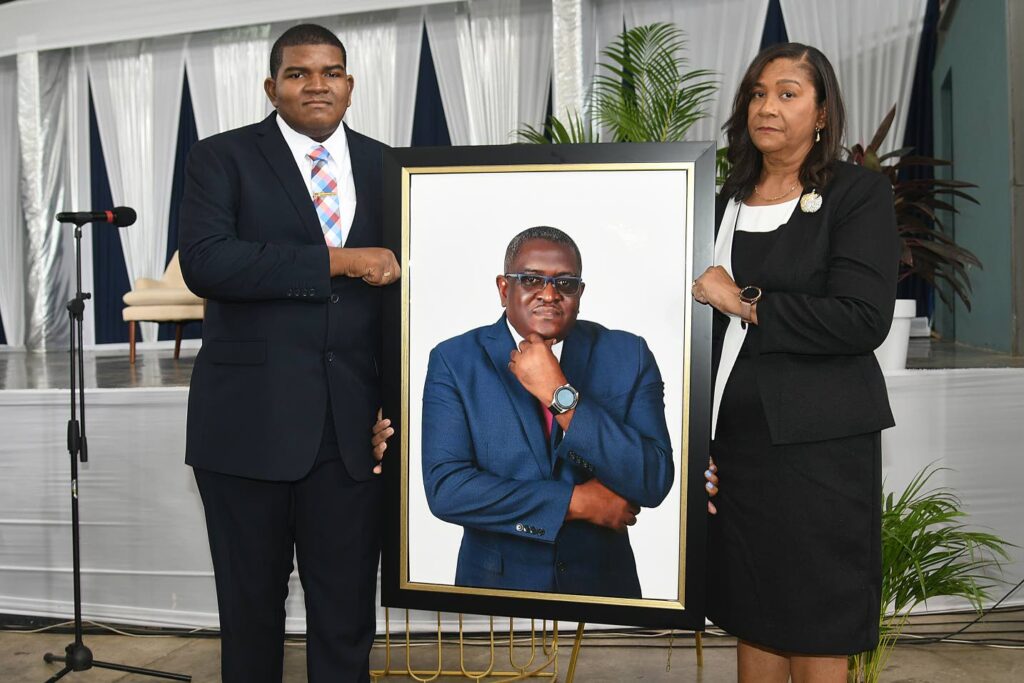
    The Jamaican media community gathered in a profound display of respect and remembrance during a memorial service for Anthony ‘Tony’ Smith, the late Chief Executive Officer of the RJRGleaner Communications Group. Held at the Karl Hendrickson Auditorium at Jamaica College in St Andrew, the service painted a portrait of a leader defined by humility, integrity, and an exceptional capacity for listening.

    Joseph Matalon, Chairman of the RJRGleaner Communications Group, delivered a pre-recorded tribute that framed Smith’s legacy not through corporate achievements, but through his foundational character. Matalon emphasized Smith’s “unwavering sense of responsibility” and a deep-seated belief that any entrusted role—in business, public service, or community—carried a duty to act with foresight and principle. “Short-term inconvenience never tempted him away from long-term principle,” Matalon stated, highlighting a leadership style that carefully weighed decisions for their future impact years down the road.

    Smith, who passed away on December 14 at age 61 after a brief illness, was celebrated for his unique balance of firmness and humanity. Colleagues and family alike recalled a man who could be resolute when necessary but never lost sight of the people affected by his decisions. This was exemplified by his ability to “create space for others” in environments where people typically compete to be heard, earning him widespread trust and admiration.

    His family provided intimate glimpses into the man behind the title. His youngest sibling, Collin Smith, remembered him as a “humble” and “assured” brother who served as a constant reinforcement. His eldest sister, Carmen, described him as “a helper, a listener, and a comforter” who remained calm amidst familial storms. His eldest brother, Trevor, simply called him “a true friend—not just a brother, but a friend.”

    Professionally, Smith’s tenure at the media entity was marked by significant industry challenges. He steered the company through steep declines in traditional advertising revenue and initiated a strategic push toward digital transformation. A key development under his leadership was the establishment of a joint venture between the RJRGleaner Communications Group and the Jamaica Observer, creating a shared framework for printing and distribution logistics to ensure sustainability in a rapidly evolving media landscape.

    The service, attended by a packed auditorium and viewed by hundreds more via Zoom and YouTube, culminated with Reverend Daniel Thompson offering biblical comfort to the family, assuring a meaningful afterlife for “the righteous dead.” Throughout the homily, Smith’s widow, Karen, was seen seated beside their son, Daniel, their shared glances a silent testament to a family supporting each other through profound loss.


  • Soldier charged in massive firearm and ammo seizure at Kingston port

    Soldier charged in massive firearm and ammo seizure at Kingston port

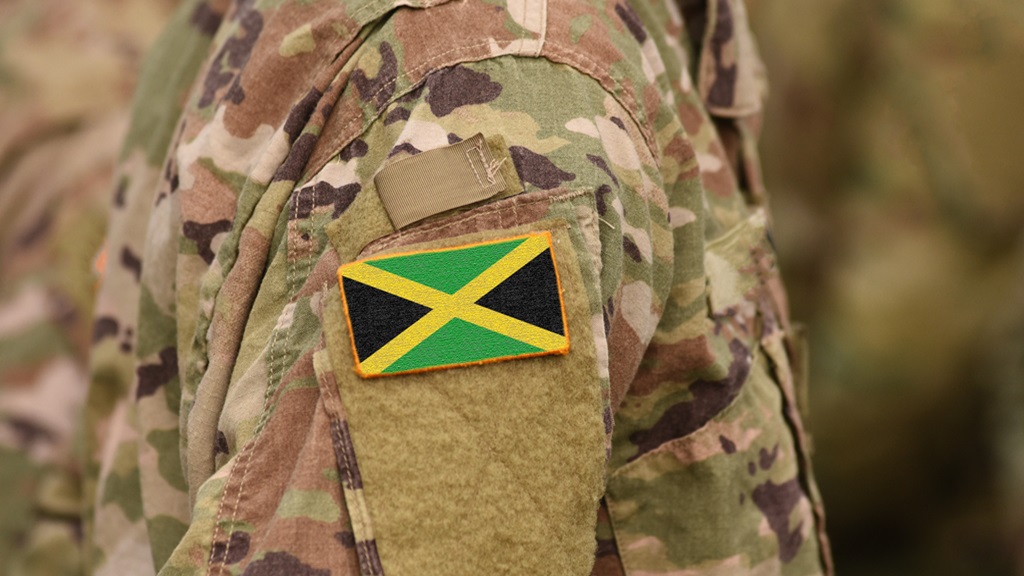
    KINGSTON, Jamaica — In a significant development in Jamaica’s fight against arms trafficking, a serving soldier from the Jamaica Defence Force (JDF) has been formally charged in connection with one of the largest illegal weapons seizures in the nation’s history. The case centers on Odeen Lawrence, a 36-year-old JDF member from St. Andrew, who faces serious charges following a major December operation at the Kingston Logistics Centre.

    The investigation, spearheaded by the Firearms and Narcotics Investigation Division (FNID), culminated on December 19 with the interception of 28 illegal firearms and an astonishing 6,142 rounds of ammunition. The seizure represents a major blow to weapons trafficking networks operating within Jamaica.

    Lawrence’s involvement came to light when he evaded police during an operation on January 5, only to surrender to authorities the following day. Subsequent forensic examination of his vehicle on January 7, conducted with his cooperation, yielded additional evidence—a 9mm round discovered in the glove compartment.

    The accused soldier now faces two serious charges: conspiracy to traffic prohibited weapons and unauthorized possession of ammunition. These charges stem from comprehensive evidence gathered during the ongoing investigation.

    Superintendent of Police Patrae Rowe, Director of FNID, emphasized the significance of this case, stating: ‘This investigation remains active as we work to dismantle the channels that facilitate the flow of illegal weapons into our communities. Our mission is to uphold the law without fear or favour, regardless of the status or profession of those involved.’

    Authorities have indicated that additional charges are anticipated as the investigation into the broader weapons trafficking network continues. The case underscores the Jamaican Constabulary Force’s commitment to combating organized crime and protecting national security. Lawrence’s court appearance date is currently being finalized as judicial proceedings prepare to move forward.

  • Foreign ministry expresses condolences following death of Ambassador Curtis Ward

    Foreign ministry expresses condolences following death of Ambassador Curtis Ward

    KINGSTON, Jamaica — Jamaica’s diplomatic community is in mourning following the passing of esteemed Ambassador Curtis Ward, who died Sunday at his residence in Maryland, United States. The Ministry of Foreign Affairs and Foreign Trade confirmed the news with profound sadness, highlighting the significant void left in Jamaica’s foreign service landscape.

    Ambassador Ward’s distinguished career reached its pinnacle during his service as Jamaica’s Alternate Ambassador and Deputy Permanent Representative to the United Nations in New York from 2000 to 2001. During this critical period, he bore special responsibility for matters pertaining to Jamaica’s non-permanent membership on the United Nations Security Council, representing the nation’s interests during the two-year tenure from January 2000 through December 2001.

    Foreign Affairs Minister Kamina Johnson Smith commemorated Ward’s exceptional contributions, emphasizing that his legacy would be defined by the instrumental role he played in shaping Jamaica’s active participation and engagement within the UN Security Council throughout those formative years. His diplomatic acumen and strategic insights significantly enhanced Jamaica’s international standing during complex global negotiations.

    Beyond his official duties, Ward was celebrated for his consistent willingness to share his extensive foreign policy expertise with both the Jamaican public and broader Caribbean community. His accessible approach to diplomatic discourse helped demystify international relations for countless citizens.

    The Ministry extended its deepest condolences to Ward’s family and friends, acknowledging the irreparable nature of their loss while expressing hope that they might find solace in remembering his profound impact on Jamaican diplomacy and regional affairs. The official statement concluded with a solemn tribute: ‘May his soul rest in eternal peace!’