分类: society

  • Gov’t asks for more scholarships aligned with SVG’s needs

    Gov’t asks for more scholarships aligned with SVG’s needs

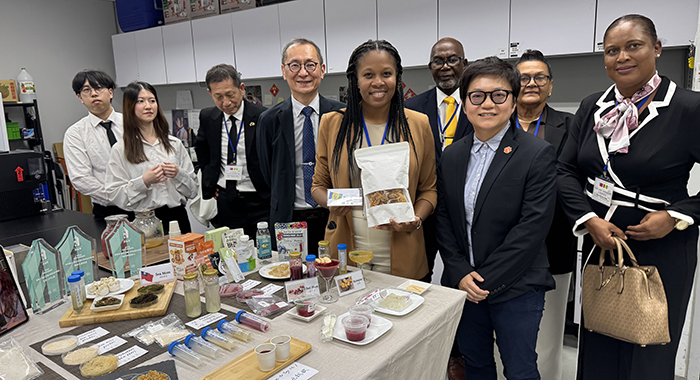
    The government of St. Vincent and the Grenadines is pursuing targeted educational collaborations with Taiwan to address pressing national development needs, according to Senator Lavern King, Minister of State in the Ministry of Education. The initiative follows high-level discussions during an official delegation to Taiwan led by Deputy Prime Minister St. Clair Leacock.

    Minister King identified pharmacology as a critical shortage area, noting that the cabinet routinely approves work permits for foreign pharmacologists due to insufficient local expertise. This skills gap was confirmed during recent consultations with the private sector, prompting the government to conduct a comprehensive audit of the nation’s current and future workforce requirements.

    “We’re adopting a pragmatic and strategic approach to scholarship distribution,” King stated at a press conference in Kingstown. The government is specifically seeking expanded opportunities in digital transformation and innovation sectors, recognizing Taiwan’s global leadership in semiconductors and artificial intelligence.

    A significant concern emerged regarding the return on investment for government-funded scholarships. Minister King revealed “a worrying trend” of scholarship recipients not returning home after completing their studies abroad. The delegation held frank discussions with Taiwan’s Ministry of Foreign Affairs about encouraging Vincentian students to return home.

    The government is developing multiple strategies to reverse this brain drain, including exploring funding mechanisms through a proposed development bank to support graduate entrepreneurship. The approach connects educational opportunities with post-study employment prospects, addressing job security concerns that often prevent professionals from returning.

    Deputy Prime Minister Leacock highlighted the broader challenge of “professional raiding” by wealthier nations offering competitive salaries in US dollars. This phenomenon creates significant attrition in key sectors, necessitating improvements in wages, working conditions, and professional motivation to retain skilled professionals.

    The educational strategy emphasizes disciplined allocation of scholarships to priority fields rather than reducing opportunities in other areas. The government seeks to expand the total number of scholarships while ensuring they align with the nation’s developmental objectives across diverse sectors.

  • Government advances national literacy drive

    Government advances national literacy drive

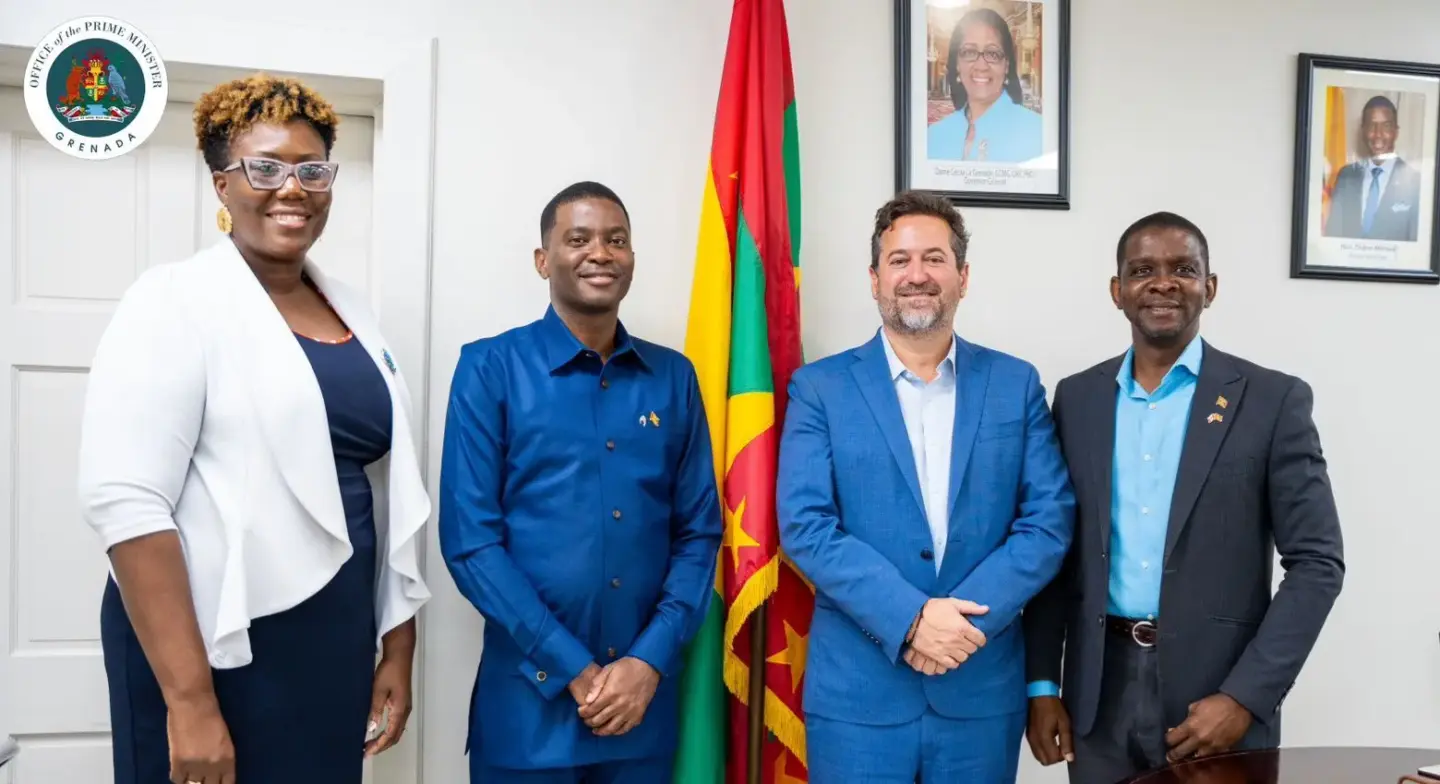
    Grenada’s Ministry of Education has initiated a comprehensive national program to address critical literacy gaps among young learners, following concerning data revealing that over one-third of students perform below required standards in Minimum Competency Tests. Education Minister David Andrew announced the initiative during a Post-Cabinet Briefing, emphasizing its far-reaching implications for educational attainment, employment prospects, and overall quality of life.

    The program, developed in partnership with SUMMA (the Education Research and Innovation Laboratory for Latin America and the Caribbean), targets foundational learning at the primary level, specifically focusing on students from kindergarten through Grade 4. Minister Andrew stressed that strengthening early literacy is essential to prevent long-term academic challenges, noting that proficiency in reading and writing at the primary level reduces the need for remedial interventions later in students’ educational journeys.

    This initiative builds upon the Antigua Commitment to Literacy, a regional framework established by education ministers from 11 Latin American and Caribbean countries in collaboration with SUMMA and the Organisation of Eastern Caribbean States (OECS). Preliminary groundwork has already commenced, with technical teams conducting visits to schools across Grenada to engage stakeholders and prepare for implementation.

    Central to the program’s strategy are comprehensive teacher training and curriculum redesign tailored to regional needs, incorporating modern methodologies to enhance how foundational skills are taught and acquired. The collaboration is projected to span three to six years, with a planned rollout beginning in September 2026.

    Significant financial backing has been secured through a partnership with the Global Partnership for Education, which will match local fundraising efforts dollar-for-dollar. Grenada has already obtained nearly US$500,000 in private sector commitments, reaching halfway toward its initial US$1 million target and potentially accessing up to US$2 million in matched funding.

    Minister Andrew expressed strong encouragement regarding private sector support, highlighting that Grenada’s approach has attracted international attention as a potential model for similar small states. Additional fundraising continues as the Ministry of Education prepares for the program’s official launch in the coming months, with ongoing stakeholder engagement and resource mobilization efforts.

  • Blue Latte Rio by Léo Moço

    Blue Latte Rio by Léo Moço

    Kingston’s culinary landscape has been transformed with the arrival of Rio by Léo Moço, an establishment redefining specialty coffee standards in Jamaica. Far from ordinary cafés, this intimate venue showcases meticulous craftsmanship and disciplined approach to coffee preparation, demonstrating the extraordinary potential of Jamaican coffee when handled by world-class expertise.

    The visionary behind this venture, Léo Moço, brings unparalleled credentials to Kingston’s coffee scene. As a four-time Brazilian Barista Champion, Brewers Cup Champion, and World Barista Championship competitor, Moço’s expertise extends beyond competition titles. His comprehensive background encompasses coffee farming, academic research, industry consultation, and education, covering the entire spectrum from cultivation and fermentation techniques to roasting and precision extraction.

    At Rio, coffee preparation approaches artistic perfection. Each espresso shot utilizes 20 grams of coffee—double the industry standard—with extractions meticulously calibrated to an exact 1:2 ratio. The deliberate distribution and tamping process reflects an unhurried, precision-focused methodology that transforms coffee preparation into a culinary art form.

    The outcome is remarkably clean and expressive coffee that stands confidently without sugar enhancement. Patrons frequently experience revelations, with one guest noting it was their first time enjoying coffee without sweeteners—considered the ultimate compliment in specialty coffee circles.

    The carefully curated menu balances classic espresso beverages with pour-over options including V60, Aeropress, and Origami methods. Additionally, Rio offers innovative wellness beverages such as Matcha, Ginger Beet Latte, Golden Latte, and the visually striking Blue Latte crafted with blue spirulina and coconut condensed milk.

    As an accredited member of the Specialty Coffee Association (SCA), Rio aligns Kingston with global specialty coffee standards while creating a cultural bridge between Brazil’s Chapada Diamantina and Jamaica’s Blue Mountains—two iconic coffee-growing regions.

    Located at Unit 1, 58 Half-Way-Tree Road, Rio operates Monday through Friday from 7:00 AM to 5:00 PM and weekends from 9:00 AM to 5:00 PM. The establishment’s innovative approach extends to equipment selection, featuring the Mavam under-counter espresso system that provides baristas with complete visibility, control, and temperature stability while maintaining a streamlined aesthetic.

    In a nation celebrated for Blue Mountain coffee, Rio enables Jamaicans to experience their renowned product at its highest possible expression, establishing new standards for coffee excellence in the Caribbean.

  • TEF presses ahead with nicer Negril

    TEF presses ahead with nicer Negril

    NEGRIL, Jamaica — A significant infrastructural enhancement is underway in the renowned resort town of Negril, spearheaded by the Tourism Enhancement Fund (TEF) in collaboration with the Negril Destination Assurance Council (DAC). The centerpiece of this initiative is an approved $18.7-million project to install solar-powered street lighting along Norman Manley Boulevard, a critical step toward improving public safety and nocturnal aesthetics for residents and international visitors alike.

    The project’s initial phase will serve as a proof-of-concept, focusing on a particularly dark one-kilometer stretch from the roundabout. Thirty solar lamps will be installed in this corridor, with groundwork for the lamp posts already commenced. Dr. Carey Wallace, TEF Executive Director, confirmed that the contractor expects delivery of the solar units by the end of the month, anticipating visible progress within weeks. The long-term vision is to extend this solar lighting network across the entire resort town, creating a well-lit, secure, and attractive environment.

    In a parallel development, the DAC has submitted a formal request to the TEF to replace the local police’s fleet of all-terrain vehicles (ATVs), essential for beach patrols. These vehicles have suffered from premature deterioration due to the harsh marine environment, with saltwater exposure limiting their lifespan to approximately three years. Dr. Wallace acknowledged the request is under active review, with a focus on procuring more durable equipment to ensure better value for money. The proposal is slated for deliberation by the TEF board in April.

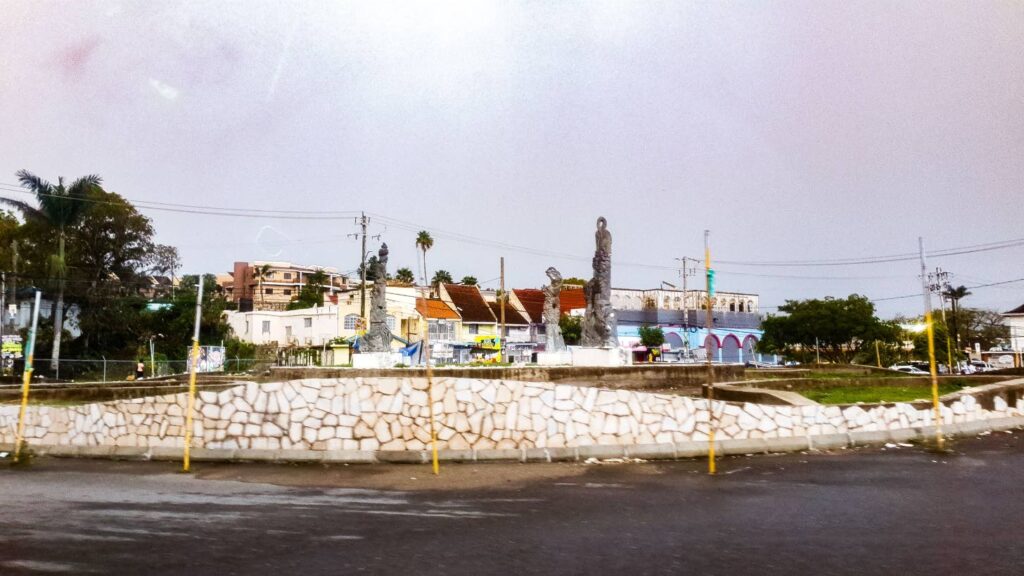
    Furthermore, the status of the separate $20-million Negril roundabout beautification project was addressed. Funded by the Tourism Product Development Company (TPDCo), the project began in June 2025 but has faced delays due to labour shortages, pushing its completion beyond the initial target of the 2025 winter tourist season into 2026. Wade Mars, TPDCo Executive Director, reported the project is approximately 85% complete, with ongoing stonework to be followed by landscaping. However, no definitive timeline for final completion was provided, with Mars stating he would need to consult the project manager for further details.

  • NSWMA to do one-time cleaning of MoBay South Gully

    NSWMA to do one-time cleaning of MoBay South Gully

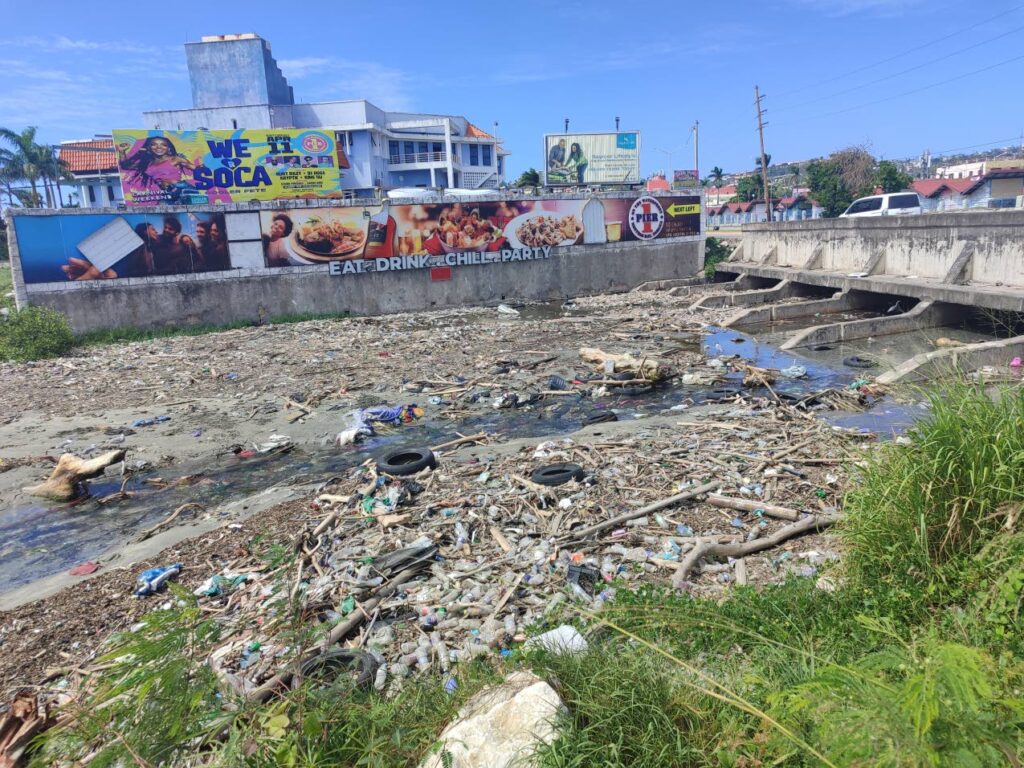
    Jamaican authorities have initiated a comprehensive environmental cleanup operation targeting Montego Bay’s critical South Gully waterway, a vital drainage channel that plays a crucial role in preventing urban flooding. The National Solid Waste Management Authority (NSWMA) has incorporated this significant project into its specialized Debris Management Programme established in response to Hurricane Melissa’s devastating impact last October.

    The cleanup operation, scheduled for March 31, will concentrate on the gully’s outlet where substantial waste accumulation has occurred, including significant plastic pollution that ultimately reaches the Caribbean Sea. NSWMA Community Relations Manager Sharnon Williams emphasized the initiative addresses both environmental and public health concerns, noting the visible waste buildup directly affects local fisherfolk and marine ecosystems.

    ‘The hurricane caused substantial damage, and the resulting waste accumulation heading into the sea demanded immediate attention,’ Williams stated. ‘We’re addressing multiple concerns including public health implications, environmental damage, and potential negative effects on tourism.’

    The operation will employ a collaborative approach utilizing specialized equipment including newly acquired tipper trucks and excavators, alongside local fisherfolk and volunteers who will remove debris inaccessible to machinery. Williams stressed that environmental protection remains paramount throughout the process, with the NSWMA working closely with the National Environment and Planning Agency (NEPA) to ensure approved methodologies that minimize ecological impact, particularly to the sea floor.

    Local environmental advocates including Montego Bay Marine Park Executive Director Hugh Shim have welcomed the initiative while expressing concerns about long-term solutions. Shim emphasized that without changed behaviors regarding waste disposal, the problem will inevitably recur, urging greater public responsibility for garbage management.

    The cleanup represents part of broader recovery efforts following the Category 5 hurricane that struck Jamaica last fall, with the Debris Management Programme specifically designed to address waste management challenges in severely affected parishes. Successful completion of the project is expected to restore both ecological function and aesthetic quality to the area, supporting both environmental health and local economic activities dependent on marine resources.

  • More than just teachers

    More than just teachers

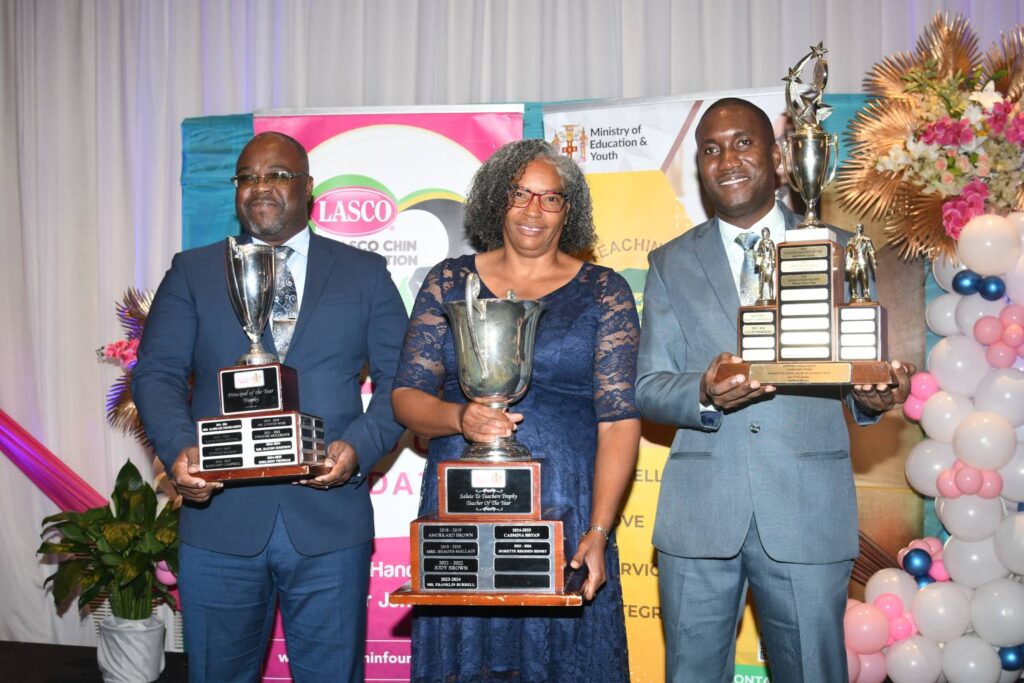
    At the LASCO/Ministry of Education’s 2025 Principal and Teacher of the Year Awards Ceremony in New Kingston, three exceptional educators were celebrated for their transformative impact on Jamaica’s educational landscape, demonstrating that true nation-building originates within the classroom.

    Orville Richards, Principal of the Year from St Mary Technical High School, has spearheaded a remarkable institutional transformation. With over 23 years in education and expertise in information technology and accounting, Richards has elevated the school from a ‘satisfactory’ to a ‘good’ rating in the National Education Inspectorate’s 2024 rankings. His vision extends beyond academic metrics, focusing on establishing Jamaica’s premier technical and vocational education institution. Under his leadership, the school has implemented significant infrastructure upgrades, integrated advanced ICT systems, and mandated that all Grade 11 students complete external certifications and skills training before graduation.

    Mathematics educator Dorette Rhoden Henry, Teacher of the Year from DeCarteret College, brings three decades of teaching experience to her innovative methodology. As head of the information technology department, she begins each academic relationship by understanding her students’ backgrounds and individual learning styles. Rhoden Henry demystifies mathematics by demonstrating its practical applications in daily life, using creative examples like illustrating the importance of zeros through lunch money calculations to make abstract concepts tangible and relevant.

    Gavin DeRizzo, TVET Teacher of Year from Vauxhall High School, teaches building technology construction and technical drawing with a focus on Jamaica’s development needs. He connects classroom instruction to the country’s construction boom and climate resilience requirements, emphasizing how these skills enable home ownership—a fundamental Jamaican aspiration. DeRizzo intentionally incorporates practical examples to demonstrate real-world applications of theoretical knowledge.

    The three educators collectively represent a shift toward holistic education that balances academic excellence with practical skills development. Their approaches reflect Jamaica’s growing emphasis on technical and vocational training pathways that address labor market demands and improve school-to-work transitions. Beyond their individual achievements, these teachers embody the philosophy that education serves as both an instructional process and a transformative force for unlocking human potential and national development.

  • Dominican consul honours Antigua-based businessman for cultural leadership

    Dominican consul honours Antigua-based businessman for cultural leadership

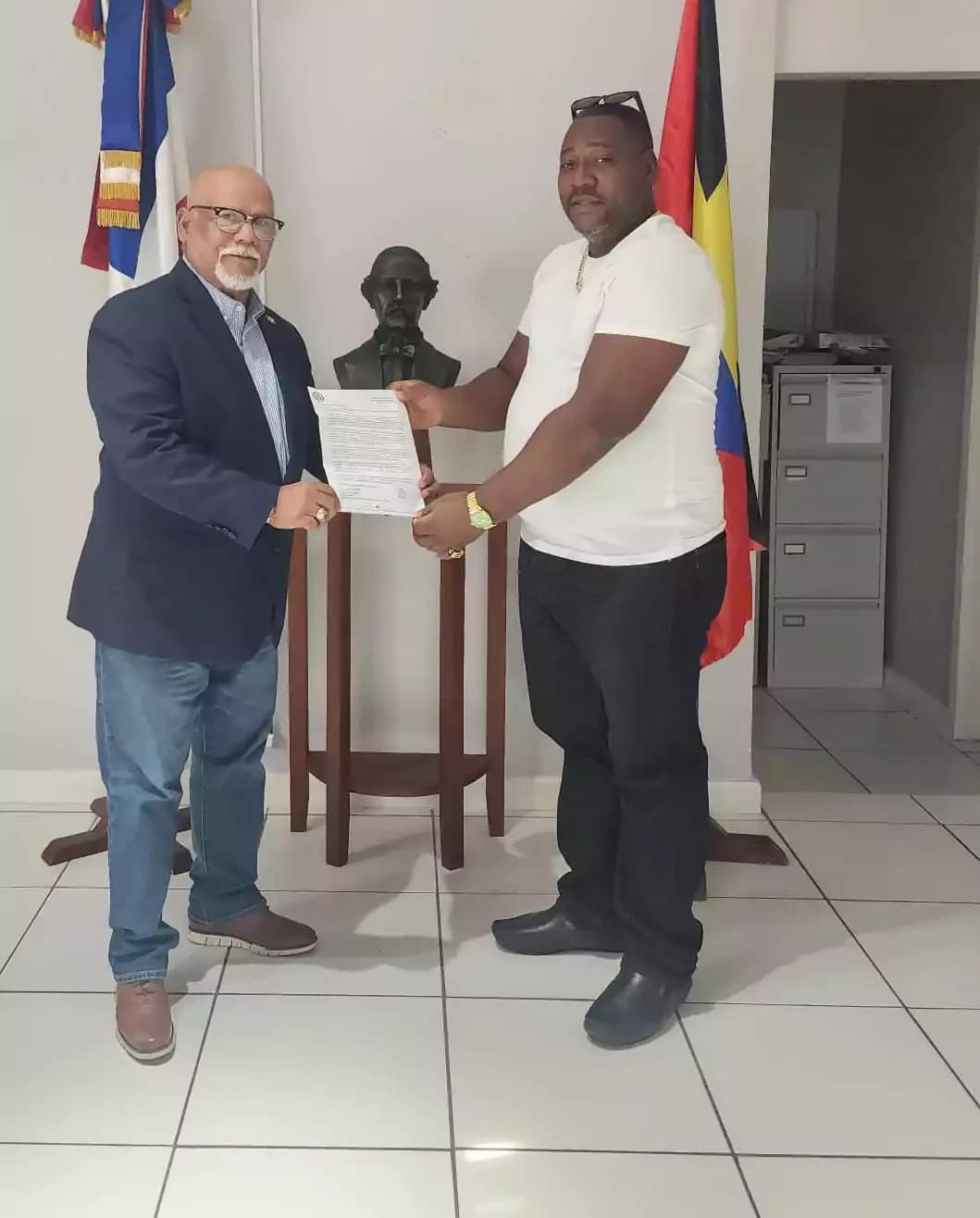
    In a significant ceremony recognizing cultural advocacy, the Dominican Republic’s Consul General has bestowed formal recognition upon prominent businessman Alex Martinez and his organization for their exceptional contributions to preserving Spanish Independence traditions and Dominican cultural heritage in Antonia and Barbuda. The prestigious award acknowledges Mr. Martinez’s pivotal role in enhancing bilateral cultural connections within the Caribbean nation while ensuring Dominican traditions remain vibrant among diaspora communities.

    Consul General Julio Cesar Mateo Baez, during the official presentation, commended Martinez’s visionary leadership and his remarkable ability to inspire collective action toward cultural preservation. The diplomat emphasized how Martinez’s initiatives have cultivated unprecedented levels of unity and cultural pride within the Dominican community residing in the twin-island nation, creating meaningful bridges between Dominican heritage and local Caribbean culture.

    In his acceptance remarks, Martinez characterized cultural support as both a profound personal passion and a civic responsibility. The honored businessman articulated his commitment to sustaining these efforts, vowing to continue developing programs that would ensure Dominican cultural traditions endure for future generations. His work has particularly focused on maintaining cultural visibility through organized celebrations, educational initiatives, and community engagement programs that highlight Dominican history and customs.

  • Housing reconstruction sweeps across Carriacou

    Housing reconstruction sweeps across Carriacou

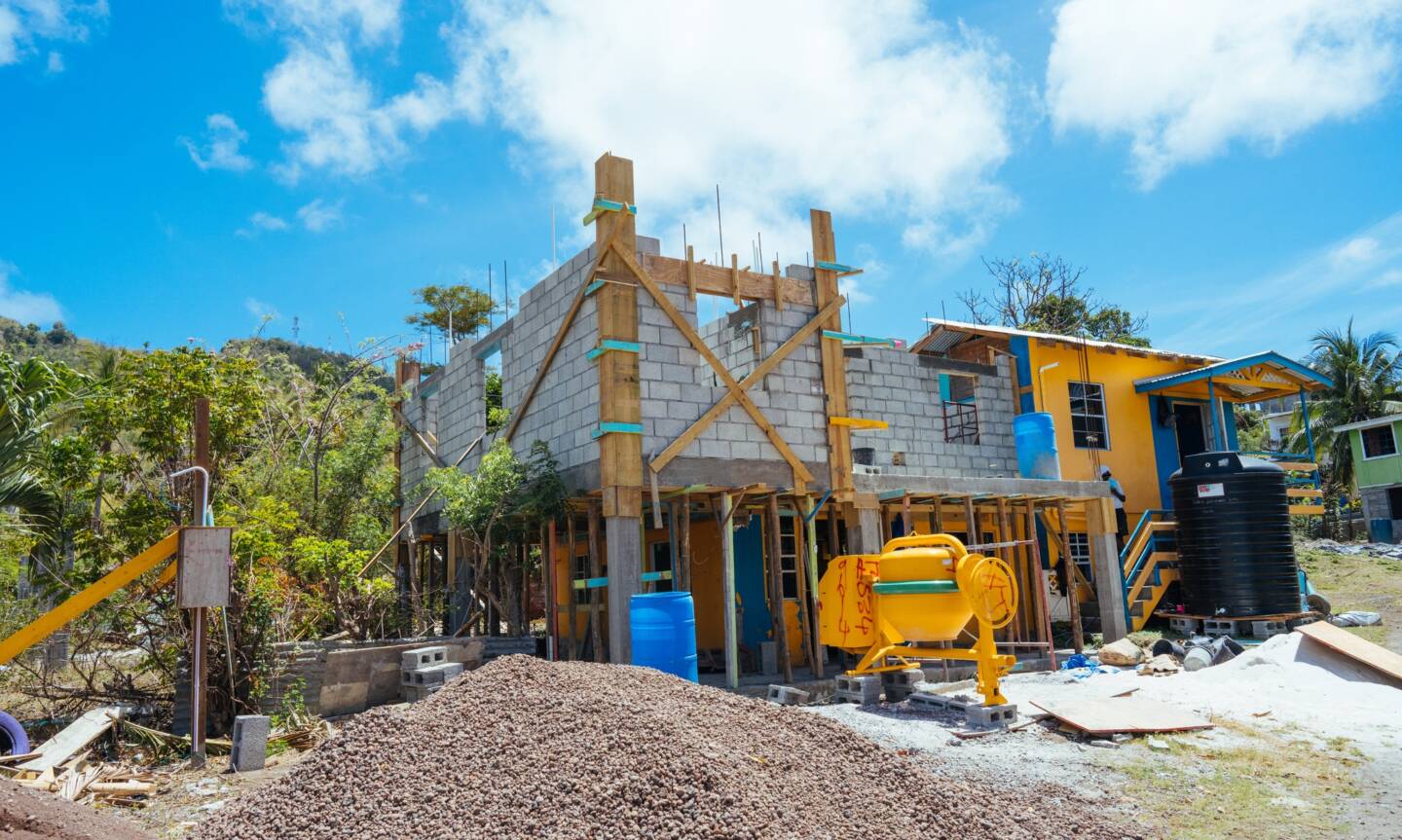
    A comprehensive reconstruction effort is sweeping across Grenada as the government intensifies its Build Back Better housing initiative in response to Hurricane Beryl’s devastation. From northern Windward to eastern Mt Pleasant and southern L’Esterre, local contractors have been officially engaged to drive the rebuilding program forward.

    The Ministry of Carriacou and Petite Martinique Affairs and Local Government has implemented a strategic approach to accelerate recovery efforts. By securing bulk purchases of construction materials and dispatching dedicated shipments to affected areas like Petite Martinique, the ministry is streamlining the reconstruction process while stimulating local economic activity.

    This dual-faceted recovery program combines large-scale construction projects with individual assistance measures. While the Build Back Better initiative focuses on major construction, the complementary Materials Assistance Programme enables residents to repair their own properties. Homeowners seeking building supplies must complete application forms subject to ministry assessment and approval.

    The reconstruction surge has generated substantial employment opportunities, particularly benefiting young and middle-aged residents. Multiple active construction sites currently employ teams exceeding ten workers each, creating a positive economic ripple effect throughout communities devastated by the hurricane.

    The government’s approach emphasizes resilient home construction designed to withstand future climate challenges, representing a significant shift from mere recovery to sustainable development in hurricane-prone regions.

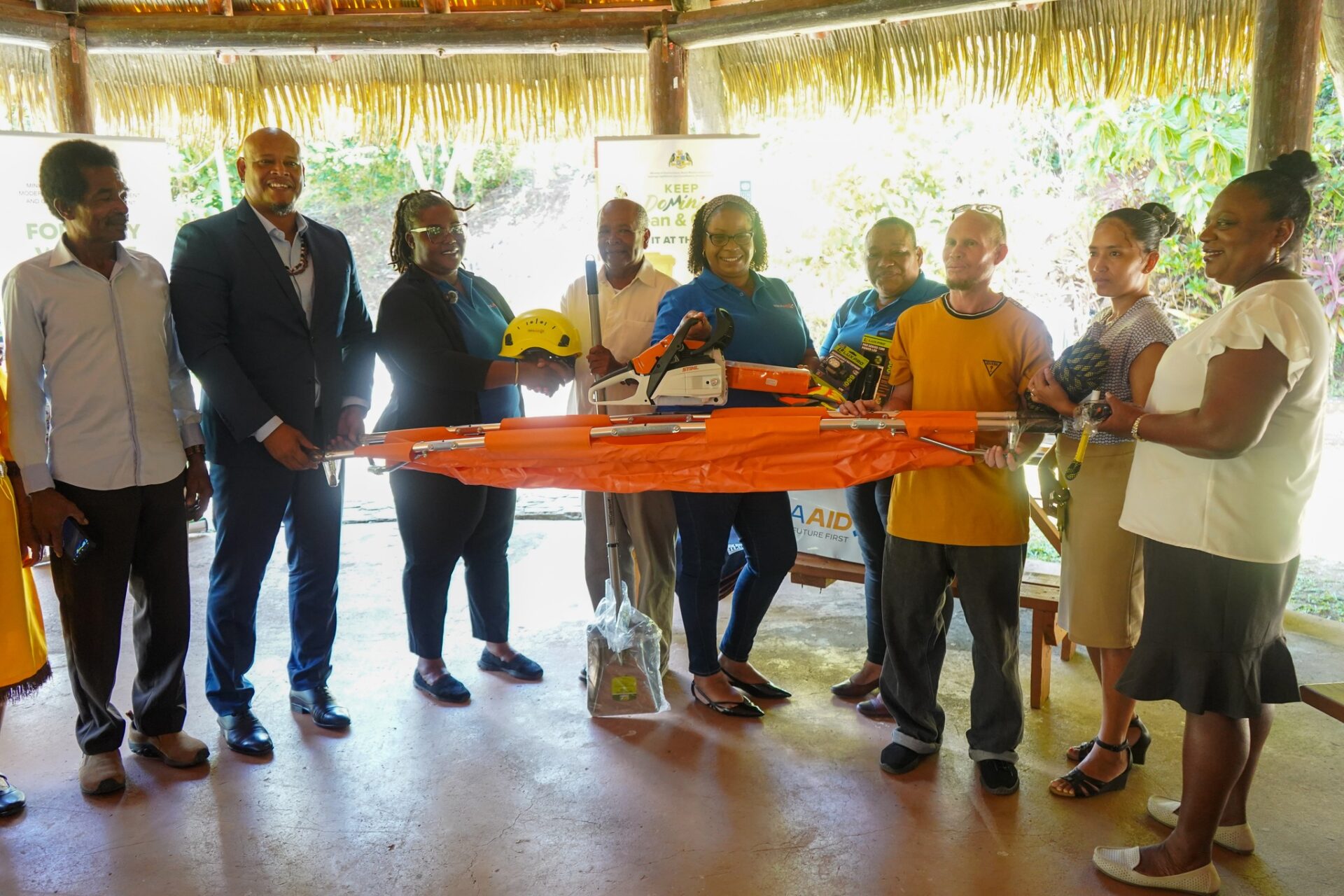
  • IsraAID and UNDP deliver disaster management equipment to Kalinago Disaster Committee

    IsraAID and UNDP deliver disaster management equipment to Kalinago Disaster Committee

    In a significant boost to disaster preparedness, the Kalinago Territory has received critical emergency management equipment through a collaborative initiative between IsraAID and the United Nations Development Programme (UNDP). The handover to the Kalinago Disaster Committee marks a concrete step toward enhancing community resilience in the indigenous territory.

    During the ceremonial transfer, Parliamentary Representative for Salybia Constituency Cozier Frederick commended the partnership as both valuable and enduring. “I want to celebrate this collaboration. I want to cement it as something that we will continue to do,” Frederick stated, acknowledging the strategic importance of sustained cooperation in disaster readiness.

    Frederick utilized the platform to highlight the historically overlooked contributions of the Kalinago people to national development and resilience building. He reflected on the foundational role of indigenous warriors in creating the bedrock of contemporary society, emphasizing that discussions about national resilience and empowerment must include Kalinago perspectives.

    Connecting local preparedness to global challenges, Frederick noted: “In our own time, we are still fighting a serious battle… countries are in crisis.” He advocated for drawing upon cultural strength as a source of resilience, asserting that “when we look within ourselves and extract the Kalinago spirit, we can fight this thing.” This conviction is rooted in historical perseverance through wars, genocide, and diseases, providing a template for confronting modern challenges through consolidated efforts.

    The newly provided equipment represents a practical advancement in community readiness. Frederick described the handover as fundamentally important, recognizing both the work ahead and the partnerships required while acknowledging the legacy upon which current efforts build.

    UNDP project analyst Sawana Fabien detailed the comprehensive nature of the initiative, explaining that months of preparatory work preceded the equipment transfer. This included close coordination with the Forestry Division, site evaluations, watershed assessments, and procurement of materials to support plant propagation and nursery development.

    Fabien characterized the equipment provision as “part of that proprietary investment” designed to enable structured and sustainable scaling of propagation and planting activities. The effort falls within a broader forest watershed management framework aimed at reinforcing forest systems and policy development.

    Tangible outcomes expected from the project include implemented forest management policies for the Kalinago territory, established watershed and forest management committees, and support for committee-based livelihoods connected to reforestation efforts. Notably, the reforestration approach incorporates cash crops alongside native species, ensuring both ecological and community benefits.

    This initiative represents a holistic approach to disaster resilience that integrates environmental management, cultural heritage, and sustainable development within the Kalinago Territory.

  • MBS Continues Transition to EFT as Cheque Reimbursements Are Phased Out

    MBS Continues Transition to EFT as Cheque Reimbursements Are Phased Out

    The Medical Benefits Scheme (MBS) is advancing its digital modernization initiative by systematically eliminating paper cheque reimbursements in favor of Electronic Funds Transfer (EFT) payments. This strategic shift represents a fundamental restructuring of how beneficiary claims are processed and disbursed.

    Authorities have announced the progressive phase-out of traditional cheque payments, mandating all scheme participants to transition to electronic payment methods. Beneficiaries must now submit their banking details through official channels to ensure uninterrupted claim processing.

    To facilitate this technological migration, the MBS has established multiple enrollment pathways. Participants can initiate the process through dedicated Customer Service representatives or independently by accessing the official EFT enrollment form available at www.mbs.gov.ag/v2/forms/. The completed form, accompanied by verified banking information, must be formally submitted to the administration for processing.

    This operational transformation is designed to enhance multiple aspects of the reimbursement experience. Officials emphasize that EFT payments will significantly accelerate fund disbursement, eliminate mail delays and physical cheque clearance periods, and provide greater transaction security. The digital framework also offers improved convenience through direct bank deposits, reducing administrative burdens for both beneficiaries and scheme administrators.

    The transition aligns with broader governmental digital infrastructure development goals and represents a significant step toward financial modernization within public health benefit programs.