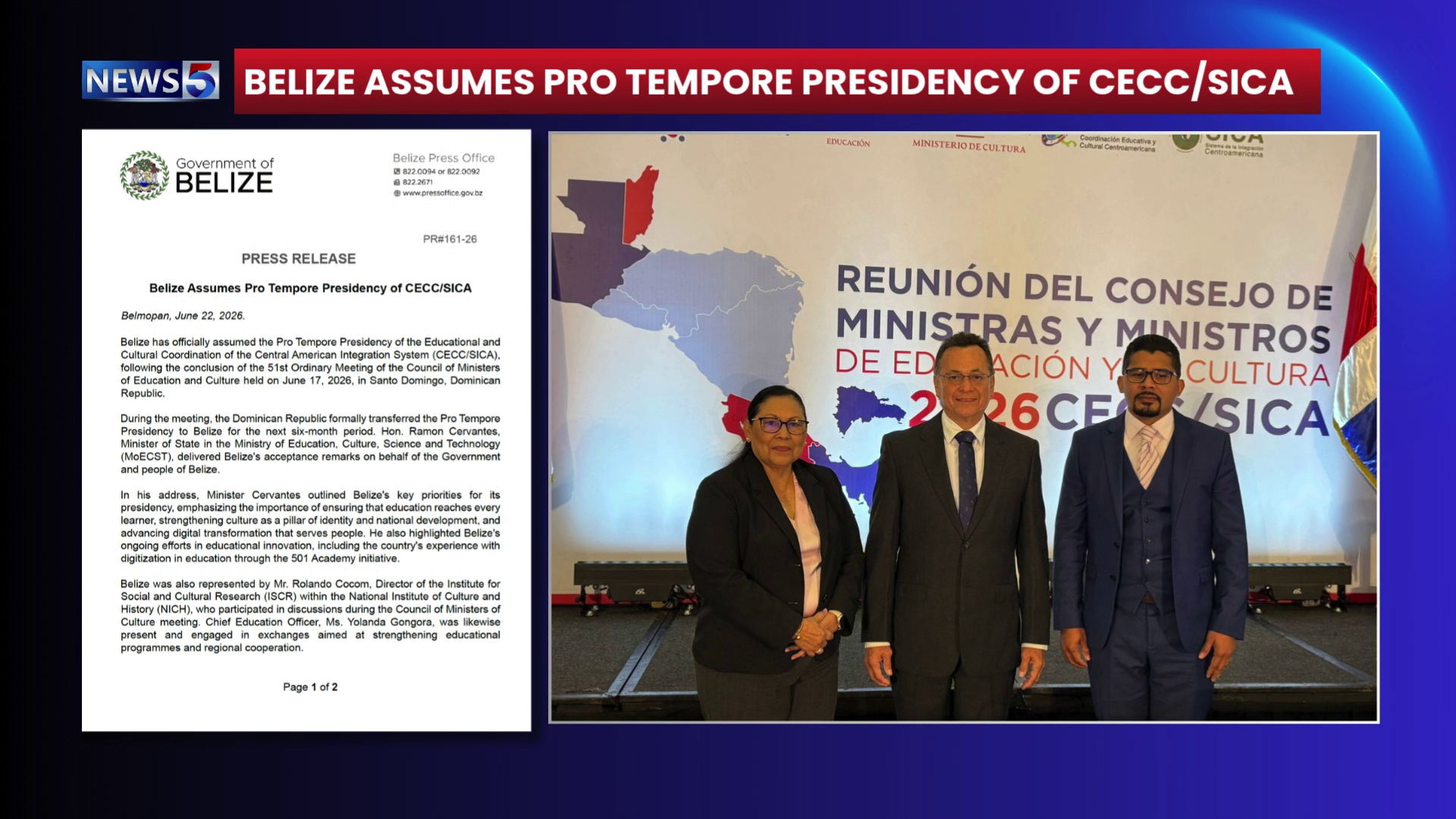
In a significant shift for regional educational and cultural cooperation across Central America, Belize has stepped into a pivotal leadership role that promises to reshape learning frameworks and cultural preservation strategies across the region. As of June 2026, the small Central American nation has taken over the rotating presidency of the Coordinating Committee of Educational and Cultural Cooperation of the Central American Integration System (CECC/SICA), positioning it at the center of high-stakes regional decision-making for education and cultural development.
This new position brings both expanded regional influence and heightened responsibility, and Belize has already signaled it plans to move quickly to advance its priorities. Speaking on behalf of the nation at the leadership transition meeting, Belize’s Minister of State for Education Ramon Cervantes outlined a clear, people-centered policy agenda for the country’s six-month term. The three core pillars of Belize’s leadership plan are expanding universal access to education for all learners across the region, positioning cultural heritage as a core engine of national and regional development, and speeding up the adoption of digital transformation in educational institutions.
Cervantes highlighted that Belize already has hands-on experience implementing innovative digital learning models that it can bring to the regional table. He pointed to the country’s ongoing 501 Academy initiative as a tangible example of the nation’s work to reimagine digital education, noting that the lessons learned from this local program can now be shared with neighboring countries to support their own digital transitions.
Prior to assuming the presidency, Belize participated as a member in CECC/SICA’s collaborative processes. Now, its role has evolved from contributing member to lead coordinator, tasked with shepherding existing regional agreements into active implementation. Over the next six months, Belize will steer the bloc’s work to improve overall education quality across Central America, advance inclusive cultural development initiatives, and deepen cross-border collaboration between all member nations. Observers of regional integration note that this leadership turn offers Belize an opportunity to bring localized, community-focused priorities to the forefront of Central American public policy.