分类: society

  • Forensic firepower

    Forensic firepower

    Jamaica’s premier financial crime investigation agencies have achieved unprecedented success in dismantling sophisticated money laundering schemes through revolutionary forensic capabilities. The Major Organised Crime and Anti-Corruption Agency (MOCA) and Financial Investigations Division (FID) report uncovering hundreds of millions of dollars in criminal assets that have significantly boosted state coffers.

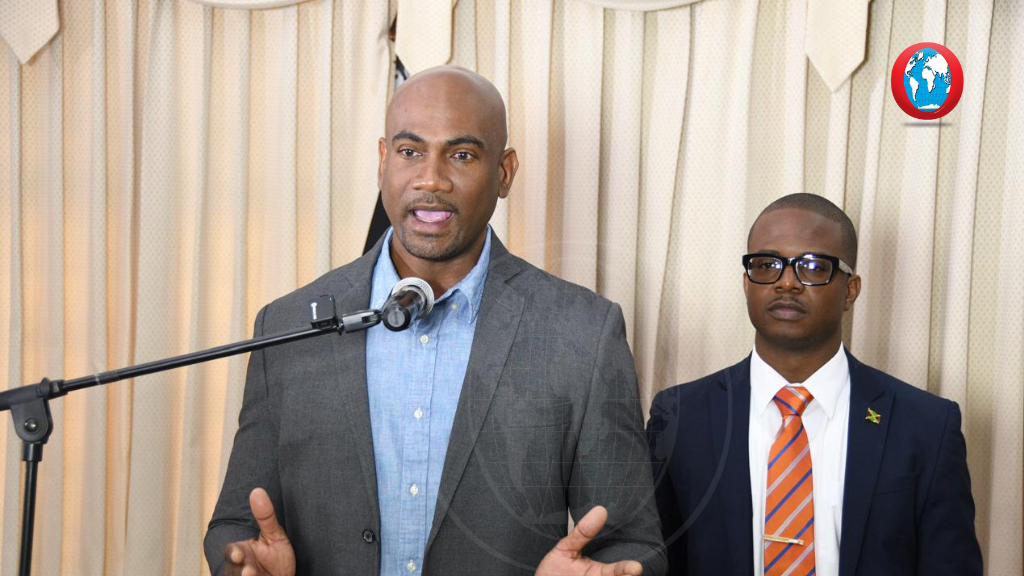
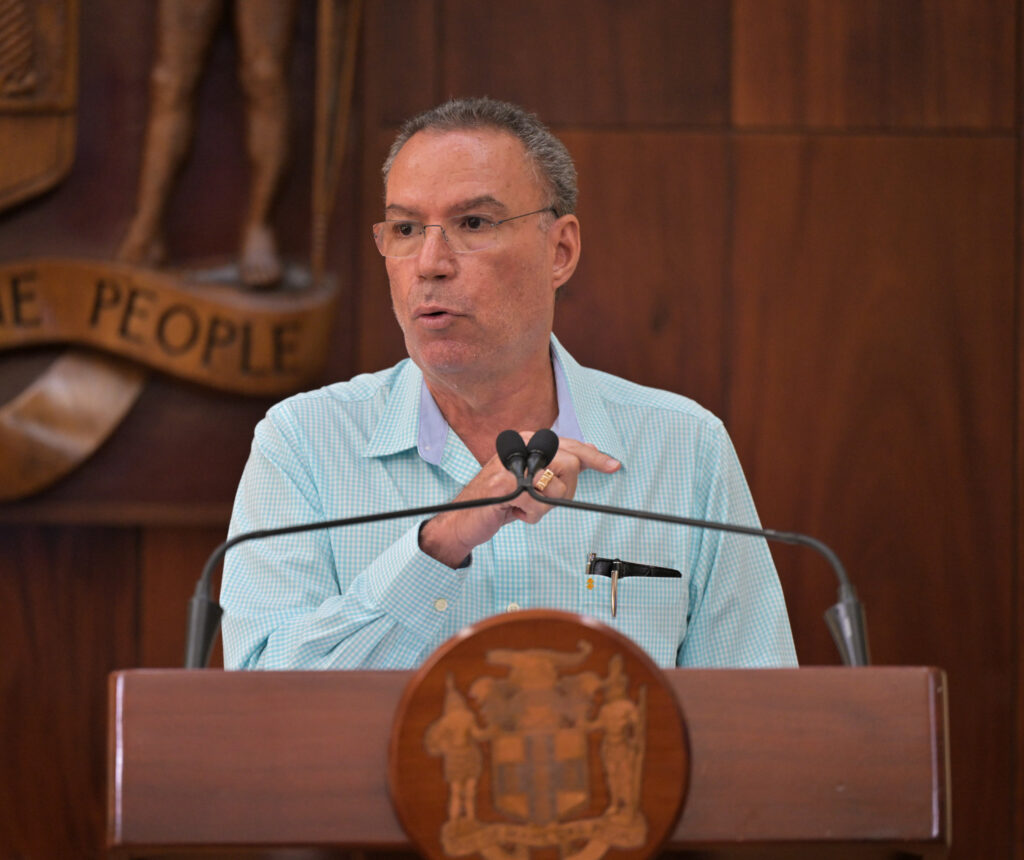
    According to Colonel Desmond Edwards, Director General of MOCA, criminal organizations have responded to enhanced investigative capabilities by developing increasingly complex methods to conceal illicit gains. ‘Criminals are very much aware, which is why they come up with all kinds of seemingly ingenious ways of hiding their assets—even using unwitting relatives,’ Edwards revealed during a Jamaica Observer Monday Exchange session.

    The agencies have undergone a transformative evolution over the past decade, particularly in developing cyber forensic capabilities and financial investigation expertise. MOCA now leads criminal investigations while FID specializes in asset recovery using the same evidence, creating a comprehensive division of labor that has proven remarkably effective.

    Dennis Chung, FID’s Chief Technical Director, confirmed that their forensic investigators are ‘top of the line,’ regularly discovering assets that criminals believed were safely hidden. The success rate has generated such concern within criminal circles that lawyers frequently approach the agencies attempting to negotiate settlements—offers that are consistently rejected.

    Nigel Parke, Senior Director of Legal and Prosecutorial Services at MOCA, explained that the most common concealment method—registering assets under third-party names—has been effectively neutralized through amended legislation and enhanced investigative techniques. The amended Companies Act now allows investigators to trace beneficial ownership by examining acquisition means and following paper trails.

    The results speak for themselves: 2025 saw confiscations of $164.1 million in cash plus court-ordered confiscations exceeding $33 million and US$35,000 in assets. MOCA conducted 33 significant operations resulting in 35 arrests, 30 charges, and 11 convictions. The agencies maintain strict protocols regarding public disclosure, respecting citizens’ rights and preserving the integrity of ongoing court proceedings involving hundreds of millions of dollars.

  • Congrats on icons support

    Congrats on icons support

    In a significant move to honor national cultural contributors, Culture and Community Development Minister Michelle Benjamin has unveiled a new initiative targeting support for the country’s cultural veterans. The program announcement, which has garnered public endorsement through an open letter published in Newsday, specifically addresses the need for sustained meaningful assistance to these influential figures.

    The initiative emerges as a recognition mechanism for cultural practitioners who have fundamentally shaped the nation’s identity through their artistic contributions. The program promises to deliver ongoing support structures aimed at safeguarding the welfare of aging artists, ensuring their legacies are preserved for future generations, and providing financial and social assistance during challenging periods.

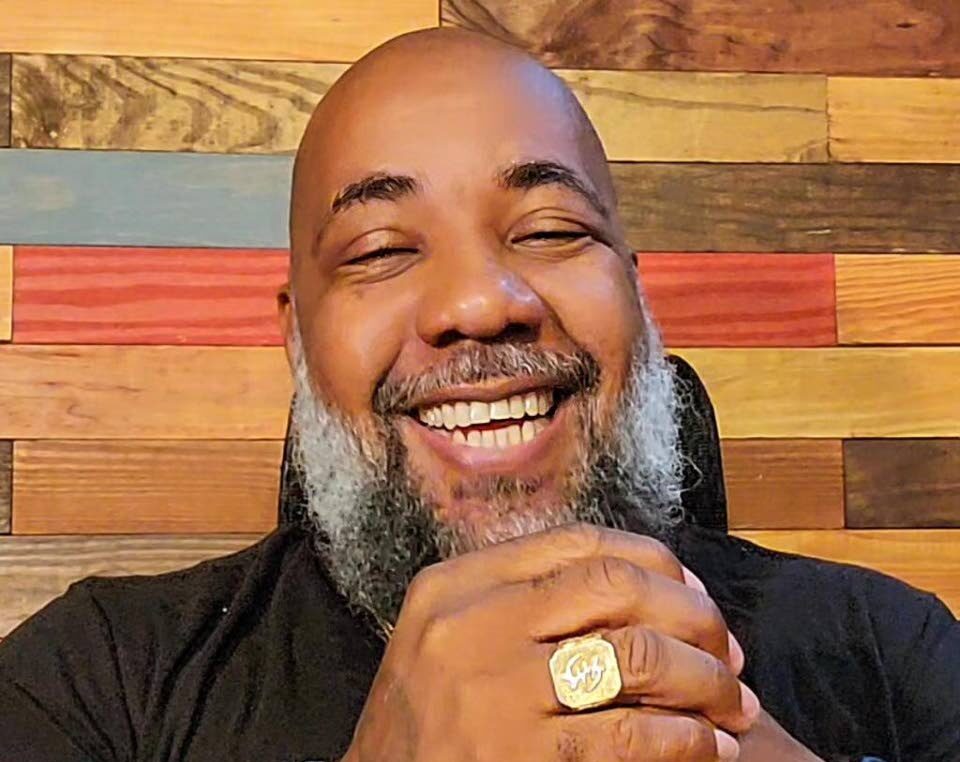
    Cultural commentator Gerald Agostini expressed strong approval of the ministerial decision in his published letter to the editor, describing the initiative as “long overdue” while urging continued governmental commitment to the program in coming years. The announcement was accompanied by photographic documentation showing Minister Benjamin alongside renowned calypso legend Timothy “Baron” Watkins, symbolizing the ministry’s engagement with prominent cultural figures.

    The development represents a formalized approach to cultural preservation that acknowledges both the historical contributions and contemporary needs of artists who have dedicated their lives to enriching the nation’s cultural landscape.

  • Sagicor Foundation says 2023 Sigma Run funds used to purchase CT scanner for UHWI

    Sagicor Foundation says 2023 Sigma Run funds used to purchase CT scanner for UHWI

    KINGSTON, Jamaica — The Sagicor Foundation has issued a detailed clarification regarding the allocation of funds from its 2023 Sigma Corporate Run, following allegations of financial misdirection raised by opposition health officials. The philanthropic organization confirmed that proceeds designated for the University Hospital of the West Indies (UHWI) were exclusively utilized to procure a computed tomography (CT) scanner for the institution’s pediatric department.

    Official records indicate the 2023 charity event generated J$91,852,500 (approximately US$580,000), with designated beneficiaries being both the Edna Manley College of the Visual and Performing Arts and UHWI’s Pediatric Unit. According to the foundation’s Wednesday statement, a disbursement of US$495,000 (roughly J$79.2 million) was transferred to an authorized Philips medical equipment distributor in 2024 to secure the diagnostic imaging technology.

    The foundation’s response comes after Dr. Alfred Dawes, health spokesman for the opposition People’s National Party, publicly demanded accountability regarding approximately J$75 million raised specifically for pediatric care. Dr. Dawes characterized alleged discrepancies in fund allocation as ‘deeply concerning,’ emphasizing that donations collected for critically ill children must be applied exclusively to their promised purposes.

    Medical procurement timelines reveal the CT scanning equipment was shipped in early December 2025, with anticipated delivery to Jamaica scheduled for February 2026. The Sagicor Foundation emphasized its commitment to operational transparency, stating all financial distributions strictly adhere to its governance framework and are fully accounted for through official channels.

    The developing situation highlights increasing public scrutiny over charitable fund management in Jamaica’s healthcare sector, particularly regarding corporate-sponsored initiatives targeting vulnerable patient populations.

  • Prince Harry accuses tabloids of making wife’s life ‘absolute misery’

    Prince Harry accuses tabloids of making wife’s life ‘absolute misery’

    In a dramatic conclusion to his testimony at London’s High Court, Prince Harry delivered an emotionally charged condemnation of Associated Newspapers Ltd (ANL), accusing the publisher of creating unbearable conditions for his wife Meghan Markle. The Duke of Sussex, visibly fighting back tears, characterized his legal battle against the Daily Mail and Mail on Sunday publisher as “a horrible experience” during Wednesday’s proceedings.

    The nine-week trial represents the culmination of Harry’s sustained campaign against certain British media outlets, marking his third and final legal action against newspaper publishers. He stands alongside six co-claimants—including music legend Elton John and actors Liz Hurley and Sadie Frost—in alleging systematic privacy violations and unlawful information gathering by the tabloids.

    “Having to sit here and go through this all over again while they claim I don’t have any right to privacy is disgusting,” Harry stated from the witness box after several hours of testimony. “The worst part is that by taking a stand against them, they continue to come after me. They’ve made my wife’s life an absolute misery.”

    The case revisits the prince’s long-standing grievances with media intrusion, which he has directly linked to the 1997 death of his mother, Princess Diana, who perished in a Paris car crash while evading paparazzi. Harry and Meghan’s 2020 departure from royal duties and subsequent relocation to California occurred amid what they described as relentless negative coverage and family tensions exacerbated by media scrutiny.

    In his witness statement, Harry emphasized that the lawsuit extends beyond personal grievances, describing it as a mission “for the greater good” that addresses “thousands of people whose lives were invaded because of greed.” He detailed how press coverage of his former girlfriend Chelsy Davy constituted “full blown stalking” and created an atmosphere of “distrust” among his circle.

    The claimants’ legal team opened proceedings by promising to demonstrate “clear and systematic use of unlawful gathering of information” at ANL, alleging the publisher employed private investigators implicated in previous phone-hacking scandals. These accusations span a 25-year period from 1993 to 2018 in some instances.

    ANL has vigorously denied all allegations, dismissing them as “lurid” and “preposterous” in court filings. The publisher’s lead attorney contends that evidence will prove legitimate sourcing of stories and characterized the claims regarding private investigators as “clutching at straws in the wind.”

    The trial continues as one of the most significant media privacy cases in recent British legal history, with potential implications for press regulation and celebrity privacy rights in the digital age.

  • Police commissioner rejects claims of resistance to body-worn cameras

    Police commissioner rejects claims of resistance to body-worn cameras

    KINGSTON, Jamaica — Jamaica’s top law enforcement official has launched a vigorous defense of the police force’s body-worn camera initiative, categorically rejecting allegations of institutional resistance as deliberate falsehoods designed to mislead the public.

    Police Commissioner Dr. Kevin Blake, in a sharply worded editorial published in the Jamaica Constabulary Force’s (JCF) weekly Force Orders, expressed growing concern about what he characterized as coordinated efforts to create distorted narratives surrounding the implementation of the body-worn camera (BWC) program. The commissioner specifically addressed criticisms emerging in discussions about police-involved fatal shootings.

    “I acknowledge those who build careers and reputations through dismantling institutional credibility and propagating negative stories,” Blake stated. “Our systematic approach will ultimately deprive them of the adverse coverage they depend on.”

    Blake revealed that while he initially attempted to address misconceptions diplomatically, the persistent circulation of inaccurate information necessitated a more direct response. “Although I typically prefer diplomatic engagement, circumstances now demand unambiguous confrontation of these falsehoods,” he explained.

    At the heart of the controversy lies critics’ long-standing assertion that infrastructure deficiencies have delayed full BWC deployment. The commissioner firmly refuted this claim, revealing that the necessary digital infrastructure has been operational since 2023, with current efforts focused exclusively on equipment procurement and strategic distribution.

    The police leader referenced his previous public briefings, including an interview where he announced the JCF’s advanced procurement stage for 1,000 cameras. These units were delivered within weeks and have been largely deployed, with acquisition processes now underway for an additional 1,000 devices.

    Blake suggested that the perpetuation of false narratives serves particular interests rather than genuine public concern. “Maintaining the fiction of JCF resistance to body-worn cameras reinforces certain commentators’ relevance while concealing their inadequate understanding of actual circumstances,” he remarked.

    The commissioner positioned the BWC debate within broader criticism of what he described as an ‘economy of commentary’ that profits from portraying the police force as reform-resistant. He simultaneously dismissed claims that recent crime reduction resulted from improper police conduct, emphasizing that numerous firearm-related arrests occur annually without lethal force.

    Concluding his statement, Blake called for redirected public discourse, urging advocacy groups to join appeals encouraging armed criminals to avoid confronting police officers. He additionally offered reassurances to frontline officers, promising unwavering leadership support for those operating within legal boundaries while protecting public safety.

  • Suspected serial rapist arrested and charged by C-TOC while on bail

    Suspected serial rapist arrested and charged by C-TOC while on bail

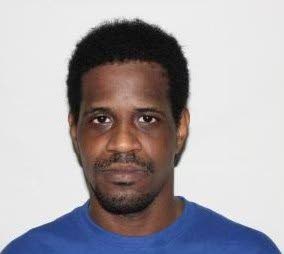
    KINGSTON, Jamaica — Jamaican law enforcement authorities have apprehended a suspected serial sexual predator who continued his alleged criminal activities while released on bail for previous rape charges. Ackiel Davis, a 25-year-old resident of Cornwall Barracks in Moore Town, Portland, faces renewed criminal prosecution following his arrest on January 15th and subsequent formal charging on January 20th.

    According to official police reports, detectives from the Counter-Terrorism and Organised Crime Investigation Branch (C-TOC) identified Davis as the prime suspect in a new rape case involving a 16-year-old minor. The investigation revealed a disturbing pattern of digital exploitation where the accused allegedly recorded sexual acts with victims and subsequently used explicit material to extort further compliance through threats of public dissemination on social media platforms.

    Police investigations indicate Davis operated across multiple Jamaican parishes between 2023 and 2026, systematically targeting vulnerable females including minors. The suspect’s modus operandi involved obtaining compromising materials and employing them as leverage for continued sexual exploitation and blackmail schemes.

    Superintendent Victor Barrett of C-TOC characterized Davis’s actions as demonstrating complete disregard for community safety. “Davis exploited the digital space to target and terrorize vulnerable individuals, including minors, through a calculated pattern of blackmail and sexual violence,” Barrett stated. “The fact that these offences were committed while the accused was already on bail for similar crimes represents a blatant disregard for the safety of our citizens.”

    Law enforcement officials are urging potential victims not to comply with online blackmail demands and to preserve all digital evidence including messages, images, and call logs that might assist forensic investigations. Parents and guardians are strongly advised to monitor children’s digital activities and educate them about the permanent risks associated with sharing sensitive content online.

    The suspect is scheduled to appear in court on February 10th for previous charges while authorities finalize proceedings for the new allegations. Investigators believe additional victims may exist and have encouraged anyone with relevant information to contact C-TOC at 876-967-1389, the police emergency number 119, or their nearest police station.

  • Will the increase in the daily stipend make Jamaicans professional jurors?

    Will the increase in the daily stipend make Jamaicans professional jurors?

    KINGSTON, Jamaica — Jamaica’s House of Representatives engaged in substantive debate on Tuesday regarding the Jury (Amendment) Act 2026, which proposes a significant increase in juror compensation from $2,000 to $6,000 daily. The legislative amendments, spearheaded by Justice Minister Delroy Chuck, have sparked discussions about the nature of jury service and its financial implications within the justice system.

    The proposed legislation extends beyond empaneled jurors, offering $2,000 per day to individuals summoned for duty but not ultimately selected. This comprehensive approach to compensation marks the first stipend increase in over a decade, previously adjusted from $400 to $2,000 daily during Opposition Leader Mark Golding’s tenure as justice minister.

    MP Marlene Malahoo Forte, representing St James West Central and a former attorney general, emphasized cross-party support for the increase while cautioning against misinterpretation of jury service fundamentals. “We should make it abundantly clear that we’re not paying citizens to serve as jurors,” she stated, explaining that the adjustment primarily addresses inflationary pressures and expense reimbursement rather than creating professional opportunities.

    However, Opposition Leader Golding presented a contrasting interpretation, noting the compensation structure encompasses both time commitment and travel expenses. He highlighted that weekly earnings of $30,000 for five-day service would substantially exceed Jamaica’s minimum wage of $16,000 weekly, creating what he termed “a compendious payment” that inherently compensates for service time.

    The debate revealed nuanced perspectives on civic responsibility versus financial practicality, with lawmakers acknowledging the necessity of adequate compensation while maintaining the fundamental voluntary nature of jury duty within Jamaica’s judicial framework.

  • Social media dangers for minors

    Social media dangers for minors

    In an era dominated by digital technology where tablets and smartphones have become commonplace parenting tools, Archbishop Jason Gordon has ignited crucial discussions about implementing legislative controls on minors’ social media access. The prominent religious leader contends that certain online platforms demonstrate higher addictive potential than alcohol, advocating for regulatory measures similar to existing prohibitions on underage alcohol sales.

    The archbishop’s comments emerge alongside governmental considerations to raise legal ages for alcohol, cannabis consumption, and gambling in Trinidad and Tobago. Gordon specifically referenced Australia’s groundbreaking legislation that prohibits children under 16 from accessing major social media services including Facebook, Instagram, TikTok, Snapchat, Threads, X, YouTube, Reddit, Kick, and Twitch.

    This Australian model, currently being monitored by numerous countries, completely deactivates existing profiles and prevents new account creation for minors. Meanwhile, these platforms remain freely accessible in Trinidad and Tobago to any individual with digital devices and internet connectivity.

    The UN Convention on the Rights of the Child, which Trinidad and Tobago has adopted, guarantees children protections from harmful influences while ensuring their rights to development, health, education, and recreation. Archbishop Gordon argues that unfiltered social media content often exposes young minds to uncensored information that can promote detrimental behavior and unrealistic expectations.

    While constitutional protections safeguard freedom of speech, religious authorities emphasize the necessity to balance these rights with protecting children from offensive and addictive content. The government’s proposed age restriction changes for substances and gambling aim to prevent early addiction and restore social discipline, initiatives that Archbishop Gordon believes should extend to digital protections through comprehensive societal cooperation and innovative enforcement strategies.

  • TTPS promotes 9 senior officers

    TTPS promotes 9 senior officers

    In a significant organizational development, the Trinidad and Tobago Police Service (TTPS) has elevated nine officers to higher leadership positions through a formal promotion ceremony held on January 19 at the Solomon McLeod Theatre in Port of Spain. The event marked the advancement of five officers to superintendent and four to senior superintendent ranks, signaling a strategic strengthening of the police service’s command structure.

    The ceremony witnessed the presence of key dignitaries including Homeland Security Minister Roger Alexander—a former senior superintendent himself—Police Commissioner Allister Guevarro, several Deputy Commissioners, and Ishmael Pitt, president of the TTPS Social Welfare Association. Minister Alexander personally presented the letters of appointment to the promoted officers during the proceedings.

    Commissioner Guevarro addressed attendees, emphasizing the critical importance of leadership in the TTPS’s ongoing transformational journey. He revealed that 2025 had become a pivotal year for the service, with documented substantial reductions in major crime categories—including a remarkable 42% decrease in homicides alongside significant declines in shootings, larcenies, and burglaries. The commissioner attributed these improvements to the dedication and sacrifices of officers who have committed extensive time to public safety, often at the expense of personal commitments.

    Pitt acknowledged the commissioner’s efforts in creating enhanced advancement opportunities within the organization, characterizing the developments as ‘changing the gear’ of the TTPS. He further encouraged the newly promoted officers to maintain attentiveness to colleague welfare as they assume greater leadership responsibilities.

    The newly promoted senior superintendents are Alva Gordon, Geoffrey Hospedales, Karen Lancaster-Ellis, and Sean Dhillpaul. Those elevated to superintendent include Mulchan Nanan, Heeraman Singh, Edgar Baird, Mark Joseph, and Mario Robain.

    The TTPS maintains a structured ranking system comprising ten positions, ranging from police constable to commissioner, with promoted officers now occupying critical middle-management roles that bridge strategic planning and operational execution.

  • From resolution to reality: making safety a daily lifestyle

    From resolution to reality: making safety a daily lifestyle

    As Trinidad and Tobago enters 2026, Hazel Mohan-George, Secretary of the nation’s Safety Council, has issued a comprehensive call for safety to become embedded as a fundamental cultural value rather than merely a seasonal resolution. This urgent appeal comes against the backdrop of recent preventable tragedies, including a significant blaze at Products Central toy store in San Fernando that required coordinated emergency response efforts.

    The analysis emphasizes that true safety extends beyond workplace compliance to encompass all aspects of daily life—homes, roadways, public gatherings, and seasonal celebrations including the upcoming Carnival festivities. Mohan-George systematically outlines critical risk areas: residential hazards ranging from electrical overloads and unattended cooking to improper chemical storage; road safety concerns including distracted and impaired driving; and Carnival-specific dangers such as overcrowded venues, unsafe temporary electrical installations, and alcohol-related incidents.

    The framework presents a multilayered approach to accident prevention, advocating for both individual responsibility and collective action. Household recommendations include maintaining functional smoke detectors, creating emergency evacuation plans, and securing basic emergency kits. For road safety, the Council emphasizes vehicle maintenance, defensive driving training, and heightened consideration among all road users.

    Particular attention is given to seasonal events, where the convergence of large crowds, temporary infrastructure, and alcohol consumption creates complex safety challenges. The guidance specifies practical measures including designated driver programs, venue capacity management, and thorough safety checks for water vessels and temporary event structures.

    The Council positions safety as a continuous practice requiring proactive leadership, employee engagement, and community-wide cooperation. By intervening against unsafe conditions, acknowledging positive behavior, and educating children, Trinidad and Tobago can build what Mohan-George describes as ‘a more responsible and safety-conscious nation’ where protective measures become second nature throughout 2026 and beyond.