分类: society

  • Ramadhar calls on Paria, LMCS to settle with divers’ families

    Ramadhar calls on Paria, LMCS to settle with divers’ families

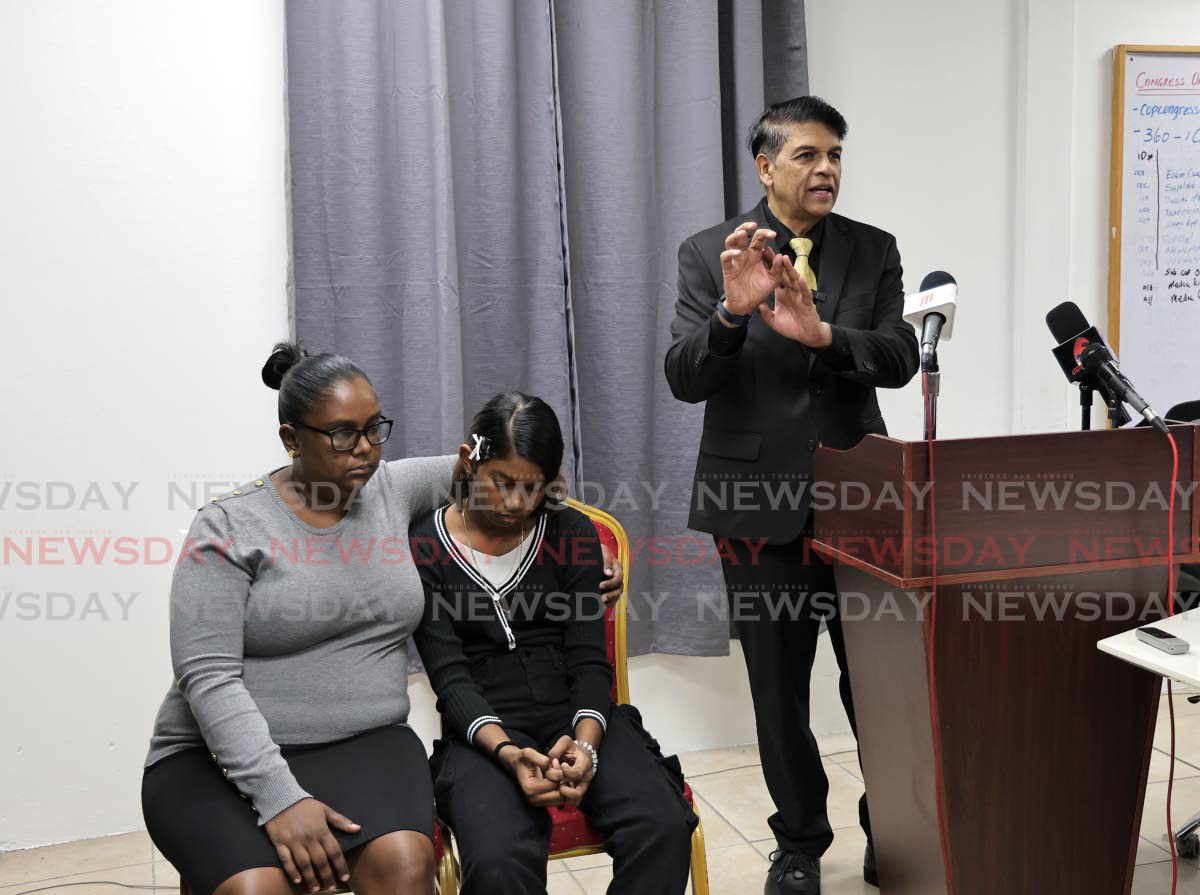
    In a renewed push for justice, prominent attorney Prakash Ramadhar has issued a firm demand for financial compensation from both Paria Fuel Trading Co Ltd and LMCS Ltd to the families of four divers who tragically perished in a 2022 underwater pipeline incident. During a press briefing in Curepe on January 24th, flanked by associates Saira Lakhan, Ved Trebouhansingh, and Shane Sinanan, Ramadhar emphasized that legal action would be imminent if the companies continued to deny liability.

    This development follows closely after Prime Minister Kamla Persad-Bissessar distributed $1 million ex-gratia payments to Christopher Boodram, the sole survivor of the catastrophe, and to the families of two deceased divers, Rishi Nagessar and Fyzal Kurban. The tragic event occurred on February 25, 2022, when the five LMCS-employed divers were performing maintenance on a 30-inch pipeline at Berth 6 in Pointe-a-Pierre. They were catastrophically sucked into the line by a powerful differential pressure event, known as Delta P.

    A recent Commission of Enquiry report, tabled in Parliament on January 19, 2024, recommended that the Director of Public Prosecutions consider corporate manslaughter charges against Paria. The report also cited evidence to prosecute Paria manager Colin Piper and LMCS head Kazim Ali Snr—father of one of the victims—for violations of the Occupational Safety and Health Act.

    While expressing gratitude for the government’s compensatory gesture, Ramadhar asserted it was insufficient and that the primary responsibility rests with the involved corporations. He revealed that pre-action letters had been repeatedly sent to both companies, whose legal representatives have consistently denied liability, even post-enquiry. To avoid a protracted legal battle that could span years through appeals, Ramadhar has proposed an out-of-court settlement of $5 million for each affected family. He contextualized this figure by comparing it to the multi-million dollar legal fees generated by the enquiry itself.

    Highlighting the profound ongoing hardships faced by the families, Ramadhar detailed the case of the Kurban family. The victim’s daughter is accruing significant debt for her education in Canada, while her brothers in Trinidad struggle to find work due to community associations with the disaster. Similarly, distribution of the government’s payment to the family of Yusuf Henry is delayed due to unresolved beneficiary issues among his children from different relationships.

    Concluding his appeal, Ramadhar stated his team would dispatch further correspondence to Paria and LMCS, urging a swift and fair settlement to alleviate the families’ burdens without relying solely on state resources, noting that Paria, as a state enterprise, possesses substantial assets exceeding US$1 billion.
  • CSO on the ground to get data for census

    CSO on the ground to get data for census

    The Central Statistical Office (CSO) under Trinidad and Tobago’s Ministry of Planning, Economic Affairs, and Development has initiated a comprehensive nationwide Geospatial Data Update Exercise (GDUE) starting January 26. This ambitious digital mapping project represents a fundamental modernization of the country’s census preparation methodology, transitioning from traditional paper-based systems to fully digitized data collection protocols.

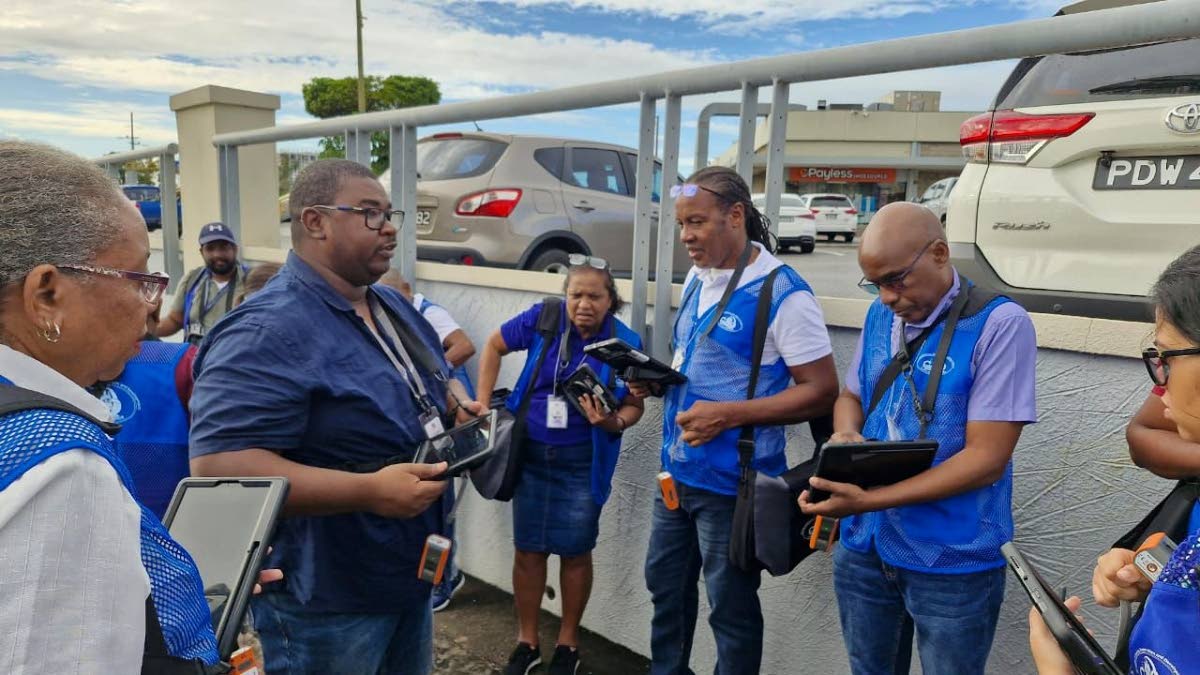
    Trained field personnel equipped with digital technology are deploying across targeted communities in Trinidad, including Champs Fleurs, Manzanilla, and Kelly Village, to gather precise geo-located information on all structures, households, commercial establishments, institutions, and agricultural holdings. Tobago will commence fieldwork operations at a subsequent scheduled date.

    This technological advancement serves as the foundational pillar for the CSO’s innovative bimodal digital census strategy. The initial phase will enable Computer-Assisted Web Interview (CAWI) capabilities, permitting citizens to complete census questionnaires online via personal devices at their convenience. Subsequently, the Computer-Assisted Personal Interview (CAPI) methodology will deploy field enumerators to assist those requiring in-person support, with all data securely captured through tablet devices.

    Approximately 120 rigorously trained enumerators and supervisors, identifiable through official CSO-issued identification badges and branded high-visibility vests, will conduct the exercise with strict adherence to ethical data collection standards. The ministry emphasizes that safeguarding public trust and security remains paramount throughout the process.

    Minister Kennedy Swaratsingh endorsed the initiative, highlighting its critical role in advancing evidence-based policymaking for national development. The CSO has encouraged full public cooperation in selected communities, noting that the collected data will directly inform the upcoming Population and Housing Census and shape future developmental planning. Verification channels including telephone (226-0180) and WhatsApp (252-9899) have been established for citizen inquiries.

  • Traffic accident in Belle Fille Castle Bruce

    Traffic accident in Belle Fille Castle Bruce

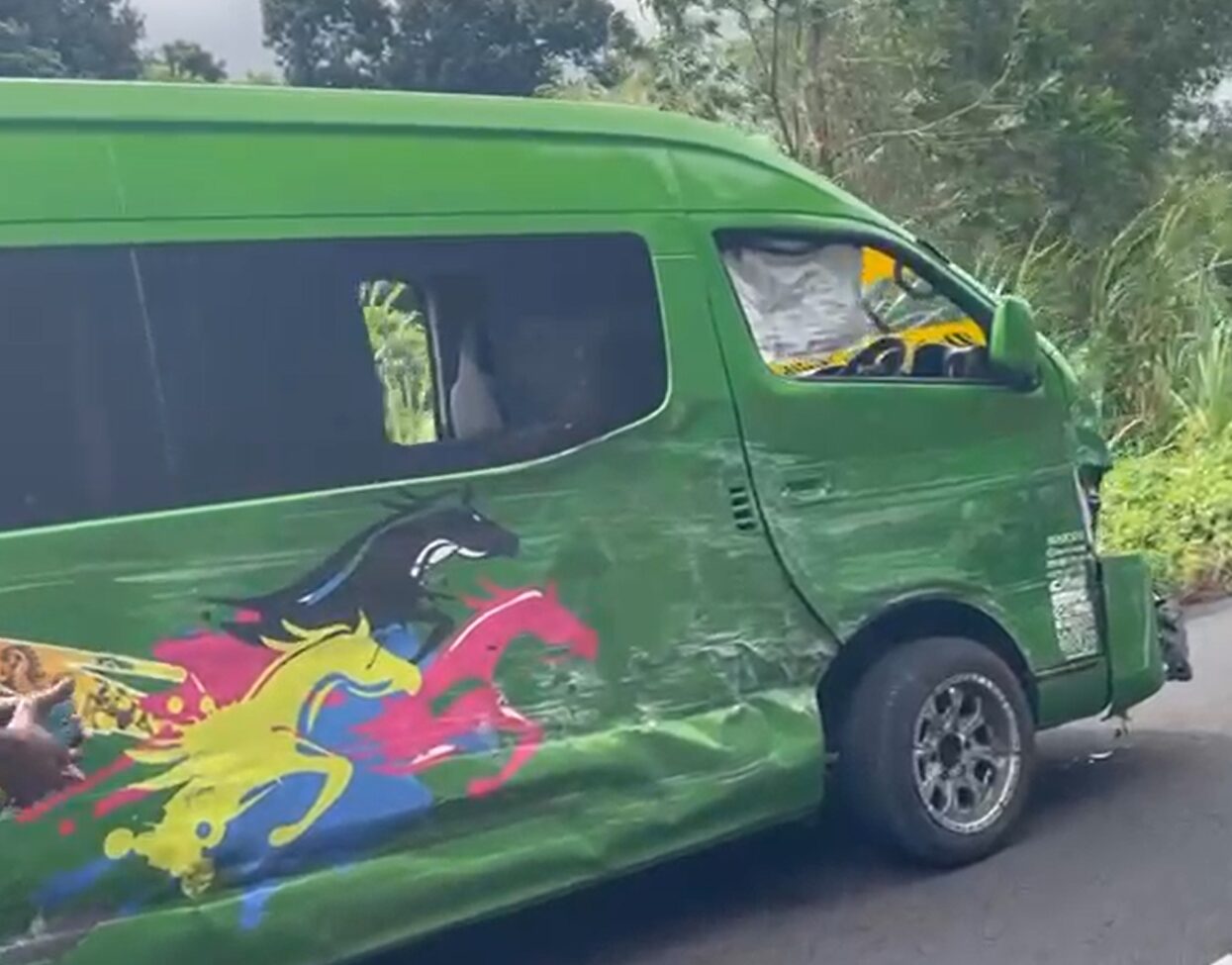
    Emergency services responded to a vehicular incident in the Belle Fille area of Castle Bruce on January 24, 2026, according to initial reports received by Dominica News Online. While specific details remain scarce, authorities have confirmed that at least one vehicle was involved in the accident.

    The driver of one vehicle was transported to the Castle Bruce Health Centre for medical treatment following the collision. The current condition of the driver and whether there were additional injuries or vehicles involved has not been officially disclosed by authorities at this time.

    Visual evidence from the scene, including photographs and video footage, indicates emergency personnel were actively managing the situation. The images show vehicle damage consistent with a traffic collision, though the precise cause and circumstances leading to the accident remain under investigation.

    Local authorities have not released further information regarding potential road closures, weather conditions at the time of the incident, or whether any citations have been issued. The investigation into the contributing factors of the accident is ongoing as officials work to determine the sequence of events.

    This developing story represents another incident on Dominica’s roadways, highlighting ongoing transportation safety concerns. The community awaits further updates from official sources regarding the severity of injuries and the complete findings of the investigation.

  • OECS Commission Celebrates International Day of Education 2026: Empowering Youth as Co-Creators of the Future of Education

    OECS Commission Celebrates International Day of Education 2026: Empowering Youth as Co-Creators of the Future of Education

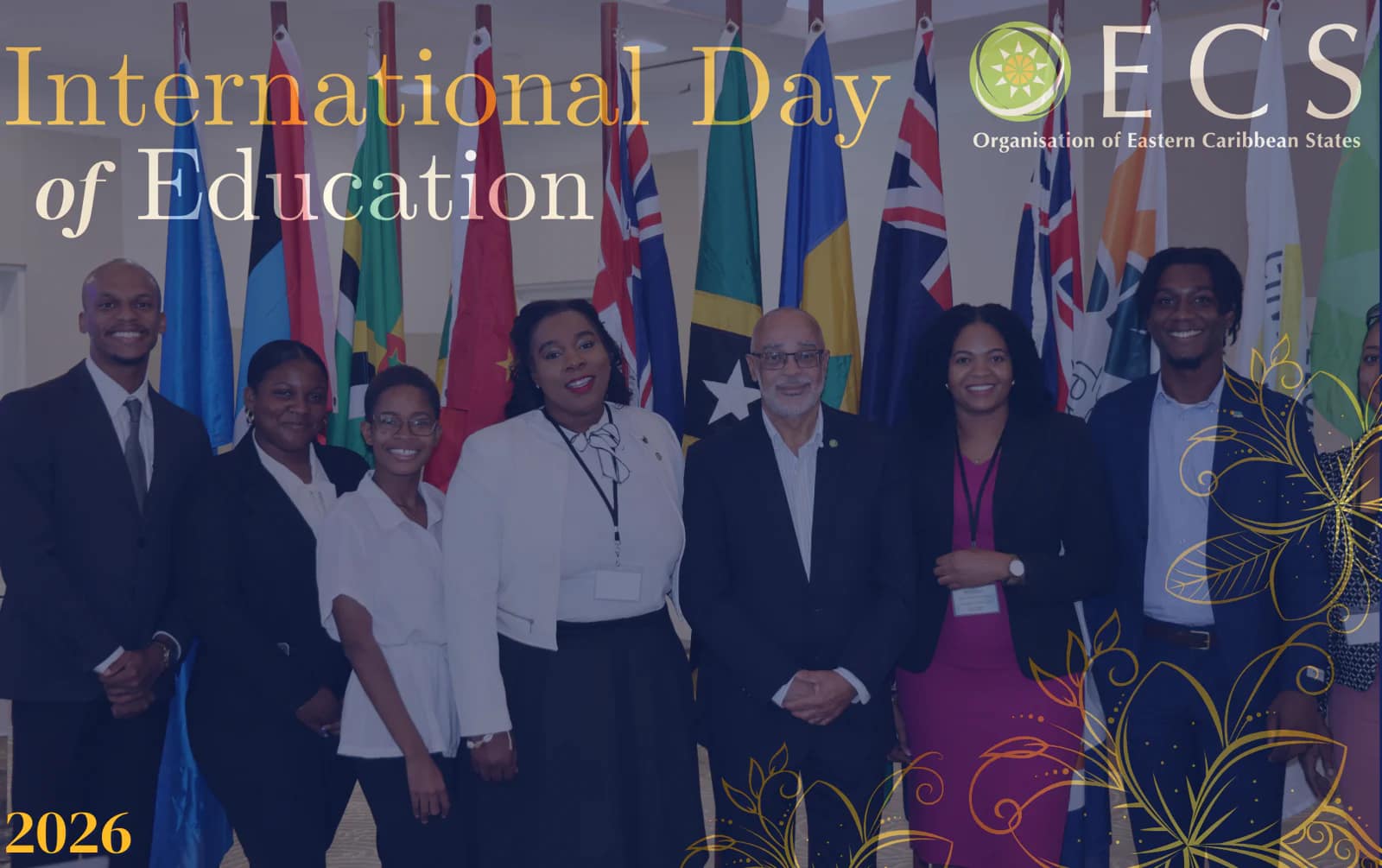
    The Organisation of Eastern Caribbean States (OECS) Commission has marked the 2026 International Day of Education by launching a comprehensive initiative to position youth as central architects of educational transformation. Under the theme ‘The Power of Youth in Co-Creating Education,’ the regional body is implementing groundbreaking strategies to institutionalize youth participation in shaping future learning ecosystems.

    The Commission’s Education Development Management Unit (EDMU) is spearheading multiple digital innovation projects designed to modernize education across member states. These include the development of the OECS Regional Education Sector Strategy (2027–2037) and the creation of a sophisticated Digital Learning Ecosystem featuring harmonized primary curricula. A particularly significant advancement is the upcoming Skills and Innovation Project (SKIP) platform, which will incorporate Knowledge Technology Information systems, a Virtual Campus, and advanced Education Management Information Systems aligned with international data standards.

    In a historic governance shift, the OECS Council of Ministers: Education and the Council of Youth and Sports have formally integrated youth representatives into high-level education policy meetings. This structural change is reinforced by the established Youth Advisory Network (YAN), which provides a permanent channel for young leaders to influence regional decision-making processes.

    The cornerstone of this youth engagement strategy is the ongoing OECS Student Census, which has already captured input from over 50,000 students across kindergarten to secondary levels. This anonymous survey gathers critical data on learning experiences, digital access, wellbeing, and educational challenges, directly informing policy development.

    Dr. Didacus Jules, OECS Director General, emphasized that ‘Young people are not only the future of the OECS, they are also the architects of that future.’ Mrs. Sisera Simon, Head of Human and Social Division, further reinforced this vision by calling for continued youth participation in shaping ‘inclusive, relevant, and future-ready education systems’ that address contemporary social, economic, and technological realities.

    The Commission concluded its International Day of Education observations by acknowledging the collaborative efforts of students, parents, educators, youth leaders, and Ministries of Education in advancing this transformative educational agenda.

  • 2026 National Independence Baton Relay to begin on January 28

    2026 National Independence Baton Relay to begin on January 28

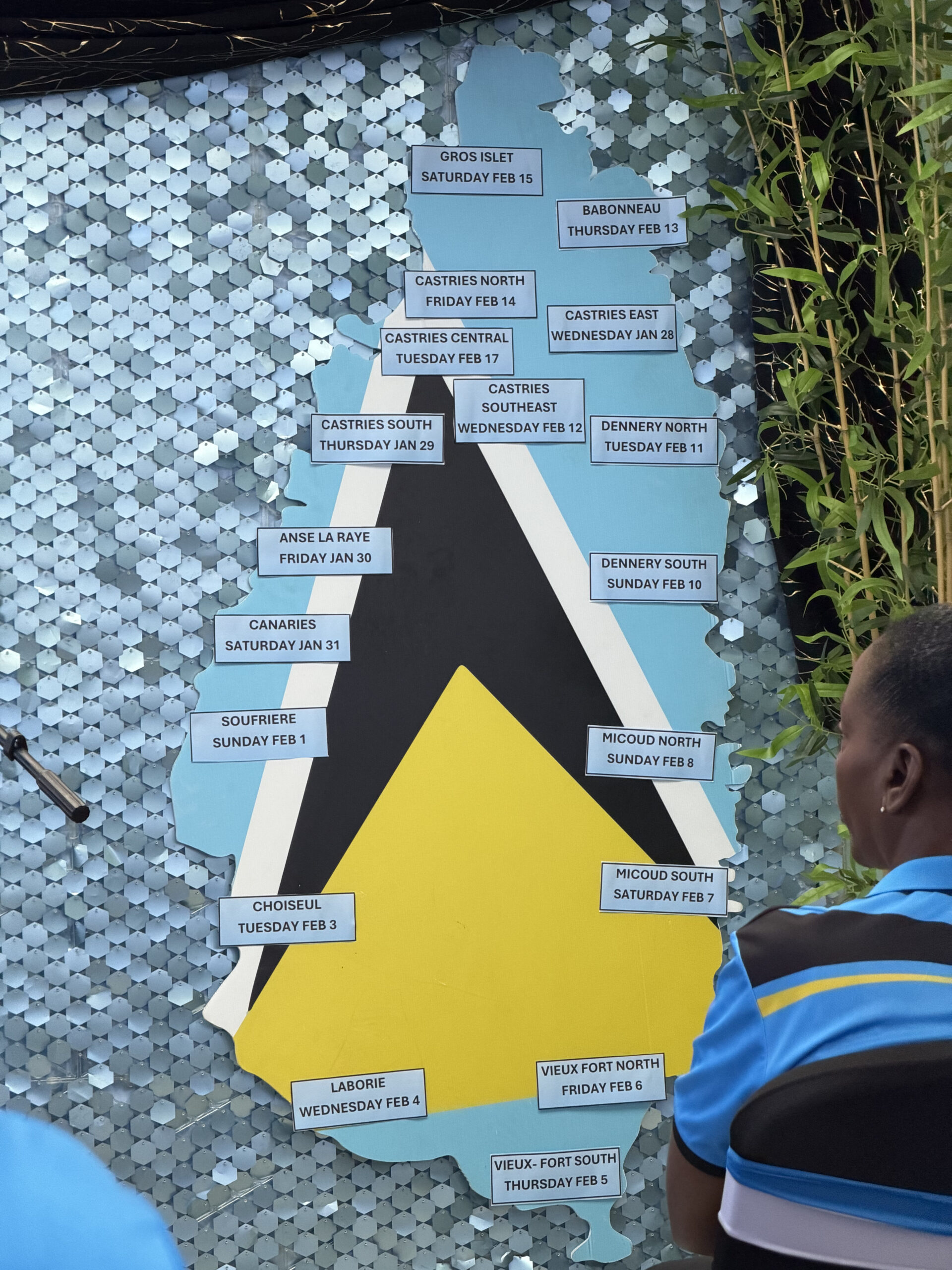
    Saint Lucia is poised to launch its highly anticipated 2026 National Independence Baton Relay on January 28, commencing in Castries East and culminating on February 17 in Castries Central. This nationwide journey will traverse all 17 constituencies between 9:00 a.m. and 3:00 p.m. on scheduled dates, serving as a powerful symbol of unity, heritage, and national pride.

    During a soft launch event on January 23, Minister for Housing, Local Government and Urban Renewal, Hon. Richard Frederick, revealed the remarkable evolution of what began as a modest initiative. The baton relay has transformed into a major national phenomenon that now captures international attention, resonating far beyond the island’s shores.

    Minister Frederick declared the event unparalleled in its capacity to unite Saint Lucians, stating it ‘stands at number one’ for fostering national togetherness. The relay has become a dynamic platform for reconnecting communities, preserving local history, and strengthening bonds between domestic and diaspora populations.

    The minister emphasized the event’s significant appeal among overseas Saint Lucians, who eagerly anticipate the annual opportunity to reconnect with their cultural roots. Beyond its emotional significance, the relay functions as a living archive of national heritage, with communities sharing unique historical narratives from their constituencies.

    International interest has surged remarkably, with foreign territories and countries expressing strong desire to participate in the initiative. Minister Frederick acknowledged the unexpected global expansion of what was initially conceived as a local event, noting that the relay now enjoys worldwide recognition.

    While physical baton carrying remains limited, officials stress that inclusivity defines the event’s core philosophy. Participation encompasses broader community engagement, cultural expression, and collective celebration beyond the actual relay.

    Authorities are implementing traffic management strategies to ensure public safety during the festivities. The Safety and Traffic Management Department advises motorists to utilize road networks outside event hours where possible, while encouraging carpooling to reduce congestion and facilitate smoother traffic flow throughout relay activities.

  • The Division of Culture laments the route adjustment for Ole Mas Festival this year

    The Division of Culture laments the route adjustment for Ole Mas Festival this year

    In a decisive move prioritizing public welfare, organizers of Dominica’s highly anticipated Ole Mas Festival implemented significant route modifications due to adverse weather conditions. The Commonwealth of Dominica Division of Culture announced the eleventh-hour changes with what it described as “a heavy heart,” emphasizing that participant safety ultimately superseded traditional arrangements.

    The revised itinerary abandoned the originally planned commencement at Layou’s entrance, instead initiating proceedings at Kalleb Laurent Primary School with procession routes navigating through St. Joseph’s community. This strategic adjustment eliminated the culturally significant traversal along Layou’s link road on the Bayside, a segment particularly vulnerable to weather-related hazards.

    Chief Cultural Officer Earlson Matthew, addressing journalists during Thursday’s press conference, articulated the administration’s philosophical approach to cultural preservation. “We intentionally target communities to revitalize cultural practices,” Matthew explained, referencing prior successful interventions in Bath Estate. “Saint Joseph represents one of our few communities where traditional carnival practices remain vigorously alive, and we seek to amplify this cultural resilience.”

    The dawn event, commencing at 4:00 AM on Saturday, featured numerous traditional groups embodying Dominica’s authentic carnival heritage. Matthew previously characterized the festival as a dedicated platform for indigenous traditions to “receive their deserved time and place to shine” amidst increasingly contemporary carnival celebrations. The cultural division’s long-term vision anticipates cultivating new traditional groups through these community-focused cultural injections, strengthening Dominica’s intangible cultural heritage against modernization pressures.

  • Cuba prepares for Book Fair, Russia – guest of honor

    Cuba prepares for Book Fair, Russia – guest of honor

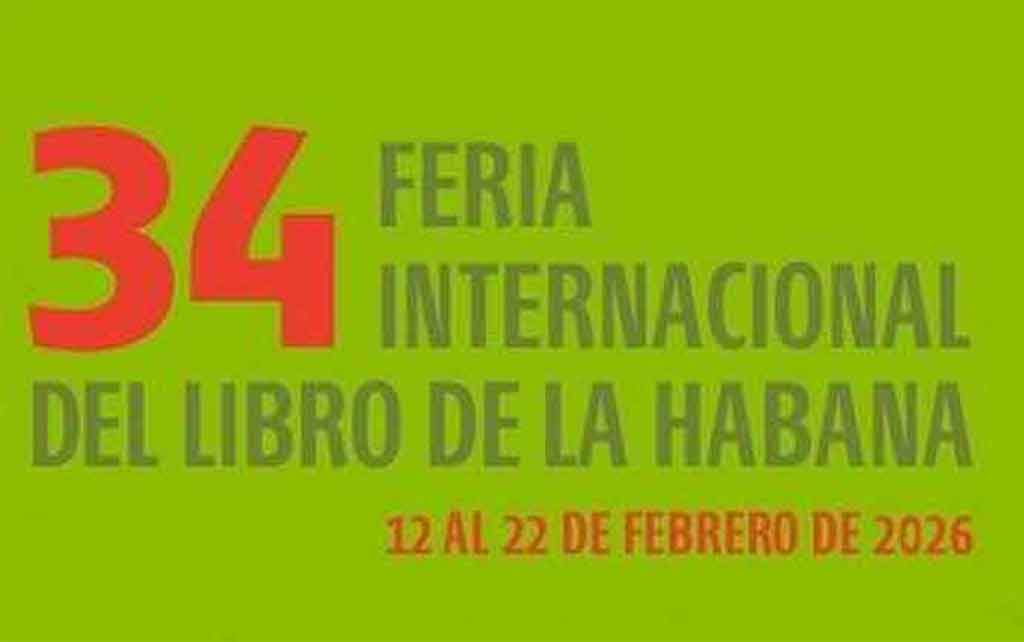
    The 2026 Havana International Book Fair will serve as a dual tribute, honoring both the centennial of Cuban revolutionary leader Fidel Castro and designating Russia as the event’s guest of honor nation. The announcement was made during an official press conference by Juan Rodriguez, President of Cuba’s National Book Institute (ICL), who characterized Russia as “a friendly and brotherly country” from political and cultural perspectives.

    The prestigious literary event, recognized as Cuba’s largest cultural festival, will simultaneously celebrate the legacy of two distinguished Cuban intellectuals: acclaimed author Marilyn Bobes, a two-time recipient of the prestigious Casa de las Americas Prize, and Dr. Jose Bell Lara, Professor Emeritus at the University of Havana holding a PhD in Philosophical Sciences and a Master’s in Caribbean Social Development.

    Rodriguez emphasized that the fair would commemorate Fidel Castro’s enduring influence on Cuban literature and publishing, stating the festival would “celebrate his example, his memory, and his legacy, which includes this very fair and all his contributions to Cuban literature and writers.”

    Russian Ambassador to Cuba Viktor Koronelli expressed profound honor at Russia’s selection, describing the invitation as recognition of Russia’s cultural significance and characterizing the Havana Book Fair as “one of the most important cultural events in all of Latin America.” The 2026 edition promises to strengthen cultural diplomacy between the two nations while highlighting Cuba’s literary achievements.

  • Afro-Guyanese spiritual leader, Jamaican-American die in Mabura trail crash

    Afro-Guyanese spiritual leader, Jamaican-American die in Mabura trail crash

    A devastating traffic collision on Guyana’s Linden-Mabura trail has claimed the lives of three individuals, including a respected Afro-Guyanese spiritual leader and an elderly Jamaican-American woman. The fatal incident occurred Thursday night at approximately 9:30 PM on the recently asphalted roadway.

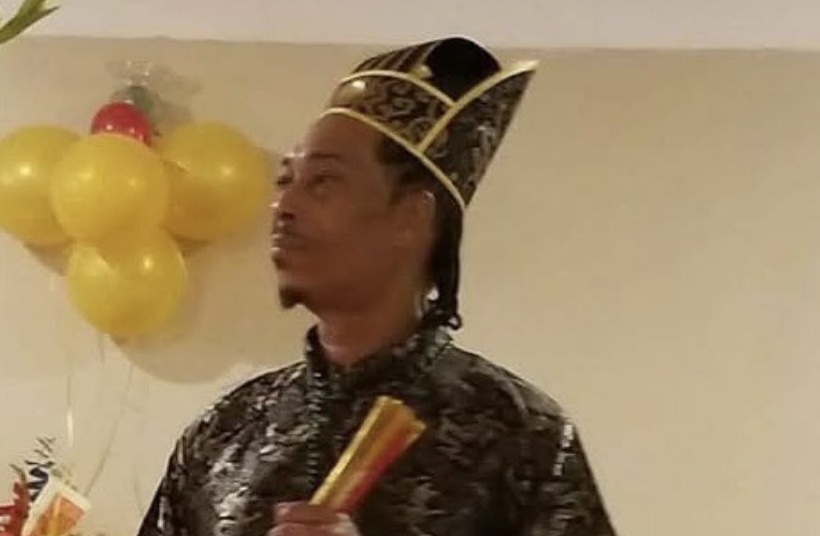
    According to official statements from the Guyana Police Force, the victims have been identified as Andrew Irvine, a prominent spiritual leader of the Yoruba Ifa House of Samaria; Patricia Woodley, an 81-year-old Jamaican-American national; and Marcus Berley, a 32-year-old resident of One Mile, Wismar who was operating the vehicle.

    Preliminary investigation findings indicate that hire car HD 6751 was traveling westward at high velocity along the southern lane when it collided with the rear section of a stationary trailer combination (motor lorry GJJ 4000 with trailer TSS 4613). The commercial vehicle had been legally parked along the roadside facing westward at the time of impact.

    The force of the collision resulted in critical injuries to all three occupants of the hire car. Emergency responders transported the victims to Linden Hospital Complex where medical personnel pronounced them deceased upon arrival. The driver of the parked lorry, a 36-year-old man from Craig, East Bank Demerara, has been taken into police custody and is cooperating with ongoing investigations into the circumstances surrounding the tragic accident.

  • Court of Appeal to clear backlog of over 2,000 appeals, applications; avoid future prolonged delays

    Court of Appeal to clear backlog of over 2,000 appeals, applications; avoid future prolonged delays

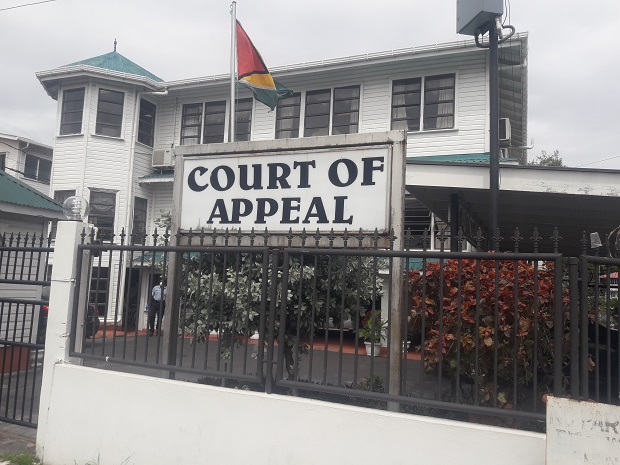
    In a landmark move to address systemic delays in its judicial system, Guyana’s Court of Appeal has initiated a comprehensive program to resolve more than 2,000 pending appeals and applications, some dating back three decades. The initiative, mandated by Chancellor of the Judiciary Justice Roxane George-Wiltshire, represents one of the most significant judicial reforms in recent memory.

    The court has established three specialized panels to handle the massive backlog, with each panel assigned 70 cases in the initial phase. This structured approach includes 21 civil appeals, 20 criminal appeals, and 29 applications for leave to appeal across each panel. The first hearings are scheduled to commence on February 10, 12, and 13, 2026, marking a decisive step toward judicial efficiency.

    To ensure maximum transparency and participation, the court will issue hearing notices through multiple channels: mailed to recorded addresses of litigants and attorneys, published in national newspapers, and posted on both the Court’s official website and Facebook page under ‘Hearing Lists’.

    The court administration emphasized that this backlog reduction exercise specifically targets cases filed between January 1, 1996, and December 31, 2024. Notably, all applications for leave to appeal and extensions filed before 2021 have already been cleared from the system. Moving forward, newly filed applications in 2026 will receive immediate assignment to prevent future accumulation.

    In an official statement, the judiciary acknowledged the legitimate concerns of those awaiting resolution of long-pending matters and reaffirmed its commitment to ‘timely, fair and transparent administration of justice.’ The court further stressed that this would be a court-driven process guided by robust case management principles, with expectations that all legal representatives come fully prepared to facilitate efficient dispositions.

  • Chile: Doctors majored in Cuba serve in fire-hit areas

    Chile: Doctors majored in Cuba serve in fire-hit areas

    In the aftermath of devastating wildfires that consumed approximately 80% of homes in Penco municipality’s Chinatown district of Lirquen, a specialized medical brigade has established critical healthcare operations. Coordinated by Cindy Alvarez, the team consists of physicians who graduated from Cuba’s Latin American School of Medicine (ELAM) and now operate under the NGO ELAM-Chile.

    Dr. Mario Gomez Mannarelli, speaking to Prensa Latina, detailed their comprehensive approach: ‘Beyond operating stationary health posts, our teams conduct mobile medical visits to residents physically unable to leave destroyed properties due to cleanup obligations.’ The physicians employ systematic triage protocols, initially assessing pediatric and adult populations for chronic conditions and instability before distributing necessary medications.

    The medical professionals, self-funding their deployment to the Biobío region and supplying their own pharmaceutical inventories, represent what Dr. Mannarelli terms the ‘White Coat Army.’ He emphasized their disaster response methodology stems directly from Cuban medical training: ‘This operational framework—assessing, stabilizing, and medicating—constitutes our standard disaster protocol acquired through ELAM and Henry Reeve Brigade training.’

    The initiative demonstrates transnational medical solidarity, with Cuban-educated Chilean physicians implementing Caribbean-developed disaster medicine methodologies to address catastrophic wildfires in South American communities.