分类: society

  • New Building Craft Programme for Antigua and Barbuda with The King’s Foundation, UK

    New Building Craft Programme for Antigua and Barbuda with The King’s Foundation, UK

    A groundbreaking international training initiative for Antigua and Barbuda’s construction sector has been unveiled through a strategic partnership between The King’s Foundation (UK), the Antigua and Barbuda College of Advanced Studies (ABCAS), and the Ministry of Foreign Affairs. This comprehensive Building Craft Programme offers fully-funded professional development for skilled artisans seeking specialization in heritage conservation and climate-resilient construction methodologies.

    The intensive four-week curriculum, scheduled for April 2026, will be conducted at The King’s Foundation’s prestigious UK training facilities, including Dumfries House Estate in Scotland and Highgrove Gardens in Gloucestershire. The programme specifically targets experienced construction professionals from Antigua and Barbuda who demonstrate commitment to advancing their expertise in traditional building preservation and sustainable development practices.

    Curriculum highlights include master-level workshops in traditional building techniques, sustainable material applications, and climate-adaptive construction methods directly relevant to Antigua and Barbuda’s architectural heritage. Participants will receive hands-on training from renowned craftspeople in specialized disciplines including carpentry, stonemasonry, decorative ironwork, traditional roofing systems, heritage plastering, technical drawing, and conservation architecture.

    The selection process will identify only eight exceptional candidates who will receive comprehensive scholarships covering all tuition costs, accommodation expenses, round-trip airfare to the UK, and all necessary programme materials. Participants must be at least 18 years old, possess verified experience in building crafts, and commit to the programme’s full duration, including obtaining UK travel authorization.

    Following the UK training component, participants will engage in practical Live Build projects within Antigua and Barbuda, collaborating with local partner organizations to implement their newly acquired skills in real-world conservation and development scenarios.

    Dr. Simon Sadinsky, Executive Director of Education at The King’s Foundation, emphasized the programme’s significance: “We are delighted to offer this opportunity to talented individuals from Antigua and Barbuda who are looking to deepen their skills in traditional building crafts and climate-resilient construction.”

    High Commissioner for Antigua and Barbuda to the UK, Karen Mae-Hill, added: “This initiative directly supports our government’s mandate for people-focused development while strengthening our national skills pipeline and climate resilience capabilities.”

    Interested applicants must submit completed application forms by the deadline of February 20, 2026, obtainable by contacting programme coordinators Raynel Carroll or Jennie Hartley.
  • Three winning students to be awarded by Dominica Community Tourism Association in essay contest

    Three winning students to be awarded by Dominica Community Tourism Association in essay contest

    The Dominica Community Tourism Association will honor three laureates from La Salette Agricultural and Industrial University (LAIU) today for their winning contributions to the organization’s second annual essay competition. The ceremony, scheduled for 3:30 PM at the LAIU Clubhouse, celebrates student excellence in addressing this year’s critical theme: ‘Our Rivers, Their Contribution to Community and Tourism Development.’

    In an official audio statement, the Association—which serves as the primary body for community-based tourism groups nationwide—expressed profound concern regarding the deteriorating condition of Dominica’s river systems. While acknowledging the island’s remarkable natural endowment of approximately 365 rivers, which earned it the moniker ‘Nature Isle,’ the organization warned that these aquatic treasures face insufficient protection and preservation efforts.

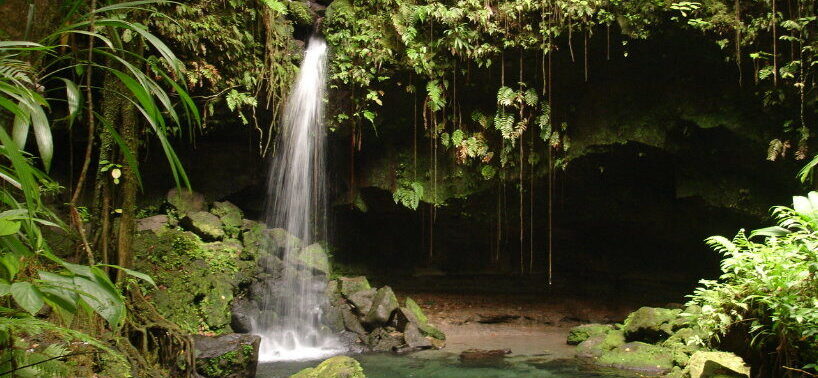
    Rivers constitute the lifeblood of Dominican society, the Association emphasized, providing indispensable economic, environmental, and social benefits. These waterways sustain livelihoods, drive tourism revenue through attractions like the renowned Emerald Pool, and serve as hubs for community gatherings and recreational activities.

    However, escalating threats from littering and pollution jeopardize river health and long-term sustainability. The Association identifies environmental degradation as a direct challenge to its core mission, prompting intensified advocacy for public awareness campaigns and stronger legislative safeguards.

    By engaging youth through academic competitions, the organization aims to cultivate environmental stewardship among younger generations. This community-driven initiative aligns with global conservation movements, including World Rivers Day, underscoring the universal importance of watershed protection.

    The Association extended appreciation to all sponsors and participants while encouraging continued student involvement in future competitions. This event reflects its broader commitment to integrating environmental preservation, community engagement, and sustainable tourism development as interconnected pillars of national progress.

  • Graduates raise the bar as community training stirs up new opportunities

    Graduates raise the bar as community training stirs up new opportunities

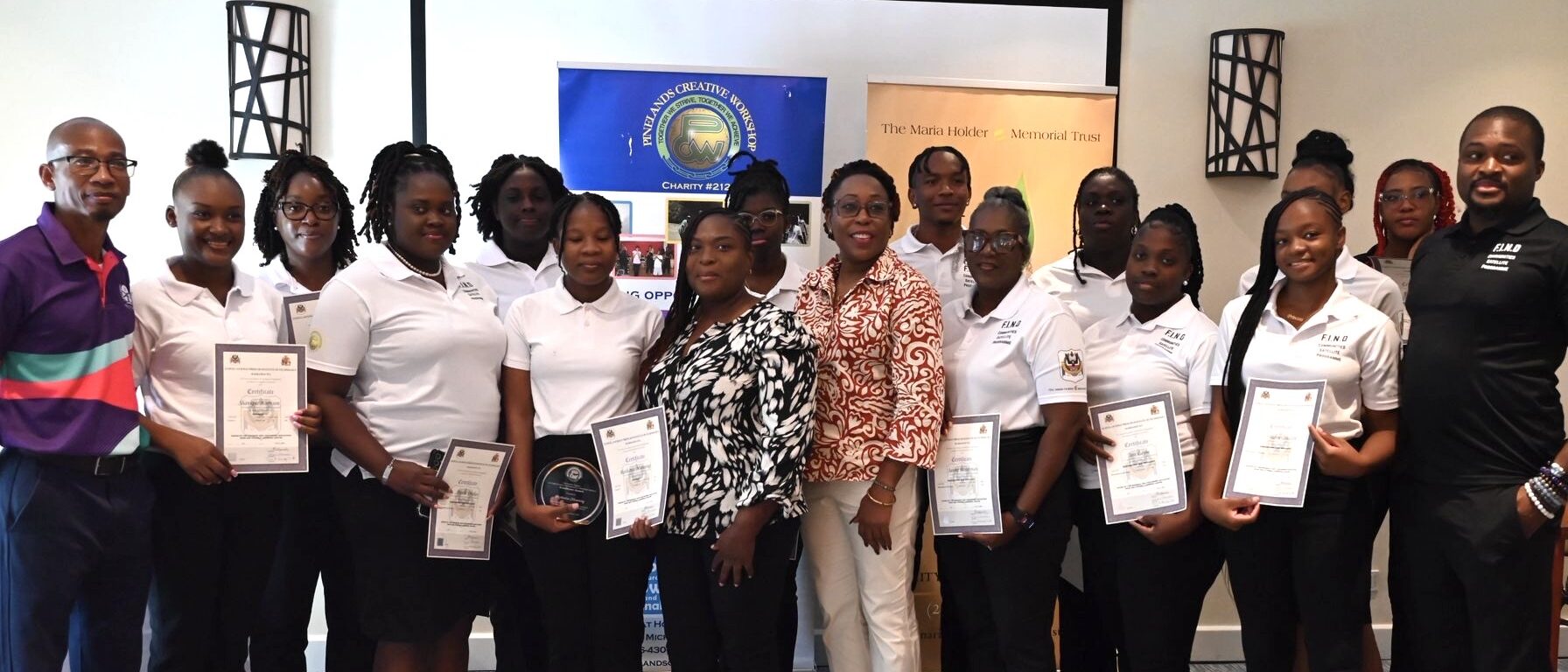
    In a significant stride toward workforce development, Barbados has celebrated the inaugural graduation of 19 individuals from a groundbreaking community-based hospitality training initiative. The ceremony, held at Courtyard by Marriott in Garrison, St Michael, marked the successful completion of the Satellite Programme’s first Bartending/Mixology and Cookery 1 courses.

    The programme, formally titled ‘Facilitating Inclusive Development in Communities,’ represents a collaborative effort between Pinelands Creative Workshop, the Samuel Jackman Prescod Institute of Technology, and the Maria Holder Memorial Trust. The graduating cohort comprised 17 women and 2 men who underwent intensive hands-on training, with 11 specializing in Bartending/Mixology and 8 in Cookery 1.

    Sophia Greaves-Broome, CEO of Pinelands Creative Workshop, emphasized the programme’s design to eliminate traditional barriers to education. “We created this to cut through red tape and barriers that often prevent people from accessing training,” she stated during her address to graduates. Greaves-Broome highlighted that the certificates represent “a beginning to your future” in an evolving job market where “the new currency is skills.”

    The Satellite Programme specifically targets young adults aged 18-35 who left formal education without qualifications, single parents, and those unable to meet conventional tertiary education requirements. The initiative reflects the post-pandemic recovery needs of Barbados’ hospitality sector, with training content adapted to industry demands.

    Notably, the Bartending/Mixology course pushed creative boundaries, with students developing over 30 original cocktails using unconventional ingredient combinations. The Cookery curriculum condensed two training levels into an accelerated format. Instructors Sir Sheen McClean and Angela Gittens-Holland received special recognition for their transformative teaching approaches.

    Graduate Dionne Currency-Griffith, speaking on behalf of her cohort, described the experience as “demanding but fulfilling,” noting significant improvements in time management and professional confidence. Her newly acquired certification will enable her catering business to expand into full bar services.

    Two exceptional students received special recognition: Roshania Manning (Cookery 1) and Currency-Griffith (Bartending/Mixology), both achieving scores of 85%. Since its 2022 establishment, the programme has trained 52 Barbadians, with many graduates advancing to entrepreneurial ventures including product bottling and retail operations.

    The ceremony concluded with an empowering message for graduates to leverage their credentials as launching points for continuous professional development and global market opportunities.

  • Cabinet Approves Eco-Regeneration Plan for Christian Valley Watershed

    Cabinet Approves Eco-Regeneration Plan for Christian Valley Watershed

    The government of Antigua and Barbuda has greenlit a comprehensive ecological restoration program targeting critical watershed zones, with the Christian Valley area serving as the primary focus. This ambitious initiative represents a strategic fusion of environmental conservation, climate adaptation planning, and sustainable economic development.

    During the weekly Cabinet briefing, Maurice Merchant, Director General of Communications in the Prime Minister’s Office, revealed that agricultural officials presented a detailed proposal that received full ministerial endorsement. The program specifically addresses landscape degradation while fortifying the nation’s defenses against climate-related vulnerabilities.

    The multi-faceted approach encompasses several national priorities simultaneously. Water security constitutes a fundamental component, alongside broader environmental protection measures and the promotion of sustainable economic practices. Reforestation efforts form the cornerstone of the project, with plans for seedling production that will enable expansion to additional regions beyond the initial implementation zones.

    Merchant emphasized the anticipated socio-economic benefits, noting that the creation of new nature reserves will enhance the country’s eco-tourism appeal. These preserved areas are expected to attract visitors interested in nature-based experiences, thereby generating new revenue streams while conserving biodiversity.

    The initiative aligns with broader climate objectives and development goals, creating synergies between ecological restoration and economic diversification. As the program progresses, Cabinet briefing documents will provide detailed implementation timelines and specific project parameters, offering greater transparency regarding the scope and sequencing of activities.

  • Former CNN anchor Don Lemon arrested after church protest

    Former CNN anchor Don Lemon arrested after church protest

    Federal authorities took former CNN anchor Don Lemon into custody on Thursday following an investigation into a protest at a Minnesota church. The arrest, executed by the Federal Bureau of Investigation (FBI) and Homeland Security Investigations, stems from an incident at Cities Church in St. Paul where demonstrators confronted church leadership over an Immigration and Customs Enforcement (ICE) official serving as one of its pastors.

    The development follows a recent federal appeals court decision that declined to compel a lower court judge to authorize arrest warrants for Lemon and four other individuals connected to the protest. While one judge identified probable cause for the arrests based on court documents, the specific charges against Lemon remain undisclosed at this time.

    This case emerges from a broader pattern of activism targeting ICE operations and personnel. Multiple individuals have already faced charges related to the church demonstration, which involved protesters entering the facility after learning about the pastor’s dual role as a federal immigration officer. The involvement of a grand jury indicates the complexity and escalated nature of the federal investigation.

  • A calling to tell people’s stories

    A calling to tell people’s stories

    After nearly two decades of dedicated journalism, photojournalist Angelo Marcelle is reflecting on an extraordinary career built on immersive storytelling that transcended conventional reporting. Since 2005, Marcelle has pursued what he describes as both a calling and a responsibility—documenting the diverse human experiences that define his nation through firsthand participation rather than mere observation.

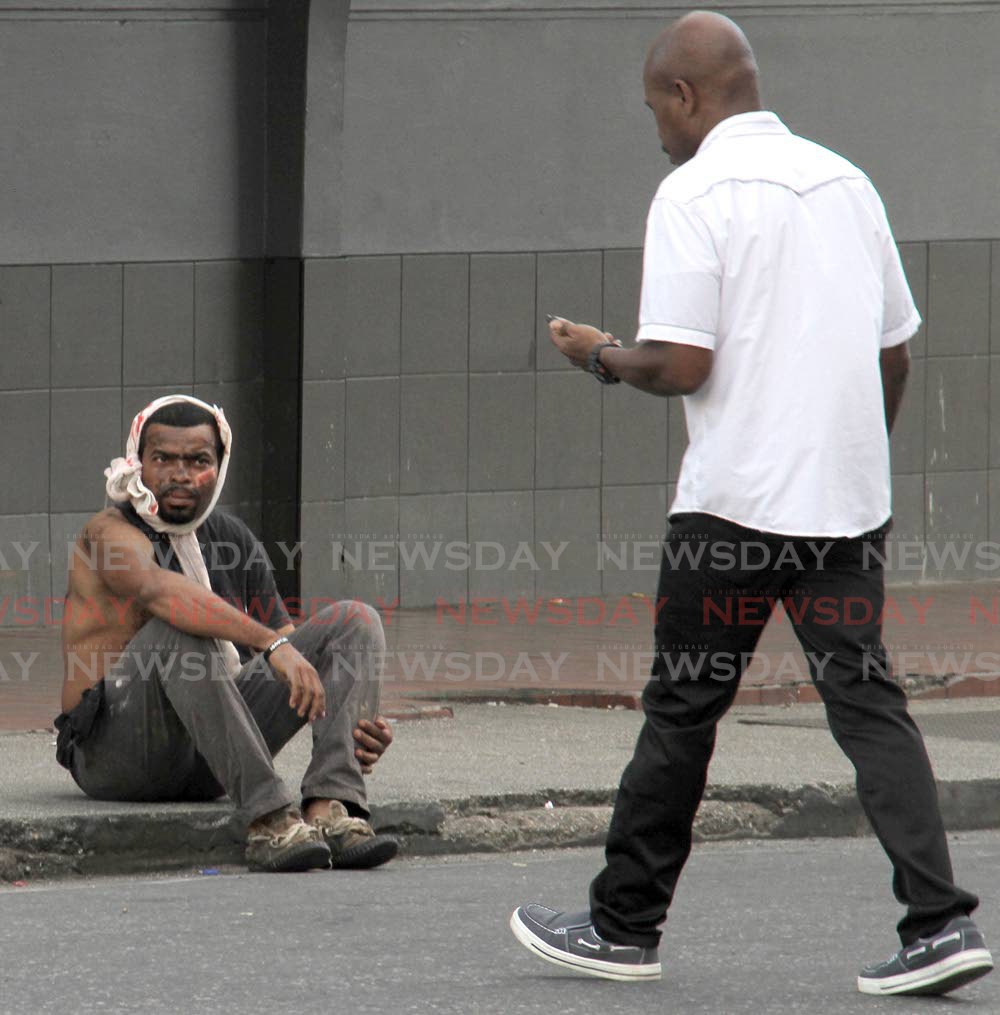
    Marcelle’s methodology involved extraordinary immersion into marginalized communities. He spent nights homeless on the streets of Arima, not for dramatic effect but to genuinely comprehend the isolation, hunger, and resilience that characterize street life. His commitment extended to working as a sanitation laborer, performing grueling waste collection under intense heat to highlight the undervalued workers who maintain urban cleanliness without adequate recognition.

    In one particularly powerful experiment, the journalist confined himself to a wheelchair to navigate Arima’s infrastructure, directly experiencing the physical barriers and accessibility challenges that disabled citizens confront daily. These experiential investigations fundamentally transformed Marcelle’s perspective, cultivating what he describes as empathy that transcends statistical reporting and headline journalism.

    Throughout his career, Marcelle maintained that authentic journalism must honor human narratives, amplify silenced voices, and challenge systemic failures. His work represents a fusion of photojournalism and social advocacy, creating documentary evidence that both informs and inspires societal reflection. The journalist credits his readers with giving purpose to these stories through their engagement, discussion, and shared concern for the communities he documented.

    Marcelle’s approach demonstrates how journalism can serve as a bridge between segregated social realities, fostering greater understanding through empathetic immersion and visual storytelling that respects both its subjects and audience.

  • Florida couple suing IVF clinic after DNA test reveals baby isn’t theirs

    Florida couple suing IVF clinic after DNA test reveals baby isn’t theirs

    A Florida couple has initiated legal proceedings against a prominent fertility clinic after genetic testing confirmed their daughter, conceived through in vitro fertilization (IVF), shares no biological connection with either parent. The case, filed in Palm Beach County Circuit Court, names IVF, Inc., operating as the Fertility Center of Orlando, and medical director Dr. Milton McNichol as defendants.

    According to court documents, John and Jane Doe underwent fertility treatment at the clinic where three embryos were created using their own genetic material. In March 2025, one embryo was successfully implanted in Jane Doe, resulting in a full-term pregnancy and the birth of their daughter on December 11, 2025.

    The situation came to light when the newborn displayed physical characteristics inconsistent with her Caucasian parents’ ethnicity. Subsequent DNA analysis revealed the shocking truth: the child was not their biological offspring, indicating a catastrophic laboratory error during the IVF process.

    The lawsuit demands comprehensive corrective measures, including immediate notification of all patients with embryos stored prior to the Does’ implantation procedure. The couple further seeks court-ordered genetic testing at the clinic’s expense for all patients and children born from the clinic’s services over the past five years, plus full disclosure of any discovered parentage discrepancies.

    This case highlights critical concerns regarding oversight and protocol adherence within the rapidly expanding fertility industry, potentially affecting numerous families who trusted the clinic with their genetic material.

  • The ‘newbie’ who ‘got the shot’ behind the lens

    The ‘newbie’ who ‘got the shot’ behind the lens

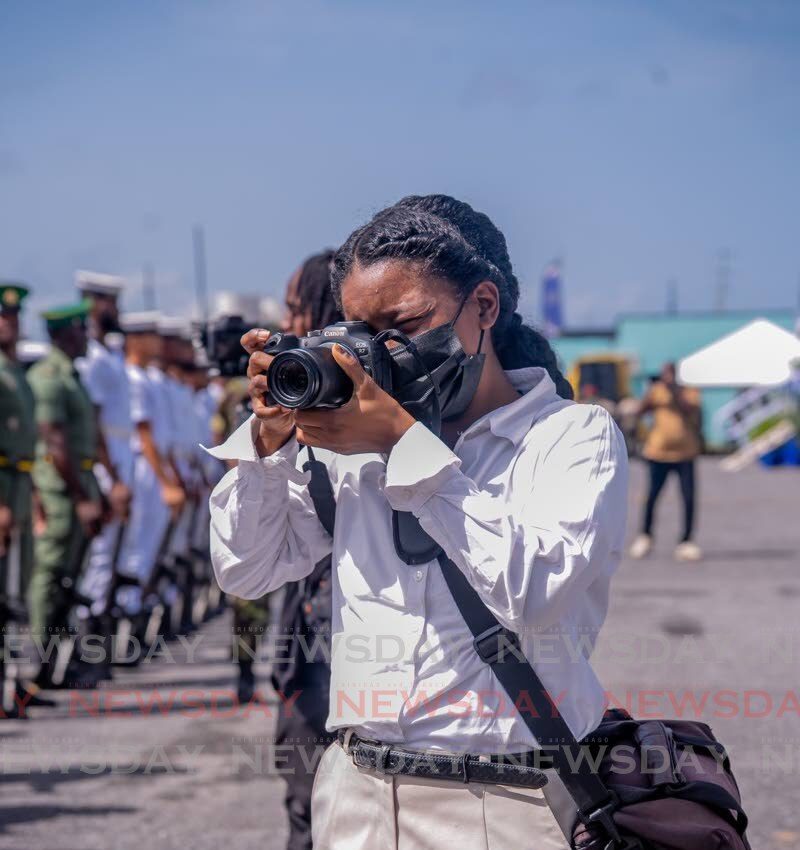
    Faith Ayoung, Newsday’s youngest photographic recruit who joined the organization on January 3, 2024, has reflected on her transformative journey from university graduate to seasoned photojournalist. Her career began during one of Trinidad and Tobago’s most significant state events—the funeral of former Prime Minister Basdeo Panday—which she describes as a ‘baptism of fire’ rather than a conventional introduction to journalism.

    Under the mentorship of then-Chief Photographer Jeff K Mayers, Ayoung learned to navigate the complexities of major event coverage, from capturing crowd reactions and atmospheric details to documenting the core proceedings of a state funeral. The emotional and physical exhaustion of that first major assignment became a recurring theme throughout her tenure, with days spent ‘running, hopping, climbing, and brisk walking’ across Port of Spain to secure the perfect shot that could tell a thousand words.

    Ayoung credits her growth not only to photographic development but also to acquiring writing skills with the support of colleagues including Debra Greaves, Carol Quash, Veela Mungal, Angelo Marcelle, Paula Lindo, and Melissa Doughty. She particularly acknowledges Melanie Waithe for enduring her constant queries and the broader team of sub-editors, reporters, and management who supported her journey.

    The photographer expressed profound gratitude for the opportunity to work alongside what she describes as ‘an amazing group of talented and naturally gifted individuals.’ She concluded with optimistic anticipation for her colleagues’ future endeavors, hoping they would continue to ‘dance and celebrate blessings’ in their next chapters, just as they did at their farewell gathering on January 27.

  • Reflections on life at Newsday

    Reflections on life at Newsday

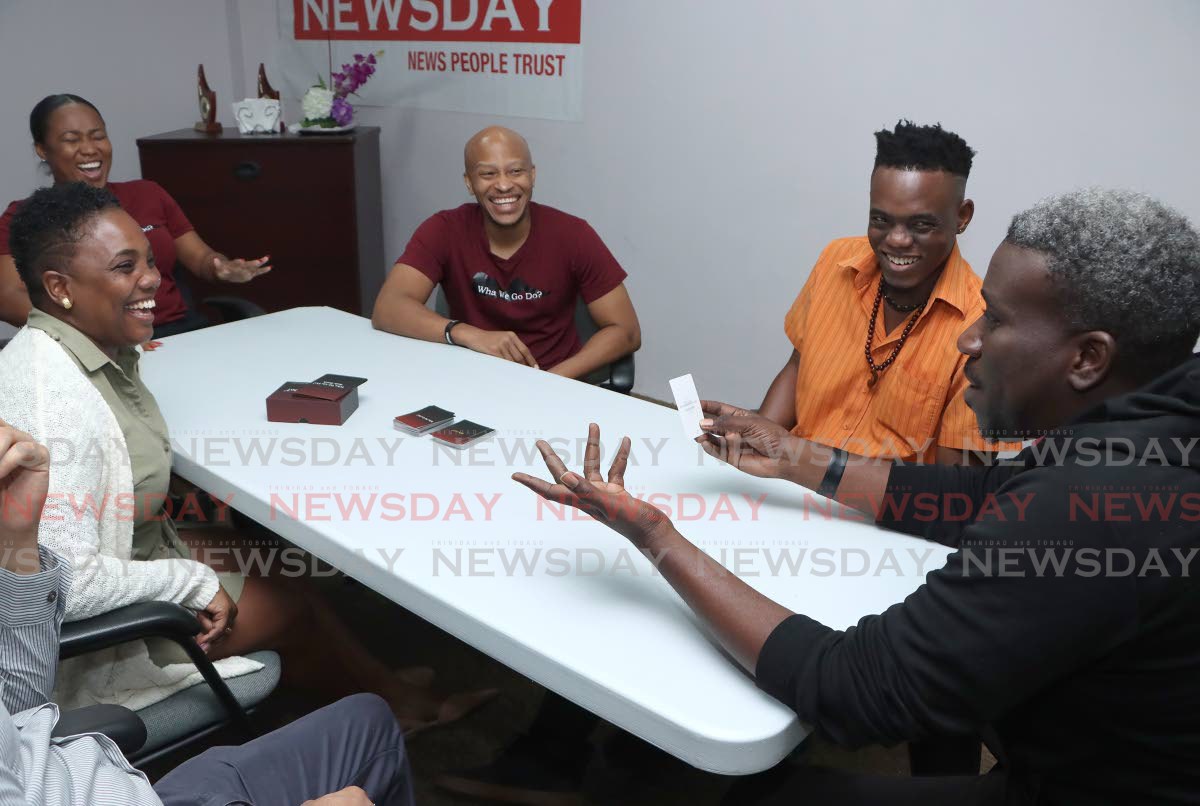
    In a heartfelt farewell, Newsday’s editorial team has shared profound reflections on their careers at the Trinidad-based publication, highlighting both personal journeys and the critical importance of journalism in society.

    Sports Editor Stephon Nicholas, after an 18-year tenure, emphasized the enduring legacy of media despite industry challenges. ‘Media cannot die,’ Nicholas stated, acknowledging the mentorship from news titans and the responsibility to document truth through various crises—from sports events to volcanic eruptions and elections.

    Veteran specialist writer Sean Douglas, with nearly 30 years of service, reflected on the evolution of news consumption and the financial struggles facing traditional media. He expressed hope that the public would recognize the value of verified news, suggesting a modest daily subscription fee equivalent to ‘a doubles or a short drop in a maxi taxi.’ Douglas warned against a future where society relies solely on press releases and influencers rather than robust journalism.

    Reporter Paula Lindo, who joined just before the COVID-19 pandemic, described her rapid integration into the newsroom and the diverse storytelling opportunities she encountered. From pandemic coverage to highlighting systemic issues like discrimination and racism, Lindo valued the platform Newsday provided for amplifying community voices. She also praised the collaborative spirit among colleagues, including photographers and digital teams, who enriched the storytelling process.

    Administrative assistant Sasha Gulston, celebrating 28 years with Newsday, shared a journey of personal and professional growth. From receptionist to administrative roles, Gulston highlighted the familial atmosphere and the pride in nurturing media talent that later flourished elsewhere. She fondly recalled the bonds formed and the legacy of figures like Therese Mills in shaping Newsday’s impact.

    Across these accounts, a common theme emerges: Newsday was more than a workplace—it was a hub of learning, camaraderie, and unwavering commitment to public service. Despite the sadness surrounding its closure, the team’s gratitude and resolve underscore the indispensable role of journalism in informing and educating society.

  • Network vandalism costing Jamaica millions, Flow warns

    Network vandalism costing Jamaica millions, Flow warns

    KINGSTON, Jamaica — Jamaica’s digital infrastructure faces a severe security crisis as systematic vandalism and theft of telecommunications equipment costs the nation millions annually and jeopardizes national resilience, according to leading service provider Flow. The company has intensified its appeal for stricter legal penalties and broader public cooperation to combat this escalating threat.

    Charles Douglas, Senior Manager for Government and Regulatory Affairs at Flow, addressed the critical situation during a recent Office of Utilities Regulation (OUR) webinar titled ‘Utilities Network Vandalism and Theft: The Real Cost’. Despite ongoing operational challenges, Douglas reaffirmed the company’s commitment to expanding Jamaica’s telecommunications infrastructure while highlighting the devastating impact of deliberate network sabotage.

    Douglas emphasized that utility services—spanning telecommunications, electricity, and water sectors—form the foundational framework of modern society. Their disruption creates cascading effects throughout the national ecosystem. “Telecommunications failures generate ripple effects across entire communities with serious implications for Jamaica’s resilience,” he stated, noting the substantial investments being compromised.

    The senior executive detailed how perpetrators increasingly target critical infrastructure components, including battery systems, generators, fuel supplies, and fiber optic cables. Beyond intentional vandalism, service interruptions also result from accidental damage caused by oversized vehicles and general public carelessness.

    Particularly concerning are communities experiencing repeated vandalism, where repair operations have become financially unsustainable, leading to extended service blackouts. These outages critically impact educational institutions, healthcare facilities, and public trust in service providers.

    Flow has implemented comprehensive countermeasures including network hardening initiatives, advanced monitoring systems, and coordinated operations with law enforcement agencies. However, these efforts are undermined by persistently low prosecution rates for infrastructure crimes.

    The company has collaborated with Jamaican authorities to strengthen legislative frameworks, including amendments to the Telecommunications Act that introduce penalties up to $5 million and potential imprisonment. Updates to the Malicious Injuries to Property Act have also established more stringent consequences for offenders.

    Douglas revealed plans for increased engagement with judicial authorities to highlight the broader societal implications of infrastructure vandalism, noting that hidden costs ultimately hinder Jamaica’s digital transformation and economic development.

    The executive called for a unified national response, urging citizens to report perpetrators and recognize the unacceptable nature of these crimes. He warned that continued vandalism not only increases operational costs but also threatens to undermine investor confidence in Jamaica’s digital economy.