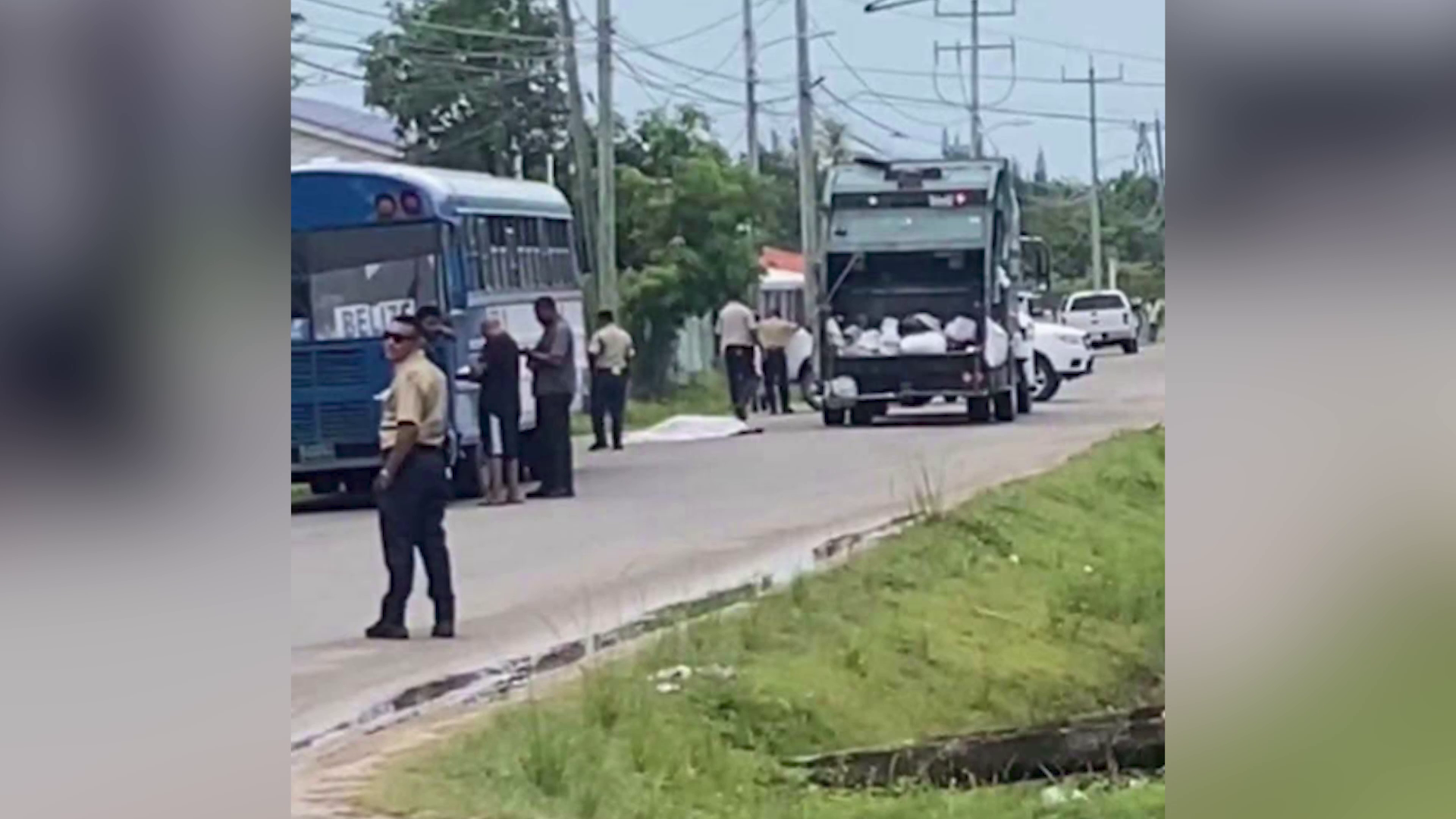
A fatal workplace traffic accident on Lord’s Bank Road has claimed the life of a local sanitation worker, leaving authorities and community members grappling with the tragedy that once again underscores the daily dangers frontline public service workers face. The incident unfolded at approximately 1:15 p.m. on August 5, 2026, when the victim, Andrew Smith, a sanitation employee from the Belize District, was carrying out his duties near a garbage truck parked along the roadside. Initial investigative findings from local police indicate Smith was positioned near the left rear of the parked truck when he accidentally stepped into the active traffic lane. Mere moments after he entered the lane, a passing bus collided with him. The impact of the collision proved fatal, and Smith died at the scene from his injuries. In the wake of the crash, law enforcement officials have taken the bus driver into custody as part of their formal investigation. As part of standard procedure for serious traffic fatalities, investigators have collected urine samples from the detained driver to test for potential impairment, though no results have been released to the public as of yet. Officials have also declined to comment on whether criminal or traffic charges will be filed against the driver, noting that the investigation is still in its early stages and all findings are still preliminary. Smith’s death has reignited long-standing conversations about the occupational hazards that sanitation workers encounter on a daily basis. These essential workers regularly perform cleanup and collection duties along high-traffic public roads, often with limited protection from passing vehicles, making fatal incidents an ever-present risk in their line of work. At this time, the investigation remains open and active, with authorities continuing to piece together the full circumstances of the crash and any contributing factors. No further updates have been released pending the completion of forensic and investigative processes.
分类: society
-
Former Evangelical Leader Convicted; Church Accountability in Focus
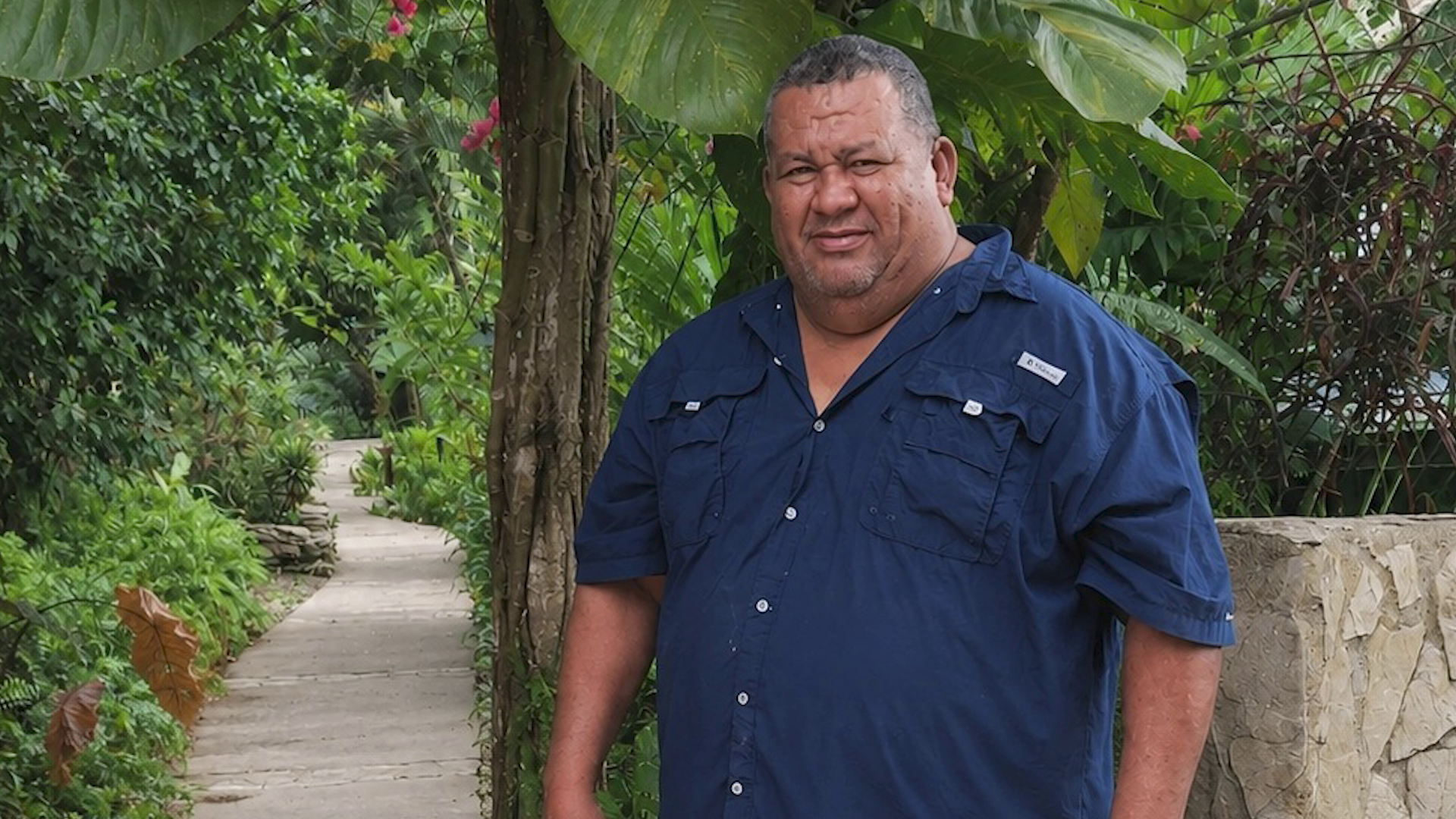
In a landmark ruling that has thrust long-simmering conversations about institutional accountability within religious organizations into the national spotlight, a high-profile former evangelical leader in Belize has been found guilty on charges of sexual violence.
On Wednesday, High Court Justice Antoinette Moore delivered the guilty verdict against 67-year-old Victor Hernandez, the former president of the National Evangelical Association of Belize. The charges stem from a 2024 complaint filed by a 35-year-old woman who was once a member of Hernandez’s congregation. During courtroom testimony, the complainant became visibly overwhelmed by emotion as she shared that she had faced threats in the period before she formally lodged her allegation against the once-powerful religious leader.
Hernandez was convicted on two counts of rape and one count of sexual assault, marking one of the most high-profile convictions of a senior religious figure in Belize’s recent history. The verdict has immediately reopened questions about internal oversight, power dynamics, and protections for congregants within faith-based institutions across the country.
Local media reached out to Church Senator Louis Wade for comment on the ruling, and his response acknowledged the gravity of the case while affirming support for the judicial outcome. “I am very saddened by the entire saga. No pastor should find themselves in a position where they have to be defending themselves against a congregant; something has gone wrong from the very beginning and I place no fault on the victim,” Wade stated in his remarks.
“ We are the leaders, the pastors, the shepherds, we have a responsibility to conduct ourselves whether in public or private, to the highest moral and ethical standards. Walls were clearly broken down that enabled this terrible activity to occur,” he added.
Wade emphasized that the court’s ruling has settled any question of whether the offences occurred, noting “We are no longer at a point where we need to ask ourselves did it really happen. The courts of Belize has made a decision that two counts of rape and a count of sexual assault occurred.”
While Wade noted that faith communities will continue to pray for Hernandez, who led one of the nation’s most prominent evangelical organizations for years, he made clear that no one is above legal or moral accountability. “The laws of Belize nor the laws of God does not exempt anyone from violating any other human being. So we forgive, we pray for both victim and the perpetrator, but justice must be served,” he said.
This report is adapted from a televised evening news transcript, originally published online in August 2026. -
Blue Teddy Bear Campaign Expands Child Protection Effort
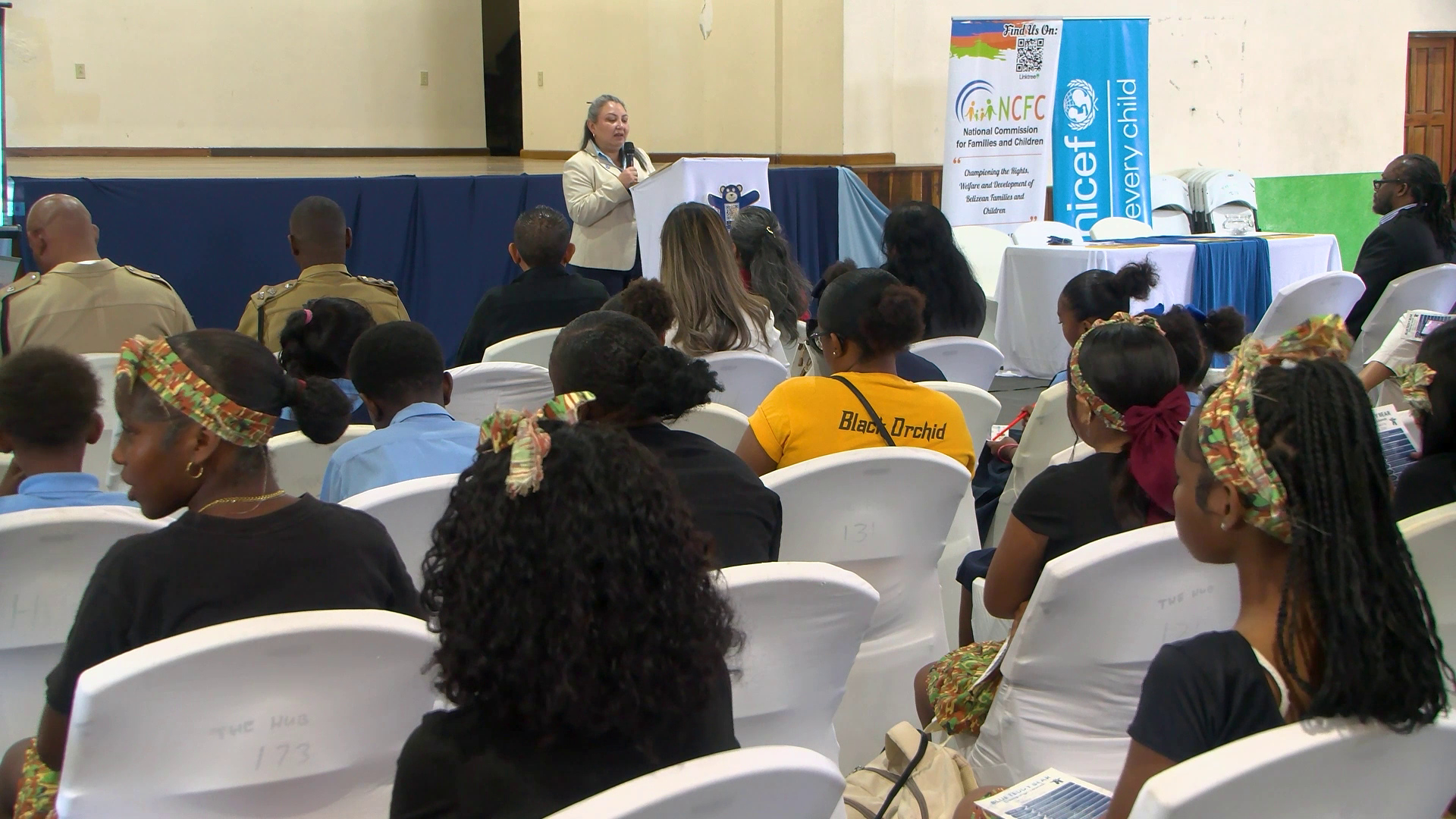
Against a persistent backdrop of child abuse and violence threatening the well-being of children across Belize, a national child protection initiative has taken a critical step forward by putting educators at the center of prevention and response efforts. On August 5, 2026, the Blue Teddy Bear Campaign launched a new phase of its work, rolling out specialized safeguarding training to equip frontline teachers with the tools to spot, respond to, and formally report suspected cases of child mistreatment. More than 80 educators from primary and secondary institutions across the country are participating in the hands-on training sessions, which aim to build a stronger, more connected national network of trusted adults prepared to protect vulnerable young people.
A team of reporters visited the ongoing training session hosted at Belize’s EP Yorke High School to speak with campaign organizers and participating educators about the initiative’s goals and impact. Carla Alvarez, lead consultant for the Blue Teddy Bear Campaign, explained the strategic shift that brought the program into the nation’s classrooms. “In the first phase of our work, we partnered with community-based organizations and private sector groups to build foundational child protection capacity across the country,” Alvarez said. “Now, we are moving into schools, because teachers are the first consistent adults children interact with outside their homes. We’ve already completed training for three high schools in Belize City earlier this week, and this week we are wrapping up sessions for another three institutions, with training running over two days at this location.”
Paulette Gentle-Augustus, principal of Belize’s Anglican Cathedral College, one of the participating institutions, emphasized that the training fills a critical gap for school staff working directly with children every day. “This work is non-negotiable for us as frontline workers,” Gentle-Augustus said. “It gives our entire team — teachers, counselors, and school leadership — clear clarity on our legal and ethical mandate to report suspected abuse when we see it. We spend more waking hours with our students than most other adults in their lives, so this training gives us critical insight to recognize the different forms of abuse that many of our children are enduring silently.”
Denroy Tillett, a classroom teacher at Anglican Cathedral College, added that the training helps educators connect unaddressed trauma to common classroom challenges that are often misdiagnosed. “As educators, we are uniquely positioned to reach children who are suffering, because we see them in their daily learning environment,” Tillett explained. “This training helps us understand what children might be going through physically, emotionally, and mentally, so we can support them properly. Too often, when learning stalls in the classroom, we question our own teaching methods. But what we don’t always recognize is that unreported abuse is one of the biggest hidden barriers holding our students back.”
Looking ahead, the Blue Teddy Bear Campaign has already planned its next phase of expansion: after completing training for educators across the country, the initiative will roll out targeted safeguarding programming for parents and students to build a holistic, multi-layered child protection network across Belize.
-
Merchants fret as ‘the bridge in Bridgetown’ closed to pedestrians
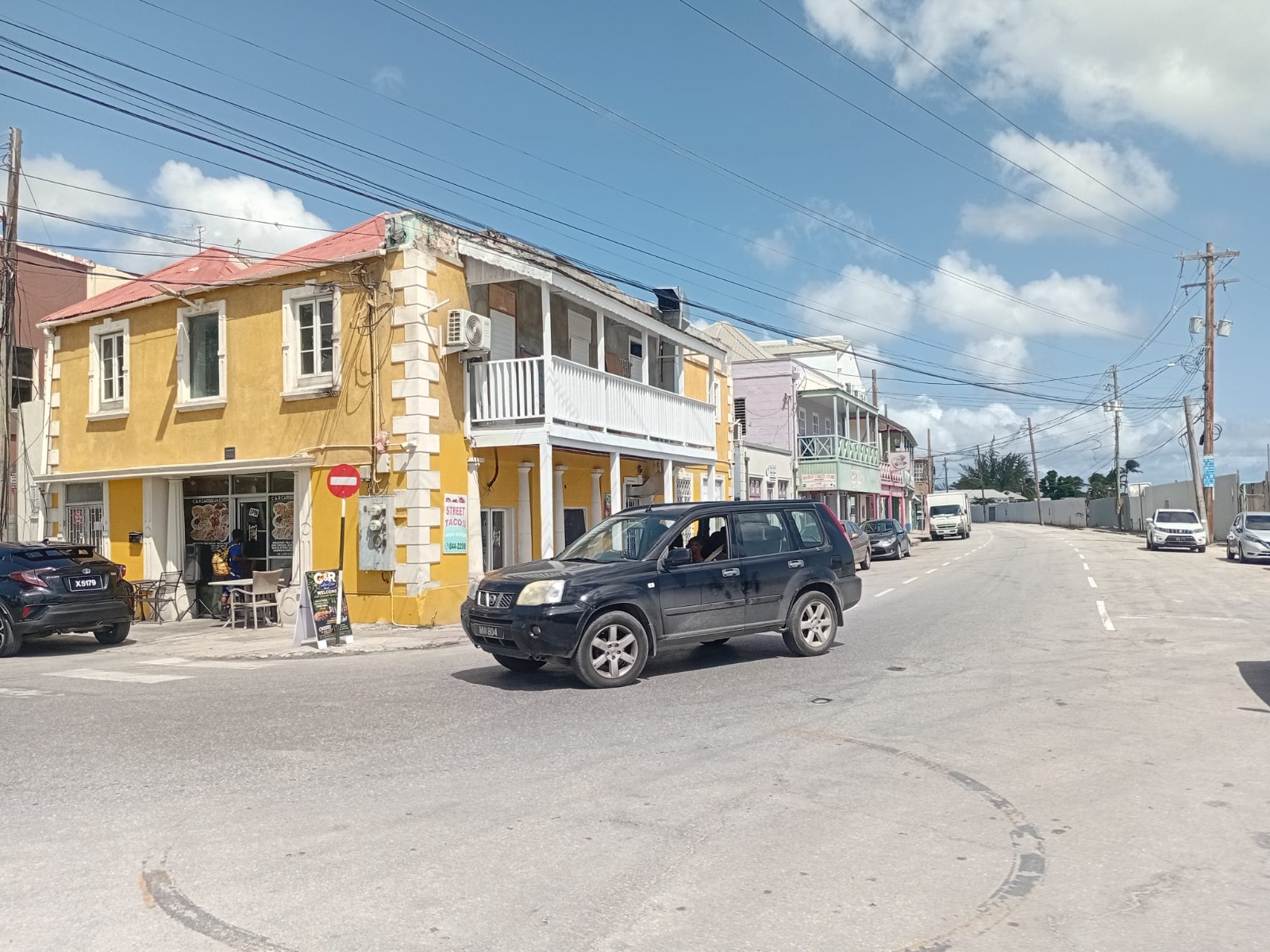
In the heart of Bridgetown, Barbados, a 150-year-old historic infrastructure landmark is triggering growing financial strain for local retailers and food service operators, multiple business proprietors have confirmed to local outlet Barbados TODAY. The structure in question is Chamberlain Bridge, better known to locals as the Swing Bridge – a key pedestrian link connecting the lower Careenage district to Bridgetown’s southern commercial hub, currently managed by state-owned Barbados Port Inc. (BPI).
In a recent operational shift that has upended daily movement across the city center, BPI has implemented a fixed schedule that closes the bridge to foot traffic for extended blocks throughout the day, with no set end date for the new restrictions. Notices posted at both ends of the converted lift bridge outline the staggered operating routine: the bridge is raised for marine traffic between 5 a.m. and 8:30 a.m., 10:45 a.m. to 1 p.m., and 3 p.m. to 6 p.m. Pedestrians are only permitted to cross during three windows: 8:30 a.m. to 10:45 a.m., 1 p.m. to 3 p.m., and 6 p.m. to 5 a.m. the following day.
For business owners along Lower Bay Street, the restricted access has already translated to a measurable drop in foot traffic and revenue, with the midday lunch rush hit hardest. Many regular patrons who travel from the other side of the Careenage for midday meals and errands are opting to stay away rather than take the long detour around the waterway, owners report. “Some people across town who come over the bridge for lunch complain that walking all the way around is too much,” shared one local restaurant owner. “It is definitely affecting my business.” The proprietor added that office and bank workers from nearby districts – once a consistent core customer base – are among those skipping the trip entirely.
Navin, operator of Bhairav Variety Store, echoed those frustrations, noting that inconsistent adherence to the published schedule has made the problem even worse. “I am losing business and people who depend on me are inconvenienced,” he said. “The bridge says it is open at a certain time, but when you get there, it is not open. It has happened many times.” That unpredictability, he explained, has deterred even committed regulars from attempting to cross. “When people go there expecting it to open and it does not, they have to walk all the way around. That is not how business works. They need to organise it better so that when they say it will open, it opens.”
Reactions from everyday pedestrians to the new schedule have been split, with some dismissing the disruption as a minor hassle and others describing it as a major break from daily routine. A Jamaican visitor to the island said the unexpected closure extended her travel plans during a recent trip, calling the change “an inconvenience.” For daily commuter Astor Whitehall, however, the longer walk is no cause for complaint: “It doesn’t matter to me — the exercise is good,” he said.
Another regular user acknowledged that the operational change may serve a practical purpose, but argued that the impact on ordinary Bridgetown residents has been underplayed. “For the most part, it will be an inconvenience for ordinary people,” he said. Samantha Yearwood, who crosses the bridge every day for work, said the new rules have completely upended her commute. “It is an inconvenience because I now have to go around the other side to get to work,” she explained.
Elderly pedestrian Frederick Young struck a more conciliatory tone, noting that the restrictions could be justified if they address critical infrastructure needs. “If there is a good reason, I don’t see anything wrong with the time limits,” he said.
As of press time, senior BPI officials have not responded to requests for comment on the new schedule or the concerns raised by local business owners.
Chamberlain Bridge carries deep historical roots for Bridgetown – the city takes its name from the original Indian Bridge that stood on the same site, with the current structure constructed between 1865 and 1867. For more than a century, it accommodated both vehicles and pedestrians, with operators manually swinging the span open to allow schooners to access the Inner Basin. Small fishing vessels could even pass beneath the closed span when mooring in the basin. By the 1990s, age and wear left the original swing mechanism unreliable, with engineers warning that the bridge could get stuck open if activated. It was closed to vehicle traffic for years, before undergoing a conversion to a lift bridge in 2006 that preserved its function as a key pedestrian crossing.
-
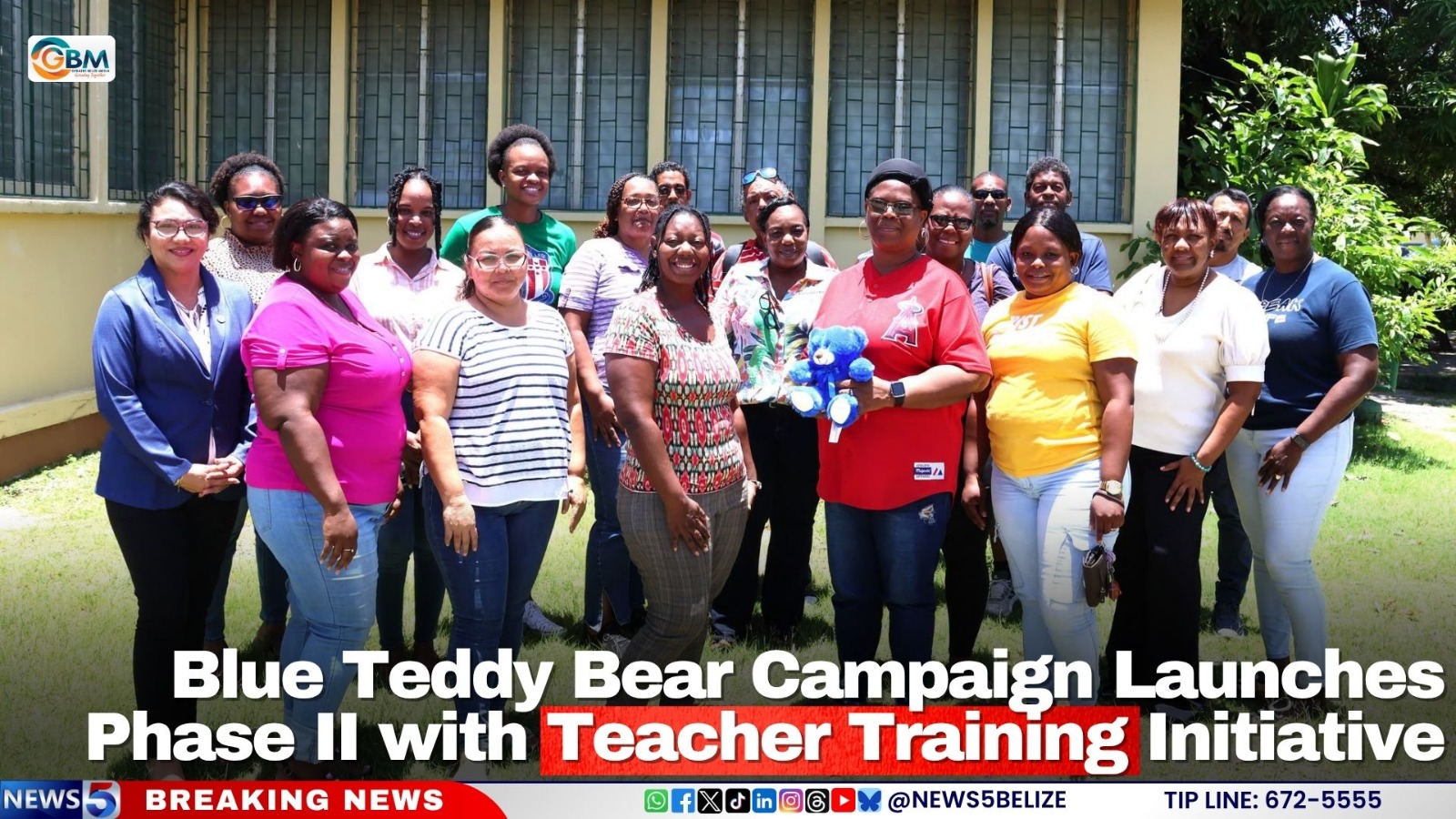
Blue Teddy Bear Campaign Launches Phase II with Teacher Training Initiative
Belize’s leading national child protection effort, the Blue Teddy Bear Campaign, has entered its second implementation phase on August 5, 2026, introducing a targeted teacher training initiative designed to strengthen safeguarding frameworks for children across the country’s education system.
Moving beyond the campaign’s initial foundational work, Phase II broadens its mission to empower three key stakeholder groups – teachers, parents, and students – with evidence-based knowledge and practical tools to cultivate safer learning and living environments for minors. Unlike general awareness campaigns, this new phase prioritizes upskilling educators, who are often the first adults to spot signs of child harm in daily interactions.
The first two training cohorts have already completed their workshops. Most recently, 60 teaching staff from three prominent Belizean institutions – Maud Williams High School, Anglican Cathedral College, and Sadie Vernon Technical High School – gathered for an in-depth skills-building session. This follows an earlier workshop that trained 22 educators from other secondary schools across Belize City, with more sessions scheduled for educators in other districts in the coming months.
Carla Alvarez, lead consultant for the Blue Teddy Bear Campaign, outlined the core focus of the training modules in a press briefing. Participants learn to identify nuanced warning signs and indicators of all major forms of child harm, including physical abuse, sexual abuse, psychological maltreatment, and neglect. To build practical proficiency rather than just theoretical knowledge, the training uses interactive case studies that mirror real scenarios educators may encounter, guiding participants to map out appropriate, timely response pathways to support vulnerable students.
Denroy Tillett, a participating teacher from Anglican Cathedral College, emphasized that the initiative arrives at a critical moment for Belize’s education sector. He noted that broader society often overlooks the silent challenges many young people navigate in school settings. For example, some students rely on school feeding programs to meet their daily nutritional needs, others only own one full school uniform, and some miss classes repeatedly due to inability to afford transportation. Tillett explained that these visible struggles are rarely random – they are almost always outward symptoms of underlying neglect or systemic resource gaps at home that put children at greater risk of harm.
By equipping educators with these critical identification and early intervention skills, campaign organizers aim to create a proactive layer of protection that enables school staff to reach out to at-risk students sooner, recognize subtle warning signs that might otherwise go unnoticed, and intervene effectively to connect young people with the support they need.
The multi-phase child protection initiative is run as a sustained collaborative partnership between four key institutions: Belize’s National Commission for Families and Children (NCFC), the United Nations Children’s Fund (UNICEF), the Ministry of Human Development, Family Support and Gender Affairs, and the Office of the Special Envoy for the Development of Families and Children.
-

Criminals Target Two Businesses in Belize City
On the afternoon of August 5, 2026, Belize City was shaken by two back-to-back criminal incidents targeting local commercial establishments, leaving law enforcement racing to piece together details and identify the perpetrators.
The first reported incident was a late-night commercial burglary at a business owned by local resident Louis Thompson. Surveillance camera footage obtained and shared by local outlet Belize Local Deals clearly captured four male suspects breaking into the store’s premises. After gaining unauthorized access, the group stole multiple electronic devices and a range of other retail merchandise before successfully fleeing the scene, according to Thompson’s official account to authorities.
Just hours after this break-in was reported, a second, more violent criminal attempt unfolded at Mahogany Supermarket, located on Mahogany Street in the heart of Belize City. The supermarket is a locally owned establishment, operated by veteran Belizean businessman Wallace Usher. Initial investigative accounts confirm that a lone suspect entered the premises with the intention of carrying out an armed robbery. During the confrontation that followed, the suspect was fired upon by parties at the scene before managing to escape. As of the latest update, law enforcement officials have not been able to confirm whether the suspect sustained any injuries during the incident.
Local police have officially opened full investigations into both criminal events, and have confirmed that additional details will be released to the public once further evidence is gathered and processed. In a public appeal, law enforcement is urging any member of the community who may have witnessed either incident, or holds any information that could help identify or locate the suspects, to reach out to their nearest local police station immediately to assist with the ongoing probes.
-

Charity Run/Walk Launched to Support Vulnerable Young Women
Residents across Antigua and Barbuda are being called to pull on their favorite athletic shoes and join a community-focused fundraising event next year that will support a critical shelter for young girls. Organized by The Salvation Army, the 5-mile Charity Run/Walk is scheduled to kick off sharp at 5:00 a.m. on Saturday, September 5, 2026, starting at Ebenezer’s South Mall and following a picturesque coastal route all the way to Turners Beach.
Organizers have opened registration to every segment of the community, welcoming individual participants, entire families, corporate teams, student groups from local schools, church congregations, neighborhood associations, and regular fitness clubs. Beyond raising critical funds, the event is designed to be a joyful morning of physical activity, connection with neighbors, and collective community pride, bringing people together around a shared mission of supporting vulnerable youth.
All proceeds from the event will directly benefit The Salvation Army’s Sunshine Home for Girls (SHFG), a long-standing facility that provides a secure, stable, and caring living environment for girls aged 9 to 18 who require support and safe housing.
Major Violet Ezeh, representing The Salvation Army, emphasized the deep impact of every participant’s involvement in the event. “Every step taken during this event is a step toward changing a young life,” Ezeh said. “We are inviting the entire nation to come together in support of these remarkable young women and to demonstrate the compassion and generosity for which Antigua and Barbuda is known.”
To ensure the facility gains the maximum possible benefit from the fundraiser, event leaders are actively pursuing corporate sponsorships to cover all logistical and operational costs of the day. This strategic move guarantees that nearly all money collected through participant registration fees and direct public donations will go straight toward covering the daily needs of the girls at the home and funding the facility’s ongoing support and development programs.
Registration for the 2026 Charity Run/Walk is set at $50 per participant. Organizers stress that even community members who do not wish to take part in the 5-mile route can still contribute meaningfully, either through making a direct donation or spreading the word to encourage others to sign up.
In closing, event organizers noted that collective small acts of participation and generosity can add up to life-changing support for the young residents of Sunshine Home for Girls: “Together, we can make a meaningful difference in the lives of the young women of the Sunshine Home for Girls, one step at a time.”
-

Four People in Police Custody in Connection With Fraud Investigation
On August 5, 2026, the Royal Police Force of Antigua and Barbuda announced through its Office of Strategic Communications that four individuals have been taken into custody as part of an active fraud investigation stemming from an incident at a commercial property on Lower All Saints Road in St. John’s.
Early findings from the probe suggest the four suspects sought to cash a cheque that law enforcement confirms was reported stolen. The business owner overseeing the transaction quickly spotted irregularities in the interaction, triggering immediate suspicion. Rather than proceeding with the transaction, the owner contacted local police right away, allowing responding officers to apprehend all four suspects on-site without incident.
In the wake of the arrest, the Police Administration has issued a public warning calling on all local business owners, financial sector institutions, and frontline staff who handle financial transactions to maintain an increased level of vigilance when processing cheques and other negotiable financial documents. The department outlines clear, proactive steps that commercial operators can take to reduce vulnerability to similar fraud schemes: thorough multi-step verification of cheque authenticity, direct confirmation of the identity of any individual presenting a cheque for cashing or deposit, and immediate contact with local law enforcement as soon as any suspicious activity is detected. Police emphasize that proactive awareness and rapid reporting are the most effective tools to prevent financial fraud and support successful criminal investigations, helping protect local businesses from avoidable financial losses.
-

Assault rifle found in Sophia drain
In the early hours of Wednesday, local law enforcement in Guyana recovered an unmarked AK-47 assault rifle from a dry drainage ditch in a vacant lot in the C’ Field neighborhood of Sophia, a suburb of Greater Georgetown. The Guyana Police Force announced that the recovery followed a tip received from a member of the public, which alerted officers to the presence of a hidden bag holding the firearm and two additional ammunition magazines.
Upon retrieving the cache, investigators noted that the rifle’s identifying serial number had been intentionally filed off to obscure its origin, and no live ammunition was loaded into either of the recovered magazines. Following the recovery, the weapon and magazines were transported to the nearby Turkeyen Police Station, where they have been secured as evidence while law enforcement launches an official probe into how the illegal firearm ended up in the drain.
As of Wednesday afternoon, when the update was issued, no suspects have been taken into custody in connection with the recovered weapon, and police have not yet released additional details on possible motives or connections to other criminal activity in the area.
-
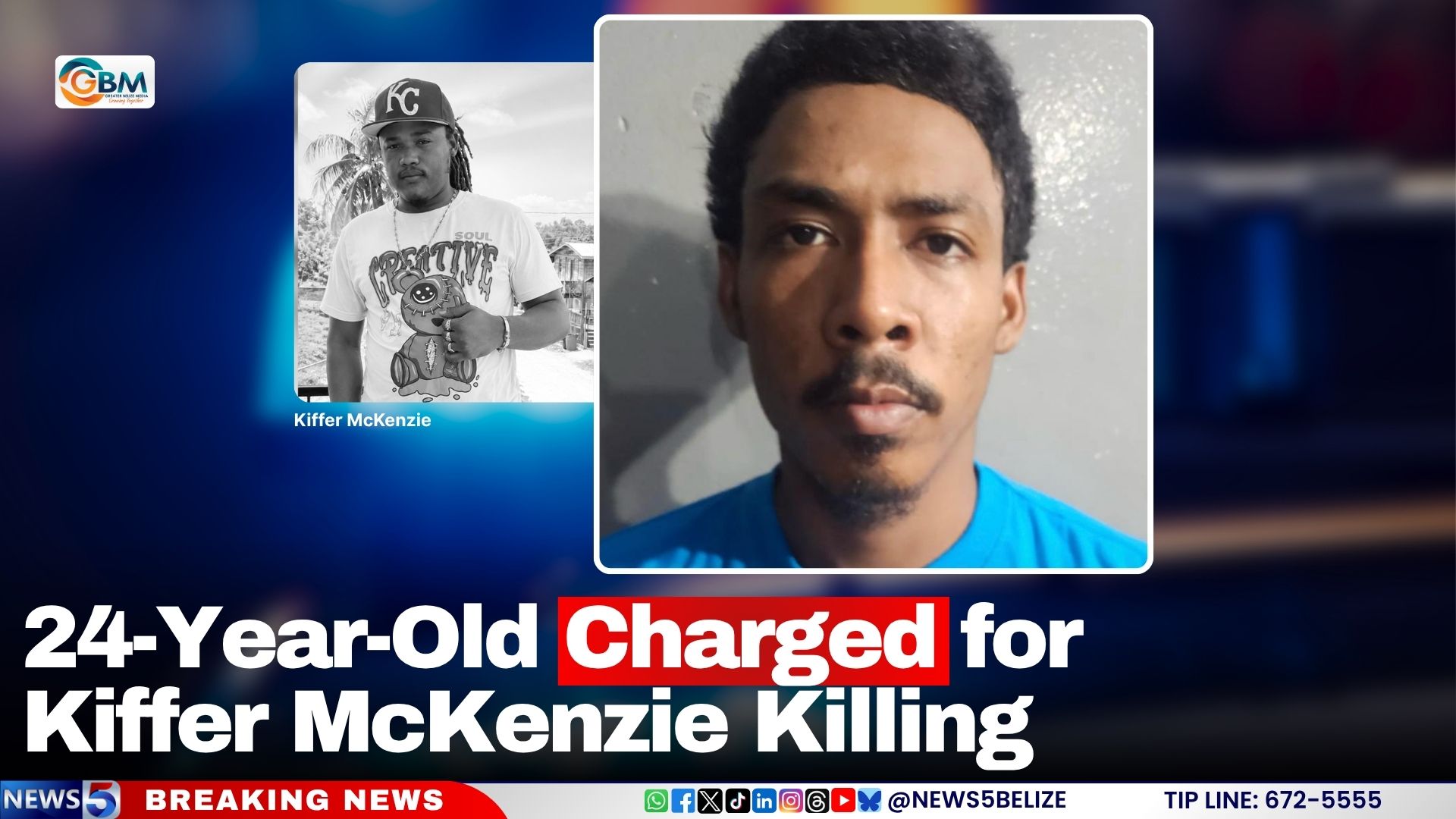
Young Man Charged with Murder
On August 5, 2026, law enforcement officials in Belize formally filed murder charges against 24-year-old Lennox Linford Gentle, a Belize City-based labourer, for the June killing of 29-year-old Kiffer McKenzie. The shooting, which unfolded in broad daylight on one of Belize City’s busy thoroughfares, Albert Street, left McKenzie dead and has sent ripples of shock through the already violence-weary local community. What makes the attack even more chilling is that McKenzie’s two young children were seated inside his vehicle when the gunman struck, according to official police accounts.
Authorities outline that the attacker rode up to McKenzie’s position on a motorcycle, stopped beside the vehicle, and fired multiple rounds before immediately speeding away from the scene. Though critically wounded, McKenzie made a desperate attempt to escape by driving away from the attack site, only to lose control of his vehicle and crash into a car that was parked along the street. He was pronounced dead shortly after, succumbing to the gunshot injuries he sustained during the assault.
In the immediate aftermath of the shooting, crime scene investigators launched a full evidence collection operation. Investigators successfully recovered fingerprint samples from the scene, and also seized the suspect’s abandoned motorcycle and helmet to send for comprehensive forensic testing, which ultimately helped lead to Gentle’s arrest. Gentle is currently being held in police custody and is scheduled for arraignment in the coming days.
The public execution-style shooting has jolted Belize City, reigniting long-running community conversations about the persistent cycle of violent crime that plagues the urban center. For the McKenzie family, the tragedy is only the latest in a string of devastating losses: Kiffer McKenzie’s father and brother were both killed in violent incidents in previous years. Despite this history of trauma, relatives remember McKenzie as a man who was working diligently to turn his life around and build a stable, better future for himself and his two young children.