
The Foundation for the Reintegration of Ex-Military Personnel (SREM) marked its 45th anniversary with a commemorative ceremony held at the multifunctional hall on Thompsonstraat on Tuesday. Established in 1980 by public administration expert August Boldewijn, SREM has been dedicated to assisting (ex-)conscripted military personnel in their societal reintegration and psychosocial well-being. The event highlighted the foundation’s evolution, particularly during and after the Domestic Conflict (1986-1992), when it faced an influx of veterans grappling with severe physical and psychological trauma. SREM provides comprehensive support, including psychosocial care, health insurance arrangements, and financial aid, in collaboration with the Ministries of Social Affairs, Defense, and the State Health Fund. A recent milestone is the complete digitization of registered veterans’ records, enabling faster referrals to medical and social support services. SREM also maintains sustainable partnerships with NGOs and government agencies to mobilize early assistance in emergencies. Veterans have formed their own advocacy organization, engaging independently with entities like the Ministry of Defense, with SREM serving as a facilitator and dialogue partner. Plans are underway to develop a market model where veterans can sell agricultural products or artisanal goods to achieve greater economic independence. Director Wilgo Kuik emphasized the ‘foundation laid with great dedication since 1980, upon which we continue to build with vigor.’ Former chairpersons, board members, and staff received certificates and medals as tokens of appreciation during the event, while individual veterans—estimated at 350 to 400—will be honored at a later date.
分类: society
-

Thea Garcia-Ramirez Calls on Belizeans to Fight Domestic Abuse
Belize is grappling with a disturbing surge in domestic violence cases, many of which have culminated in fatal outcomes. Despite the growing awareness spurred by these tragic incidents, countless women continue to endure abuse in silence, fearing retaliation or societal judgment. Thea Garcia-Ramirez, Belize’s Minister of Human Development, has issued a compelling call to action, emphasizing that the fight against domestic violence is a societal responsibility, not just an issue for victims and perpetrators. In a recent interview, Garcia-Ramirez highlighted the dehumanization that underpins such abuse, where victims are often viewed as inferior or disposable. She stressed that impunity and societal apathy perpetuate the cycle of violence, urging individuals and institutions to reflect on their roles in either perpetuating or combating the issue. Garcia-Ramirez also underscored the importance of addressing the root causes of violence, which often stem from learned behaviors within households. She challenged media professionals and the public to actively contribute to creating a safer environment for women in Belize, rather than shifting blame to law enforcement or government bodies.
-

Forensics Chief Gian Cho Explains DNA Bill Impact
In a recent interview, Gian Cho, Executive Director of the National Forensic Science Service (NFSS), shed light on the implications of the newly enacted DNA Bill. The legislation introduces significant changes to how DNA samples are collected, particularly in cases involving indictable offenses. Under the new law, DNA samples can now be obtained from both suspects and convicted individuals, even without their consent, provided a court order is secured. Cho emphasized that while some countries, like the UK, allow DNA collection without consent, the new bill ensures a more balanced approach. Investigators must first seek consent, and if refused, they must present reasonable grounds to a magistrate to justify the collection. This process aims to protect individual rights while enhancing law enforcement capabilities. Cho highlighted that the bill incorporates safeguards from other jurisdictions, ensuring that DNA collection is conducted in the interest of justice and with judicial oversight.
-
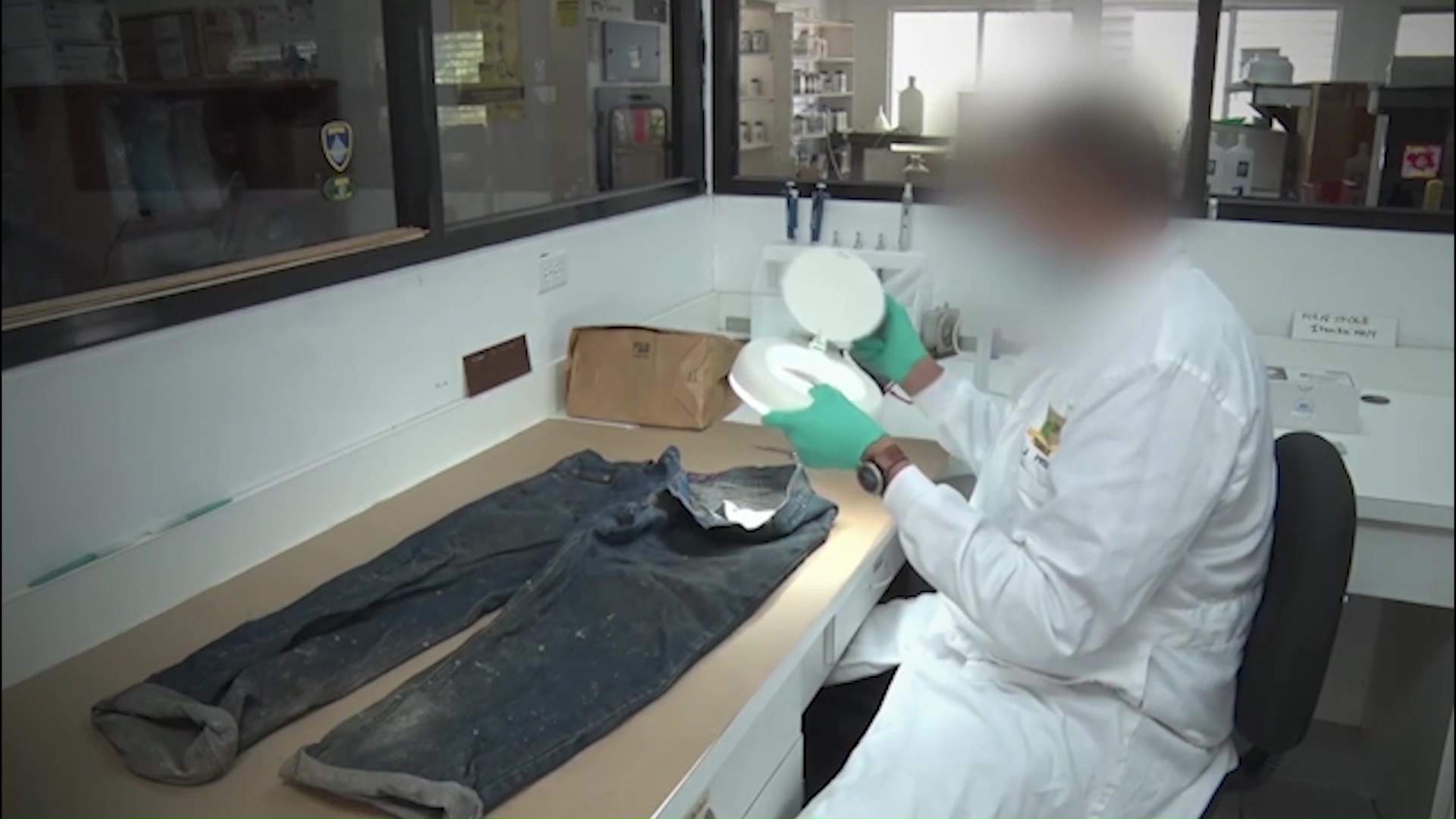
DNA Bill Adds Database for Missing Persons
In a groundbreaking move, Belize is set to introduce a DNA Bill that could revolutionize the way missing persons cases are handled and human remains are identified. Executive Director Gian Cho of the National Forensic Science Service (NFSS) highlighted the potential of this legislation during a recent briefing. The bill proposes the creation of a national DNA database, a first for the country, which will be equipped with stringent oversight mechanisms to ensure privacy and prevent rights violations.
Currently, Belize lacks a DNA database, a tool that over sixty countries worldwide have already implemented. These databases store DNA profiles on secure servers, enabling law enforcement to investigate crimes, link incidents, and revisit past cases when new DNA profiles are added. Beyond criminal investigations, DNA databases are instrumental in identifying missing persons and human remains, as well as establishing familial relationships.
Cho emphasized that the proposed database will be divided into two distinct compartments: one for criminal investigations and another for humanitarian purposes. This separation ensures that the needs of criminal investigations do not overlap with those of humanitarian efforts. When it comes to genetic data, the focus will be on specific STR markers in non-coding regions of the genome, rather than characteristics like skin color, eye color, or ancestry.
The introduction of this DNA Bill marks a significant step forward for Belize, promising to enhance the country’s forensic capabilities while safeguarding individual privacy and rights.
-

The Shared Uses of Calabash in Indigenous Communities
For centuries, the calabash fruit has been a cornerstone of indigenous life, serving as a versatile tool in both practical and spiritual contexts. From food containers to musical instruments, this humble gourd has transcended its natural form to become a cultural treasure. In Belize, the calabash continues to play a vital role in the daily lives and traditions of the Garifuna and Mayan communities.
In Garifuna spiritual ceremonies, the calabash is transformed into maracas, its seeds rattling to create a sacred sound. Garifuna historian Sebastian Cayetano emphasizes its significance, noting its use in serving food to ancestors and its role in strengthening community ties. Similarly, in Mayan culture, the calabash is used to serve traditional dishes like caldo and the sacred cacao drink. Estevan Peck, a Mayan community member, highlights its historical importance, explaining how ancestors relied on the calabash for utensils and dishes.
Beyond its practical uses, the calabash holds deep spiritual meaning. Garifuna spiritual leaders, known as Buyae, use calabash maracas in ceremonies, while Mayan rituals incorporate calabash instruments into dances like the Moro Dance and Deer Dance. This shared tradition has fostered a sense of unity between the two communities, as they trade and collaborate in the processing of calabash.
Despite the availability of modern utensils, the calabash remains a popular choice in many Belizean households. Peck attributes this to the enduring connection to nature and traditional practices. Cayetano echoes this sentiment, expressing hope that the calabash will continue to be a part of daily life for future generations.
Today, calabash trees stand as symbols of resilience and cultural pride across Belize. In Belize City, a calabash tree near the House of Culture serves as a testament to the community’s enduring strength. The calabash, with its rich history and multifaceted uses, remains a cherished emblem of indigenous heritage.
-
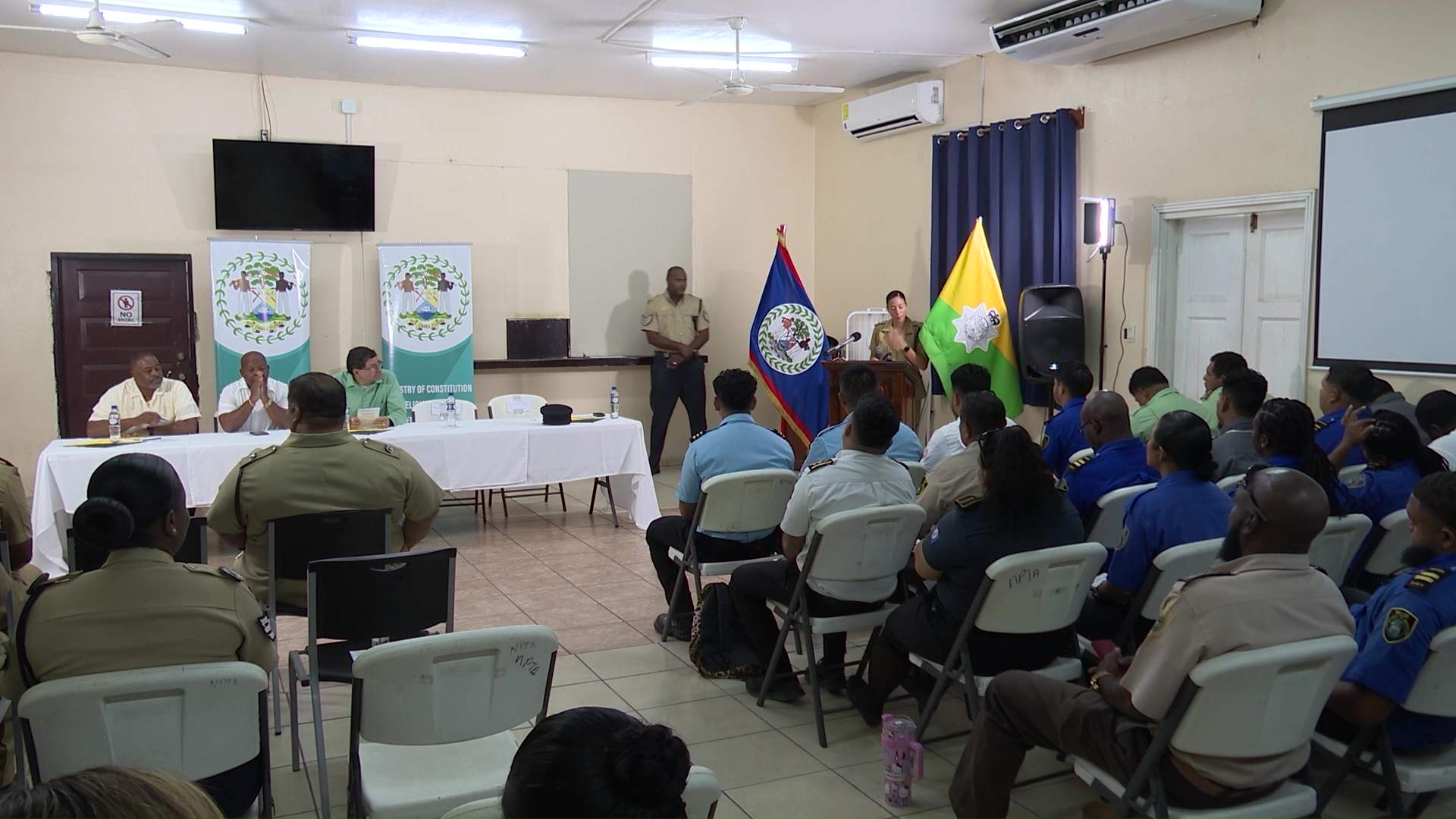
Transport Department Tightens Road Safety with Police Support
In a significant move to bolster road safety, the Transport Department has recently concluded a specialized training workshop designed to enhance the enforcement capabilities of transport personnel. This initiative, a collaborative effort between the Ministry of Transport and the Belize Police Department, aims to foster stronger inter-agency cooperation and improve the overall effectiveness of traffic law enforcement. The ultimate goal is to ensure safer highways for all road users.
Chester Williams, C.E.O. of the Ministry of Transport, emphasized the importance of equipping traffic officers with the necessary skills and knowledge to perform their duties effectively. ‘We are committed to ensuring that every traffic officer in the country, whether from the police, national traffic, or municipal traffic departments, is adequately trained. The days of assigning duties without proper training are over. We must provide our officers with the tools and knowledge they need to excel in their roles,’ Williams stated.
He further highlighted the need for administrative support in empowering employees. ‘When things go wrong, the blame often falls on the officers. However, it is the responsibility of the administration to ensure that employees are equipped to perform their duties. We aim to build a department known for excellence, where high standards become the norm, not the exception,’ Williams added.
This initiative marks a proactive step towards creating a more reputable and efficient transport department, dedicated to maintaining road safety and reducing traffic-related incidents.
-

Storm Melissa triggers red alert in several provinces
In response to the severe weather conditions brought by Tropical Storm Melissa, Dominican authorities have declared a red alert across several provinces. The affected regions include Greater Santo Domingo, encompassing the National District, as well as San Cristóbal, Peravia, Azua, Barahona, Pedernales, San José de Ocoa, and San Juan de la Maguana. The storm has unleashed torrential rains, raising concerns over potential flooding and other related hazards. As a preventive measure, educational institutions in the impacted areas have suspended classes, and government employees have been instructed to conclude their workday by 1:00 p.m. Officials are urging residents to remain vigilant and adhere strictly to the directives issued by emergency and civil defense agencies to ensure safety and minimize risks during this critical period.
-

Tussen mist en muur: Onze uitdaging in de Chinese bergen
On a chilly autumn day, a diverse group of journalists from the China International Press Communication Center 2025 Program embarked on an unforgettable adventure to the Great Wall of China. Despite the biting cold and unexpected rain, the group, hailing from the Asia-Pacific region, the Caribbean, the Arab world, and former Soviet states, set out with determination to conquer one of the world’s most iconic landmarks. Clad in layers of warm clothing, they braved the elements, their spirits undeterred by the challenging weather. The journey began with a two-hour bus ride, during which the majestic mountains, shrouded in mist, came into view, setting the stage for the day’s adventure. Arriving at Juyongguan, a strategic pass of the Great Wall located 60 kilometers from Beijing, the group was greeted by a breathtaking landscape that seemed straight out of a fairy tale. The steep, winding path of the Wall, combined with the Yuntai Cloud Platform—a masterpiece from the Yuan Dynasty—offered both a physical and mental challenge. As they began their ascent, the group quickly realized the climb would test their endurance. The uneven, steep steps demanded focus and stamina, and while some struggled, others, like Filomeno from East Timor, seemed unfazed, even opting to climb barefoot. The camaraderie among the group was palpable, with everyone encouraging one another to push forward. Along the way, they paused to capture the stunning views and reflect on the Wall’s rich history, which dates back to the 7th century BC. Despite the physical toll, the group reached the highest point, their sense of accomplishment overshadowing their fatigue. The descent proved equally challenging, with the steep steps requiring careful navigation. By the end of the journey, the journalists, though exhausted, were filled with pride and a deeper appreciation for the Great Wall’s enduring legacy. The experience not only strengthened their bonds but also left them with lasting memories of a day spent conquering one of the world’s greatest wonders.
-

FRS Express Des Iles announces major changes to St. Lucia schedule
FRS Express Des Iles has announced the suspension of its ferry service to and from St Lucia until Wednesday, October 22, 2025. The decision comes in response to an unexpected technical issue that has disrupted operations. This development follows a series of schedule adjustments and unforeseen cancellations over the past weekend. The company has assured passengers that refunds will be processed for those affected by the service halt. Details on how to obtain a refund have been provided in the official announcement. The temporary pause in the St Lucia leg of the service underscores the challenges faced by the ferry operator in maintaining seamless transportation amid technical difficulties.
-

Four SLASPA employees arrested following drug bust at Castries Port
In a significant crackdown on illegal drug activities, four employees of the Saint Lucia Air and Seaports Authority (SLASPA) have been apprehended following a drug bust at the Castries Port. The arrests were made as part of an intelligence-driven operation executed by the Royal Saint Lucia Police Force (RSLPF) on October 18. During the operation, law enforcement officers intercepted a vehicle operated by a SLASPA employee. Upon inspection, they discovered a barrel that had not yet been processed for Customs examination. A thorough search of the container revealed substantial quantities of controlled substances, including cannabis and MDMA, also known as ecstasy. The driver of the vehicle was immediately taken into custody. Subsequently, three more individuals, believed to be involved in the incident, were arrested. The RSLPF has confirmed that the investigation is ongoing, and formal charges are anticipated to be filed later this week.